Finding the Best Knee Pain Doctor Near Me: Tips and Recommendations
Knee pain can be debilitating and can significantly impact one’s quality of life. In this article, we will explore the causes, symptoms, and treatment options for knee pain, as well as provide tips for finding the best doctor to address this issue. Seeking professional help and understanding diagnostic procedures are crucial steps in managing knee pain effectively.
Key Takeaways
- Consulting a specialist is important for accurate diagnosis and personalized treatment plans.
- Choosing the right doctor involves considering experience, expertise, and patient reviews.
- Diagnostic tests for knee pain may include X-rays, MRI, and physical examinations.
- Non-surgical treatments such as physical therapy and medication can be effective for managing knee pain.
- Surgical interventions, including knee replacement surgery, may be necessary for severe cases of knee pain.
Understanding Knee Pain: Causes and Symptoms
Common Causes of Knee Pain
We often encounter patients who are uncertain about the origins of their knee discomfort. The knee is a complex joint, and its pain can stem from a variety of sources. One of the most prevalent causes we see is osteoarthritis, a degenerative joint disease that worsens over time. Other common causes include ligament injuries, such as an ACL tear, meniscal tears, and tendonitis.
Inflammation is a frequent underlying issue, whether it’s from overuse, an injury, or an underlying condition such as rheumatoid arthritis. Here’s a brief overview of these causes:
- Osteoarthritis: Degeneration of joint cartilage and the underlying bone.
- Ligament Injuries: Often due to sports or accidents.
- Meniscal Tears: Can occur with aging or sudden twists.
- Tendonitis: Inflammation of tendons, typically from repetitive movements.
Remember, early diagnosis and treatment can significantly improve the outcome for knee pain. It’s crucial to pay attention to your body and seek professional advice if you experience persistent or severe discomfort.
Symptoms to Look Out For
When we experience knee pain, it’s crucial to be vigilant about the symptoms that accompany it. These symptoms can range from mild discomfort to severe pain and can indicate the underlying cause of our knee issues. We should pay close attention to the duration, frequency, and type of pain we feel. For instance, a sharp pain during movement might suggest a different issue than a dull, constant ache.
Swelling, stiffness, and redness around the knee are also common indicators that something isn’t right. If we notice any of these symptoms, it’s important to monitor their progression. Here’s a quick list of symptoms that warrant our attention:
- Persistent or worsening pain
- Swelling or inflammation
- Popping or crunching noises
- Inability to fully straighten the knee
Tip: If you’re experiencing a combination of these symptoms, especially if they’re affecting your ability to perform daily activities, it’s time to seek professional advice.
Seeking Professional Help for Knee Pain

Importance of Consulting a Specialist
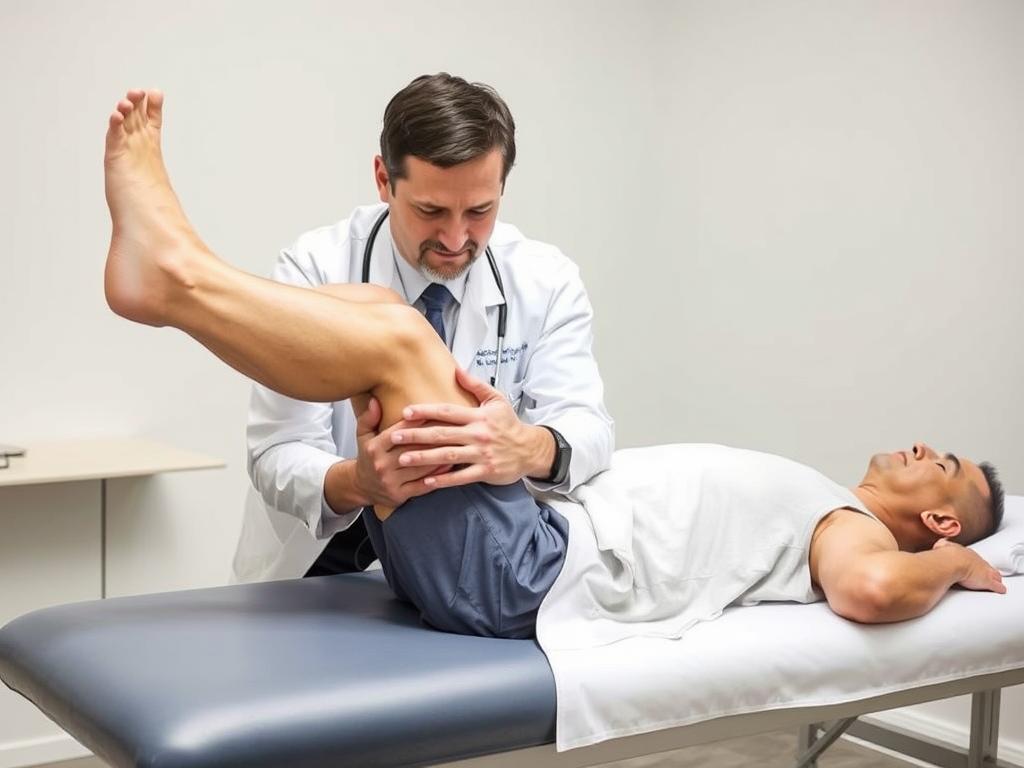
When we face knee pain that persists or is severe, it’s crucial to seek the expertise of a specialist. A specialist has the training and experience to diagnose the root cause of our discomfort accurately. They can distinguish between a wide range of conditions, from temporary strains to chronic diseases like osteoarthritis.
Timely consultation with a specialist can prevent the progression of knee problems and improve our chances of a successful recovery. Specialists can also guide us through the maze of treatment options, ensuring that we receive the most effective care for our specific condition.
Here are a few reasons why consulting a specialist is indispensable:
- They possess in-depth knowledge of knee anatomy and pathologies.
- They can provide a precise diagnosis and tailored treatment plan.
- They have access to advanced diagnostic tools and treatment technologies.
Remember, the earlier we address knee pain with a specialist’s help, the better our prognosis can be.
Choosing the Right Doctor
When we face knee pain that disrupts our daily activities, finding the right doctor becomes a priority. It’s essential to choose a healthcare professional who is not only qualified but also specializes in treating knee conditions. We should look for a doctor with a proven track record of diagnosing and treating similar cases successfully.
- Experience and specialization are key factors in selecting a doctor. Here’s a list to consider when making your choice:
- Board certification in orthopedic surgery or sports medicine
- Membership in professional organizations such as the American Academy of Orthopaedic Surgeons
- Positive patient testimonials and reviews
- Accessibility and willingness to answer questions
- A collaborative approach to treatment planning
Tip: Always verify the credentials and certifications of the doctor you plan to consult. It’s crucial to ensure they are recognized by reputable medical boards.
Remember, the right doctor for someone else might not be the right doctor for you. It’s important to trust your instincts and feel comfortable with the doctor’s approach to your care. After all, effective communication and a strong patient-doctor relationship are fundamental to successful treatment outcomes.
Diagnostic Procedures for Knee Pain

Types of Diagnostic Tests
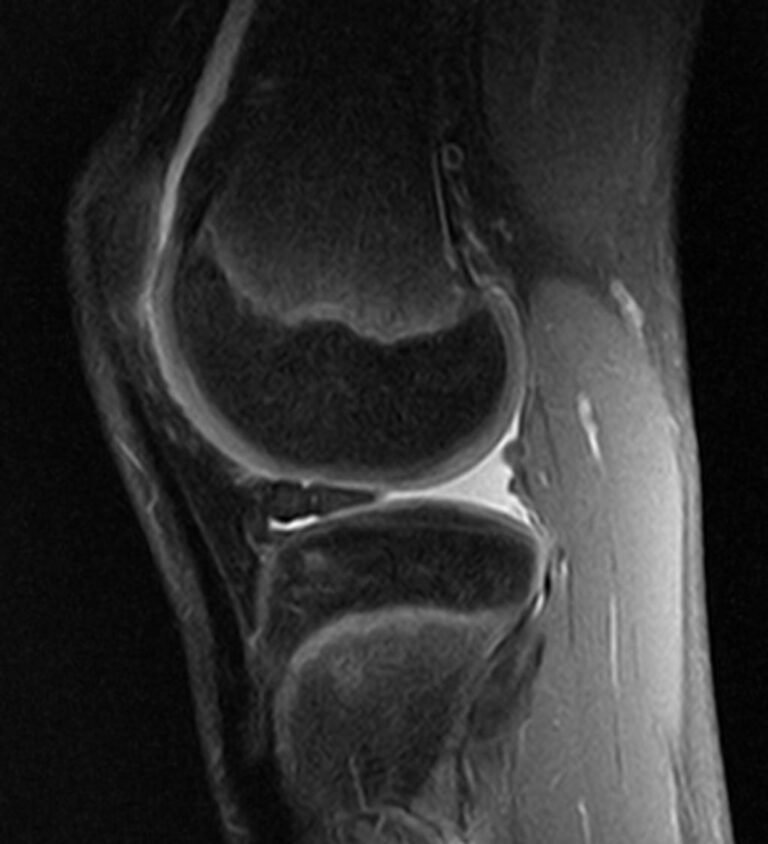
When we suspect knee pain, a variety of diagnostic tests are available to pinpoint the cause and extent of the injury. Imaging tests are often the first step, providing us with a clear picture of the knee’s internal structure. These include X-rays, which can detect bone fractures and degenerative joint disease; Magnetic Resonance Imaging (MRI) scans, offering detailed images of both hard and soft tissues; and Ultrasound, used to visualize soft tissue structures and their movement.
Arthroscopy is a minimally invasive procedure that allows for a direct look inside the joint. A small camera is inserted through a tiny incision, giving us a real-time view of the knee’s condition. This can be particularly insightful for diagnosing conditions like knee arthritis, which may be hinted at in the provided snippet.
For a comprehensive assessment, we may also conduct biomechanical tests to evaluate the knee’s function during movement. Here’s a simple list of common diagnostic tests:
- X-ray
- MRI scan
- Ultrasound
- Arthroscopy
- Biomechanical assessment
Remember, the choice of diagnostic test will depend on the suspected condition and the symptoms presented. It’s crucial to discuss the options with your doctor to understand the benefits and risks associated with each test.
Interpreting Test Results
When interpreting test results, it is crucial to consider the context of the patient’s symptoms and medical history. This helps us make informed decisions about the next steps in the treatment process.
In some cases, a comparison table of pre- and post-treatment test results can provide valuable insights into the effectiveness of the chosen treatment plan. This table may include parameters such as pain levels, range of motion, and functional ability.
Additionally, a numbered list of key indicators to look for in test results can aid in identifying patterns or anomalies. These indicators may include inflammation markers, joint stability, and structural integrity.
It is important to note that test results should always be interpreted in conjunction with the patient’s clinical presentation and response to treatment. This holistic approach ensures comprehensive care and better outcomes.
Treatment Options for Knee Pain

Non-Surgical Treatments
Non-surgical treatments for knee pain are often the first line of defense. Physical therapy plays a crucial role in strengthening the muscles around the knee and improving flexibility. Additionally, weight management and lifestyle modifications can significantly reduce the impact of knee pain. It’s important to note that these treatments may not provide immediate relief, but they are essential for long-term management.
- Physical Therapy: A structured exercise program designed to improve strength and flexibility.
- Weight Management: Maintaining a healthy weight to reduce stress on the knee joint.
- Lifestyle Modifications: Making changes to daily activities to minimize strain on the knee.
Tip: Consistency is key when it comes to non-surgical treatments. Adhering to the prescribed exercise regimen and lifestyle adjustments is crucial for optimal results.
Surgical Interventions
After considering all non-surgical treatments, surgical interventions may be recommended for severe cases of knee pain. These interventions often involve procedures such as arthroscopic surgery, knee replacement, or ligament reconstruction. The decision to undergo surgery should be carefully discussed with a specialist, weighing the potential benefits and risks. In some cases, a surgical intervention may be the most effective option for long-term relief and improved mobility. It’s important to have a thorough understanding of the surgical procedure and post-operative care to make an informed decision.
Conclusion
In conclusion, finding the best knee pain doctor near you requires careful consideration and research. By following the tips and recommendations outlined in this article, individuals can make informed decisions and seek the most qualified medical professionals for their specific needs. It is essential to prioritize expertise, experience, and patient reviews when selecting a knee pain doctor. Remember, the right doctor can make a significant difference in managing and treating knee pain effectively.
Frequently Asked Questions
What are the common causes of knee pain?
Common causes of knee pain include injuries, overuse, arthritis, and other medical conditions. It is important to consult a doctor for an accurate diagnosis.
How do I know if I need to see a knee pain specialist?
If you experience persistent or severe knee pain, difficulty in walking or bearing weight on the knee, or if the pain is accompanied by swelling, it is advisable to seek the expertise of a knee pain specialist.
What types of diagnostic tests are used to identify the cause of knee pain?
Diagnostic tests for knee pain may include X-rays, MRI scans, CT scans, ultrasound, and arthroscopy. These tests help in determining the underlying cause of the pain.
What are the non-surgical treatment options for knee pain?
Non-surgical treatment options for knee pain may include physical therapy, medications, injections, bracing, and lifestyle modifications. These approaches aim to alleviate pain and improve knee function.
What are the surgical interventions for knee pain?
Surgical interventions for knee pain may include arthroscopic surgery, partial or total knee replacement, and ligament reconstruction. These procedures are recommended for severe cases of knee pain that do not respond to non-surgical treatments.
How long is the recovery period after knee surgery?
The recovery period after knee surgery varies depending on the type of procedure performed. It may range from a few weeks to several months, during which physical therapy and rehabilitation are essential for optimal recovery.