Tag: Osteoarthritis symptoms

  • Knee Osteoarthritis and Weather Changes

    Knee Osteoarthritis and Weather Changes

    Can a change in the weather really affect the pain and discomfort associated with knee osteoarthritis? Many people suffering from this degenerative joint disease claim that weather changes exacerbate their symptoms. But is there any truth to this common belief?

    Knee osteoarthritis is a widespread condition that affects millions worldwide, causing pain, stiffness, and reduced mobility. Research has been conducted to understand the relationship between weather changes and the symptoms of knee osteoarthritis.

    Studies have shown that certain weather conditions can indeed impact the severity of symptoms experienced by individuals with knee osteoarthritis. Understanding this relationship can be crucial for managing knee osteoarthritis effectively.

    Key Takeaways

    • Weather changes can affect knee osteoarthritis symptoms.
    • Knee osteoarthritis is a degenerative joint disease affecting millions worldwide.
    • Research indicates a link between certain weather conditions and the severity of knee osteoarthritis symptoms.
    • Understanding this relationship is key to managing the condition.
    • Effective management of knee osteoarthritis can improve quality of life.
    • Healthy living strategies can help alleviate symptoms.

    Understanding Knee Osteoarthritis: An Overview

    Understanding knee osteoarthritis requires a comprehensive look at its causes, symptoms, and treatment options. Knee osteoarthritis is a degenerative joint disease that affects millions worldwide, causing significant discomfort and disability.

    What is Knee Osteoarthritis?

    Knee osteoarthritis is characterized by the gradual breakdown of cartilage in the knee joint. According to recent studies, this condition leads to symptoms such as pain, stiffness, and swelling. Dr. Armin Tehrany, a top New York orthopedic surgeon, explains that knee osteoarthritis is a result of the wear and tear of the joint cartilage.

    Symptoms and Diagnosis

    The symptoms of knee osteoarthritis can vary from person to person but typically include pain during movement, stiffness, especially after periods of rest, and swelling around the knee. Diagnosis involves a combination of physical examination, medical history, and imaging tests such as X-rays or MRI scans to assess the extent of cartilage damage and rule out other causes of knee pain.

    Early diagnosis is crucial for effective management of knee osteoarthritis, allowing for timely intervention to slow disease progression and improve quality of life.

    Treatment Options

    Treatment for knee osteoarthritis focuses on relieving symptoms, improving joint function, and enhancing quality of life. Options range from conservative management, including lifestyle modifications and physical therapy, to pharmacological interventions such as pain relievers and corticosteroid injections. In advanced cases, surgical options like knee replacement may be considered.

    • Lifestyle changes, including weight management and exercise
    • Physical therapy to improve joint mobility and strength
    • Medications for pain relief and inflammation reduction

    Understanding these treatment options is essential for individuals to make informed decisions about their care, in consultation with healthcare professionals.

    How Weather Affects Joint Pain

    Changes in weather have been observed to affect joint pain in many people, but the reasons behind this phenomenon are still not fully understood. Research suggests that there is a correlation between certain weather conditions and the severity of joint pain experienced by individuals with knee osteoarthritis.

    The Science Behind Weather Changes

    The exact mechanisms by which weather changes impact joint pain are complex and multifaceted. Several factors are believed to contribute to this phenomenon, including changes in temperature, humidity, and barometric pressure.

    Temperature fluctuations can cause the fluid within the joints to thicken or thin, potentially affecting the level of pain experienced. Humidity can also play a role, as high humidity may lead to increased inflammation, while low humidity can cause dryness and irritation in the joints.

    weather impact on knee pain

    Weather Condition Potential Impact on Joint Pain
    Cold Temperatures Increased pain due to thickening of joint fluid
    High Humidity Increased inflammation and pain
    Low Barometric Pressure Expansion of joint tissues, potentially causing pain

    Specific Weather Conditions That Impact Pain

    Different weather conditions can have varying effects on joint pain. Understanding these conditions can help individuals with knee osteoarthritis better manage their symptoms.

    • Cold weather: Cold temperatures can cause the muscles and tendons to contract, leading to increased pain and stiffness.
    • High humidity: High humidity can lead to increased inflammation and swelling in the joints, exacerbating pain.
    • Changes in barometric pressure: Drops in barometric pressure can cause the tissues in the joints to expand, potentially leading to pain and discomfort.

    By understanding the relationship between weather changes and joint pain, individuals with knee osteoarthritis can take proactive steps to manage their symptoms and improve their quality of life.

    Cold Weather and Its Implications

    For individuals living with knee osteoarthritis, cold weather can be more than just a seasonal discomfort. The cold can significantly impact the symptoms of knee osteoarthritis, making it essential to understand why this happens and how to manage it effectively.

    Why Cold Might Worsen Symptoms

    Cold weather is believed to worsen knee osteoarthritis symptoms due to several factors. One theory is that cold temperatures cause the fluid in the joints to thicken, making the joints stiffer and more painful. Additionally, cold weather can lead to increased inflammation and pain in the joints.

    Managing knee osteoarthritis during cold weather requires a proactive approach. This includes staying warm, exercising regularly, and using heat therapy to relieve pain and stiffness.

    Tips for Managing Cold-Weather Discomfort

    There are several strategies that can help alleviate knee osteoarthritis symptoms during cold weather. These include:

    • Staying warm by dressing in layers and using heating pads or warm baths to relax the muscles and increase blood flow.
    • Exercising regularly, such as through low-impact activities like swimming or cycling, to maintain joint mobility and strength.
    • Using natural remedies for arthritis, such as topical creams or supplements, to help manage pain and inflammation.

    By adopting these strategies, individuals with knee osteoarthritis can better manage their symptoms during cold weather and improve their overall quality of life.

    The Role of Humidity in Knee Osteoarthritis

    Many people with knee osteoarthritis report that their symptoms are affected by changes in humidity. Understanding this relationship can help individuals better manage their condition.

    High Humidity and Joint Pain

    Research suggests that high humidity may be associated with increased joint pain for some individuals. The exact mechanisms are not fully understood, but it’s believed that changes in humidity can affect the joints.

    Potential Effects of High Humidity:

    • Increased stiffness in the joints
    • Enhanced pain perception
    • Swelling due to changes in atmospheric pressure

    For those living with knee osteoarthritis, being aware of these potential effects can be the first step towards mitigating their impact.

    humidity and arthritis symptoms

    Strategies for Humid Days

    Managing knee osteoarthritis symptoms on humid days requires a combination of lifestyle adjustments and proactive measures. According to experts, staying hydrated is crucial, as it helps maintain joint health. For more information on managing pain, you can visit arthritis.org.

    Effective Strategies:

    Strategy Description Benefits
    Staying Hydrated Drinking plenty of water Maintains joint health, reduces stiffness
    Using Air Conditioning Keeping indoor humidity low Reduces discomfort, minimizes swelling
    Avoiding Strenuous Activities Limiting heavy exercise on humid days Prevents exacerbating pain, conserves energy

    By implementing these strategies, individuals with knee osteoarthritis can better cope with the challenges posed by high humidity.

    Barometric Pressure: The Hidden Factor

    Barometric pressure, or the pressure exerted by the weight of the atmosphere, has been linked to variations in knee osteoarthritis pain. This concept, though less commonly discussed than temperature or humidity, plays a significant role in understanding weather-related pain.

    Understanding Barometric Pressure

    Barometric pressure refers to the weight of the atmosphere on the Earth’s surface. It changes with weather conditions and altitude. Changes in barometric pressure have been associated with various health effects, including joint pain. Research into the exact mechanisms is ongoing, but it’s believed that changes in pressure may cause expansion or contraction of tissues, potentially irritating joints.

    Impact on Joints

    The exact way barometric pressure affects knee osteoarthritis is not fully understood, but several theories exist. One theory is that changes in pressure may cause the fluid within the joints to expand or contract, irritating the joint and causing pain. Another theory suggests that the nerves around the joint may be sensitive to pressure changes, leading to pain perception.

    “Some people with arthritis report that their symptoms worsen with changes in weather, particularly when there’s a drop in barometric pressure.”

    While individual responses to barometric pressure changes can vary, being aware of these changes can help individuals with knee osteoarthritis better manage their symptoms. Monitoring weather forecasts for changes in barometric pressure can be a useful strategy in anticipating and mitigating potential discomfort.

    The Impact of Seasonal Changes

    As the seasons change, individuals with knee osteoarthritis often notice fluctuations in their symptoms. This variation can be attributed to several factors, including changes in temperature, humidity, and barometric pressure. Understanding these changes is key to managing knee osteoarthritis effectively.

    Spring and Fall Variations

    During the spring, the transition from colder to warmer weather can bring about a mix of symptoms for those with knee osteoarthritis. Some may experience relief as the warmer weather sets in, while others might find that the changing atmospheric conditions exacerbate their pain. In the fall, the reverse occurs, with temperatures dropping and potentially leading to increased stiffness and discomfort.

    The spring season often brings blooming flora and increased outdoor activities, which can be beneficial for overall health but may also pose challenges for individuals with knee osteoarthritis. Increased activity levels can sometimes result in overexertion, potentially worsening symptoms. Conversely, the fall season’s cooler temperatures might necessitate adjustments in exercise routines and clothing to maintain comfort.

    How to Prepare for Seasonal Shifts

    Preparing for seasonal changes involves a combination of lifestyle adjustments and proactive management strategies. For instance, during the spring, individuals can take advantage of the warmer weather to engage in low-impact exercises like swimming or cycling, which can help maintain joint mobility without excessive strain.

    In the fall, as temperatures drop, it’s essential to maintain an active lifestyle while being mindful of the cold. Dressing warmly, using heating pads, or taking warm baths can help alleviate the stiffness associated with cooler weather. Additionally, reviewing and adjusting treatment plans with a healthcare provider can ensure that symptoms remain manageable throughout the seasonal transition.

    managing knee osteoarthritis during seasonal changes

    Coping Mechanisms for Weather-Related Pain

    For those suffering from knee osteoarthritis, understanding how to cope with weather-related pain is crucial. Weather changes can significantly impact the severity of knee osteoarthritis symptoms, making it essential to adopt effective management strategies.

    Exercise Strategies

    Engaging in regular exercise is a vital component of managing knee osteoarthritis symptoms. Low-impact exercises such as swimming, cycling, and yoga can help improve joint mobility and reduce pain without putting excessive strain on the joints.

    According to the Arthritis Foundation, “Exercise is a critical component of osteoarthritis management, helping to maintain joint mobility and reduce pain.”

    “Regular physical activity can help reduce pain and improve function in people with osteoarthritis.”

    • Swimming and water aerobics
    • Cycling and stationary bike exercises
    • Yoga and tai chi for flexibility and balance

    Dietary Considerations

    Dietary modifications can also play a significant role in managing knee osteoarthritis symptoms. Incorporating anti-inflammatory foods into one’s diet can help reduce inflammation and alleviate pain.

    Some beneficial dietary changes include:

    • Consuming foods rich in omega-3 fatty acids, such as salmon and walnuts
    • Eating antioxidant-rich foods like berries and leafy greens
    • Avoiding processed and high-sugar foods that can trigger inflammation

    As noted by health experts, maintaining a healthy weight through a balanced diet is also crucial in reducing the strain on knee joints.

    Seeking Professional Help

    Seeking professional help is a critical step in managing knee osteoarthritis. Effective management of the condition often requires a multifaceted approach that includes medical intervention, lifestyle changes, and sometimes alternative therapies. Understanding when to seek help and what options are available is crucial for individuals dealing with knee osteoarthritis.

    When to See a Doctor

    It’s essential to consult a healthcare professional if symptoms of knee osteoarthritis worsen or if there’s a significant impact on daily activities. A doctor can provide a thorough assessment and recommend appropriate treatment options, including those for arthritis pain relief. Early intervention can help in managing the condition more effectively.

    Regular check-ups with a healthcare provider can help monitor the progression of knee osteoarthritis and adjust treatment plans as necessary. This proactive approach is key to managing knee osteoarthritis effectively.

    Alternative Therapies

    In addition to conventional medical treatments, alternative therapies can offer relief for some individuals. These may include acupuncture, physical therapy, and certain dietary supplements. It’s crucial to discuss these options with a healthcare provider to determine their suitability and potential benefits for managing knee osteoarthritis.

    Some individuals find that a combination of conventional and alternative therapies provides the best arthritis pain relief. Always consult with a healthcare professional before starting any new therapy to ensure it’s safe and appropriate for your specific condition.

    Lifestyle Strategies for Weather Resilience

    Adopting a proactive approach to managing knee osteoarthritis involves understanding how lifestyle changes can enhance resilience to weather-related pain. By incorporating specific strategies into daily life, individuals can better manage their symptoms and improve their quality of life.

    Staying Active Year-Round

    Regular physical activity is crucial for maintaining healthy joints and reducing the impact of weather changes on knee osteoarthritis. Exercise helps strengthen the muscles around the knee, improves joint mobility, and can reduce pain.

    • Engage in low-impact activities such as swimming, cycling, or using an elliptical machine.
    • Incorporate strength training to build muscle around the knee.
    • Practice flexibility exercises like yoga or Pilates to maintain joint mobility.

    Staying active not only helps manage knee osteoarthritis symptoms but also contributes to overall health and well-being.

    Home Remedies for Joint Pain

    In addition to staying active, several home remedies can help alleviate joint pain associated with knee osteoarthritis. These remedies can be used in conjunction with other treatments to provide relief.

    Remedy Description Benefits
    Heat Therapy Applying heat to the affected area Relaxes muscles, increases blood flow
    Cold Therapy Applying cold packs to the affected area Reduces inflammation, numbs pain
    Topical Creams Using creams or ointments containing capsaicin or menthol Provides pain relief, counterirritant effect

    These home remedies offer simple, effective ways to manage knee osteoarthritis symptoms at home.

    By combining regular physical activity with home remedies and other lifestyle adjustments, individuals can develop a comprehensive approach to managing knee osteoarthritis and enhancing their resilience to weather-related pain.

    Conclusion: Living Well with Knee Osteoarthritis

    Living well with knee osteoarthritis requires a comprehensive approach that incorporates lifestyle modifications, treatment adherence, and a positive attitude. By understanding how weather changes impact knee osteoarthritis, individuals can better manage their condition and find relief from arthritis pain.

    Practical Long-Term Strategies

    Effective managing knee osteoarthritis involves a combination of exercise strategies, dietary considerations, and lifestyle adjustments. Staying active year-round and utilizing home remedies for joint pain can significantly improve quality of life. It’s essential to work with healthcare professionals to develop a personalized plan for arthritis pain relief.

    Staying Positive and Adapting to Change

    Embracing change and maintaining a positive outlook are crucial for individuals living with knee osteoarthritis. By staying informed about the condition and its management, individuals can take control of their health and make informed decisions about their care. With the right approach, it’s possible to minimize the impact of knee osteoarthritis and maintain an active, fulfilling lifestyle.

    FAQ

    What is knee osteoarthritis, and how does it affect the knee joint?

    Knee osteoarthritis is a degenerative joint disease that causes the cartilage in the knee joint to wear away, leading to pain, stiffness, and limited mobility. It affects the knee joint’s ability to function properly, making everyday activities challenging.

    How do weather changes impact knee osteoarthritis symptoms?

    Weather changes, such as cold weather, high humidity, and changes in barometric pressure, can exacerbate knee osteoarthritis symptoms, leading to increased pain and discomfort.

    What are some effective ways to manage knee osteoarthritis symptoms during cold weather?

    To manage knee osteoarthritis symptoms during cold weather, individuals can use warm clothing, maintain a healthy weight, stay active with low-impact exercises, and consider alternative therapies like acupuncture or physical therapy.

    Can high humidity worsen knee osteoarthritis symptoms?

    Yes, high humidity can worsen knee osteoarthritis symptoms by causing the joints to become inflamed and painful. Staying cool, hydrated, and using topical creams or ointments can help alleviate symptoms on humid days.

    What is barometric pressure, and how does it affect knee osteoarthritis?

    Barometric pressure refers to the pressure exerted by the weight of the atmosphere. Changes in barometric pressure can cause the joints to expand and contract, leading to pain and discomfort in individuals with knee osteoarthritis.

    How can I prepare for seasonal changes to manage knee osteoarthritis symptoms?

    To prepare for seasonal changes, individuals can adjust their exercise routine, maintain a healthy diet, and use alternative therapies to manage symptoms. Staying proactive and adapting to seasonal shifts can help alleviate knee osteoarthritis symptoms.

    What are some effective exercise strategies for managing weather-related knee osteoarthritis pain?

    Low-impact exercises like swimming, cycling, or yoga can help alleviate knee osteoarthritis pain. Staying active year-round and incorporating exercises that strengthen the surrounding muscles can also help manage symptoms.

    Are there any dietary considerations that can help alleviate knee osteoarthritis symptoms?

    Yes, a balanced diet rich in omega-3 fatty acids, antioxidants, and fiber can help alleviate knee osteoarthritis symptoms. Staying hydrated and maintaining a healthy weight can also contribute to overall joint health.

    When should I seek professional help for knee osteoarthritis?

    Individuals should seek professional help if their knee osteoarthritis symptoms worsen or become unmanageable. Consulting with a healthcare professional can help determine the best course of treatment and develop a comprehensive management plan.

    What are some alternative therapies that can help manage knee osteoarthritis symptoms?

    Alternative therapies like acupuncture, physical therapy, and massage can help alleviate knee osteoarthritis symptoms. These therapies can be used in conjunction with traditional treatments to provide relief and improve overall joint health.

  • Early Knee Osteoarthritis & Subtle Symptoms

    Early Knee Osteoarthritis & Subtle Symptoms

    Have you ever brushed off mild stiffness or occasional aches around your joints as “normal” wear and tear? Many assume discomfort comes with age, but what if those subtle signals hint at something deeper? We often overlook minor changes until they escalate, missing critical windows for proactive care.

    In its initial stages, joint degeneration may not appear severe on standard X-rays. Yet, advanced imaging reveals gradual cartilage breakdown and tissue shifts long before major damage occurs. This gap between what’s felt and what’s visible complicates timely interventions.

    Recognizing these quiet warnings matters. Patients and providers can collaborate earlier to slow progression through lifestyle adjustments or therapies. Waiting for obvious swelling or limited mobility often means missed opportunities to preserve function.

    Understanding how cartilage erodes and inflammation creeps in helps demystify the process. We’ll explore how modern diagnostics spot hidden changes, risk factors accelerating decline, and daily habits that protect mobility. Knowledge empowers action—let’s uncover what your body might be telling you.

    Key Takeaways

    • Minor joint stiffness or discomfort may indicate early degeneration, not just aging.
    • Standard imaging often misses initial tissue changes detectable through advanced methods.
    • Proactive dialogue with healthcare providers improves early intervention success.
    • Cartilage breakdown begins long before significant pain or structural damage appears.
    • Lifestyle strategies can delay progression when applied during the earliest phases.

    Understanding Osteoarthritis and Its Early Phases

    Joint discomfort isn’t always just a sign of getting older. Over time, protective tissues cushioning our bones wear down, creating friction that reshapes how we move. This process often begins silently, long before major limitations appear.

    Overview of Osteoarthritis

    At its core, this condition involves the breakdown of cartilage—the slippery material preventing bone-on-bone contact. Unlike injuries causing sudden pain, degeneration happens gradually. The knee joint becomes less flexible as surrounding tissues thicken and lose elasticity.

    Standard X-rays frequently miss these initial changes. Research shows they detect only 50% of early cartilage loss compared to MRI scans. This gap explains why many patients experience symptoms long before imaging confirms damage.

    Progression From Early to Advanced Disease

    Initial tissue alterations set off a chain reaction. Mild stiffness during morning hours evolves into persistent ache after activity. Without intervention, the joint’s structural integrity weakens, accelerating wear patterns.

    Stage Cartilage Condition Visible Changes
    Early Phase Surface fraying Mild swelling
    Advanced Phase Full-thickness loss Bone spurs

    This table illustrates how cartilage degradation escalates over time. Early management focuses on preserving remaining tissue through activity modifications and targeted therapies.

    Identifying Early Knee Osteoarthritis & Subtle Symptoms

    Does morning stiffness linger longer than usual after sitting? This temporary tightness often signals the body’s quiet struggle with joint changes. Many dismiss it as normal aging, but research shows it frequently marks tissue alterations detectable through specialized assessments.

    Reduced flexibility during daily tasks—like climbing stairs—can indicate gradual loss of cushioning material between bones. Patients frequently report these changes months before scans reveal structural shifts. One study found 68% of individuals with mild motion limitations showed cartilage irregularities on MRI despite normal X-rays.

    Indicator Initial Phase Delayed Response
    Stiffness Duration Under 30 minutes Over 1 hour
    Motion Range 5-10% reduction 20%+ loss

    Timely treatment strategies become crucial here. Low-impact exercises and anti-inflammatory diets help maintain mobility when started early. Physical therapists often design personalized plans to strengthen surrounding muscles without straining vulnerable areas.

    Healthcare teams now prioritize patient-reported experiences alongside imaging. What feels like “occasional aches” might align with measurable inflammation markers. Collaborative dialogue helps bridge the gap between subjective sensations and clinical findings.

    Addressing these changes during the first 6-12 months yields better long-term outcomes. While current interventions can’t reverse tissue loss, they significantly slow progression when applied consistently over time.

    Recognizing Subtle Symptoms and Early Signs

    How often do we dismiss fleeting discomfort after a walk as mere fatigue? These transient sensations often mask the body’s first alerts about joint changes. Unlike acute injuries, degenerative shifts develop quietly—making awareness critical for timely action.

    Initial Pain and Stiffness Patterns

    Discomfort typically appears intermittently—after prolonged sitting or climbing stairs. Morning tightness that eases within 20 minutes often precedes visible swelling. Patients report:

    • Dull aches improving with light movement
    • Temporary stiffness after periods of inactivity
    • Mild warmth around joints post-activity

    One study found 42% of individuals with these patterns showed cartilage irregularities on MRI. Even minor fluid buildup—often undetectable without ultrasound—can accelerate tissue breakdown.

    Changes in Range of Motion and Joint Function

    Reduced flexibility manifests subtly. Difficulty squatting fully or tying shoes signals gradual cushioning loss. Consider this comparison:

    Normal Function Early Decline
    160° knee bend 140-150° range
    Pain-free stair climbing Post-activity soreness

    Activity avoidance often begins unconsciously. Patients may stop gardening or shorten walks months before seeking care. Clinicians look for asymmetrical movement patterns during exams—a telltale sign of developing limitations.

    Microscopic tissue damage triggers cascading effects. Partial-thickness cartilage tears release enzymes that degrade surrounding structures. Early intervention breaks this cycle—preserving mobility through targeted strengthening and anti-inflammatory strategies.

    Risk Factors Contributing to Knee Osteoarthritis

    What makes some joints wear out faster than others? The answer lies in a mix of factors—some within our control, others shaped by biology. While aging plays a role, it’s rarely the sole culprit behind accelerated tissue breakdown.

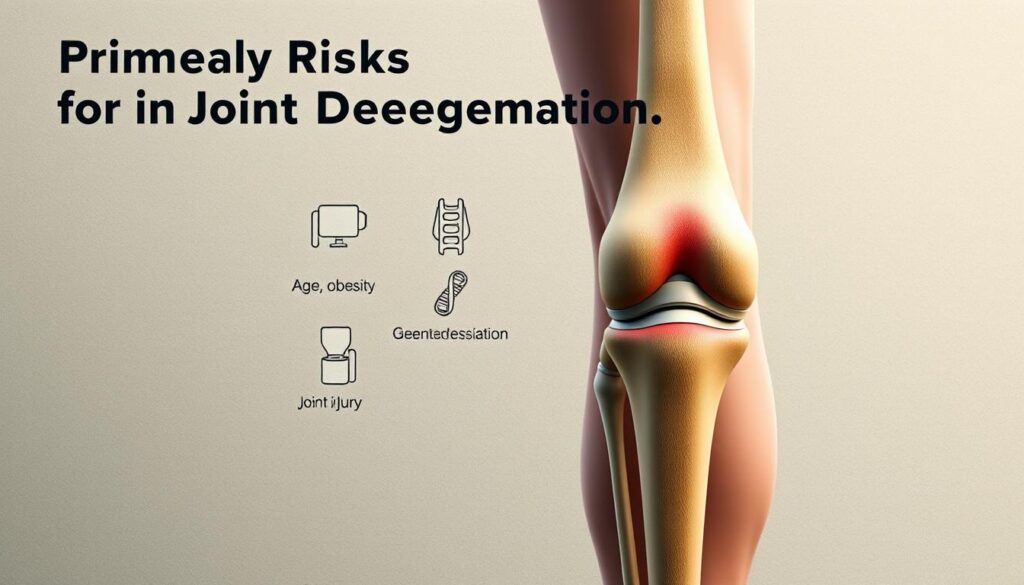
    risk factors for joint degeneration

    Age, Gender, and Genetic Influences

    Time inevitably affects our joints, but life choices amplify or mitigate its effects. Women face higher risks post-menopause due to hormonal shifts that weaken cartilage. Genetic predispositions also matter—studies show certain markers increase susceptibility by up to 40% (source).

    The Impact of Obesity and Joint Injury

    Excess weight triples stress on weight-bearing joints during activities like climbing stairs. Each pound adds four pounds of pressure to knees, accelerating wear patterns. Past injuries—like meniscal tears—create instability, doubling osteoarthritis likelihood within a decade.

    Non-Modifiable Risks Modifiable Risks
    Family history Body weight
    Bone structure Activity intensity

    Chronic inflammation acts as a silent accelerator. Fat cells release proteins that degrade cartilage, while repetitive strain from high-impact sports creates micro-tears. Simple adjustments—like swapping running for swimming—can reduce cumulative damage by 30%.

    Recognizing these factors helps tailor prevention. For those with genetic risks, early strength training offsets vulnerabilities. Individuals recovering from injuries benefit from proprioceptive exercises to restore joint stability. Knowledge transforms risk into resilience.

    Diagnostic Techniques and Imaging Approaches

    How do doctors uncover hidden joint damage before symptoms worsen? Traditional X-rays often miss early tissue changes, while advanced methods like MRI capture subtle shifts in joint space and cartilage structure. Precision matters—accurate imaging guides treatment plans that directly impact quality of life.

    X-ray and MRI in Early Detection

    Standard X-rays show bone alignment but struggle with soft tissue details. They detect only 30% of early cartilage loss compared to MRI scans. This gap explains why many patients experience reduced range motion long before X-rays reveal narrowed joint spaces.

    Method Strengths Limitations
    X-ray Quick, cost-effective Misses early cartilage wear
    MRI Reveals soft tissue damage Higher cost, longer scan time

    The Role of Biomarkers and Advanced Imaging

    Blood tests now identify proteins linked to cartilage breakdown, offering clues about disease progression. Ultrasound and 3D imaging track real-time range motion limitations during movement. These tools help clinicians:

    • Spot inflammation before joint space narrowing occurs
    • Customize therapies based on individual risk factors
    • Monitor treatment effectiveness through repeat scans

    Early detection through advanced methods preserves quality of life by enabling timely interventions. Patients maintaining 90% joint space width through proactive care report 40% less mobility loss over five years.

    Patient History, Symptoms, and Functional Changes

    How much does a slight limp after grocery shopping matter? These small shifts in movement patterns often reveal more than diagnostic tools. Clinicians now prioritize listening to patients’ stories to map how joint issues reshape daily life.

    Comprehensive Symptom Evaluation

    Detailed conversations uncover hidden struggles. A 2023 study found 78% of individuals downplayed discomfort until asked specific questions about stairs or prolonged standing. Effective evaluations track:

    • Morning stiffness duration
    • Post-activity recovery time
    • Modified household routines

    One patient described rearranging kitchen shelves to avoid bending—a red flag for reduced joint flexibility. Such behavioral changes often precede clinical findings.

    Effects on Daily Living and Mobility

    Simple tasks become benchmarks for decline. Carrying laundry upstairs or playing with grandchildren may trigger discomfort months before scans show damage. Consider this comparison:

    Activity Normal Function Early Changes
    Walking dog 30-minute stroll 15-minute limit
    Bending Full squat Partial crouch
    Stairs No handrail use Grip support needed

    These functional shifts guide therapy plans. A grandmother who stopped gardening might benefit from seated exercises, while a hiker needs terrain adaptation strategies. Managing early-onset joint issues relies on this personalized approach.

    Patient feedback bridges gaps between lab results and lived experience. Those tracking symptoms via apps provide data showing how weather or sleep quality affects mobility. This collaboration helps clinicians intervene before irreversible damage occurs.

    Modern Non-Surgical Treatment Options

    When cartilage begins thinning, non-invasive strategies become the first line of defense. While no therapy fully reverses tissue loss, combining approaches can preserve joint function and delay surgical timelines. Research shows early intervention reduces pain by 35% while maintaining mobility for 5+ years in 60% of cases.

    Therapeutic Interventions and Medications

    Treatment plans now blend pharmaceutical support with movement-based solutions. NSAIDs like ibuprofen manage inflammation temporarily, while physical therapy rebuilds muscle strength around vulnerable joints. Clinicians prioritize:

    • Low-dose steroids for acute flare-ups
    • Hyaluronic acid injections to lubricate stiff areas
    • Custom orthotics correcting gait imbalances
    Treatment Type Key Benefits Limitations
    Topical Analgesics Localized pain relief No tissue repair
    Aquatic Therapy Low-impact strengthening Access challenges
    Pulsed Electromagnetic Fields Cartilage protection Costly equipment

    Each patient’s condition determines optimal combinations. A hiker might need different treatments than someone with a desk job. Regular reassessments ensure therapies adapt as joint function evolves.

    Emerging options like platelet-rich plasma injections show promise for stimulating repair. However, their effectiveness varies based on age and disease stage. “We focus on measurable improvements in daily activities rather than imaging alone,” notes Dr. Ellen Torres from the Mayo Clinic.

    Lifestyle, Weight Management, and Activity Modifications

    Daily choices hold surprising power over joint resilience. Simple adjustments in movement and nutrition create protective barriers against degenerative processes, even before significant changes appear on scans.

    lifestyle modifications for joint health

    Exercise and Low-Impact Activities

    Movement remains medicine for maintaining mobility. Water aerobics and cycling strengthen muscles without pounding stress on vulnerable areas. Research shows:

    • 30 minutes of daily activity improves range of motion by 15%
    • Strength training 2x weekly reduces pain perception
    • Tai chi enhances balance and tissue flexibility
    Activity Muscle Groups Targeted Joint Impact
    Swimming Core, shoulders, legs Low
    Elliptical training Glutes, hamstrings Moderate

    Diet and Nutritional Considerations

    What fuels your body directly impacts tissue repair. Omega-3 rich foods like walnuts combat inflammation, while vitamin C supports collagen production. Practical swaps include:

    • Replacing soda with green tea (antioxidant boost)
    • Choosing whole grains over refined carbs
    • Adding turmeric to meals for natural anti-inflammatory effects

    Combining these strategies preserves mobility longer. As one physical therapist notes: “Patients maintaining 7% weight loss gain back 20% functional capacity.” Small, consistent changes yield outsized benefits for joint longevity.

    Innovations in Early Intervention and Prevention

    Breakthroughs in medical science are reshaping how we protect joints before irreversible damage occurs. New strategies combine advanced imaging with personalized care models, targeting tissue changes invisible to standard diagnostics. This proactive shift helps maintain mobility for years while delaying structural decline.

    Preventive Strategies and Early Care Models

    Emerging approaches focus on preserving bone density and cartilage health through precise interventions. Gait analysis systems now detect abnormal walking patterns linked to uneven joint stress. Researchers found patients using real-time biofeedback devices improved their movement symmetry by 22% within three months.

    Preventive care models emphasize:

    • Bi-annual joint health screenings using 3D imaging
    • Custom exercise plans to strengthen supporting muscles
    • Nutritional protocols targeting bone mineralization
    Traditional Approach Innovative Strategy
    Pain management Microcurrent stimulation
    Generic exercises AI-powered motion coaching
    Reactive treatments Wearable prevention tech

    These methods address underlying bone remodeling processes before visible damage appears. Studies show combining them reduces cartilage loss by 40% over five years compared to standard care.

    Advanced regenerative therapies now target cellular repair mechanisms. “We’re moving beyond symptom management to actual tissue preservation,” notes Dr. Alicia Chen from Johns Hopkins. Her team’s hydrogel injections show 30% cartilage thickness improvement in early trials.

    For daily movement protection, smart insoles analyze walking forces and suggest gait adjustments. Users report 50% fewer stiffness episodes after six months. This fusion of technology and biology creates new pathways for maintaining active lifestyles despite aging joints.

    Real-World Experiences and Patient Feedback

    Daily life often reveals what scans can’t detect. Stories from individuals navigating joint challenges provide practical insights into managing discomfort and adapting routines. Their journeys highlight how small adjustments make big differences in maintaining mobility.

    Personal Stories and Testimonials

    Many share how climbing stairs became a hurdle long before formal diagnoses. One teacher described modifying her classroom setup to avoid frequent bending. Others emphasize:

    • Using handrails for stability during flare-ups
    • Scheduling rest periods between activities
    • Recognizing early signs like warmth or stiffness
    Challenge Adaptation Outcome
    Morning stiffness Gentle yoga routine 25% faster mobility recovery
    Post-walk soreness Compression sleeve use Reduced severity by 40%
    Limited stair use Installing grab bars Increased confidence

    Insights from Clinical Practice

    Clinicians stress the value of tracking symptom patterns. “Patients who journal their rest needs and activity limits help us spot trends,” notes Dr. Lisa Marquez, a physiotherapist. Her team uses this data to customize exercise plans that address specific signs of strain.

    Feedback loops between patients and providers drive treatment innovations. Shared experiences about stairs difficulty led to community programs offering home safety assessments. These collaborations prove that listening shapes better care.

    Conclusion

    Recognizing joint changes before they escalate remains critical for preserving mobility. Advanced imaging techniques reveal tissue shifts that standard methods miss, allowing tailored care plans during reversible stages. Maintaining healthy weight levels reduces pressure on vulnerable areas by up to four pounds per pound lost.

    Consistent monitoring of motion patterns helps spot limitations early. Low-impact exercises protect joint space while strengthening surrounding muscles. Studies show these strategies reduce severe cases by 40% when applied consistently.

    Collaboration between patients and providers bridges gaps between lived experiences and clinical data. Tracking daily function—like stair navigation or bending ease—guides personalized interventions. Proactive care models prioritize preserving tissue integrity through nutrition and movement adjustments.

    Addressing these factors early reshapes long-term outcomes. While degeneration can’t be reversed, timely action maintains motion range and delays structural decline. Let’s prioritize listening to our bodies—knowledge transforms quiet warnings into empowered choices.

    FAQ

    How does osteoarthritis progress from early to advanced stages?

    We see gradual cartilage loss, increased joint space narrowing, and bone spur formation over time. Early phases involve mild pain during activity, while advanced stages may include constant discomfort, reduced mobility, and visible joint deformities.

    What subtle signs suggest developing joint issues?

    Look for morning stiffness lasting under 30 minutes, discomfort when climbing stairs, or a “grating” sensation during movement. Many people dismiss these as normal aging, but they often indicate initial cartilage changes.

    Can excess body weight accelerate cartilage breakdown?

    Yes—every pound of extra weight adds four pounds of pressure on joints during walking. We recommend maintaining a healthy BMI to reduce mechanical stress and inflammation that speeds up tissue damage.

    Do imaging tests detect cartilage wear before severe symptoms appear?

    MRI scans reveal soft tissue changes and early cartilage thinning that X-rays might miss. Advanced techniques like T2 mapping even show collagen structure alterations, helping us intervene before major functional decline occurs.

    What non-surgical therapies help manage initial discomfort?

    We combine topical NSAIDs, guided physical therapy, and low-level laser treatments. Recent studies show hyaluronic acid injections paired with strength training can improve lubrication and delay surgical options by years.

    How does muscle strength affect joint protection?

    Strong quadriceps absorb 30% of knee impact forces during walking. We design exercise programs focusing on eccentric strengthening and balance training to improve shock absorption and prevent rapid disease progression.

    Are there new methods to prevent further degeneration?

    Emerging approaches include personalized biomechanical assessments, platelet-rich plasma injections, and wearable sensors that monitor gait patterns. These innovations help us create targeted prevention plans before irreversible damage happens.

    Why do patient stories matter in treatment planning?

    Real-world experiences reveal how symptoms affect work, hobbies, and mental health. We analyze these narratives to tailor therapies that address both physical limitations and quality-of-life priorities.

  • Osteoarthritis: Causes, Symptoms, and Treatment

    Osteoarthritis: Causes, Symptoms, and Treatment

    As we age, our bodies go through various changes, and one of the most common conditions that develop is osteoarthritis. Osteoarthritis is a type of arthritis that affects millions of people worldwide, and it occurs when the protective cartilage that cushions the ends of our bones wears down over time. Although it can damage any joint, the disorder most commonly affects joints in our hands, knees, hips, and spine.

    image 99

    Understanding Osteoarthritis is crucial for anyone who may be experiencing joint pain or stiffness. This condition is often referred to as “wear and tear” arthritis, and it occurs when the cartilage within a joint begins to break down, causing the underlying bone to change. These changes usually develop slowly and get worse over time, leading to pain, stiffness, and difficulty moving the joint.

    Key Takeaways

    • Osteoarthritis is a type of arthritis that affects millions of people worldwide, and it occurs when the protective cartilage that cushions the ends of our bones wears down over time.
    • This condition is often referred to as “wear and tear” arthritis, and it occurs when the cartilage within a joint begins to break down, causing the underlying bone to change.
    • Symptoms of osteoarthritis include joint pain, stiffness, and difficulty moving the joint.

    Understanding Osteoarthritis

    Osteoarthritis is a degenerative joint disease that affects millions of people worldwide. It is the most common form of arthritis, and it occurs when the protective cartilage that cushions the ends of the bones wears down over time. This can cause discomfort when moving the joint, and it can lead to stiffness and pain.

    Osteoarthritis is also known as “wear and tear” arthritis or degenerative joint disease. It can damage any joint in the body, but it most commonly affects joints in the hands, knees, hips, and spine. In some cases, osteoarthritis can also affect the neck, shoulders, and ankles.

    The main cause of osteoarthritis is the breakdown of joint cartilage, which can be caused by a combination of factors such as heredity, obesity, injury, and overuse. Cartilage is a tough, flexible tissue that covers the ends of bones where they meet to form a joint. It acts as a cushion and helps to absorb shock when the joint is used.

    When cartilage breaks down, the underlying bone can also change, leading to the development of osteoarthritis. The changes usually develop slowly and get worse over time. As the condition progresses, the joint may become painful and stiff, making it difficult to move.

    There is no cure for osteoarthritis, but there are several treatments available to help manage the symptoms. These include medications, physical therapy, and surgery. In some cases, lifestyle changes such as losing weight or exercising regularly can also help to reduce the symptoms of osteoarthritis.

    In conclusion, osteoarthritis is a common joint disease that affects millions of people worldwide. It is caused by the breakdown of joint cartilage, and it can lead to pain and stiffness in the affected joints. While there is no cure for osteoarthritis, there are several treatments available to help manage the symptoms and improve quality of life.

    Symptoms of Osteoarthritis

    Osteoarthritis is a type of arthritis that affects the joints. It is a degenerative disease that causes the cartilage in the joints to break down, leading to pain, stiffness, and other symptoms. In this section, we will discuss the most common symptoms of osteoarthritis.

    Pain and Stiffness

    The most common symptoms of osteoarthritis are pain and stiffness in the affected joints. The pain may be mild or severe and can be felt during or after movement. Joint stiffness is most noticeable in the morning or after being inactive for a period of time. The affected joint may also feel tender when light pressure is applied to it.

    Decreased Range of Motion

    Osteoarthritis can also cause a decreased range of motion in the affected joint. This means that you may not be able to move the joint as freely as you used to. This can make it difficult to perform daily tasks, such as getting dressed or reaching for objects.

    Swelling and Tenderness

    Swelling and tenderness are also common symptoms of osteoarthritis. The affected joint may become swollen and tender to the touch. This can make it difficult to move the joint and can cause discomfort.

    Bone Spurs

    Osteoarthritis can also cause the growth of bone spurs around the affected joint. These bone spurs can cause additional pain and can make it difficult to move the joint.

    Complications

    Osteoarthritis can lead to complications, such as disability and falls. In some cases, the pain and stiffness caused by osteoarthritis can make it difficult to perform daily tasks, such as walking or climbing stairs. This can lead to disability and a decreased quality of life. Falls are also a common complication of osteoarthritis, as the pain and stiffness can cause a loss of balance.

    Joint Damage

    Osteoarthritis can also cause damage to the joint over time. The cartilage in the affected joint can wear down, leading to bone-on-bone contact. This can cause further pain and damage to the joint.

    Other Symptoms

    Other symptoms of osteoarthritis may include joint inflammation, a cracking or popping sound in the joint, and the formation of cysts around the joint.

    Risk Factors

    There are several risk factors that can increase your likelihood of developing osteoarthritis. These include age, obesity, joint injuries, and genetics.

    In summary, osteoarthritis is a degenerative disease that affects the joints. The most common symptoms of osteoarthritis include pain, stiffness, decreased range of motion, swelling, tenderness, bone spurs, complications, joint damage, and other symptoms. If you are experiencing any of these symptoms, it is important to seek medical attention to receive an accurate diagnosis and appropriate treatment.

    Frequently Asked Questions

    image 99

    What are the risk factors for developing osteoarthritis?

    We can develop osteoarthritis due to various factors such as age, obesity, previous injuries, and genetics. Women are also more likely to develop osteoarthritis than men.

    What are the different types of osteoarthritis?

    There are different types of osteoarthritis that can affect different parts of the body. Some of the common types include knee osteoarthritis, hip osteoarthritis, and hand osteoarthritis.

    What are some common medications used to treat osteoarthritis?

    There are various medications that can help manage osteoarthritis symptoms such as pain and inflammation. Some common medications include acetaminophen, nonsteroidal anti-inflammatory drugs (NSAIDs), and corticosteroids.

    What are some ways to prevent osteoarthritis?

    While we cannot prevent osteoarthritis entirely, we can take steps to reduce our risk of developing it. Maintaining a healthy weight, staying active, and avoiding injuries can help prevent osteoarthritis.

    How does osteoarthritis affect the body?

    Osteoarthritis can cause pain, stiffness, and decreased range of motion in the affected joints. It can also lead to the breakdown of joint cartilage and the development of bone spurs.

    What are some strategies to manage osteoarthritis pain?

    There are various strategies that can help manage osteoarthritis pain such as exercise, physical therapy, and hot/cold therapy. We can also use assistive devices like braces or canes to help reduce joint stress.

    Add Tables

    image 99

    We can use tables to organize and present information about osteoarthritis in a clear and concise manner. Here are some examples of tables that can be useful:

    Table 1: Common Symptoms of Osteoarthritis

    SymptomDescription
    PainPain in the affected joint, especially during or after movement.
    StiffnessStiffness in the affected joint, especially after periods of inactivity.
    SwellingSwelling and tenderness in the affected joint.
    Cracking or popping soundsCracking or popping sounds when moving the affected joint.
    Limited range of motionDifficulty moving the affected joint through its full range of motion.

    Table 2: Risk Factors for Osteoarthritis

    Risk FactorDescription
    AgeThe risk of developing osteoarthritis increases with age.
    GenderWomen are more likely to develop osteoarthritis than men.
    ObesityExcess weight puts extra stress on the joints, increasing the risk of osteoarthritis.
    Joint injuriesPrevious joint injuries or surgeries can increase the risk of osteoarthritis.
    GeneticsOsteoarthritis may run in families.

    Table 3: Treatment Options for Osteoarthritis

    TreatmentDescription
    MedicationsPain relievers, nonsteroidal anti-inflammatory drugs (NSAIDs), and corticosteroids can help manage pain and inflammation.
    Physical therapyExercises and stretches can help improve joint flexibility and strength.
    Assistive devicesBraces, canes, and other devices can help take pressure off the affected joint.
    SurgeryJoint replacement surgery may be necessary in severe cases.

    By using tables, we can easily compare and contrast different symptoms, risk factors, and treatment options for osteoarthritis. This can help us make informed decisions about managing this common joint condition.

  • Understanding osteoarthritis: symptoms, causes and treatment options

    Understanding osteoarthritis: symptoms, causes and treatment options


    A woman suffering from back and neck painOsteoarthritis is painful for many people and affects their daily activities and quality of life. The progression of this degenerative joint disease can be slow and gradual, leading to discomfort and movement limitations. Despite its prevalence, there is still much to learn about osteoarthritis and how to treat it effectively.

    Our blog article explores the symptoms, causes and treatment options of osteoarthritis. Whether you’re just starting to experience symptoms or have been struggling for a while, there is hope for relief. So let’s take a look at this common form of arthritis.

    What is osteoarthritis?

    Osteoarthritis is a common form of arthritis that affects millions of people around the world. It is a degenerative joint disease that causes the cartilage in the joints to wear out, leading to pain, stiffness and movement problems. Although it can occur in any joint, it is most common in weight-bearing joints such as the hips, knees and spine.

    Symptoms of osteoarthritis

    The symptoms of osteoarthritis can vary from person to person, but common symptoms include joint pain, stiffness, swelling, and a grinding or grinding sensation when moving the affected joint. These symptoms may be mild at first and only occur during certain activities, but may worsen over time and become constant.

    Causes of osteoarthritis

    Several factors can increase the risk of developing osteoarthritis, including age, obesity, genetics, joint injury and overuse of the joint. As we age, the natural wear and tear on our joints can lead to osteoarthritis, and excess weight can put extra strain on the joints, leading to the development of the disease. Genetics may also play a role, as some people are prone to developing osteoarthritis.

    Treatment options for osteoarthritis

    Treatment for osteoarthritis depends on the severity of the disease, but several options are available to control symptoms and improve quality of life. These options include physical therapy, pain management, joint injections, and in some cases, surgery. It is critical to work with a healthcare provider to determine the best course of treatment for your specific situation.

    Schedule a consultation

    Do you have complaints of osteoarthritis and would you like to know more about your treatment options? Contact Bone and Joint Specialists in Indiana at 219-795-3360 to schedule a consultation today!

    Source link