Knee pain can be a significant obstacle for runners, impacting both performance and overall well-being. Understanding the causes, prevention techniques, and management strategies for knee pain is essential for runners looking to continue their training while minimizing discomfort. In this article, we will explore key takeaways for dealing with knee pain and how to effectively manage it.
Key Takeaways
- Proper warm-up and stretching are crucial for preventing knee pain during running.
- Maintaining a healthy weight can reduce the stress on the knees and lower the risk of knee pain.
- Rest and ice can help alleviate acute knee pain and reduce inflammation.
- Acupuncture and massage therapy are alternative treatments that may provide relief for chronic knee pain.
- Consulting a healthcare professional for personalized advice and treatment options is important for managing persistent knee pain.
Understanding Knee Pain
Common Causes of Knee Pain
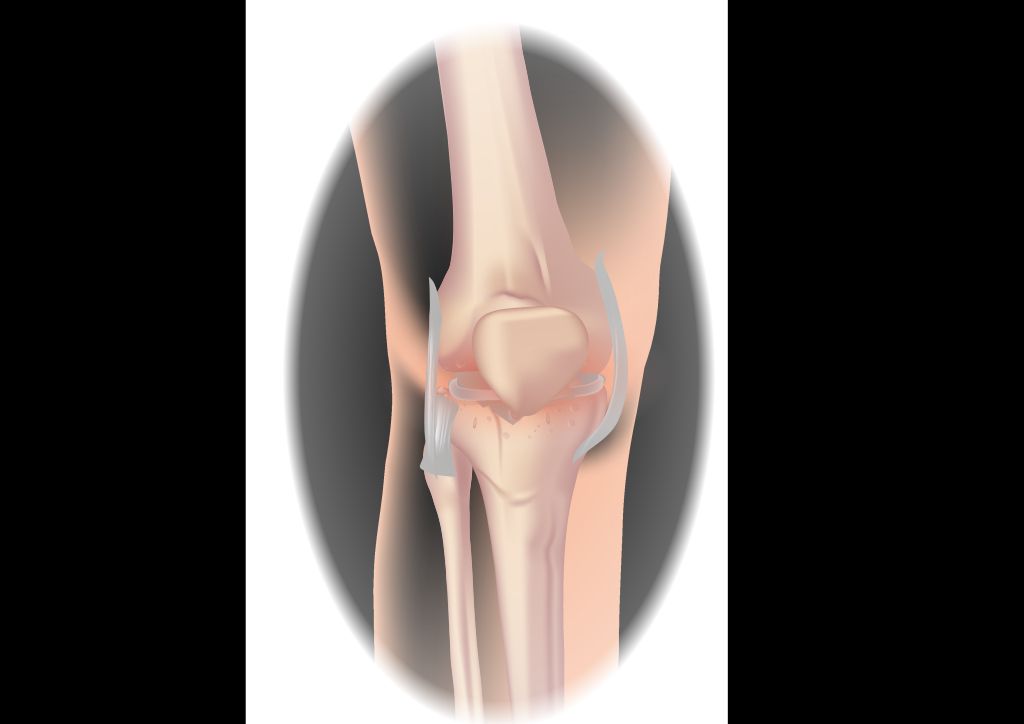
Knee pain can be caused by a variety of factors, including injury, overuse, and age-related wear and tear. Injuries such as sprains, strains, and tears to the ligaments and tendons surrounding the knee joint can lead to pain and discomfort. Overuse of the knee joint, especially in activities that involve repetitive motions like running or jumping, can also contribute to knee pain. Additionally, as we age, the cartilage in our knees may start to deteriorate, resulting in osteoarthritis and knee pain.
To better understand the causes of knee pain, let’s take a look at a table summarizing the common causes and their descriptions:
| Cause | Description |
|---|---|
| Injury | Includes sprains, strains, and tears to the ligaments and tendons surrounding the knee joint. |
| Overuse | Occurs when the knee joint is subjected to repetitive motions, leading to strain and inflammation. |
| Age-related wear and tear | As we age, the cartilage in our knees may deteriorate, resulting in osteoarthritis and knee pain. |
It’s important to note that knee pain can have multiple causes, and it’s essential to consult with a healthcare professional for an accurate diagnosis and appropriate treatment. Taking steps to prevent knee injuries and maintaining a healthy lifestyle can also help reduce the risk of knee pain.
Types of Knee Pain
There are several different types of knee pain that people may experience. Osteoarthritis is one common type of knee pain that occurs due to the breakdown of cartilage in the knee joint. This can cause pain, stiffness, and swelling. Patellofemoral pain syndrome, also known as runner’s knee, is another type of knee pain that is often caused by overuse or misalignment of the kneecap. It can cause pain in the front of the knee and worsen with activities such as running or climbing stairs.
Other types of knee pain include ligament injuries, such as a torn ACL or MCL, which can cause instability and pain in the knee, and meniscus tears, which can cause pain, swelling, and difficulty moving the knee. It’s important to accurately identify the type of knee pain in order to determine the appropriate treatment and management strategies.
Here is a table summarizing the different types of knee pain:
| Type of Knee Pain | Description |
|---|---|
| Osteoarthritis | Breakdown of cartilage in the knee joint, causing pain, stiffness, and swelling |
| Patellofemoral pain syndrome | Overuse or misalignment of the kneecap, causing pain in the front of the knee |
| Ligament injuries | Injuries to the ligaments in the knee, causing instability and pain |
| Meniscus tears | Tears in the meniscus, causing pain, swelling, and difficulty moving the knee |
It’s important to consult with a healthcare professional for an accurate diagnosis and personalized treatment plan for your specific type of knee pain.
Symptoms of Knee Pain
Knee pain can manifest in various ways, and it is important to recognize the symptoms to determine the appropriate course of action. Some common symptoms of knee pain include:
- Swelling: Swelling around the knee joint can indicate inflammation or injury.
- Stiffness: Feeling stiffness in the knee, especially after periods of inactivity, may be a sign of underlying issues.
- Popping or clicking: Hearing or feeling a popping or clicking sensation in the knee can be a symptom of certain conditions.
It is crucial to pay attention to these symptoms as they can provide valuable insights into the cause of knee pain and guide the management strategies.
Preventing Knee Pain
Proper Warm-up and Stretching
Proper warm-up and stretching are essential for preventing knee pain and injuries. Warm-up exercises help increase blood flow to the muscles, preparing them for the upcoming physical activity. It is important to focus on dynamic stretches that target the muscles around the knee, such as quadriceps and hamstrings. These stretches should be done in a controlled and gradual manner to avoid any strain or injury.
After the warm-up, it is crucial to perform specific stretching exercises for the knee. Static stretches can help improve flexibility and range of motion. Some effective stretches include calf stretches, hip flexor stretches, and IT band stretches.
In addition to warm-up and stretching exercises, it is important to follow these tips to prevent knee pain:
- Wear proper footwear: Choose shoes that provide adequate support and cushioning for your feet and knees.
- Avoid overtraining: Gradually increase the intensity and duration of your workouts to avoid putting excessive stress on your knees.
- Listen to your body: If you experience any pain or discomfort during exercise, modify or stop the activity to prevent further injury.
Remember, proper warm-up and stretching, along with other preventive measures, can help reduce the risk of knee pain and keep you active and pain-free.
Strengthening Exercises for the Knee
Strengthening exercises are an important component of managing knee pain. These exercises help to improve the stability and strength of the muscles surrounding the knee joint, providing better support and reducing discomfort. Squats, lunges, and leg presses are effective exercises that target the quadriceps, hamstrings, and glutes. It is important to start with light weights and gradually increase the intensity as your strength improves.
In addition to these exercises, balance training can also be beneficial for knee pain management. Exercises such as single-leg stands and heel-to-toe walks help to improve proprioception and stability, reducing the risk of falls and further injury.
Remember to consult with a healthcare professional or a qualified physical therapist before starting any new exercise program, especially if you have existing knee pain or injuries. They can provide guidance on proper form and technique, as well as recommend specific exercises tailored to your needs.
Maintaining a Healthy Weight
Maintaining a healthy weight is crucial for managing knee pain. Excess weight puts additional stress on the knees, which can worsen pain and discomfort. Losing even a small amount of weight can make a significant difference in reducing knee pain.
To achieve and maintain a healthy weight, consider the following:
-
Balanced diet: Focus on consuming a variety of nutrient-rich foods, including fruits, vegetables, lean proteins, and whole grains. Avoid or limit foods high in saturated fats, added sugars, and sodium.
-
Portion control: Be mindful of portion sizes to prevent overeating. Use smaller plates and bowls, and listen to your body’s hunger and fullness cues.
-
Regular exercise: Engage in regular physical activity to burn calories and maintain muscle strength. Choose low-impact exercises like swimming, cycling, or using an elliptical machine to minimize stress on the knees.
Tip: Incorporate strength training exercises to build muscle, which can help support the knees and improve overall joint stability.
Managing Knee Pain
Rest and Ice
Rest and ice are essential for managing knee pain. Resting allows the injured tissues to heal and reduces stress on the knee joint. It is important to avoid activities that worsen the pain or put excessive strain on the knee. Icing the affected area helps reduce inflammation and swelling. Apply an ice pack to the knee for 15-20 minutes every 2-3 hours. Remember to wrap the ice pack in a cloth to protect your skin.
To further enhance the effectiveness of rest and ice, you can also elevate your leg to reduce swelling. Prop your leg up on a pillow or cushion while resting. This helps promote blood flow and reduces fluid buildup in the knee.
Important Tip: If the pain persists or worsens despite rest and ice, it is recommended to consult a healthcare professional for further evaluation and treatment options.
Pain Medication
Pain medication can be an effective way to manage knee pain. Nonsteroidal anti-inflammatory drugs (NSAIDs), such as ibuprofen and naproxen, can help reduce pain and inflammation. These medications are available over-the-counter and can provide temporary relief. It is important to follow the recommended dosage and consult with a healthcare professional before taking any medication.
In some cases, stronger prescription medications may be necessary to manage severe knee pain. Opioids are a type of pain medication that can be prescribed by a doctor. However, they come with potential risks and side effects, so they should be used cautiously and only under the guidance of a healthcare professional.
It is important to note that pain medication should not be relied upon as the sole treatment for knee pain. It is best used in conjunction with other management strategies, such as rest, physical therapy, and lifestyle modifications.
Here are some key points to remember when using pain medication for knee pain:
- Use over-the-counter NSAIDs for temporary relief
- Follow recommended dosage and consult with a healthcare professional
- Stronger prescription medications may be necessary for severe pain
- Use caution when using opioids and consult with a healthcare professional
- Pain medication should be used in conjunction with other management strategies
Physical Therapy
Physical therapy is a crucial component in the management of knee pain. Therapeutic exercises prescribed by a physical therapist can help improve strength, flexibility, and range of motion in the knee joint. These exercises are designed to target specific muscles and promote proper alignment and stability. In addition to exercises, physical therapists may also use other modalities such as manual therapy, electrical stimulation, or ultrasound to reduce pain and inflammation.
A structured approach is followed during physical therapy sessions, with the therapist guiding the patient through various exercises and techniques. Progress is monitored to ensure the exercises are effective and safe. It is important to follow the therapist’s instructions and consistently attend the recommended sessions for optimal results.
In some cases, physical therapy may be combined with other treatments such as bracing or taping to provide additional support to the knee joint. This can help alleviate pain and prevent further injury. Overall, physical therapy plays a vital role in the comprehensive management of knee pain and can significantly improve function and quality of life.
Bracing and Support
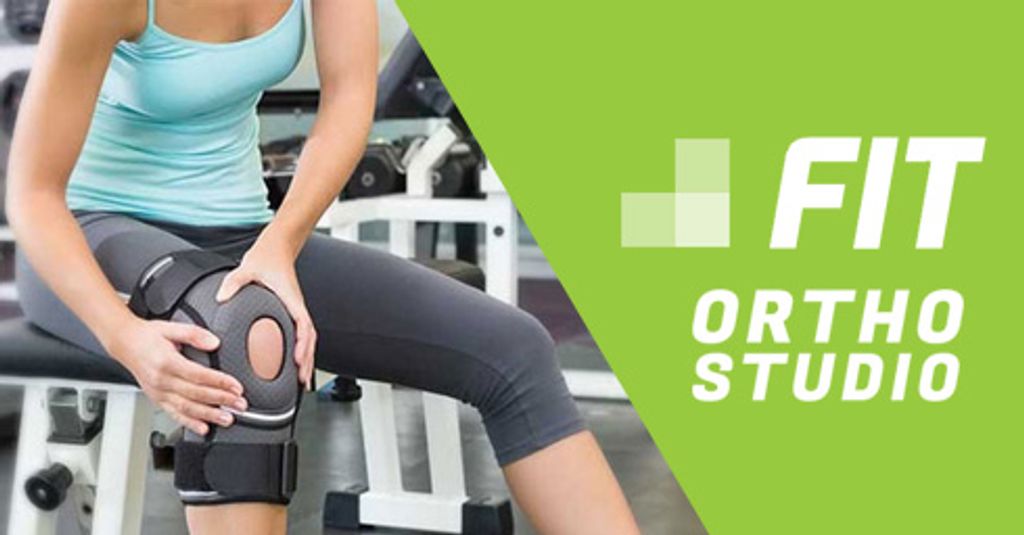
Bracing and support can be effective in managing knee pain and providing stability to the joint. Knee braces are commonly used to provide support and reduce stress on the knee during physical activities. They can help alleviate pain and prevent further injury. Supportive footwear is also important in providing stability and cushioning to the knee. Choosing shoes with good arch support and shock absorption can help reduce the impact on the knee while running or walking.
In addition to bracing and supportive footwear, physical therapy exercises can help strengthen the muscles around the knee and improve stability. These exercises may include quadriceps strengthening, hamstring stretches, and balance training. Physical therapy can also help improve flexibility and range of motion in the knee.
It is important to consult with a healthcare professional or physical therapist to determine the most appropriate bracing and support options for your specific condition and needs.
Alternative Treatments for Knee Pain
Acupuncture
Acupuncture is a traditional Chinese medicine practice that involves inserting thin needles into specific points on the body. It is believed to stimulate the body’s natural healing processes and promote pain relief. Research has shown that acupuncture can be effective in reducing knee pain and improving knee function in individuals with conditions such as osteoarthritis.
While the exact mechanisms of how acupuncture works are still not fully understood, it is thought to increase blood flow to the affected area and trigger the release of endorphins, which are natural pain-relieving chemicals in the body.
In addition to reducing knee pain, acupuncture may also help with other symptoms associated with knee conditions, such as swelling and stiffness. It is generally considered to be a safe and well-tolerated treatment option for knee pain.
If you are considering acupuncture for your knee pain, it is important to consult with a qualified and licensed acupuncturist who can provide personalized treatment based on your specific needs and condition.
Chiropractic Care
Chiropractic care is a non-invasive treatment option that focuses on the diagnosis and treatment of musculoskeletal disorders, particularly those related to the spine and joints. Chiropractors use manual manipulation techniques to adjust the spine and other joints in the body, aiming to improve function and reduce pain. This form of treatment is often sought by individuals experiencing chronic knee pain or knee osteoarthritis.
While chiropractic care may provide temporary relief for some individuals, it is important to note that the effectiveness of this treatment for knee pain is still debated. Some studies suggest that chiropractic care may help improve knee function and reduce pain, while others show no significant difference compared to other treatments.
If you are considering chiropractic care for your knee pain, it is recommended to consult with a healthcare professional to determine if it is a suitable option for your specific condition.
Massage Therapy
Massage therapy is a popular alternative treatment for knee pain. It involves the manipulation of soft tissues in the body to promote relaxation and relieve tension. Massage can help reduce muscle tightness and improve blood circulation in the affected area. It can also help reduce inflammation and pain associated with knee injuries.
There are different types of massage techniques that can be used for knee pain, including Swedish massage, deep tissue massage, and trigger point therapy. Each technique has its own benefits and can be tailored to the individual’s needs.
In addition to providing pain relief, massage therapy can also help improve range of motion and flexibility in the knee joint. It can help loosen tight muscles and improve joint mobility. Regular sessions of massage therapy can be beneficial for individuals with chronic knee pain or those recovering from knee surgery.
If you are considering massage therapy for knee pain, it is important to consult with a licensed massage therapist who has experience working with individuals with knee injuries. They can assess your condition and develop a treatment plan that is tailored to your specific needs.
Conclusion
In conclusion, managing knee pain while running is crucial for maintaining a healthy and active lifestyle. By following the tips and techniques discussed in this article, such as proper warm-up and stretching, strengthening exercises, and listening to your body, you can effectively manage discomfort and continue enjoying your running routine. Remember, it is important to consult with a healthcare professional if the pain persists or worsens. Don’t let knee pain hold you back from achieving your fitness goals!
Frequently Asked Questions
Can running cause knee pain?
Yes, running can cause knee pain, especially if you have improper running form, worn-out shoes, or weak muscles around the knee.
How can I prevent knee pain while running?
To prevent knee pain while running, make sure to warm up and stretch properly, strengthen the muscles around the knee, and maintain a healthy weight.
When should I rest if I experience knee pain while running?
If you experience knee pain while running, it is important to rest and allow your knee to recover. Continuing to run through the pain can worsen the injury.
Should I use ice or heat for knee pain?
In general, it is recommended to use ice for knee pain as it helps reduce inflammation. However, if your knee pain is caused by muscle tightness, heat may be more beneficial.
Can physical therapy help with knee pain?
Yes, physical therapy can be beneficial for knee pain. A physical therapist can help identify the underlying cause of your knee pain and develop a personalized treatment plan.
Are there any alternative treatments for knee pain?
Yes, there are alternative treatments for knee pain such as acupuncture, chiropractic care, and massage therapy. These treatments can help reduce pain and improve knee function.