
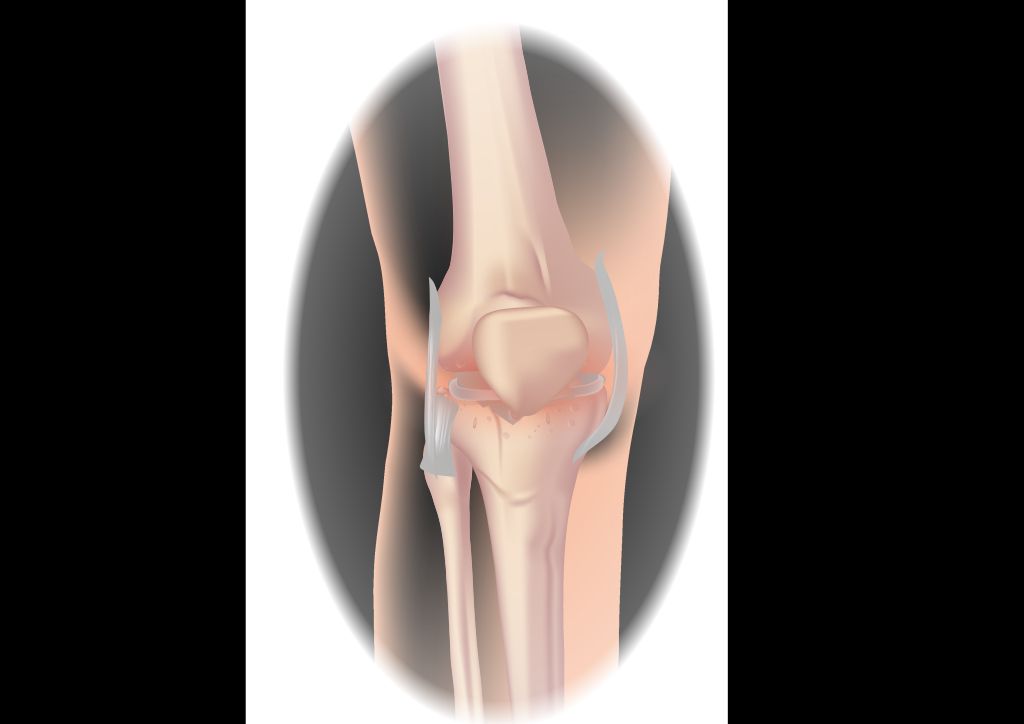
Understanding Knee Pain: Why Does it Pop?
Knee popping is a common phenomenon that many individuals experience. It can be accompanied by various symptoms such as pain, swelling, and limited range of motion. Understanding the causes and treatment options for knee popping is essential for managing and preventing further complications. In this article, we will explore the different factors that can contribute to knee popping and discuss the key takeaways for effectively addressing this issue.
Key Takeaways
- Knee popping can be caused by joint misalignment, meniscus tears, cartilage damage, or synovial fluid imbalance.
- Common symptoms of knee popping include an audible popping sound, pain and discomfort, swelling and inflammation, and limited range of motion.
- Diagnosing knee popping may involve a physical examination, imaging tests, or arthroscopy.
- Treatment options for knee popping include rest and ice, physical therapy, medications, or surgery.
- Proper management of knee popping can help alleviate symptoms and prevent further complications.
What Causes Knee Popping?
Joint Misalignment
Joint misalignment refers to the improper positioning of the bones in the knee joint. This can occur due to various factors such as injury, overuse, or natural wear and tear. Misalignment can put additional stress on certain areas of the knee, leading to pain, discomfort, and the audible popping sound that is often associated with knee popping.
One common cause of joint misalignment is muscle imbalance. When certain muscles around the knee are stronger or tighter than others, it can pull the bones out of their proper alignment. Weak quadriceps and tight hamstrings are often contributing factors to knee misalignment.
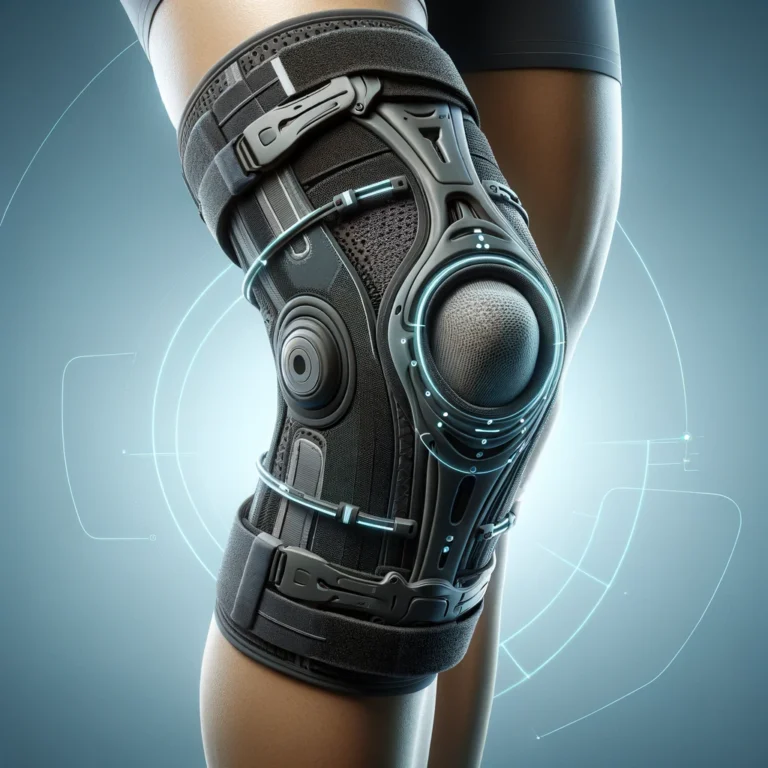
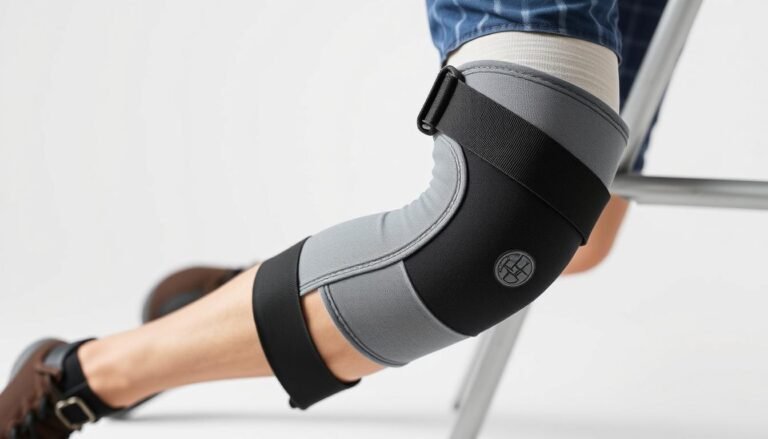
To address joint misalignment, a combination of strengthening exercises and stretching can be beneficial. Physical therapy may be recommended to help correct muscle imbalances and improve overall knee alignment. Additionally, using orthotic devices such as knee braces or shoe inserts can provide support and help align the knee joint properly.
Meniscus Tears
Meniscus tears are a common cause of knee popping. The meniscus is a C-shaped piece of cartilage that acts as a cushion between the thighbone and shinbone. Tears in the meniscus can occur due to trauma or degenerative changes in the knee.
When the meniscus tears, it can cause pain, swelling, and instability in the knee. Some people may also experience a popping sensation when the torn meniscus moves out of place.
Treatment for meniscus tears depends on the severity of the tear. Conservative treatment options include rest, ice, compression, and elevation (RICE), as well as physical therapy to strengthen the muscles around the knee. In some cases, surgery may be necessary to repair or remove the torn meniscus.
Cartilage Damage
Cartilage damage is a common cause of knee popping. Cartilage is a tough, flexible tissue that covers the ends of bones and acts as a cushion between them. When the cartilage in the knee gets damaged, it can lead to pain, swelling, and a popping sensation. There are several factors that can contribute to cartilage damage, including injury, wear and tear, and arthritis.
To diagnose cartilage damage, a physical examination is usually performed by a healthcare professional. They may also order imaging tests such as X-rays or an MRI to get a better look at the knee joint. In some cases, a procedure called arthroscopy may be done to directly visualize and treat the cartilage damage.
Treatment options for cartilage damage include rest and ice to reduce inflammation, physical therapy to strengthen the muscles around the knee, and medications to manage pain and inflammation. In severe cases, surgery may be necessary to repair or replace the damaged cartilage.
Synovial Fluid Imbalance
Synovial fluid is a thick, gel-like substance that lubricates the joints and helps reduce friction during movement. When there is an imbalance in the production or composition of synovial fluid, it can lead to knee popping. Inflammation in the joint can cause an increase in synovial fluid production, resulting in excess fluid accumulation. This can make the joint feel swollen and stiff. On the other hand, a decrease in synovial fluid production can lead to a lack of lubrication, causing the joint to rub against each other and produce popping sounds.
To address synovial fluid imbalance, treatment options may include anti-inflammatory medications to reduce inflammation and swelling. Physical therapy exercises can also help improve joint mobility and strengthen the muscles around the knee. In some cases, joint aspiration may be performed to remove excess fluid from the joint and restore the balance of synovial fluid.
It is important to consult with a healthcare professional for an accurate diagnosis and appropriate treatment plan.
Symptoms of Knee Popping
Audible Popping Sound
One of the key symptoms of knee popping is the audible popping sound that occurs during movement. This sound can be quite alarming and may cause concern for individuals experiencing it. The popping sound is often described as a clicking or snapping noise that comes from the knee joint. It can happen suddenly or be a recurring issue.
It is important to note that not all knee popping sounds are a cause for concern. In some cases, the sound may be harmless and not indicative of any underlying issues. However, if the popping sound is accompanied by pain, discomfort, or swelling, it may be a sign of an underlying problem that requires medical attention.
If you are experiencing an audible popping sound in your knee, it is recommended to consult with a healthcare professional for a proper diagnosis and appropriate treatment.
Pain and Discomfort
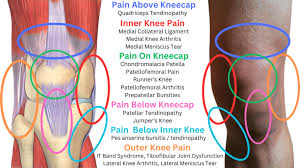
Pain and discomfort are common symptoms associated with knee popping. Pain can range from mild to severe and may be felt in different areas of the knee, such as the front, sides, or back. The discomfort can be constant or intermittent, depending on the underlying cause.
In some cases, knee popping may be accompanied by swelling and inflammation. Swelling occurs when excess fluid accumulates in the knee joint, leading to a visible increase in size. Inflammation, on the other hand, refers to the body’s response to injury or irritation, resulting in redness, warmth, and tenderness.
If you experience pain and discomfort along with knee popping, it is important to seek medical attention for proper diagnosis and treatment.
- Tip: Applying ice packs to the affected knee can help reduce swelling and alleviate pain. Remember to use a cloth or towel to protect your skin from direct contact with the ice.
Swelling and Inflammation
Swelling and inflammation are common symptoms associated with knee popping. Swelling occurs when there is an accumulation of fluid in the knee joint, leading to an increase in size and a feeling of tightness. This can be caused by inflammation in the joint, which is the body’s natural response to injury or irritation.
Inflammation can result from various factors, such as overuse, trauma, or underlying conditions like arthritis. When the knee joint becomes inflamed, it can cause pain, redness, and warmth in the affected area.
To manage swelling and inflammation, it is important to follow the R.I.C.E. protocol:
- Rest: Avoid activities that put stress on the knee joint.
- Ice: Apply ice packs to the affected area for 15-20 minutes at a time, several times a day.
- Compression: Use a compression bandage or knee brace to reduce swelling.
- Elevation: Keep the affected leg elevated to help reduce fluid accumulation.
It is important to consult a healthcare professional for a proper diagnosis and treatment plan for knee popping with swelling and inflammation.
Limited Range of Motion
Limited range of motion is a common symptom associated with knee popping. When the knee joint is affected, it can result in difficulty fully extending or flexing the leg. This can make activities such as walking, running, or climbing stairs challenging. Stiffness and tightness in the knee joint may also be experienced.
To improve range of motion, gentle stretching exercises can be beneficial. These exercises help to loosen the muscles and ligaments surrounding the knee joint, allowing for better flexibility. Physical therapy may also be recommended to address any underlying issues contributing to limited range of motion.
In some cases, joint manipulation techniques performed by a healthcare professional may be necessary to restore full range of motion. These techniques involve applying controlled pressure to the knee joint to mobilize and realign it. It is important to consult with a healthcare provider for proper diagnosis and guidance on improving range of motion.
Diagnosing Knee Popping
Physical Examination
During a physical examination, a healthcare professional will assess the knee joint to determine the cause of the popping sound. They will start by observing the knee for any visible signs of swelling, redness, or deformity. Range of motion tests will be performed to evaluate the flexibility and movement of the knee. The healthcare professional may also apply pressure to different areas of the knee to check for tenderness or pain.
In addition to the visual and manual examination, the healthcare professional may use special tests to further assess the knee. These tests may include the Lachman test or the McMurray test, which can help identify specific ligament or meniscus injuries. The results of the physical examination, along with the patient’s medical history and symptoms, will guide the healthcare professional in determining the most appropriate course of action for further diagnosis and treatment.
Imaging Tests
Imaging tests are an important tool in diagnosing the cause of knee popping. These tests allow healthcare professionals to get a detailed view of the internal structures of the knee, helping them identify any abnormalities or damage. X-rays are commonly used to assess the bones and joint alignment. They can help detect fractures, arthritis, or any other bone-related issues. Magnetic Resonance Imaging (MRI) is another commonly used imaging test that provides a more detailed view of the soft tissues, such as ligaments, tendons, and cartilage. It can help identify meniscus tears, cartilage damage, or other soft tissue injuries. Ultrasound may also be used to evaluate the soft tissues and fluid-filled structures in the knee. It is a non-invasive and cost-effective imaging technique. These imaging tests play a crucial role in determining the appropriate treatment plan for knee popping.
Arthroscopy
Arthroscopy is a minimally invasive surgical procedure that allows doctors to visualize, diagnose, and treat problems inside the knee joint. During arthroscopy, a small camera called an arthroscope is inserted into the knee through a small incision. This camera provides a clear view of the structures inside the knee, including the cartilage, ligaments, and synovial lining.
Arthroscopy can be used to diagnose and treat various conditions that may be causing knee popping. It is particularly useful for identifying and repairing meniscus tears, removing loose bodies or debris, and addressing cartilage damage.
Benefits of arthroscopy include smaller incisions, reduced risk of infection, faster recovery time, and less post-operative pain compared to traditional open surgery.
If your doctor recommends arthroscopy for your knee popping, they will discuss the procedure in detail and provide personalized recommendations based on your specific condition.
Treatment Options for Knee Popping
Rest and Ice
Rest and ice are commonly recommended for treating knee popping. Resting the knee allows the tissues to heal and reduces further irritation. Applying ice to the affected area helps reduce swelling and inflammation. It is recommended to apply ice for about 15-20 minutes every 2-3 hours. Elevating the leg can also help reduce swelling. Additionally, using a compression bandage or wrap can provide support and help reduce swelling. Avoiding activities that aggravate the knee popping is important during the rest and ice phase.
To effectively use rest and ice for knee popping, follow these steps:
- Rest: Avoid putting weight on the affected knee and limit activities that cause pain or discomfort.
- Ice: Apply ice to the knee for 15-20 minutes every 2-3 hours.
- Elevate: Keep the leg elevated to reduce swelling.
- Compression: Use a compression bandage or wrap to provide support and reduce swelling.
Tip: It is important to consult a healthcare professional for a proper diagnosis and personalized treatment plan.
Physical Therapy
Physical therapy is a common treatment option for knee popping. Therapeutic exercises are often prescribed to strengthen the muscles around the knee joint and improve stability. These exercises may include quadriceps strengthening, hamstring stretches, and balance training. Additionally, range of motion exercises can help improve flexibility and reduce stiffness in the knee.
In some cases, manual therapy techniques such as joint mobilization or soft tissue massage may be used to alleviate pain and improve joint function. Modalities such as heat therapy or electrical stimulation may also be incorporated to reduce pain and inflammation.
It is important to follow the guidance of a qualified physical therapist and adhere to the prescribed exercises and treatment plan. Consistency and dedication to the therapy program can lead to significant improvements in knee popping symptoms and overall knee health.
Medications
Medications can be used to manage the symptoms of knee popping and provide relief. Nonsteroidal anti-inflammatory drugs (NSAIDs), such as ibuprofen and naproxen, can help reduce pain and inflammation in the knee. These medications are available over-the-counter and can be taken orally or applied topically as a cream or gel.
In some cases, corticosteroid injections may be recommended to reduce inflammation and provide temporary relief. These injections are administered directly into the knee joint by a healthcare professional. It’s important to note that corticosteroid injections should be used sparingly and under the guidance of a medical professional, as they can have potential side effects.
It is important to consult with a healthcare professional before starting any medication regimen to ensure proper dosage and to discuss potential risks and benefits.
Surgery
In some cases, surgery may be necessary to address the underlying cause of knee popping. Surgical interventions are typically considered when conservative treatments have failed to provide relief or when there is significant damage to the knee joint.
There are several types of surgeries that may be performed depending on the specific condition. These include:
- Arthroscopy: A minimally invasive procedure where a small camera is inserted into the knee joint to assess and repair any damage.
- Meniscus repair or removal: If the popping is caused by a meniscus tear, the surgeon may repair or remove the damaged portion of the meniscus.
- Ligament reconstruction: If ligament damage is the cause of knee popping, a surgical procedure may be performed to reconstruct the damaged ligament.
It is important to note that surgery is typically considered a last resort and is only recommended when other treatment options have been exhausted. Recovery from surgery may require a period of rehabilitation and physical therapy to regain strength and mobility in the knee.
Conclusion
In conclusion, understanding why knee pain pops can help individuals better manage and prevent future injuries. Popping in the knee can be caused by various factors such as ligament or meniscus tears, cartilage damage, or patellofemoral syndrome. It is important to consult with a healthcare professional for an accurate diagnosis and appropriate treatment plan. By taking proactive measures, such as maintaining a healthy weight, engaging in regular exercise, and using proper form during physical activities, individuals can reduce the risk of knee pain and maintain optimal joint health. Remember, prevention is key when it comes to knee pain!
Frequently Asked Questions
What causes knee popping?
Knee popping can be caused by joint misalignment, meniscus tears, cartilage damage, or synovial fluid imbalance.
Is knee popping a serious condition?
In most cases, knee popping is not a serious condition and can be treated with conservative measures. However, if it is accompanied by severe pain or instability, it is important to seek medical attention.
Can knee popping be prevented?
While it may not be possible to prevent knee popping entirely, maintaining a healthy weight, exercising regularly to strengthen the muscles around the knee, and using proper form during physical activities can help reduce the risk.
Should I be concerned if my knee pops frequently?
If your knee pops frequently but is not accompanied by pain or other symptoms, it is usually not a cause for concern. However, if you experience pain, swelling, or a decrease in range of motion, it is recommended to consult a healthcare professional.
Can knee popping be treated without surgery?
In many cases, knee popping can be treated without surgery. Conservative treatments such as rest, ice, physical therapy, and medications can often alleviate symptoms and improve knee function.
When is surgery recommended for knee popping?
Surgery for knee popping is typically recommended when conservative treatments have failed to provide relief or when there is significant damage to the knee joint, such as a torn meniscus or severe cartilage damage.


One Comment