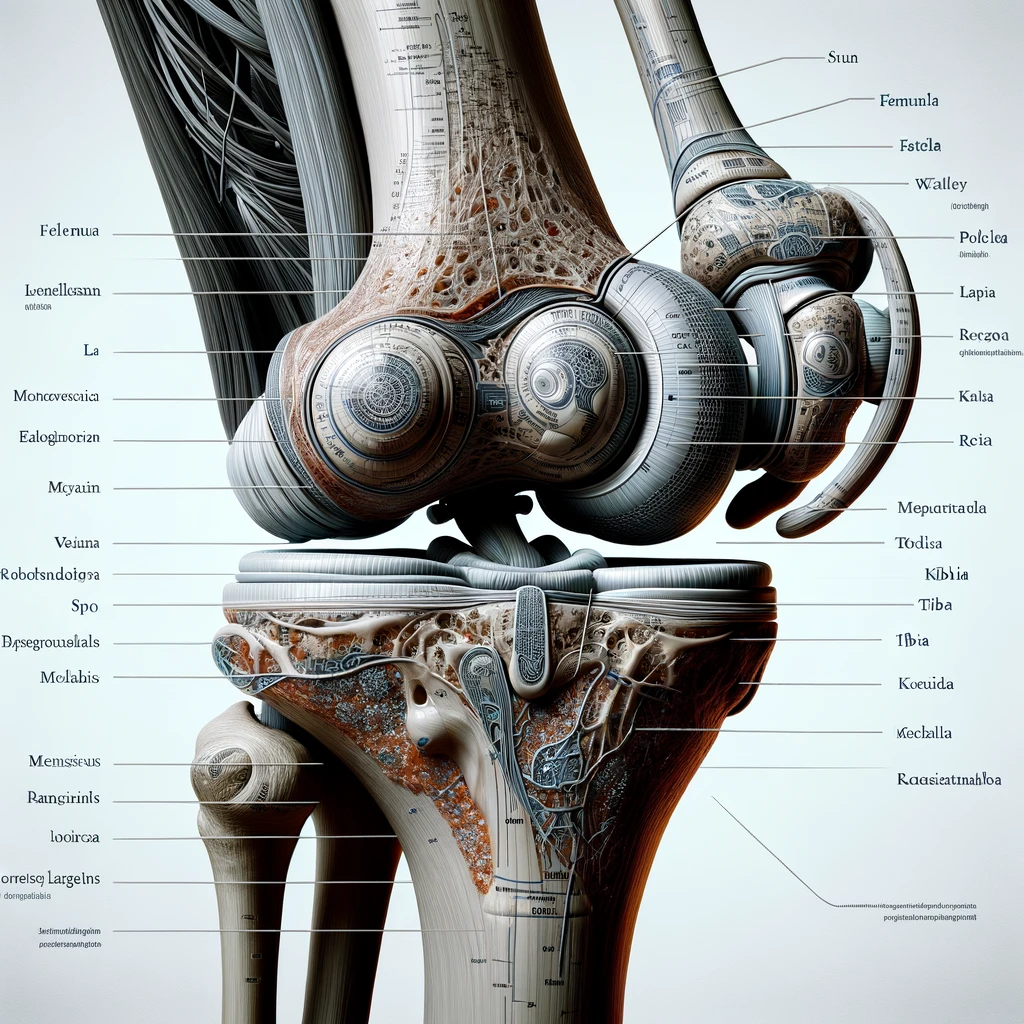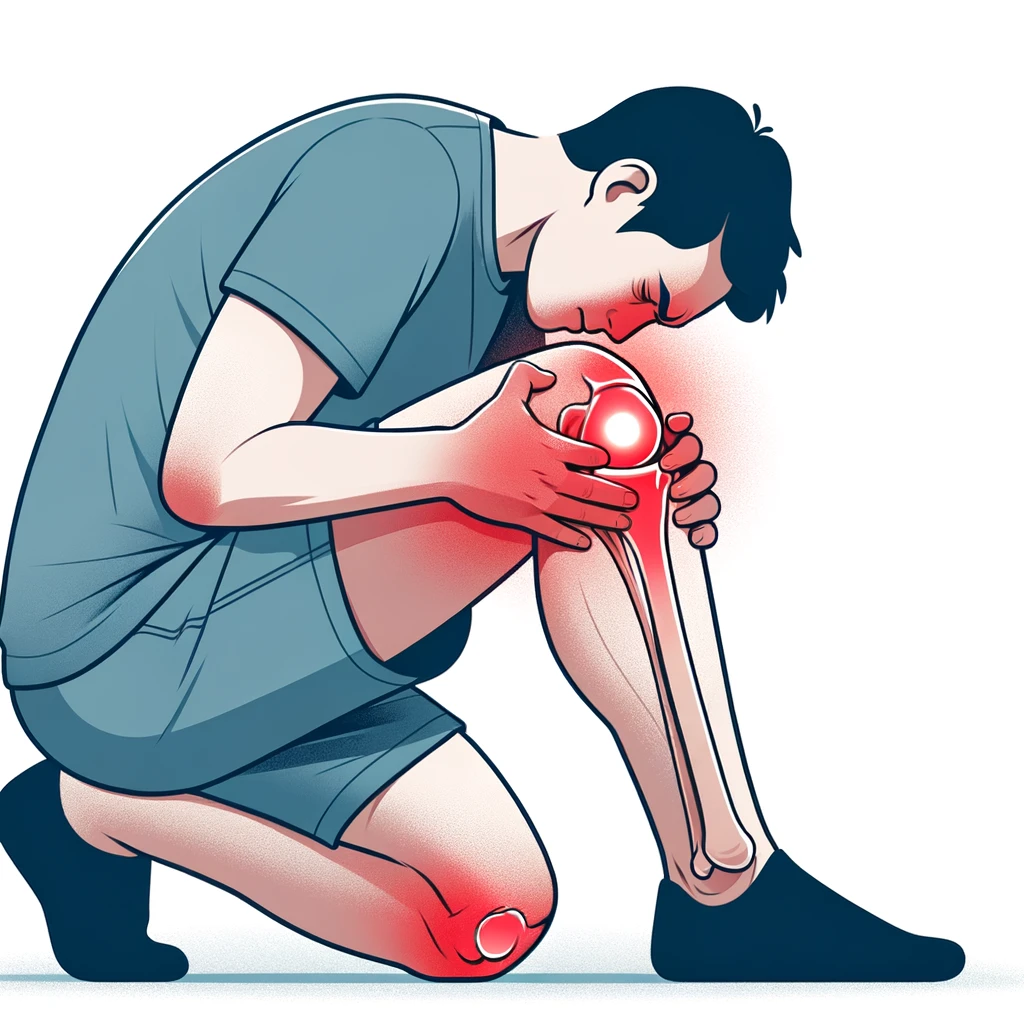
When it comes to knee injuries, there are a variety of different types that can occur. One of the most common types of knee injuries is a traumatic knee injury, which can be caused by a variety of different factors such as sports injuries, falls, or car accidents. While some knee injuries may only cause minor discomfort, traumatic knee injuries can be much more serious and can cause significant pain and swelling.

One of the most common symptoms of a traumatic knee injury is pain. This pain can range from mild discomfort to severe, sharp pain that makes it difficult to walk or move the knee joint. In addition to pain, swelling is also a common symptom of a traumatic knee injury. Swelling can occur immediately after the injury or may take a few hours to develop, and it can be quite severe in some cases.
Other symptoms of a traumatic knee injury may include difficulty walking or standing, a feeling of instability or weakness in the knee joint, and stiffness or limited range of motion in the knee. If you experience any of these symptoms after a knee injury, it’s important to seek medical attention right away in order to get an accurate diagnosis and appropriate treatment. By understanding the symptoms of a traumatic knee injury, you can take steps to protect your knee joint and prevent further damage.
Identifying Knee Injury Symptoms
When it comes to identifying knee injury symptoms, there are a few key signs to look out for. These symptoms can vary depending on the type and severity of the injury, but in general, they can include acute pain and swelling, reduced mobility and instability, and audible signs and visible changes.
Acute Pain and Swelling
One of the most common symptoms of a traumatic knee injury is acute pain and swelling. This can be caused by a variety of factors, such as a sprain, strain, or tear of the ligaments or tendons in the knee. In some cases, the injury may also cause redness and stiffness in the affected area.
Reduced Mobility and Instability
Another key symptom of a knee injury is reduced mobility and instability. This can make it difficult to walk, stand, or perform other everyday activities. In some cases, the knee may feel unstable or give out when you try to put weight on it. This can be a sign of a more serious injury, such as a torn meniscus or ACL.
Audible Signs and Visible Changes
Finally, some knee injuries may also cause audible signs and visible changes. For example, you may hear a popping or cracking sound when the injury occurs, or you may notice visible swelling or bruising around the knee. These symptoms can be a sign of a more serious injury, and it’s important to seek medical attention if you experience them.
Overall, if you experience any of these symptoms after a knee injury, it’s important to seek medical attention as soon as possible. A qualified healthcare provider can help diagnose the injury and recommend an appropriate course of treatment to help you recover as quickly and safely as possible.
Diagnosis and Treatment Options
When it comes to diagnosing a traumatic knee injury, it is important to seek the help of a healthcare professional. They will be able to provide a proper diagnosis and recommend the best course of treatment.
Professional Diagnosis
To diagnose a traumatic knee injury, a healthcare provider will typically perform a physical exam to assess the extent of the injury. They may also order imaging tests, such as an X-ray or MRI, to get a better look at the knee joint.
Treatment and Rehabilitation
Treatment for a traumatic knee injury will depend on the severity of the injury. In some cases, rest, ice, compression, and elevation may be enough to reduce pain and swelling. Over-the-counter pain relievers, such as NSAIDs, may also be recommended to help manage pain.
Physical therapy may be recommended to help strengthen the muscles around the knee joint and improve range of motion. This may involve exercises to improve flexibility, balance, and stability.
Surgical Interventions
In some cases, surgery may be necessary to repair a traumatic knee injury. Arthroscopy is a minimally invasive surgical procedure that can be used to repair cartilage, ligament, and meniscus tears.
In more severe cases, a knee replacement may be necessary. This involves replacing the damaged knee joint with an artificial joint.
A knee brace may also be recommended to help provide support and stability to the knee joint during the healing process.
Overall, seeking prompt medical attention and following the recommended treatment plan can help improve outcomes for those with a traumatic knee injury.
What Are the Symptoms of a Traumatic Knee Injury? A Professional Guide
When it comes to knee injuries, there are a variety of different types that can occur. One of the most common types of knee injuries is a traumatic knee injury, which can be caused by a variety of different factors such as sports injuries, falls, or car accidents. While some knee injuries may only cause minor discomfort, traumatic knee injuries can be much more serious and can cause significant pain and swelling.
One of the most common symptoms of a traumatic knee injury is pain. This pain can range from mild discomfort to severe, sharp pain that makes it difficult to walk or move the knee joint. In addition to pain, swelling is also a common symptom of a traumatic knee injury. Swelling can occur immediately after the injury or may take a few hours to develop, and it can be quite severe in some cases.
Other symptoms of a traumatic knee injury may include difficulty walking or standing, a feeling of instability or weakness in the knee joint, and stiffness or limited range of motion in the knee. If you experience any of these symptoms after a knee injury, it’s important to seek medical attention right away in order to get an accurate diagnosis and appropriate treatment. By understanding the symptoms of a traumatic knee injury, you can take steps to protect your knee joint and prevent further damage.
Identifying Knee Injury Symptoms
When it comes to identifying knee injury symptoms, there are a few key signs to look out for. These symptoms can vary depending on the type and severity of the injury, but in general, they can include acute pain and swelling, reduced mobility and instability, and audible signs and visible changes.
Acute Pain and Swelling
One of the most common symptoms of a traumatic knee injury is acute pain and swelling. This can be caused by a variety of factors, such as a sprain, strain, or tear of the ligaments or tendons in the knee. In some cases, the injury may also cause redness and stiffness in the affected area.
Reduced Mobility and Instability
Another key symptom of a knee injury is reduced mobility and instability. This can make it difficult to walk, stand, or perform other everyday activities. In some cases, the knee may feel unstable or give out when you try to put weight on it. This can be a sign of a more serious injury, such as a torn meniscus or ACL.
Audible Signs and Visible Changes
Finally, some knee injuries may also cause audible signs and visible changes. For example, you may hear a popping or cracking sound when the injury occurs, or you may notice visible swelling or bruising around the knee. These symptoms can be a sign of a more serious injury, and it’s important to seek medical attention if you experience them.
Overall, if you experience any of these symptoms after a knee injury, it’s important to seek medical attention as soon as possible. A qualified healthcare provider can help diagnose the injury and recommend an appropriate course of treatment to help you recover as quickly and safely as possible.
Diagnosis and Treatment Options
When it comes to diagnosing a traumatic knee injury, it is important to seek the help of a healthcare professional. They will be able to provide a proper diagnosis and recommend the best course of treatment.
Professional Diagnosis
To diagnose a traumatic knee injury, a healthcare provider will typically perform a physical exam to assess the extent of the injury. They may also order imaging tests, such as an X-ray or MRI, to get a better look at the knee joint.
Treatment and Rehabilitation
Treatment for a traumatic knee injury will depend on the severity of the injury. In some cases, rest, ice, compression, and elevation may be enough to reduce pain and swelling. Over-the-counter pain relievers, such as NSAIDs, may also be recommended to help manage pain.
Physical therapy may be recommended to help strengthen the muscles around the knee joint and improve range of motion. This may involve exercises to improve flexibility, balance, and stability.
Surgical Interventions
In some cases, surgery may be necessary to repair a traumatic knee injury. Arthroscopy is a minimally invasive surgical procedure that can be used to repair cartilage, ligament, and meniscus tears.
In more severe cases, a knee replacement may be necessary. This involves replacing the damaged knee joint with an artificial joint.
A knee brace may also be recommended to help provide support and stability to the knee joint during the healing process.
Overall, seeking prompt medical attention and following the recommended treatment plan can help improve outcomes for those with a traumatic knee injury.