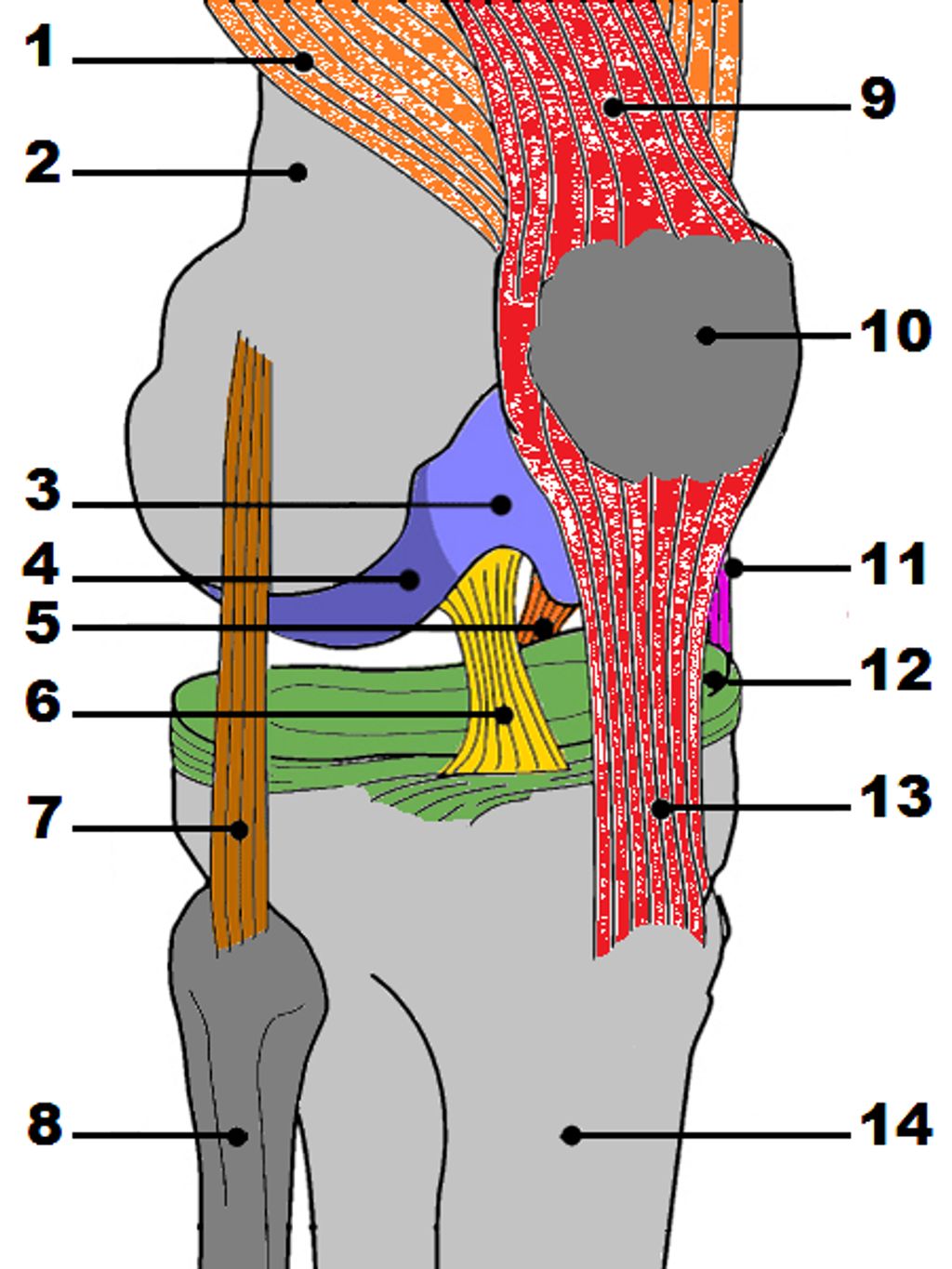
The knee joint is a complex structure that plays a crucial role in supporting our body weight and facilitating movement. Understanding the anatomy of the knee joint bones is essential for understanding how the knee functions and how injuries or conditions can affect its stability and mobility.
Key Takeaways
- The femur and tibia bones form the main articulation of the knee joint, providing stability and support during weight-bearing activities.
- The patella bone, also known as the kneecap, protects the knee joint and assists in the extension of the leg.
- The meniscus, made of fibrocartilage, acts as a shock absorber and provides cushioning between the femur and tibia bones.
- The ligaments of the knee joint, including the ACL, PCL, MCL, and LCL, play a crucial role in stabilizing the knee and preventing excessive movement.
- Understanding the anatomy of the knee joint bones is essential for diagnosing and treating knee-related injuries and conditions.
The Structure of the Knee Joint
The Femur and Tibia Bones
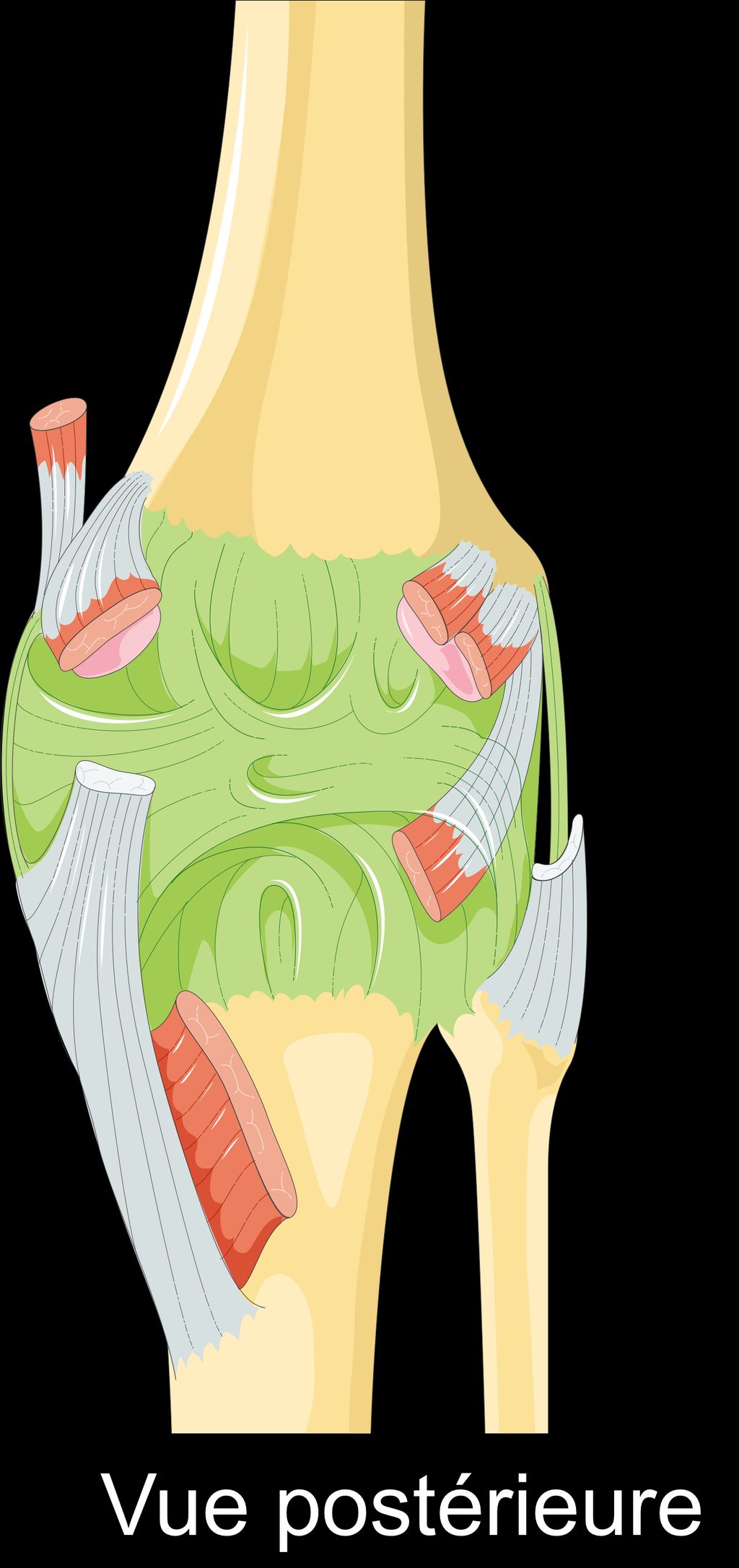
The femur and tibia bones are the primary bones that form the knee joint. Together, they create a complex structure that allows for weight-bearing and movement. The femur, also known as the thigh bone, articulates with the tibia, forming a hinge joint. This articulation is crucial for the flexion and extension of the knee. Additionally, the femur and tibia bones provide attachment sites for important ligaments, which play a significant role in stabilizing the knee joint. Understanding the intricate relationship between these bones is essential for comprehending the biomechanics of the knee joint.
The Patella Bone
The patella, also known as the kneecap, is a small, triangular bone located in front of the knee joint. It plays a crucial role in protecting the knee and providing leverage for the quadriceps muscles. The patella bone is embedded within the tendon of the quadriceps femoris muscle, forming the patellar tendon. This unique structure allows for the smooth movement of the knee during flexion and extension. Additionally, the patella bone acts as a protective shield, reducing the risk of injury to the delicate structures within the knee joint. Its position and function make it a key component in maintaining stability and mobility of the knee joint.
The Meniscus
The meniscus, a C-shaped cartilage in the knee, provides shock absorption and stability. Injuries occur during twisting movements and can be asymptomatic. Treatment options include surgery and non-surgical rehabilitation.
The Ligaments of the Knee Joint
The ligaments of the knee joint play a crucial role in providing stability and support to the joint. Collateral ligaments are located on the sides of the knee and help prevent excessive side-to-side movement. Meanwhile, the cruciate ligaments are situated inside the joint and aid in controlling the back-and-forth motion of the knee.
It’s important to note that the integrity of these ligaments is essential for maintaining proper knee function and preventing injuries. Here’s a succinct overview of the ligaments and their primary functions:
| Ligament | Function |
|---|---|
| Collateral | Prevents side-to-side movement |
| Cruciate | Controls back-and-forth motion |
In addition, it’s crucial to ensure proper warm-up and stretching exercises before engaging in physical activities to reduce the risk of ligament injuries.
Remember, understanding the role of ligaments in the knee joint is fundamental for comprehending the mechanics of knee movement and injury prevention.
Conclusion
In conclusion, a thorough understanding of the anatomy of the knee joint bones is essential for medical professionals, researchers, and individuals seeking to comprehend the complexities of the human musculoskeletal system. This knowledge forms the foundation for diagnosing and treating various knee-related conditions, thereby contributing to improved patient care and overall musculoskeletal health. Continued exploration and study of the knee joint bones will undoubtedly lead to further advancements in orthopedics and related fields, benefiting both current and future generations.
Frequently Asked Questions
What are the main bones of the knee joint?
The main bones of the knee joint are the femur, tibia, and patella.
What is the function of the meniscus in the knee joint?
The meniscus acts as a cushion and provides stability to the knee joint.
How many ligaments are there in the knee joint?
There are four main ligaments in the knee joint: anterior cruciate ligament (ACL), posterior cruciate ligament (PCL), medial collateral ligament (MCL), and lateral collateral ligament (LCL).
What is the role of the patella in the knee joint?
The patella (kneecap) protects the knee joint and provides leverage for the quadriceps muscles.
What are the functions of the femur and tibia bones in the knee joint?
The femur and tibia bones provide support and stability to the knee joint and facilitate movement.
How can knee joint injuries be prevented?
Knee joint injuries can be prevented by maintaining a healthy weight, strengthening the muscles around the knee, using proper techniques during physical activities, and wearing appropriate protective gear.