ee742537thumbnail

Understanding the Anatomy of Knee Joint Bones

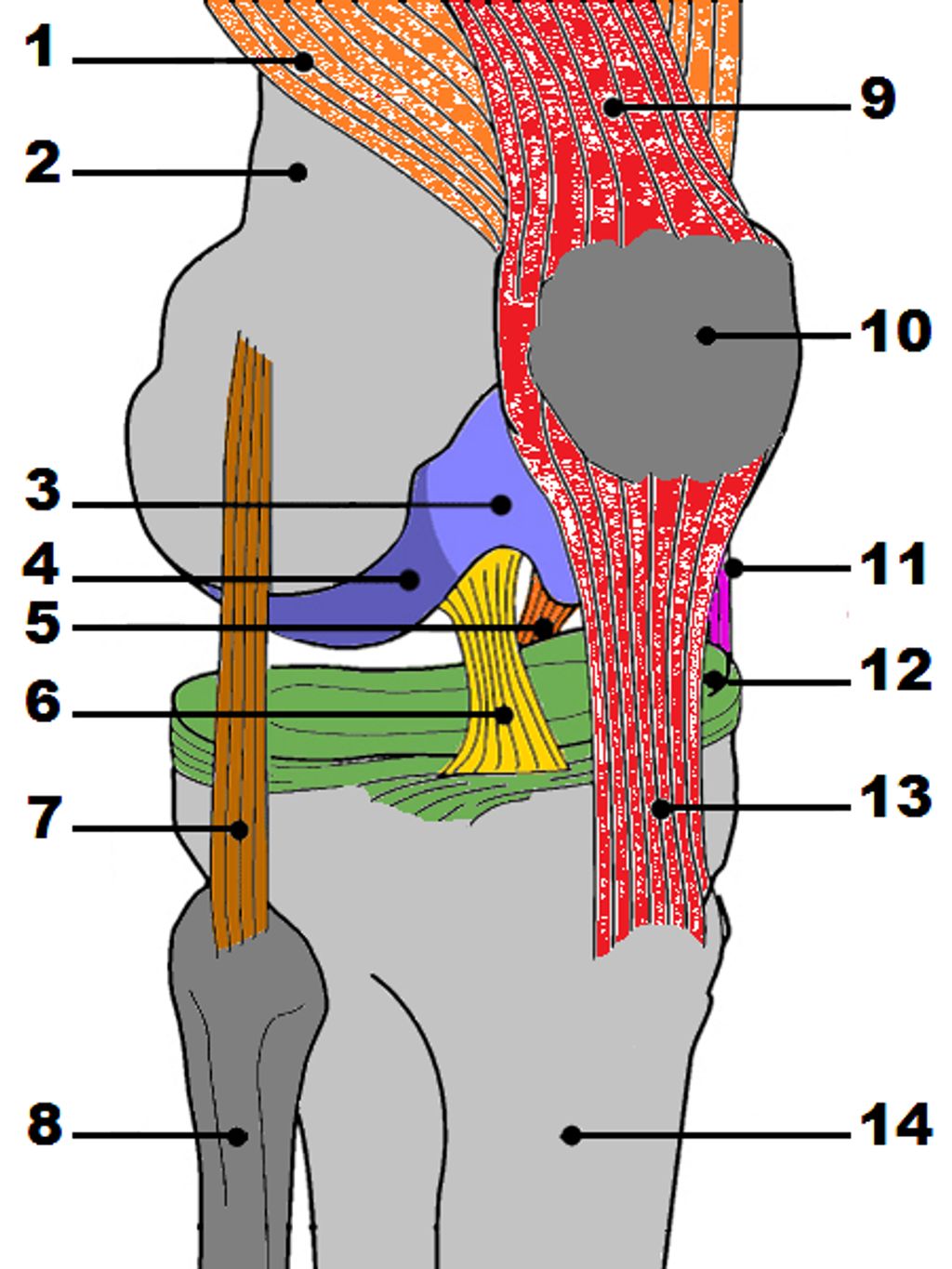
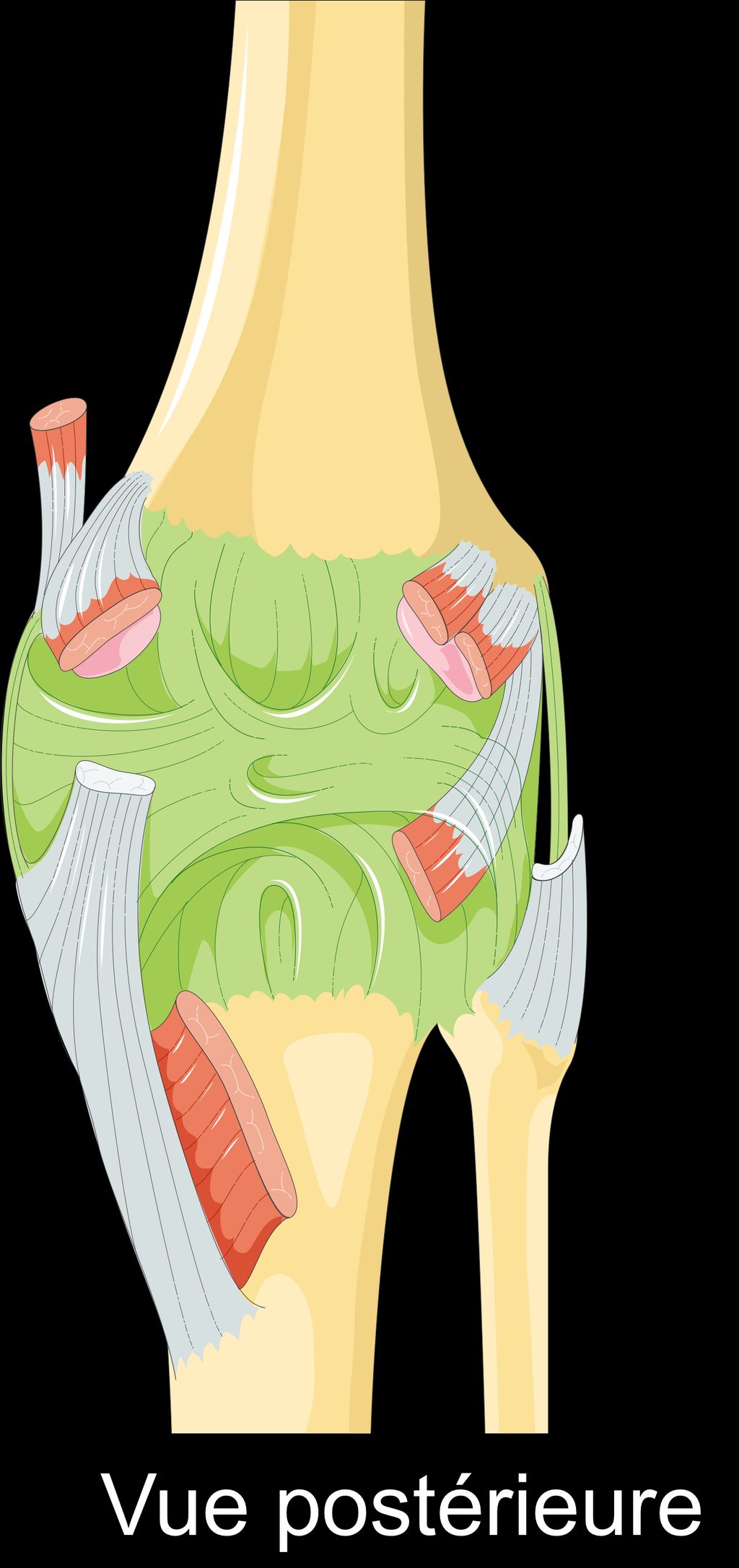
The knee joint is a complex structure that plays a crucial role in supporting our body weight and facilitating movement. Understanding the anatomy of the knee joint bones is essential for understanding how the knee functions and how injuries or conditions can affect its stability and mobility.

Key Takeaways

  • The femur and tibia bones form the main articulation of the knee joint, providing stability and support during weight-bearing activities.
  • The patella bone, also known as the kneecap, protects the knee joint and assists in the extension of the leg.
  • The meniscus, made of fibrocartilage, acts as a shock absorber and provides cushioning between the femur and tibia bones.
  • The ligaments of the knee joint, including the ACL, PCL, MCL, and LCL, play a crucial role in stabilizing the knee and preventing excessive movement.
  • Understanding the anatomy of the knee joint bones is essential for diagnosing and treating knee-related injuries and conditions.

The Structure of the Knee Joint
thumbnail

The Femur and Tibia Bones

The femur and tibia bones are the primary bones that form the knee joint. Together, they create a complex structure that allows for weight-bearing and movement. The femur, also known as the thigh bone, articulates with the tibia, forming a hinge joint. This articulation is crucial for the flexion and extension of the knee. Additionally, the femur and tibia bones provide attachment sites for important ligaments, which play a significant role in stabilizing the knee joint. Understanding the intricate relationship between these bones is essential for comprehending the biomechanics of the knee joint.

The Patella Bone

The patella, also known as the kneecap, is a small, triangular bone located in front of the knee joint. It plays a crucial role in protecting the knee and providing leverage for the quadriceps muscles. The patella bone is embedded within the tendon of the quadriceps femoris muscle, forming the patellar tendon. This unique structure allows for the smooth movement of the knee during flexion and extension. Additionally, the patella bone acts as a protective shield, reducing the risk of injury to the delicate structures within the knee joint. Its position and function make it a key component in maintaining stability and mobility of the knee joint.

The Meniscus

The meniscus, a C-shaped cartilage in the knee, provides shock absorption and stability. Injuries occur during twisting movements and can be asymptomatic. Treatment options include surgery and non-surgical rehabilitation.

The Ligaments of the Knee Joint

The ligaments of the knee joint play a crucial role in providing stability and support to the joint. Collateral ligaments are located on the sides of the knee and help prevent excessive side-to-side movement. Meanwhile, the cruciate ligaments are situated inside the joint and aid in controlling the back-and-forth motion of the knee.

It’s important to note that the integrity of these ligaments is essential for maintaining proper knee function and preventing injuries. Here’s a succinct overview of the ligaments and their primary functions:

Ligament Function
Collateral Prevents side-to-side movement
Cruciate Controls back-and-forth motion

In addition, it’s crucial to ensure proper warm-up and stretching exercises before engaging in physical activities to reduce the risk of ligament injuries.

Remember, understanding the role of ligaments in the knee joint is fundamental for comprehending the mechanics of knee movement and injury prevention.

Conclusion

In conclusion, a thorough understanding of the anatomy of the knee joint bones is essential for medical professionals, researchers, and individuals seeking to comprehend the complexities of the human musculoskeletal system. This knowledge forms the foundation for diagnosing and treating various knee-related conditions, thereby contributing to improved patient care and overall musculoskeletal health. Continued exploration and study of the knee joint bones will undoubtedly lead to further advancements in orthopedics and related fields, benefiting both current and future generations.

Frequently Asked Questions

What are the main bones of the knee joint?

The main bones of the knee joint are the femur, tibia, and patella.

What is the function of the meniscus in the knee joint?

The meniscus acts as a cushion and provides stability to the knee joint.

How many ligaments are there in the knee joint?

There are four main ligaments in the knee joint: anterior cruciate ligament (ACL), posterior cruciate ligament (PCL), medial collateral ligament (MCL), and lateral collateral ligament (LCL).

What is the role of the patella in the knee joint?

The patella (kneecap) protects the knee joint and provides leverage for the quadriceps muscles.

What are the functions of the femur and tibia bones in the knee joint?

The femur and tibia bones provide support and stability to the knee joint and facilitate movement.

How can knee joint injuries be prevented?

Knee joint injuries can be prevented by maintaining a healthy weight, strengthening the muscles around the knee, using proper techniques during physical activities, and wearing appropriate protective gear.

Similar Posts

  • |

    Best knee massager (Nooro, Comfier)

    What if the key to managing daily discomfort wasn’t another pill, but a device you could use at home? Joint issues are incredibly common. Millions of Americans, from active athletes to aging adults, deal with this challenge every day. For many, it’s a barrier to an active and fulfilling life. The search for non-invasive, drug-free solutions is more urgent than ever. This has fueled rapid growth in home-based therapeutic technology. People want effective tools that fit into their daily routine. We created this guide to cut through the noise. Our goal is to help you find a supportive device that addresses your specific situation. Whether it’s chronic arthritis or post-operative recovery, the right technology can make a significant difference. knee pain relief device Key Takeaways Knee discomfort is a widespread issue affecting a diverse group, including seniors and sports enthusiasts. There is a strong and growing demand for at-home, non-pharmaceutical solutions for joint health. Modern therapeutic devices are designed to provide targeted support for various types of joint-related challenges. Choosing the correct tool requires understanding your individual needs and recovery goals. This analysis offers an objective look at popular models to help you make a confident, informed decision. Overview of the Nooro Knee Massager and Its Features Imagine a compact, therapeutic tool that wraps around your joint, delivering soothing relief exactly where you need it. This unit is engineered for those dealing with stiffness, soreness, or circulation challenges. Its lightweight and portable design makes it simple to use at home or on the go. The product combines three distinct modalities—heat, red light, and vibration—in one integrated system. “Having multiple therapies in a single, easy-to-use device transforms daily joint care from a chore into a simple routine.” Users appreciate the adjustable straps that secure the unit for a customized fit. An intuitive LED touchscreen provides clear control over various intensity levels. This focus on personalized settings allows individuals to tailor each session to their specific comfort and therapeutic needs. Safety and convenience are paramount, with a built-in rechargeable battery and an automatic shutoff timer. Attribute Description Therapy Modes Heat, Red Light, Vibration Control Interface LED Touchscreen Power Source Rechargeable Lithium Battery Safety Feature Automatic Timer Shutoff Portability Lightweight, Adjustable Straps This device designed for home use addresses a wide range of discomforts. Its thoughtful features promote consistent use for managing joint health. Understanding the Technology Behind the Massager Understanding how a therapeutic device works can help users maximize its benefits for joint health. This unit combines three distinct modalities into one seamless system. Each technology targets a different aspect of discomfort. Together, they create a comprehensive approach to relief. Red Light and Infrared Technology Benefits This therapy uses both red and near-infrared light. It penetrates the skin to stimulate cellular repair at a deep level. The process helps reduce inflammation and supports overall joint health. It’s a non-invasive way to encourage the body’s natural healing. Heat Therapy and Vibration Mechanisms Heat therapy provides deep, soothing warmth to the area. It relaxes tight muscles and improves local blood flow. The vibration function targets the surrounding muscle tissue. It helps relieve tension and reduce feelings of stiffness. “The combination of heat, light, and vibration addresses discomfort from multiple angles, which is far more effective than any single method alone.” Therapy Type Primary Benefit Key Mechanism Red Light & Infrared Reduces Inflammation Stimulates Cellular Repair Heat Therapy Improves Circulation Provides Deep Muscular Warmth Vibration Massage Relieves Muscle Tension Targets Surrounding Tissue…

  • |

    Managing Side Knee Pain While Walking: Tips and Treatments

    Walking is a great way to stay healthy, but side knee pain can make it hard to enjoy. Knowing what causes this pain and how to treat it can help you keep moving without discomfort. This article will give you tips and treatments to manage side knee pain while walking. Key Takeaways Side knee pain…

  • Anxiety and Knee Pain: Is There a Connection?

    When it comes to knee pain, we often think about physical factors such as injury, arthritis, or overuse. However, could there be a hidden culprit behind knee pain that we may not always consider? Recent research has begun to explore the relationship between anxiety and knee pain. While the evidence is limited, there are intriguing…

  • Knee Brace How to Wear Guide for Best Support

    Welcome to our comprehensive guide on how to wear a knee brace properly. Whether you’re recovering from an injury, managing chronic pain, or participating in sports activities, wearing a knee brace can provide the support and stability you need. By following our step-by-step fitting instructions, you can ensure optimal brace placement for maximum comfort and…

  • DMCA Safe Harbor Protections in Physical Therapy

    Did you know that copyright infringement is a significant concern in the world of online content? With the proliferation of digital platforms, the unauthorized use of copyrighted material has become more rampant than ever. This is particularly true in the field of physical therapy, where valuable resources and educational materials are often shared online. Key…

  • Knee Warm to Touch Causes (2026): When Warmth Means Something Serious About Your Knee Pain

    If you notice your knee warm to touch causes a hotter, warmer feeling than the other knee, it is often your body’s way of signaling inflammation, irritation, or infection risk. And because a “hot knee” can sometimes be an emergency, we treat knee warmth with the same seriousness we would treat knee pain that is…

Leave a Reply

Your email address will not be published. Required fields are marked *