Blog

  • Vertebral Fractures – Bone Discussion

    Vertebral Fractures – Bone Discussion

    shutterstock 2121207515

    To prevent future fractures, you will likely need to learn new ways to perform daily life tasks. Things like sweeping and carrying groceries can break a bone if not done mindfully. Good alignment is the key to safe movement. Aligning your head, shoulders, spine, hips, knees and ankles improves balance and centers the weight on your legs. Certain postures and movements are dangerous for people with fragile spines. These include: slouching; forward bending and twisting; movements that are abrupt or jerky; and lifting heavy objects, either from the floor or from above. You can find more information about safe exercise in BHOF’s Boning Up on Osteoporosis booklet, available on the BHOF website.

    What exercises should be avoided?

    Staying active is imperative for good health and longevity. However, for people with VCFs or osteoporosis, some exercises may do more harm than good. If you have low bone density, osteoporosis, or curvature of the spine, you should avoid exercises that require you to bend forward at the waist, such as:

    • Sit-ups
    • Abdominal (stomach) crunches. • Toe touches
    • Squats

    If you have one or more VCFs, you may need to make changes to your recreational activities. Yoga, pilates, tennis and golf require twisting and bending movements that can overload the weakened spine. If you have VCFs, it’s also a good idea to avoid anything that could result in a fall, a hard bump, a quick stop, or a severe twist. Horse riding, ice hockey and gymnastics would probably no longer be possible. On the other hand, golf can be great if you make the right changes to your swing. Work with a physical therapist or trainer to ensure spinal safety.

    Why is preventing falls so important?

    Falls are the leading cause of bone fractures in the elderly. If you prevent falls, you will prevent most fractures. There are many factors that contribute to falls in the elderly. These include poor vision, balance problems, weak legs, dizziness and slow reflexes. Much can be done to reduce the risk of falls. Keep your glasses prescription up to date. Work with your physical therapist on muscle strengthening and balance training. Tell your doctor right away if you feel dizzy. Dizziness is a common side effect of many medications and diseases. Stay as active as possible to build endurance and agility.

    Homes and workplaces can be made safer. Take an inventory of your environment. Remove loose carpets, slippery surfaces and tripping hazards. Make sure there are grab bars in your bathroom and strong handrails on your stairs. Provide brighter light, especially outdoors and in stairwells. Professional home security experts can help you assess, select, and install all necessary features.

    What can be done for severe VCF pain?

    Most patients with VCF feel better after a few weeks of rest, braces and painkillers. However, some VCFs cause extreme pain that persists. In these cases, there are options to consider. You may be able to achieve better pain control by working with a doctor who specializes in pain management. You can get relief from a combination of medications and physical treatments such as acupuncture or massage. Sometimes a VCF is still unbearably painful after a month of rest, medication and physiotherapy. Your doctor may refer you for further testing. In some cases, surgery may be recommended.

    When a vertebral bone is broken, bone fragments can rub against each other, causing severe pain
    pain. Preventing these fragments from moving usually relieves the pain. A surgery called vertebral augmentation is designed to do just that. A spinal augmentation is called a “minimally invasive” operation because it involves relatively less operating time and less recovery time. Unlike major surgery, only one or two small openings in the skin are required. Bone cement is injected into the fractured vertebra through a needle. Once the cement hardens, the bone fragments are cemented into place.

    There are two types of vertebral augmentation: vertebroplasty and kyphoplasty. Both use bone cement to stabilize broken vertebral bone. The difference is that in kyphoplasty the crushed vertebra is expanded using a balloon. This creates more space for cement and pushes the bone upward, returning it to its more natural shape.

    Spinal enlargement is reimbursed by many health insurers; However, you will need to confirm this with your specific insurance company.

    Resume

    A strong adult skeleton starts in childhood with optimal diet, exercise and sunshine. Even if you don’t reach your full skeletal potential, fractures can be prevented. Universal recommendations for bone health include adequate vitamin D and calcium, exercise, and avoiding smoking and excessive alcohol intake. Additional fracture prevention measures may be necessary. If you have a history of fractures, have a family history of fragility, or have been diagnosed with osteoporosis, you and your healthcare provider should discuss options for effective fracture treatment.

    Traditional first-line management for VCF focuses on bed rest, bracing, and pain management. Although this is effective for most patients, pain persists in some patients. For individuals who experience severe pain after four to six weeks of conservative treatment, minimally invasive spinal augmentation may offer hope for improvement.

    For more information, please visit the BHOF website: www.bonehealthandosteoporosis.org. There you’ll find newsletters, exercise and safe exercise guides, fracture medications, access to support groups, and more.

    click here to download the PDF version of this article.

    Source link

  • Pedal power pays off: the benefits of mountain biking outweigh the risks, research shows

    Pedal power pays off: the benefits of mountain biking outweigh the risks, research shows

    New Curtin research into injuries suffered by trail users has found that mountain biking is not the dangerous, injury-ridden sport reserved for thrill seekers and that the health benefits outweigh the risks.

    Researchers analyzed data from dozens of studies around the world, including Australia, involving 220,935 injured mountain bikers and 17,757 injured hikers. The study aimed to identify the types of injuries and the body parts affected to understand the medical treatment of such cases.

    Lead author, PhD candidate Paul Braybrook, from Curtin’s School of Nursing, said mountain bikers were mainly injured to their upper limbs, usually resulting in bruises, scrapes and minor cuts, while walkers were prone to injuries to their legs and ankles and mainly suffered from blisters and ankle sprains. .

    “Mountain biking and hiking are among the fastest growing recreational activities in the world, so understanding the spectrum of injuries is critical to effective medical care,” Braybrook said.

    “Despite the common perception that mountain biking is an ‘extreme’ sport, we found that most reported injuries were of low severity. Although there were high rates of ankle sprains in hikers and arm fractures in mountain bikers, with one study of the latter reporting more than half suffered head injuries, highlighting the importance of a good quality helmet.

    “As the popularity of both pursuits has increased, so has the quality of trails, bikes, shoes and protective equipment, reducing the risk of serious injury.

    “In the case of mountain biking, there has also been a cultural shift away from the more extreme or ‘radical’ riding style that was synonymous with the sport when it first emerged decades ago in places like Colorado and California.”

    Mr Braybrook said the risk of injury from mountain biking or walking outweighs the significant benefits.

    “Mountain biking and hiking bring economic gains through tourism and the obvious health benefits of physical activity, including improvements in cardiovascular health and reducing the risk of high blood pressure, obesity, high blood cholesterol and diabetes type 2,” Braybrook said.

    “With spring weather just around the corner, people should take the opportunity to regularly head to the nearest trail for a run or walk – these are fun activities, great for fitness and with only the occasional scratch or bruise as result.”

    Source link

  • Why does my knee make strange noises after ACL surgery?  Is this normal?

    Why does my knee make strange noises after ACL surgery? Is this normal?

    It is not uncommon for your knee to make strange grinding and clicking noises after ACL surgery. The first thing people think is that there must be something wrong with my new ACL graft! This is rarely the case. Pain, swelling, and strange noises your knee makes after ACL surgery are all usually normal after surgery. Watch this short video to learn all about the grinding and clicking sounds your knee makes.

    Watch this short video to find out why your knee makes grinding and clicking noises after ACL surgery and why this may be completely normal!

    As you saw in the video above, there can be normal sounds your knee makes and abnormal sounds your knee makes after ACL surgery. I have summarized them below.

    1. Clicking of your kneecap or cracking sounds when you bend or straighten your knee is usually normal.
    2. If the joint chatters, makes a grizzly or grinding sound and is accompanied by a shift in the joint, this may be abnormal. These sounds will usually make you feel like your knee is giving way or feels unstable, and this can be a problem. In this case, it is best to have your knee joint assessed for stability by a healthcare provider.
    3. Most people need to worry less about the noises their knee makes after ACL surgery and focus more on their daily rehabilitation exercises. You can focus on your daily ACL rehabilitation by downloading Curovate from the links below. Curovate is a physiotherapy app that provides daily video-guided exercises for each day of your recovery. Curovate also tracks your progress and gives you the ability to measure your knee’s range of motion using just your phone.

      If you need more tailored help after your ACL surgery or ACL injury, check out our Virtual Physiotherapy page to book your 1-on-1 video session with a physiotherapist.

      app-store-badge-128x128-2 google-play-badge-128x128

      Other blogs related to ACL injuries:

    Source link

  • Save Our Bones Bulletin: Study Identifies Gene That Controls Bone Development;  How thyroid-stimulating hormone affects the risk of osteoporosis;  Meta-analysis concludes that walking can extend your life

    Save Our Bones Bulletin: Study Identifies Gene That Controls Bone Development; How thyroid-stimulating hormone affects the risk of osteoporosis; Meta-analysis concludes that walking can extend your life

    This month we explore studies on genes responsible for osteogenesis (bone development), the link between thyroid function and osteoporosis, and the life-saving benefits of walking.

    First, we will analyze new research that clarifies how certain bone cell precursors become bone-building cells. This discovery could point to new therapies for osteoporosis.

    Next, we’ll examine a review of studies delving into the relationship between osteoporosis risk and thyroid-stimulating hormone (TSH), providing new evidence on the limited efficacy of osteoporosis drugs.

    Finally, a comprehensive new study highlights the significant impact of daily walking on life expectancy, a finding that is sure to motivate you to lace up your walking shoes.

    Research suggests a new way to combat bone loss

    A new study published last August in the FASEB journal found that expression of a certain gene may help prevent bone loss associated with postmenopausal osteoporosis.

    The experiment studied laboratory rats to investigate how differentiation of precursor cells called bone marrow mesenchymal stem cells (BMSCs) influence bone remodeling. Researchers discovered genes that regulate the osteogenic differentiation of BMSCs. In other words, they identified which genes influence BMSCs to become bone-building cells.

    Ultimately, the study authors found a gene called AT-hook 1 (Hmga1) with high mobility group, which had a positive impact on bone loss.

    Relevant excerpt

    “Tests on rats showed an increase in Hmga1 expression during bone formation, but a decrease when the rats underwent ovariectomy, which simulated the conditions of menopause. Introducing more Hmga1 to these rats led to a remarkable recovery in bone resorption.
    Yihe Hu, PhD, from Zhejiang University in China, the lead author, noted: “Our study showed that Hmga1 prevents bone loss by promoting the osteogenic differentiation of BMSCs in osteoporosis rats, suggesting that Hmga1 could be an important therapeutic target for osteoporosis. are.”1

    Although the research was conducted on rats and not humans, the genetic processes are often similar, although we cannot be certain that all findings will apply directly to human biology.

    Unfortunately, this intriguing discovery about gene activation in bone remodeling could be primarily aimed at the development of new pharmaceutical interventions. If the drug is similar to other similar drugs on the market, it will use a man-made compound to artificially increase Hmga1 expression – with currently unknown side effects.

    Short content

    In a study in rats, researchers identified a gene called high mobility group AT-hook 1 (Hmga1), which had a positive impact on bone loss. In rats, introducing more Hmga1 prevented bone loss. Pharmaceutical companies will likely try to develop a new drug based on this discovery.

    Healthy thyroid function reduces the incidence of osteoporosis

    A meta-analysis recently published in the journal BMC Women’s Health found that levels of thyroid-stimulating hormone (TSH) at the high end of the normal range were associated with a reduced risk of osteoporosis in postmenopausal women.

    The study authors analyzed 19 observational studies that collectively included 23,960 participants. Those studies provided information about the participants’ TSH levels and bone mass.

    TSH is a hormone released by the pituitary gland that controls the thyroid gland, which in turn produces thyroid hormones. The hormones produced by the thyroid gland regulate energy expenditure and metabolism in all body systems.

    Relevant excerpt

    “According to the report, TSH was positively correlated with bone mineral density. After adjusting for confounding factors including age, body mass index (BMI) and bone mineral density, multivariate logistic regression showed that individuals with low TSH levels were almost twice as likely to have osteoporosis compared to individuals with high TSH levels. In addition, the risk of osteoporosis remained relatively similar among participants with low TSH who took anti-osteoporosis medications, compared to individuals who did not take the medications.”2

    The central finding of this study highlights the crucial link between thyroid health and bone health. The connectivity of these systems helps explain why a holistic approach to preventing and reversing osteoporosis is more effective than Big Pharma’s narrow and harmful approach.

    Furthermore, this study found that low TSH levels negated any potential benefit from anti-osteoporosis drugs. These data once again confirm how ineffective osteoporosis medications are.

    Short content

    A meta-analysis of 19 studies found that participants with thyroid-stimulating hormone (TSH) levels at the high end of the normal range were less likely to be diagnosed with osteoporosis. Additionally, they found that in participants with low TSH levels, there was no significant difference in bone mass between those who did and did not take osteoporosis medications. This shows how osteoporosis medications are ineffective.

    Walk further to live longer

    A large meta-analysis published in the European Journal of Preventive Cardiology found that walking at least 3,967 steps per day reduced the risk of death from any cause, and that walking 2,337 steps per day increased the risk of death reduced cardiovascular disease.

    These incredible results came from analyzing 226,889 participants in 17 different studies around the world. In addition to the minimum number of steps to achieve the basic benefits, the researchers noted that additional steps yielded more benefits. The participants’ mortality risk decreased significantly with every 500 to 1,000 additional steps.

    An increase of 1,000 steps per day was associated with a 15% reduction in the risk of death from any cause. An increase of 500 steps per day was associated with a 7% decrease in cardiovascular disease deaths. The benefits continued to accumulate up to the upper limit of steps observed in the study, which was 20,000 steps per day.

    Relevant excerpt

    “Maciej Banach, professor of cardiology at the Medical University of Lodz, says: “In a world where we have increasingly sophisticated medicines to tackle specific conditions such as cardiovascular disease, I think we should always emphasize that lifestyle changes, including diet and exercise, one of the main heroes of our analysis, could be at least as effective or even more effective in reducing cardiovascular risk and prolonging lives. “3

    These are powerful words from Professor Banach and they reflect the core principle of the Osteoporosis Reversal Program. Diet, exercise, and lifestyle changes are the most effective tools (and certainly the safest tools) for improving health, building bone, and prolonging life.

    You can take immediate action on this discovery by putting on your walking shoes and going for a walk. As Savers know, walking also benefits your bone health, which undoubtedly contributes to its power as a life extender.

    Short content

    A comprehensive meta-analysis of 17 studies found that walking at least 3,967 steps per day reduced the risk of death from any cause, and that walking 2,337 steps per day reduced the risk of dying from cardiovascular disease. The life extension benefits increased significantly with every additional 500 to 1,000 steps participants took, all the way up to the upper limit considered in the studies, 20,000 steps per day.

    What this means for you

    Staying healthy and independent requires a healthy diet, consistent exercise and wise lifestyle decisions. Current studies underline this truth, even as some indicate that new pharmaceutical products are in development.

    The Osteoporosis Reversal Program takes full advantage of the latest research to provide a drug-free path to stronger bones and a fuller, healthier life. As today’s studies show, nourishing your body with natural health practices, such as regular exercise, proves to be more effective than resorting to quick medications.

    Unlike medications, diet, exercise and lifestyle choices typically do not have negative side effects. In fact, you’ll find the opposite is true. As your bone health improves, so will your energy, your strength, and your overall well-being.

    Keep learning, keep getting stronger, and stay on your all-natural path to a long-lasting and independent future.

    References

    1 https://www.revyuh.com/news/lifestyle/health-and-fitness/how-to-avoid-the-risk-of-osteoporosis-study-suggests-a-new-way-to-fight-brittle- bone disease/

    2 https://www.endocrinologyadvisor.com/home/topics/androgen-and-reproductive-disorders/normal-tsh-levels-may-decrease-postmenopausal-osteoporosis-risk/

    3 https://www.eurekalert.org/news-releases/997859


    Source link

  • More proof that fresh air can improve performance

    More proof that fresh air can improve performance

    Air pollution, a worthy opponent? How pollution levels affect athletes’ physical, technical and cognitive performance.

    Beavan A, Härtel S, Spielmann J, Koehle M. Sci Total Environ. Jul 27, 2023;900:165707. doi: 10.1016/j.scitotenv.2023.165707. E-publishing prior to printing.

    https://www.sciencedirect.com/science/article/abs/pii/S0048969723043309

    Take home message

    High levels of nitrogen dioxide and coarse particulate matter in the air were associated with poorer athletic performance, technical skills and cognitive functioning.

    Background

    Air pollution harms athletic performance. Given that 99% of the world’s population is exposed to air that exceeds recommended pollution limits, we need to better understand how air pollution affects overall performance, including technical skills, physiological functioning and cognitive skills.

    Study aim

    The researchers investigated whether air pollution concentrations on the day of the performance tests were related to the physical, technical and cognitive performance of top football players.

    Methods

    The researchers collected data from 799 male and female elite football teams in Germany (U12 to professional). Players completed a series of tests to assess their physical (sprint test, change of direction, jumping and aerobic capacity), technical (the Footbonaut assessment tool) and cognitive performance (cognitive flexibility, assessment of response inhibition and working memory). The researchers then compared this data to the average daily concentrations of air pollutants from the area where the assessments took place. The air pollutants included natural particulate matter (PM10), ozone and nitrogen dioxide.

    Results

    Higher particulate matter concentrations were associated with lower sprint speed and change of direction tests. Particulate matter also negatively impacted technical performance as measured by the Footbonaut assessment, particularly impacting accuracy. Higher nitrogen dioxide concentrations are associated with poorer cognitive function and aerobic capacity.

    Viewpoints

    Overall, this study provided further evidence that air pollutants reduced performance while adding a new dimension to the literature: cognitive impact. These results also build on a previous study by these researchers which found that greater exposure to these air pollutants during training sessions or games was associated with reduced performance (for example, less total distance and higher perceived exertion) and led to poorer well-being the next morning . Although generalizability remains a challenge in conducting this research, it is clear that high levels of pollutants, particularly nitrogen dioxide, ozone, and coarse particulate matter, negatively impact an athlete’s physiological functioning, technical sports performance, and cognitive functions . It would be interesting to know if air pollution increases a person’s risk of injury. Furthermore, it would be interesting to know whether exposure to air pollution before testing affects these results or whether the reduced performance is mainly due to exposure while conducting the assessments, training sessions or games. This knowledge would help clarify whether moving training sessions indoors would solve some of the issues.

    Clinical implications

    Physicians should monitor local concentrations of air pollutants. They may rely on government-run monitoring/reporting websites/mobile apps or other weather-related sources. The Canadian Academy of Sport and Exercise Medicine and the Canadian Society for Exercise Physiology offer recommendations for personal strategies to reduce the impact of air pollution during exercise and exercise. This study also supports potential work to advocate for policies and the use of technology, such as air filtration systems, to protect athletes from additional exposure, which could be prevented.

    Questions for discussion

    Do you have experience with varying environmental conditions that affect performance? If so, how have you used that information in your clinical practice?

    Written by Kyle Harris
    Reviewed by Jeffrey Driban

    related posts

    Fresh air can help improve performance
    Personal strategies to reduce the effects of air pollution exposure during sport and exercise: a narrative review and position statement by the Canadian Academy of Sport and Exercise Medicine and the Canadian Society for Exercise Physiology

    9 EBP CEU courses

    Source link

  • ALL IN THE FAMILY….  My Husband and I Are on a Journey Together to Osteoporosis – Bone Talk

    ALL IN THE FAMILY…. My Husband and I Are on a Journey Together to Osteoporosis – Bone Talk

    Rika 5

    When I was younger, I couldn’t have predicted that I would develop osteoporosis, and I certainly couldn’t have predicted that my husband and I would both be diagnosed within two years of each other.

    At the age of 64, I was at an art fair in a park when I tripped over a cord lying across the grass. It was a short, gentle fall into the grass, but when I got back up, my wrist hurt in a way I’d never experienced before. Since it was a simple fall, I wanted to shake it off and ignore it. But after about twenty minutes I told my husband I thought I should get it checked out. In the emergency room they put my broken wrist in a cast and the ER doctor sent me on my way. A hand/wrist specialist I consulted with the following week performed surgery and applied a titanium plate to stabilize the wrist. And later that month my doctor ordered one DXA scan which showed that I had osteopenia.

    Unfortunately, none of the three physicians involved in my care for the wrist fracture discussed osteoporosis with me. I was only vaguely familiar with the idea of ​​osteopenia. Today I know that someone with osteopenia and a fragility fracture needs follow-up for osteoporosis.

    My doctor waited over six years to order another DXA, and I’m ashamed to say I didn’t know enough to question that. The new DXA scan documented osteoporosis and I was eventually referred to an endocrinologist for further care.

    The endocrinologist looked at my history, DXA results, and bone turnover markers, and suggested one of the anabolic medications. The idea of ​​daily injections was a little scary for me, but I decided I could handle it and started my medication journey with minimal side effects.

    Once I was diagnosed, I started learning much, much more about osteoporosis and now I feel like I have the knowledge I need to stay on top of it. I feel optimistic and empowered by knowing so much more. My diet used to be good, but it has improved and focuses on bone-healthy eating with enough calcium and vitamin D. I started a bi-weekly online class “Better Bones and Balance” in addition to other exercises I was doing, and I have integrated osteoporosis into my way of thinking about how I live my life. I found the Bone Health and Osteoporosis Foundation (BHOF) to be a great source of information and I participate in one of BHOF’s online support groups which has enriched my knowledge of osteoporosis and put me in touch with some wonderful women and men who also have osteoporosis.

    After taking the anabolic medication for 18 months, I had a DXA that showed no improvement in my bone mineral density. That was obviously very disappointing, but I also felt positive because I had not lost bone density. After two years of anabolic treatment, I switched to an annual bisphosphonate infusion. A year after that previous DXA, I had another scan; my bone mineral density has improved and I feel like I’m on the right track!

    Now, about my husband…

    Source link

  • Five-year study results of the NuVasive Simplify Cervical Disc were presented at the 38th Annual Meeting of the North American Spine Society

    Five-year study results of the NuVasive Simplify Cervical Disc were presented at the 38th Annual Meeting of the North American Spine Society

    AUDUBON, PA, October 24, 2023 (GLOBE NEWSWIRE) — Globus Medical, Inc. (NYSE: GMED), a leading musculoskeletal solutions company, presented the five-year results of the NuVasive Simplify Cervical Disc study at the North American Spine Society (NASS) 38e Annual meeting. The study demonstrates positive long-term clinical outcomes, high overall composite success at 60 months, and statistical superiority over the procedural results of anterior cervical discectomy fusion (ACDF).

    “Having clinically sound, long-term data for the Simplify Cervical Disc validates the promising clinical data we saw Simplify have after two years,” said Kyle Malone, senior vice president, Scientific Affairs, Globus Medical. “We will continue to innovate within the cervical spine segment and provide industry-leading procedural solutions that are clinically designed to deliver better patient outcomes.”

    The five-year Simplify Cervical Disc study* found:

    • Simplify Cervical Disc was statistically superior to the ACDF Control in terms of overall composite success at five years,
    • Statistically significant postoperative improvements in the Neck Disability Index (NDI) and visual analogue scale (VAS) (combined neck and arm pain) found at two years were maintained over five years, with the Simplify Cervical Disc group experiencing significantly lower NDI and had VAS scores at five years. years compared to the ACDF control,
    • Mean disc height and flexion/extension range of motion increased postoperatively in the Simplify Disc group and remained above preoperative levels throughout follow-up, and
    • No device errors were reported in the Simplify Disc group.

    Dr. Pierce Nunley of the Spine Institute of Louisiana expressed enthusiasm about the durability of the positive results seen after 24 months. He stated: “I am eager to see the continued success of these results after 60 months. This study further reinforces that Simplify is an excellent motion-saving solution with lasting clinical benefits over ACDF.”

    *Data on file.

    Simplify Cervical Disc is not yet available in all countries. Please refer to the Simplify Disc directions for use and patient labeling for important product information, including but not limited to indications, contraindications, warnings, precautions, risks and possible side effects. The instructions for use and patient labeling can be found here.

    About Globus Medical, Inc.
    Globus Medical is committed to delivering innovative technologies and leading clinical support to help surgeons and healthcare providers deliver better care around the world. The company offers one of the most comprehensive offerings of musculoskeletal solutions and assistive technologies to impact the continuum of care, now including NuVasive’s procedurally integrated portfolio. The company’s employees are relentlessly focused on advancing patient care. For more information, visit www.globusmedical.com/uniting.

    Safe Harbor Statements
    All statements in this press release, other than statements of historical fact, are forward-looking statements and can be identified by the use of words such as “believe,” “may,” “could,” “could,” “will.” aim”, “estimate”, “continue”, “anticipate”, “intend”, “expect”, “plan” and other similar terms. These forward-looking statements are based on our current assumptions, expectations and estimates of future events and trends. Forward-looking statements are only predictions and are subject to many risks, uncertainties and other factors that could affect our business and operations and could cause actual results to differ materially from those projected. These risks and uncertainties include, but are not limited to, the risks and costs associated with the integration of, and the ability of Globus Medical and NuVasive to successfully integrate their businesses and realize expected synergies, health epidemics, pandemics and similar outbreaks . including the COVID-19 pandemic, factors affecting our quarterly results, our ability to manage our growth, our ability to maintain our profitability, demand for our products, our ability to compete successfully (including but not limited to our ability to convince surgeons to use our products and our ability to attract and retain sales and other personnel), our ability to rapidly develop and introduce new products, our ability to develop and implement successful business strategies our ability to comply with laws and regulations that are or may become applicable to our businesses, our ability to protect our intellectual property, our success in defending legal proceedings against us, trends in the medical device industry , general economic conditions and other risks. For a discussion of these and other risks, uncertainties and other factors that could affect our results, please refer to the disclosure in our most recent Annual Report on Form 10-K filed with the Securities and Exchange Commission, including the sections labeled “Risk Factors” and “Cautionary Statement Regarding Forward-Looking Statements” and in our Forms 10-Q, Forms 8-K and other filings with the Securities and Exchange Commission. These documents are available at www.sec.gov. Moreover, we operate in a changing environment. New risk factors and uncertainties emerge from time to time and it is not possible for us to predict all risk factors and uncertainties, nor can we assess the impact of all factors on our business, or the extent to which any factor, or combination of factors , could cause actual results to differ materially from those contained in any forward-looking statements. Given these risks and uncertainties, readers are cautioned not to place undue reliance on forward-looking statements. Forward-looking statements in this press release speak only as of the date of this press release. We undertake no obligation to update any forward-looking statements as a result of new information, events or circumstances or other factors that arise or come to our attention after the date hereof.

    Contact person for investors:
    Brian Kears
    610-930-1800
    investors@globusmedical.com

    Media contact:
    Melanie Ordoñez
    858-722-3899
    media@globusmedical.com

    Source link

  • Is there a connection between the onset of psoriasis and the risk of autoimmune diseases?

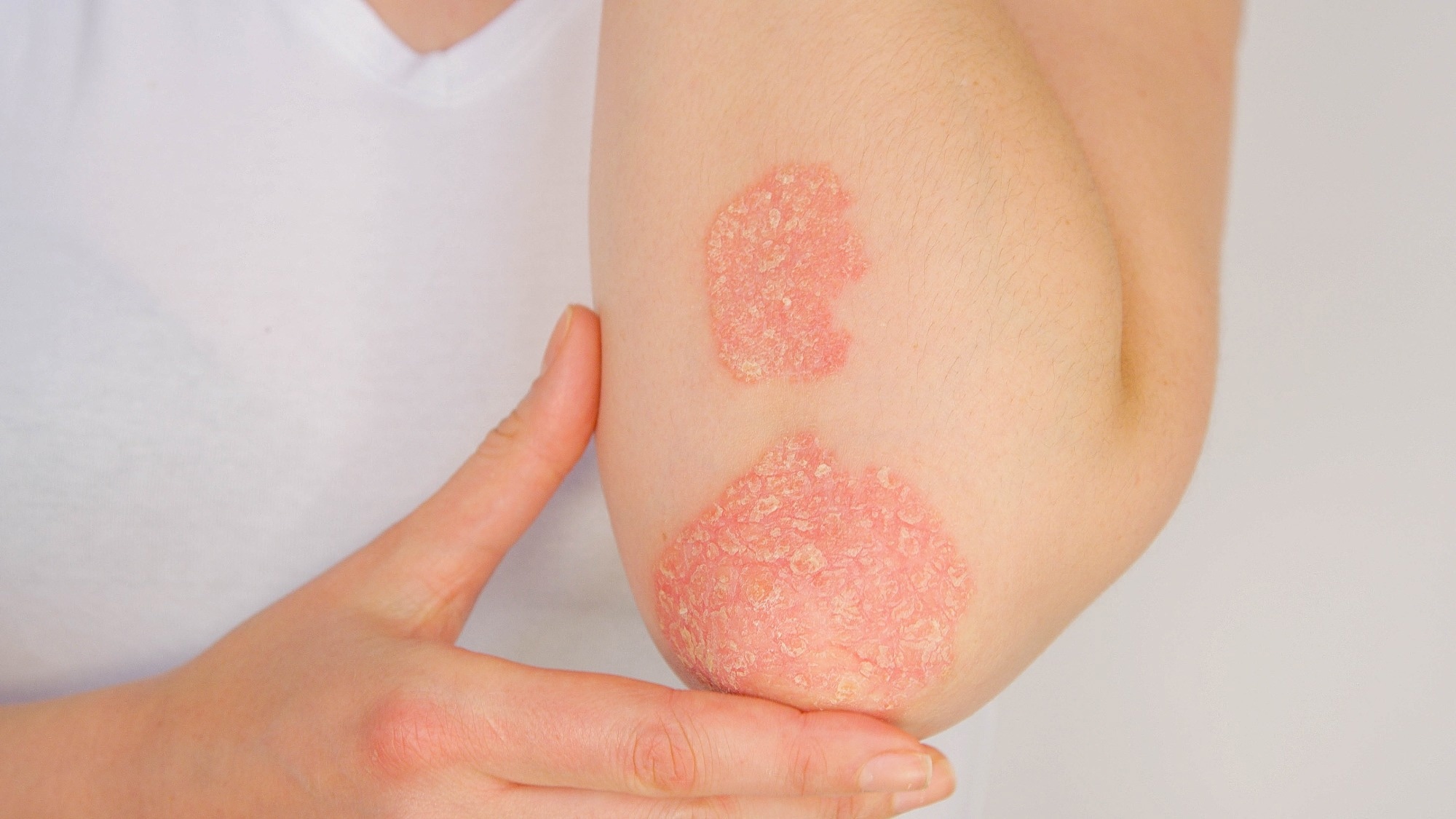
    Is there a connection between the onset of psoriasis and the risk of autoimmune diseases?

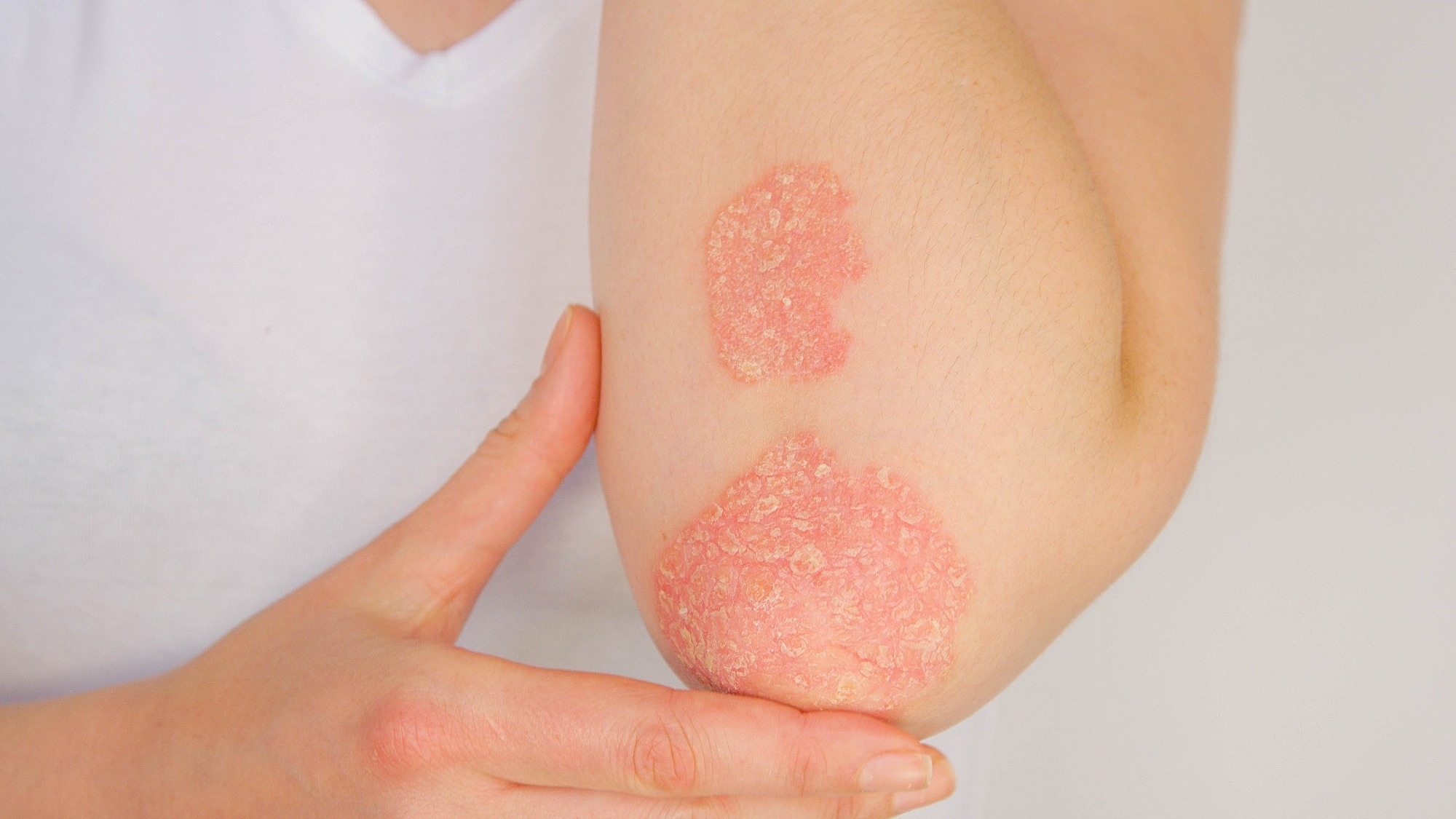
    In a recent study published in the Scientific Reports Journal, researchers evaluated the risk of new autoimmune diseases in individuals with early psoriatic disease.

    Research: Risk of incident autoimmune diseases in patients with newly diagnosed psoriatic diseases: a national population-based study.  Image credits: Flystock/Shutterstock.comStudy: Risk of incident autoimmune diseases in patients with newly diagnosed psoriatic disease: a national population-based study. Image credits: Flystock/Shutterstock.com

    Background

    Psoriatic disease, which often includes psoriasis and psoriatic arthritis, is a systemic inflammation-related disease with serious clinical consequences.

    Autoreactive T lymphocytes, which express proinflammatory cytokines such as interleukins (ILs)-17 and 22, and interferon-gamma (INF-γ) characterize psoriatic diseases.

    Studies have linked the autoimmune component of psoriasis to several autoimmune diseases, including autoimmune thyroid diseases, inflammatory bowel disease, alopecia areata, and autoimmune rheumatic diseases.

    About the study

    In the national population study, researchers evaluated the link between autoimmune diseases and psoriatic diseases.

    Patients with newly diagnosed psoriatic disease between January 2007 and December 2019 were included in the study, using the Korean National Health Insurance Service (NHIS) database.

    The team used previously established diagnostic algorithms for psoriatic disease in Korea to identify people with the condition. Patients with psoriatic disease had one or more recorded visits with psoriatic diseases such as psoriasis and psoriatic arthritis as their primary diagnostic code and vitamin D prescriptions.

    Autoimmune diseases such as CD, UC, Graves’ disease, Hashimoto’s disease, SLE, RA, Sjögren’s syndrome, systemic sclerosis, AS, type 1 diabetes and alopecia areata were studied.

    Comparators who had no diagnostic code for psoriatic diseases between January 2005 and December 2019 and no diagnostic code for autoimmune diseases during the washout were randomly selected and matched on sex and age at a 1:1 ratio.

    In addition to the diagnostic codes, the researchers also added relevant prescription information for medications and RID codes for all diseases to the diagnostic algorithms for outcomes.

    The team added follow-up information on newly identified autoimmune diseases from 2007 to 2020. Multivariate Cox regression modeling was performed to determine adjusted risk ratios (aHRs).

    The Charlson Comorbidity Index (CCI) values ​​for comorbidities such as hypertension, diabetes, dyslipidemia, chronic obstructive pulmonary disease (COPD), liver cirrhosis, chronic kidney disease, alcoholic liver disease, and heart failure were determined. The team conducted subgroup analyzes based on gender, age and severity of psoriatic disease.

    Patients who received diagnostic codes for psoriatic disease between January 2005 and December 2006 were excluded from the study.

    Additionally, the team excluded individuals diagnosed with autoimmune diseases [Crohn’s disease (CD), ulcerative colitis (UC), Graves’ disease, Hashimoto’s disease, systemic lupus erythematosus (SLE), rheumatoid arthritis (RA), Sjögren’s syndrome, ankylosing spondylitis (AS), systemic sclerosis, alopecia areata, and diabetes type 1] before diagnosis of psoriatic disease and those followed for less than one year.

    Results

    The study included 321,354 individuals in the psoriatic and control groups with a mean age of 43 years, and 59% were men.

    Patients with psoriasis showed a significantly increased risk of ankylosing spondylitis, systemic lupus erythematosus, ulcerative colitis, Crohn’s disease, alopecia areata, type 1 diabetes and rheumatoid arthritis, with aHR values ​​of 2.3, 1.9, 1.7 , 2.0, 1.4, 1.2 and 1.6. respectively.

    On the other hand, the risks for Hashimoto’s disease, Graves’ disease, systemic sclerosis and Sjögren’s syndrome did not differ significantly between the groups. Type 1 diabetes, alopecia areata, AS, RA, SLE, UC, and CS had NNH values ​​of 9,567, 1,295, 9,946, 3,256, 47,987, 17,899, and 39,988 individual years, respectively.

    With the exception of type 1 diabetes, all autoimmune diseases showed a significantly increased risk in psoriatic subjects compared to controls after controlling for CCI and insurance type. After controlling for CCI and insurance type, the risk of type 1 diabetes (aHR, 1.1) was not significant in men with psoriatic disease compared with male controls.

    After adjusting for type of insurance and CCI, all autoimmune diseases showed significantly greater risks in younger psoriatic individuals under 40 years of age and in individuals 40 years of age and older compared with controls.

    After controlling for insurance type and CCI, CD risk (aHR, 1.4) was not significantly greater in older psoriatic subjects than in controls.

    Mild and moderate psoriatic disease occurred in 79% (n=255,285) and 21% (n=66,069) of patients with psoriatic disease, respectively, including the incidence of UC, CD, RA, SLE, alopecia areata, and type diabetes. 1, and AS were greater compared to controls.

    After controlling for age, gender, CCI, and insurance type, patients with moderate to severe psoriatic disease showed a significantly increased risk of rheumatoid arthritis, AS, and type 1 diabetes, with aHR values ​​of 1.5, 1.5, and 1.2, respectively.

    Conclusion

    Based on the study results, patients with psoriatic conditions have a greater chance of developing autoimmune diseases.

    This study also found the occurrence of autoimmune diseases unrelated to psoriasis, such as Graves’ disease, Hashimoto’s disease, Sjögren’s syndrome, and systemic sclerosis. Due to the low absolute risk, routine screening for these conditions may not be recommended.

    However, appropriate investigations may be necessary in individuals with psoriatic disease to determine the existence of concomitant alopecia areata and provide tailored therapy.

    Source link

  • The conversation about weighted vests continues: why we can’t stop raving about weighted vests

    The conversation about weighted vests continues: why we can’t stop raving about weighted vests

    By Cameron Vazquez, MPH

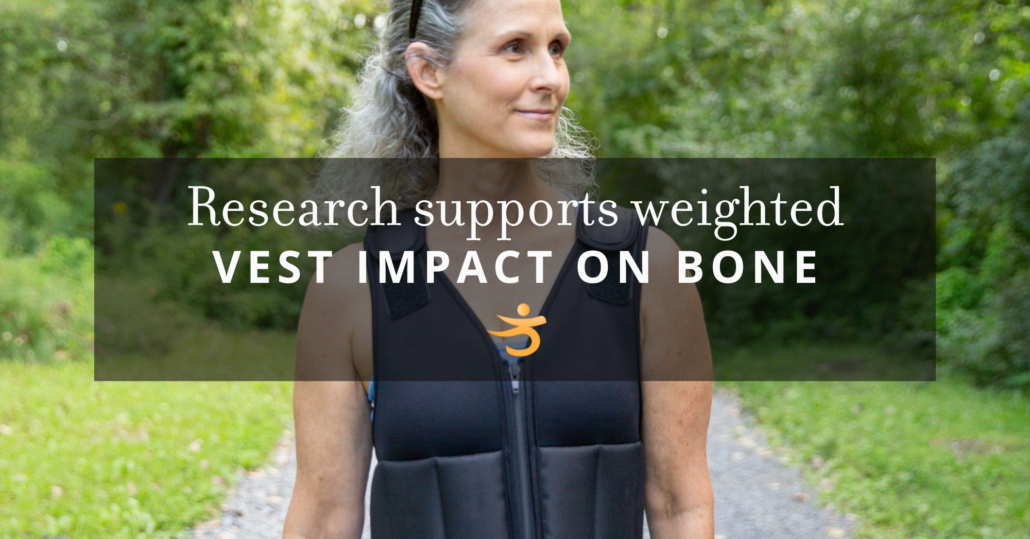
    We have been here at the Center for Better Bones for many years – and so have our customers! – have sung the praises of weighted training vests and belts. And how can we not do that? Not only does weighted exercise equipment allow us to do less and accomplish more, but numerous studies have shown that weighted vests and belts can improve strength, balance and muscle mass, reduce bone loss and even build bone! You can see all of this research in our blog, Weighing Weight Carrying: How Weighted Vests and Weighted Belts Can Help You. So why are we talking about weighted training equipment again? Because the research in support of weighted vests and belts continues to come to our attention!

    The use of weighted vests in a Norwegian clinical trial

    Another fascinating study into the impact of weighted training vests on fracture risk factors comes from Norway. (1) This study followed 42 postmenopausal women over 50 years of age with osteopenia and a healed wrist fracture. These participants completed a six-month exercise program called OsteoACTIVE, which consisted of 60-minute sessions held three times a week. The exercises performed were intended for strength, balance, coordination and trunk stabilization. For more details on the exercises performed and to see images, please refer to the original research article.

    Weighted vests were used during exercise. Each participant started with two 1.1 kg (about 2.43 pounds) weights, and all but three participants had built up to nine weights (about 21.9 pounds) by the end of the program.

    At the end of the six-month program, significant improvement in both hip bone density and quad strength was observed. At the 1-year follow-up, it was discovered that there was a significant improvement in dynamic balance compared to baseline measurements. Here’s another study (2) that confirms these groundbreaking findings on weight-bearing exercise from 1998!

    Why we love weighted vests that go beyond their bone benefits

    With all the research supporting their positive impact on bone, it’s no wonder we support weighted vests. But the benefits don’t stop there! While it’s incredibly important for your health, we understand that voluntary exercise is no easy feat. With limited time and resources, it’s important to get the most out of your workouts — something that can easily be done with a weighted vest! A few more reasons why we love weighted vests are:

    • They are useful: Weighted vests can be worn to add extra weight while doing just about anything, such as household chores, dancing, walking, etc.
    • Weight vests involve a progressive program: you can (and should) start slowly and add weight as you go.
    • Weighted vests are relatively safe; there is less risk of injury because of the gradual weight gain.
    • Weighted vests allow you to do less and achieve more!

    We would also like to note that while there isn’t as much research on weighted belts, they are still a good option for many. You can read more about weighted belts in our blog, The Weighted Belt: A New Exercise Tool to Build Bone.

    Preventing bone loss during weight loss

    Weight loss in overweight adults improves the prognosis of health outcomes; However, such weight loss comes at the expense of the bones. When older adults lose weight, they also lose bone. Currently, American scientists are conducting a study that combines weight loss programs with resistance exercises using the weighted vest. They propose that using weighted vests in combination with resistance exercises will be more effective for preventing weight loss-induced bone loss than resistance exercises alone. (3)

    These researchers say that weighted vests are likely to be very useful for several reasons:

    • They’re achievable: Older adults are more likely to use a weighted vest than a gym membership, learn about resistance training, or seek good guidance on resistance training.
    • Resistance training alone may not be enough to prevent weight loss-related weight loss.
    • Weighted vests during exercise can increase BMD and bone turnover and affect muscle strength.

    Therefore, the weighted vest could be a solution to prevent unnecessary bone loss during weight loss!

    Better sources for bone exercises

    Weighted vest and belt

    Interested in weighted fitness equipment? You can check out our weighted training vest and belt here!

    Webinar with Dr. Belinda Beck from the Australian Bone Clinic

    Have you ever been told that as an older person, it’s great to exercise, but exercise won’t build substantial bone strength? Dr. Brown talks to Dr. Belinda Beck, the Australian scientist whose groundbreaking clinical trials clearly demonstrate that older people can rebuild bone mass with high intensity, high resistance and strength training. We like to call her the bone-building mythbuster. Click here to see how Dr. Brown and Dr. Beck discussing exercise and bone health!

    Practice evolution with Gina Galli, RYT

    Exercise Evolution is our exciting new, affordable subscription program that we offer on Patreon.com. This program includes monthly videos, Dr.’s teaching library. Brown, a community sharing page, monthly exercise plans to build bones, access to the Better Bones Diet, an exercise tracking portal, and more! This program is not only accessible, but also safe. Our goal is to create a community full of like-minded individuals who support each other and are ready to get out there and get healthy!

    References:

    1. Hakestad, KA, et al. 2015. Exercises including weighted vests and a patient education program for women with osteopenia: a feasibility study of the OsteoACTIVE rehabilitation program. Journal of Orthopedic and Sports Physiotherapy 45(2): 57-147.
    2. Shaw, J.M. and C.M. Snow. 1998. Exercise with a weighted vest improves indices of fall risk in older women. The journals of gerontology. Series A, Biological Sciences and Medical Sciences 53(1):M53-M58.
    3. Miller, RM, et al. 2021. Integrating nutrition, vesting, education, and strength training (INVEST) into bone health: trial design and methods. Contemporary Clinical Research 104:106326.

    Dr.  Susan BrownI am Dr. Susan E. Brown. I am a clinical nutritionist, medical anthropologist, writer and motivational coach speaker. Learn my proven 6-step natural approach to bone health in my online courses.

    Source link

  • Shin Splints Causes, Symptoms and Physical Therapy Treatment

    Shin Splints Causes, Symptoms and Physical Therapy Treatment

    Medial tibial stress syndrome is one of the most common athletic injuries, especially among those who participate in high-impact activities. However, there are other risk factors for shin splints, and not all patients who complain of the characteristic pain along the shin are athletes.

    MTSS is a condition that often resolves on its own. Physical therapy can help relieve the pain and prevent it from returning.

    What causes shin splints?

    There are several muscles in the leg that attach to the shin bone, including the anterior and posterior tibialis muscles, the flexor digitorum longus muscle, and the soleus muscle. These muscles and their connective tissue can pull on the periosteum, a layer of tissue that covers the bone and allows the muscles to attach.

    Repeated stress can cause the periosteum to become inflamed, resulting in the pain of shin splints. There are several risk factors that can contribute to MTSS.

    FH Shin Splits Blog 1

    1. Physical activity

    Athletes who do a lot of running and jumping, such as gymnasts, basketball players, dancers, tennis players and sprinters, are at particular risk for shin splints. An estimated 35% of these athletes eventually develop MTSS.

    Due to frequent marching and other physically demanding tasks, soldiers are at risk of developing shin splints, with a incidence rate that can be as high as 35%.

    2. Weak bones

    MTSS may be more likely in people with underlying medical conditions that weaken the bones, such as osteoporosis or osteopenia. Other underlying medical conditions that can affect bone health and increase the risk of shin splints include eating disorders, vitamin D deficiencies, or hormonal changes in women that can also result in a loss of normal menstruation.

    FH Shin Splits Blog 2

    3. Flat feet

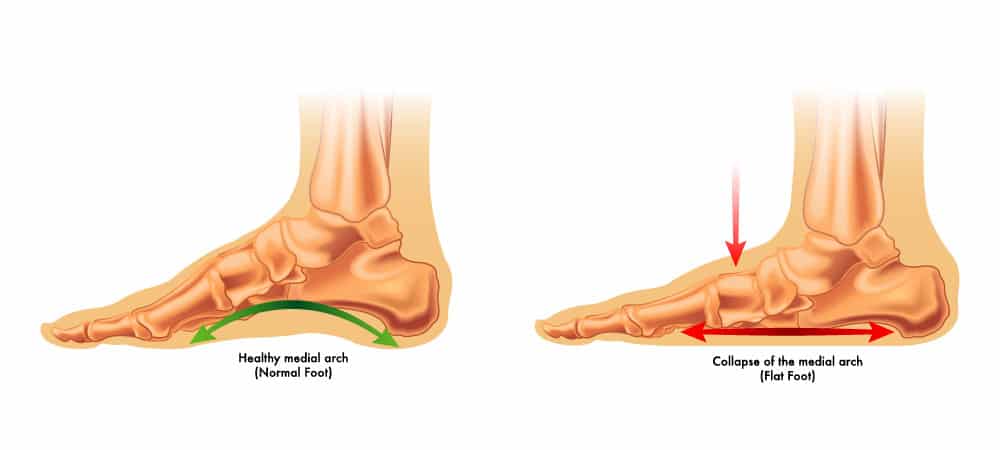
    Overpronation occurs when the arch of the foot collapses due to the impact of a step. This is colloquially known as having flat feet. If you often walk or run with flat feet, this can strain the tibial periosteum and lead to shin splints. You can also develop MTSS if your arches are stiff or high. Exercising or playing sports in shoes that do not provide adequate arch support can contribute to overpronation and increase the risk of shin splints.

    4. Overweight

    Carrying extra weight puts more strain on the lower extremities and increases the risk of shin splints. Maintaining a healthy weight is important for shin splint prevention and overall health, but you should begin an exercise program gradually. Demanding too much of the body at once can also contribute to shin splints.

    How can shin splints be prevented?

    Chances are you will develop MTSS at the start of your athletic season or a new training regimen. In your eagerness to get started, you may try to do too much too quickly, putting too much pressure on your lower legs.

    Starting with a gentle exercise program and progressing slowly is therefore important to prevent shin splints. Limiting activity increases to 10% per week helps prevent sudden changes that can trigger MTSS.

    If your muscles are not properly warmed up before physical activity, they can put pressure on your shin. Be sure to stretch your entire body, especially your legs, before beginning any exercise or athletic event.

    Supportive footwear helps prevent overpronation, so be sure to replace the shoes you use for exercise before they wear out. If you are a runner, replace your running shoes every 300 miles. If your shoes do not provide enough support, you can use arch supports that are specially designed to prevent overpronation.

    Try cross-training with low-impact exercises, such as cycling or swimming, to give your lower legs a chance to rest and recover. When participating in high-impact activities, try to avoid uneven, hilly terrain and hard surfaces.

    iStock 1225517111

    How can physical therapy help treat shin splints?

    The prognosis for shin splints is usually very good and most people recover completely. The key is to relieve pressure on the inflamed tissues so they have a chance to heal. There are several physiotherapy techniques that can help relieve stress in the superficial tissues:

    • Foam rolling
    • Massage
    • Tool-assisted therapy

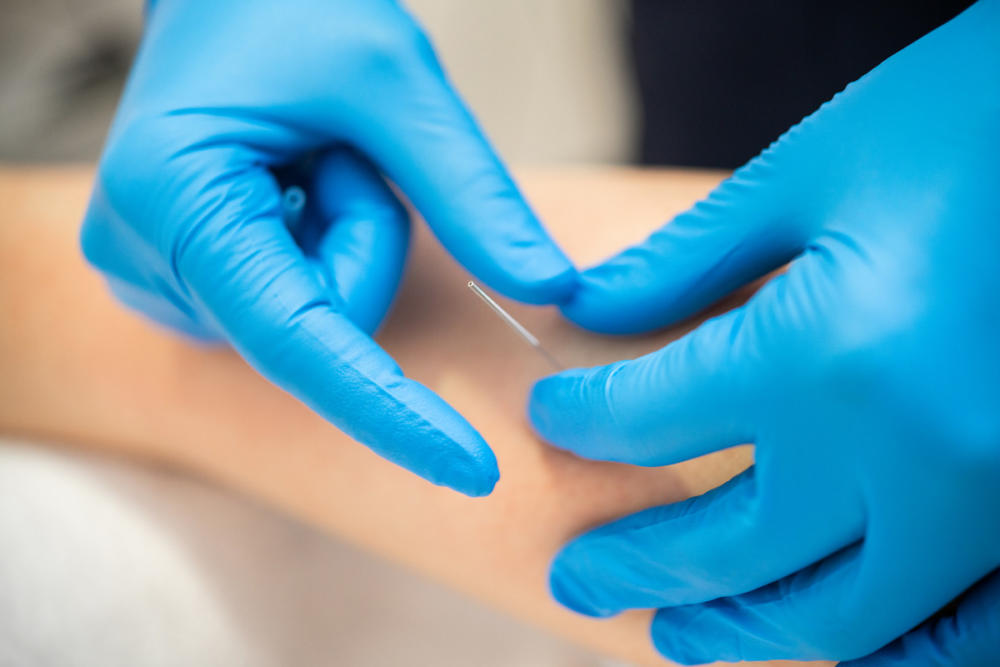
    If the tension is in the deeper tissues of the muscle, these techniques may not be enough to relieve it. However, trigger point dry needling is another technique that can reach beyond the superficial tissues to relieve tension in the fibers in the muscle belly. The goal is for the muscle fibers that are better equipped for the task to absorb the stress instead of the periosteum.

    In addition to helping relieve the pain of MTSS, physical therapy can also help prevent symptoms from coming back. You can learn exercises to prevent overpronation by strengthening the arch of your foot. Although it may seem counterintuitive at first, strengthening the muscles that control hip movement can help reduce tension in the lower leg.

    Your physical therapist may also suggest shoes that provide better support and adjustments to your activities to reduce stress on your lower leg and prevent shin splints from coming back.

    As you progress through therapy and eventually return to your previous activities, use pain as a guide and stop when it starts to hurt. Trying to push through the pain of shin splints only makes the problem worse. make an appointment today with a Foothills physical therapist.

    Source link