ImageForNews 761120 16968459370558062
|

Is there a connection between the onset of psoriasis and the risk of autoimmune diseases?


In a recent study published in the Scientific Reports Journal, researchers evaluated the risk of new autoimmune diseases in individuals with early psoriatic disease.
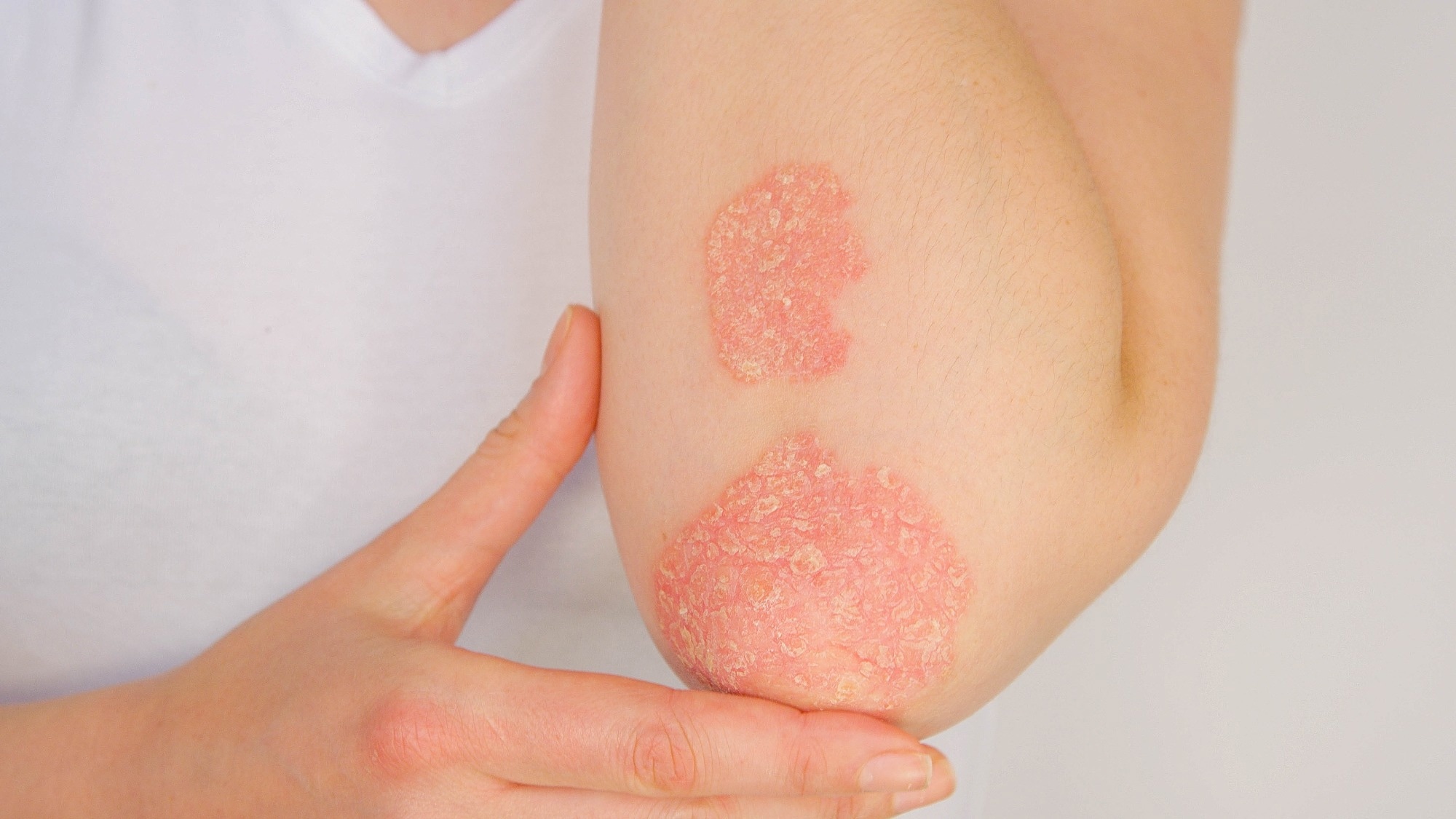
Research: Risk of incident autoimmune diseases in patients with newly diagnosed psoriatic diseases: a national population-based study. Image credits: Flystock/Shutterstock.comStudy: Risk of incident autoimmune diseases in patients with newly diagnosed psoriatic disease: a national population-based study. Image credits: Flystock/Shutterstock.com

Background

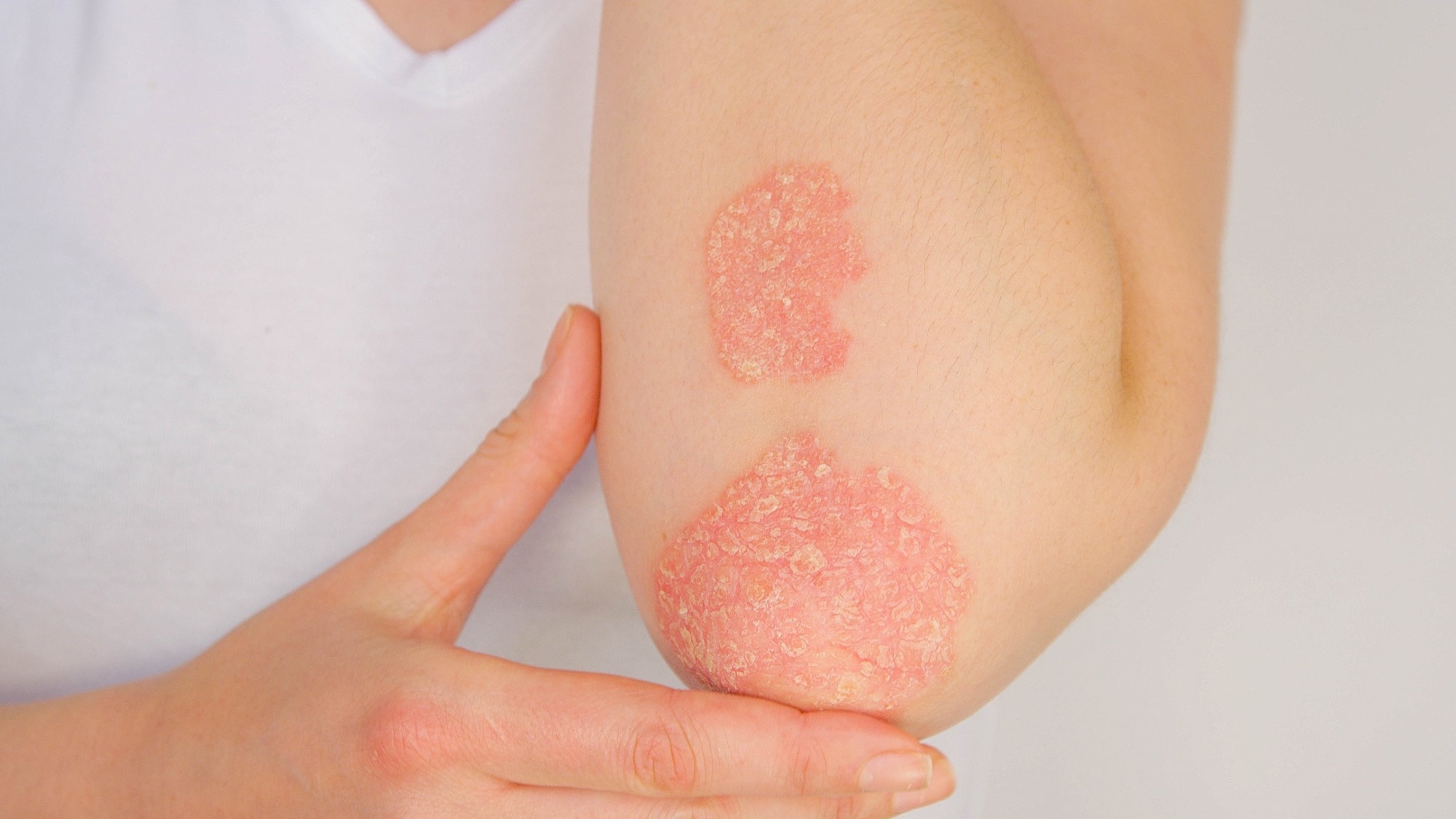
Psoriatic disease, which often includes psoriasis and psoriatic arthritis, is a systemic inflammation-related disease with serious clinical consequences.

Autoreactive T lymphocytes, which express proinflammatory cytokines such as interleukins (ILs)-17 and 22, and interferon-gamma (INF-γ) characterize psoriatic diseases.

Studies have linked the autoimmune component of psoriasis to several autoimmune diseases, including autoimmune thyroid diseases, inflammatory bowel disease, alopecia areata, and autoimmune rheumatic diseases.

About the study

In the national population study, researchers evaluated the link between autoimmune diseases and psoriatic diseases.

Patients with newly diagnosed psoriatic disease between January 2007 and December 2019 were included in the study, using the Korean National Health Insurance Service (NHIS) database.

The team used previously established diagnostic algorithms for psoriatic disease in Korea to identify people with the condition. Patients with psoriatic disease had one or more recorded visits with psoriatic diseases such as psoriasis and psoriatic arthritis as their primary diagnostic code and vitamin D prescriptions.

Autoimmune diseases such as CD, UC, Graves’ disease, Hashimoto’s disease, SLE, RA, Sjögren’s syndrome, systemic sclerosis, AS, type 1 diabetes and alopecia areata were studied.

Comparators who had no diagnostic code for psoriatic diseases between January 2005 and December 2019 and no diagnostic code for autoimmune diseases during the washout were randomly selected and matched on sex and age at a 1:1 ratio.

In addition to the diagnostic codes, the researchers also added relevant prescription information for medications and RID codes for all diseases to the diagnostic algorithms for outcomes.

The team added follow-up information on newly identified autoimmune diseases from 2007 to 2020. Multivariate Cox regression modeling was performed to determine adjusted risk ratios (aHRs).

The Charlson Comorbidity Index (CCI) values ​​for comorbidities such as hypertension, diabetes, dyslipidemia, chronic obstructive pulmonary disease (COPD), liver cirrhosis, chronic kidney disease, alcoholic liver disease, and heart failure were determined. The team conducted subgroup analyzes based on gender, age and severity of psoriatic disease.

Patients who received diagnostic codes for psoriatic disease between January 2005 and December 2006 were excluded from the study.

Additionally, the team excluded individuals diagnosed with autoimmune diseases [Crohn’s disease (CD), ulcerative colitis (UC), Graves’ disease, Hashimoto’s disease, systemic lupus erythematosus (SLE), rheumatoid arthritis (RA), Sjögren’s syndrome, ankylosing spondylitis (AS), systemic sclerosis, alopecia areata, and diabetes type 1] before diagnosis of psoriatic disease and those followed for less than one year.

Results

The study included 321,354 individuals in the psoriatic and control groups with a mean age of 43 years, and 59% were men.

Patients with psoriasis showed a significantly increased risk of ankylosing spondylitis, systemic lupus erythematosus, ulcerative colitis, Crohn’s disease, alopecia areata, type 1 diabetes and rheumatoid arthritis, with aHR values ​​of 2.3, 1.9, 1.7 , 2.0, 1.4, 1.2 and 1.6. respectively.

On the other hand, the risks for Hashimoto’s disease, Graves’ disease, systemic sclerosis and Sjögren’s syndrome did not differ significantly between the groups. Type 1 diabetes, alopecia areata, AS, RA, SLE, UC, and CS had NNH values ​​of 9,567, 1,295, 9,946, 3,256, 47,987, 17,899, and 39,988 individual years, respectively.

With the exception of type 1 diabetes, all autoimmune diseases showed a significantly increased risk in psoriatic subjects compared to controls after controlling for CCI and insurance type. After controlling for CCI and insurance type, the risk of type 1 diabetes (aHR, 1.1) was not significant in men with psoriatic disease compared with male controls.

After adjusting for type of insurance and CCI, all autoimmune diseases showed significantly greater risks in younger psoriatic individuals under 40 years of age and in individuals 40 years of age and older compared with controls.

After controlling for insurance type and CCI, CD risk (aHR, 1.4) was not significantly greater in older psoriatic subjects than in controls.

Mild and moderate psoriatic disease occurred in 79% (n=255,285) and 21% (n=66,069) of patients with psoriatic disease, respectively, including the incidence of UC, CD, RA, SLE, alopecia areata, and type diabetes. 1, and AS were greater compared to controls.

After controlling for age, gender, CCI, and insurance type, patients with moderate to severe psoriatic disease showed a significantly increased risk of rheumatoid arthritis, AS, and type 1 diabetes, with aHR values ​​of 1.5, 1.5, and 1.2, respectively.

Conclusion

Based on the study results, patients with psoriatic conditions have a greater chance of developing autoimmune diseases.

This study also found the occurrence of autoimmune diseases unrelated to psoriasis, such as Graves’ disease, Hashimoto’s disease, Sjögren’s syndrome, and systemic sclerosis. Due to the low absolute risk, routine screening for these conditions may not be recommended.

However, appropriate investigations may be necessary in individuals with psoriatic disease to determine the existence of concomitant alopecia areata and provide tailored therapy.


Source link

Similar Posts

  • |

    You Don’t Look Sick – Living with Rheumatoid Arthritis: HAWAII DAY 1

      Well, my start to my trip to Hawaii definitely started with a bang. First I got up early and got to the airport well in time. I had a wonderful taxi driver who was very sweet and he took me and my luggage to the airport lobby and arranged a wheelchair for me. I…

  • Effective Knee Osteoarthritis Prescriptions Available

    Are you struggling with knee osteoarthritis and looking for effective treatment options? You’re in the right place. At [Your Brand Name], we understand the impact knee osteoarthritis can have on your daily life. That’s why we offer a range of prescription drugs and medications specifically designed to manage the pain and inflammation associated with this…

  • Knee Pain Treatment: Your Complete Guide to Relief, Recovery, and Getting Back to Life

    If your knee has been slowing you down, you’re not alone — and the good news is that effective knee pain treatment is more accessible than ever in 2026. Here’s a surprising fact worth knowing right away: every single pound of body weight you lose removes 4 pounds of mechanical load from your knee joint…

  • |

    Freedom in shoes – Shoe types have little to no effect on the number of injuries

      Running shoes to prevent running injuries to the lower extremities in adults Relph N, Greaves H, Armstrong R, Prior TD, Spencer S, Griffiths IB, Dey P, Langley B. Cochrane Database of Systematic Reviews. August 2022. doi: 10.1002/14651858.CD013368.pub2. https://www.cochranelibrary.com/cdsr/doi/10.1002/14651858.CD013368.pub2/full Take home message Prescribing running shoes based on foot type and general footwear type (e.g., motion…

  • |

    Knee replacement complications

    What if the key to a successful recovery isn’t just about the surgery itself, but what you know beforehand? Every year, over 790,000 people in the United States choose this medical procedure to regain their mobility. It’s a major step toward a life with less pain. knee replacement complications We recognize that while this operation is common, understanding what can happen after is vital. This knowledge transforms a patient from a passive recipient into an active partner in their own care. Our goal is to provide clear, empowering information about the possible risks. This helps you approach your healing journey with eyes wide open and confidence high. Modern advancements have made this intervention safer and more effective than ever. Still, being informed allows you to spot any warning signs early and seek help promptly. This guide is your comprehensive resource. We aim to support you in taking charge of your long-term joint health and overall well-being. Key Takeaways Over three-quarters of a million knee replacement surgeries are performed annually in the U.S. Being informed about potential issues is a crucial part of patient preparation and empowerment. Knowledge of risks helps in early identification of any post-operative warning signs. Modern surgical techniques and care have significantly improved the safety profile of this procedure. An active understanding of your care plan contributes greatly to a successful long-term outcome. This information is designed to build confidence as you move forward with your medical decision. Understanding Knee Replacement Surgery Before diving into the details, let’s build a clear picture of what this surgical process entails. Over 790,000 of these operations happen each year in the United States alone. understanding knee replacement surgery What Is a Knee Replacement? This common operation replaces all three compartments of a damaged joint. Surgeons remove worn bone and cartilage. They then fit precise metal and plastic implants. This creates a new, smooth gliding surface. Aspect Detail Primary Goal Relieve chronic pain and restore joint function Artificial Components Metal and medical-grade plastic Typical Anesthesia General or spinal Average Hospital Stay 1 to 3 days Initial Recovery Period 6 to 12 weeks The Overall Procedure and Its Benefits This intervention is designed to help people regain independence. Most patients report a major improvement in their quality of life. The main benefit is lasting relief from persistent pain. Many return to daily activities and hobbies they love. Understanding the mechanics helps set realistic expectations for recovery and long-term performance. Key Knee Replacement Complications Statistics offer great comfort, but a complete picture includes understanding what could go wrong, even if it’s unlikely. Research confirms a very high success rate for this operation. Over 95% of people recover without any major issues. This statistic highlights the overall safety of the procedure. key knee replacement complications Overview of Common Risks Every medical intervention carries some inherent risks. These can include infection, blood clots, or stiffness. Your surgical team is trained to both prevent and manage these known challenges. They are a standard part of the pre-operative discussion. Why Awareness Matters We believe knowledge is power. Understanding potential warning signs allows you to partner with your care team. You can seek help promptly if something doesn’t feel right. This proactive approach helps prevent minor concerns from becoming serious problems. It’s crucial to discuss your personal health history with your doctor. This conversation helps assess your individual risk profile before surgery….

2 Comments

Leave a Reply

Your email address will not be published. Required fields are marked *