globus medical logo1 1b.webp

Five-year study results of the NuVasive Simplify Cervical Disc were presented at the 38th Annual Meeting of the North American Spine Society

AUDUBON, PA, October 24, 2023 (GLOBE NEWSWIRE) — Globus Medical, Inc. (NYSE: GMED), a leading musculoskeletal solutions company, presented the five-year results of the NuVasive Simplify Cervical Disc study at the North American Spine Society (NASS) 38e Annual meeting. The study demonstrates positive long-term clinical outcomes, high overall composite success at 60 months, and statistical superiority over the procedural results of anterior cervical discectomy fusion (ACDF).

“Having clinically sound, long-term data for the Simplify Cervical Disc validates the promising clinical data we saw Simplify have after two years,” said Kyle Malone, senior vice president, Scientific Affairs, Globus Medical. “We will continue to innovate within the cervical spine segment and provide industry-leading procedural solutions that are clinically designed to deliver better patient outcomes.”

The five-year Simplify Cervical Disc study* found:

  • Simplify Cervical Disc was statistically superior to the ACDF Control in terms of overall composite success at five years,
  • Statistically significant postoperative improvements in the Neck Disability Index (NDI) and visual analogue scale (VAS) (combined neck and arm pain) found at two years were maintained over five years, with the Simplify Cervical Disc group experiencing significantly lower NDI and had VAS scores at five years. years compared to the ACDF control,
  • Mean disc height and flexion/extension range of motion increased postoperatively in the Simplify Disc group and remained above preoperative levels throughout follow-up, and
  • No device errors were reported in the Simplify Disc group.

Dr. Pierce Nunley of the Spine Institute of Louisiana expressed enthusiasm about the durability of the positive results seen after 24 months. He stated: “I am eager to see the continued success of these results after 60 months. This study further reinforces that Simplify is an excellent motion-saving solution with lasting clinical benefits over ACDF.”

*Data on file.

Simplify Cervical Disc is not yet available in all countries. Please refer to the Simplify Disc directions for use and patient labeling for important product information, including but not limited to indications, contraindications, warnings, precautions, risks and possible side effects. The instructions for use and patient labeling can be found here.

About Globus Medical, Inc.
Globus Medical is committed to delivering innovative technologies and leading clinical support to help surgeons and healthcare providers deliver better care around the world. The company offers one of the most comprehensive offerings of musculoskeletal solutions and assistive technologies to impact the continuum of care, now including NuVasive’s procedurally integrated portfolio. The company’s employees are relentlessly focused on advancing patient care. For more information, visit www.globusmedical.com/uniting.

Safe Harbor Statements
All statements in this press release, other than statements of historical fact, are forward-looking statements and can be identified by the use of words such as “believe,” “may,” “could,” “could,” “will.” aim”, “estimate”, “continue”, “anticipate”, “intend”, “expect”, “plan” and other similar terms. These forward-looking statements are based on our current assumptions, expectations and estimates of future events and trends. Forward-looking statements are only predictions and are subject to many risks, uncertainties and other factors that could affect our business and operations and could cause actual results to differ materially from those projected. These risks and uncertainties include, but are not limited to, the risks and costs associated with the integration of, and the ability of Globus Medical and NuVasive to successfully integrate their businesses and realize expected synergies, health epidemics, pandemics and similar outbreaks . including the COVID-19 pandemic, factors affecting our quarterly results, our ability to manage our growth, our ability to maintain our profitability, demand for our products, our ability to compete successfully (including but not limited to our ability to convince surgeons to use our products and our ability to attract and retain sales and other personnel), our ability to rapidly develop and introduce new products, our ability to develop and implement successful business strategies our ability to comply with laws and regulations that are or may become applicable to our businesses, our ability to protect our intellectual property, our success in defending legal proceedings against us, trends in the medical device industry , general economic conditions and other risks. For a discussion of these and other risks, uncertainties and other factors that could affect our results, please refer to the disclosure in our most recent Annual Report on Form 10-K filed with the Securities and Exchange Commission, including the sections labeled “Risk Factors” and “Cautionary Statement Regarding Forward-Looking Statements” and in our Forms 10-Q, Forms 8-K and other filings with the Securities and Exchange Commission. These documents are available at www.sec.gov. Moreover, we operate in a changing environment. New risk factors and uncertainties emerge from time to time and it is not possible for us to predict all risk factors and uncertainties, nor can we assess the impact of all factors on our business, or the extent to which any factor, or combination of factors , could cause actual results to differ materially from those contained in any forward-looking statements. Given these risks and uncertainties, readers are cautioned not to place undue reliance on forward-looking statements. Forward-looking statements in this press release speak only as of the date of this press release. We undertake no obligation to update any forward-looking statements as a result of new information, events or circumstances or other factors that arise or come to our attention after the date hereof.

Contact person for investors:
Brian Kears
610-930-1800
investors@globusmedical.com

Media contact:
Melanie Ordoñez
858-722-3899
media@globusmedical.com

Source link

Similar Posts

  • Antibiotics wreak havoc on athletic performance

      New research shows that by killing essential gut bacteria, antibiotics affect athletes’ motivation and endurance. The UC Riverside-led mouse study suggests that the microbiome is a big factor that differentiates athletes from couch potatoes. Other studies have examined how exercise influences the microbiome, but this study is one of the few to examine the…

  • |

    Failed knee replacement symptoms

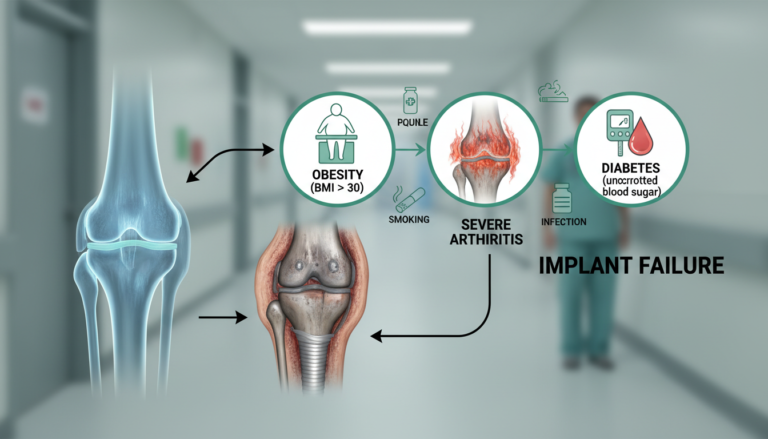
    What if the relief you expected after your joint procedure never arrives? This unsettling question faces a small percentage of individuals each year. While statistics show that 85% to 90% of patients enjoy successful outcomes for 15 to 20 years after their initial knee replacement surgery, some do not. failed knee replacement symptoms We understand that persistent discomfort following this major operation can be a source of deep frustration. It can severely limit your mobility and daily life. Our guide is here to shed light on the various signs that may indicate your implant is not performing as designed. Identifying these indicators early is critically important. It ensures you get the right medical attention and potential intervention from a qualified specialist. If you experience persistent pain and stiffness, understanding the next steps is vital. We will walk you through common warning signs, the diagnostic process, and the treatment paths available to restore your comfort and movement. Key Takeaways Most knee replacement procedures are highly successful for many years. Recognizing early warning signs of a problem is crucial for your health. Specialized care models, like the one at University of Utah Hospital, combine expert teams for complex cases. Persistent pain, swelling, or instability after recovery should not be ignored. Several effective treatment options exist to address implant issues. Early consultation with an orthopedic surgeon can lead to better outcomes. Your long-term mobility and quality of life are the ultimate goals. Understanding Knee Replacement Surgery Modern orthopedic medicine offers a reliable solution for severe joint damage through artificial joint implantation. This procedure aims to restore comfortable movement when natural cartilage wears down. knee replacement surgery components How Knee Replacements Work During this operation, surgeons remove damaged joint surfaces. They replace them with precisely engineered metal and plastic components. These artificial parts are designed to glide smoothly. They mimic your joint’s natural motion, reducing discomfort. Fixation Method How It Works Key Consideration Cemented Fixation Special bone cement bonds the implant directly to your bone. Provides immediate, strong stability after the operation. Biologic Fixation The bone grows into a porous coating on the device over time. Creates a durable, long-term bond without cement. Surgeon’s Choice The method is selected based on your bone quality and age. Each technique has specific advantages for different situations. Long-Term Expectations and Implant Lifespan Most modern devices are engineered for durability. A typical lifespan ranges from 15 to 20 years. “The longevity of a joint implant depends on multiple factors, including the patient’s activity level and overall bone health.” We emphasize that these components are not indestructible. They experience natural wear from daily use over time. Regular monitoring helps ensure your artificial joint functions well for as long as possible. Your activity choices and general health play significant roles. Recognizing Failed Knee Replacement Symptoms When an artificial joint doesn’t function as intended, your body sends distinct signals that demand attention. Learning to identify these signs is crucial for your long-term health and mobility. Persistent Pain and Swelling Persistent pain in the knee joint that lingers long after the typical recovery period is a primary indicator. This pain isn’t normal soreness. It often presents as a deep, constant ache. Swelling around the knee joint that refuses to fade with rest is another red flag. Persistent pain and swelling are common companions. They can suggest underlying issues like inflammation or component loosening. Instability and Changes in Joint Function A feeling of instability, where your leg might buckle, is alarming. This instability often feels like the joint is giving way when you put weight on it. You might also notice a noticeable decline in how well it moves. Stiffness, developing a limp, or hearing odd popping noises are critical functional changes. We encourage you to monitor these signs closely. They are the primary indicators that your implant may require further clinical assessment. Common Causes of Knee Replacement Failure…

  • |

    Sleeping after knee replacement

    What if the key to a faster recovery isn’t just what you do during the day, but how you rest at night? We understand that getting proper rest following an operation can be a major hurdle. In fact, research shows about half of all patients report significant discomfort when trying to find a comfortable position. sleeping after knee replacement This cycle of fatigue and increased sensitivity can slow down your progress. That’s why quality rest is not a luxury—it’s a critical part of the healing process, as emphasized by Christynne Helfrich, PT, DPT at Hinge Health. Our guide is designed to break this cycle. We provide expert-backed strategies for managing discomfort and improving your overall rest quality. This includes proven positions and techniques for the crucial first weeks. By addressing the root causes of post-operative disturbances, we aim to help you achieve the restorative rest your body needs. For a comprehensive plan, explore our detailed resource on how to sleep after knee replacement. Key Takeaways Quality rest is a powerful, non-negotiable part of the healing journey after surgery. Many individuals experience increased pain at night or struggle to find a comfortable sleep position. Targeted exercises and proper sleep hygiene can significantly improve your comfort and rest quality. Effective pain management, including techniques like icing, is crucial for uninterrupted sleep. Guidance from your physical therapist and surgical team is essential for a safe and effective recovery. Patience and consistency with your nightly routine are key to long-term success. Understanding Knee Replacement Recovery Your body begins a detailed repair process immediately after joint surgery. A nerve block often provides comfort for the first 18 to 30 hours post-procedure. This offers a valuable window before typical sensations begin. knee replacement recovery Post-Surgery Healing and Body Changes Significant changes occur as you heal from this operation. Natural inflammation and swelling around the new joint are common. Your system is working hard to integrate the artificial components. We note that many individuals report increased difficulty starting around day four. Challenges can persist for up to ten weeks in some cases. Discomfort may also travel to areas like the shin or hip at night. This is a normal part of the adjustment process. Your body is adapting to its new mechanics. How Sleep Supports Recovery Quality rest is vital for repair. Your body focuses on mending the joint and surrounding muscle tissue during deep rest. This is when the most intensive healing occurs. As healing progresses, your sleep quality should gradually improve. Research shows most people see significant progress by the three-month mark. The first month is often the most difficult. We encourage you to stay active during the day. Gentle movement promotes blood flow and prevents stiffness. This daily activity supports better rest at night. Understanding that your body is working hard post-operatively helps manage expectations. Consistency with your routine is key for long-term success. Common Sleep Challenges After Knee Replacement The quiet of the night often amplifies the physical sensations that accompany post-operative healing. We see that nearly half of all individuals report severe disturbances during this critical time. This makes addressing these hurdles a top priority. common sleep challenges after knee replacement Nighttime Pain and Discomfort Without daytime distractions, you may become more aware of persistent sensations. This heightened awareness can make falling asleep difficult. Anxiety about your new joint is also common. Worrying about movement can further disrupt your rest cycles. Dealing with Swelling and Stiffness Inflammation is a natural response to an operation. It often increases when you are lying down for extended periods. Limited mobility prevents natural position shifts. This lack of movement allows stiffness to set in by morning. Challenge Primary Cause Typical Effect Nighttime Pain Increased sensory awareness Difficulty initiating sleep Swelling Post-surgery inflammation Discomfort in bed Joint Stiffness Immobility during rest…

  • Vy Spine Announces FDA Approval for its ClariVy OsteoVy PEKK Cervical IBF

      Tallahassee, Florida, November 14, 2023 – OrthoSpineNews – Vy Spine, a leader in spine innovation using differentiated materials and designs, today announced that it has received approval from the U.S. Food and Drug Administration (FDA) for its ClariVy OsteoVy PEKK Cervical IBF, indicated for intervertebral body fusion for use at one level in the…

  • Centinel Spine® Worldwide prodisc® Total Disc Replacement Momentum Continues in Q3 2023 with 61% YoY Growth

      Third Quarter 2023 US prodisk® Total Disc Replacement (TDR) sales reached nearly $14 million in sales – a new record – surpassing the second quarter of 2023, the company’s previous best quarter. Third quarter 2023 worldwide proDisc TDR remained strong by product segment, with global lumbar TDR growing 43% – a new sales record…

  • Dr. Sukdeb Datta Makes Successful Debut at the First Annual Symposium of the American Society of Endoscopic and Interventional Spine Surgery

      Sukdeb Datta, MD Datta Endoscopic MIAMI, Oct. 31, 2023 /PRNewswire/ — On October 14, Dr. Sukdeb Datta of Datta Endoscopic hosted the first annual convention for the American Society of Endoscopic and Interventional Spine Surgery at Datta Endoscopic’s state-of-the-art headquarters in Saddle. Brook, New Jersey, with more than 1,000 online and in-person attendees tuning…

One Comment

Leave a Reply

Your email address will not be published. Required fields are marked *