Knee Inflammation: Causes, Symptoms, and Treatment
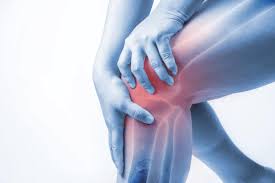
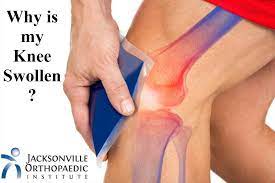
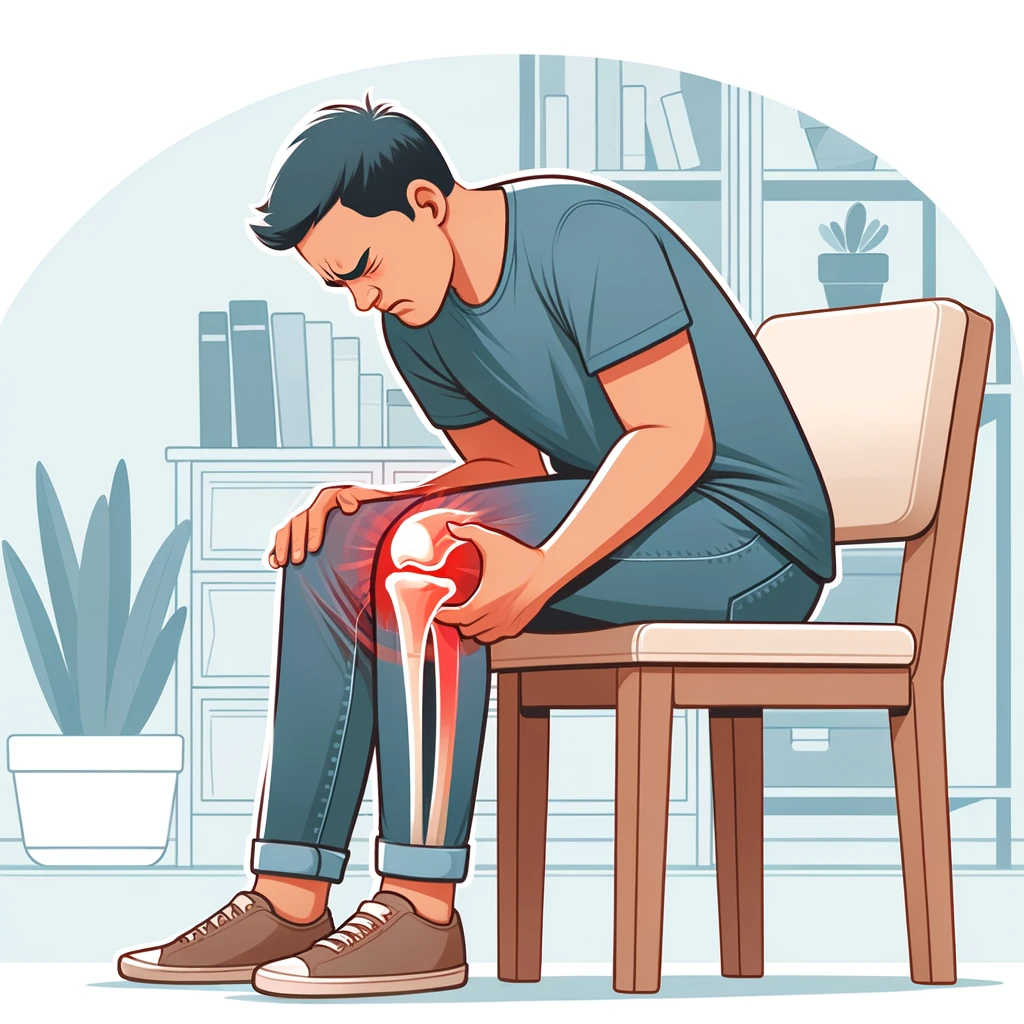
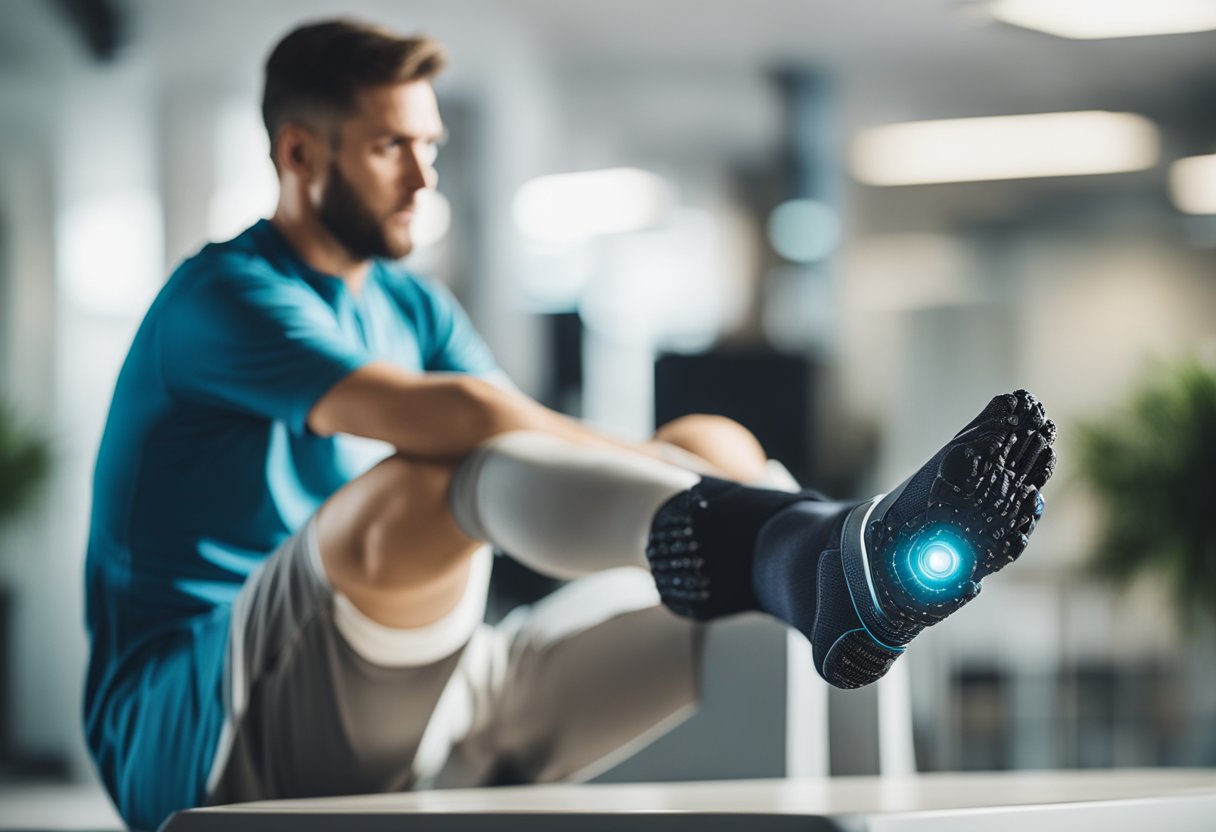
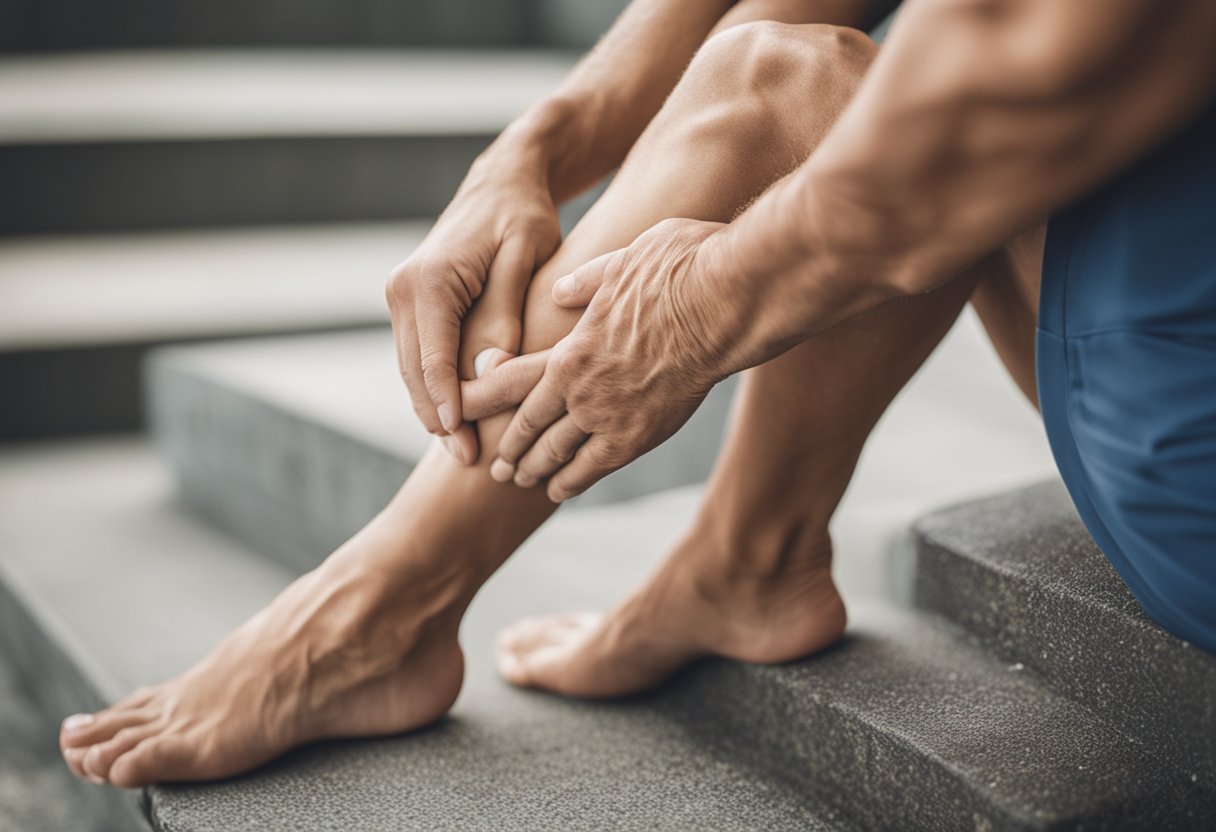
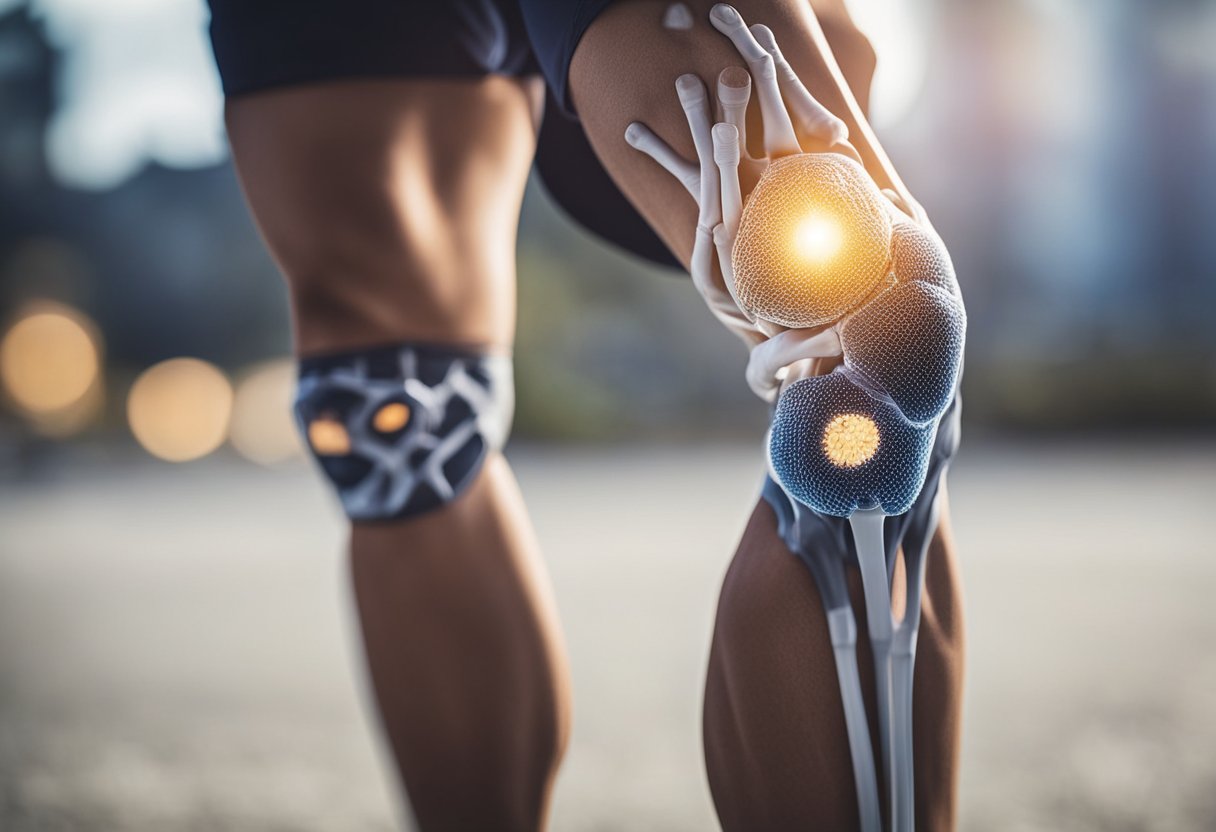
Knee inflammation, also known as knee swelling, is a common condition that affects people of all ages. It is characterized by the accumulation of fluid in the knee joint, which can cause pain, stiffness, and limited range of motion. Knee inflammation can be caused by a variety of factors, including injury, overuse, or underlying medical conditions such as arthritis.
Understanding the causes and risk factors of knee inflammation is important for effective diagnosis and treatment. In some cases, knee inflammation may be a symptom of a more serious underlying condition, such as rheumatoid arthritis or gout. Other risk factors for knee inflammation include obesity, repetitive stress on the knee joint, and a history of knee injuries.
If you are experiencing knee inflammation, it is important to seek medical attention to determine the underlying cause and develop an appropriate treatment plan. In some cases, self-care measures such as rest, ice, compression, and elevation may be effective in reducing inflammation and relieving pain. In more severe cases, medical treatment such as medication or physical therapy may be necessary to manage symptoms and prevent further damage to the knee joint.
Key Takeaways
Knee inflammation can be caused by a variety of factors, including injury, overuse, or underlying medical conditions such as arthritis.
Understanding the causes and risk factors of knee inflammation is important for effective diagnosis and treatment.
Seeking medical attention and following a treatment plan is important for managing symptoms and preventing further damage to the knee joint.
Understanding Knee Inflammation
Knee inflammation is a common problem that affects people of all ages. It occurs when the knee joint becomes inflamed, resulting in swelling, pain, and stiffness. Inflammation can be caused by a variety of factors, including injury, infection, or an underlying medical condition.
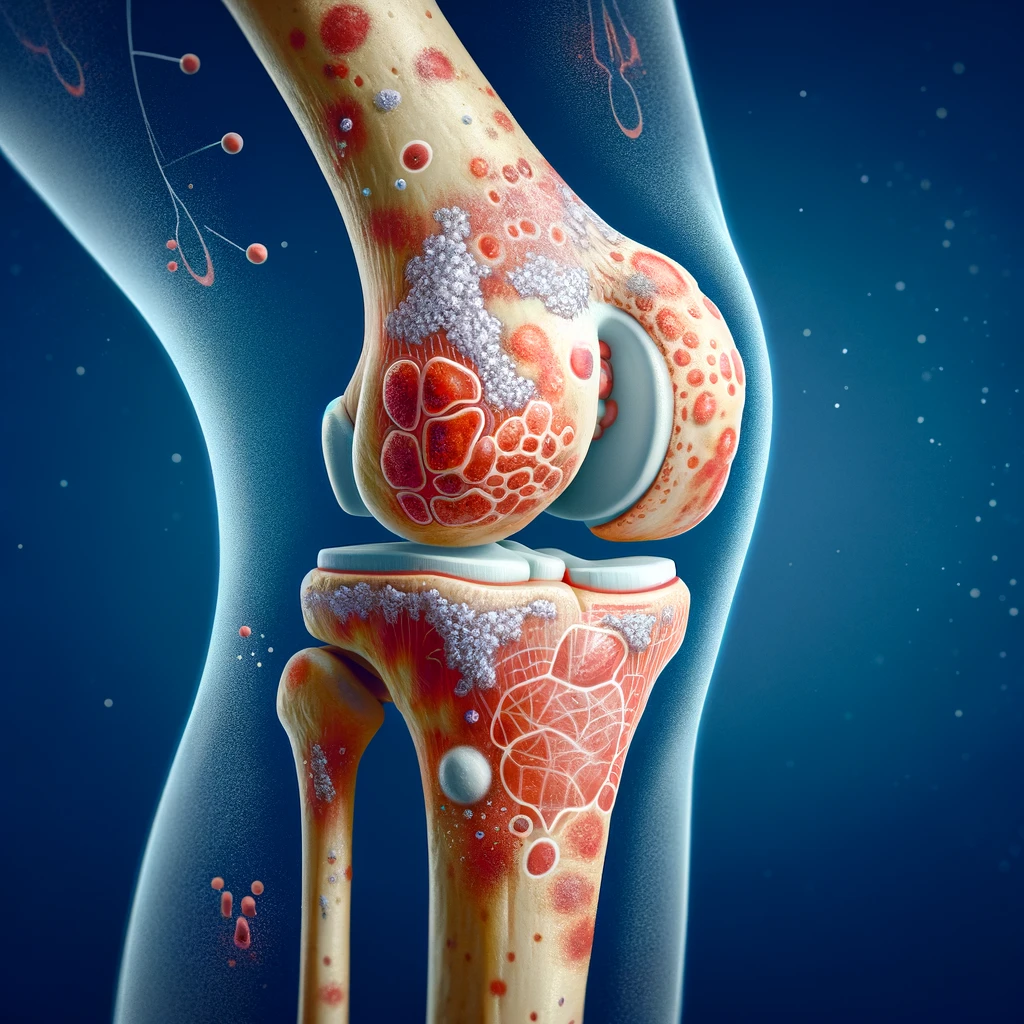
One common cause of knee inflammation is bursitis, which occurs when the bursae, small fluid-filled sacs that cushion the knee joint, become inflamed. This can result in pain, swelling, and limited range of motion. Another potential cause is gout, a type of arthritis that occurs when uric acid crystals build up in the joints, causing inflammation and pain.
Osteoarthritis and rheumatoid arthritis are also common causes of knee inflammation. Osteoarthritis occurs when the protective cartilage in the knee joint begins to wear down, resulting in pain and stiffness. Rheumatoid arthritis, on the other hand, is an autoimmune disorder that causes the body to attack its own joints, resulting in inflammation and pain.
Pseudogout is another potential cause of knee inflammation. This condition occurs when calcium crystals build up in the joints, causing inflammation and pain. It is often mistaken for gout, as the symptoms are similar.
In order to properly treat knee inflammation, it is important to identify the underlying cause. Treatment options may include rest, ice, compression, and elevation (RICE), as well as anti-inflammatory medications or physical therapy. In some cases, surgery may be necessary to repair damaged tissue or correct underlying structural issues.
Overall, knee inflammation can be a frustrating and painful condition, but with proper diagnosis and treatment, it is often possible to manage symptoms and improve quality of life.
Causes and Risk Factors
Knee inflammation, also known as knee swelling, can be caused by various factors. Some of the most common causes of knee inflammation include arthritis, age, injury, sports, overuse, trauma, torn ligament, meniscus, and tendinitis.
Arthritis is a medical condition that can cause knee inflammation. It is a joint disorder that causes inflammation in one or more joints. There are several types of arthritis, including osteoarthritis, rheumatoid arthritis, and psoriatic arthritis.
Age is also a factor that can cause knee inflammation. As we age, our joints and bones become weaker, making them more prone to inflammation and injury.
Injury, sports, and overuse are other factors that can cause knee inflammation. Athletes who participate in high-impact sports such as basketball, football, and soccer are at a higher risk of knee injuries. Overuse of the knee joint can also cause inflammation.
Trauma, such as a car accident or a fall, can cause knee inflammation. A torn ligament or meniscus can also cause knee inflammation.
Tendinitis is another medical condition that can cause knee inflammation. It is the inflammation of a tendon, which is a thick cord that connects muscles to bones.
Some risk factors that can increase the likelihood of knee inflammation include obesity, lack of exercise, and poor diet. Medical conditions such as diabetes, gout, and lupus can also increase the risk of knee inflammation.
In conclusion, knee inflammation can be caused by various factors, including arthritis, age, injury, sports, overuse, trauma, torn ligament, meniscus, tendinitis, and risk factors such as medical conditions and lifestyle choices.
Diagnosis and Treatment
When a patient presents with symptoms of knee inflammation, we first conduct a physical examination. We ask about the patient’s medical history and any previous injuries or surgeries. We also look for signs of swelling, redness, and warmth in the knee joint.
To confirm a diagnosis, we may order imaging tests such as X-rays, CT scans, MRIs, or ultrasounds. These tests can help us detect any structural abnormalities in the knee joint, such as fractures, dislocations, or tears in the ligaments or menisci.
If we suspect that the inflammation is caused by an underlying condition such as rheumatoid arthritis or gout, we may order blood tests to check for markers of these conditions.
Once we have confirmed a diagnosis of knee inflammation, we develop a treatment plan tailored to the patient’s specific needs. In most cases, we recommend a combination of rest, ice, compression, and elevation to reduce pain and swelling in the knee joint.
We may also prescribe medications such as nonsteroidal anti-inflammatory drugs (NSAIDs) like ibuprofen or corticosteroids to help manage pain and inflammation. Physical therapy can also be an effective treatment option to help strengthen the muscles around the knee joint and improve mobility.
In some cases, surgery may be necessary to repair or replace damaged tissues in the knee joint. Arthroscopy is a minimally invasive surgical procedure that can be used to diagnose and treat a variety of knee problems. Knee replacement surgery may be recommended for patients with severe knee damage or arthritis.
Overall, the key to successful treatment of knee inflammation is early diagnosis and a comprehensive treatment plan tailored to the patient’s specific needs.
Self-Care and Prevention
When it comes to knee inflammation, there are several self-care measures and prevention techniques that we can implement to alleviate pain and reduce the risk of future injuries.
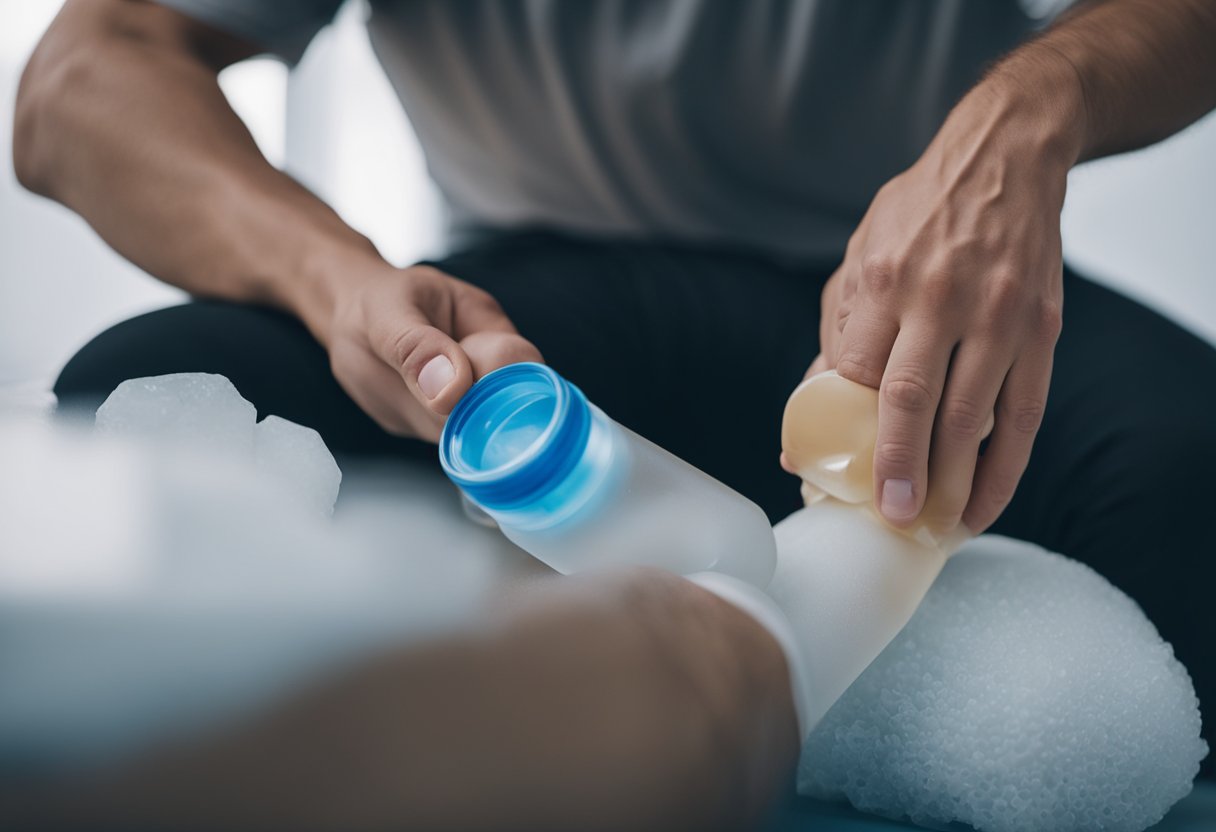
Rest is crucial for allowing the knee to heal. It is important to avoid any activities that may aggravate the inflammation, such as running or jumping. Ice can also help reduce swelling and pain. Applying a cold compress to the affected area for 15-20 minutes at a time, several times a day, can be effective.
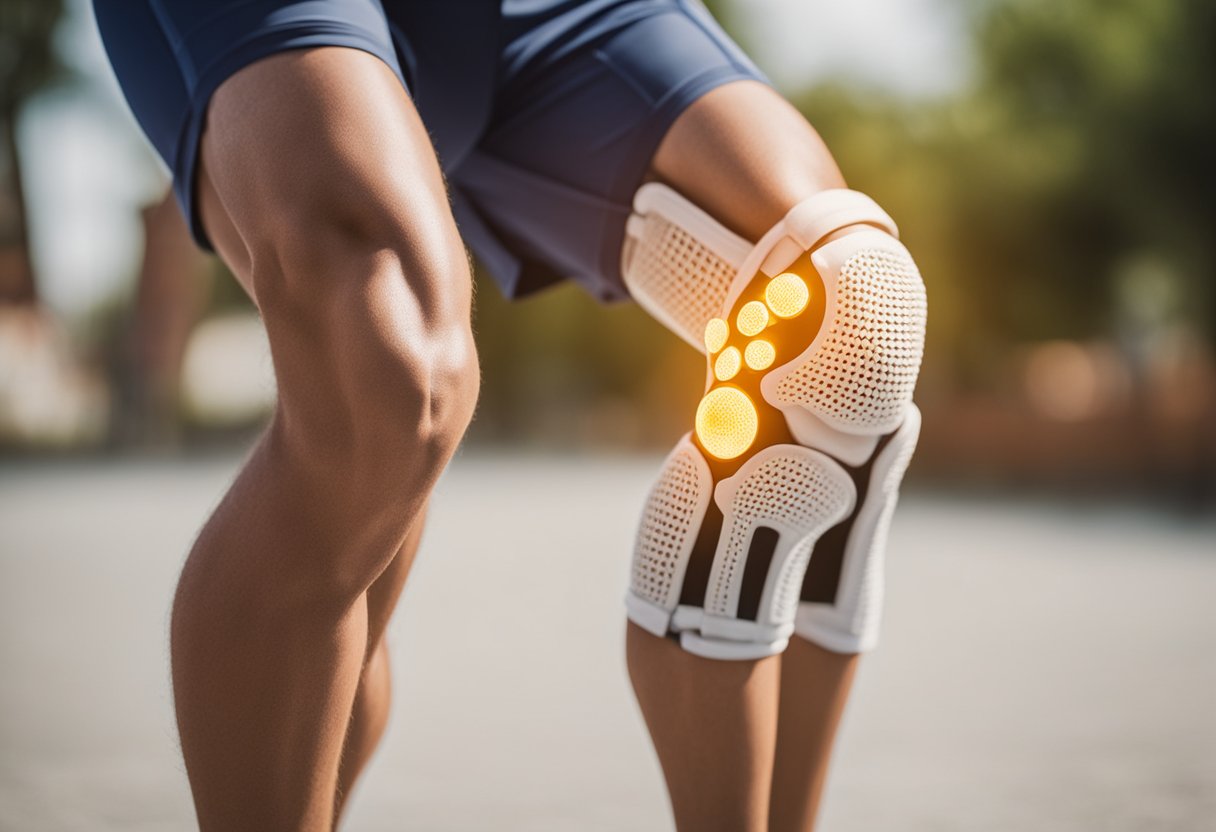
Compression and elevation can also help reduce swelling. Wearing a knee brace or wrap can provide additional support and compression. Elevating the affected knee above the heart can also help reduce swelling.
Physical therapy and exercises can help improve knee strength and flexibility. A physical therapist can create a customized exercise plan to address specific needs and goals. Exercises that focus on strengthening the quadriceps, hamstrings, and calf muscles can be particularly effective.
In addition to these measures, maintaining a healthy weight can also help reduce the risk of knee inflammation. Excess weight puts added stress on the knee joint, which can lead to inflammation and pain. Stretching and improving range of motion can also help prevent knee injuries.
Overall, by implementing these self-care measures and prevention techniques, we can reduce the risk of knee inflammation and improve overall knee health.
Frequently Asked Questions
How can I reduce swelling in my knee quickly?
There are several ways to reduce swelling in your knee quickly. You can use ice packs, compression bandages, and elevate your leg. Applying ice to your knee for 15-20 minutes at a time, several times a day can help reduce swelling. Compression bandages can help reduce swelling and provide support to your knee. Elevating your leg can also help reduce swelling by allowing fluid to drain away from your knee.
What are some effective treatments for knee inflammation?
There are several effective treatments for knee inflammation, including rest, ice, compression, and elevation. You can also take over-the-counter pain medications such as ibuprofen or acetaminophen to help relieve pain and reduce inflammation. Physical therapy and exercises can also help strengthen the muscles around your knee and reduce inflammation.
What are common causes of knee pain without injury?
Knee pain without injury can be caused by a variety of factors, including osteoarthritis, rheumatoid arthritis, gout, and bursitis. Other causes may include infections, tumors, and nerve damage.
How long does it take for knee inflammation to subside?
The length of time it takes for knee inflammation to subside depends on the cause of the inflammation and the severity of the condition. Mild inflammation can subside within a few days to a week with rest, ice, and elevation. More severe cases may take several weeks or months to fully heal.
Are there any natural remedies for inflamed knees?
Some natural remedies for inflamed knees include applying heat or ice, taking supplements such as omega-3 fatty acids and turmeric, and using essential oils such as peppermint or eucalyptus. However, it is important to consult with a healthcare professional before trying any natural remedies.
What is the main cause of knee inflammation?
The main cause of knee inflammation is usually due to an injury or overuse of the knee joint. Other causes may include arthritis, infections, and autoimmune disorders.
Knee Decreased Range of Motion: Causes and Treatment Options
As we age, our bodies undergo various changes, including a decrease in joint mobility. Knee joint mobility, in particular, is crucial for performing daily activities such as walking, running, and climbing stairs. A decrease in knee range of motion can significantly impact our quality of life, making it difficult to perform even the simplest of tasks.
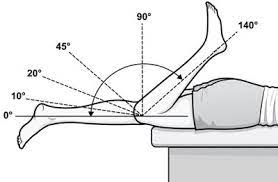
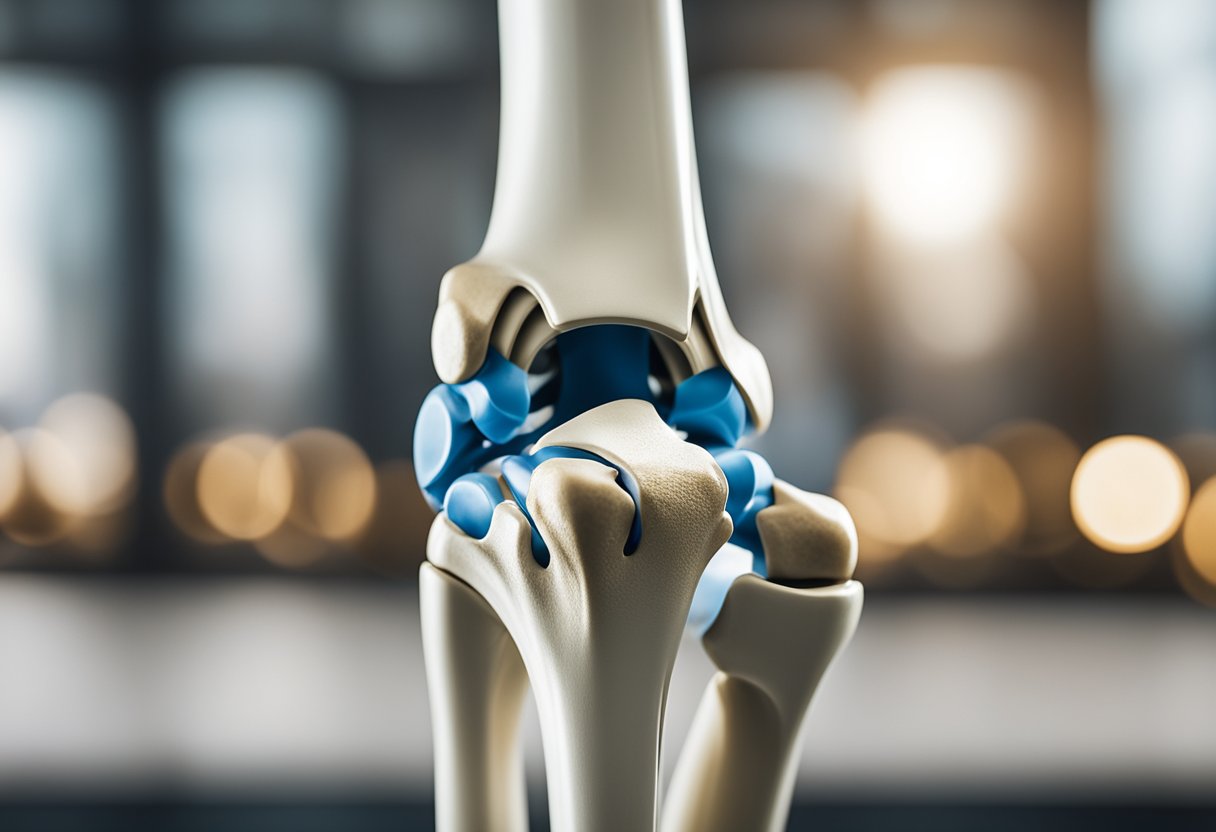
Understanding the knee joint and its range of motion is essential to identify the cause of decreased mobility. The knee joint is a complex hinge joint that connects the femur (thigh bone) to the tibia (shin bone). It is made up of bones, cartilage, ligaments, and tendons that work together to provide stability and mobility. The normal range of motion for the knee joint is between 0-140 degrees, allowing for flexion and extension of the leg.
Common conditions leading to decreased knee range of motion include arthritis, injury, and surgery. Arthritis is a degenerative joint disease that causes inflammation and pain in the knee joint, leading to decreased range of motion. Injury or trauma to the knee, such as a fracture or ligament tear, can also result in decreased mobility. Surgery, such as knee replacement or reconstruction, may cause temporary or permanent loss of knee range of motion.
Understanding Knee Joint and Its Range of Motion
The knee joint is a complex joint that connects the thigh bone (femur) to the shinbone (tibia). It is a hinge joint that allows for movement in two directions: flexion (bending) and extension (straightening). The knee joint also has a small amount of rotation, which allows for twisting movements of the leg.
Normal Range of Motion
The normal range of motion (ROM) for the knee joint is between 0 and 135 degrees. This means that the knee can fully extend (straighten) to 0 degrees and can flex (bend) up to 135 degrees. The normal ROM of the knee joint is essential for daily activities such as walking, running, and climbing stairs.
Factors Affecting Range of Motion
Several factors can affect the ROM of the knee joint. These include:
Age: As we age, the knee joint can become stiffer, reducing the ROM.
Injury: An injury to the knee joint, such as a ligament tear, can limit the ROM.
Surgery: Knee surgery can also limit the ROM of the joint.
Arthritis: Arthritis can cause inflammation and damage to the knee joint, which can limit the ROM.
Maintaining good knee health is essential to ensure proper knee ROM. Regular exercise, stretching, and maintaining a healthy weight can help improve knee ROM.
In conclusion, understanding the knee joint and its ROM is crucial in maintaining good knee health. Knowing the normal ROM of the knee joint and the factors that can affect it can help individuals take steps to improve their knee health and prevent knee-related issues.
Common Conditions Leading to Decreased Knee Range of Motion
Decreased knee range of motion can be caused by a variety of conditions, including injuries and diseases, as well as degenerative conditions. In this section, we will discuss some of the most common conditions that can lead to decreased knee range of motion.
Injuries and Diseases
Injuries and diseases are some of the most common causes of decreased knee range of motion. Knee injuries, such as meniscus tears, anterior cruciate ligament (ACL) injuries, and posterior cruciate ligament (PCL) injuries, can cause pain, stiffness, and swelling, which can limit your range of motion. Infections, inflammation, and autoimmune conditions can also cause knee swelling and stiffness, leading to decreased range of motion.
Degenerative Conditions
Degenerative conditions, such as osteoarthritis and rheumatoid arthritis, can cause joint pain, inflammation, and stiffness, which can limit your range of motion. Arthrofibrosis, a condition where scar tissue forms in the knee joint, can also cause decreased range of motion. Bone spurs and osteophytes, which are bony growths that can develop in the knee joint, can also limit your range of motion.
Overall, there are many conditions that can cause decreased knee range of motion. If you are experiencing knee pain, stiffness, or swelling, it is important to see a healthcare provider to determine the underlying cause and develop an appropriate treatment plan.
Diagnosis and Treatment of Decreased Knee Range of Motion
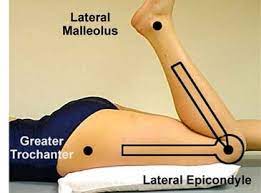
When a patient presents with decreased knee range of motion, we must first diagnose the underlying cause before selecting an appropriate treatment plan. Diagnosis methods typically involve a physical examination, X-rays, and the use of a goniometer to measure the degree of motion.
Diagnosis Methods
During a physical examination, we assess the patient’s knee for any visible deformities, swelling, or misalignment. We also check for signs of muscle weakness or tearing, strain, sprain, or rupture. X-rays are used to visualize any fractures or dislocations, while a goniometer is used to measure the degree of motion in the knee joint.
Treatment Options
Once the underlying cause has been identified, we can select an appropriate treatment plan. Treatment options may include physical therapy, surgery, or medication. Physical therapy is often used to strengthen the muscles around the knee joint, improve alignment, and increase range of motion. Strengthening exercises can be used to improve muscle strength, while shock absorbers can be used to reduce impact on the knee joint during physical activity.
In more severe cases, knee surgeries such as knee replacement may be necessary. Medication may also be prescribed to manage pain and inflammation. Rehabilitation is often required after surgery to aid in the healing process and restore full range of motion.
In conclusion, decreased knee range of motion can be caused by a variety of factors, from muscle weakness to fractures or dislocations. Proper diagnosis and treatment are essential for restoring full function to the knee joint. By utilizing a combination of physical therapy, surgery, and medication, we can effectively manage this condition and help patients regain their mobility.
Prevention and Rehabilitation
To prevent decreased range of motion in the knee, we recommend taking proactive steps to maintain knee health. This includes maintaining a healthy weight to reduce stress on the knee joint and ensuring proper movement and alignment during physical activities.
Regular stretching and exercises to improve knee flexion and strengthen the muscles and tendons around the knee can also help prevent knee injuries and reduce the risk of decreased range of motion.
If you are experiencing reduced range of motion or knee instability, rehabilitation exercises can help improve knee stability and flexibility. This may include exercises to strengthen the thigh and shin muscles, improve muscle stiffness, and reduce restriction and wear and tear on the knee joint.
In addition to exercises, we may recommend the use of braces or other supportive devices to provide additional stability during physical activities. It is also important to avoid activities that exacerbate knee pain or instability, such as excessive bending or climbing stairs.
Overall, taking proactive steps to maintain knee health and seeking rehabilitation when necessary can help prevent and treat decreased range of motion in the knee.
Frequently Asked Questions
What limits the range of motion around a joint such that damage to the area is prevented?
The range of motion around a joint is limited by the surrounding ligaments, tendons, and muscles. These soft tissues provide stability to the joint and prevent damage to the area.
What are some of the most common causes of reduced range of motion?
Reduced range of motion can be caused by injury, inflammation, or degeneration of the joint. Other factors that can contribute to reduced range of motion include muscle weakness or stiffness, poor posture, and lack of physical activity.
How do I restore the range of motion in my knee?
Restoring range of motion in the knee can be achieved through a combination of stretching and strengthening exercises. Physical therapy can also be helpful in restoring range of motion.
What causes decreased knee flexion?
Decreased knee flexion can be caused by a variety of factors, including injury, arthritis, or muscle weakness. In some cases, surgery may be necessary to restore knee flexion.
What are the best exercises for knee range of motion?
Some of the best exercises for knee range of motion include heel slides, knee extensions, and hamstring stretches. It is important to work with a physical therapist to develop an exercise program that is tailored to your specific needs.
How to increase range of motion in knee after surgery?
After knee surgery, it is important to follow a rehabilitation program that includes both stretching and strengthening exercises. Your physical therapist will work with you to develop a program that is appropriate for your specific needs and goals.
Knee swelling is a common problem that can occur due to various reasons. It can be caused by an injury, inflammation, or an underlying medical condition. Swelling in the knee can lead to discomfort, pain, and difficulty in movement. In this article, we will discuss knee swelling in detail, including its causes, diagnosis, and treatment options.
Understanding Knee Swelling:
Knee swelling is a condition in which the knee joint becomes enlarged due to the accumulation of fluid in or around the joint. It can be caused by a variety of factors, such as injury, arthritis, or infection. The swelling can range from mild to severe, and it can affect one or both knees. Knee swelling can also lead to other symptoms, such as stiffness, pain, and difficulty in bending or straightening the knee.
Key Takeaways:
Knee swelling can be caused by various factors, including injury, inflammation, or an underlying medical condition.
It can lead to discomfort, pain, and difficulty in movement.
Treatment options for knee swelling depend on the underlying cause and may include rest, ice, compression, and elevation, as well as medication and physical therapy.
Understanding Knee Swelling
Knee swelling is a common symptom that can be caused by a variety of factors. Swelling in the knee joint can be due to an accumulation of fluid, inflammation, or injury, among other things.
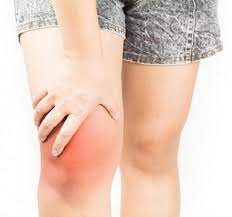
When the knee joint is swollen, it may appear red and warm to the touch. The skin around the joint may also be stretched and appear shiny. This type of swelling is called an effusion.
Effusions can be caused by a variety of factors, including injury, overuse, or underlying medical conditions such as arthritis. In some cases, fluid may accumulate in the joint due to an infection or other underlying medical condition.
If you experience knee swelling, it is important to seek medical attention to determine the underlying cause. Treatment will depend on the cause of the swelling and may include rest, ice, compression, and elevation of the affected leg. In some cases, medication or physical therapy may also be recommended.
It is important to avoid putting too much weight on a swollen knee, as this can exacerbate the swelling and delay healing. If you experience redness or warmth in addition to swelling, it may be a sign of an infection and you should seek medical attention immediately.
In conclusion, knee swelling can be a symptom of a variety of underlying medical conditions. If you experience knee swelling, it is important to seek medical attention to determine the underlying cause and receive appropriate treatment.
Causes and Risk Factors
Knee swelling can be caused by a variety of factors, including injury, medical conditions, age, and lifestyle. Understanding the causes and risk factors of knee swelling can help individuals take preventative measures to avoid future swelling.
Injury and Overuse
Injury and overuse are common causes of knee swelling. Sports and trauma, such as a torn ligament or anterior cruciate ligament (ACL), can cause swelling. Falls, kneeling for extended periods, and overuse from repetitive motions can also lead to knee swelling.
Medical Conditions
Medical conditions such as arthritis, rheumatoid arthritis, gout, and osteoarthritis can cause knee swelling. Bursitis and pseudogout are also common causes of knee swelling. Autoimmune diseases can lead to knee swelling as well.
Age and Lifestyle
Age and lifestyle can also contribute to knee swelling. Maintaining a healthy weight can help prevent knee swelling, as excess weight puts additional strain on the knee joint. Stress and fever can also contribute to knee swelling.
Other Factors
Other factors that can cause knee swelling include infections and pus. It is important to seek medical attention if knee swelling is accompanied by fever or other symptoms.
Overall, understanding the causes and risk factors of knee swelling can help individuals take preventative measures to avoid future swelling.
Diagnosis and Treatment
Medical Examination
If you are experiencing knee swelling, your doctor will begin with a thorough medical examination. They will ask about your symptoms and medical history, and may perform a physical examination of your knee. They may also order imaging tests, such as a CT or MRI, to get a better look at your knee joint.
In some cases, your doctor may also perform arthrocentesis, which involves removing a sample of fluid from your knee joint for analysis. This can help to determine the cause of your knee swelling.
Medications and Therapies
Treatment for knee swelling will depend on the underlying cause. In many cases, rest, ice, and pain relievers such as acetaminophen or nonsteroidal anti-inflammatory drugs (NSAIDs) may be recommended.
If your knee swelling is due to inflammation, your doctor may prescribe corticosteroids to help reduce swelling and inflammation. Physical therapy may also be recommended to help strengthen the muscles around your knee and improve range of motion.
Surgery and Other Procedures
In some cases, surgery may be necessary to treat knee swelling. This may include arthroscopy, which involves using a small camera to view the inside of your knee joint and make repairs, or knee replacement surgery if the joint is severely damaged.
It is important to work closely with your doctor to determine the best course of treatment for your knee swelling. With proper diagnosis and treatment, many people are able to find relief from their symptoms and improve their quality of life.
Maintaining a healthy weight is important for reducing the stress on your knees. Exercising regularly can also help strengthen the muscles around your knees, which can help reduce knee swelling. Low-impact exercises such as swimming, cycling, and yoga are great options for those with knee problems.
Proper Rest and Body Mechanics
Rest is important for allowing your knee to heal and reducing inflammation. Avoid putting too much pressure on your knees, and try to keep them in a neutral position when sitting or lying down. When standing, distribute your weight evenly between both legs.
Medications and Home Remedies
Over-the-counter pain relievers such as ibuprofen can help reduce pain and inflammation. Applying heat or cold to your knee can also help reduce swelling. Elevating your knee above heart level and wearing an elastic bandage or brace can also help reduce swelling.
There are many causes of knee swelling, including injury, overuse, arthritis, infections, and other medical conditions. It is important to see a doctor if you experience knee swelling to determine the underlying cause.
What is the fastest way to get rid of fluid on the knee?
The fastest way to get rid of fluid on the knee is to rest, elevate the leg, apply ice, and use compression. Over-the-counter pain relievers can also help. If the swelling does not improve, it is important to see a doctor.
How do I reduce swelling in my knee?
To reduce swelling in your knee, you should rest, elevate the leg, apply ice, and use compression. Over-the-counter pain relievers can also help. If the swelling does not improve, it is important to see a doctor.
What causes a knee to swell without injury?
A knee can swell without injury due to medical conditions such as arthritis, infections, and gout. It is important to see a doctor if you experience knee swelling to determine the underlying cause.
Knee swollen for 3 weeks
If your knee has been swollen for 3 weeks, it is important to see a doctor. The swelling could be due to a medical condition that requires treatment.
Swollen knee in older person
A swollen knee in an older person could be due to arthritis, infections, or other medical conditions. It is important to see a doctor to determine the underlying cause and receive appropriate treatment.
Knee stiffness is a common complaint that affects people of all ages. It can be caused by a variety of factors, including injury, arthritis, and overuse. Knee stiffness can be a sign of an underlying condition that requires medical attention, or it may be a minor issue that can be managed with self-care.
Understanding Knee Stiffness Knee stiffness is a feeling of tightness or restriction in the knee joint that makes it difficult to move the knee through its full range of motion. It can be accompanied by pain, swelling, and tenderness. Knee stiffness can be caused by a variety of factors, including injury, arthritis, and overuse. In some cases, knee stiffness may be a sign of an underlying condition that requires medical attention, such as a torn ligament or meniscus.
Common Causes of Knee Stiffness There are many different things that can cause knee stiffness, including injury, arthritis, and overuse. Injuries to the knee can cause swelling and inflammation, which can lead to stiffness. Arthritis is another common cause of knee stiffness, particularly in older adults. Overuse injuries, such as those that occur with repetitive activities like running or jumping, can also cause knee stiffness. Other causes of knee stiffness include obesity, muscle weakness, and poor flexibility.
Key Takeaways
Knee stiffness is a feeling of tightness or restriction in the knee joint that can be caused by a variety of factors.
Common causes of knee stiffness include injury, arthritis, and overuse.
Treatment for knee stiffness depends on the underlying cause and may include self-care, medication, physical therapy, or surgery.
Understanding Knee Stiffness
Knee stiffness refers to a decreased range of motion in the knee joint, which can cause discomfort and limit movement. It can be caused by a variety of factors, including injury, surgery, arthritis, and aging.
The knee joint is a complex joint that is made up of bones, ligaments, tendons, and cartilage. It is designed to provide stability and support while allowing for a wide range of movement. When the knee joint is stiff, it can be difficult to move the knee through its full range of motion.
Flexibility is an important factor in preventing knee stiffness. Regular stretching and exercise can help to improve flexibility and prevent stiffness from occurring. Maintaining a healthy weight can also help to reduce the risk of knee stiffness, as excess weight can put additional strain on the knee joint.
It is important to note that some degree of knee stiffness is normal, especially as we age. However, if knee stiffness is causing significant discomfort or limiting your ability to perform normal activities, it is important to seek medical attention.
In summary, knee stiffness can be caused by a variety of factors and can limit movement and cause discomfort. Regular exercise and stretching can help to prevent knee stiffness, while seeking medical attention is important if knee stiffness is causing significant discomfort or limiting normal activities.
Common Causes of Knee Stiffness
Knee stiffness can be caused by a variety of factors, including injury, arthritis, and overuse. In this section, we will explore some of the most common causes of knee stiffness and their associated symptoms.
Injury and Trauma
Injuries to the knee can cause stiffness, as well as pain and swelling. Common knee injuries include sprains, tears, and ruptures of the ligaments or meniscus. In some cases, knee stiffness may be the result of a fracture or dislocation. If you have recently suffered an injury to your knee and are experiencing stiffness, it is important to seek medical attention to determine the extent of the damage and receive appropriate treatment.
Arthritis and Autoimmune Conditions
Arthritis and other autoimmune conditions can also cause knee stiffness. Osteoarthritis, the most common form of arthritis, occurs when the cartilage in the knee joint wears down over time, causing pain and stiffness. Rheumatoid arthritis is an autoimmune disease that causes inflammation and joint damage throughout the body, including the knee. Other autoimmune conditions that can cause knee stiffness include lupus and psoriatic arthritis.
Age and Overuse
As we age, our joints can become stiffer and less flexible, making them more susceptible to injury and stiffness. Overuse of the knee joint can also cause stiffness, particularly in athletes or individuals who engage in repetitive activities that put strain on the knee. In some cases, knee stiffness may be the result of wear and tear on the joint over time.
In summary, knee stiffness can be caused by a variety of factors, including injury, arthritis, and overuse. If you are experiencing knee stiffness, it is important to seek medical attention to determine the underlying cause and receive appropriate treatment.
Symptoms and Diagnosis of Knee Stiffness
Knee stiffness can be a common problem that can limit a person’s mobility. It can occur due to a variety of reasons such as injury, overuse, or degenerative conditions. In this section, we will discuss the symptoms and diagnosis of knee stiffness.
Identifying Symptoms
The symptoms of knee stiffness can vary depending on the underlying cause. Some common symptoms include:
Pain in the knee
Swelling around the knee
Stiffness in the knee joint
Instability or weakness in the knee
Warmth, tenderness, or redness around the knee joint
Popping or cracking sounds when moving the knee joint
Fever (in rare cases)
If you experience any of these symptoms, it is important to consult with a doctor.
Diagnostic Procedures
To diagnose knee stiffness, a doctor will perform a physical exam and ask about your medical history. They may also order imaging tests such as X-rays or MRIs to get a better view of the knee joint. These tests can help identify any underlying conditions such as arthritis, ligament tears, or cartilage damage.
In some cases, a doctor may also recommend a diagnostic arthroscopy. This is a minimally invasive procedure where a small camera is inserted into the knee joint to examine the tissues and structures.
It is important to identify the underlying cause of knee stiffness to determine the appropriate treatment plan. Some risk factors for knee stiffness include previous knee injuries, overuse, obesity, and muscle imbalances such as tight hamstrings.
In conclusion, identifying the symptoms and getting a proper diagnosis is crucial in treating knee stiffness. If you experience any symptoms, consult with a doctor to determine the underlying cause and the best course of treatment.
Treatment and Management of Knee Stiffness
When it comes to treating knee stiffness, there are a variety of options available. In this section, we will cover non-surgical treatments and surgical interventions.
Non-Surgical Treatments
Rest is a crucial component of treating knee stiffness. It is important to avoid activities that aggravate the injury and to take breaks when necessary. Cushioning the knee with a soft pad or pillow can also help alleviate discomfort.
Physical therapy can help strengthen the muscles around the knee and improve flexibility. Knee braces can provide additional support and stability, and compression and elevation can reduce swelling.
Medications such as corticosteroids can help reduce inflammation, and injections of hyaluronic acid can help lubricate the joint. Home remedies such as ice and heat therapy can also provide relief.
Surgical Interventions
If non-surgical treatments do not provide sufficient relief, surgery may be necessary. Knee replacement surgery involves replacing the damaged joint with an artificial one. Torn meniscus and fractures may also require surgical intervention.
In some cases, gout or septic arthritis may cause knee stiffness. In these cases, lab tests may be necessary to determine the underlying cause of the stiffness.
It is important to consult with an orthopedic surgeon to determine the best course of action for treating knee stiffness. Complications can arise from surgery, so it is important to weigh the risks and benefits carefully.
Overall, there are a variety of treatment options available for knee stiffness. With the right combination of rest, therapy, and possibly surgery, most cases can be effectively managed.
Frequently Asked Questions
How do you treat knee stiffness at home?
There are several ways to treat knee stiffness at home. Resting and elevating the affected knee can help reduce swelling and inflammation. Applying ice to the knee can also help relieve pain and stiffness. Gentle stretching exercises and light physical activity, such as walking, can help improve flexibility and reduce stiffness over time.
What are the causes of knee stiffness?
Knee stiffness can be caused by a variety of factors, including injury, overuse, arthritis, and other medical conditions. In some cases, knee stiffness may be a symptom of a more serious underlying condition, such as a torn ligament or meniscus.
What are the symptoms of a stiff knee?
The most common symptom of a stiff knee is difficulty moving the joint. Other symptoms may include pain, swelling, and tenderness in the affected area. In some cases, the knee may also feel warm to the touch.
What is the best medicine for knee stiffness?
There is no one-size-fits-all answer to this question, as the best medicine for knee stiffness will depend on the underlying cause of the condition. Over-the-counter pain relievers, such as ibuprofen or acetaminophen, may be effective in reducing pain and inflammation. In some cases, prescription medications or injections may be necessary to manage more severe symptoms.
How can knee stiffness after sitting be prevented?
To prevent knee stiffness after sitting for extended periods of time, it is important to take frequent breaks and stretch your legs and knees regularly. Maintaining a healthy weight and engaging in regular physical activity can also help reduce the risk of knee stiffness and related conditions.
At what age do knee problems commonly start?
Knee problems can occur at any age, but they are most common in older adults. As we age, the cartilage in our knees can begin to wear down, leading to stiffness, pain, and other symptoms. However, knee problems can also occur in younger adults and children as a result of injury or other medical conditions.
Knee Pain: Causes, Symptoms, and Treatment Options
Knee pain is a common condition that affects millions of people worldwide. It can be caused by a variety of factors, including injury, overuse, and arthritis. Knee pain can range from mild discomfort to severe pain that can limit your mobility and affect your quality of life. In this article, we will explore the causes of knee pain, common knee injuries and conditions, diagnosis and treatment options, as well as prevention and management strategies.
Understanding knee pain is essential to effectively manage and treat the condition. The knee joint is one of the largest and most complex joints in the body, consisting of bones, cartilage, ligaments, and tendons. Any damage or injury to these structures can cause knee pain. Knee pain can also be a symptom of an underlying medical condition such as osteoarthritis or rheumatoid arthritis. It’s important to seek medical attention if you experience persistent knee pain or if your knee pain is accompanied by other symptoms such as swelling, redness, or fever.
If you are experiencing knee pain, it’s important to seek a proper diagnosis and treatment plan to alleviate your symptoms and prevent further damage. Treatment options may include rest, physical therapy, medication, or surgery. In addition, there are several preventative measures you can take to reduce your risk of knee injury and pain. In the following sections, we will discuss these topics in more detail and provide key takeaways to help you better understand and manage knee pain.
Key Takeaways
Knee pain can be caused by a variety of factors and can range from mild discomfort to severe pain.
Understanding the knee joint and common injuries and conditions is essential to effectively manage and treat knee pain.
Treatment options for knee pain may include rest, physical therapy, medication, or surgery, and preventative measures can help reduce your risk of knee injury and pain.
Understanding Knee Pain
Knee pain is a common issue that affects many of us at some point in our lives. It can be caused by a variety of factors, including injury, overuse, and age-related wear and tear. In this section, we will explore the various causes of knee pain and discuss some of the ways in which it can be treated.
One of the most common causes of knee pain is inflammation. This can occur as a result of injury, infection, or chronic conditions such as arthritis or bursitis. Inflammation can cause swelling, stiffness, and pain in the knee joint, making it difficult to move or put weight on the affected leg.
Age is another factor that can contribute to knee pain. As we get older, the cartilage in our joints can begin to wear down, leading to conditions such as osteoarthritis. This can cause pain and stiffness in the knee joint, as well as a decreased range of motion.
Chronic knee pain can also be caused by being overweight or obese. The extra weight puts added pressure on the knee joint, which can lead to inflammation and pain. Losing weight can help to alleviate these symptoms and improve overall knee health.
Treatment for knee pain will depend on the underlying cause of the issue. In some cases, rest and ice may be enough to reduce inflammation and alleviate pain. Other treatments may include physical therapy, medication, or surgery.
In conclusion, knee pain can be caused by a variety of factors, including inflammation, age-related wear and tear, and being overweight. Understanding the underlying cause of the issue is key to finding an effective treatment.
Common Knee Injuries and Conditions
Knee pain can be caused by a variety of injuries and conditions. Here are some of the most common ones:
Ligament Injuries
The knee has four main ligaments that connect the bones and provide stability. The anterior cruciate ligament (ACL) and the medial collateral ligament (MCL) are most commonly injured. ACL injuries can occur during sports or other physical activities that involve sudden stops or changes in direction. MCL injuries are often caused by a direct blow to the knee.
Tendinitis
Tendinitis is inflammation of a tendon. The patellar tendon, which connects the kneecap to the shinbone, is often affected. This condition is common in athletes who jump frequently, such as basketball players.
Bursitis
Bursae are small sacs of fluid that cushion the knee joint. When these sacs become inflamed, it is called bursitis. Prepatellar bursitis, which affects the bursa in front of the kneecap, is a common type of knee bursitis.
Patellofemoral Syndrome
Patellofemoral syndrome is a condition in which the kneecap does not move properly. This can cause pain and discomfort, especially when going up or down stairs.
Osgood-Schlatter Disease
Osgood-Schlatter disease is a condition that affects young athletes. It occurs when the tendon that attaches the kneecap to the shinbone becomes inflamed. This can cause pain and swelling below the kneecap.
Meniscus Tears
The meniscus is a piece of cartilage that cushions the knee joint. Tears in this cartilage can occur during physical activity or as a result of aging.
Gout
Gout is a type of arthritis that can cause sudden and severe pain in the knee. It occurs when uric acid crystals build up in the joint.
Overall, knee pain can be caused by a variety of injuries and conditions. If you are experiencing knee pain, it is important to see a doctor for an accurate diagnosis and appropriate treatment.
Diagnosis and Treatment of Knee Pain
When patients come to us with knee pain, we begin by conducting a thorough physical exam and taking a detailed medical history. We may also order diagnostic tests such as X-rays, MRIs, or CT scans to help us diagnose the underlying cause of the pain.
Once we have made a diagnosis, we will begin treatment. In many cases, knee pain can be managed with rest, ice, compression, and elevation (RICE). We may also recommend over-the-counter pain medications such as acetaminophen or nonsteroidal anti-inflammatory drugs (NSAIDs) like ibuprofen or naproxen.
For more severe cases, we may recommend prescription medications or injections to manage pain and inflammation. In some cases, surgery may be necessary, such as knee replacement surgery or arthroscopy.
In addition to medical treatments, we may also recommend physical therapy to help patients regain strength and mobility in their knees. This can be an important part of the recovery process and can help prevent future knee injuries.
Overall, our goal is to provide patients with an accurate diagnosis and effective treatment plan for their knee pain. We are confident in our ability to help patients manage their pain and regain their mobility.
Prevention and Management of Knee Pain
When it comes to knee pain, prevention is key. There are several steps we can take to reduce the risk of developing knee pain, especially if we engage in sports or activities that involve running, jumping, or stress on the knees.
One effective way to prevent knee pain is to engage in stretching and strengthening exercises. This can help to improve flexibility and reduce the risk of injury. Additionally, wearing knee braces or using an elastic bandage can help to provide support and reduce stress on the knees.
If you do experience knee pain, there are several management techniques that can help to alleviate symptoms. Swimming is a low-impact activity that can help to reduce stress on the knees while still providing a great workout. Additionally, over-the-counter pain relievers can help to reduce pain and inflammation.
It’s important to keep in mind that knee pain can be caused by wear and tear over time, so it’s important to take care of our knees as we age. This includes avoiding activities that put excessive stress on the knees and maintaining a healthy weight.
Overall, by taking steps to prevent knee pain and managing symptoms when they do occur, we can help to keep our knees healthy and pain-free.
Frequently Asked Questions
What are common causes of knee pain in young adults?
Young adults may experience knee pain due to a variety of reasons, including injury, overuse, or underlying medical conditions. Some common causes of knee pain in young adults include ligament sprains, meniscal tears, patellar tendinitis, and osteochondritis dissecans.
What are some effective treatments for knee pain in women?
Effective treatments for knee pain in women may vary depending on the underlying cause of the pain. Some common treatments include rest, ice, compression, and elevation (RICE), physical therapy, nonsteroidal anti-inflammatory drugs (NSAIDs), and corticosteroid injections.
What are some natural ways to relieve knee pain?
Some natural ways to relieve knee pain include maintaining a healthy weight, practicing low-impact exercises such as swimming or cycling, stretching regularly, using heat or cold therapy, and taking supplements such as glucosamine and chondroitin.
What are some types of knee pain and their symptoms?
There are many types of knee pain, each with their own unique symptoms. Some common types of knee pain include anterior knee pain, patellar tendinitis, iliotibial band syndrome, and osteoarthritis. Symptoms may include swelling, stiffness, clicking or popping sounds, and difficulty walking or standing.
What are some things to avoid if experiencing knee pain?
If experiencing knee pain, it is important to avoid high-impact activities such as running or jumping, wearing high-heeled shoes, and sitting or standing for long periods of time. It is also important to avoid activities that cause pain or discomfort in the knee.
When should I seek medical attention for knee pain?
It is important to seek medical attention for knee pain if the pain is severe, if there is swelling or redness around the knee, if there is difficulty moving the knee, or if the pain persists for more than a few days. A medical professional can help diagnose the underlying cause of the pain and recommend appropriate treatment options.
Knee Post-Traumatic Arthritis: Causes, Symptoms, and Treatment Options
Knee post-traumatic arthritis is a condition that can develop after an injury to the knee. It is a type of osteoarthritis that occurs when the cartilage in the knee joint wears down over time, leading to pain, stiffness, and swelling. This condition can be debilitating and significantly impact a person’s quality of life.
Understanding knee post-traumatic arthritis is essential for those who have experienced a knee injury or are at risk of developing this condition. Causes and risk factors can include previous knee injuries, such as fractures or ligament tears, as well as age and obesity. Early diagnosis and progression monitoring are crucial for effective treatment and management of knee post-traumatic arthritis.
Key Takeaways
Knee post-traumatic arthritis is a type of osteoarthritis that can occur after a knee injury.
Causes and risk factors include previous knee injuries, age, and obesity.
Early diagnosis and progression monitoring are essential for effective treatment and management.
Understanding Knee Post-Traumatic Arthritis
Post-traumatic arthritis is a type of arthritis that occurs after an injury to a joint. When the knee joint is injured, it can lead to inflammation and damage to the articular cartilage, which is the smooth surface that covers the ends of the bones in the joint. If the cartilage is damaged, it can lead to chronic joint pain and inflammation, which can eventually lead to osteoarthritis.
Knee post-traumatic arthritis is a common condition that can affect people of all ages. It is most often caused by a joint injury, such as a fracture, dislocation, or ligament tear. The severity of the injury can determine the risk of developing post-traumatic arthritis.
The symptoms of post-traumatic arthritis can include joint pain, stiffness, and swelling. In some cases, the joint may feel unstable or give way. Over time, the joint may become more damaged, leading to cartilage loss and bone spurs.
Treatment for knee post-traumatic arthritis depends on the severity of the condition. In some cases, conservative treatments such as rest, physical therapy, and medication may be enough to manage symptoms. In more severe cases, surgery may be necessary to repair or replace the damaged joint.
In conclusion, knee post-traumatic arthritis is a chronic condition that can lead to joint pain and inflammation. If you have experienced a knee injury, it is important to seek medical attention to prevent or manage post-traumatic arthritis.
Causes and Risk Factors
Post-traumatic arthritis (PTA) of the knee is a type of arthritis that occurs after a severe injury or trauma to the knee joint. In this section, we will explore the causes and risk factors associated with PTA of the knee.
Injury and Trauma
Injury and trauma to the knee joint are the most common causes of PTA. This includes acute injuries such as bone fractures, dislocations, meniscus injuries, and ACL ruptures. Internal bleeding and joint instability can also contribute to the development of PTA.
PTA can also develop as a result of chronic wear and tear on the knee joint. This is more common in older individuals and those who engage in activities that put a lot of stress on the knee joint, such as athletes.
Other risk factors for PTA include aging, a history of joint injuries or surgeries, and certain medical conditions that affect the immune system. Women are also more likely to develop PTA than men.
In summary, PTA of the knee is typically caused by injury or trauma to the knee joint, but can also develop as a result of chronic wear and tear or underlying medical conditions. Understanding the risk factors associated with PTA can help individuals take steps to prevent its development and seek appropriate treatment if necessary.
Diagnosis and Progression
When a patient presents with symptoms of knee pain, stiffness, and swelling, we consider the possibility of knee post-traumatic arthritis (PTA) as a potential diagnosis. To confirm the diagnosis, we typically perform a physical examination and imaging techniques.
Physical Examination
During the physical exam, we assess the patient’s knee for signs of synovial effusion, which is a buildup of fluid in the joint. We also evaluate the patient’s range of motion, looking for any limitations or stiffness. Additionally, we may ask the patient about their medical history and any previous knee injuries.
Imaging Techniques
Imaging techniques, such as x-rays, are also used to diagnose knee PTA. X-rays can show changes in the joint space, bone spurs, and other signs of osteoarthritis. MRI scans may also be used to evaluate the soft tissues of the knee.
Once knee PTA has been diagnosed, we monitor the progression of the disease. The progression of knee PTA varies from patient to patient, but it generally worsens over time. Patients may experience increasing pain, stiffness, and limitations in mobility.
In some cases, knee PTA can lead to knee osteoarthritis, which is a chronic condition that may require ongoing treatment. It is important to diagnose and manage knee PTA early to prevent further damage to the joint.
Treatment and Management
When it comes to treating knee post-traumatic arthritis, there are several options available to improve quality of life, function, and mobility. In this section, we will discuss the different treatments and management strategies available for this condition.
Medications and Injections
Medications and injections can help manage pain and inflammation associated with knee post-traumatic arthritis. Analgesics, such as acetaminophen and nonsteroidal anti-inflammatory drugs (NSAIDs), can be taken orally to help manage pain. Intra-articular injections, such as corticosteroids and hyaluronic acid, can also be administered to reduce inflammation and improve joint lubrication.
Surgery
In some cases, surgery may be necessary to treat knee post-traumatic arthritis. Joint replacement (arthroplasty) is a common surgical procedure that involves replacing the damaged joint with a prosthetic one. This can help improve mobility and reduce pain associated with the condition.
Physical Therapy and Lifestyle Changes
Exercise and physical therapy can help improve knee function and mobility in patients with knee post-traumatic arthritis. Low-impact exercises, such as swimming and cycling, can help improve joint flexibility and strength. Physical therapy can also help patients learn exercises to improve range of motion and reduce pain.
Lifestyle changes, such as losing weight and avoiding high-impact activities, can also help manage knee post-traumatic arthritis. This can reduce stress on the knee joint and improve overall joint health.
In conclusion, there are several treatment and management options available for knee post-traumatic arthritis. Medications and injections can help manage pain and inflammation, while surgery and physical therapy can improve knee function and mobility. Lifestyle changes, such as weight loss and avoiding high-impact activities, can also help manage the condition.
Frequently Asked Questions
What are the symptoms of post-traumatic arthritis in the knee?
Symptoms of post-traumatic arthritis in the knee include pain, stiffness, swelling, and decreased range of motion. The pain may be worse with activity and may improve with rest. Some people may also experience a grinding or clicking sensation in the knee joint.
What are the treatment options for post-traumatic arthritis in the knee?
Treatment options for post-traumatic arthritis in the knee may include non-surgical treatments such as physical therapy, medications, and injections. In some cases, surgery may be necessary to repair or replace damaged joint tissues.
Can post-traumatic arthritis in the knee be prevented?
While it may not be possible to completely prevent post-traumatic arthritis in the knee, there are steps you can take to reduce your risk. These include maintaining a healthy weight, avoiding activities that put excessive strain on the knee joint, and wearing protective gear when participating in sports or other high-impact activities.
How long does it take for post-traumatic arthritis to develop after a knee injury?
Post-traumatic arthritis can develop at any time after a knee injury, but it may take several years for symptoms to appear. The risk of developing post-traumatic arthritis increases with the severity of the initial injury.
Is post-traumatic arthritis in the knee permanent?
Post-traumatic arthritis in the knee is a chronic condition that can be managed with appropriate treatment, but it is generally not curable. However, with proper care, many people with post-traumatic arthritis in the knee are able to maintain an active lifestyle.
Can post-traumatic arthritis in the knee improve over time?
While post-traumatic arthritis in the knee may not improve on its own, many people are able to find relief from their symptoms with appropriate treatment. With physical therapy, medications, and other interventions, it may be possible to improve joint function and reduce pain and stiffness.
Psoriatic Arthritis of the Knees: Symptoms, Causes, and Treatment
Psoriatic arthritis is a chronic autoimmune disease that causes inflammation in the joints and skin. It is a type of arthritis that affects people who have psoriasis, a skin condition that causes red, scaly patches on the skin. Psoriatic arthritis can affect any joint in the body, including the knees, and can cause pain, stiffness, and swelling.
Psoriatic arthritis of the knees can be particularly debilitating, as it can affect a person’s ability to walk, climb stairs, and perform everyday activities. The symptoms of psoriatic arthritis in the knees can vary from person to person, but common symptoms include pain, swelling, stiffness, and difficulty moving the knee joint. It is important to diagnose and treat psoriatic arthritis of the knees early on to prevent further joint damage and improve quality of life.
Key Takeaways
Psoriatic arthritis is a chronic autoimmune disease that affects people who have psoriasis.
Psoriatic arthritis of the knees can cause pain, swelling, stiffness, and difficulty moving the knee joint.
Early diagnosis and treatment of psoriatic arthritis of the knees is important to prevent further joint damage and improve quality of life.
Understanding Psoriatic Arthritis
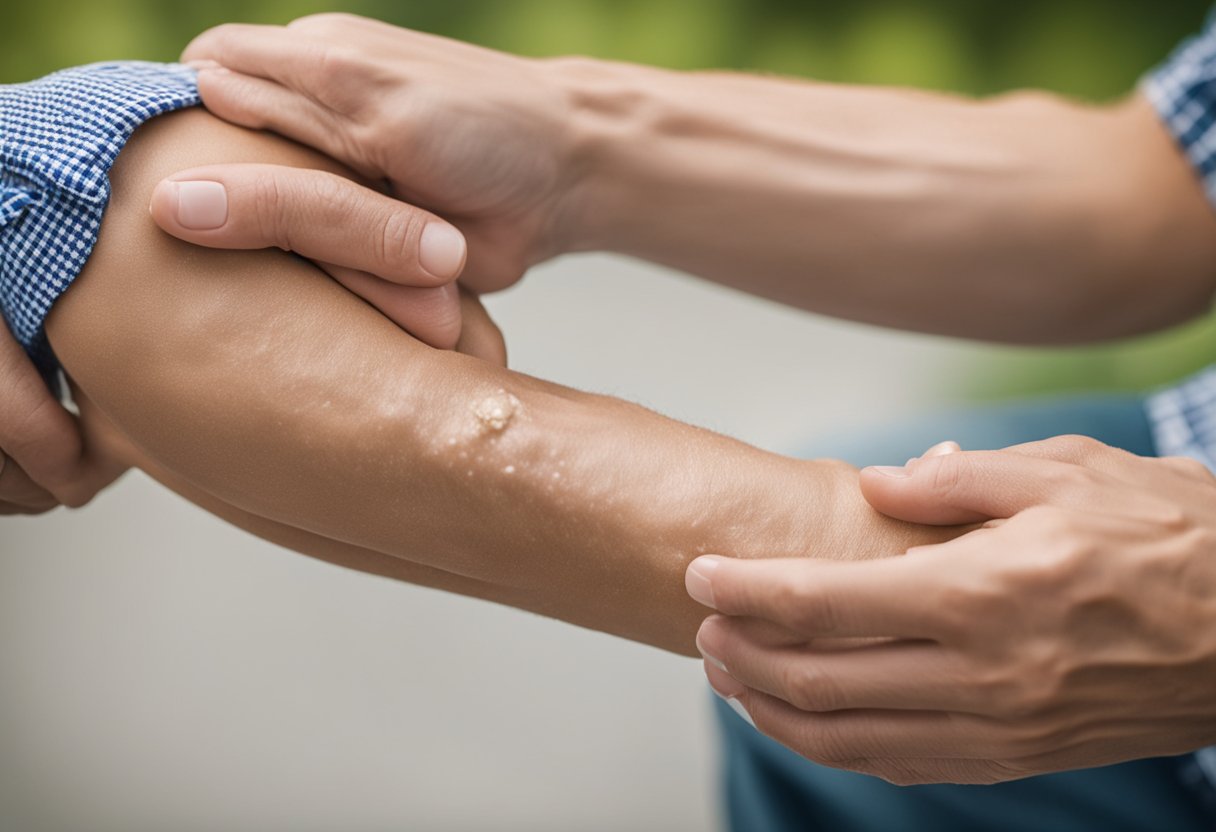
Psoriatic arthritis (PsA) is a chronic, inflammatory arthritis that affects people who have psoriasis. Psoriasis is a skin condition that causes skin cells to build up and form plaques—dry, itchy patches of skin. PsA can cause pain, stiffness, and swelling in the joints, including the knees.
PsA is an autoimmune disease, which means that the immune system attacks healthy cells in the body. In PsA, the immune system attacks the joints, causing inflammation and damage. Over time, this can lead to joint deformities and disability.
PsA is a chronic condition, which means that it lasts for a long time—often for the rest of a person’s life. However, with the right treatment, many people with PsA can lead full, active lives.
The goal of treatment for PsA is to reduce inflammation, relieve pain, and prevent joint damage. There are several types of medications that are used to treat PsA, including disease-modifying antirheumatic drugs (DMARDs), nonsteroidal anti-inflammatory drugs (NSAIDs), and biologics.
DMARDs are a type of medication that can slow down the progression of joint damage in PsA. They work by suppressing the immune system, which reduces inflammation in the joints. Some common DMARDs used to treat PsA include methotrexate, sulfasalazine, and leflunomide.
NSAIDs are a type of pain reliever that can help reduce inflammation and relieve pain in the joints. They are available over-the-counter or by prescription, and include drugs like ibuprofen and naproxen.
Biologics are a type of medication that are designed to target specific parts of the immune system that are involved in inflammation. They are given by injection or infusion, and include drugs like etanercept, adalimumab, and infliximab.
In addition to medication, there are other treatments that can help manage the symptoms of PsA. Physical therapy and exercise can help improve joint mobility and reduce pain. Lifestyle changes, such as maintaining a healthy weight and avoiding smoking, can also help reduce inflammation and improve overall health.
Overall, PsA is a chronic condition that can cause pain, stiffness, and swelling in the joints, including the knees. However, with the right treatment, many people with PsA can lead full, active lives.
Psoriatic Arthritis and the Knees
Psoriatic arthritis (PsA) is a type of inflammatory arthritis that can affect many joints in the body, including the knees. PsA is a chronic autoimmune disease that can cause joint damage, leading to stiffness, swelling, and pain. It can also cause tendons and ligaments to become inflamed, making it difficult to move the affected joints.
When PsA affects the knees, it can cause significant discomfort and make it difficult to walk. Knee pain is a common symptom of PsA, and it can be accompanied by stiffness and swelling. In some cases, PsA flares can cause such severe pain that walking becomes nearly impossible.
PsA can cause joint damage over time, leading to permanent disability. It’s important to seek medical treatment as soon as possible to prevent joint damage and manage symptoms. Treatment options for PsA of the knees may include nonsteroidal anti-inflammatory drugs (NSAIDs) to reduce pain and inflammation, disease-modifying antirheumatic drugs (DMARDs) to slow the progression of the disease, and biologic medications to target specific parts of the immune system.
In addition to medical treatment, there are also lifestyle changes that can help manage symptoms of PsA and improve overall joint health. Maintaining a healthy weight, staying physically active, and avoiding activities that put excessive stress on the knees can all help reduce symptoms and prevent further joint damage.
In conclusion, PsA can affect the knees and cause significant pain, stiffness, and swelling. It’s important to seek medical treatment and make lifestyle changes to manage symptoms and prevent joint damage. With proper treatment and care, it’s possible to live a full and active life with PsA.
Symptoms of Psoriatic Arthritis in the Knees
Psoriatic arthritis is a chronic autoimmune disease that affects millions of people worldwide. It is a type of arthritis that can cause inflammation and pain in the joints, including the knees. Here are some of the common symptoms of psoriatic arthritis in the knees:
Pain: Joint pain is one of the most common symptoms of psoriatic arthritis in the knees. The pain can be mild to severe and can be felt in one or both knees. It can also be felt in other joints in the body, such as the hips, ankles, and wrists.
Swelling: Swelling and inflammation are also common symptoms of psoriatic arthritis in the knees. The swelling can be mild or severe and can make it difficult to move the knee joint.
Stiffness: Stiffness in the knee joint is another common symptom of psoriatic arthritis. The stiffness can be worse in the morning or after periods of inactivity. It can also be caused by inflammation in the knee joint.
Flares: Psoriatic arthritis can cause flares, which are periods of increased joint pain, swelling, and stiffness. Flares can be triggered by stress, illness, or other factors.
Fatigue: Fatigue is a common symptom of psoriatic arthritis. It can be caused by the inflammation in the body and the stress of living with a chronic condition.
Tenderness: Tenderness in the knee joint is another symptom of psoriatic arthritis. The knee joint may be tender to the touch, and it may be painful to put weight on the affected leg.
If you are experiencing any of these symptoms, it is important to talk to your doctor. Your doctor can help you manage your symptoms and develop a treatment plan that works for you.
Diagnosis of Psoriatic Arthritis
If you suspect that you may have psoriatic arthritis, it is important to see a doctor who specializes in rheumatology. A rheumatologist can diagnose psoriatic arthritis based on your medical history, physical exam, and certain tests.
During the physical exam, the doctor will look for signs of psoriasis, such as red, scaly patches of skin. They will also examine your joints for signs of inflammation, such as swelling, warmth, and tenderness.
To confirm a diagnosis of psoriatic arthritis, the doctor may order certain tests, including blood tests, X-rays, MRI scans, and ultrasounds. These tests can help the doctor determine the extent of joint damage and rule out other conditions that can cause similar symptoms.
One blood test that may be ordered is the rheumatoid factor (RF) test. This test can help distinguish between psoriatic arthritis and rheumatoid arthritis. While RF is often present in the blood of people with rheumatoid arthritis, it is not typically present in people with psoriatic arthritis.
An X-ray can show joint damage and bone loss, while an MRI can provide more detailed images of the joints and surrounding tissues. An ultrasound can also be used to visualize inflammation in the joints.
Overall, the diagnosis of psoriatic arthritis can be challenging because it shares many symptoms with other types of arthritis. However, with the help of a rheumatologist and various diagnostic tests, a diagnosis can be made and appropriate treatment can be started.
02 Tables
Tables can be a useful way to display information about Psoriatic arthritis of the knees. Here are some examples of information that can be displayed in tables:
Symptoms: Common symptoms of Psoriatic arthritis of the knees include pain, stiffness, swelling, and warmth in the joint. Other symptoms may include fatigue, nail changes, and eye inflammation.
Diagnosis: A diagnosis of Psoriatic arthritis of the knees may involve a physical exam, blood tests, imaging tests (such as X-rays or MRI), and joint fluid tests.
Treatment: Treatment for Psoriatic arthritis of the knees may involve medications (such as nonsteroidal anti-inflammatory drugs, disease-modifying antirheumatic drugs, or biologic agents), physical therapy, and surgery (in severe cases).
Prevention: There is no known way to prevent Psoriatic arthritis of the knees, but maintaining a healthy weight, avoiding smoking, and managing stress may help reduce the risk of developing the condition.
Tables can also be used to compare different treatment options for Psoriatic arthritis of the knees, such as the benefits and risks of different medications. It is important to discuss treatment options with a healthcare provider to determine the best course of action for each individual case.
In addition to tables, bullet points can be used to summarize key information about Psoriatic arthritis of the knees. Bold text can be used to highlight important terms or concepts, making it easier for readers to quickly scan the information and find what they are looking for.
Overall, tables and other formatting tools can be a helpful way to present information about Psoriatic arthritis of the knees in a clear and organized manner.
Causes and Risk Factors
Psoriatic arthritis (PsA) is a type of inflammatory arthritis that can develop in people who have psoriasis. The exact cause of PsA is not yet known, but research suggests that it may result from a combination of genetic, environmental, and immune system factors.
One of the main risk factors for developing PsA is having psoriasis, a chronic autoimmune skin disorder that causes red patches of skin topped with silvery scales. In fact, up to 30% of people with psoriasis may develop PsA. The severity of psoriasis does not necessarily predict the development of PsA.
Age is another risk factor for developing PsA, with most people being diagnosed between the ages of 30 and 50. However, PsA can occur at any age, including in children.
Family history is also a significant risk factor for PsA. People with a family history of PsA or psoriasis are more likely to develop the condition themselves.
Certain environmental factors, such as smoking, obesity, and stress, may also increase the risk of developing PsA. Infections, particularly those caused by streptococcal bacteria, may also trigger the onset of PsA in some people.
PsA can also be associated with nail disease, such as nail pitting or separation from the nail bed. In some cases, PsA can also be associated with rheumatoid arthritis.
In conclusion, the exact cause of PsA is not yet known, but research suggests that it may result from a combination of genetic, environmental, and immune system factors. Having psoriasis, a family history of PsA or psoriasis, and certain environmental factors may increase the risk of developing PsA.
Effects on Other Body Parts
Psoriatic arthritis is a chronic inflammatory disease that affects not only the joints but also other parts of the body. In addition to joint pain, swelling, and stiffness, psoriatic arthritis can cause a range of symptoms in different body parts.
Skin and Nails
Psoriasis, a skin condition characterized by red, scaly patches on the skin, is often associated with psoriatic arthritis. In fact, up to 30% of people with psoriasis develop psoriatic arthritis. In addition to skin patches, psoriasis can also cause nail changes such as pitting, ridges, and discoloration.
Hands, Elbows, Feet, and Fingers
Psoriatic arthritis can affect any joint in the body, but it most commonly affects the joints of the hands, feet, and fingers. This can cause pain, swelling, and stiffness in these joints, making it difficult to perform daily activities.
Spine
Psoriatic arthritis can also affect the spine, causing pain and stiffness in the neck and lower back. This can make it difficult to bend, twist, or move the spine.
Eyes
Psoriatic arthritis can cause eye inflammation, a condition known as uveitis. Uveitis can cause eye redness, pain, and sensitivity to light. It is important to seek medical attention if you experience any of these symptoms.
Lungs
In rare cases, psoriatic arthritis can cause inflammation in the lungs, leading to shortness of breath and chest pain. This is known as psoriatic arthritis-associated interstitial lung disease.
Toes
Psoriatic arthritis can also affect the toes, causing pain and swelling in the joints of the toes. This can make it difficult to walk or wear shoes.
In conclusion, psoriatic arthritis can affect various body parts, causing a range of symptoms. It is important to seek medical attention if you experience any of these symptoms to receive an accurate diagnosis and appropriate treatment.
Treatment and Management
When it comes to psoriatic arthritis of the knees, treatment and management are essential for reducing pain and inflammation, preventing joint damage, and improving overall quality of life.
There are several treatment options available, including medications such as nonsteroidal anti-inflammatory drugs (NSAIDs) like ibuprofen, corticosteroid injections, disease-modifying antirheumatic drugs (DMARDs) like methotrexate, and biologics. The type of medication prescribed will depend on the severity of the disease and the patient’s overall health.
In addition to medication, managing pain and inflammation can be achieved through physical therapy, exercise, and lifestyle changes such as maintaining a healthy weight and avoiding triggers that worsen symptoms. Surgery may also be an option in severe cases where joint damage is significant.
It’s important to note that while there is no cure for psoriatic arthritis, achieving remission is possible with the right treatment plan. Regular checkups with a healthcare provider can help monitor the disease and adjust treatment as needed.
Overall, by working closely with healthcare providers and following a comprehensive treatment plan, individuals with psoriatic arthritis of the knees can effectively manage symptoms and improve their quality of life.
Living with Psoriatic Arthritis
Living with psoriatic arthritis can be challenging, but there are ways to manage symptoms and improve quality of life. We have compiled some tips and strategies to help those with psoriatic arthritis.
Exercise
Exercise is important for maintaining joint flexibility, muscle strength, and overall health. Low-impact exercises such as swimming, cycling, and yoga can be beneficial for those with psoriatic arthritis. It is important to consult with a healthcare provider before starting any new exercise program.
Damage
Psoriatic arthritis can cause joint damage if left untreated. It is important to work with a healthcare provider to develop a treatment plan to manage symptoms and prevent joint damage.
Diarrhea
Some medications used to treat psoriatic arthritis can cause diarrhea. It is important to discuss any side effects with a healthcare provider and to follow their recommendations for managing symptoms.
Heart
Psoriatic arthritis has been linked to an increased risk of heart disease. It is important to manage cardiovascular risk factors such as high blood pressure, high cholesterol, and smoking.
Skin Cells and Plaques
Psoriasis is a chronic autoimmune skin disorder that causes skin cells to build up and form plaques. Psoriatic arthritis is a type of inflammatory arthritis that develops in people who have psoriasis. It is important to manage symptoms of psoriasis and psoriatic arthritis to prevent joint damage and other complications.
Depression
Living with a chronic condition such as psoriatic arthritis can be difficult and can lead to depression. It is important to seek support from family, friends, and healthcare providers to manage symptoms of depression.
Metabolic Syndrome and Diabetes
Psoriatic arthritis has been linked to an increased risk of metabolic syndrome and diabetes. It is important to manage these conditions with a healthy diet, regular exercise, and medication as prescribed by a healthcare provider.
Family Member
Psoriatic arthritis can run in families. It is important to inform family members of the condition and to encourage them to seek medical attention if they experience symptoms.
Healthcare Provider
Working with a healthcare provider is essential for managing psoriatic arthritis. It is important to communicate any symptoms or side effects of medication to a healthcare provider and to follow their recommendations for managing the condition.
Back Pain
Psoriatic arthritis can cause back pain and stiffness. It is important to work with a healthcare provider to develop a treatment plan to manage symptoms and prevent joint damage.
Bloating
Some medications used to treat psoriatic arthritis can cause bloating. It is important to discuss any side effects with a healthcare provider and to follow their recommendations for managing symptoms.
Frequently Asked Questions
What are the early warning signs of psoriatic arthritis?
Psoriatic arthritis is a type of arthritis that affects some people who have psoriasis. The symptoms of psoriatic arthritis can vary, but some early warning signs include joint pain, stiffness, and swelling. Other common symptoms include fatigue, nail changes, and skin rashes. If you experience any of these symptoms, it is important to talk to your doctor.
What does psoriatic arthritis in knees feel like?
Psoriatic arthritis in knees can cause pain, swelling, and stiffness in the joints. This can make it difficult to walk, climb stairs, or stand for long periods of time. Some people with psoriatic arthritis in knees may also experience redness and warmth in the affected joint.
Does psoriatic arthritis hurt all the time?
No, psoriatic arthritis does not always hurt all the time. Some people with psoriatic arthritis may experience periods of time when their symptoms are mild or absent, while others may have ongoing pain and discomfort. It is important to work with your doctor to find a treatment plan that works for you.
Is walking good for psoriatic arthritis?
Yes, walking can be good for psoriatic arthritis. Exercise can help improve joint flexibility, reduce pain and stiffness, and improve overall health and well-being. However, it is important to talk to your doctor before starting any exercise program to make sure it is safe for you.
What are some common treatments for psoriatic arthritis?
There are several treatments available for psoriatic arthritis, including nonsteroidal anti-inflammatory drugs (NSAIDs), disease-modifying antirheumatic drugs (DMARDs), and biologic therapies. Your doctor may also recommend physical therapy, occupational therapy, or other treatments depending on your symptoms and the severity of your condition.
What does a psoriatic arthritis flare feel like?
A psoriatic arthritis flare can cause sudden and severe joint pain, swelling, and stiffness. This can make it difficult to move or perform everyday tasks. Flares can last for several days or weeks and may be triggered by stress, illness, or other factors. If you experience a flare, it is important to talk to your doctor about adjusting your treatment plan.
The Gillette Children’s Hospital Pediatric Orthopedic Research Fellowship is a fully funded, one-year fellowship program intended for medical students and recent medical school graduates who are interested in pursuing a career in orthopedic surgery. Fellows will participate in clinically informed pediatric orthopedic research and gain experience in all facets of research activities, including design, implementation and dissemination. In addition to actively participating in research, fellows will have the opportunity to attend daily didactic educational sessions in the Department of Pediatric Orthopedic Surgery, observe the clinical and surgical management of children with complex spine conditions, and receive mentorship from our clinical and research team.
To be considered for this opportunity, please submit your CV, transcript (can be unofficial) and motivation letter with your application with the points below:
Experience with research, scientific writing and/or literature research.
Your goals and expectations for this one-year research fellowship at Gillette Children’s.
How this one-year research grant can help you realize your ultimate career plans in medicine.
compensation and benefits
The hourly rate for this opportunity is $22/hour. Hourly wages are only part of the employee compensation package. Gillette supports career development and offers a competitive benefits package, including a retirement savings plan, tuition and degree reimbursement, paid time off and health and wellness benefits.
Significant challenges
Make significant contributions to multiple research projects, including designing the research protocol, obtaining human subject approvals, collaboration and communication among the research team, and involvement in data analysis.
Lead dissemination efforts, resulting in submission of abstracts for presentation at a scientific conference and/or submission of peer-reviewed manuscripts for publication.
Manage timelines for ongoing projects while maintaining a weekly schedule consisting of team conferences, clinics, and mentorship meetings.
Meet internal and external deadlines to ensure consistent progress on ongoing projects, including research activities, presentations, manuscripts, grant proposal development, and other collaborative work.
Key Job Responsibilities
The fellow will be involved in a variety of research projects designed to answer questions and solve problems in pediatric spine, patient safety, and healthcare quality and value, as well as medical economics. Completed projects will be submitted for publication in high-quality journals and presentations at regional, national and international conferences.
Qualifications
Required (for Fellowship start date on or about July 1, 2024):
Fellows have completed their third year of medical school. Exceptional candidates who have completed their second year of medical school are also eligible.
Fellows are in good academic standing and have an interest in pursuing a career in orthopedics or spine surgery.
Preference:
Fellows have previous experience in scholarly writing, literature review, and/or research experience.
Gillette Children’s is committed to recruiting and retaining a diverse team because we know that the diverse experiences of our employees make Gillette a stronger and better organization. We strive to create an equitable and inclusive environment where all patients, families and staff are welcomed and valued. We believe that diverse perspectives and identities promote excellence, improve patient care and are essential for Gillette to fulfill its mission. Our team members work together to help patients of all backgrounds and abilities reach their full potential.
Gillette Children’s is an equal opportunity employer and will not discriminate against any employee or applicant for employment because of an individual’s race, color, creed, sex, religion, national origin, age, disability, marital status, familial status, genetic information, status with regard to government assistance, sexual orientation or gender identity, military status, or any other class protected by federal, state, or local law.
Gillette Children’s is a global beacon of care for patients with brain, bone and movement disorders that begin in childhood. Our research, treatment and supportive technologies empower every child to live a full life defined by their dreams, not their diagnoses.
For more information about working at Gillette Children’s, visit https://www.gillettechildrens.org/careers.
Gillette Children’s participates in the U.S. Department of Homeland Security (DHS) E-Verify program, an Internet-based employment eligibility verification system administered by U.S. Citizenship and Immigration Services. If E-Verify cannot confirm that you are authorized to work, Gillette will provide you with written instructions and the option to contact DHS or the Social Security Administration (SSA) to resolve the issue before Gillette takes further action undertakes. For more information about e-verify, visit https://www.e-verify.gov/.
Rheumatoid Arthritis: Causes, Symptoms, and Treatment Options
Rheumatoid arthritis is a chronic autoimmune disorder that affects millions of people worldwide. It is a type of arthritis that occurs when the immune system attacks the body’s own tissues, particularly the joints. This leads to inflammation and pain, which can be debilitating and affect the quality of life of those who suffer from the condition.
Understanding Rheumatoid Arthritis is important in order to manage the symptoms and improve the quality of life of those who suffer from it. It is important to recognize the symptoms early on, as early diagnosis and treatment can help prevent further joint damage and complications. There are a variety of treatment options available, including medications, physical therapy, and surgery, which can help manage the symptoms and improve joint function. In this article, we will explore the causes, symptoms, diagnosis, and treatment options for Rheumatoid Arthritis.
Key Takeaways
Rheumatoid arthritis is a chronic autoimmune disorder that affects the joints and can be debilitating.
Early diagnosis and treatment can help prevent further joint damage and complications.
Treatment options include medications, physical therapy, and surgery.
Understanding Rheumatoid Arthritis
Rheumatoid arthritis (RA) is a chronic autoimmune disorder that affects the joints, causing pain, stiffness, and swelling. It is a systemic disease, which means it can affect other parts of the body as well, such as the eyes, skin, lungs, and blood vessels.
The exact cause of RA is still unknown, but it is believed to be caused by a combination of genetic and environmental factors. In RA, the immune system mistakenly attacks the synovial membrane, which is the lining that surrounds the joints. This results in inflammation, which can cause damage to the joints over time.
RA is a chronic disease, which means that it can last for a long time and may require ongoing treatment. However, with early diagnosis and appropriate treatment, it is possible to manage the symptoms of RA and prevent joint damage.
The symptoms of RA can vary from person to person, but some common symptoms include joint pain, stiffness, and swelling, especially in the hands, feet, and wrists. Other symptoms may include fatigue, fever, and weight loss.
There is no cure for RA, but there are several treatment options available to manage the symptoms and slow down the progression of the disease. These may include medications, such as nonsteroidal anti-inflammatory drugs (NSAIDs), disease-modifying antirheumatic drugs (DMARDs), and biologic agents. In addition, physical therapy and lifestyle changes, such as regular exercise and a healthy diet, may also be helpful in managing the symptoms of RA.
In summary, RA is a chronic autoimmune disorder that affects the joints and other parts of the body. It is caused by a combination of genetic and environmental factors, and there is no cure for the disease. However, with early diagnosis and appropriate treatment, it is possible to manage the symptoms of RA and prevent joint damage.
Symptoms of Rheumatoid Arthritis
Rheumatoid arthritis (RA) is a chronic autoimmune disease that affects the joints and other parts of the body. The symptoms of RA can vary from person to person, but they generally include joint pain, swelling, and stiffness.
One of the most common symptoms of RA is joint pain. This pain is often described as a deep ache or a burning sensation, and it can be felt in the joints of the hands, wrists, feet, and ankles. The pain is usually worse in the morning or after periods of inactivity, and it can be accompanied by joint stiffness that lasts for several hours.
Swelling is another common symptom of RA. The joints affected by RA can become swollen and tender to the touch. This swelling can make it difficult to move the affected joint, and it may also cause the joint to feel warm to the touch.
Fatigue is also a common symptom of RA. People with RA may feel tired and run down, even if they have had enough sleep. This fatigue can be caused by the inflammation associated with RA, as well as by the stress of dealing with a chronic illness.
In some cases, people with RA may develop rheumatoid nodules. These are small, firm lumps that can form under the skin, usually around the elbows or fingers. While these nodules are not usually painful, they can be unsightly and may interfere with joint movement.
Fever is another symptom that can occur in people with RA. This fever is usually low-grade, and it may be accompanied by other flu-like symptoms such as chills and muscle aches.
Overall, the symptoms of RA can be quite debilitating, and they can have a significant impact on a person’s quality of life. If you are experiencing any of the symptoms associated with RA, it is important to speak with your healthcare provider as soon as possible.
Causes and Risk Factors
Rheumatoid arthritis (RA) is a chronic inflammatory disease that affects the joints, causing pain, stiffness, and swelling. While the exact cause of RA is unknown, there are several factors that are believed to contribute to the development of the disease.
Genetics
One of the most significant risk factors for developing RA is genetics. Research has shown that certain genes may make a person more susceptible to the disease. For example, a specific gene called HLA-DRB1 has been linked to an increased risk of developing RA. However, having this gene does not necessarily mean that a person will develop the disease.
Smoking
Smoking is another significant risk factor for RA. Studies have shown that smokers are more likely to develop the disease than non-smokers. In addition, smoking can also make the symptoms of RA worse, making it more difficult to manage the disease.
Sex
RA is more common in women than men. In fact, women are two to three times more likely to develop the disease than men. The reason for this is not entirely clear, but hormones may play a role. Some researchers believe that estrogen may contribute to the development of RA.
Other Risk Factors
In addition to genetics, smoking, and sex, there are several other factors that may increase a person’s risk of developing RA. These include:
Age: RA can occur at any age, but it most commonly begins in middle age.
Family history: If a member of your family has RA, you may have an increased risk of the disease.
Obesity: Being overweight or obese can increase the risk of developing RA, as well as make the symptoms worse.
Environmental factors: Exposure to certain environmental factors, such as pollution or toxins, may increase the risk of developing RA.
Overall, while the exact cause of RA is unknown, there are several factors that are believed to contribute to the development of the disease. By understanding these risk factors, we can take steps to reduce our risk of developing RA and manage the disease more effectively if we do develop it.
Diagnosis Process
When it comes to diagnosing Rheumatoid arthritis (RA), there is no one definitive test or physical finding that can confirm the diagnosis. Instead, doctors use a combination of medical history, physical examination, and laboratory tests to diagnose RA.
During the medical history, we will ask questions about the patient’s symptoms, family history, and medical history. We will also ask about any medications the patient is taking, as some medications can cause symptoms similar to RA.
During the physical exam, we will check the patient’s joints for swelling, redness, and warmth. We will also check the patient’s reflexes and muscle strength. The physical exam can help us determine the severity of the patient’s symptoms and which joints are affected.
Laboratory tests are also an important part of the diagnosis process. We may order a blood test to check for the presence of rheumatoid factor (RF) or anti-cyclic citrullinated peptide (anti-CCP) antibodies. These antibodies are often present in people with RA, but not always. A negative result does not rule out RA.
Imaging tests, such as X-rays or ultrasound, can also be helpful in diagnosing RA. X-rays can show changes in the joints that are consistent with RA, such as joint erosion or narrowing of the joint space. Ultrasound can show inflammation in the joints and surrounding tissues.
It is important to note that RA can be difficult to diagnose in the early stages because the disease develops over time, and only a few symptoms may be present. However, with a thorough medical history, physical exam, and laboratory tests, we can diagnose RA and begin treatment to manage symptoms and prevent further joint damage.
Treatment Options
When it comes to treating rheumatoid arthritis, there are a variety of options available. The goal of treatment is to reduce inflammation, relieve pain, prevent joint damage, and improve overall function. Treatment plans are often tailored to each individual and may involve a combination of medications, therapies, and lifestyle changes.
Medications
There are several types of medications used to treat rheumatoid arthritis. Nonsteroidal anti-inflammatory drugs (NSAIDs) can help relieve pain and reduce inflammation. Over-the-counter NSAIDs include ibuprofen (Advil, Motrin IB, others) and naproxen sodium (Aleve). Stronger NSAIDs are available by prescription. Side effects may include stomach irritation, heart problems, and kidney damage.
Disease-modifying antirheumatic drugs (DMARDs) slow the progression of rheumatoid arthritis and can prevent joint damage. Methotrexate (Rheumatrex, Trexall) is a commonly used DMARD. Other DMARDs include hydroxychloroquine (Plaquenil), sulfasalazine (Azulfidine), and leflunomide (Arava).
Corticosteroids are powerful anti-inflammatory medications that can provide quick relief of symptoms. However, they can have serious side effects if used long-term. Janus kinase (JAK) inhibitors are a newer class of medications that block the action of certain enzymes involved in inflammation.
Therapies
Physical and occupational therapy can help improve joint function, reduce pain, and increase range of motion. Splints and braces may also be recommended to support and protect joints.
Surgery may be necessary in severe cases of rheumatoid arthritis. Joint replacement surgery can help relieve pain and improve function in damaged joints. Synovectomy is a surgical procedure that involves removing the inflamed lining of a joint.
Lifestyle Changes
In addition to medications and therapies, making certain lifestyle changes can also help manage rheumatoid arthritis. Maintaining a healthy weight can reduce stress on joints. Regular exercise can help improve joint function and flexibility. Eating a healthy diet rich in fruits, vegetables, and whole grains can also help reduce inflammation.
Overall, there are a variety of treatment options available for rheumatoid arthritis. Working closely with a healthcare provider to develop a personalized treatment plan can help manage symptoms and improve overall quality of life.
Managing Rheumatoid Arthritis
As individuals with Rheumatoid Arthritis, we know how difficult it can be to manage the symptoms of this chronic condition. However, with proper management, we can improve our quality of life and reduce the impact of RA on our daily activities. Here are some tips for managing Rheumatoid Arthritis:
Rest
Rest is crucial for managing RA symptoms. It is important to listen to our body and take breaks when we feel fatigued. This can help reduce inflammation and pain in our joints. We should aim to get enough sleep each night and take naps during the day if needed.
Exercise
Exercise is also important for managing RA symptoms. Low-impact exercises such as walking, swimming, and cycling can help improve joint flexibility and reduce inflammation. We should aim to exercise regularly, but it is important to listen to our body and not overdo it. It is also important to speak with our doctor before starting any new exercise routine.
Diet
Maintaining a healthy diet can also help manage RA symptoms. We should aim to eat a well-balanced diet that includes plenty of fruits, vegetables, whole grains, and lean protein. Some foods may trigger inflammation, so it is important to identify and avoid these foods. We should also stay hydrated by drinking plenty of water.
Medications
There are several medications available that can help manage RA symptoms. Nonsteroidal anti-inflammatory drugs (NSAIDs) can help relieve pain and reduce inflammation. Disease-modifying antirheumatic drugs (DMARDs) can help slow the progression of RA. It is important to speak with our doctor about the best medication options for us.
Support
Living with RA can be challenging, and it is important to have a support system. We should reach out to family, friends, and support groups for help and encouragement. We may also benefit from counseling or therapy to help manage the emotional impact of RA.
By following these tips, we can effectively manage our Rheumatoid Arthritis symptoms and improve our overall quality of life.
02 Tables
We can use tables to organize information about Rheumatoid arthritis. Here is an example of a table that shows the diagnostic criteria for Rheumatoid arthritis:
Criteria
Definition
Morning stiffness
Stiffness in joints lasting at least 1 hour in the morning
Arthritis of three or more joint areas
Swelling or tenderness in at least three joint areas
Arthritis of hand joints
Swelling or tenderness in the joints of the hand
Symmetric arthritis
Swelling or tenderness in the same joint areas on both sides of the body
Another useful table is the one that shows the severity scale of Rheumatoid arthritis. Here is an example of that table:
Severity
Definition
Mild
Fewer than 3 swollen joints, no systemic symptoms
Moderate
4-10 swollen joints, mild systemic symptoms
Severe
More than 10 swollen joints, significant systemic symptoms
It is important to note that these tables are just examples and should not be used as a diagnostic tool. Only a qualified healthcare professional can diagnose Rheumatoid arthritis.
Effect on Joints and Other Body Parts
Rheumatoid arthritis (RA) is a chronic inflammatory autoimmune disease that affects various parts of the body. It mainly affects joints, but it can also impact other body parts such as muscles, eyes, and organs.
RA usually affects both sides of the body symmetrically. It primarily affects small joints, especially those in the hands and feet, but it can also affect larger joints such as the hips, knees, and shoulders.
RA can cause pain, stiffness, swelling, and tenderness in the joints. In some cases, it can lead to joint deformities such as claw toe, bunions, and hammer toe. RA can also cause joint effusion, which is an abnormal accumulation of fluid inside the joint. This can lead to joint stiffness and difficulty moving or impaired range of motion.
As RA progresses, it can spread to other joints, including the wrists, ankles, and elbows. It can also affect muscles, causing weakness and fatigue. In some cases, RA can cause osteopenia and stress fractures, making it difficult to walk stairs and up inclined surfaces.
RA can also affect the eyes, causing dryness, redness, and inflammation. In rare cases, it can lead to scleritis, which is a serious condition that can cause blindness.
In conclusion, RA can affect various parts of the body, including joints, muscles, eyes, and organs. It primarily affects small joints in the hands and feet but can also impact larger joints such as the hips and knees. RA can cause pain, stiffness, swelling, and tenderness in the joints, as well as joint deformities, joint effusion, and muscle weakness. It is important to seek medical attention if you experience any symptoms of RA.
Complications and Progression
Rheumatoid arthritis (RA) is a chronic autoimmune disease that can lead to various complications and progression of symptoms over time.
One of the most common complications of RA is joint damage, which can result in deformity and loss of function. Joint inflammation, stiffness, and redness are also common symptoms of RA that can affect the quality of life of individuals with the condition.
In addition to joint-related complications, RA can also lead to systemic inflammation, which can affect other organs and systems in the body. This inflammation can increase the risk of infection and other health issues.
The severity of RA symptoms can vary from person to person, and some individuals may experience periods of remission where symptoms improve or disappear. However, flares of symptoms can also occur, which can be unpredictable and difficult to manage.
Treatment for RA can help manage symptoms and slow the progression of joint damage. This can include medications, physical therapy, and lifestyle changes. It is important for individuals with RA to work closely with their healthcare team to develop a personalized treatment plan.
Overall, RA is a complex condition that requires ongoing management and monitoring. While it can lead to various complications and progression of symptoms, treatment and self-care can help improve function and quality of life for individuals with the condition.
The Role of Rheumatologists
As rheumatoid arthritis is a complex autoimmune disorder that affects the joints and other parts of the body, it is essential to seek medical care from a specialist who has extensive knowledge and experience in treating this condition. This is where rheumatologists come in.
Rheumatologists are medical doctors who specialize in diagnosing and treating musculoskeletal diseases and systemic autoimmune conditions like rheumatoid arthritis. They receive special training in this area, which allows them to provide the best possible care for patients with rheumatoid arthritis.
The role of rheumatologists is to work with patients to develop an appropriate treatment plan based on their individual needs. They use a variety of diagnostic tools and techniques to determine the severity of the disease and its impact on the patient’s quality of life. This may include X-rays, blood tests, and physical examinations.
Once a diagnosis has been made, rheumatologists work with patients to develop a treatment plan that may include medication, physical therapy, and lifestyle changes. They also provide ongoing care and support to help patients manage their symptoms and improve their overall health.
In addition to treating rheumatoid arthritis, rheumatologists may also treat other autoimmune conditions that affect the musculoskeletal system, such as lupus and scleroderma. They may also work with other specialists, such as orthopedic surgeons and physical therapists, to provide comprehensive care for their patients.
Overall, the role of rheumatologists is essential in the diagnosis and treatment of rheumatoid arthritis. If you are experiencing joint pain, stiffness, or other symptoms associated with this condition, it is important to seek medical care from a rheumatologist to receive the best possible care and support.
Impact on Specific Populations
Rheumatoid arthritis (RA) is a chronic inflammatory joint disease that affects people of all ages, genders, and ethnicities. However, certain populations may be more susceptible to developing RA or may experience different outcomes. In this section, we will discuss the impact of RA on specific populations.
Women
RA is more common in women than men, with women being three times more likely to develop the disease. Women also tend to develop RA at a younger age than men. The reasons for this gender disparity are not yet fully understood, but hormonal factors may play a role. Women with RA may also experience more severe symptoms and disability than men with RA.
Men
Although less common, men can also develop RA. Men with RA may experience a more aggressive disease course and are more likely to develop complications such as heart disease and lung problems. However, men with RA may also have better outcomes in terms of joint damage and disability than women with RA.
Age
RA can affect people of all ages, but it most commonly develops in middle age. Older adults with RA may have different treatment considerations due to age-related health concerns and the potential for drug interactions with other medications they may be taking. Children with RA, also known as juvenile idiopathic arthritis, may have different symptoms and treatment options than adults with RA.
Ethnicity
RA can affect people of all ethnicities, but some ethnic groups may be more likely to develop the disease or experience more severe symptoms. For example, Native Americans and Alaska Natives have a higher prevalence of RA than other ethnic groups in the United States. African Americans with RA may experience more severe joint damage and disability than other racial or ethnic groups.
In conclusion, RA can impact people of all ages, genders, and ethnicities, but certain populations may be more susceptible to developing the disease or may experience different outcomes. It is important for healthcare providers to consider these factors when diagnosing and treating RA to ensure the best possible outcomes for all patients.
Other Related Conditions
In addition to rheumatoid arthritis (RA), there are other related conditions that individuals with RA may have. These conditions can be comorbidities, which means they occur at the same time as RA, or they can be conditions that mimic RA symptoms.
Osteoarthritis (OA) is a common type of arthritis that can occur in addition to RA. OA is a degenerative joint disease that affects the cartilage in joints, causing pain, stiffness, and swelling. Unlike RA, which is an autoimmune disease, OA is caused by wear and tear on the joints over time. While RA can affect any joint in the body, OA most commonly affects the knees, hips, and hands.
Individuals with RA may also have other autoimmune diseases, such as lupus or psoriatic arthritis. Lupus is a chronic autoimmune disease that can affect many parts of the body, including the skin, joints, and organs. Psoriatic arthritis is a type of arthritis that occurs in individuals with psoriasis, a skin condition that causes red, scaly patches on the skin.
In addition to these conditions, individuals with RA may also be at an increased risk for developing other health problems, such as cardiovascular disease and osteoporosis. This is because chronic inflammation, which is a hallmark of RA, can damage blood vessels and bones over time.
It is important for individuals with RA to work closely with their healthcare provider to manage their condition and any related health problems. This may involve a combination of medications, lifestyle changes, and other treatments to help reduce inflammation, manage pain, and improve overall health.
Frequently Asked Questions
What are the early signs of rheumatoid arthritis?
The early signs of rheumatoid arthritis (RA) include tender, warm, and swollen joints, joint stiffness that is usually worse in the mornings and after inactivity, fatigue, fever, and loss of appetite. Early RA tends to affect smaller joints first, particularly the joints that attach fingers to hands and toes to feet. If you experience any of these symptoms, it is important to consult a doctor.
What is the difference between rheumatoid arthritis and other types of arthritis?
Rheumatoid arthritis is an autoimmune and inflammatory disease, which means that the immune system attacks healthy cells in the body by mistake, causing inflammation in the affected parts of the body. The most common form of arthritis in the United States is osteoarthritis, which is caused by wear and tear on the joints. Other common types of arthritis include gout and fibromyalgia.
How is rheumatoid arthritis diagnosed?
Rheumatoid arthritis is diagnosed through a combination of physical exams, medical history, blood tests, and imaging tests. Doctors will look for signs of joint inflammation, such as swelling, tenderness, and warmth, and may order blood tests to check for specific antibodies that are commonly associated with RA.
What are the most effective medications for treating rheumatoid arthritis?
There are several types of medications that can be used to treat rheumatoid arthritis, including nonsteroidal anti-inflammatory drugs (NSAIDs), corticosteroids, disease-modifying antirheumatic drugs (DMARDs), and biologic agents. The most effective medications will vary depending on the individual and the severity of their symptoms. It is important to work closely with a doctor to find the best treatment plan.
What are some dietary recommendations for managing rheumatoid arthritis?
While there is no specific diet that has been proven to cure rheumatoid arthritis, some dietary changes may help manage symptoms. A diet rich in anti-inflammatory foods, such as fruits, vegetables, whole grains, and omega-3 fatty acids, may help reduce inflammation and pain. It is also important to maintain a healthy weight, as excess weight can put additional stress on joints.
What are some common struggles experienced by people with rheumatoid arthritis?
Living with rheumatoid arthritis can be challenging, both physically and emotionally. Some common struggles include chronic pain, fatigue, difficulty performing daily tasks, and feelings of isolation and depression. It is important to seek support from loved ones and healthcare professionals to manage these challenges and maintain a good quality of life.
Running shoes are often characterised based on their cushioning and motion control functionality. Consequently, we have categorised the literature review results into these sections. We discuss additional FDF that did not fit into the first two sections in a subsequent part, followed by an upper construction segment. In each chapter, we introduce a brief description of the FDF. Next, we present the results of studies, taking covariates into account and analysing BRFs. We further discuss studies that investigated BRFs without considering covariates. Finally, we place our findings in the context of the FDF’s potential to minimise the development of running-related overuse injuries (RRI). We identified 107 articles that met our inclusion criteria (Fig. 4, Supplementary 3 Table 1-12). Most of these articles were published at the start of the twenty-first century and primarily featured data from male runners (Fig. 5). We acknowledge a data gap in running footwear research, which aligns with the female data gap in sport and exercise science [24].
Fig. 4
A Scatter plot of the included articles. Articles for each footwear design feature are separated by the number of articles considering covariates (y-axis) and running-related biomechanical risk factors (x-axis). If applicable, covariates for each footwear design feature are reported. According to a recent Delphi study, scatters are scaled to their importance [25]. Larger diameters represent a higher level of importance, and smaller diameters a lower level of importance. White scatters were not reported in the Delphi study and are not scaled
Fig. 5
The publication timeline of the included articles, separated by the different footwear design features. Each pie chart represents one study with the fraction of male (dark-grey) and female (light-grey) runners. Pie charts are scaled to the number of runners included in the study. Larger diameters indicate larger sample sizes, and smaller diameters indicate smaller sample sizes
Cushioning systems
Cushioned midsoles were one of the first FDF introduced to modern running shoes. They were developed to provide a protective layer, attenuate the shock caused by the collision of the foot with the ground, and reduce local plantar pressure peaks [26]. The cushioning characteristics are modified in the midsole through material and geometry changes.
Midsole compression stiffness and hardness
Midsole compression stiffness, also known as hardness, is a fundamental material property that measures the deformation caused by an area load. In the past, midsoles were constructed with uniformly distributed compression stiffness. However, they can now be tailored to individually cushioned midsoles with varying properties at different locations due to the viscoelastic properties of the material [27].
Twelve of thirty-five articles identified through our literature search considered covariates when analysing the response to differently cushioned midsoles (Fig. 4, Supplementary Table 1). Malisoux et al. considered the runner’s body mass as a covariate [28]. Athletes reported fewer injuries when running in softer midsoles, and lighter runners in hard shoes showed a greater risk of developing an RRI than heavier runners. Three articles investigated the biomechanical response of midsoles with varying hardness during different running speeds. Nigg et al. found that the vertical GRF loading rate increases with speed independent of the cushioning variations, while another study showed unchanged GRF loading rates with footwear of varying cushioning at different speeds, and yet another study showed lower GRF loading rates in harder midsoles with no dependence on running speed [29,30,31]. Running distance or running duration has been considered by five studies [32,33,34,35,36]. None of the studies found significant footwear-by-time/distance interaction effects on vertical GRF loading rates, ground contact times, peak rearfoot eversion angles, and knee flexion angle at initial contact. One article considered the runner’s foot strike pattern as a covariate [37]. Rearfoot strikers reduced the vertical GRF loading rate in a neutrally cushioned shoe, and mid- and forefoot strikers reduced the vertical GRF loading rate in a minimal shoe [37]. We identified one study considering the stiffness of the running surface as a covariate [38]. However, no main and interaction effects were observed in ground contact time and knee flexion angle at touchdown. Another study analysed the effect of surface inclination and midsole cushioning [39]. The authors showed that vertical GRF loading rates are equal when running on different surfaces with either a neutral or a cushioned running shoe. Although studies have examined a variety of covariates, there is much conjecture in the literature regarding their influence on biomechanical measures related to RRI, and no conclusive evidence to suggest that any one covariate is more important than another.
When considering the effects of midsole hardness on BRFs without considering covariates, five studies found reduced peak rearfoot eversion in harder midsoles than in softer midsoles [40,41,42,43,44]. However, four studies found unchanged peak rearfoot eversion angles when running in soft and hard midsoles [34, 45,46,47]. Four studies reported that different midsole hardness could not systematically affect the rearfoot eversion range of motion [40, 44, 45, 48]. In contrast, one study found a reduction in the rearfoot eversion range of motion in hard midsoles [47], and another study found that the range of motion of the rearfoot was lower when runners were running in softer midsoles [49]. Conflicting findings were also observed for the rearfoot inversion angle at initial ground contact. One study found a reduction in rearfoot inversion when running in soft midsoles [40], and others found reduced inversion angles when running in hard midsoles [40, 48]. Conflicting findings have also been reported for the vertical GRF loading rate. Some studies found an increased vertical GRF loading rate in more cushioned than less cushioned shoes [29, 34]. Other studies found no effects of cushioning [46, 50,51,52], while others found decreased vertical GRF loading rate in cushioned shoes [41]. Only a few studies were identified addressing the effects of different cushioning characteristics on BRFs at more proximal joints. One article’s qualitative data showed that the knee abduction angle during the stance phase was reduced when running in softer than harder midsoles [53]. In contrast, another study found lower peak knee abduction angles when the midsole was manufactured with harder material [47]. A study by Malisoux and colleagues found that both soft and hard midsoles did not change peak hip abduction angles and moments and peak hip internal rotation angles [45]. When considering ground contact time as BRF for PFPS, most studies found no effect of midsole cushioning [29, 36, 38, 45, 49, 51, 54,55,56]. Overall, studies analyzing BRFs without considering covariates, resulted in inconsistent and conflicting findings. Interestingly, the footwear comfort perception reported by participants tends to be higher in regions where softer material is allocated than in those with harder materials [42, 49, 57, 58].
In summary, the current literature suggests that the midsole hardness can potentially reduce the overall injury risk when adjusted to the runner’s body mass. Reduction in vertical GRF loading rates and subsequent minimizing PF injury risk could be achieved by individualising midsole cushioning to the runner’s foot strike pattern. Specifically, rearfoot strikers might benefit from cushioned shoes, while fore- and midfoot strikers could find minimal shoes advantageous. The lower vertical GRF loading rates observed in neutral shoes compared to cushioned shoes when running downhill suggest that customised midsole cushioning tailored to a runner’s training terrain could benefit runners with a PF history. Based on the limited literature, surface stiffness, running distance, and fatigue might be less important when individualising midsole hardness. Harder midsoles can reduce BRFs associated with MTSS, TSF, AT (rearfoot eversion movement), and ITBS (ground contact times). Indications that different shoe cushioning may alter vertical GRF loading rates are contradictory, and BRFs at more proximal joints have not been well studied.
Midsole geometry
Running footwear is often designed with a height gradient from the heel to the forefoot. Running shoes are defined by their heel and forefoot heights, with the difference between the two known as the heel-toe drop. Unlike neutral or motion-control shoes, minimal footwear is typically designed with a lower heel-toe drop. An increase in footwear minimalism generally shifts the foot strike pattern of rearfoot strikers towards a mid- or forefoot strike pattern, and it is further assumed to reduce impact loading parameters [59, 60].
We identified eighteen articles investigating the effects of geometrical midsole modifications matching our inclusion criteria (Fig. 4, Supplementary Table 2). Out of the eighteen articles, nine accounted for a covariate. The runner’s experience was considered in one article [61]. During a six-month follow-up, it was shown that occasional runners (< 6 months running experience) had reduced injury rates, and recreational runners (≥ 6 months running experience) had increased injury rates when running in footwear with lower heel-toe drop. A subset of this data demonstrated that midsoles with different heel-toe drops were not able to reduce peak rearfoot eversion angle and ground contact time [62]. However, runners who trained for six months in footwear with higher heel-toe drops increased the peak knee abduction angle. On the contrary, runners who trained for six months in footwear with lower heel-toe drops reduced the peak knee abduction angle. Running surface as a covariate was considered by one study [63]. The researchers found smaller knee flexion angles for larger heel-toe drops when running on a treadmill. However, when running overground, the knee flexion angle was not changed when running in shoes with different heel-toe drops. The authors found that increasing the heel-toe drop led to lower vertical GRF loading rates overground, but decreasing the heel-toe drop reduced vertical GRF loading rates during treadmill running. Different running speeds as a covariate were considered by four articles [64,65,66,67]. One study found no changes in the knee flexion angle at initial contact when running at different speeds in midsoles with different heel-toe drop designs [64]. Another study showed that while ground contact time decreased with increasing speed, increasing the heel-toe drop resulted in increased contact time [65]. Other researchers also showed similar results when systematically altering running speed and heel-toe drop [66]. Running speed did not influence the effects of heel-toe drop modifications on vertical GRF loading rates or time spent in rearfoot eversion [67]. The interaction effects of running time and geometrical midsole modifications were investigated in two studies using the same data set [68, 69]. However, neither of the studies reported interaction effects on included BRFs (rearfoot movement, contact time, and knee flexion angle at initial ground contact). Nevertheless, both studies reported longer ground contact times, lower rearfoot eversion range of motion, and greater knee flexion angles at initial contact in thicker than thinner midsoles.
Concerning the general effects of midsole geometries on BRFs without considering covariates, most of the included studies have addressed the effect of midsole geometry on GRF parameters. An increase in heel-toe drop has been reported to reduce vertical GRF loading rates [70,71,72,73]. Diverse results have been reported for midsole thickness, for which one study found lower vertical GRF loading rates in thicker than thinner midsoles [74], whereas another study could not identify any differences [75]. Three studies showed that geometrical changes at the midsole do not affect rearfoot inversion at touchdown [68,69,70]. Three articles showed that the knee flexion angle at touchdown remains unchanged independent of geometrical midsole configurations [72, 75, 76]. Only one study collected comfort perception data from fifteen male runners [77]. However, no difference in comfort was observed when the heel-toe drop was systematically altered.
Summarising the results, individualisation of heel-toe drop based on runner experience may reduce the risk of RRI. Although the underlying biomechanical mechanism remains unknown, a gradual transition from shoes with different heel-to-toe drops may allow adequate adaptation of the biological tissues. Running surfaces can affect the response to heel-toe drop alterations by influencing vertical GRF loading rates and knee flexion angles. Runners with a history of PF training on treadmills may benefit from shoes with a lower heel-toe drop, while those with a history of ITBS may benefit from a higher drop. During fatigue, geometric midsole modifications may not affect rearfoot eversion movement or ground contact times. Thinner midsoles with a lower heel-toe drop may reduce ground contact times, peak rearfoot eversion angle and rearfoot eversion duration. Hence, these modifications might be recommended for runners with a risk or a history of PFPS, TSF, or MTSS. Moreover, thicker midsoles with a higher heel-toe drop might shift BRFs related to AT and PF (rearfoot eversion range of motion and vertical GRF loading rate) to potentially less critical BRF magnitudes.
Motion control features
Motion control, also called stability, in footwear refers to how the shoe limits pronation (calcaneal eversion) or supination (calcaneal inversion) during the support phase. Much research has been devoted to FDF that purports to control pronation or eversion motion, motivated by the retrospective observations that increased pronation angle is associated with RRI [10, 78,79,80]. Over the initial period of footwear research, various midsole technologies were designed to increase rearfoot stability, including altering the midsole hardness, location of material inserts, flares, arch support systems, and postings. One of the few identified studies utilized a randomized controlled trial with a six-month follow-up. The findings revealed that recreational runners with a motion control shoe developed fewer RRI than runners receiving a standard running shoe [15]. Interestingly, motion-control shoes’ effectiveness in reducing RRI development was more pronounced for runners with pronated feet, indicating some potential for footwear individualisation.
Postings
Postings in athletic footwear incorporate elements with higher material densities in the medial rearfoot region and have been reported to limit rearfoot eversion [81]. Unlike wedges, postings are designed without gradual height differences [82].
Three of seven articles identified through our literature search considered covariates in their analysis (Fig. 4, Supplementary Table 3). The runner’s age was considered by one article [83]. Medial posts effectively reduced the amount of rearfoot eversion in older compared to younger female runners, while vertical GRF loading rates, peak knee abduction moments, and peak knee internal rotation angles remained unchanged. When considering the runners’ fatigue as a covariate, two articles found that rearfoot eversion movement (peak and range of motion) was lower when running in a medially posted than in a neutral running shoe when the runner’s fatigue increased [84, 85].
When not considering covariates or subgroups of runners, medial postings can reduce peak rearfoot eversion angles and eversion range of motion [86, 87]. Peak knee internal rotation angles are reported to be reduced when running in footwear with medial postings [83, 88]. However, footwear with postings might increase peak hip abduction moments [89]. Diverse results were found for vertical GRF loading rates. One study found lower vertical GRF loading rates in midsoles without medial posts [87], and another found unchanged vertical GRF loading rates in shoes with and without postings [83]. Some runners have perceived the harder posting material without transitions as uncomfortable, potentially resulting in unwanted changes in their biomechanics [88].
In summary, older female runners with a history of TSF and MTSS might reduce rearfoot eversion in shoes with postings. However, medial posts do not seem to affect the risk of developing PF independent of the runners’ age since changes in vertical GRF loading rates were not observable. Based on the limited literature, posted midsoles may help minimise BRFs (rearfoot eversion movement) associated with AT, MTSS, or TSF as the runners’ fatigue state increases. The limited literature suggests that individualised postings can help runners with a history of AT, MTSS, TSF, or ITBS to reduce biomechanical risk factors. Since postings might increase vertical GRF loading rates, caution needs to be taken by runners with a history of PF.
Wedges
Wedges are sloped orthotic inserts, typically with mediolateral elevation, designed to increase foot stability. Mediolateral elevation under different loading conditions can be achieved by incorporating materials with different mechanical properties at distinguished locations of the wedge [90].
Three out of the ten articles identified in the literature search included a covariate in their analysis (Fig. 4, Supplementary Table 4). One study considered running duration (0–30 min) as a covariate [91]. Independent of the running duration, medially wedged insoles produced lower knee abduction angular impulses than laterally wedged insoles. Another study considered different standing calcaneal angles and injury history as covariates [92]. However, wearing differently wedged insoles showed no effect on female runners’ 3D knee and hip kinematics. Anterior knee pain as a covariate and the response to differently wedged insoles were considered by one article [93]. Independent of knee pain, running in medially wedged insoles reduced maximal rearfoot eversion and range of motion compared to running in footwear without wedges. None of the studies personalised the wedges to the runner’s individual foot anatomy; instead, they used pre-fabricated wedges, which may have confounded these results.
Seven articles were identified investigating the effect of wedged insoles on BRFs without considering covariates. In a study in which the wedges were customised to individual dynamic barefoot plantar pressure data, all but two subjects reduced peak rearfoot eversion angles compared to footwear without wedges [94]. This finding suggests that wedges bear high potential when individualised to foot pressure mapping. Pre-fabricated medial wedges have proven effective in decreasing maximal rearfoot eversion angles and eversion range of motion [94,95,96,97]. When comparing footwear with and without wedges, non-systematic changes in vertical GRF loading rates and knee abduction angular impulse have been reported [95, 96, 98, 94, 99, 100]. When the mediolateral elevation was systematically altered, no perceived comfort and stability changes were reported [95]. Moreover, neither medially nor laterally wedged insoles were able to relieve runners of patellofemoral pain [99]. One study introduced forefoot wedges with systematic changes in elevation; however, no changes in ground contact times were reported [101].
In summary, the response to medially wedged insoles is independent for shorter running durations (< 30 min) but may help runners with a history of PFPS to minimise knee abduction angular impulses; however, the effect for longer running durations (> 30 min) remains unknown. The limited literature shows that joint alignments, injury history, and knee pain are less relevant covariates when individualising wedged insoles. Medially wedged insoles might sufficiently limit rearfoot eversion movement and support runners with a history of AT, TSF, and MTSS to reduce reinjury. To attenuate vertical GRF loading rates, runners with a history of PF might refer to other FDF modifications to reduce the overuse injury risk.
Arch support systems
Arch support systems help the foot by storing and releasing elastic energy and preventing arch collapse during high loading [102]. Foot arches can be classified as flat/low, normal, or high [103]. Within the three groups, low-arched runners may exhibit greater eversion movement and velocity than high-arched runners [104]. Arch support systems can be integrated into the midsole or achieved through custom-made insoles shaped into the foot arch [105].
Our review found seven articles, four of which examined the effect of arch support systems on running biomechanics with a covariate (Fig. 4, Supplementary Table 5). Two studies used foot arch height as the covariate, and they found that high-arched runners reduced vertical GRF loading rates in a shoe without arch support, while low-arched runners reduced loading rates in a shoe with arch support. However, both foot arch types experienced reduced rearfoot eversion in a motion control shoe [106]. With a subset of this data, no changes in rearfoot eversion movements for runners with different foot arch types were observed when running in shoes with and without arch support systems during a prolonged run [107]. One article accounted for the runner’s foot strike pattern and found that rearfoot strikers decreased ground contact time in footwear without arch support [108]. In contrast, forefoot strikers reduced contact time in a shoe with arch support [108]. The same study found that forefoot strikers in minimal footwear reduced vertical GRF loading rates, but rearfoot strikers did not. Furthermore, training for three months in footwear with a custom-made arch support system reduced rearfoot eversion [105].
We identified three articles investigating the effect of arch support systems on BRFs without considering covariates. A study involving female runners found no effect of arch support on vertical GRF loading rates, peak rearfoot eversion angles, and peak femur rotation angles [46]. Another study also found unchanged rearfoot eversion movements (peak eversion angle and rearfoot inversion at initial ground contact) and knee abduction angles when runners with AT symptoms ran in footwear with and without arch support [109]. Although BRFs were unchanged, a 92% relief of AT symptoms was reported when wearing an insole with custom-made arch support. Finally, one study found unchanged ground contact times when running in midsoles with 20 mm and 24 mm high arch support elevations [101].
The limited literature suggests that arch support systems can potentially reduce BRFs for runners with different arch heights and a history of PF. Runner’s foot strike pattern might be considered when individualising arch support systems. When individualising arch support systems to minimise BRFs associated with PFPS (ground contact time) and PF (vertical GRF loading rate), forefoot strikers might benefit from less arch support than rearfoot strikers. Moreover, customised arch support systems enhance comfort perception without changes in peak knee abduction angles and vertical GRF loading rates. Arch support might reduce rearfoot eversion movements and thus have the potential for individualisation for runners with a history of AT, TSF, and MTSS. BRFs related to ITBS (peak femur rotation angle and peak knee abduction angles) seem to change marginally and unsystematically with arch support.
Heel flares
Flares can be described as a projection of the midsole and outsole extending beyond the upper [25]. Flares can be placed medially or laterally along the outline of the midsole and were introduced to alter the rearfoot eversion angle, thus increasing foot stability by changing the ankle joint moment arm [110,111,112].
After examining all articles, we identified five matching our inclusion criteria (Fig. 4, Supplementary Table 6). None of these articles investigated the effect of a covariate.
Concerning BRFs, one study altered the medial heel flare from 0° to 15°, and 30°. The 2D video-based analysis indicated higher rearfoot eversion movement in footwear without heel flares [81]. In the same study, runners running in shoes with the most extreme medial heel flare modification had, on average, lower rearfoot eversion range of motion than in shoes with less or without heel flares. These findings were supported by other research showing that footwear with heel flares can reduce the magnitude of rearfoot eversion across the entire stance phase but does not seem to reduce vertical GRF loading rates [110, 112, 113]. On the contrary, one study with only five runners did not show that rearfoot eversion movement (at initial ground contact, peak, and range of motion) changes when running in footwear with different heel flares [111]. From a perception perspective, heel flares can improve perceived foot stability [112].
None of the articles considered covariates (e.g., foot strike pattern), highlighting future research potential. Although we found diverse results regarding rearfoot eversion movement, midsoles with heel flares might reduce BRFs linked to AT, TSF, or MTSS. Based on the very limited body of literature, midsoles with heel flares are insufficient for reducing vertical GRF loading rates, and individualised heel flares may not target runners with a history of PF.
Crash pads
Crash pads are elements incorporated into the posterior-lateral midsole using softer foams, segmented geometries, air pockets, or gel-filled patches. Crash pads in the rearfoot area aim to attenuate the GRF and reduce the GRF’s lever arm to the ankle joint [114].
After assessing articles for their eligibility, we identified three articles matching our inclusion criteria (Fig. 4, Supplementary Table 7). Out of the three articles, one study considered the fatigue status of female runners as a covariate. As the runners’ fatigue increased, wearing footwear without crash pads increased vertical GRF loading rates compared to the non-fatigue state. However, running in footwear with crash pads maintained consistent vertical GRF loading rates, even as the runners’ fatigue increased. [115]. The same study found no effect of fatigue on the peak free moment amplitude.
When not considering covariates, two studies found reduced rearfoot inversion angles at touchdown in footwear with smaller compared to larger crash pad dimensions. However, there were no differences in peak rearfoot eversion angles during the stance phase of running and unsystematic changes in vertical GRF loading rates [114, 116]. Crash pad modifications did not affect the peak free moment amplitude, ground contact time, and rearfoot eversion range of motion [114,115,116]. Changes in crash pad dimensions do not seem to influence the runner’s comfort perception [114]. However, they may provide an essential tool for individualisation to tune midsole cushioning properties without increasing stack height which has been shown to increase rearfoot eversion [81].
Fatigue seems to be a relevant covariate when individualising crash pads to minimise vertical GRF loading rates, thus, might lower the risk of developing PF. However, runners with a history of TSF might need other individualised FDF to lower peak free moment amplitudes. Increasing crash pad height might help runners with plantar fascia complaints by lowering the vertical GRF loading rates. Runners with a history of AT, TSF, or MTSS might benefit from crash pads by reducing rearfoot eversion movement. Surprisingly, although the FDF aimed at attenuating the peak impulse, we have identified only two studies that have analysed vertical GRF loading rate as BRF.
Other footwear design features
Rocker
Rockers in running shoes aim to reduce the strain on the toes, foot, and ankle by altering the midsole’s curvature in the anterior–posterior direction, positioning the apex near the metatarsal heads, and enhancing the midstance-to-push-off transition for a smoother heel-to-toe rolling motion [117].
Each of the three identified articles considered a covariate in their analysis (Fig. 4, Supplementary Table 8). One study considered running speeds as a covariate. Although running at higher speeds increases the vertical GRF loading rate, no changes in GRF loading rates were observed between shoes with and without rocker [118]. Two studies considered the foot strike pattern and found that a toe spring starting closer to the midfoot reduced pressure in the forefoot compared to a standard rocker placed at 65% of the shoe length [119]. However, runners perceived the traditional rocker as more comfortable. When compared to shoes without rockers, one study found that a rocker shoe reduced ground contact time but did not affect knee flexion angles at initial ground contact [120].
The number of studies addressing injury-specific BRFs and the effects of rocker designs is limited. Rockers involve different levels of FDF (stack height, cushioning), and therefore it is difficult to assign a specific feature to a specific BRF. More research is needed to understand if certain covariates can cause a specific change in BRFs and how different FDFs that combine a rocker design need to be tuned for individualisation.
Outsole profile
A shoe’s outsole interacts with the running surface and requires attributes like traction, waterproofness, durability, and puncture resistance [121]. Material robustness might be related to running shoe comfort, and high traction might increase free moment amplitudes associated with TSF [122].
After assessing all articles for eligibility, we could not identify any articles matching our predefined inclusion criteria (Fig. 4). Future studies might use wearable sensors or markerless tracking systems to analyse runners wearing shoes with different outsole profiles on natural surfaces.
Flex grooves
Flex grooves and zones are included in outsoles and midsoles to enhance flexibility, facilitating metatarsophalangeal joint movement and shock absorption. Their placement is essential for the joint’s variable axis and should be individualised based on foot measurements. Recent 3D measurements indicate significant variation, underscoring the need for personalized flexible zones [123].
Our literature search identified one article matching our predefined inclusion criteria (Fig. 4, Supplementary Table 9). This article considered running speed as a covariate. In this study, the midsole flexibility was altered by cuts with different orientations at the heel region. Although interaction effects were only marginal when jogging or running in footwear with different groove designs, a 10% lower vertical GRF loading rate was observed in the midsole with grooves compared to the midsoles without grooves at the rearfoot [124]. Interestingly, footwear with greater flexibility is perceived as more comfortable than midsoles with less flexibility [125, 126].
While there is limited research on the impact of flex grooves on relevant BRFs for common RRI, one identified article found that they can reduce vertical GRF loading rates, suggesting that flex grooves may be customised for runners with PF.
Longitudinal bending stiffness
The longitudinal bending stiffness can impact the running economy by optimising energy return and kinematics of the metatarsal joint and force application [127,128,129,130,131]. The bending stiffness can be modified by adding reinforcement materials or changing the geometry of stiff midsole compounds. The optimal bending stiffness depends on factors such as running speed and body weight [128, 132].
Our literature search identified eleven articles, of which four accounted for a covariate (Fig. 4, Supplementary Table 10). All four articles considered running speed as a covariate. None of these articles found a significant interaction effect on BRFs when running in footwear with different longitudinal bending stiffness at different running speeds [133,134,135,136]. Independent of running speed, studies reported reduced ground contact times when running in shoes with lower bending stiffness, while one article found unchanged ground contact times [136].
When not considering covariates, three studies found no changes in the GRF braking impulse when running in shoes with different bending stiffness [135, 137, 138]. On the contrary, a reduction in GRF braking impulse in footwear with higher bending stiffness was found in one study [134]. Eight articles found a reduction in the ground contact time [130, 133,134,135, 137,138,139], and two found unchanged ground contact times [134, 140] when running in midsoles with lower bending stiffness. Although studies found lower vertical GRF loading rates [140] and increased comfort perception [135] when athletes ran in more flexible than stiffer midsoles, the relationship between BRFs and injury development when altering the longitudinal bending stiffness has not been sufficiently studied yet, but first studies have evolved showing that bones stress injuries might increase when switching to footwear with carbon fibre plates [18].
The limited body of literature suggests that fitting longitudinal bending stiffness to the runner’s needs may help with treating PFPS. While reduced bending stiffness can reduce ground contact time, higher stiffness can reduce ground reaction force braking impulse. However, injury prevention and reinjury risk minimisation under the light of different longitudinal bending stiffness has been insufficiently investigated. Furthermore, flexible midsoles with lower longitudinal bending stiffness might reduce vertical GRF loading rates and potentially help runners with a history of PF.
The upper
The running shoe upper is comprised of a textile fabric and lacing system that couple the foot and shoe, with reinforcement materials used for stability and breathability. An optimal fit depends on individual foot morphology, while insufficient coupling can negate benefits from other design features. Moreover, excessive pressure can affect comfort by restricting blood supply, making individualisation important [141]. Since foot dimensions differ across sexes, ages, and ethnic origins, individualised upper bears great potential for individualisation [142].
Upper fabric
Our systematic literature search identified two articles investigating the effect of different upper modifications (Fig. 4, Supplementary Table 11). None of the articles considered covariates [53, 143].
The data indicates that a soft-sewed structured fabric reduces knee abduction angles and vertical GRF loading rates compared to a minimalist heat fusion fabric. Furthermore, the ground contact time was reduced when running in minimalist heat fusion fabric.
The current body of literature is insufficient to give recommendations for upper individualisation concerning the reduction of BRFs. Based on the limited results, upper materials might be individualised to the runner’s preference.
Lacing
Five articles have investigated the effect of lacing on the lower extremity joint biomechanics or subjective comfort perception (Fig. 4, Supplementary Table 12).
One of five studies considered the runner’s experience as a covariate. The researchers found that low-level runners perceived an irregularly (skipping eyelets) laced running shoe as more stable and comfortable than high-level runners who preferred a regular high and tight lacing pattern [144].
We identified four studies analysing BRFs without accounting for covariates. According to a study, running shoes with traditional lacing and elastic upper material were perceived as more comfortable than footwear without lacing [145]. When running in shoes with various lacings, two studies found no significant difference in the rearfoot eversion angle at initial contact [145, 146]. The same studies found a reduction in the peak rearfoot eversion angle when running in traditionally laced shoes compared to those without traditional lacing. However, another study systematically changed lacing patterns and could not find any differences in the peak rearfoot eversion angle [147]. Different types of lacing patterns, particularly high- and tightly-laced shoes, have been shown to reduce vertical GRF loading rate at the cost of comfort [144, 148].
Studies analysing BRFs and considering relevant covariates, e.g., foot shape, are required in the future. Notably, no studies have measured the foot-shoe coupling or the relative movement of the foot within the shoe, highlighting the potential for future research to determine individualised fits and their interactions with other FDF. Since peak rearfoot eversion angles and vertical GRF loading rates are reported to be lower when running in tightly and high-laced shoes, runners with a history of MTSS and TSF might target individualised lacing systems.