FH Blog DirectAccess

Why you should turn to physical therapy first


Through Mike Basten PT, DPT, MTC

Over the past two decades, more and more states have provided patients with pain with direct access to physical therapy without a physician referral. Although the state of Arizona has offered this type of access for several years, insurance companies have only recently begun paying for physical therapy without a doctor’s referral. Direct access is just one of many reasons why you should look into physical therapy first. There are many more.

There is increasing data showing that seeing a physical therapist first can reduce costs and improve the overall outcome of injury rehabilitation. The American Physical Therapy Association (APTA) just published a groundbreaking study: ‘The economic value of physical therapy in the United States,’ confirming that physical therapy (PT) can help Americans live better lives while saving the healthcare system millions of dollars annually.

Historically, the process from injury to recovery has involved seeing a doctor, trying medications, receiving diagnostic imaging, resting, and hoping for a resolution. If the problem was not resolved, the next step was to try physical therapy and perhaps some type of medical intervention such as injections or surgery. However, due to the rising costs of medical care, insurance companies and patients have started looking for methods to reduce the costs of rehabilitation. One of these methods is to first try PT for musculoskeletal problems.

Top three reasons to seek PT for pain first

1. Reduce or eliminate pain without drugs or opioids.

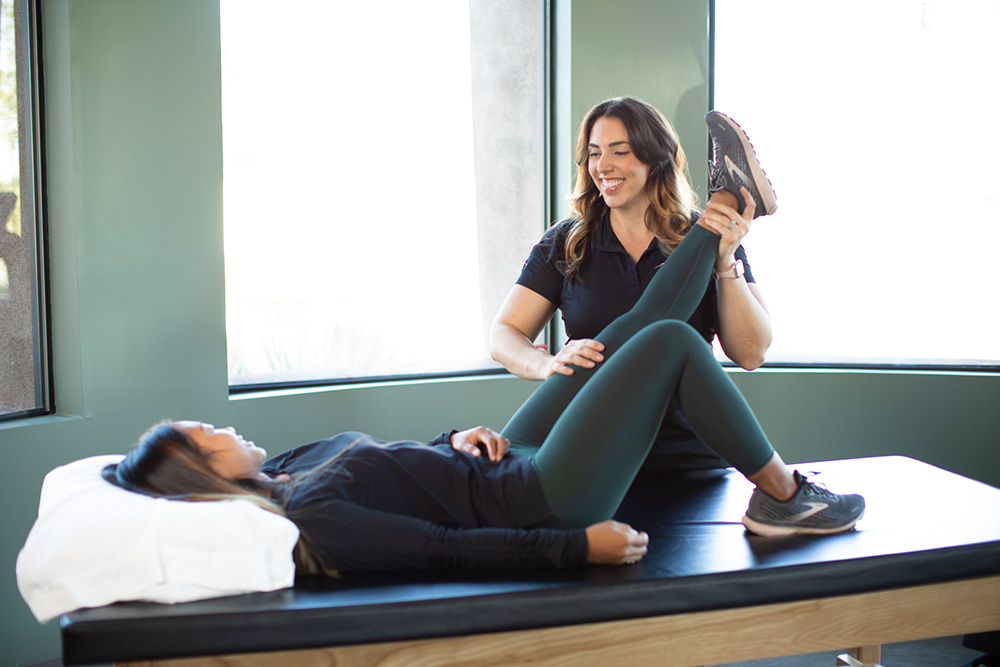
Physiotherapy offers the opportunity to reduce or eliminate pain through specific therapeutic exercises and hands-on manual therapy techniques. Additional treatments such as ultrasound, electrical stimulation, and taping techniques can also reduce pain during recovery.

Physiotherapy has come a long way in the past 20 to 25 years, as have the patients it helps. Due to costs and other factors, the goal now is to solve the problem as quickly as possible with as little use of health care as possible. PT allows the therapist to treat the cause of the pain early and begin rehabilitation by restoring the correct mechanisms that may be causing the pain.

A 2018 study analyzed 200,000 commercial and Medicare Advantage insurance beneficiaries seeking treatment for low back pain. It found that those who were initially referred by a physical therapist, chiropractor, or acupuncturist, compared to those who had an index visit by a primary care provider, reduced the likelihood of early opioid use by 85%-91% and long-term opioid use by 73% reduced. %-78%.
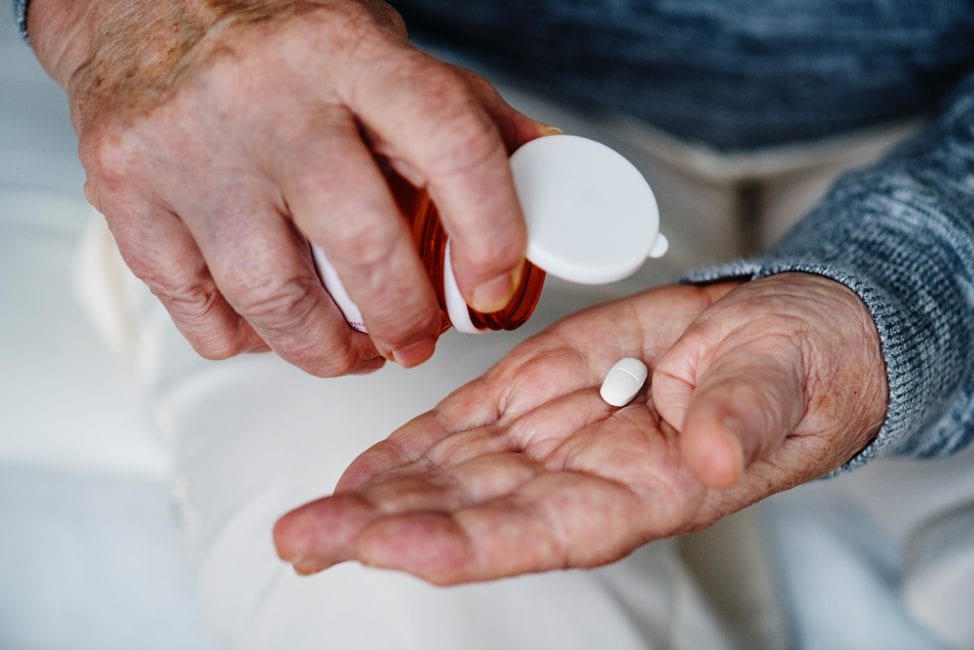
Physical therapy can provide a pain management alternative to opioid use.

2. Savings on diagnostics

Being able to go straight to physiotherapy is cost-effective. For example, a patient avoids paying to see a doctor for a referral, and the doctor may order expensive diagnostic tests before determining that PT is the appropriate treatment method. A qualified therapist will work to avoid unnecessary diagnostics during your recovery, which can increase out-of-pocket costs and affect your long-term well-being. They will also work with your doctor to explore pre-surgery, post-surgery, and non-surgery options for a full recovery.

If physical therapy can address the reasons contributing to the pain, in many cases you can avoid surgery altogether. If you do need surgery, preoperative physical therapy can improve mobility and strength and help you get into better shape, allowing you to recover from surgery faster and with better results more easily with postoperative physical therapy.

When we look at patients who went to physical therapy first, there was an average savings of over $250 in one study and over $1,000 in another. Overall, there were significant savings across the board with less imaging, less medication, and even less treatment.
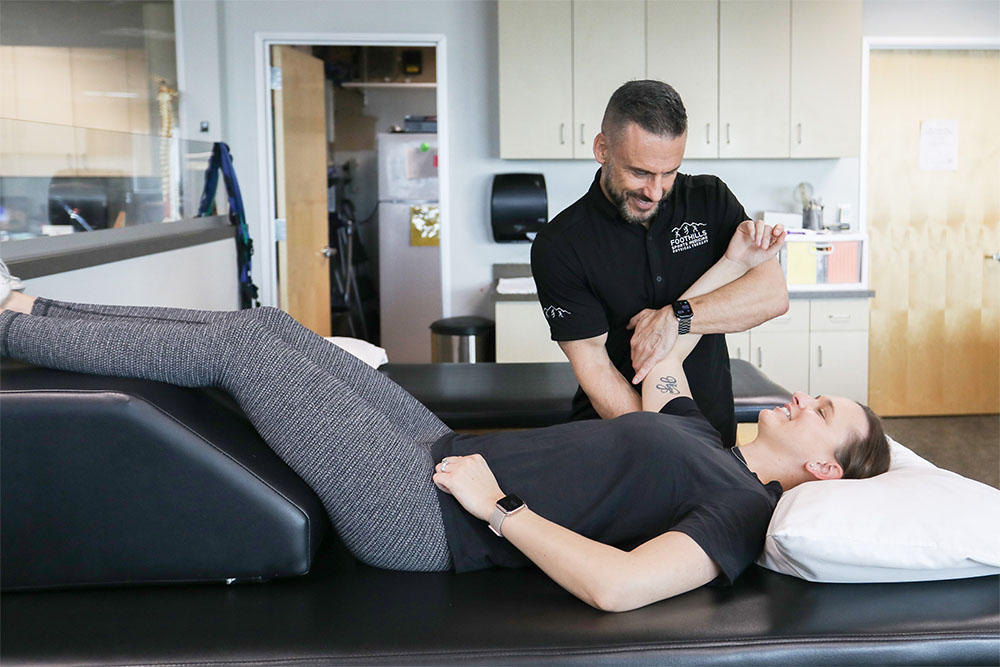
FH Injury Prevention Blog 1 1

3. Improve mobility.

If you have difficulty standing, walking, or with transitions, such as moving from a sitting to a standing position, exercises to improve flexibility and strength can improve your ability to move more easily, making daily activities more enjoyable. Physical therapists can help you identify areas where you’re not moving correctly, predisposing you to future injuries, and correcting those movements to keep you injury-free. A PT can also instruct and fit you for an assistive device such as a cane, crutches, or other aids designed to improve your mobility.

PTs are also trained to recognize when physical therapy is needed not the correct or best first course of action and can point patients in the best direction. The physician-PT team is still the standard in treating musculoskeletal problems and guiding people with pain to a full recovery.

The search for full recovery is a journey without shortcuts and without a finish line. A journey that will lead to astonishing and satisfying results. At Foothills Sports Medicine Physical Therapy, our therapists embrace the journey. We take you, your pain and your full recovery seriously and do not believe that a good enough recovery is good enough. We strive to do everything we can to help you regain your full, healthy life.

If you have questions about immediate access to physical therapy, contact the Foothills Sports Medicine Physical Therapy clinic nearest you and schedule a free pain assessment.

Source link

Similar Posts

  • |

    Knee pain after sex

    What if a common physical sensation is quietly shaping the quality of our most private moments? This discomfort can feel isolating. It may make us pull back from our partner. The American Osteopathic Association notes that about one-third of Americans live with joint issues that hinder daily activities. knee pain after sex This statistic reflects a wider reality. When our bodies signal distress, it often echoes in our shared life. The ache isn’t just physical. It can create an invisible barrier to intimacy. We believe understanding is the first step toward change. By exploring the reasons behind this discomfort, we can make smart adjustments. Small changes to our routine can have a big impact. Our goal is to help you move from frustration to solution. Let’s look at how to protect your physical connection and ensure your experiences remain fulfilling and joyful. Key Takeaways Joint discomfort during intimate moments is a common issue that affects emotional and physical connection. Nearly one-third of adults in the U.S. report joint-related problems that impact their daily quality of life. This physical barrier can lead to avoiding closeness, which may strain a relationship. Identifying the root cause of the discomfort is a crucial proactive step toward improvement. Simple adjustments to routines and positions can help maintain a healthy and satisfying sex life. Open communication with your partner about physical limits is essential for mutual comfort. Seeking professional guidance can provide tailored strategies for long-term relief and enjoyment. Understanding Knee Pain After Sex It’s a reality for many: seeking closeness, only to be met with a sharp, distracting sensation. This discomfort has specific roots. Knowing them helps us adapt and find relief. Common Causes and Triggers Physical intimacy involves movement and pressure. These actions can strain the joint if it’s already sensitive. A sudden twist or prolonged kneeling might be the direct trigger. Interestingly, gentle motion can be helpful. Maiken Jacobs, an orthopedic patient educator, notes that moving a joint through its range of motion can release endorphins. This is good for your condition. Acute vs. Chronic Pain Explained We must distinguish between two main types. Acute discomfort often results from sudden injuries, like a sprain. It comes on quickly and usually fades with time and care. Chronic issues stem from long-term conditions. Osteoarthritis is a common example. This ongoing pain affects mobility and daily comfort for many people. Identifying which type you’re experiencing is the first step toward smart management. It guides our approach to maintaining a fulfilling connection. Preparing for Intimacy with Knee Sensitivity A little preparation can transform our intimate moments from a source of worry into a space of comfort and connection. We focus on simple, proactive steps that address physical sensitivity head-on. The Role of Warm Baths and Epsom Salts Starting with a warm bath is a powerful ritual. Adding Epsom salt helps soothe muscles and promotes deep relaxation. Taking a warm Epsom salt bath before intimacy can proactively ease joint discomfort and help you relax. Maiken Jacobs, Orthopedic Patient Educator This practice isn’t just solitary self-care. Turning it into a shared, sensual experience with our partner helps us both unwind and set the right mood. preparing for intimacy with knee sensitivity Pre-medicating and Managing Stress Stress tightens our bodies and can heighten our perception of discomfort. Managing tension is therefore a vital part of our preparation. If we’re concerned about potential aches, seeking information from a doctor is wise. They can advise on the ideal timing for taking an anti-inflammatory to maintain comfort. Proactive planning, like using a heating pad beforehand, ensures our focus stays on connection. Preparation Method Primary Benefit Key Consideration Warm Epsom Salt Bath Soothes muscles & promotes relaxation Can be a shared ritual with a partner Consulting a Doctor Personalized timing for medication Provides expert guidance for safety Stress Management Reduces tension that worsens discomfort Includes deep breathing or meditation…

  • Effective Exercises for Patellar Tendonitis Treatment

    Patellar tendonitis, also known as jumper’s knee, is a condition that causes pain in the tendon beneath the kneecap. It is commonly seen in individuals who participate in jumping activities and can significantly impact the ability to exercise, play sports, or perform daily activities. Physical therapy is often prescribed for the treatment of patellar tendonitis,…

  • Exploring Knee Brace Differences for Optimal Support

    Welcome to our comprehensive guide on knee brace differences and how to choose the right knee brace for optimal support. Whether you’re recovering from an injury, dealing with a chronic knee condition, or simply looking for added stability during physical activities, understanding the various types, features, and benefits of knee braces is essential. With so…

  • Understanding Robotic Knee Surgery: What You Need to Know

    Robotic knee surgery is a cutting-edge medical procedure that has revolutionized the field of orthopedics. This article aims to provide a comprehensive understanding of robotic knee surgery, covering its historical development, procedural details, benefits, risks, patient considerations, and eligibility criteria. Key Takeaways Robotic knee surgery has evolved significantly over the years, leading to improved precision…

  • | |

    Knee Tendonitis Treatment Options for Athletes

    Are you an athlete struggling with knee pain that’s slowing you down? You might be facing knee tendonitis, a common issue that can be tough. We’re here to look at the different ways athletes can get help with this problem. Knee tendonitis, also known as jumper’s knee, is common in athletes who jump a lot….

  • Sinding-Larsen-Johansson syndrome: knee pain in growing kids, causes, diagnosis, and treatment in 2026

    Sinding-Larsen-Johansson syndrome is a common source of knee pain in children and teens, and it can feel alarming when knee hurt shows up during everyday play. Did you know that conservative treatment can lead to positive outcomes within about 2 to 8 months, according to a recent scoping review? Key Takeaways What to know Why…

2 Comments

Leave a Reply

Your email address will not be published. Required fields are marked *