Understanding Knee Pain Just Below the Knee Cap: Causes and Treatments
Knee pain just below the knee cap can be a real bother. It can stop you from doing the things you love. Knowing what causes this pain and how to treat it can help you get back to your normal activities. This article will explain the common causes, symptoms, and treatments for this type of knee pain. It will also tell you how to prevent it and when to see a doctor.
Key Takeaways
- Knee pain below the knee cap can be caused by different conditions like patellar tendinitis, Osgood-Schlatter disease, and chondromalacia patella.
- Symptoms of this pain include discomfort during physical activities, swelling, tenderness, and trouble moving the knee.
- Doctors use physical exams, imaging tests, and medical history reviews to find out what’s causing the pain.
- Non-surgical treatments include physical therapy, medications, and changes in lifestyle, while severe cases might need surgery.
- Preventive steps like proper warm-up, strengthening exercises, and wearing the right shoes can help avoid knee pain.
Common Causes of Knee Pain Just Below the Knee Cap
Patellar Tendinitis
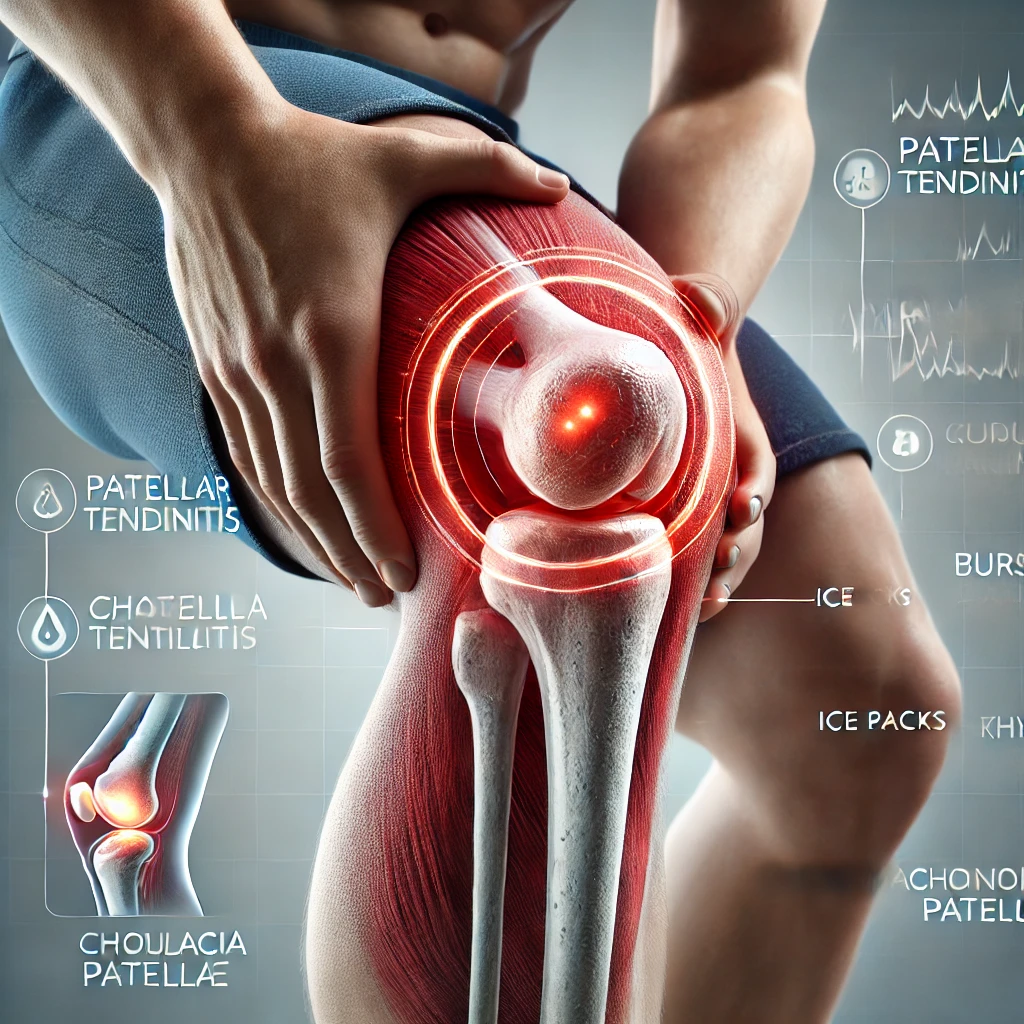
Patellar tendinitis, often called jumper’s knee, is a common cause of pain just below the knee cap. This condition happens when the tendon connecting the kneecap to the shinbone gets inflamed. Athletes who do a lot of jumping or running are more likely to get this injury. The pain usually gets worse with physical activity.
Osgood-Schlatter Disease
Osgood-Schlatter disease is another reason for knee pain below the knee cap. It mostly affects kids and teens who are growing fast. The pain comes from swelling and irritation at the top of the shinbone, where the patellar tendon attaches. This condition often happens during growth spurts and can be very painful.
Chondromalacia Patella
Chondromalacia patella is when the cartilage under the kneecap gets soft or wears down. This can cause pain and a grinding feeling when moving the knee. People who do a lot of knee-bending activities, like running or squatting, are more likely to have this problem. Rest and physical therapy can help manage the symptoms.
If you have knee pain that doesn’t go away, it’s important to see a doctor. They can help find out what’s causing the pain and suggest the best treatment.
Symptoms Associated with Knee Pain Below the Knee Cap
Pain During Physical Activity
Feeling pain just below the knee cap is common during physical activities like running, jumping, or climbing stairs. This pain often worsens with more intense activities and can make it hard to continue exercising.
Swelling and Tenderness
Swelling around the knee cap area is another symptom. The area might feel tender to the touch, and you may notice it looks puffier than usual. This swelling can make it uncomfortable to move the knee.
Difficulty in Knee Movement
Having trouble moving your knee smoothly is a sign of pain below the knee cap. You might find it hard to bend or straighten your knee fully. This can affect daily activities like walking, sitting, or standing up.
If you experience any of these symptoms, it’s important to pay attention to your body and consider seeing a doctor for advice.
Diagnosing Knee Pain Below the Knee Cap
Physical Examination
A doctor will start by looking at your knee. They will check for any swelling, tenderness, or unusual movements. They might ask you to move your knee in different ways to see what hurts.
Imaging Tests
Sometimes, doctors need to see inside your knee. They might use X-rays, MRIs, or CT scans. These tests help them find out if there are any problems with the bones or tissues.
Medical History Review
Your doctor will ask about your past health. They will want to know if you have had any injuries or illnesses before. This helps them understand why your knee hurts now.
It’s important to tell your doctor everything about your knee pain. This will help them find the best way to treat it.
Non-Surgical Treatments for Knee Pain Below the Knee Cap
Physical Therapy
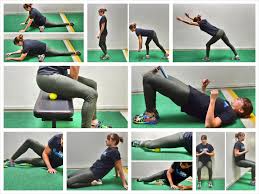
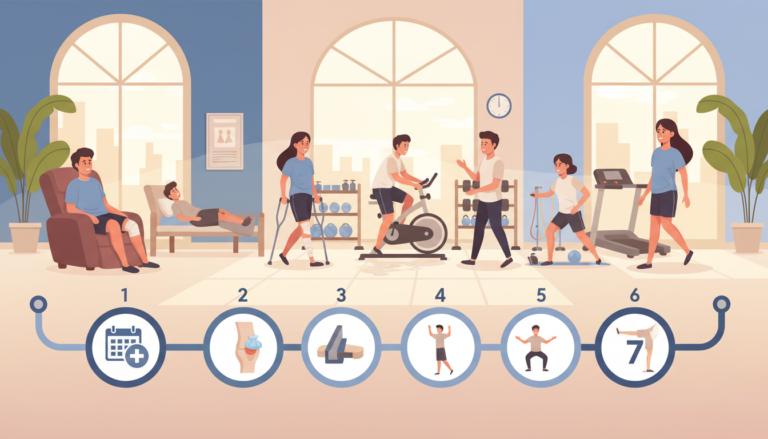
Physical therapy is often the first step in treating knee pain below the knee cap. A therapist will guide you through exercises that strengthen the muscles around your knee, improving stability and reducing pain. Regular sessions can make a big difference in your recovery.
Medications
Over-the-counter pain relievers like ibuprofen or acetaminophen can help manage pain and reduce inflammation. In some cases, your doctor might prescribe stronger medications. Always follow the dosage instructions to avoid side effects.
Lifestyle Modifications
Making changes to your daily routine can also help. This might include losing weight to reduce stress on your knees, wearing supportive footwear, and avoiding activities that worsen the pain. Simple adjustments can lead to significant improvements in your knee health.
Consistency in following these non-surgical treatments can greatly enhance your quality of life and help you avoid more invasive procedures.
Surgical Options for Severe Knee Pain Below the Knee Cap
Arthroscopy
Arthroscopy is a minimally invasive surgery where a small camera is inserted into the knee joint. This allows the surgeon to see inside the knee and fix any problems. This procedure often results in quicker recovery times compared to traditional surgery.
Realignment Procedures
Realignment procedures are done to correct the position of the kneecap. This helps to reduce pain and improve function. These surgeries can be more complex and may require a longer recovery period.
Cartilage Restoration
Cartilage restoration aims to repair or replace damaged cartilage in the knee. This can involve different techniques, such as grafting new cartilage into the knee. Successful cartilage restoration can significantly improve knee function and reduce pain.
For those suffering from severe knee pain, surgical options can offer a path to relief and improved quality of life. Always consult with a healthcare professional to determine the best course of action.
Preventive Measures to Avoid Knee Pain Below the Knee Cap
Proper Warm-Up Techniques
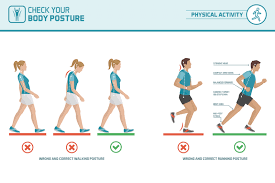
Before engaging in any physical activity, it’s crucial to perform a proper warm-up. This helps prepare your muscles and joints for the exercise ahead. A good warm-up can reduce the risk of injury and improve your overall performance. Spend at least 5-10 minutes on light aerobic exercises like jogging or brisk walking, followed by dynamic stretches.
Strengthening Exercises
Strengthening the muscles around your knee can provide better support and reduce the strain on your knee cap. Focus on exercises that target your quadriceps, hamstrings, and calves. Simple exercises like squats, lunges, and leg presses can be very effective. Aim to include these exercises in your routine at least 2-3 times a week.
Appropriate Footwear
Wearing the right shoes is essential for preventing knee pain. Choose footwear that offers good arch support and cushioning. Avoid wearing worn-out shoes, as they can lead to improper alignment and increase the risk of knee injuries. If you participate in specific sports, consider getting sport-specific shoes designed to provide the necessary support and protection.
Taking these preventive measures seriously can help you avoid knee pain and maintain an active lifestyle. Remember, it’s always better to prevent an injury than to treat one.
When to Seek Medical Attention for Knee Pain Below the Knee Cap
Persistent Pain
If knee pain doesn’t go away after a few days of rest and home care, it might be time to see a doctor. Ignoring ongoing pain can lead to more serious issues. It’s important to get a professional opinion to avoid long-term damage.
Inability to Bear Weight
When you can’t put weight on your knee without feeling pain, it’s a clear sign that something is wrong. This could mean a serious injury that needs medical attention. Don’t try to push through the pain; instead, get it checked out.
Signs of Infection
If your knee is red, warm, and swollen, you might have an infection. Other signs include fever and chills. Infections can get worse quickly, so it’s important to see a doctor right away if you notice these symptoms.
It’s always better to be safe than sorry. If you’re unsure about your knee pain, a quick visit to the doctor can give you peace of mind and help you get back to your normal activities faster.
Conclusion
Knee pain just below the knee cap can be a real bother, but understanding its causes and treatments can help you manage it better. Whether it’s due to overuse, an injury, or a medical condition, knowing what you’re dealing with is the first step. Simple treatments like rest, ice, and exercises can often make a big difference. But if the pain doesn’t go away, it’s important to see a doctor. Taking care of your knees now can help you stay active and healthy in the future.
Frequently Asked Questions
What causes pain just below the knee cap?
Pain just below the knee cap can be caused by conditions like patellar tendinitis, Osgood-Schlatter disease, or chondromalacia patella.
What are common symptoms of knee pain below the knee cap?
Common symptoms include pain during physical activity, swelling and tenderness, and difficulty moving the knee.
How is knee pain below the knee cap diagnosed?
Doctors diagnose this type of knee pain through physical exams, imaging tests like X-rays, and reviewing your medical history.
What are non-surgical treatments for knee pain below the knee cap?
Non-surgical treatments include physical therapy, medications, and lifestyle changes like avoiding activities that cause pain.
When should I see a doctor for knee pain below the knee cap?
You should see a doctor if you have persistent pain, can’t bear weight on your knee, or notice signs of infection like redness and warmth.
How can I prevent knee pain below the knee cap?
You can prevent this kind of knee pain by doing proper warm-ups, strengthening exercises, and wearing the right footwear.