Joint pain Arthritis and tendon problems
| |

Regain mobility and comfort with joint replacement surgery
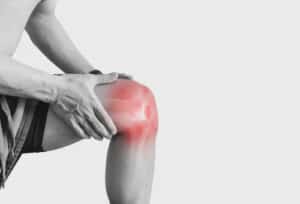
 

Joint pain Arthritis and tendon problems Chronic pain and joint instability can significantly affect your quality of life. Joint replacement surgery may be the answer when physical therapy and non-surgical treatment options fail to provide relief. Bone & Joint Specialists Orthopedic Center, with four convenient locations in Indiana, offers comprehensive joint replacement solutions to help you regain an active, pain-free lifestyle.

What is joint replacement surgery?

Joint replacement surgery involves replacing damaged or arthritic joint parts with a biocompatible ceramic, plastic, or metal prosthesis. The purpose of the prosthesis is to imitate the natural motion and movement of the joint. Common joint replacements include knees and hips, but the surgery can also be performed on the elbow, shoulder, wrist and ankle.

Who is an ideal candidate for joint replacement surgery?

Joint replacement surgery often becomes necessary when nonsurgical treatments, such as activity changes, medications, and physical therapy, have failed to provide adequate relief and mobility. Your orthopedic specialist will discuss your condition, medical history, and relevant health factors to determine if joint replacement surgery is right for you.

Risks and benefits of joint replacement surgery

There are risks associated with joint replacement surgery, such as:

  • Infection
  • Bleed
  • Nerve damage
  • Blood clots

Although there are risks, the benefits usually far outweigh these risks. Most patients experience significant improvements in comfort and mobility, with the new joint achieving nearly 100 percent of its range of motion.

The joint replacement surgery procedure explained

Joint replacement surgeries are usually performed on an outpatient basis under general anesthesia. The surgeon will replace the damaged bone and cartilage with the correct prosthesis. Before surgery, your doctor will provide details about the procedure, including the locations of the incision and the expected duration of the surgery.

Recovery and aftercare for joint replacement surgeries

Recovery from joint replacement surgery usually takes four to six weeks. Shortly after the operation you will start walking short distances, initially with a walker or walking stick. You will eventually walk without assistance as you progress through your physical therapy program. Physical therapy begins as early as the day after surgery and should be continued between therapy sessions as your therapist recommends. A follow-up visit with your surgeon will take place six weeks after the procedure.

Schedule a consultation

If you are experiencing joint pain and conservative treatments do not provide relief, contact Bone & Joint Specialists Orthopedic Center at 219.795.3360. We proudly serve patients in Highland, Hobart, Merrillville and Valparaiso, IN.
Source link

Similar Posts

  • |

    Best knee massager (Nooro, Comfier)

    What if the key to managing daily discomfort wasn’t another pill, but a device you could use at home? Joint issues are incredibly common. Millions of Americans, from active athletes to aging adults, deal with this challenge every day. For many, it’s a barrier to an active and fulfilling life. The search for non-invasive, drug-free solutions is more urgent than ever. This has fueled rapid growth in home-based therapeutic technology. People want effective tools that fit into their daily routine. We created this guide to cut through the noise. Our goal is to help you find a supportive device that addresses your specific situation. Whether it’s chronic arthritis or post-operative recovery, the right technology can make a significant difference. knee pain relief device Key Takeaways Knee discomfort is a widespread issue affecting a diverse group, including seniors and sports enthusiasts. There is a strong and growing demand for at-home, non-pharmaceutical solutions for joint health. Modern therapeutic devices are designed to provide targeted support for various types of joint-related challenges. Choosing the correct tool requires understanding your individual needs and recovery goals. This analysis offers an objective look at popular models to help you make a confident, informed decision. Overview of the Nooro Knee Massager and Its Features Imagine a compact, therapeutic tool that wraps around your joint, delivering soothing relief exactly where you need it. This unit is engineered for those dealing with stiffness, soreness, or circulation challenges. Its lightweight and portable design makes it simple to use at home or on the go. The product combines three distinct modalities—heat, red light, and vibration—in one integrated system. “Having multiple therapies in a single, easy-to-use device transforms daily joint care from a chore into a simple routine.” Users appreciate the adjustable straps that secure the unit for a customized fit. An intuitive LED touchscreen provides clear control over various intensity levels. This focus on personalized settings allows individuals to tailor each session to their specific comfort and therapeutic needs. Safety and convenience are paramount, with a built-in rechargeable battery and an automatic shutoff timer. Attribute Description Therapy Modes Heat, Red Light, Vibration Control Interface LED Touchscreen Power Source Rechargeable Lithium Battery Safety Feature Automatic Timer Shutoff Portability Lightweight, Adjustable Straps This device designed for home use addresses a wide range of discomforts. Its thoughtful features promote consistent use for managing joint health. Understanding the Technology Behind the Massager Understanding how a therapeutic device works can help users maximize its benefits for joint health. This unit combines three distinct modalities into one seamless system. Each technology targets a different aspect of discomfort. Together, they create a comprehensive approach to relief. Red Light and Infrared Technology Benefits This therapy uses both red and near-infrared light. It penetrates the skin to stimulate cellular repair at a deep level. The process helps reduce inflammation and supports overall joint health. It’s a non-invasive way to encourage the body’s natural healing. Heat Therapy and Vibration Mechanisms Heat therapy provides deep, soothing warmth to the area. It relaxes tight muscles and improves local blood flow. The vibration function targets the surrounding muscle tissue. It helps relieve tension and reduce feelings of stiffness. “The combination of heat, light, and vibration addresses discomfort from multiple angles, which is far more effective than any single method alone.” Therapy Type Primary Benefit Key Mechanism Red Light & Infrared Reduces Inflammation Stimulates Cellular Repair Heat Therapy Improves Circulation Provides Deep Muscular Warmth Vibration Massage Relieves Muscle Tension Targets Surrounding Tissue…

  • Understanding the Diagnosis of Knee Pain

    Knee pain is a common condition that can affect people of all ages. It can be caused by various factors, such as osteoarthritis, rheumatoid arthritis, meniscus tear, or ACL injury. Diagnosing knee pain involves a thorough medical history, physical examination, and diagnostic tests. Treatment options for knee pain include medications, physical therapy, and surgery. To…

  • |

    RA patients in remission should continue taking TNF inhibitors to prevent flare-ups, the study found

    New research at ACR Convergence 2023, the annual meeting of the American College of Rheumatology (ACR), found that patients with rheumatoid arthritis (RA) in sustained remission who stopped taking TNF inhibitors (TNFi) had significantly more flares and lower Boolean 2.0 remission rates compared to those who continued treatment. Boolean 2.0 is a revised definition for…

  • CDC HEADS UP program increases concussion knowledge and injury communication

      Randomized evaluation of CDC HEADS UP concussion education materials for youth sports coaches. Kroshus E, Zhou H, Ledsky R, Sarmiento K, DePadilla LJ Neurotrauma. January 24, 2023. doi: 10.1089/neu.2022.0504. E-publishing prior to printing. PMID: 36694461. https://pubmed.ncbi.nlm.nih.gov/36694461/ Take home message After youth sports coaches were introduced to the Centers for Disease Control and Prevention (CDC)…

2 Comments

Leave a Reply

Your email address will not be published. Required fields are marked *