What to Do When Your Knee Cap Hurts When You Bend It
Knee cap pain when bending can be a real problem, making it hard to do everyday things like walking, climbing stairs, or even just sitting down. This pain can come from different causes, which means there’s no one-size-fits-all solution. In this article, we’ll explore the common reasons for knee cap pain, how to figure out what’s causing it, and what you can do to feel better. We’ll also look at when it’s time to see a doctor and what treatments they might suggest. Finally, we’ll give you some tips on how to keep your knees healthy in the future.
Key Takeaways
- Knee cap pain when bending can be caused by things like patellar tendinitis, chondromalacia patella, and osteoarthritis.
- To find out what’s causing your knee cap pain, doctors might do a physical exam, ask about your medical history, and use imaging tests.
- Simple home remedies like resting, using ice, and taking over-the-counter painkillers can help ease the pain.
- Exercises that strengthen your quadriceps and stretch your hamstrings can help reduce knee cap pain.
- If your knee cap pain doesn’t go away, gets worse, or makes it hard to walk, it’s important to see a doctor.
Common Causes of Knee Cap Pain When Bending
Patellar Tendinitis
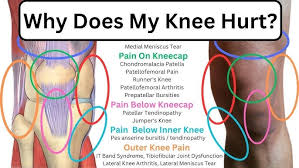
Patellar tendinitis is a common cause of knee cap pain, especially in athletes. This condition happens when the tendon connecting the kneecap to the shinbone gets inflamed. Overuse from activities like jumping or running can lead to this inflammation. Symptoms include pain and swelling around the kneecap.
Chondromalacia Patella
Chondromalacia patella occurs when the cartilage under the kneecap softens and breaks down. This can cause pain when bending the knee. Activities like squatting or climbing stairs can make the pain worse. Weak thigh muscles can also contribute to this condition.
Osteoarthritis
Osteoarthritis is a type of arthritis that affects the knee joint. It happens when the cartilage that cushions the bones wears away. This can lead to pain, stiffness, and swelling. Osteoarthritis is more common in older adults and can make bending the knee very painful.
If you experience knee cap pain when bending, it’s important to understand the cause to find the right treatment. Ignoring the pain can lead to more serious issues later on.
Diagnosing Knee Cap Pain
Physical Examination
A doctor will start by looking at your knee. They will check for swelling, redness, and warmth. They might also move your knee in different ways to see what hurts. This helps them understand where the pain is coming from.
Imaging Tests
Sometimes, a doctor needs to see inside your knee. They might use X-rays, MRIs, or CT scans. These tests show if there are any problems with the bones or tissues. Imaging tests can help find issues that are not visible from the outside.
Medical History
Your doctor will ask about your past health. They will want to know if you have had knee injuries before. They will also ask about your daily activities and any sports you play. This information helps them figure out why your knee hurts.
Getting the right diagnosis is important. It helps in planning the best treatment for your knee pain.
Home Remedies for Knee Cap Pain
Rest and Ice
When your knee cap hurts, the first thing you should do is rest. Avoid activities that make the pain worse. Applying ice to the knee can help reduce swelling and numb the pain. Do this for 15-20 minutes every few hours.
Compression and Elevation
Using a compression bandage can help keep the swelling down. Make sure it’s not too tight. Elevate your leg when you can, ideally above the level of your heart. This helps reduce swelling and improves blood flow.
Over-the-Counter Pain Relievers
Over-the-counter pain relievers like ibuprofen or acetaminophen can help manage the pain. Always follow the dosage instructions on the package. If the pain persists, consult a doctor.
Sometimes, simple home remedies can make a big difference in managing knee cap pain. Rest, ice, compression, and elevation are easy steps you can take at home to feel better.
Exercises to Alleviate Knee Cap Pain
Quadriceps Strengthening
Strengthening your quadriceps can help support your knee cap and reduce pain. Simple exercises like leg raises can be very effective. Try to do these exercises regularly to see improvement.
Hamstring Stretches
Stretching your hamstrings can relieve tension around your knee. Sit on the floor with one leg extended and reach for your toes. Hold the stretch for about 20 seconds and repeat a few times.
Low-Impact Aerobic Exercises
Low-impact exercises like swimming or cycling are great for keeping your knees active without putting too much strain on them. These activities can help improve your overall knee health and reduce pain.
When to See a Doctor for Knee Cap Pain
Persistent Pain
If your knee cap pain doesn’t go away after a few days of rest and home care, it’s time to see a doctor. Persistent pain can be a sign of a more serious problem that needs medical attention.
Swelling and Redness
When your knee is swollen or red, it could mean there’s an infection or inflammation. If you notice these symptoms, it’s important to get medical help right away.
Difficulty Walking
Having trouble walking or putting weight on your knee is a clear sign that you should see a doctor. This could be due to a serious injury or condition that needs treatment.
If your knee cap hurts and you can’t find relief, don’t wait too long to seek help. Early diagnosis and treatment can prevent further damage and help you get back to your normal activities sooner.
Medical Treatments for Knee Cap Pain

When home remedies and exercises don’t work, medical treatments might be needed to ease knee cap pain. Physical therapy is often the first step. A therapist can guide you through exercises that strengthen the muscles around your knee, helping to reduce pain and improve movement.
Medications can also help. Over-the-counter pain relievers like ibuprofen or acetaminophen can be useful. In some cases, doctors might prescribe stronger medications or even injections to reduce inflammation and pain.
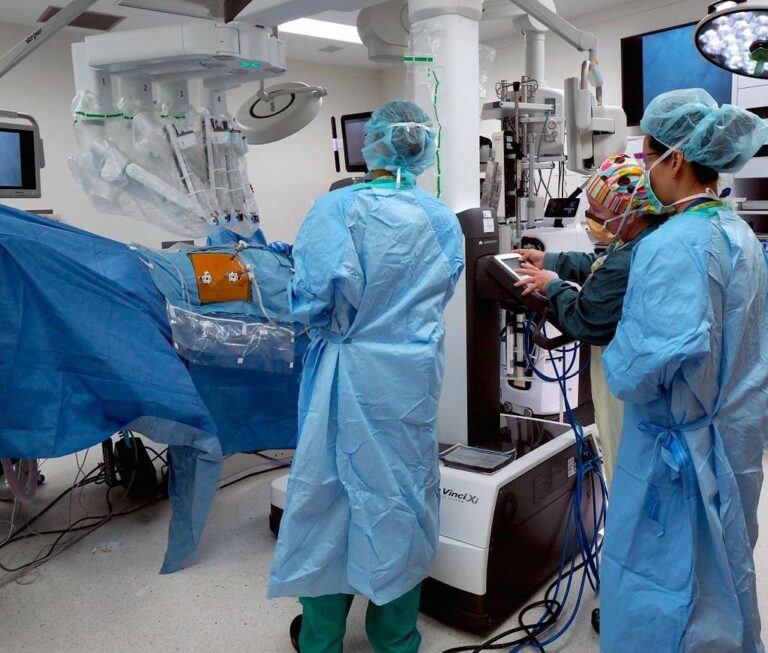
If other treatments don’t work, surgery might be an option. There are different types of surgeries, depending on the cause of your pain. Some surgeries clean up damaged tissue, while others might realign your knee cap to reduce pain and improve function.
Preventing Knee Cap Pain in the Future
Proper Warm-Up Techniques
Before engaging in any physical activity, it’s crucial to warm up properly. A good warm-up increases blood flow to your muscles, making them more flexible and less prone to injury. Spend at least 5-10 minutes doing light aerobic exercises like walking or jogging, followed by dynamic stretches.
Strength Training
Building strong muscles around your knee can help support and protect your knee cap. Focus on exercises that strengthen your quadriceps, hamstrings, and calves. Incorporate both bodyweight exercises and resistance training into your routine. Aim to work out these muscle groups at least twice a week.
Footwear and Orthotics
Wearing the right shoes can make a big difference in preventing knee cap pain. Choose footwear that provides good arch support and cushioning. If you have flat feet or other foot issues, consider using orthotic inserts. These can help align your feet properly, reducing stress on your knees.
Taking care of your knees today can save you from pain and discomfort in the future. Make these preventive measures a part of your daily routine to keep your knees healthy and strong.
Conclusion
Dealing with knee pain when you bend it can be tough, but there are ways to help. Start by figuring out what’s causing the pain. It could be from an injury, overuse, or something else. Once you know, you can try different treatments like rest, ice, or exercises. If the pain doesn’t go away, it’s important to see a doctor. They can give you the right advice and treatment. Remember, taking care of your knees now can help you stay active and healthy in the future.
Frequently Asked Questions
What are the common causes of knee cap pain when bending?
Common causes include patellar tendinitis, chondromalacia patella, and osteoarthritis.
How is knee cap pain diagnosed?
Doctors diagnose knee cap pain through physical examination, imaging tests, and reviewing your medical history.
What home remedies can help with knee cap pain?
Resting, applying ice, using compression and elevation, and taking over-the-counter pain relievers can help.
What exercises can relieve knee cap pain?
Exercises like quadriceps strengthening, hamstring stretches, and low-impact aerobic exercises can help.
When should I see a doctor for knee cap pain?
You should see a doctor if you have persistent pain, swelling and redness, or difficulty walking.
What medical treatments are available for knee cap pain?
Medical treatments include physical therapy, medications, and sometimes surgical options.