Non-surgical meniscus tear recovery
Are you one of the millions of people suffering from a meniscus tear, wondering if surgery is the only way to find relief? We understand that a meniscus injury can be debilitating, affecting not just your knee but your overall quality of life.
Fortunately, there are alternative approaches to managing and recovering from a meniscus tear without resorting to surgery. Our focus is on exploring these non-invasive methods that can help alleviate pain and restore knee function.
We will delve into the various treatment options available, providing insights into effective recovery strategies.
Key Takeaways
- Understanding meniscus tears and their impact
- Exploring non-surgical treatment options
- The role of physical therapy in recovery
- Managing pain without surgery
- Rehabilitation strategies for optimal recovery
Understanding Meniscus Tears and Their Impact
To address meniscus tears effectively, it’s vital to understand their causes and implications. Meniscus tears are a prevalent knee injury that can significantly impact an individual’s quality of life.
What Is the Meniscus and How Does It Function?
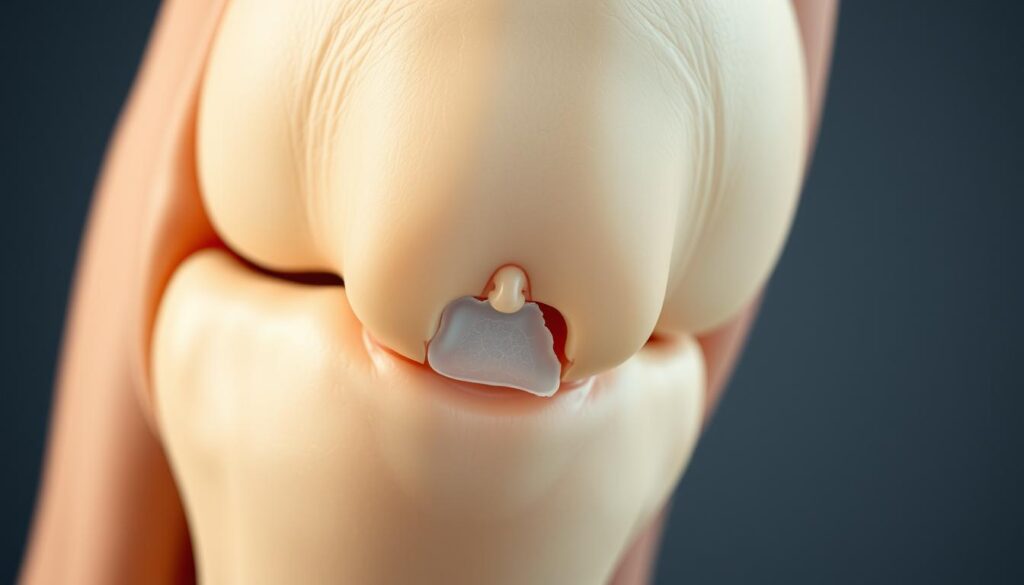
The meniscus is a piece of cartilage in the knee that cushions and stabilizes the joint. It acts as a shock absorber between the bones, facilitating smooth movement and reducing friction. A healthy meniscus is crucial for maintaining knee health and preventing conditions such as osteoarthritis.
The meniscus is a semilunar cartilage structure in the knee joint. There are two menisci in each knee, one medial (inner aspect) and one lateral (outer aspect). They are crucial for load transmission, shock absorption, and stability of the knee. The meniscus also plays a role in proprioception (the sense of the relative position of neighboring parts of the body).
Common Causes of Meniscus Tears
Meniscus tears can occur due to various reasons. Traumatic injuries, such as sudden twists or bends, are common causes. Degenerative changes over time, especially in older adults, can also lead to meniscus tears. Other factors include sports injuries, poor knee alignment, and repetitive strain on the knee joint.
Some common causes include:
- A sudden twist or bend
- Degenerative changes over time
- Sports injuries
Types of Meniscus Tears and Their Severity
Meniscus tears can be classified based on their location, size, and pattern. Vertical, horizontal, and complex tears are some of the types. The severity of the tear can impact the treatment approach and recovery time. Understanding the type and severity is crucial for determining the best course of action.
| Type of Tear | Description | Typical Treatment |
|---|---|---|
| Vertical Tear | A tear that occurs vertically in the meniscus | Often treated with conservative management or arthroscopic surgery |
| Horizontal Tear | A tear that occurs horizontally, often due to degenerative changes | May be treated with conservative management or surgery, depending on symptoms |
| Complex Tear | A combination of different tear patterns | Often requires surgical intervention |
“The meniscus plays a vital role in knee health, and injuries to it can have significant implications for mobility and quality of life.”
Recognizing Symptoms and Getting Diagnosed
Meniscus tears often present with distinct symptoms that necessitate a thorough diagnosis. We will explore the key signs that may indicate a meniscus tear and the diagnostic processes involved.
Key Signs You May Have a Meniscus Tear
A meniscus tear can cause several noticeable symptoms. Common signs include pain, especially when twisting or rotating the knee, swelling, and stiffness. Some people may also experience a locking or catching sensation in the knee.
Other indicators can be a feeling of instability or weakness in the knee, making it difficult to perform daily activities or sports. If you’re experiencing any of these symptoms, it’s essential to consider the possibility of a meniscus tear.
Diagnostic Process and Tests
Diagnosing a meniscus tear typically involves a combination of physical examination and imaging tests. A healthcare professional may perform tests such as the McMurray test to assess knee function and pain response.
Imaging tests like MRI (Magnetic Resonance Imaging) are commonly used to confirm the diagnosis by providing detailed images of the knee structures.
When to Seek Medical Attention
If you’re experiencing persistent knee pain, swelling, or limited mobility, it’s crucial to seek medical attention. Early diagnosis and treatment can significantly improve recovery outcomes.
For more detailed information on meniscus injuries, you can refer to our comprehensive guide on medial and lateral meniscus injuries.
| Symptom | Description |
|---|---|
| Pain | Especially when twisting or rotating the knee |
| Swelling | Inflammation around the knee area |
| Stiffness | Reduced mobility or flexibility in the knee |
7. Non-surgical Meniscus Tear Recovery Options
Meniscus tear recovery doesn’t always require surgery; several non-surgical methods can be effective. We will explore these options in detail, providing insights into how they can aid in the recovery process.
The RICE Method: Rest, Ice, Compression, and Elevation
The RICE method is a widely recognized approach for managing injuries such as meniscus tears. It involves giving the knee rest to prevent further injury, applying ice to reduce pain and inflammation, using compression to help reduce swelling, and keeping the knee in an elevated position to improve blood flow.
By following the RICE method, individuals can significantly alleviate the initial symptoms of a meniscus tear. It’s a simple yet effective first step in the recovery process.
Medications for Pain and Inflammation Management
For managing pain and inflammation associated with meniscus tears, various medications can be prescribed or recommended over-the-counter. These include nonsteroidal anti-inflammatory drugs (NSAIDs) like ibuprofen, which can help reduce both pain and inflammation.
It’s essential to consult with a healthcare professional before starting any medication regimen to ensure the chosen medication is appropriate and safe for individual use. For more detailed information on treatment options, you can visit https://kneehurt.com/treatment-options-for-traumatic-knee-injury-a-professional-overview/.
Supportive Devices and Mobility Aids
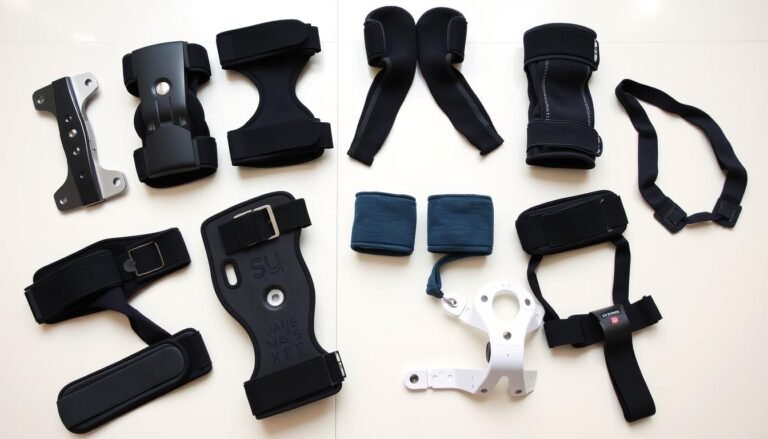
Supportive devices and mobility aids play a crucial role in the non-surgical recovery process for meniscus tears. These can include knee braces to provide stability, crutches to reduce weight-bearing stress on the knee, and orthotics to correct any biomechanical issues that may have contributed to the injury.
By utilizing these devices, individuals can protect the knee during the healing process, reduce pain, and improve mobility. It’s advisable to consult with a healthcare professional to determine the most appropriate devices for individual needs.
Physical Therapy and Rehabilitation Exercises
A well-structured physical therapy program is vital for effective non-surgical meniscus tear recovery, incorporating various exercises tailored to individual needs. This comprehensive approach ensures that the knee regains its strength, flexibility, and range of motion.
Strengthening the Muscles Around Your Knee
Strengthening the muscles around the knee is crucial for supporting the joint and enhancing its stability. Exercises such as squats, lunges, and leg press are commonly recommended. It’s essential to start with low-intensity exercises and gradually increase the intensity to avoid further injury.
We can also incorporate specific exercises like straight leg raises and hamstring curls to target the muscles around the knee without putting excessive strain on the meniscus.
Improving Flexibility and Range of Motion
Improving flexibility and range of motion is another critical aspect of rehabilitation. Gentle stretching exercises can help maintain or improve knee mobility. Regular practice of these exercises can significantly reduce stiffness and improve overall knee function.
Activities such as cycling on a stationary bike or using an elliptical machine can also be beneficial, as they promote knee movement without high-impact stress.
Gradual Return to Normal Activities
A gradual return to normal activities is advised to prevent re-injury and ensure that the knee is adequately prepared for more demanding tasks. This involves a phased approach, starting with low-impact activities like walking or swimming.
As the knee becomes more stable and less painful, we can gradually introduce more strenuous activities, including running or jumping, under the guidance of a healthcare professional.
Here’s a summary of a typical rehabilitation program:
| Phase | Goals | Exercises/Activities |
|---|---|---|
| 1 | Reduce pain and inflammation | Rest, ice, compression, elevation (RICE) |
| 2 | Improve knee strength and flexibility | Squats, lunges, leg press, straight leg raises |
| 3 | Enhance range of motion and return to activities | Cycling, elliptical trainer, gradual introduction to running or jumping |
Moving Forward: Recovery Timeline and When Surgery Might Be Necessary
Recovering from a meniscus tear without surgery requires patience, the right treatment approach, and an understanding of when surgical intervention might be necessary. The recovery timeline can vary significantly depending on the severity of the tear, the effectiveness of the chosen non-surgical treatments, and individual factors such as overall health and adherence to rehabilitation protocols.
Generally, individuals can expect to see improvement within 6 to 8 weeks with non-surgical treatments. However, some may recover more quickly, while others may require more time. It’s essential to work closely with healthcare providers to monitor progress and adjust treatment plans as necessary.
Factors influencing the decision to proceed with surgery include the persistence of symptoms despite non-surgical treatments, the extent of the meniscus tear, and the impact on daily activities and quality of life. Understanding these factors and maintaining open communication with healthcare providers can help individuals make informed decisions about their care.
By combining the right non-surgical treatments with a well-structured rehabilitation program, many individuals can achieve significant recovery and return to their normal activities. However, being aware of the potential need for surgical intervention is also crucial for long-term knee health.
FAQ
What is the typical recovery time for a meniscus tear without surgery?
Will a meniscus tear heal on its own without any treatment?
Can osteoarthritis be a result of a meniscus tear?
How can I strengthen my quadriceps to support my knee after a meniscus tear?
Are there any supportive devices that can help with meniscus tear recovery?
Can I still walk with a meniscus tear?