Gout in knee symptoms: how to recognize a flare, what it feels like, and when to get help (2026)
Gout in knee symptoms can be startlingly sudden, and many people first notice intense knee pain that seems to appear “out of nowhere.” In a real-world cohort, the median time to first recurrent gout flare was 385 days, which helps explain why knee pain can come and go in episodes rather than staying constant.
Key Takeaways
What gout in the knee typically looks like
|
How we think about causes and next steps
|
- Timing matters: gout flares often reach peak symptoms quickly.
- Joint appearance matters: redness, heat, and swelling support inflammatory arthritis.
- Consider safety: knee infections can look similar, so sudden severe knee pain should be assessed promptly.
- Link symptoms to mechanics: if your pain started after an impact or twist, structural problems like traumatic knee injuries are also possible.
- Understand alternatives: crystal arthritis can also include pseudogout, which may present similarly.
- Plan for recurrence: in 2026, flare-focused care and prevention discussions remain central for many patients.
What “Gout in knee symptoms” usually feel like during a flare
When someone has Gout in knee symptoms, the flare often behaves like an acute inflammatory episode. Many people describe a sharp or throbbing knee hurt that makes it hard to stand, walk, or even tolerate clothing on the joint.
In practice, we look for a cluster of signals that can develop over hours. The knee may feel warm and look red, with visible swelling that tightens the skin around the joint.
- Sudden onset: pain and swelling appear quickly rather than gradually.
- One-knee dominance: flares commonly focus on a single knee.
- Severe tenderness: even light touch can trigger strong pain.
- Stiffness and reduced range: bending or bearing weight becomes difficult.
These signs help differentiate gout from many overuse patterns, although not every flare looks the same. That is why we recommend careful evaluation when symptoms are intense, especially because other conditions can present with similar inflammation.
Common symptoms of gout in the knee (and what makes them stand out)
Gout in the knee is part of crystal arthropathy, where inflammatory responses are triggered by crystal deposits. The result is a flare that often creates a distinct pattern of knee pain, warmth, and swelling.
People frequently report pain during everyday activities, and the flare can make the entire knee feel “alive” with discomfort. Because the knee is a weight-bearing joint, even short periods of walking can worsen symptoms.
- Knee pain that escalates fast: aches can quickly become severe.
- Swelling and joint warmth: the area may feel hot compared with the rest of the leg.
- Limited movement: range of motion is often restricted by pain and swelling.
- Visible inflammation: some people notice redness around the joint.
If your pain feels mechanical, such as catching or locking, we also consider non-gout causes. For example, if your symptoms began after a twist or load change, you may want to review ligament knee injury patterns and consult a clinician for an exam.
When gout in knee symptoms look like an injury or another inflammatory condition
One reason knee pain consultations are complicated is that gout in knee symptoms can mimic traumatic injuries. People may remember stepping awkwardly, but the flare can still be the true driver of the inflammation.
In 2026, our approach emphasizes pattern recognition plus safety. If symptoms are severe, rapidly progressive, or accompanied by fever, we push for prompt medical assessment to rule out infection before settling on a gout explanation.
Here is how gout-related knee episodes can be confused with other problems people commonly search for:
- Meniscus-related pain: can cause localized knee hurt, especially with twisting.
- Ligament injuries: may lead to instability, swelling, and pain after an event.
- Extension-related pain: some people notice flare discomfort when the knee is straight.
- Other inflammatory arthritides: they can also create warm, swollen joints.
If you want context on how “sudden knee pain without injury” can still have clear causes, we recommend reading Sudden Knee Pain Without Injury: 7 Possible Causes. It specifically discusses inflammatory crystal arthropathy flares, including gout and pseudogout, as a key consideration.
Gout in knee symptoms timeline: how long they can last and why recurrence matters
People often ask whether a “bad knee week” counts as a flare or something else. In many cases, gout knee symptoms reach peak discomfort quickly, then gradually improve as inflammation settles.
Recurrence is a major theme we see in real-world gout care. A flare can be followed by a symptom-free interval, and then knee pain returns later, sometimes without a clear mechanical trigger.
That is why in 2026 we advise patients to track patterns. If knee pain repeatedly clusters into episodes, you can share this information with a clinician to support diagnostic thinking and flare planning.
- Between flares: you may feel normal or have mild lingering discomfort.
- During flares: warmth, swelling, and intense knee hurt can dominate.
- Afterward: pain typically eases, but recurrence remains possible.
For readers who also deal with knee pain from other causes, our library of knee pain resources can help you compare patterns, including knee pain overviews that discuss the range of conditions behind similar symptoms.
How clinicians confirm gout when knee pain might be infection or crystals
Because knee inflammation can resemble infection, clinicians often treat the evaluation as a safety-first process. Confirmation matters because management can differ depending on the cause.
One of the most definitive steps is joint aspiration, where fluid from the knee is tested for crystals. In a diagnostic workup summary of patients presumed to have gout who underwent aspiration, 85% of those tested positive for monosodium urate (MSU) crystals.
What that means for you is practical. If you are living with recurring knee pain episodes, or if the flare seems atypical, a clinician may consider tests that clarify whether the knee problem is gout, another crystal arthritis, or something else.
Practical takeaway: if we suspect gout based on symptoms, confirmation helps guide treatment choices and reduces the chance of mislabeling an inflammatory or infectious condition as gout.
Managing flare discomfort at home, and what to avoid
During gout in knee symptoms flares, many people want immediate relief. While home care cannot replace medical evaluation, there are safer steps we commonly recommend to support comfort and reduce stress on the joint.
Evidence-based approaches can include gentle rest, protecting the knee from extra load, and following clinician guidance if you have an established plan. Some people use cold or heat depending on tolerance, but the key is to avoid prolonged pressure or injury to already inflamed tissue.
- Reduce weight-bearing: limit long walks and avoid activities that spike knee hurt.
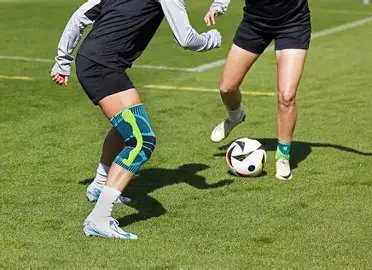
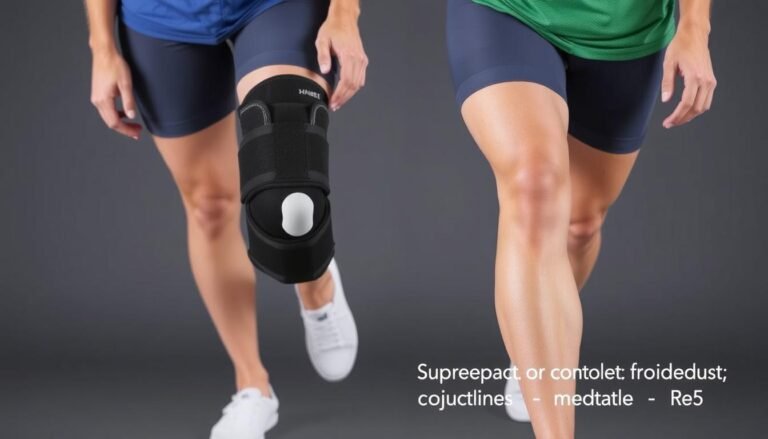
- Support and protect: a knee brace or supportive wrap may reduce discomfort (if tolerated).
- Use clinician-approved medications: if you have prior guidance, follow it carefully.
- Hydrate and monitor triggers: some people notice flare patterns linked to diet and alcohol.
If your knee symptoms also overlap with issues like cartilage irritation, it helps to compare possibilities. For instance, if you have kneecap-related discomfort, you may find relevant context in chondromalacia patella knees.
When to get urgent care for knee pain that could be more than gout
Sometimes knee pain requires urgent evaluation, especially if it does not follow the typical pattern of gout flares. In 2026, our advice remains straightforward: if there is concern for infection or severe inflammation, do not wait it out.
Get urgent care if you have any of the following along with Gout in knee symptoms or suspected gout:
- Fever or chills.
- Rapidly worsening swelling or redness.
- Inability to bear weight due to pain.
- Severe pain that seems disproportionate to any injury.
- Open wounds near the joint or recent surgery.
Because gout and infections can both cause warm, swollen joints, careful assessment is the safest path. If you have recently had trauma, we also encourage review of structural causes, such as managing and overcoming knee pain.
How prevention conversations in 2026 connect to knee flare symptoms
Even if your current issue is a single flare, prevention matters for future knee episodes. In 2026, many care plans focus on reducing flare frequency, improving long-term joint health, and using clinician-directed strategies to lower the risk of recurrence.
Prevention does not just mean medication. It often includes changes that support overall health and reduce known triggers. We also encourage people to document when knee pain hurt began, what it looked like, and how long it took to ease.
For people comparing flare symptoms with post-injury recovery, we recommend separating the “event” from the flare. If you had a structural injury, you may still get inflammatory flare-like symptoms, which can complicate recovery. That is why careful evaluation is so important when knee pain keeps returning.
Relevant knee-support context: when braces and structural diagnoses overlap with gout symptoms
Many readers with knee pain search for braces and injury solutions. While a brace cannot treat gout itself, support can help you move more comfortably during flare periods, especially if your knee feels unstable or very painful.
At the same time, knee braces are also used for ligament injuries. If your story includes instability after trauma, we encourage you to review resources that describe those possibilities, such as anterior cruciate ligament (ACL) injury knee brace.
If your symptoms started after a specific incident, check also for other traumatic patterns described on our site, including posterior cruciate ligament (PCL) knee injury and traumatic knee.
For people whose flare-like discomfort is tied to movement position, our guide on extension discomfort may help you compare patterns: knee hurts when fully extended but not bent.
Simple self-care ideas that may complement medical care for knee inflammation
Some people want to try supportive routines alongside clinician-directed treatment. We suggest starting with conservative options that focus on inflammation support and gentle movement, rather than aggressive stretching that can worsen pain.
Our collection on natural remedies for knee inflammation covers common home options such as turmeric and curcumin, ginger, omega-3 fatty acids, and temperature approaches, along with gentle activity and weight management. While these strategies are not a substitute for diagnosis, they may help some people manage day-to-day knee discomfort.
- Gentle movement: short, tolerable motion can help maintain mobility.
- Inflammation-support habits: focus on overall diet patterns and hydration.
- Temperature comfort: choose what feels better for your knee hurt and knee pain.
If you are currently experiencing Gout in knee symptoms flares, keep self-care secondary to medical guidance, especially if the knee is hot, swollen, and rapidly worsening.
Conclusion
Gout in knee symptoms often stand out through sudden, intense knee pain or knee hurt, along with warmth, swelling, and limited movement. Because these flare signs can resemble injuries or even infections, we recommend prompt evaluation when symptoms are severe, rapidly changing, or come with fever.
In 2026, we focus on clear recognition, safe assessment, and practical tracking so you can better understand what your knee is telling you. If your knee pain comes in episodes, confirming whether crystal arthropathy is involved can be the key step toward reducing future flares and protecting the joint.
Frequently Asked Questions
What are the most common gout in knee symptoms?
The most common gout in knee symptoms include sudden knee pain (knee hurt), warmth, redness, and swelling. People often describe sharp tenderness and stiffness that makes it hard to bend or bear weight on the knee.
How can I tell if my knee pain is gout or something like a meniscus tear?
Gout flares tend to peak quickly and come with warmth and visible inflammation, while meniscus-related pain more often follows a twist or mechanical event. If your knee pain is sudden with marked swelling, we treat it seriously and consider evaluation to clarify the cause.
Is it possible for gout in knee symptoms to come and go?
Yes. Many people experience flare cycles where the knee feels much better between episodes, and then symptoms return. In 2026, tracking timing and flare triggers can help your clinician make more informed decisions.
When should I go to urgent care for knee pain that might be gout?
If your knee pain is accompanied by fever, rapidly worsening redness, or you cannot bear weight, seek urgent care. Warm, swollen joints can also occur with infection, so we do not assume gout without assessment when warning signs appear.
How do doctors confirm gout when knee symptoms look similar to other conditions?
Clinicians may use tests and, in many cases, joint aspiration to confirm crystal arthritis. In a diagnostic workup summary, 85% of patients presumed to have gout tested positive for monosodium urate (MSU) crystals when aspiration was performed.
Are natural remedies for knee inflammation safe during a gout flare?
Some supportive steps may be reasonable, but they should not delay medical guidance during active gout in knee symptoms flares, especially if the knee is very hot or swollen. If you want to try natural supports, we recommend using them alongside a clinician’s plan rather than as the only approach.