
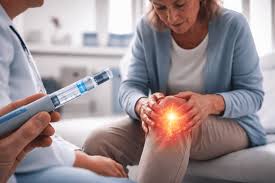
GLP-1 Joint Offloading & Mobility Pathways 2026: How Weight Loss Is Changing Knee Pain Recovery
Did you know that among people who stay on GLP-1 therapy, average weight loss at one year reaches 18.4%, a level that can significantly reduce stress on the knee joint and improve mobility in 2026.

Key Takeaways
| Question | Answer |
|---|---|
| What is GLP-1 joint offloading? | It refers to reducing pressure on the knee through weight loss and metabolic changes driven by GLP-1 medications. |
| Can GLP-1 help knee pain? | Yes, less body weight reduces joint stress and may ease knee pain. Learn more in our knee pain guide. |
| Who benefits most? | People with osteoarthritis, obesity, or chronic knee hurt conditions. |
| Does it replace rehab? | No, it works best alongside structured rehab like our comprehensive knee recovery guide. |
| What about injuries? | It supports recovery but does not replace care for issues like ligament injuries. |
| Is it used in 2026? | Yes, GLP-1 therapies are rapidly expanding in mobility-focused care pathways. |
1. Understanding GLP-1 and Knee Joint Offloading in 2026
GLP-1 receptor agonists were originally designed for metabolic health, but in 2026 they are increasingly used to support joint health.
We now understand that reducing body weight directly lowers compressive force on the knee.
This matters because every extra pound adds multiple pounds of force across the joint during movement.
When knee pain becomes chronic, offloading strategies become essential, not optional.


2. Why Weight Loss Directly Reduces Knee Pain
The knee joint تحملs repetitive load with every step, especially during walking and climbing.
Weight reduction changes biomechanics immediately, reducing stress on cartilage and ligaments.
This is especially important for people dealing with conditions like chondromalacia patella.
Even modest weight loss can improve function and reduce daily discomfort.


3. Mobility Pathways: Combining GLP-1 With Rehab
GLP-1 therapy alone is not a full solution, it must be paired with movement-based recovery.
We recommend combining weight reduction with strengthening and mobility drills.
This approach improves joint stability while reducing load.
It is especially effective when recovering from meniscus injuries.
This infographic highlights how GLP-1 receptor agonists can support knee osteoarthritis management by offloading joints and improving mobility, summarized in five key benefits. It provides a quick visual guide to the potential impact on daily activity and movement.


4. GLP-1 and Knee Osteoarthritis Progression
Knee osteoarthritis is driven by both mechanical stress and inflammation.
GLP-1 medications may help address both factors through weight loss and metabolic effects.
In 2026, research continues to explore how these medications slow functional decline.
Patients often report improved walking tolerance and reduced stiffness.
Did You Know?
Wegovy (7.2 mg) is associated with roughly 21% weight loss in clinical studies.
Source: CVS Caremark GLP-1 Outlook 2026

5. ACL Recovery and Load Management Strategies
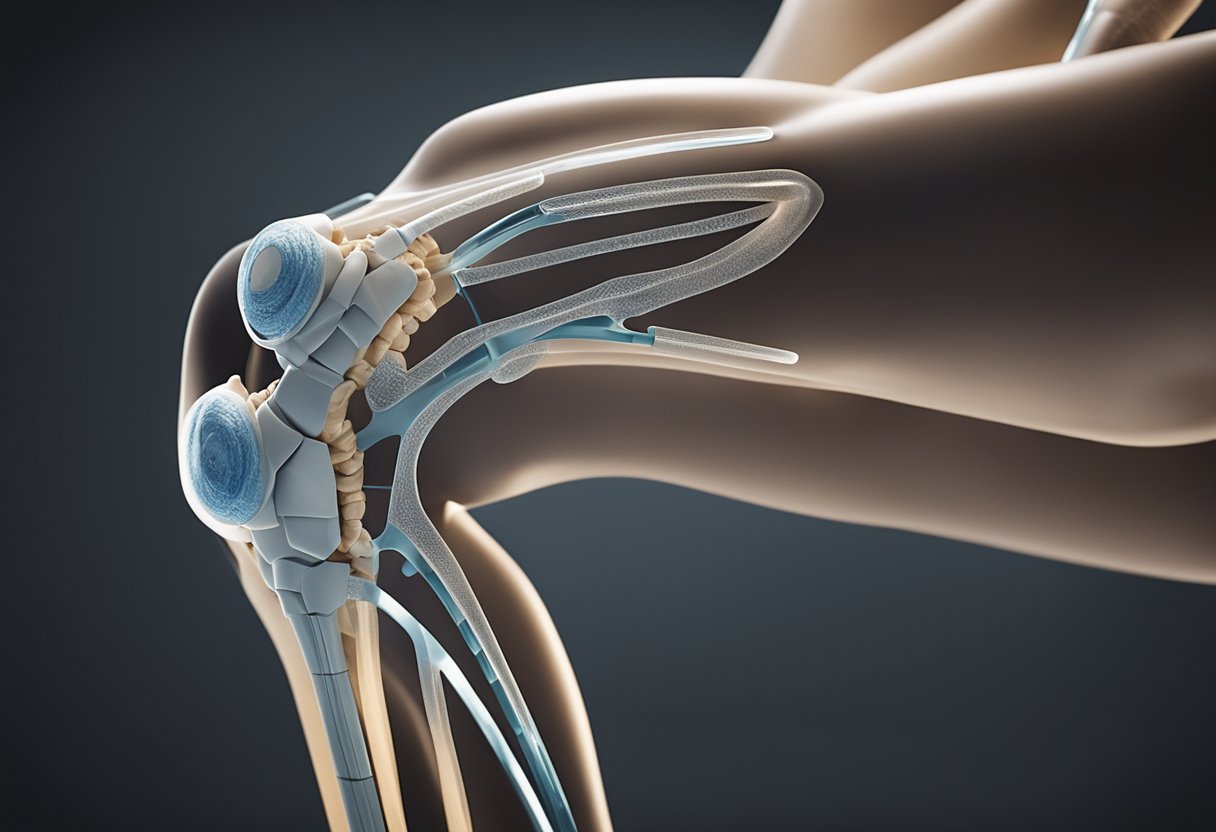
ACL injuries require careful load progression during recovery.
GLP-1 supported weight loss can reduce strain during rehab phases.
This makes early movement safer and more controlled.
We often integrate this with guidance from ACL injury recovery strategies.


6. PCL Injuries and Posterior Knee Stability
PCL injuries affect posterior stability and load distribution.
Reducing body weight helps minimize backward stress forces on the knee.
This is especially useful during walking and downhill movement.
Structured rehab paired with GLP-1 can improve outcomes.


7. Traumatic Knee Conditions and Recovery Pathways
Traumatic knee injuries often involve multiple structures.
Reducing joint load becomes critical to prevent further damage.
GLP-1 pathways support this by lowering baseline stress.
This complements care for traumatic knee injuries.
Did You Know?
CVS projects GLP-1 weight-management use to grow about 25% in 2026.
Source: CVS Caremark GLP-1 Outlook 2026

8. Biomechanics: How Offloading Changes Movement
When body weight decreases, gait mechanics improve.
This reduces abnormal joint angles and uneven loading patterns.
Patients often notice smoother walking and less knee pain.
We focus on retraining movement alongside weight changes.


9. Exercise Strategies That Support GLP-1 Outcomes
Exercise amplifies the benefits of GLP-1 therapy.
We recommend focusing on strength, stability, and controlled mobility.
Key movements include:
-
Hip strengthening
-
Quadriceps activation
-
Low-impact cardio


10. Long-Term Mobility and Lifestyle Planning
GLP-1 pathways are not short-term fixes.
We guide patients toward sustainable habits that protect the knee.
This includes maintaining strength, managing weight, and avoiding overload.
Consistency matters more than intensity in long-term recovery.


Conclusion
GLP-1 joint offloading and mobility pathways in 2026 represent a meaningful shift in how we approach knee pain and recovery.
By combining weight loss, structured rehab, and movement retraining, we can reduce joint stress and improve daily function.
If your knee hurt is limiting your life, this integrated approach offers a practical and evidence-based path forward.