DVT after knee surgery
What if the biggest threat to your recovery isn’t the orthopedic procedure itself, but a silent complication that can strike without warning?
Deep vein thrombosis is a serious medical concern. It affects approximately 600,000 Americans each year. We recognize that undergoing a major joint operation requires careful attention to potential complications.

DVT after knee surgery prevention
Our goal is to provide a clear guide on managing this specific risk. Understanding how a dangerous clot forms in the leg is the vital first step. This knowledge empowers you during the post-operative period.
We emphasize that proactive management of your health is essential. By following expert-led advice, you can take control. This effort minimizes chances of a serious vascular issue and supports a smoother healing journey.
Key Takeaways
- Deep vein thrombosis is a common but serious risk following major orthopedic procedures.
- Proactive health management is crucial for a safe post-operative period.
- Understanding how blood clots form is the first step in prevention.
- Expert guidance can help you minimize dangers and take control of your healing process.
- A smooth recovery involves being aware of potential complications from the start.
- Simple, informed actions can significantly reduce your personal risk.
Understanding the Risk of DVT After Knee Surgery
Why does a procedure focused on improving mobility simultaneously increase the chance of a dangerous blockage? We must explore the nature of the threat and the specific factors a major operation introduces.
What is Deep Vein Thrombosis?
This condition involves a blood clot forming in a deep vein, usually in the leg. If such a clot breaks free, it can travel to the lungs. This causes a life-threatening pulmonary embolism.
We note that approximately 600,000 Americans are affected each year. It is a critical concern following any major joint replacement.

deep vein thrombosis risk factors
Why Knee Surgery Increases the Clot Risk
Several factors converge during a knee replacement. The body’s natural healing response can make blood more likely to clot. Reduced mobility after the procedure slows circulation in the legs.
The risk is highest from two to ten days post-operation. Patients remain at risk for about three months. Without preventative care, studies show blood clot rates of 40-60%.
Even with modern care, 18-20% of joint replacement patients may still develop a clot. This highlights the need to watch for swelling in the leg.
| Timeframe | Risk Level | Key Data |
| Initial High-Risk Period | Highest | 2 to 10 days after surgery |
| Extended Risk Period | Elevated | Up to 3 months post-operation |
| Without Prevention | Very High | 40-60% clot rate in major orthopedic surgery |
| With Modern Protocols | Significant | 18-20% of knee replacement patients |
Prevention and Treatment Approaches
Managing the threat of post-operative clots involves a dual strategy of medication and mechanical aids. We focus on keeping your circulation strong during the healing phase. This two-part defense significantly lowers your personal danger.
Medication and Anti-Clotting Therapies
We often prescribe specific drugs to reduce your body’s ability to form dangerous masses. Options include injections like Heparin or daily pills such as Warfarin.
Newer direct oral anticoagulants offer convenient pill-based therapy. Your doctor selects the best type based on your health profile.

anti clotting medication and compression therapy
Mechanical and Compression Device Options
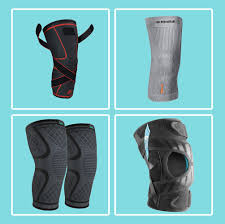
Physical methods work alongside drugs. Graded compression stockings are tight at the ankle. This design improves flow and stops pooling in the leg.
Pneumatic devices use air pumps to massage the lower leg. They gently push blood back toward the heart. Both tools are vital for any joint replacement patient.
For more detailed strategies, learn how to reduce your risk of blood clots after orthopedic.
| Approach | Common Types | Method of Action | Key Benefit |
| Medication (Chemical) | Heparin, Warfarin, DOACs | Thins blood or blocks clotting factors | Systemic prevention throughout the body |
| Mechanical Compression | Graded Stockings | Applies pressure to improve vein flow | Prevents blood from stagnating in the legs |
| Mechanical Compression | Pneumatic Pump Devices | Uses intermittent air pressure for massage | Actively pumps blood toward the heart |
Recognizing the Warning Signs and Symptoms
Your body sends clear signals when something is wrong. Learning to interpret these signs is a powerful part of your recovery.

DVT and pulmonary embolism symptoms
We provide this guide to help you identify key changes. Early detection is the most effective way to prevent a serious complication.
DVT Symptom Checklist
Watch for specific changes in one leg. Common symptoms include unusual swelling.
You may also feel persistent pain or tenderness. The skin might feel warm or look reddened.
These are classic signs of a blood clot forming in a deep vein. Contact your medical team immediately if you notice them.
Identifying Pulmonary Embolism Indicators
A pulmonary embolism is a life-threatening emergency. It occurs if a clot travels to the lungs.
Key symptoms include sudden difficulty breathing. Sharp chest or back pain and coughing up blood are major red flags.
This requires calling 9-1-1. Do not wait. Prompt emergency care is essential for your health and safety after any major surgery.
Steps for a Safe Rehabilitation and Recovery
Regaining mobility safely requires a blend of guided exercises and early activity. We design your rehabilitation plan to restore function while actively preventing vascular complications.
Recommended Physical Therapy and Exercises
Structured movement is prescribed to improve circulation. Simple activities like seated leg lifts and ankle turns are foundational.
These motions restore joint range and combat blood stasis. They are a core part of your daily routine.
| Activity | Primary Benefit | Key Consideration |
| Seated Leg Lifts & Ankle Turns | Improves blood flow in the legs | Perform multiple times daily, even while resting |
| Graduated Walking Program | Stimulates circulation and rebuilds strength | Increase distance slowly as tolerated |
| Continuous Passive Motion (CPM) Machine | Provides gentle, consistent movement to the joint | Often used initially to maintain mobility without strain |
The Role of Early Mobility in Recovery
Getting moving soon after your procedure is one of the most powerful tools you have. It significantly lowers the chance of a dangerous clot forming.
Your care team will encourage you to stand and walk with assistance very early. This proactive step keeps blood pumping efficiently.
Early ambulation is a cornerstone of modern post-operative care. It turns the patient into an active participant in their own recovery.
Following this guided approach helps manage discomfort and ensures your healing stays on track.
Effective Prevention Strategies for DVT after knee surgery
The most effective shield against vascular complications is a plan tailored specifically to you. Generic protocols provide a baseline, but individual risk factors like age, weight, or family history demand a customized approach.
We believe personalizing your prevention strategy is the best way to ensure safety. Our physicians create unique treatment plans for each person undergoing a major orthopedic surgery.
Personalizing Your DVT Prevention Plan
Our team works with patients to build a tailored rehabilitation strategy. This plan may include specific medication schedules and structured physical activity.
Stopping blood clots requires a combination of tactics. Key habits like staying hydrated and maintaining heart-healthy choices are vital.
We monitor individuals closely after their surgeries. This ensures the recovery plan works and no signs of a clot appear.
Staying engaged in your care reduces the risk blood clots. It also helps your knee replacement lead to better long-term health. For comprehensive guidance, review the prevention and treatment of blood clots after hip and knee replacement.
We support all types of orthopedic procedures. You can navigate recovery confidently with expert guidance. Questions? Contact us at 1-800-REBOUND.
| Common Risk Factor | Personalized Prevention Action | Key Consideration |
| Advanced Age | Adjust medication type and dosage; prioritize early mobility. | Regular check-ins to monitor tolerance and effectiveness. |
| Obesity | Combine compression therapy with a graduated walking program. | Focus on low-impact exercises to protect the joint. |
| Family History of Clots | Consider extended duration of anticoagulant therapy. | Genetic factors may require longer-term prevention. |
| Limited Initial Mobility | Use pneumatic compression devices more frequently. | Mechanical methods are crucial when movement is restricted. |
Conclusion
Empowering yourself with knowledge transforms you from a patient into an active partner in care. This guide aimed to provide that essential foundation for prevention and awareness following your procedure.
Remember, vigilance for symptoms and strict adherence to your medication and therapy plan are your best defenses. This proactive approach significantly lowers your risk for deep vein thrombosis and other blood clots. It helps you safely enjoy the restored mobility from your knee replacement.
Resources like the NBCA’s Stop the Clot® toolkit, supported by Janssen Pharmaceuticals, Inc., are available. We encourage all patients to maintain follow-up care and communicate openly with your medical team about any concerns.
Your personal commitment to rehabilitation and heart-healthy habits remains the most important factor. It paves the way for a successful and safe recovery journey.