

Knee Pain on Stairs: Causes And Solutions
Are you experiencing pain in your knee when walking up and down stairs? You’re not alone. Knee pain is a common complaint that can greatly impact your daily activities and overall quality of life. Understanding the causes of knee pain and exploring effective solutions for relief can help you regain mobility and prevent further discomfort.
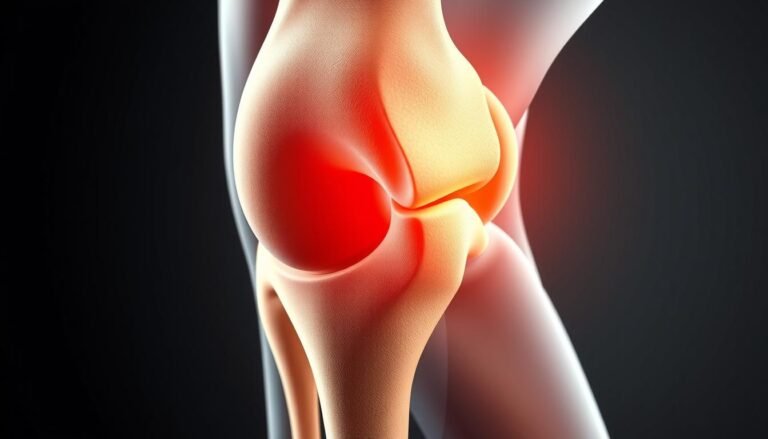
When it comes to knee pain, it’s important to consider the complex structure of the knee joint. Consisting of bones, ligaments, tendons, cartilage, and muscles, any dysfunction or injury to these components can result in pain and stiffness. Common causes of knee pain on stairs include patellofemoral pain syndrome, meniscus tears, chondromalacia patella, IT band syndrome, and muscle imbalance.
So, what can you do to alleviate knee pain and prevent further discomfort? Strengthening exercises targeting the knee structures, improving body awareness during movement, and modifying your walking technique can all contribute to pain relief. However, it’s essential to seek medical advice for a proper diagnosis and personalized treatment plan.
At [Name of Medical Center], our team of experts is dedicated to helping you find relief from knee pain and managing it effectively. We offer a range of treatments and management strategies tailored to your specific needs. Don’t let knee pain hold you back – take the necessary steps towards a pain-free and active life.
Key Takeaways:
- Knee pain when walking up and down stairs can significantly impact your daily activities.
- The knee joint is a complex structure consisting of bones, ligaments, tendons, cartilage, and muscles.
- Common causes of knee pain on stairs include patellofemoral pain syndrome, meniscus tears, chondromalacia patella, IT band syndrome, and muscle imbalance.
- Strengthening exercises, improving body awareness, and modifying walking technique can contribute to pain relief.
- Consult a healthcare professional for a proper diagnosis and personalized treatment plan.
Understanding Knee Anatomy
To understand knee pain on stairs, it is essential to have a basic understanding of knee anatomy. The knee joint is a complex structure that consists of various components, including the patella (kneecap), femur (thigh bone), and tibia (shin bone). These bones work together to provide stability and support to the knee.
Additionally, ligaments play a crucial role in the knee’s stability. Collateral ligaments, located on the sides of the knee, prevent sideward movements, while the cruciate ligaments, found inside the knee joint, control and limit the knee’s forward and backward movements.
Tendons are another important component of the knee anatomy, connecting muscles to bones and allowing for proper movement. They play a vital role in supporting and stabilizing the knee during activities such as walking or climbing stairs.
The knee joint also contains cartilage, a smooth, rubbery material that acts as a shock absorber. It helps reduce friction between the bones and provides cushioning during movements. Additionally, the menisci, two C-shaped pieces of cartilage located between the femur and tibia, further enhance cushioning and stability.
Bursae, fluid-filled sacs, are present throughout the knee to reduce friction and provide additional cushioning. They act as small cushions between tendons, ligaments, and bones.
Furthermore, a network of muscles surrounds the knee, providing strength and support to the joint. These muscles work together to control the movements of the knee and ensure proper function.
Nerves play a critical role in transmitting signals between the knee and the brain, facilitating sensory and motor functions. They allow us to feel sensations and control movements in the knee area.

Knee Anatomy Overview:
| Anatomical Component | Description |
|---|---|
| Patella (Kneecap) | A small bone that protects the front of the knee joint. |
| Femur (Thigh Bone) | The longest bone in the body that connects the hip to the knee. |
| Tibia (Shin Bone) | The larger of the two lower leg bones that supports most of the body’s weight. |
| Ligaments | Collateral and cruciate ligaments that stabilize the knee joint and prevent excessive movements. |
| Tendons | Connective tissues that attach muscles to bones, providing stability and support. |
| Cartilage | A smooth, elastic material that covers the bones’ ends, reducing friction and providing cushioning. |
| Menisci | C-shaped structures that act as shock absorbers between the femur and tibia bones. |
| Bursae | Fluid-filled sacs that decrease friction and provide cushioning between tendons, ligaments, and bones. |
| Muscles | A network of muscles that support and control knee movements. |
| Nerves | Transmit signals between the knee and the brain, allowing for sensory and motor functions. |
Common Causes of Knee Pain on Stairs
When experiencing knee pain while walking up and down stairs, it is crucial to identify the underlying causes for effective treatment. Several common conditions contribute to knee pain in this specific scenario:
1. Patellofemoral Pain Syndrome (Runner’s Knee)
Patellofemoral pain syndrome is often a result of overuse or a sudden increase in physical activity. It causes discomfort around the kneecap and can be aggravated by climbing stairs.
2. Meniscus Tear
A meniscus tear occurs when the cartilage in the knee joint gets damaged due to twisting or sudden movements. This injury can cause pain and limited mobility, especially when going up or down stairs.
3. Chondromalacia Patella
Chondromalacia patella is characterized by the wearing down of the cartilage under the kneecap. This condition can lead to irritation, aching, and discomfort, particularly while navigating stairs.
4. IT Band Syndrome
The iliotibial (IT) band is a thick band of tissue that runs down the outside of the thigh. When it becomes inflamed or irritated, it can cause pain on the outer side of the knee. Climbing stairs can exacerbate this syndrome.
5. Muscle Imbalance
Muscle imbalance, especially being quad dominant, can put excessive pressure on the knee joint when navigating stairs, leading to discomfort and pain.

Understanding these common causes of knee pain on stairs is essential for finding the appropriate treatment and management strategies. By addressing the underlying issues, individuals can seek relief and improve their quality of life.
Treatments and Management Strategies for Knee Pain
When it comes to knee pain on stairs, there are various treatments and management strategies available to provide relief and improve overall knee health. These approaches focus on addressing the underlying causes of knee pain and promoting proper knee function. By implementing targeted exercises, body awareness techniques, and modifications to walking technique, individuals can effectively manage their knee pain and prevent further discomfort.
Targeted Exercises: Strengthening the muscles around the knee joint is crucial for providing support and reducing pain. Specific exercises that target the hip flexors, such as hip flexor stretches and single-leg lifts, can help improve stability. Additionally, engaging in hamstring stretches can increase flexibility and alleviate strain on the knee structures.
Body Awareness: Developing a heightened sense of body awareness can significantly contribute to managing knee pain. By understanding how the body moves and feels during different activities, individuals can identify and correct any improper movements that may be causing or exacerbating knee pain. Body awareness techniques can include exercises that improve balance, posture, and overall body alignment.
Walking Technique Modification: Modifying walking technique can provide immediate relief for knee pain on stairs. Simple adjustments such as holding onto a wall or railing for support, distributing weight evenly between both legs, engaging the glutes, or keeping weight in the heels can help alleviate strain on the knee joint. By making conscious adjustments to walking technique, individuals can reduce the impact on the knees and minimize discomfort.
It is important to note that each individual’s knee pain may have unique causes and require personalized treatment. Consulting with a healthcare professional, such as a physiotherapist or orthopedic specialist, is crucial to develop a tailored treatment plan. They can provide guidance on specific exercises, body awareness techniques, and walking modifications that are most suitable for an individual’s condition.
Sample Exercise Routine for Knee Pain Relief
To help individuals get started on their journey towards knee pain relief, here is a sample exercise routine that targets the knee joint:
| Exercise | Repetitions | Sets |
|---|---|---|
| Hamstring Stretch | 10-15 seconds | 3 |
| Hip Flexor Stretch | 10-15 seconds per side | 3 |
| Single-Leg Lift | 10-15 lifts per leg | 3 |
| Quad Strengthening Exercise (e.g., leg press) | 10-12 repetitions | 3 |
Remember to start with low intensity and gradually increase as tolerated. It is essential to listen to the body and avoid pushing beyond one’s limits, as this can lead to further injury or exacerbation of pain.
By incorporating these targeted exercises, body awareness techniques, and walking technique modifications into one’s daily routine, individuals can effectively manage their knee pain and improve their overall quality of life. However, it is essential to consult with a healthcare professional for a comprehensive evaluation and personalized treatment plan.
Conclusion
Knee pain when walking up and down stairs can significantly impact our daily activities. To effectively address this issue, it is crucial to understand the underlying causes and adopt appropriate treatment and management strategies. Common culprits of knee pain on stairs include patellofemoral pain syndrome, meniscus tears, chondromalacia patella, IT band syndrome, and muscle imbalance.
Relief from knee pain can be achieved through targeted exercises that strengthen the knee structures and improve flexibility. Building body awareness helps us understand how our movements affect the knee and empowers us to make adjustments accordingly. Additionally, modifying our walking technique, such as maintaining proper posture and distributing our weight evenly, can alleviate discomfort.
To ensure the most effective and personalized approach to knee pain relief, it is essential to consult with a healthcare professional. They can provide a proper diagnosis and create a tailored treatment plan that addresses the specific causes of the knee pain. Taking proactive steps to manage and prevent knee pain allows individuals to regain mobility and enhance their overall quality of life.
FAQ
What are the common causes of knee pain when walking up and down stairs?
The common causes of knee pain when walking up and down stairs include patellofemoral pain syndrome, meniscus tears, chondromalacia patella, IT band syndrome, and muscle imbalance.
How can I alleviate knee pain on stairs?
You can alleviate knee pain on stairs by doing targeted exercises, improving body awareness, and modifying your walking technique.
What exercises can help strengthen the knee structures?
Exercises such as hip flexor stretches, single-leg lifts, and hamstring stretches can help strengthen the knee structures and alleviate pain.
What is patellofemoral pain syndrome?
Patellofemoral pain syndrome, also known as “runner’s knee,” is often caused by overuse or a rapid increase in physical activity.
How can I modify my walking technique to alleviate knee pain on stairs?
Modifying your walking technique, such as holding onto a wall or railing, squeezing your glutes, or keeping weight in your heels, can help alleviate knee pain on stairs.
When should I consult a healthcare professional for knee pain on stairs?
It is important to consult a healthcare professional for a proper diagnosis and personalized treatment plan if you are experiencing knee pain on stairs.
Related Articles

About the author: Mokhtar Sahraoui
Mokhtar Sahraoui is the founder and editor of Knee Hurt. He researches and writes practical, easy-to-understand guides on knee pain, knee injuries, arthritis and recovery, based on trusted medical sources. Knee Hurt articles are general information and are not a substitute for advice from your doctor or physical therapist.



One Comment