
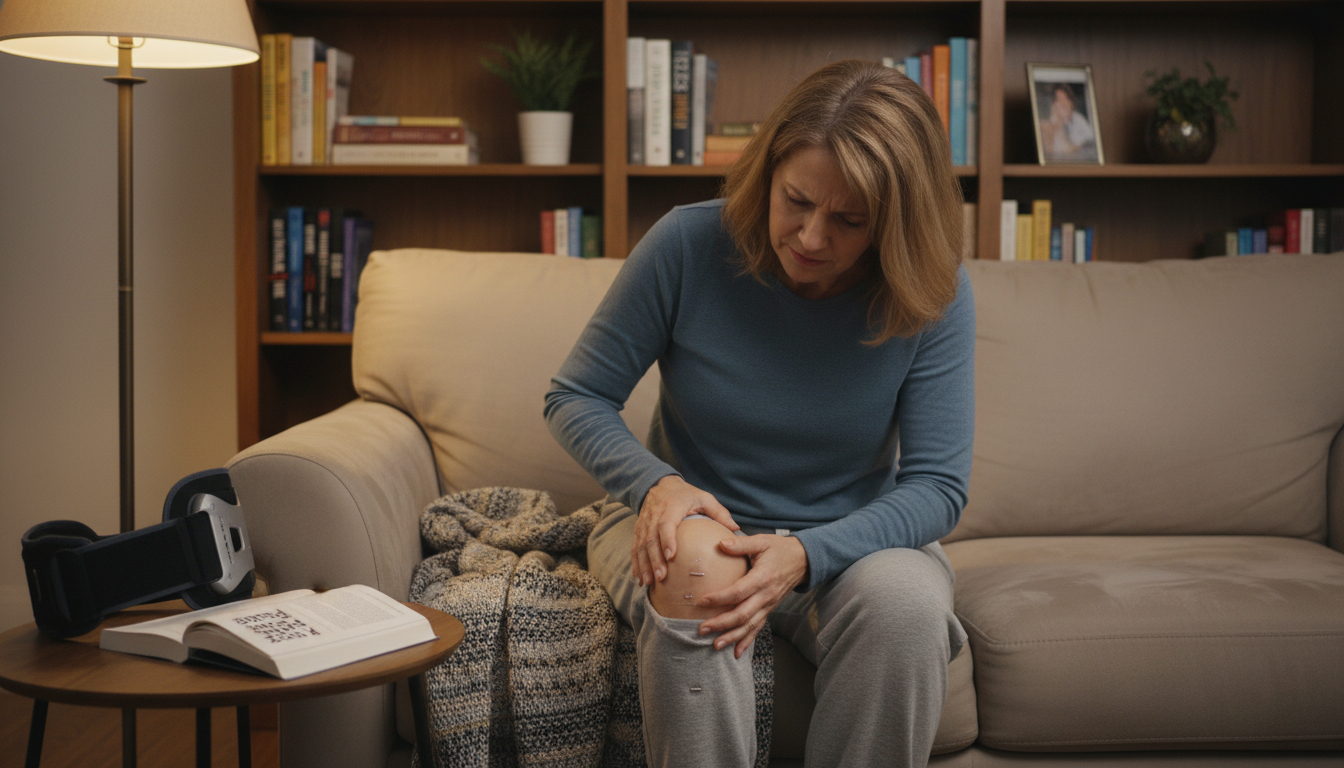
Sex after knee replacement
Is it true that most people regain an active intimate life after major joint surgery? This question is on the minds of many, yet it’s rarely discussed in the doctor’s office.
We believe honest information is the first step toward healing. Recent data shows a hopeful picture: 84% of people in the United States who have had this procedure are sexually active.

sex after knee replacement recovery
Chronic joint pain from conditions like arthritis can severely limit physical closeness. It often dampens desire and comfort. A successful knee replacement aims to remove that barrier.
Our guide provides clear insights. We focus on how to safely resume activity while protecting your new joint. Understanding your recovery journey empowers you to move forward with confidence.
You are not alone in your concerns. By addressing them early, you can better prepare for a return to comfort and connection with your partner.
Key Takeaways
- Most patients successfully return to an active intimate life following their procedure.
- Open communication with your healthcare provider and partner is crucial for a smooth transition.
- Using careful positioning and taking things slowly helps protect your new joint.
- Relief from chronic pain can significantly improve overall comfort and libido.
- Planning and gradually resuming activities lead to safer and more satisfying outcomes.
- Addressing your questions and anxieties early in the process reduces stress.
- Improved physical well-being directly boosts your confidence and quality of life.
Understanding the Impact of Knee Replacement on Sexual Health
The connection between physical mobility and intimate well-being is profound, yet frequently overlooked in medical consultations.
Chronic discomfort from conditions like arthritis doesn’t just hinder walking. It can make finding comfortable positions for closeness a real challenge.
How Knee Replacement Affects Mobility and Pain
Debilitating joint pain severely limits movement. A study in the Journal of Arthroplasty found knee pain and the inability to kneel are primary factors limiting physical intimacy.
Research indicates 70% of individuals with osteoarticular knee problems report a loss of libido due to these issues.

knee replacement mobility pain
The main goal of a knee replacement is to eliminate this source of constant pain. Successful surgery aims to restore your range of motion.
The Importance of Discussing Intimacy with Your Surgeon
Having an open dialogue with your medical team is vital. Your surgeon can offer personalized advice on resuming intimacy based on your specific case.
Some people worry their new joint might be damaged. Modern implant design makes dislocation during normal movements highly unlikely.
| Factor | Before Procedure | After Recovery |
| Pain Level | High, chronic | Significantly reduced |
| Mobility | Limited, stiff | Improved range of motion |
| Comfort in Positions | Difficult, painful | More adaptable |
| Libido | Often decreased | Typically improves |
Addressing these limitations helps you transition from a life dominated by pain. You can move toward enjoying physical connection without fear.
Safe Strategies and Positions for Resuming Intimacy
A careful approach to intimacy can protect your new joint while fostering closeness with your partner. We focus on gentle techniques and supportive setups.

safe positions after knee surgery
Guidelines for Safe Movements and Avoiding Abrupt Actions
Dr. Vasili Karas advises waiting about three weeks post-surgery. This allows for initial healing. When you resume, avoid sudden or jarring motions.
Do not put excessive weight on the operated leg. Aim for a knee range of 0° extension and 110° flexion. This goal makes physical activity more comfortable.
Positioning Tips for Men, Women, and Couples
Lying on your back is often easiest. Place a pillow under the thigh for support. This prevents over-extension.
For standing, use a sturdy table or counter. It reduces load on the joint. Communicate with your partner to plan gentle, deliberate movements.
Incorporating Support and Aids for Comfort
Pillows are versatile aids. They can cushion the area if kneeling is attempted. Soft surfaces help desensitize the region.
Keep movements controlled. Avoid crossing your body’s midline. This maintains stability for your hip and knee.
| Recommended Position | Key Benefit | Support Tip |
| Lying on Back | Minimizes joint stress | Pillow under the thigh |
| Standing with Support | Reduces weight-bearing | Use a stable counter |
| Side-lying | Comfortable for many | Pillow between knees |
These strategies help you reconnect safely. Always listen to your body and stop if you feel any sharp pain.
Returning to Sexual Activity: Sex after knee replacement
Resuming intimacy following major joint surgery is a common concern that deserves a clear roadmap. A 12-week convalescence period is typically required before you can resume a near-normal life.
Post-Op Recovery Timelines and Expectations
Following a total knee replacement, most people can expect to resume sexual intercourse between one and three months. This depends on your individual healing process.
By the 12-week mark, many have regained enough mobility for sexual relations. It is vital to follow prescribed guidelines.
Role of Physiotherapy and Gradual Rehabilitation
Working with a physiotherapist is essential. They provide necessary therapy to strengthen muscle groups.
This improves coordination of your operated leg. Your rehab plan should be directed by a professional for a smooth transition.
Addressing Fears and Ensuring Joint Safety
Many fear their prosthesis will dislocate. The spatial structure of a modern implant makes this highly unlikely during standard activity.
Listen to your body. If you experience joint pain, wait a little longer before attempting to resume.
Acting as the passive partner initially helps you stay within your physical limitations. Your confidence will grow, allowing you to enjoy a full sex life.
Conclusion
Your path to wellness after this procedure is about reclaiming your full life, including the comfort and closeness you share with your partner. Healing is a personal journey that blends physical recovery with emotional well-being.
By following your surgeon’s guidance, you can safely return to intimate activity. Open communication is your most effective tool. It helps navigate concerns about your new joint.
Thoughtful preparation and gentle positions help rebuild your confidence. They allow you to move past the pain and limitations you knew before.
We hope this information empowers you. Every patient heals at their own pace. Listen to your body, trust your progress, and look forward to restored mobility and connection.