iStock 1010607080
| |

Shin Splints Causes, Symptoms and Physical Therapy Treatment

Medial tibial stress syndrome is one of the most common athletic injuries, especially among those who participate in high-impact activities. However, there are other risk factors for shin splints, and not all patients who complain of the characteristic pain along the shin are athletes.

MTSS is a condition that often resolves on its own. Physical therapy can help relieve the pain and prevent it from returning.

What causes shin splints?

There are several muscles in the leg that attach to the shin bone, including the anterior and posterior tibialis muscles, the flexor digitorum longus muscle, and the soleus muscle. These muscles and their connective tissue can pull on the periosteum, a layer of tissue that covers the bone and allows the muscles to attach.

Repeated stress can cause the periosteum to become inflamed, resulting in the pain of shin splints. There are several risk factors that can contribute to MTSS.

FH Shin Splits Blog 1

1. Physical activity

Athletes who do a lot of running and jumping, such as gymnasts, basketball players, dancers, tennis players and sprinters, are at particular risk for shin splints. An estimated 35% of these athletes eventually develop MTSS.

Due to frequent marching and other physically demanding tasks, soldiers are at risk of developing shin splints, with a incidence rate that can be as high as 35%.

2. Weak bones

MTSS may be more likely in people with underlying medical conditions that weaken the bones, such as osteoporosis or osteopenia. Other underlying medical conditions that can affect bone health and increase the risk of shin splints include eating disorders, vitamin D deficiencies, or hormonal changes in women that can also result in a loss of normal menstruation.
FH Shin Splits Blog 2

3. Flat feet

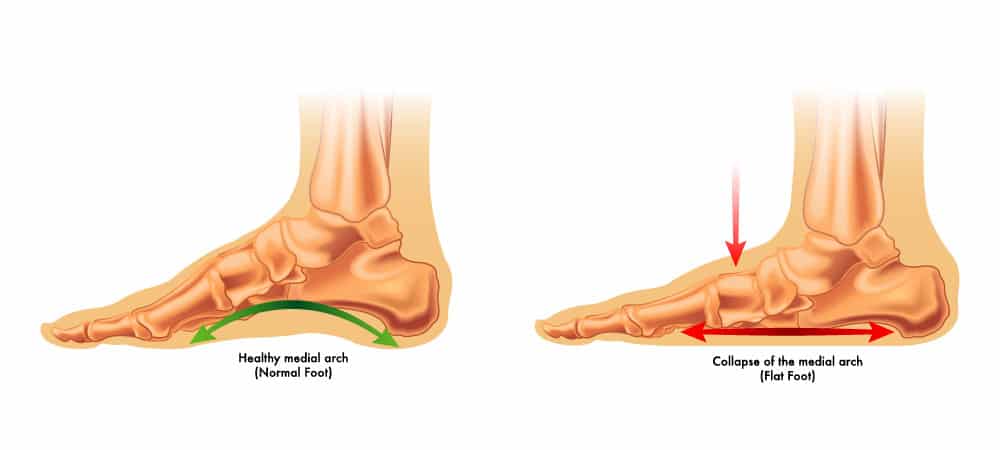
Overpronation occurs when the arch of the foot collapses due to the impact of a step. This is colloquially known as having flat feet. If you often walk or run with flat feet, this can strain the tibial periosteum and lead to shin splints. You can also develop MTSS if your arches are stiff or high. Exercising or playing sports in shoes that do not provide adequate arch support can contribute to overpronation and increase the risk of shin splints.

4. Overweight

Carrying extra weight puts more strain on the lower extremities and increases the risk of shin splints. Maintaining a healthy weight is important for shin splint prevention and overall health, but you should begin an exercise program gradually. Demanding too much of the body at once can also contribute to shin splints.

How can shin splints be prevented?

Chances are you will develop MTSS at the start of your athletic season or a new training regimen. In your eagerness to get started, you may try to do too much too quickly, putting too much pressure on your lower legs.

Starting with a gentle exercise program and progressing slowly is therefore important to prevent shin splints. Limiting activity increases to 10% per week helps prevent sudden changes that can trigger MTSS.

If your muscles are not properly warmed up before physical activity, they can put pressure on your shin. Be sure to stretch your entire body, especially your legs, before beginning any exercise or athletic event.

Supportive footwear helps prevent overpronation, so be sure to replace the shoes you use for exercise before they wear out. If you are a runner, replace your running shoes every 300 miles. If your shoes do not provide enough support, you can use arch supports that are specially designed to prevent overpronation.

Try cross-training with low-impact exercises, such as cycling or swimming, to give your lower legs a chance to rest and recover. When participating in high-impact activities, try to avoid uneven, hilly terrain and hard surfaces.
iStock 1225517111

How can physical therapy help treat shin splints?

The prognosis for shin splints is usually very good and most people recover completely. The key is to relieve pressure on the inflamed tissues so they have a chance to heal. There are several physiotherapy techniques that can help relieve stress in the superficial tissues:

  • Foam rolling
  • Massage
  • Tool-assisted therapy

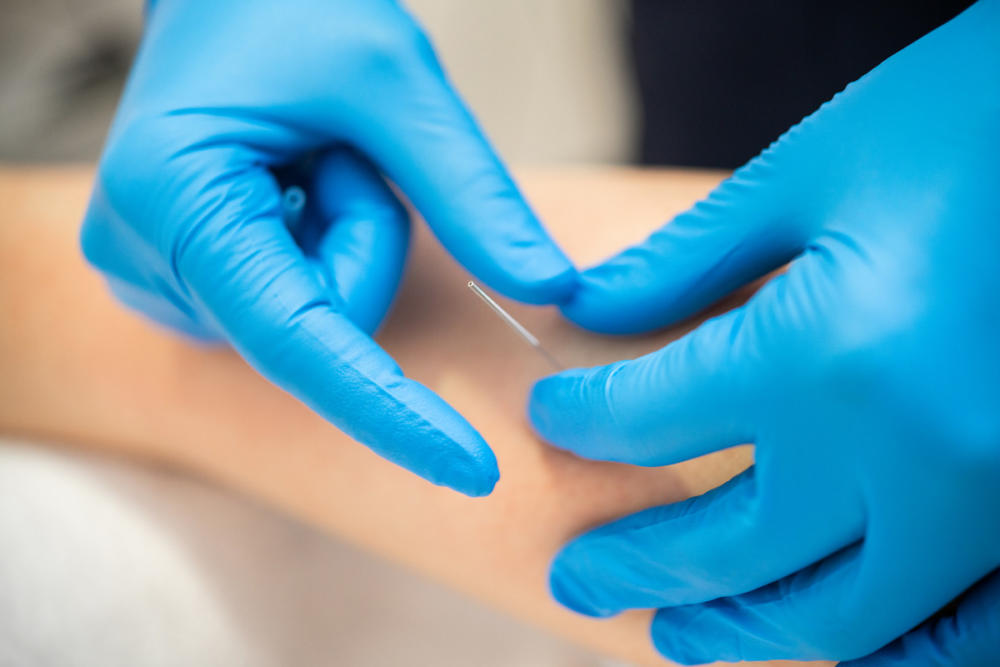
If the tension is in the deeper tissues of the muscle, these techniques may not be enough to relieve it. However, trigger point dry needling is another technique that can reach beyond the superficial tissues to relieve tension in the fibers in the muscle belly. The goal is for the muscle fibers that are better equipped for the task to absorb the stress instead of the periosteum.

In addition to helping relieve the pain of MTSS, physical therapy can also help prevent symptoms from coming back. You can learn exercises to prevent overpronation by strengthening the arch of your foot. Although it may seem counterintuitive at first, strengthening the muscles that control hip movement can help reduce tension in the lower leg.

Your physical therapist may also suggest shoes that provide better support and adjustments to your activities to reduce stress on your lower leg and prevent shin splints from coming back.

As you progress through therapy and eventually return to your previous activities, use pain as a guide and stop when it starts to hurt. Trying to push through the pain of shin splints only makes the problem worse. make an appointment today with a Foothills physical therapist.
Source link

Similar Posts

  • GLP-1 Joint Offloading & Mobility Pathways 2026: What Actually Reduces Knee Pain Fast

    GLP-1 therapies are reshaping how we approach knee pain in 2026, with usage for weight management expected to grow by about 25% this year alone. That shift matters because reducing body load directly changes how your knee absorbs stress with every step. Key Takeaways Question Answer How does GLP-1 help knee pain? It reduces body…

  • |

    Understanding the Impact of Knee Injury: Causes and Treatments

    Knee injuries can greatly affect our daily lives. Understanding the causes and treatments is important to manage and prevent these injuries. This article will explore the knee’s anatomy, common causes of injuries, symptoms, and treatments. We’ll also cover how to prevent knee injuries and how to live with them. Key Takeaways Knee injuries can come…

  • |

    You Don’t Look Sick – Living with Rheumatoid Arthritis: DAY 2 HAWAII

      I woke up super early. I had difficulty sleeping. At first it was a bit warm and the fan is very noisy, but the main problems were 1) another guest was snoring and 2) someone was blaring pop music at 3am. It was one song from Judy, but it woke me up. Now back…

  • |

    Flying after knee replacement

    What if the freedom to travel by air after major joint surgery isn’t as far off as you think? We understand this is a common concern. Many people who have undergone this significant orthopedic procedure worry about their next trip. flying after knee replacement Research shows that managing mobility after an operation is crucial. For instance, data indicates 3-4% of total hip arthroplasty patients develop symptomatic blood clots within three months. Our guide provides essential information for navigating air travel following a successful procedure. We aim to help you feel confident and prepared for your journey. You may wonder when it is safe to resume your plans. We explore how to manage your healing while looking ahead. By following expert-backed advice, you can minimize potential issues. Our focus is on helping you enjoy your restored mobility with peace of mind. Key Takeaways Air travel is a major concern for individuals recovering from joint surgery. Proper planning is essential for a safe and comfortable journey post-operation. Understanding the risks, like blood clots (VTE), is a critical part of preparation. Timing your trip correctly is a key milestone in the overall recovery process. Expert guidance can help reduce complications and build confidence. The goal is to regain freedom of movement and enjoy travel without worry. Understanding the Risks and Benefits of Flying after Knee Replacement The decision to fly after a major joint procedure requires a careful look at safety data and personal mobility gains. We break down the key factors to consider. Assessing Venous Thromboembolism (VTE) Risk A primary concern is venous thromboembolism, which includes deep vein thrombosis (DVT). Research shows the risk of symptomatic VTE after long flights is 1.9 to 5.2 per million person-days. For individuals who have had joint surgery, this risk is heightened. Studies indicate 3-4% of patients develop symptomatic clots within three months of a procedure like total hip arthroplasty. Balancing Recovery and Mobility Benefits The significant improvement in movement is a major positive outcome. However, balancing this benefit with the inherent dangers of blood clots requires medical guidance. Understanding these risks empowers people to make informed choices about travel timing. For comprehensive safety tips, see our detailed guide on flying after knee replacement. Pre-Flight Preparation for Knee Replacement Patients A successful journey begins long before you reach the airport, especially following a significant orthopedic operation. Proper groundwork is essential for safety and comfort. This phase involves close collaboration with your medical team. It also requires a tailored strategy for your specific needs. Consulting with Your Surgeon and Healthcare Team Your first step is to get clear guidance from your orthopedic surgeon. They understand your unique situation best. Dr. Nathan Cafferky of The Steadman Clinic recommends a two-week recovery period near the surgical site before returning home. This allows for immediate post-operative care and monitoring. consulting surgeon for knee surgery travel plan We advise creating a personalized plan with your doctor. This consultation is vital for setting a safe timeline. Creating a Personalized Recovery and Travel Plan Dr. Cafferky also suggests avoiding nonessential trips for six weeks post-surgery. This waiting time helps ensure full healing. Your plan should coordinate support from your entire care team. Focus on rehabilitation during the initial weeks. This approach minimizes risks and builds a solid foundation for future mobility. A thoughtful strategy makes the transition back to daily life much smoother. Planning Your Travel Itinerary and Navigating Airline Requirements Understanding specific carrier policies can make or break your travel plans post-surgery. We guide you through this essential step. Your itinerary must account for unique airline rules. These rules directly impact individuals recovering from an operation. Reviewing Airline Policies and Certification Requirements Research reveals varied carrier stances. A UK study found five airlines restrict flying following arthroplasty. Seven carriers mandate a medical certificate from your doctor. One even requires a 14-day waiting period post-procedure. Always verify your airline’s specific policy before booking. This is a critical precaution for all patients. Policy Type Medical Certificate Required Typical Waiting Period Restricted (No travel allowed) N/A…

  • |

    Knee replacement infection signs

    What if the biggest threat to your new joint isn’t the surgery itself, but something that can surface weeks or even years later? Being aware of Knee replacement infection signs is crucial. Total hip and knee arthroplasties are among the most common elective operations. For most people, they are a resounding success. Yet, data shows about 1 in 100 patients will face a serious complication after their procedure. monitoring knee replacement healing We recognize that a successful outcome relies on two things: the surgical skill and your long-term vigilance. Our goal is to empower you with knowledge. By learning to monitor your recovery, you can protect your investment in a pain-free life. This guide helps you distinguish between normal healing and the early warning signals of a problem. Understanding these signs allows you to seek timely medical attention for a joint replacement. Understanding the Knee replacement infection signs can make a significant difference in your recovery journey. Key Takeaways While highly successful, about 1% of joint replacement patients develop an infection. Early detection of complications is critical for protecting your surgical results. Patient awareness during the recovery process is as important as the initial procedure. Knowing the difference between normal healing and potential warning signs is key. Common indicators include increased pain, new swelling, warmth, redness, or fever. Prompt action and communication with your healthcare team are essential. Long-term joint health requires ongoing attention and care. Overview of Knee Replacement Surgery and Infection Risks With millions of Americans opting for this surgery each year, understanding its scope and associated risks is fundamental. This procedure is a cornerstone of modern orthopedics, offering renewed mobility to those with severe joint conditions. knee replacement surgery overview Introduction to Knee Replacement Procedures Medical projections suggest that by 2030, the number of these operations performed annually in the United States will reach 3.48 million. This type of intervention is highly common and successful. It involves replacing damaged joint surfaces with artificial components. Why Infections Occur Around Implants Bacteria are abundant on our skin and in our bodies. They can enter during surgery or later through the bloodstream. Once they reach the artificial joint, they can form a sticky biofilm. This biofilm makes it extremely difficult for the body’s natural defenses to clear the germs. Implants are made of metal and plastic, which are non-organic materials. The immune system struggles to fight bacteria that colonize these surfaces. Such complications can occur in the surgical wound or deep around the implant itself. Understanding these underlying conditions is the first step in prevention. Knee Replacement Infection Signs: What to Watch For Your vigilance in the weeks and months following the procedure is your first line of defense against potential problems. We empower you to become an expert in your own recovery. Knowing what to expect makes it easier to spot when something is wrong. Common Symptoms and Warning Signals Certain symptoms should prompt immediate contact with your care team. A fever above 100°F (37.8°C) is a classic red flag. Chills or night sweats often accompany it. Pay close attention to the surgical wound. Any foul-smelling or grey liquid drainage is not normal. Increased pain or stiffness that doesn’t improve after several weeks is a concern. A deep joint infection might make walking painful long after your expected recovery period. We remind you that these issues can surface months or years later. knee replacement infection…

3 Comments

Leave a Reply

Your email address will not be published. Required fields are marked *