
Knee Pain Radiating Down Shin
Knee Pain Radiating Down Shin: Causes and Treatment
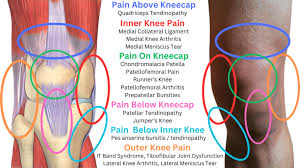
Knee pain is a common complaint that affects people of all ages. It can be caused by a variety of factors, including injury, arthritis, and overuse. One type of knee pain that can be particularly uncomfortable is pain that radiates down the shinbone. This type of pain can be caused by a number of different conditions, including patellofemoral pain syndrome, meniscus tears, arthritis, IT band syndrome, and stress fractures.
Understanding the causes and symptoms of knee pain that radiates down the shinbone is important in order to properly diagnose and treat the underlying condition. Some common symptoms of this type of knee pain include swelling, tenderness, and aching in the knee and shin area. Risk factors for developing this type of pain include overuse, injury, and certain medical conditions.
If you are experiencing knee pain that radiates down your shinbone, it is important to determine the underlying cause. Depending on the cause of your pain, your healthcare provider may recommend a variety of treatment options, including physical therapy, medication, or surgery. In addition, there are many self-care measures that can help alleviate knee pain and prevent it from recurring in the future.
Key Takeaways
- Knee pain that radiates down the shinbone can be caused by a variety of conditions, including patellofemoral pain syndrome, meniscus tears, arthritis, IT band syndrome, and stress fractures.
- Symptoms of knee pain that radiates down the shinbone include swelling, tenderness, and aching in the knee and shin area.
- Treatment options for knee pain that radiates down the shinbone may include physical therapy, medication, or surgery, and self-care measures can help prevent future pain.
Understanding Knee Pain and Its Causes
Knee pain is a common complaint that affects people of all ages and can be caused by a variety of factors. In this section, we will discuss some of the common causes of knee pain and how it can radiate down the shin.
Common Causes of Knee Pain
Arthritis
Arthritis is a common cause of knee pain, particularly in older adults. There are two main types of arthritis that can affect the knee: rheumatoid arthritis and osteoarthritis. Rheumatoid arthritis is an autoimmune disorder that causes inflammation in the joints, while osteoarthritis is a degenerative condition that occurs when the cartilage in the knee joint wears down over time.
Patellar Tendinitis
Patellar tendinitis, also known as jumper’s knee, is a condition that causes pain in the patellar tendon, which connects the kneecap to the shinbone. This condition is often caused by overuse and is common in athletes who participate in sports that require jumping.
Fractures
Fractures in the knee can cause severe pain and swelling. These fractures can be caused by trauma or injury, such as a fall or car accident.
Inflammation
Inflammation in the knee joint can cause pain and stiffness. This inflammation can be caused by a variety of factors, including injury, overuse, and medical conditions such as rheumatoid arthritis.
How Pain Radiates Down the Shin
When knee pain radiates down the shin, it is often caused by pressure on the nerves that run from the knee to the shinbone. This pressure can be caused by a variety of factors, including inflammation, weak tendons, and injury.
One common condition that can cause knee pain that radiates down the shin is patellofemoral pain syndrome. This condition occurs when the kneecap does not move properly, causing pain and discomfort in the knee and shin. Another possible cause of knee pain that radiates down the shin is stress fractures, which are small cracks in the bones that can occur due to overuse.
In conclusion, knee pain that radiates down the shin can be caused by a variety of factors, including arthritis, patellar tendinitis, fractures, inflammation, and injury. It is important to see a healthcare provider if you are experiencing knee pain to determine the underlying cause and receive appropriate treatment.
Symptoms and Risk Factors
Recognizing Symptoms
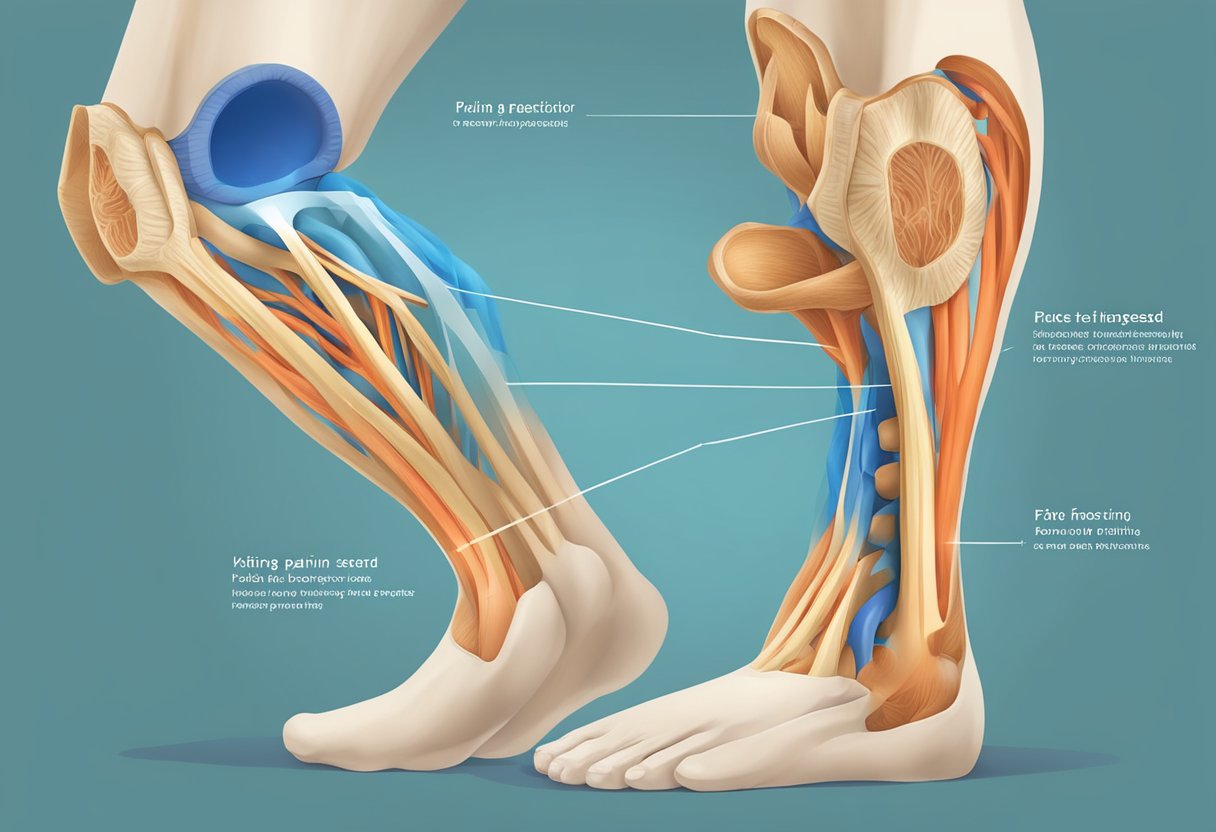
Knee pain radiating down the shin can be a symptom of various conditions, including meniscus tear, arthritis, IT band syndrome, stress fractures, and patellar tendinitis. The symptoms of knee pain radiating down the shin can vary depending on the underlying cause. Some common symptoms of knee pain radiating down the shin include:
- Swelling around the knee joint
- Stiffness and inability to move the knee joint properly
- Redness and warmth around the affected area
- Instability or weakness in the knee joint
- Popping or cracking sounds when moving the knee joint
- Fever in some cases
If you experience any of these symptoms, it is important to see a healthcare provider to determine the underlying cause of your knee pain.
Identifying Risk Factors
Certain factors can increase your risk of developing knee pain that radiates down your shin. Some of these risk factors include:
- Jumping and other high-impact activities that put stress on the knee joint
- Wearing shoes that do not provide proper support or cushioning for the feet and knees
- Weakness or imbalance in the muscles around the knee joint
- Previous injuries or tears to the knee joint
- Medical conditions such as arthritis or gout
It is important to take steps to reduce your risk of developing knee pain that radiates down your shin. This may include wearing proper footwear, performing exercises to strengthen the muscles around the knee joint, and avoiding high-impact activities that put stress on the knee joint. If you have a medical condition that increases your risk of developing knee pain, it is important to work with your healthcare provider to manage your condition and prevent further complications.
Diagnosis and Treatment Options
At Nao Medical, we provide comprehensive care for patients experiencing knee pain that radiates down the shin. Our healthcare providers work with you to determine the underlying cause of your pain and develop a personalized treatment plan to help you get back to doing what you love.
Diagnosis Methods
To diagnose knee pain radiating down the shin, our doctors may use a combination of physical exams, imaging tests, and medical history assessments. The first step in diagnosis is to conduct a physical examination to assess the extent and location of the pain. We may also recommend imaging tests such as X-rays or MRI scans to get a better look at your knee joint and surrounding tissues.
Conservative and Surgical Treatments
Once we have diagnosed the underlying cause of your knee pain, we will develop a personalized treatment plan that may include conservative or surgical treatments.
Conservative treatments may include rest, ice, compression, and elevation of the affected leg. We may also recommend anti-inflammatory medication or corticosteroid injections to manage pain and inflammation.
If conservative treatments do not provide relief, we may recommend surgical repair of the affected knee joint. Surgery may involve repairing damaged cartilage or ligaments, or replacing the joint altogether.
At Nao Medical, we believe in a comprehensive approach to pain management. We work with you to develop a personalized treatment plan that addresses your unique needs and goals. Our goal is to help you regain mobility and live a pain-free life.
Prevention and Self-Care
Prevention Strategies
Preventing knee pain radiating down the shin is possible by taking some preventive measures. One of the best ways to prevent knee pain is by maintaining a healthy weight. Excess weight puts a lot of pressure on the knees, which can lead to pain. Regular exercise is also essential in preventing knee pain. Physical activity helps to strengthen the muscles around the knee, reducing the risk of injury.
Another way to prevent knee pain is by using proper technique when exercising or playing sports. Athletes should always use proper form and technique to avoid putting unnecessary stress on the knee. Additionally, wearing appropriate footwear that provides proper support and cushioning can also help to prevent knee pain.
Effective Self-Care Measures
If you experience knee pain radiating down the shin, there are several self-care measures that you can take to alleviate the pain. Rest is important to allow the knee to heal. Avoid activities that exacerbate the pain and take breaks during physical activity to give the knee a rest.
Ice can also be an effective way to reduce pain and swelling. Applying ice to the affected area for 15-20 minutes at a time, several times a day can help to reduce inflammation and numb the pain. Additionally, using knee braces can provide support and stability to the knee joint, reducing the risk of further injury.
Stretching exercises can also help to alleviate knee pain. Stretching the muscles around the knee can help to reduce tension and improve flexibility. Strengthening exercises can also be effective in preventing knee pain. Strengthening the muscles around the knee can help to provide support and stability to the joint.
In summary, preventing knee pain radiating down the shin involves maintaining a healthy weight, using proper technique when exercising or playing sports, wearing appropriate footwear, and regular exercise. Effective self-care measures include rest, ice, knee braces, stretching exercises, and strengthening exercises. By following these preventive strategies and self-care measures, you can reduce the risk of knee pain and improve your overall knee health.
Frequently Asked Questions
What causes knee pain that radiates down the leg?
Knee pain that radiates down the leg can be caused by a variety of factors, including overuse, injury, or underlying medical conditions. Some common causes of knee pain that radiates down the leg include patellar tendinitis, iliotibial band syndrome, and osteoarthritis. It is important to consult with a healthcare professional to determine the underlying cause of your pain and develop a personalized treatment plan.
Can knee pain radiate down the front of the leg?
Yes, knee pain can radiate down the front of the leg. This is often caused by patellar tendinitis, which is inflammation of the patellar tendon that connects the kneecap to the shinbone. Other potential causes of knee pain that radiates down the front of the leg include patellofemoral pain syndrome and chondromalacia patella.
Can knee pain lead to shin pain?
Yes, knee pain can lead to shin pain. This is often the case with patellar tendinitis, which can cause pain in the patellar tendon that runs from the kneecap to the shinbone. Other potential causes of knee pain that can lead to shin pain include iliotibial band syndrome and medial collateral ligament (MCL) injuries.
What are the types of knee tendonitis?
There are several types of knee tendonitis, including patellar tendinitis, quadriceps tendinitis, and hamstring tendinitis. Patellar tendinitis is the most common type of knee tendonitis and is characterized by pain in the patellar tendon that connects the kneecap to the shinbone.
What is the recovery time for patellar tendonitis?
The recovery time for patellar tendonitis can vary depending on the severity of the injury and the individual’s overall health. In general, mild cases of patellar tendonitis can take several weeks to a few months to heal, while more severe cases may require several months of rest, physical therapy, and other treatments.
What is the fastest way to heal patellar tendonitis?
The fastest way to heal patellar tendonitis is to rest the affected knee, apply ice to reduce swelling, and take anti-inflammatory medication as directed by a healthcare professional. Physical therapy and other treatments may also be recommended to help reduce pain and inflammation and promote healing. It is important to follow a healthcare professional’s advice and recommendations for the best possible outcome.





3 Comments