AcL CAUSES
| |

Leaving it allows the ACL to heal


Evidence of ACL healing on MRI after ACL rupture treated with rehabilitation alone may be associated with better patient-reported outcomes: a secondary analysis from the KANON study.

Filbay SR, Roemer FW, Lohmander LS, et. already. Br J Sports Med. Doi 2022:10.1136/bjsports-2022-105473. E-publishing prior to printing.

Full text freely available

Take home message

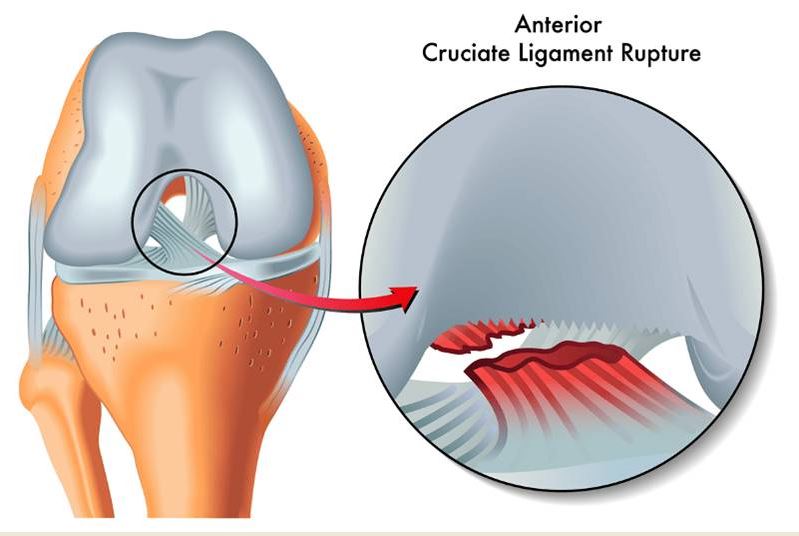
Nearly one in three participants offered supervised exercise therapy with optional delayed anterior cruciate ligament (ACL) reconstruction had MRI evidence of spontaneous ACL healing two years after ACL rupture. Those who are healed are more likely to report better patient-reported outcomes than participants without healing or who underwent early or delayed ACL reconstruction.

Background

Many assume that a torn ACL cannot heal spontaneously. If we better understood how often a torn ACL heals and how ACL healing relates to patient-reported outcomes, we could identify the best treatment options for certain patients.

Study aim

Filbay and colleagues completed a secondary analysis of data from the KANON study to report how often the ACL heals within the first five years after an ACL injury and to compare 2- and 5-year outcomes among those who do and do not heal are.

Methods

The KANON randomized controlled trial compared results between 62 participants who received early reconstruction and 59 participants who received supervised exercise therapy with optional delayed ACL reconstruction. A blinded radiologist assessed each knee 2 and 5 years after injury for ACL healing (on MRI) and osteoarthritis. The primary outcomes of interest were ACL healing, the Knee Injury and Osteoarthritis Outcome Score (KOOS), Tegner Activity Scale, measures of passive knee laxity, and osteoarthritis at 2 and 5 years postinjury.

Results

Two years after injury, 30% (16 of 54) of participants assigned to rehabilitation with the option of delayed ACL reconstruction had evidence of ACL healing. More specifically, 53% of participants (16 of 30) treated with rehabilitation alone had evidence of ACL healing. Participants who demonstrated ACL healing reported better KOOS scores at the two-year follow-up than the nonunion, delayed ACL reconstruction, and early ACL reconstruction groups. At the five-year follow-up, KOOS scores were more comparable between groups.

Viewpoints

The results of this study show that spontaneous ACL healing occurs in approximately 30% of people with ACL rupture. This finding of spontaneous healing is consistent with previous research. Participants with ACL healing reported better knee symptoms than peers who did not heal or received ACL reconstruction (early or delayed). Hopefully, this study will lead to new research with larger cohorts to help us identify who will experience and benefit from spontaneous ACL healing.

Questions for discussion

Do you feel that this research will have an impact on your clinical practice regarding ACL ruptures and their treatment?

Written by: Kyle Harris
Review by: Jeffrey Driban

related posts

Why patients treated nonoperatively after an ACL injury decide to undergo surgery
Treatment after acute injury of the anterior cruciate ligament (ACL), part 2: treatment of the patient with an ACL injury
Coach the coach, make ACL injury prevention programs stick!
BEAR: a bridge to better psychological preparedness after ACL injury
Do patients check all the boxes after ACL reconstruction?


ACL EBP CEUs

Source link

Similar Posts

  • The Benefits of Using a Knee Compression Sleeve

    A knee compression sleeve is a beneficial accessory for individuals who engage in physical activities or suffer from knee-related issues. This article explores the advantages of using a knee compression sleeve, including improved stability and support, pain relief and reduced swelling, increased blood circulation, injury prevention, and improved performance. Key Takeaways A knee compression sleeve…

  • An Essential Guide to Using an Ice Pack for Knee Pain

    Knee pain can be a debilitating condition that affects people of all ages. Whether it’s caused by an injury, arthritis, or overuse, finding relief is essential for maintaining an active lifestyle. One effective method for alleviating knee pain is using an ice pack. In this guide, we will explore the benefits of using ice packs,…

  • DMCA Compliance for Fitness Bloggers: Stay Safe!

    Did you know that 80% of fitness bloggers unknowingly violate copyright laws on their blogs? As a fitness blogger, your content is your most valuable asset. But are you taking the necessary steps to protect it? By understanding and adhering to DMCA compliance, you can safeguard your hard work and ensure that your fitness blog…

  • |

    Knee replacement infection signs

    What if the biggest threat to your new joint isn’t the surgery itself, but something that can surface weeks or even years later? Being aware of Knee replacement infection signs is crucial. Total hip and knee arthroplasties are among the most common elective operations. For most people, they are a resounding success. Yet, data shows about 1 in 100 patients will face a serious complication after their procedure. monitoring knee replacement healing We recognize that a successful outcome relies on two things: the surgical skill and your long-term vigilance. Our goal is to empower you with knowledge. By learning to monitor your recovery, you can protect your investment in a pain-free life. This guide helps you distinguish between normal healing and the early warning signals of a problem. Understanding these signs allows you to seek timely medical attention for a joint replacement. Understanding the Knee replacement infection signs can make a significant difference in your recovery journey. Key Takeaways While highly successful, about 1% of joint replacement patients develop an infection. Early detection of complications is critical for protecting your surgical results. Patient awareness during the recovery process is as important as the initial procedure. Knowing the difference between normal healing and potential warning signs is key. Common indicators include increased pain, new swelling, warmth, redness, or fever. Prompt action and communication with your healthcare team are essential. Long-term joint health requires ongoing attention and care. Overview of Knee Replacement Surgery and Infection Risks With millions of Americans opting for this surgery each year, understanding its scope and associated risks is fundamental. This procedure is a cornerstone of modern orthopedics, offering renewed mobility to those with severe joint conditions. knee replacement surgery overview Introduction to Knee Replacement Procedures Medical projections suggest that by 2030, the number of these operations performed annually in the United States will reach 3.48 million. This type of intervention is highly common and successful. It involves replacing damaged joint surfaces with artificial components. Why Infections Occur Around Implants Bacteria are abundant on our skin and in our bodies. They can enter during surgery or later through the bloodstream. Once they reach the artificial joint, they can form a sticky biofilm. This biofilm makes it extremely difficult for the body’s natural defenses to clear the germs. Implants are made of metal and plastic, which are non-organic materials. The immune system struggles to fight bacteria that colonize these surfaces. Such complications can occur in the surgical wound or deep around the implant itself. Understanding these underlying conditions is the first step in prevention. Knee Replacement Infection Signs: What to Watch For Your vigilance in the weeks and months following the procedure is your first line of defense against potential problems. We empower you to become an expert in your own recovery. Knowing what to expect makes it easier to spot when something is wrong. Common Symptoms and Warning Signals Certain symptoms should prompt immediate contact with your care team. A fever above 100°F (37.8°C) is a classic red flag. Chills or night sweats often accompany it. Pay close attention to the surgical wound. Any foul-smelling or grey liquid drainage is not normal. Increased pain or stiffness that doesn’t improve after several weeks is a concern. A deep joint infection might make walking painful long after your expected recovery period. We remind you that these issues can surface months or years later. knee replacement infection…

  • |

    Knee Pain Relief Patch

    Knee Pain Relief Patch: A Comprehensive Guide to Alleviating Discomfort Knee pain can be a debilitating condition that affects millions of people worldwide. It can be caused by a variety of factors, such as injury, overuse, or arthritis. While there are many treatments available for knee pain, one option that has gained popularity in recent…

  • Knee Brace When Running: Comfort & Support

    Running is a popular form of exercise that offers numerous health benefits, but it can also put strain on various parts of your body, including your knees. Whether you’re a seasoned marathon runner or a recreational jogger, taking care of your knees is crucial for maintaining a pain-free running routine. This is where a knee…

One Comment

Leave a Reply

Your email address will not be published. Required fields are marked *