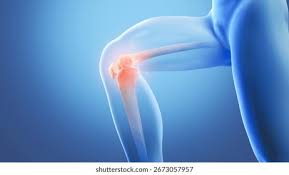
Holistic Approaches to Managing Knee Pain
If you have mild to moderate knee pain, finding effective and non-invasive methods for managing it is crucial. Holistic approaches offer a holistic knee pain solution, focusing on natural remedies and alternative treatments that can provide relief and improve your quality of life. In this article, we will explore various holistic approaches and integrative methods for knee pain relief.
Key Takeaways:
- Rest, ice, compression, and elevation (RICE) method is a simple and effective holistic approach for strains and sprains.
- Practicing tai chi improves balance and flexibility, reducing knee pain over time.
- Regular exercise, such as cycling, walking, and swimming, strengthens muscles and maintains mobility.
- Weight management plays a vital role in reducing pressure on knee joints.
- Heat and cold therapy along with herbal ointments may provide temporary pain relief and reduce inflammation.
Recommended Exercises for Knee Pain Relief
Regular exercise is an essential component of managing knee pain. Engaging in low-impact activities is particularly beneficial for strengthening the muscles surrounding the knee and improving mobility. Here are some exercises that can provide relief and help alleviate knee pain:
- Cycling: Whether outdoors or on a stationary bike, cycling is a great low-impact exercise that can help strengthen the muscles in your legs, including those around your knee.
- Walking: Walking is a simple yet effective exercise that can be easily incorporated into your daily routine. It promotes joint flexibility and helps strengthen the muscles that support your knee.
- Swimming: Swimming or water aerobics are excellent options for individuals with knee pain. The buoyancy of water minimizes stress on the joints while providing resistance for muscle strengthening.
- Tai Chi: This ancient Chinese martial art combines slow, flowing movements with deep breathing and mental focus. Tai chi helps improve balance, flexibility, and joint stability, making it ideal for individuals with knee pain.
- Yoga: Yoga is a gentle form of exercise that incorporates stretching, breathing exercises, and meditation. It can help improve flexibility and strengthen the muscles around the knee.
It’s important to choose exercises that you enjoy and listen to your body’s signals. If you experience an injury, severe knee pain, or a flare-up of symptoms, it may be necessary to rest temporarily from exercise. Consulting with a doctor or a physical therapist can help you design an exercise program that is suitable for your specific needs and can be adjusted as your symptoms change.
Exercise Recommendations for Knee Osteoarthritis
If you have knee osteoarthritis, specific exercises can help manage your symptoms and improve joint function. It’s important to perform exercises that are gentle on your joints while still providing benefits. Here are some recommendations:
- Quadriceps Sets: Sit on the floor with your legs straight. Tighten the muscles on the front of your thigh and hold for 5-10 seconds. Repeat 10-15 times for each leg.
- Hamstring Stretches: Lie flat on your back with one leg extended. Flex your foot and gently pull your leg towards your chest until you feel a stretch in the back of your thigh. Hold for 30 seconds and repeat on the other leg.
- Heel Slides: Lie on your back with your knees bent. Slowly slide one heel along the floor, straightening your knee as much as possible. Return to the starting position and repeat with the other leg. Aim for 10-15 repetitions on each leg.
- Leg Raises: Sit on a chair with your back straight. Extend one leg straight in front of you and hold for a few seconds. Lower your leg and repeat with the other leg. Start with 10 repetitions on each leg and gradually increase as tolerated.
“Exercise can be one of the most effective ways to manage knee pain and improve joint function. It helps strengthen the muscles surrounding the knee, enhances flexibility, and reduces stiffness. Remember to always consult with a healthcare professional before starting any new exercise program, especially if you have underlying health conditions.”
Natural Remedies and Supplements for Knee Pain Relief
Along with holistic approaches and exercise, there are several natural remedies and supplements that may provide relief for knee pain. Incorporating these natural therapies into your pain management routine can help reduce discomfort and improve your overall well-being.
Topical Treatments for Knee Pain
One effective way to ease knee pain is by using topical treatments. These products are applied directly to the skin and can help reduce pain and inflammation. Common topical treatments for knee pain include:
- Capsaicin cream: Derived from chili peppers, capsaicin cream can help relieve pain by blocking the transmission of pain signals.
- Essential oils: Lavender and arnica essential oils have anti-inflammatory properties that can provide temporary relief when massaged onto the affected area.
- Nonsteroidal anti-inflammatory drugs (NSAIDs): Available in the form of gels, patches, or liquids, NSAIDs such as ibuprofen or diclofenac can help reduce pain and inflammation when applied topically.
Herbal Remedies and Supplements
Incorporating certain herbs and supplements into your daily routine may also help alleviate knee pain. While more research is needed to confirm their effectiveness, these natural remedies have shown promise:
- Turmeric: This yellow spice contains curcumin, which has anti-inflammatory properties and may help reduce knee pain.
- Ginger: Ginger has long been used in traditional medicine for its anti-inflammatory effects and potential pain-relieving properties.
- Vitamin E: As an antioxidant, vitamin E may help protect the joints from damage and reduce the risk of inflammation.
- Methylsulfonylmethane (MSM): This organic sulfur compound is believed to have anti-inflammatory and analgesic properties, making it a popular supplement for joint pain relief.
It’s important to remember that herbal remedies and supplements may not be suitable for everyone. Always consult with a healthcare professional before starting any new supplement regimen, especially if you have any underlying medical conditions or take prescription medications.

Other Therapies for Managing Knee Pain
In addition to the holistic approaches, exercise, and natural remedies mentioned earlier, there are other therapies that can help manage knee pain. These therapies focus on providing relief, improving knee function, and reducing stress.
Heat and Cold Therapy
Heat and cold therapy can effectively alleviate knee pain and reduce inflammation. Applying heat to the affected area improves blood circulation and relaxes muscles, while cold therapy reduces swelling and numbs the area to alleviate pain. Alternating between heat and cold treatments can provide further relief. To apply heat or cold therapy, use a hot or cold pack, wrap it in a cloth, and place it on the knee for 15-20 minutes at a time.
Massage Therapy
Massage therapy can help reduce knee pain by relaxing tight muscles, increasing blood flow, and releasing tension in the surrounding tissues. Deep tissue massage, Swedish massage, and myofascial release techniques are commonly used to target the muscles and connective tissues around the knee. Consult with a professional massage therapist who has experience in treating knee pain to receive the most effective treatment.
Physical Therapy
Physical therapy is a valuable treatment for knee pain, especially if it is caused by injuries or conditions such as osteoarthritis. A physical therapist can design a customized exercise program that focuses on knee strengthening, stretching, and improving mobility. Through targeted exercises and manual therapy, physical therapy aims to reduce pain, increase range of motion, and improve overall knee function.
Stress Reduction
Stress can exacerbate knee pain and make it more challenging to manage. Engaging in stress reduction techniques like deep breathing exercises, meditation, and yoga can help alleviate both physical and mental stress. By practicing these techniques regularly, you can reduce muscle tension, promote relaxation, and improve your overall well-being.
Acupuncture
Acupuncture is an ancient Chinese therapy that involves inserting thin needles into specific points on the body to stimulate healing. This practice has shown promise in relieving knee pain, although more research is needed to fully understand its effectiveness. Acupuncture can help reduce inflammation, increase blood flow, and stimulate the release of endorphins, the body’s natural painkillers.
Transcutaneous Electrical Nerve Stimulation (TENS)
Transcutaneous Electrical Nerve Stimulation (TENS) is a non-invasive therapy that involves applying mild electrical impulses to the skin near the knee. These electrical impulses help block pain signals and stimulate the release of endorphins, providing relief from knee pain. TENS units can be acquired for home use, but it is recommended to consult with a healthcare professional to determine the appropriate settings and application techniques.
If you are considering trying any of these therapies, it is essential to consult with a healthcare professional to determine which treatment may be appropriate and beneficial for your specific condition. They can guide you in selecting the most suitable therapy and ensure its safe and effective implementation.

Conclusion
After exploring various holistic approaches to managing knee pain, it is evident that there are numerous solutions available for natural relief. By combining different methods, individuals can find a personalized and integrative approach to knee pain management that suits their unique needs.
The RICE method (Rest, Ice, Compression, Elevation) provides initial relief for strains and sprains, while regular exercise, such as low-impact activities and muscle-strengthening exercises, can improve flexibility and mobility. Weight management is also crucial in reducing pressure on the knee joints.
In addition, heat and cold therapy, herbal remedies, and natural supplements like turmeric and ginger show potential in alleviating knee pain. Other therapies like acupuncture and physical therapy can also be beneficial in managing knee pain holistically.
It is important to note that finding the right holistic approach may require some trial and error, as what works for one person may not work for others. Therefore, consulting with a healthcare professional and developing an individualized treatment plan is highly recommended. By adopting a holistic and integrative approach, individuals can achieve natural relief for knee pain and improve their overall quality of life.
FAQ
Are there any natural remedies for knee pain relief?
Yes, there are several natural remedies and supplements that may provide relief for knee pain. Topical treatments such as capsaicin cream and essential oils like lavender and arnica can help reduce pain and inflammation. Natural supplements like turmeric, ginger, vitamin E, and methylsulfonylmethane (MSM) have shown potential for relieving knee pain, although more research is needed to confirm their effectiveness.
What exercises are recommended for knee pain relief?
Low-impact activities such as cycling, walking, swimming, tai chi, and yoga can help strengthen the muscles surrounding the knee and improve mobility. It’s important to find an exercise that you enjoy and to listen to your body. If you have an injury, severe knee pain, or a flare-up of symptoms, you may need to rest from exercise temporarily. Consulting with a doctor or a physical therapist can help you design an exercise program that is suitable for your specific needs and can be adjusted as your symptoms change.
What are some other therapies that can help manage knee pain?
Heat and cold therapy, massage therapy, and physical therapy can provide relief and improve knee function. Stress reduction techniques like deep breathing, meditation, and yoga can also help alleviate knee pain. Acupuncture and transcutaneous electrical nerve stimulation (TENS) have shown promise in relieving knee pain, but further research is needed to validate their effectiveness. It’s important to consult with a healthcare professional to determine which therapy may be appropriate for your specific condition.
What are some holistic approaches to managing knee pain?
Holistic approaches to managing knee pain include the RICE method (Rest, Ice, Compression, Elevation) for strains and sprains, regular exercise to keep muscles strong and maintain mobility, weight management to reduce pressure on your knee joints, and heat and cold therapy to relieve pain and reduce inflammation. Herbal ointments made from cinnamon, ginger, mastic, and sesame oil may also provide some pain relief, though more research is needed. It’s important to consult with a healthcare professional before trying any alternative remedies or supplements.
What should I keep in mind when managing knee pain holistically?
It’s important to remember that what works for one person may not work for another, so it may require some trial and error to find the best holistic approach for managing knee pain. Consulting with a healthcare professional is recommended to develop an individualized treatment plan. By taking a holistic and integrative approach, you can find natural relief for your knee pain and improve your overall quality of life.