images
|

Knees Hurt from Standing All Day?

Knees Hurt from Standing All Day? Here’s What You Need to Know

If you’ve ever spent a full day on your feet, you know how exhausting it can be. Not only can standing for long periods of time make you feel tired, but it can also cause discomfort in your knees. Knee pain from standing all day is a common issue that affects people of all ages, but it can be especially problematic for those who work in jobs that require them to stand for extended periods.
v2 21oyt

Understanding knee pain is the first step in finding relief. Knee pain from standing can be caused by a variety of factors, including overuse, injury, or underlying health conditions like arthritis. It’s important to identify the root cause of your knee pain so that you can take the appropriate steps to alleviate it.

If you’re experiencing knee pain from standing all day, you’re not alone. In this article, we’ll explore the causes of knee pain, answer some frequently asked questions, and provide tips for preventing and treating knee pain from standing. By the end of this article, you’ll have a better understanding of how to keep your knees healthy and pain-free.

Key Takeaways

  • Knee pain from standing can be caused by a variety of factors, including overuse, injury, or underlying health conditions like arthritis.
  • Identifying the root cause of your knee pain is important for finding relief.
  • There are several steps you can take to prevent and treat knee pain from standing, including wearing supportive shoes and taking regular breaks to rest your feet and legs.

Understanding Knee Pain

https://www.youtube.com/watch?v=y_-LlAjmpZ0&embed=true

Knee pain is a common complaint among people who stand for long periods of time. It can be caused by a variety of factors, including injury, trauma, medical conditions, and excess weight. In this section, we will discuss the anatomy of the knee, common causes of knee pain, symptoms and diagnosis, risk factors and complications, and medical research and studies.

Anatomy of the Knee

The knee is a complex joint that is composed of bones, ligaments, cartilage, and tendons. The kneecap, or patella, is a small, triangular bone that sits in front of the knee joint. The ligaments are tough bands of tissue that connect the bones and provide stability to the joint. The cartilage is a smooth, rubbery material that covers the ends of the bones and allows them to glide smoothly over each other. The meniscus is a C-shaped piece of cartilage that acts as a shock absorber between the bones. The tendons are the bands of tissue that connect the muscles to the bones.

Common Causes of Knee Pain

Some common causes of knee pain include osteoarthritis, arthritis, injury, trauma, bursitis, tendinitis, torn meniscus, anterior cruciate ligament (ACL) injury, and patellar tendinitis. These conditions can cause swelling, redness, pain, popping, stiffness, and weakness in the knee joint.

Symptoms and Diagnosis

The symptoms of knee pain can vary depending on the cause of the pain. Some common symptoms include intense pain, swelling, redness, tenderness, popping sound, weakness, and instability. To diagnose the cause of knee pain, a medical history and physical examination are usually performed. The McMurray test is a common diagnostic test used to detect meniscal tears. In some cases, imaging tests such as X-rays, MRIs, or CT scans may be ordered.

Risk Factors and Complications

Some risk factors for knee pain include running, age, excess weight, and obesity. Lifestyle changes such as losing weight, wearing supportive shoes, and avoiding high-impact activities can help reduce the risk of knee pain. Complications of knee pain can include chronic pain, disability, and decreased quality of life.

Medical Research and Studies

Medical research and studies have shown that exercise, physical therapy, and surgery can be effective treatments for knee pain. In some cases, medications such as nonsteroidal anti-inflammatory drugs (NSAIDs) or corticosteroids may be prescribed to reduce pain and inflammation. Other treatments such as acupuncture, massage, and chiropractic care may also be helpful for some people. It is important to speak with a healthcare provider to determine the best treatment plan for your individual needs.

In summary, knee pain can be caused by a variety of factors and can have a significant impact on daily life. Understanding the anatomy of the knee, common causes of knee pain, symptoms and diagnosis, risk factors and complications, and medical research and studies can help individuals make informed decisions about their healthcare and treatment options.

Frequently Asked Questions

v2 21oz7 rc7wh

What is the fastest way to relieve knee pain?

The fastest way to relieve knee pain is to rest and elevate your legs. Applying ice to the affected area for 20 minutes at a time can also help. Over-the-counter pain medication such as ibuprofen or acetaminophen can also be effective in reducing pain and inflammation.

What helps knee pain from standing all day?

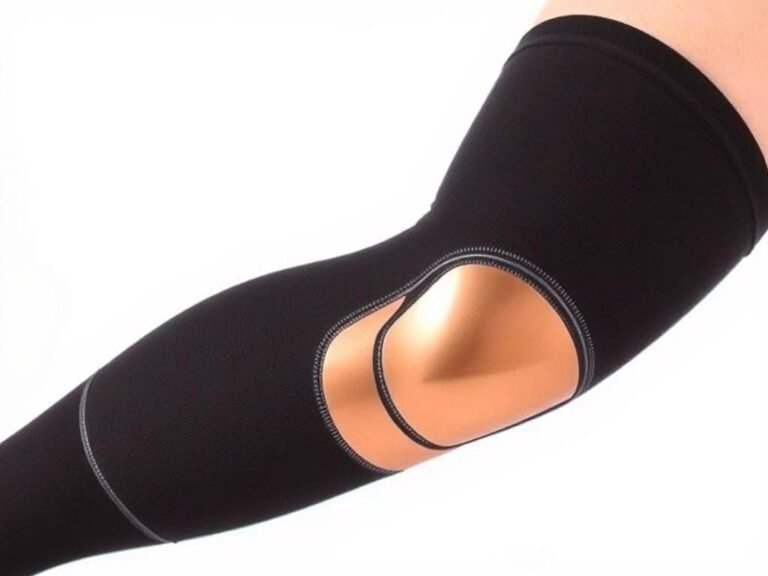
Wearing comfortable shoes with good support and taking frequent breaks to sit or lie down and elevate your feet can help alleviate knee pain from standing all day. Additionally, using a knee support or brace can help take the pressure off of your knees and reduce pain.

Is it normal for knees to hurt after standing all day?

It is not uncommon for knees to hurt after standing all day, especially if you have not built up the necessary strength or endurance to handle prolonged standing. However, if the pain is severe or persists for an extended period of time, it may be a sign of an underlying condition and you should consult a healthcare professional.

Why do my knees hurt when I stand up after sitting?

When you sit for an extended period of time, your knees can become stiff and may experience reduced blood flow. When you stand up, this can cause a sudden increase in pressure in your knees, leading to pain. This is often referred to as “start-up” pain and can be alleviated by stretching and moving your legs before standing up.

How can I prevent knee pain from standing all day?

To prevent knee pain from standing all day, it is important to wear comfortable shoes with good support and take frequent breaks to sit or lie down and elevate your feet. Additionally, performing exercises that strengthen the muscles around your knees can help prevent pain and injury.

What are some exercises that can help with knee pain?

Exercises such as leg lifts, squats, and lunges can help strengthen the muscles around your knees and reduce pain. Low-impact exercises such as swimming, cycling, and yoga can also be effective in reducing knee pain while improving overall strength and flexibility.

Similar Posts

  • |

    Knee replacement age limit

    Is there a magic number that determines when you’re too old for a joint procedure? This is one of the most common questions we hear from individuals struggling with persistent pain. Many believe a strict cutoff exists. In reality, the decision for this surgical intervention is far more nuanced. Nearly one million of these procedures are performed each year in the United States. knee replacement age limit discussion We find the timing is based on your unique health profile, not just the calendar. Your specific joint condition and how it impacts your daily mobility are the true guides. While concerns about being “too old” are frequent, we see successful outcomes across a wide spectrum of years. The focus should be on your overall wellness and the level of disability you’re experiencing. Key Takeaways There is no universal, strict age cutoff for considering a joint procedure. The decision is highly individual, based on health and lifestyle factors. Successful outcomes are achieved for patients of various ages. Your specific level of pain and disability is a more critical factor than your birth year. Nearly one million of these surgeries are performed annually in the U.S. A consultation focuses on your overall wellness, not just a number. Understanding Knee Replacement Surgery When pain from joint degeneration becomes debilitating, many consider surgical intervention as a viable solution. This procedure, formally called arthroplasty, removes damaged bone and cartilage. Artificial implants are then secured to restore smooth movement. understanding knee replacement surgery What Is Knee Replacement? Arthroplasty is a major operation performed by orthopedic specialists. During this surgery, the ends of the thigh and shin bones are reshaped. Metal and plastic components are fixed in place to create a new joint surface. The goal is to eliminate discomfort and improve mobility. According to Toni Golen, M.D., and Hope Ricciotti, M.D., these artificial joints typically function well for 15 to 20 years. This durability influences the timing of the operation. Who Are the Ideal Candidates? We identify suitable candidates based on several key factors. The severity of arthritis discomfort is a primary consideration. Individuals whose chronic pain persists despite medications or injections are often good candidates. Doctors also examine how the joint has deteriorated over time. When non-surgical options no longer provide relief, this procedure may be recommended. Research shows 80% to 90% of individuals report positive outcomes after their operation. Evaluation Factor Description Importance Level Pain Level Chronic discomfort that limits daily activities High Treatment Response Lack of improvement with conservative therapies High Joint Damage Visible degeneration on X-rays or scans High Overall Health Ability to tolerate anesthesia and recovery Critical Activity Goals Desire to return to specific functions Moderate Younger patients may be advised to wait for optimal timing. This ensures the implant lasts for many years. The decision ultimately balances current suffering with long-term health outcomes. Medical Factors Beyond Age Medical professionals look beyond the calendar to evaluate a person’s fitness for a major joint operation. Your specific health profile and daily function are the true guides. Overall Health and Its Role We emphasize that your overall health is critical. It determines if you can handle the demands of surgery and recovery. Clinics like Integrity Spine & Orthopedics stress trying conservative options first. These treatments include physical therapy and joint injections for pain relief. Exhausting these paths is a key step before considering an operation. medical factors beyond…

  • | |

    Why does my knee make strange noises after ACL surgery? Is this normal?

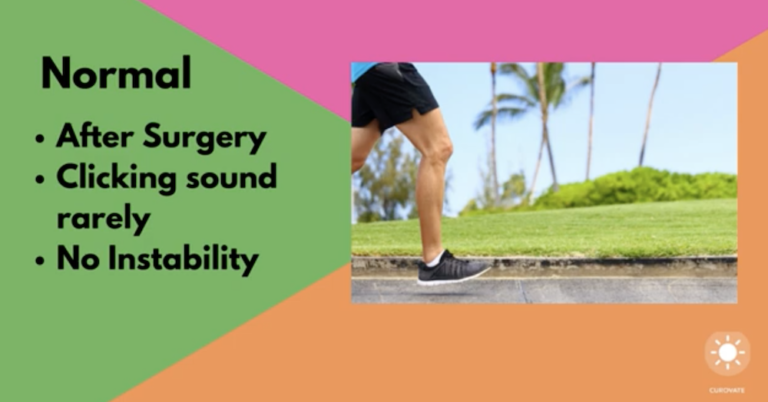
    It is not uncommon for your knee to make strange grinding and clicking noises after ACL surgery. The first thing people think is that there must be something wrong with my new ACL graft! This is rarely the case. Pain, swelling, and strange noises your knee makes after ACL surgery are all usually normal after…

  • Rehabilitation Exercises for Knee

    Rehabilitation Exercises for Knee Ligaments: Strengthening and Recovery Techniques As physical therapists, we often see patients with knee ligament injuries. Knee ligaments are strong bands of tissue that connect the thighbone to the shinbone and provide stability to the knee joint. Injuries to knee ligaments can result in pain, swelling, and decreased range of motion….

  • Knee Support When Hiking: Best Braces And Tips

    Are you an avid hiker looking to elevate your outdoor adventures? It’s crucial to prioritize your knee health and invest in proper knee support when hiking. Whether you’re tackling challenging terrain or embarking on long hikes, the right knee braces can provide the stability and comfort you need to prevent injuries and alleviate pain. In…

  • |

    Knee replacement rehab timeline

    What if the most critical part of your joint procedure happens after you leave the operating room? We understand that navigating the path to healing can feel overwhelming. Our guide is here to provide the clarity you need for a successful journey. knee replacement rehab timeline Data shows that movement often starts very quickly. Physical therapy typically begins within 24 hours after your procedure. This early step is vital for promoting faster healing and restoring mobility. For most people, the complete process of regaining strength spans several months. It’s a journey from the initial post-operative phase to full recovery, often taking between six and twelve months. We aim to help you manage expectations about the time required to return to the activities you love. While every patient’s experience is unique, understanding the general phases can significantly reduce anxiety. By following a structured plan, you can improve function and regain the independence you enjoyed before joint pain began. Your commitment to rehabilitation directly influences the long-term success of your new joint and overall health. Key Takeaways Physical activity often starts within a day of your procedure to aid healing. The full recovery process generally takes between six months and a year. Your personal journey is unique, but knowing common stages reduces worry. A structured plan is crucial for regaining function and independence. Your dedication to the process directly impacts your long-term results. This guide provides clarity to navigate each stage with confidence. Understanding Knee Replacement Surgery We believe informed patients are empowered patients, starting with the details of the operation itself. Knowing which procedure is right for you is a crucial first step in preparing for your healing journey. Differences Between Total and Partial Knee Replacement A total knee replacement involves resurfacing the entire joint with an artificial structure. Surgeons cut away worn cartilage and bone to create a new surface. In contrast, a partial knee replacement focuses only on the damaged compartment. This targeted approach often leads to a quicker recovery process with less discomfort. What to Expect During Surgery and Initial Recovery During your replacement surgery, the medical team precisely aligns the new components. This careful work is done to restore smooth movement and function. Your personal recovery timeline is influenced by factors like your age and general health. Understanding these differences helps you set realistic goals for after your knee surgery. The ultimate goal of this joint procedure is to provide lasting relief from chronic pain and improve your mobility. Immediate Post-Surgery Recovery The journey to regain your mobility starts the moment you wake from anesthesia. Your active participation is vital from these first hours. immediate post surgery recovery We emphasize that structured support begins almost immediately. This early phase sets the foundation for your entire healing process. Day 1: Initiating Rehabilitation and Mobility Physical therapy often starts within 24 hours of your procedure. Your physical therapist will help you take those first, crucial steps. They guide you in standing and walking with a walker or crutches. These initial sessions focus on basic, safe movements. You’ll practice sitting at the bedside and transferring your weight. This early activity promotes circulation and helps prevent complications. Transitioning from Hospital to Home Your medical team must see you meet specific safety criteria before discharge. You need to manage pain well and demonstrate independent movement. Key goals include standing from a chair and using the bathroom alone. Navigating a short flight of stairs is also a common requirement. Some individuals may leave the hospital on the same day as their operation. This is possible if all safety boxes are checked. Your care team will provide clear instructions for protecting your new joint. They will also give you simple exercises to continue at home. The First Week: Early Rehabilitation Steps Navigating the initial week after your operation requires a clear focus on gentle movement and symptom management. We guide you through this period where your routine prioritizes restoring a natural walking pattern and improving joint flexibility. early rehabilitation steps Guided Physical Therapy Exercises for Range of Motion During the first 48 hours, the primary goal is achieving full extension and increasing flexion. Your physical therapist will recommend specific movements to help. These early exercises are designed to prevent stiffness and promote circulation. Your daily routine is crucial for maintaining flexibility in this joint. Managing Pain, Swelling, and Initial Activity Controlling discomfort is a priority. Your doctor may advise using ice packs, elevating your leg, and taking medication as directed. You must monitor your incision site closely. The American Association of Hip and Knee Surgeons suggests waiting 5 to 7 days before showering if non-waterproof dressings are used. We encourage gentle activity, like using a stationary bike. This helps the area regain strength without overexertion. If you experience severe pain or excessive swelling, stop and consult your physical therapist or surgeon immediately. Following a structured rehabilitation timeline is key for a successful recovery….

  • Athletes’ diets do not meet the Healthy Eating Index

      Diet quality of NCAA Division I athletes assessed by the Healthy Eating Index Werner EN, Robinson CA, Kerver JM, Pivarnik JM. J Am Coll Health. 2022 May 27:1-7. doi: 10.1080/07448481.2022.2076102. E-publishing prior to printing. PMID: 35623046. https://www.tandfonline.com/doi/abs/10.1080/ Take home message Division I collegiate athletes reported poor diet quality. Background Collegiate athletes must balance a…

Leave a Reply

Your email address will not be published. Required fields are marked *