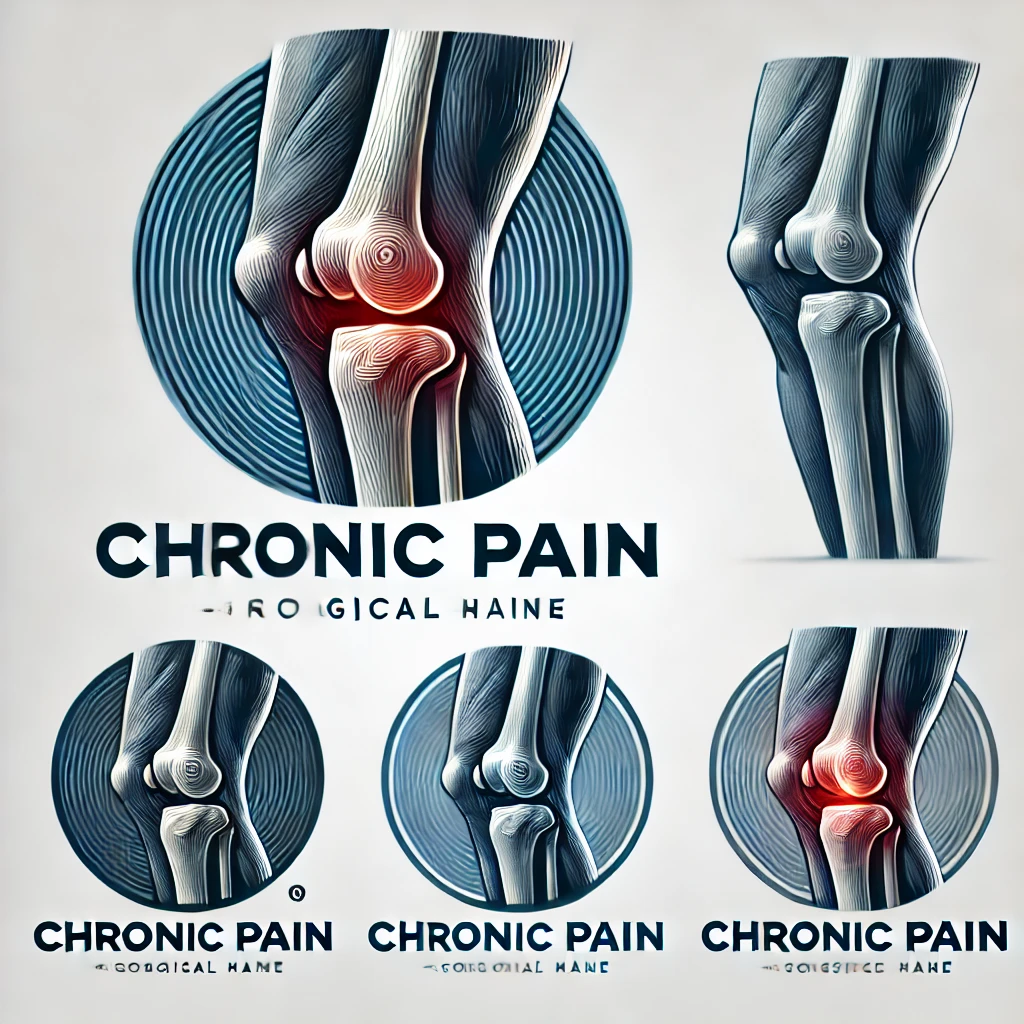

Ease Pain: Front of Knee Hurts Going Down Stairs
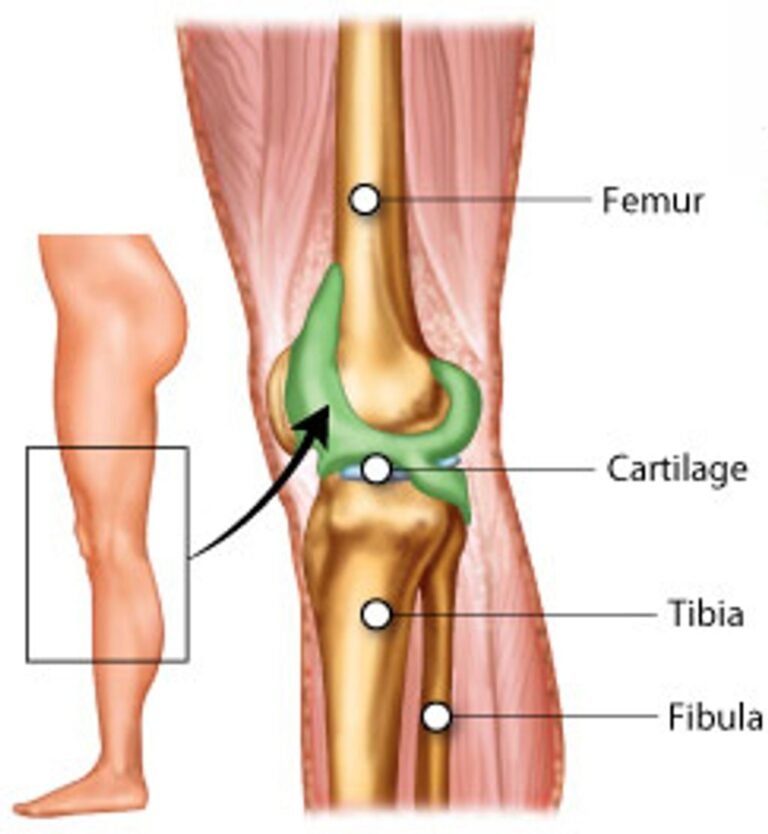
One of the most common complaints about knee pain is experiencing discomfort when climbing up and down stairs. This is particularly true when going down stairs, as it puts additional stress on the knee joint. The knee is made up of four bones, including the femur, tibia, patella, and fibula, which are supported by ligaments and muscles. When bending the leg to walk up or down stairs, the patella slides over the femur. If the cartilage is damaged, the kneecap may slide out of position, causing pain. Descending stairs can put up to 3.5 times the body weight on the kneecap, which can be a significant amount of pressure.
Common causes of knee pain when going down stairs include knee osteoarthritis, patellofemoral pain syndrome, muscle strain, IT band syndrome, ligament injury, and compensation injury from foot or ankle injuries. Treatment options for knee pain include rest, ice, compression, and elevation (RICE), over-the-counter medications, weight management, exercise and physical therapy, support aids, biomechanical devices, and prescription medication if needed. Consulting with a healthcare professional is essential to receive an accurate diagnosis and develop an appropriate treatment plan.
Key Takeaways:
- Knee pain when descending stairs can be a common complaint.
- Common causes of knee pain when going downstairs include knee osteoarthritis, patellofemoral pain syndrome, muscle strain, IT band syndrome, ligament injury, and compensation injury.
- Treatment options for knee pain include rest, RICE (rest, ice, compression, and elevation), over-the-counter medications, weight management, exercise and physical therapy, support aids, biomechanical devices, and prescription medication.
- Consulting with a healthcare professional is important to receive an accurate diagnosis and develop an appropriate treatment plan.
Knee Osteoarthritis
Knee osteoarthritis is a common condition that affects millions of people in the United States. It occurs when the cartilage supporting the knee joint breaks down or degenerates, leading to various symptoms such as knee pain, inflammation, stiffness, and grinding or clicking sounds in the knee.
The knee joint is a complex structure consisting of bones, ligaments, and cartilage. When the cartilage wears away, the knee bones rub against each other, causing pain and discomfort.
While there is currently no cure for knee osteoarthritis, there are non-invasive treatment options available to help manage the symptoms and improve knee function. One such treatment option is AposHealth®, a non-invasive and FDA-cleared solution with a high satisfaction rate.

AposHealth® utilizes a personalized biomechanical device that is worn during daily activities. It works by redistributing the load on the knee joint, reducing pain and improving mobility. This innovative treatment approach targets the underlying causes of knee osteoarthritis, offering long-term relief without the need for invasive procedures.
The Benefits of AposHealth®:
- Alleviates knee pain
- Improves knee function
- Reduces inflammation
- Enhances overall quality of life
If you’re experiencing knee pain and other symptoms associated with knee osteoarthritis, it’s important to consult with a healthcare professional for an accurate diagnosis and to discuss appropriate treatment options. A personalized treatment plan, which may include non-invasive options like AposHealth®, can provide relief and help you regain control over your knee health.
Patellofemoral Pain Syndrome
Patellofemoral pain syndrome, also known as jumper’s knee or runner’s knee, is a common cause of anterior knee pain. It occurs when there is irregular movement in the patella (kneecap), leading to damage in the soft tissues surrounding the knee joint. One of the causes of patellofemoral pain syndrome is chondromalacia patella, which is the breakdown and softening of the cartilage on the underside of the kneecap.
Symptoms of patellofemoral pain syndrome may include grinding or clicking sounds in the knee, pain behind, below, and around the kneecap, and pain after sitting for long periods. Muscle weakness, tightness, anatomical abnormalities, or flat feet can contribute to the development of this condition.
Treatment Options for Patellofemoral Pain Syndrome
To alleviate the symptoms of patellofemoral pain syndrome, various treatment options can be considered:
- Strengthening exercises: Strengthening the muscles around the knee, particularly the quadriceps and hip muscles, can help provide stability and support to the kneecap.
- Stretching: Stretching exercises for the quadriceps, hamstrings, and iliotibial (IT) band can help improve flexibility and reduce tension in the knee joint.
- Taping and bracing: Applying tape or using a brace can help provide additional support to the kneecap and reduce excessive or abnormal movement.
In some cases, orthotic devices or shoe inserts may be recommended to address anatomical abnormalities or correct flat feet. These devices can help improve alignment and reduce stress on the knee joint.
It is important to consult with a healthcare professional for an accurate diagnosis and personalized treatment plan tailored to individual needs. With appropriate management and targeted interventions, individuals with patellofemoral pain syndrome can find relief and improve their knee health.

Misalignment and Patellar Tracking
In patellofemoral pain syndrome, irregular movement in the patella can lead to misalignment and improper tracking of the kneecap during knee flexion and extension. This can cause pain, discomfort, and dysfunction in the knee joint.
One of the primary goals of treatment is to improve patellar tracking and restore proper alignment. This can be achieved through a combination of exercises targeting muscle strength, flexibility, and stability, as well as biomechanical interventions to correct any anatomical abnormalities or imbalances.
Strengthening Exercises
Quadriceps strengthening: Strengthening the quadriceps muscles can help support the patella and improve its tracking. Exercises such as squats, lunges, and leg presses can be beneficial in building strength in the quadriceps.
Hip strengthening: Weakness in the hip muscles, particularly the glutes, can contribute to patellofemoral pain syndrome. Exercises like hip bridges, clamshells, and lateral leg raises can help strengthen the hip muscles and provide stability to the knee joint.
Stretching and Flexibility Exercises
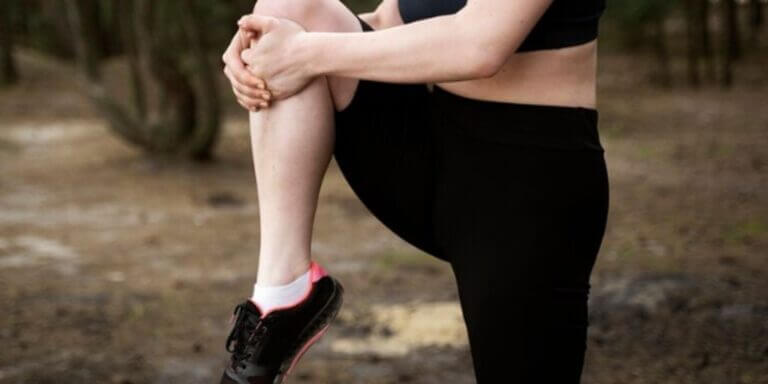
Quadriceps stretching: Stretching the quadriceps muscles can help alleviate tension and improve flexibility in the knee joint. Standing quadriceps stretches and kneeling quadriceps stretches are effective exercises for this purpose.
IT band stretching: The iliotibial (IT) band, which runs along the outside of the thigh, can contribute to patellofemoral pain syndrome if it is tight. Stretching exercises such as the standing IT band stretch or foam rolling the IT band can help alleviate tightness and improve patellar tracking.
Proper alignment and tracking of the patella are crucial to maintaining a healthy knee joint. By incorporating strengthening, stretching, and flexibility exercises into your routine, you can improve patellar tracking and reduce the likelihood of patellofemoral pain syndrome.
Muscle Strain and IT Band Syndrome
Knee pain when going down stairs can also be caused by muscle strain and IT band syndrome. Muscle strain refers to minor muscle injuries that can cause pain when going down stairs. It can occur due to overuse, sudden movements, or improper form during physical activities. Common symptoms of muscle strain include localized pain, stiffness, swelling, and difficulty moving the affected area.
IT band syndrome typically occurs due to repetitive knee-bending activities like running, biking, or hiking. The iliotibial (IT) band is a tendon that connects the pelvis to the top of the shin and passes over the side of the knee. If the IT band becomes inflamed, it can lead to severe knee pain when climbing stairs. This condition is commonly characterized by sharp, burning pain on the outside of the knee.
In addition to muscle strain and IT band syndrome, ligament injuries like ACL and MCL sprains or tears can also cause pain when going up or down stairs. These injuries often result from sudden twisting or impact to the knee, causing damage to the ligaments that stabilize the joint. Symptoms of a ligament injury may include pain, swelling, instability, and a popping sensation at the time of injury.
For proper diagnosis and treatment of knee pain, it is important to consult with a healthcare professional. They may recommend various interventions, such as:
- Rest and ice: Resting the affected knee and applying ice can help reduce inflammation and pain.
- Physical therapy and exercise: Strengthening and stretching exercises can improve knee stability and flexibility.
- Biomechanical intervention: Correcting biomechanical issues, such as gait abnormalities or improper movement patterns, can alleviate knee pain and prevent future injuries.
- Medication: Over-the-counter pain relievers or prescribed anti-inflammatory medications may be recommended to manage pain and reduce inflammation.
By addressing the underlying causes of knee pain and following recommended treatment strategies, individuals can find relief and improve their overall knee health.
Compensation Injury
When an injury to the foot or ankle occurs, it can have a significant impact on how we stand and walk. This can lead to an altered gait, where our stride and movement patterns are affected. Unfortunately, this compensation can put excess load on the knee when going down stairs, causing pain and discomfort.
Foot or ankle injuries can range from sprains and fractures to tendonitis or plantar fasciitis. Regardless of the specific injury, the altered gait that follows can disrupt the normal distribution of weight and force throughout the lower body, placing additional strain on the knee joint. As a result, activities like descending stairs can become particularly painful and challenging.
Biomechanical intervention may be necessary to correct the gait and alleviate knee pain associated with compensation injuries. By identifying the underlying causes of the altered gait, such as misalignment, weakness, or injury, healthcare professionals can develop personalized treatment plans to address these issues.
One important aspect of correcting the gait is focusing on proper technique when walking up or down stairs. It’s crucial to step onto the stairs with the entire foot, activating the gluteus muscles by pushing off from the outer heel. Additionally, ensuring that the knee is aligned over the foot can help distribute the load more evenly and reduce strain on the knee joint.
Addressing both the foot or ankle injury and the resulting altered gait is crucial for effective pain relief. By seeking biomechanical intervention and following a comprehensive treatment plan, individuals can regain stability, improve their gait mechanics, and experience relief from knee pain.
| Common Causes of Compensation Injury | Effects on Gait |
|---|---|
| Foot or ankle sprains | Altered weight distribution and instability |
| Fractures | Changes in walking pattern to avoid pain |
| Tendonitis or plantar fasciitis | Altered stride length and increased pressure on the knee |
Correcting the underlying issues related to compensation injuries is crucial for long-term pain relief and improved mobility. Through biomechanical intervention and targeted treatment approaches, individuals can restore their natural gait mechanics, reduce excess load on the knee, and regain their quality of life.
Conclusion
Knee pain when going down stairs can significantly impact daily activities, but there are effective ways to find relief and improve knee health. It is crucial to consult with a healthcare professional for an accurate diagnosis and the development of an appropriate treatment plan tailored to individual needs.
The treatment options for knee pain include a combination of rest, RICE (rest, ice, compression, and elevation), over-the-counter medications, weight management, exercise and physical therapy, support aids, biomechanical devices, and prescription medication if necessary.
By addressing the underlying causes of knee pain and following the recommended treatments, individuals can experience knee pain relief and regain their mobility. Remember to seek medical advice from a healthcare professional and work closely with them to ensure an accurate diagnosis and a personalized treatment plan leading to improved knee health.
FAQ
Why does the front of my knee hurt when going down stairs?
The front of the knee can hurt when going down stairs due to the additional stress placed on the knee joint. Descending stairs puts up to 3.5 times the body weight on the kneecap, causing significant pressure and potentially leading to pain.
What are some common causes of knee pain when going down stairs?
Common causes of knee pain when descending stairs include knee osteoarthritis, patellofemoral pain syndrome, muscle strain, IT band syndrome, ligament injury, and compensation injury from foot or ankle injuries.
How can knee osteoarthritis contribute to knee pain when going down stairs?
Knee osteoarthritis occurs when the cartilage supporting the knee joint breaks down or degenerates. This can result in pain, inflammation, stiffness, and grinding or clicking sounds in the knee, making it uncomfortable to go down stairs.
What is patellofemoral pain syndrome and how does it cause knee pain when descending stairs?
Patellofemoral pain syndrome, also known as jumper’s knee or runner’s knee, occurs when there is irregular movement in the kneecap, leading to damage in the soft tissues surrounding the knee joint. This can cause pain, including pain when going down stairs.
Can muscle strain and IT band syndrome contribute to knee pain when descending stairs?
Yes, muscle strain and IT band syndrome can both cause knee pain when going down stairs. Muscle strain refers to minor muscle injuries, and IT band syndrome occurs due to inflammation in the tendon that connects the pelvis to the top of the shin, both of which can result in knee pain.
How does a compensation injury from a foot or ankle injury cause knee pain when going down stairs?
When an injury to the foot or ankle occurs, it can affect how a person stands and walks, leading to an altered gait. This altered gait can put excess load on the knee when descending stairs, resulting in pain.
What treatment options are available for knee pain when going down stairs?
Treatment options for knee pain include rest, ice, compression, and elevation (RICE), over-the-counter medications, weight management, exercise and physical therapy, support aids, biomechanical devices, and prescription medication if needed. Consulting with a healthcare professional is essential to receive an accurate diagnosis and develop an appropriate treatment plan.



One Comment