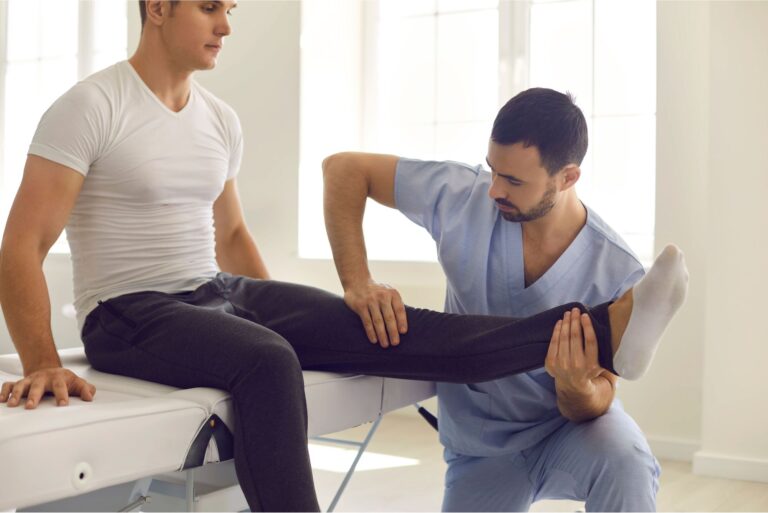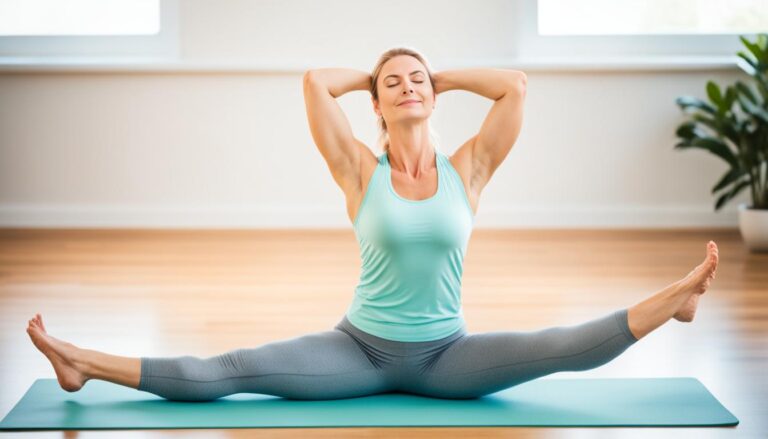
Knees Hurt from Standing All Day?
Knees Hurt from Standing All Day? Here’s What You Need to Know
If you’ve ever spent a full day on your feet, you know how exhausting it can be. Not only can standing for long periods of time make you feel tired, but it can also cause discomfort in your knees. Knee pain from standing all day is a common issue that affects people of all ages, but it can be especially problematic for those who work in jobs that require them to stand for extended periods.
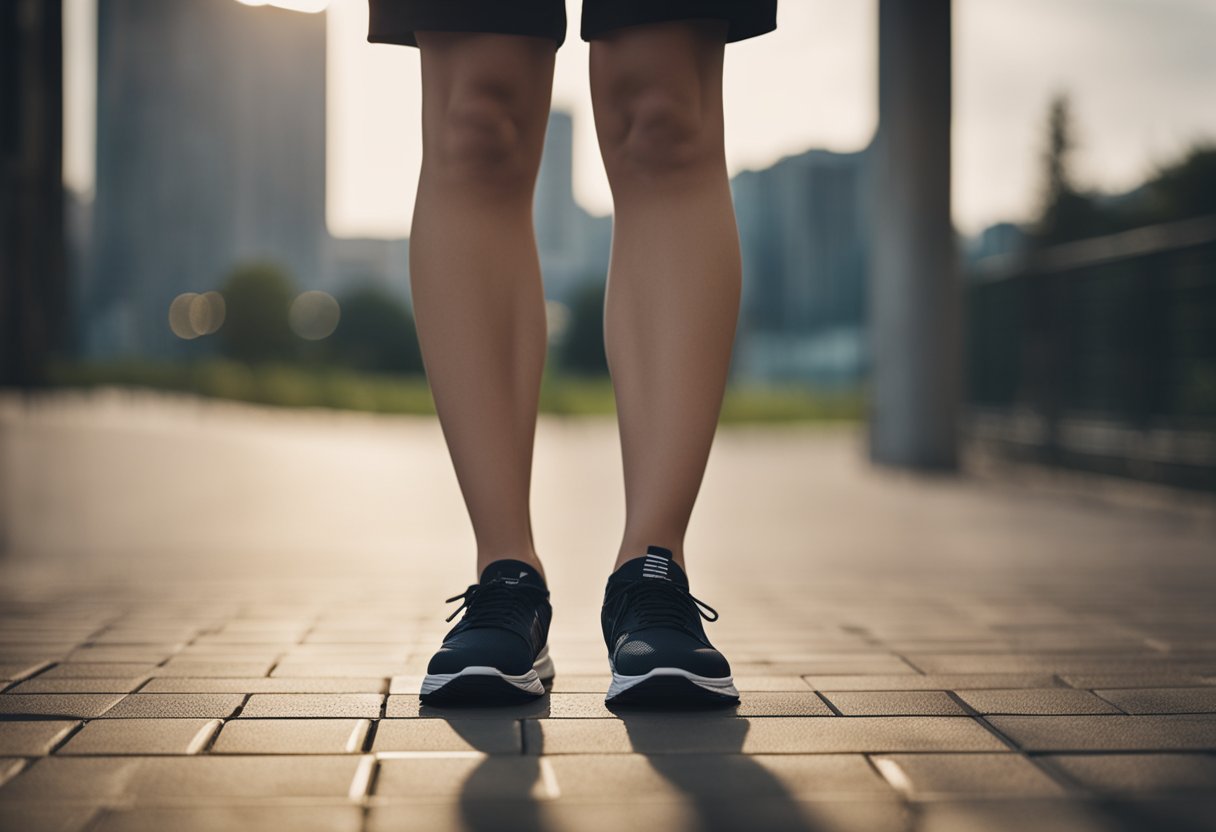
Understanding knee pain is the first step in finding relief. Knee pain from standing can be caused by a variety of factors, including overuse, injury, or underlying health conditions like arthritis. It’s important to identify the root cause of your knee pain so that you can take the appropriate steps to alleviate it.
If you’re experiencing knee pain from standing all day, you’re not alone. In this article, we’ll explore the causes of knee pain, answer some frequently asked questions, and provide tips for preventing and treating knee pain from standing. By the end of this article, you’ll have a better understanding of how to keep your knees healthy and pain-free.
Key Takeaways
- Knee pain from standing can be caused by a variety of factors, including overuse, injury, or underlying health conditions like arthritis.
- Identifying the root cause of your knee pain is important for finding relief.
- There are several steps you can take to prevent and treat knee pain from standing, including wearing supportive shoes and taking regular breaks to rest your feet and legs.
Understanding Knee Pain
Knee pain is a common complaint among people who stand for long periods of time. It can be caused by a variety of factors, including injury, trauma, medical conditions, and excess weight. In this section, we will discuss the anatomy of the knee, common causes of knee pain, symptoms and diagnosis, risk factors and complications, and medical research and studies.
Anatomy of the Knee
The knee is a complex joint that is composed of bones, ligaments, cartilage, and tendons. The kneecap, or patella, is a small, triangular bone that sits in front of the knee joint. The ligaments are tough bands of tissue that connect the bones and provide stability to the joint. The cartilage is a smooth, rubbery material that covers the ends of the bones and allows them to glide smoothly over each other. The meniscus is a C-shaped piece of cartilage that acts as a shock absorber between the bones. The tendons are the bands of tissue that connect the muscles to the bones.
Common Causes of Knee Pain
Some common causes of knee pain include osteoarthritis, arthritis, injury, trauma, bursitis, tendinitis, torn meniscus, anterior cruciate ligament (ACL) injury, and patellar tendinitis. These conditions can cause swelling, redness, pain, popping, stiffness, and weakness in the knee joint.
Symptoms and Diagnosis
The symptoms of knee pain can vary depending on the cause of the pain. Some common symptoms include intense pain, swelling, redness, tenderness, popping sound, weakness, and instability. To diagnose the cause of knee pain, a medical history and physical examination are usually performed. The McMurray test is a common diagnostic test used to detect meniscal tears. In some cases, imaging tests such as X-rays, MRIs, or CT scans may be ordered.
Risk Factors and Complications
Some risk factors for knee pain include running, age, excess weight, and obesity. Lifestyle changes such as losing weight, wearing supportive shoes, and avoiding high-impact activities can help reduce the risk of knee pain. Complications of knee pain can include chronic pain, disability, and decreased quality of life.
Medical Research and Studies
Medical research and studies have shown that exercise, physical therapy, and surgery can be effective treatments for knee pain. In some cases, medications such as nonsteroidal anti-inflammatory drugs (NSAIDs) or corticosteroids may be prescribed to reduce pain and inflammation. Other treatments such as acupuncture, massage, and chiropractic care may also be helpful for some people. It is important to speak with a healthcare provider to determine the best treatment plan for your individual needs.
In summary, knee pain can be caused by a variety of factors and can have a significant impact on daily life. Understanding the anatomy of the knee, common causes of knee pain, symptoms and diagnosis, risk factors and complications, and medical research and studies can help individuals make informed decisions about their healthcare and treatment options.
Frequently Asked Questions

What is the fastest way to relieve knee pain?
The fastest way to relieve knee pain is to rest and elevate your legs. Applying ice to the affected area for 20 minutes at a time can also help. Over-the-counter pain medication such as ibuprofen or acetaminophen can also be effective in reducing pain and inflammation.
What helps knee pain from standing all day?
Wearing comfortable shoes with good support and taking frequent breaks to sit or lie down and elevate your feet can help alleviate knee pain from standing all day. Additionally, using a knee support or brace can help take the pressure off of your knees and reduce pain.
Is it normal for knees to hurt after standing all day?
It is not uncommon for knees to hurt after standing all day, especially if you have not built up the necessary strength or endurance to handle prolonged standing. However, if the pain is severe or persists for an extended period of time, it may be a sign of an underlying condition and you should consult a healthcare professional.
Why do my knees hurt when I stand up after sitting?
When you sit for an extended period of time, your knees can become stiff and may experience reduced blood flow. When you stand up, this can cause a sudden increase in pressure in your knees, leading to pain. This is often referred to as “start-up” pain and can be alleviated by stretching and moving your legs before standing up.
How can I prevent knee pain from standing all day?
To prevent knee pain from standing all day, it is important to wear comfortable shoes with good support and take frequent breaks to sit or lie down and elevate your feet. Additionally, performing exercises that strengthen the muscles around your knees can help prevent pain and injury.
What are some exercises that can help with knee pain?
Exercises such as leg lifts, squats, and lunges can help strengthen the muscles around your knees and reduce pain. Low-impact exercises such as swimming, cycling, and yoga can also be effective in reducing knee pain while improving overall strength and flexibility.