
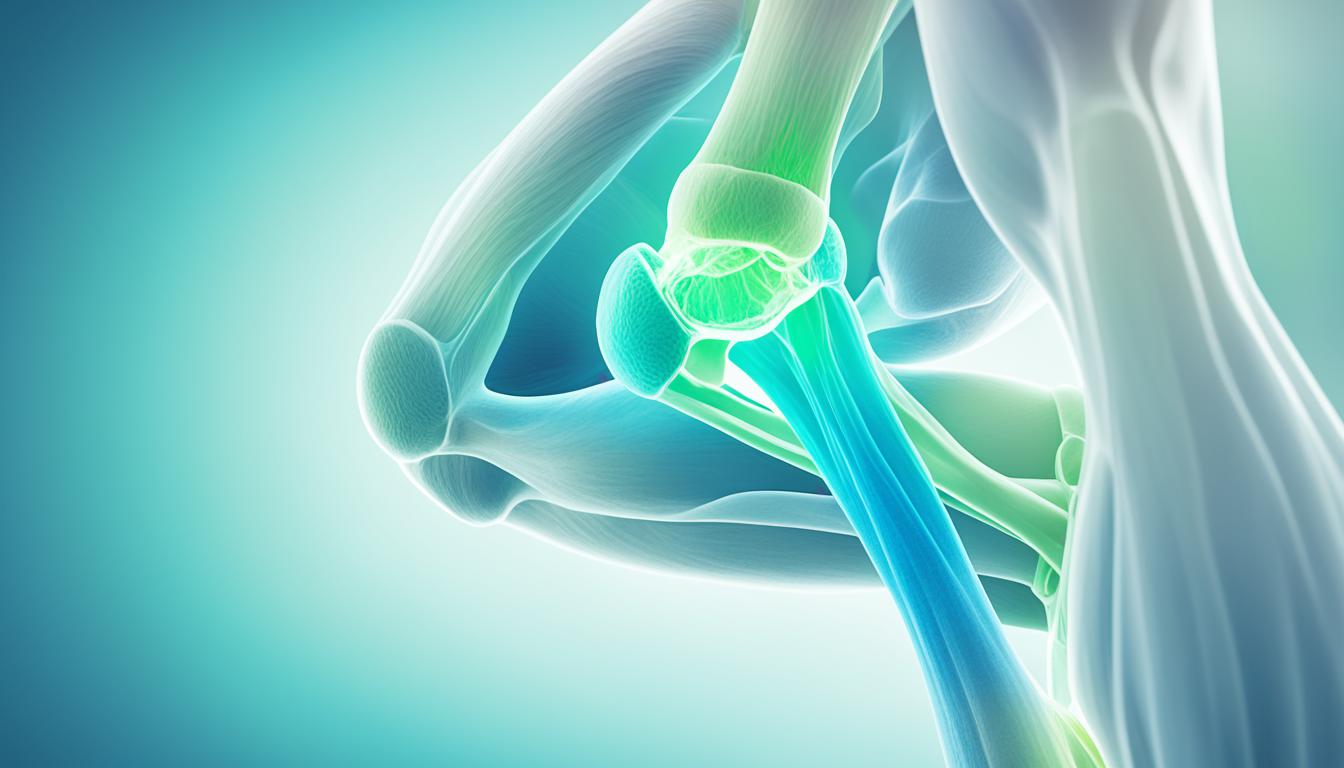
Clicking Knee on Stairs No Pain: Causes And Tips
Many people experience a clicking sensation in their knees when climbing stairs, but if there is no accompanying pain, it is usually not a cause for concern. This common occurrence, known as knee clicking, can have various causes, including air bubbles in the joint fluid, cartilage issues, ligament injuries, and osteoarthritis. Understanding the reasons behind knee clicking can help manage and alleviate any concerns.
Key Takeaways:
- Knee clicking when climbing stairs without pain is a common occurrence.
- The clicking sound in the knee can be caused by air bubbles in the joint fluid, cartilage issues, ligament injuries, or osteoarthritis.
- Seeking medical evaluation is important if there is pain, limited range of motion, swelling, or locking in the knee.
- Treatment options for knee clicking include regenerative medicine treatments, rehabilitation exercises, and surgical intervention if necessary.
- Understanding the underlying causes of knee clicking can help manage concerns and prevent further complications.
Why Does My Knee Click When I Walk or Go Upstairs?
When you walk or go upstairs, it’s not uncommon to experience a clicking sensation in your knee. This phenomenon, known as knee clicking, can be a cause for concern for some individuals. In this section, we will explore the reasons behind knee clicking and address any worries you may have.
“When you walk or go upstairs, the clicking in your knee may be due to crepitus, a term used to describe joint clicking.”
Crepitus is the medical term for joint clicking, and it occurs when the knee joint produces a clicking sound during movement. The clicking sound is caused by tiny air bubbles that accumulate within the joint fluid and burst when the pressure changes. Real-time medical imaging studies have revealed that this phenomenon occurs in the joint spaces between the tibia, femur, and patella, resulting in the clicking noise.
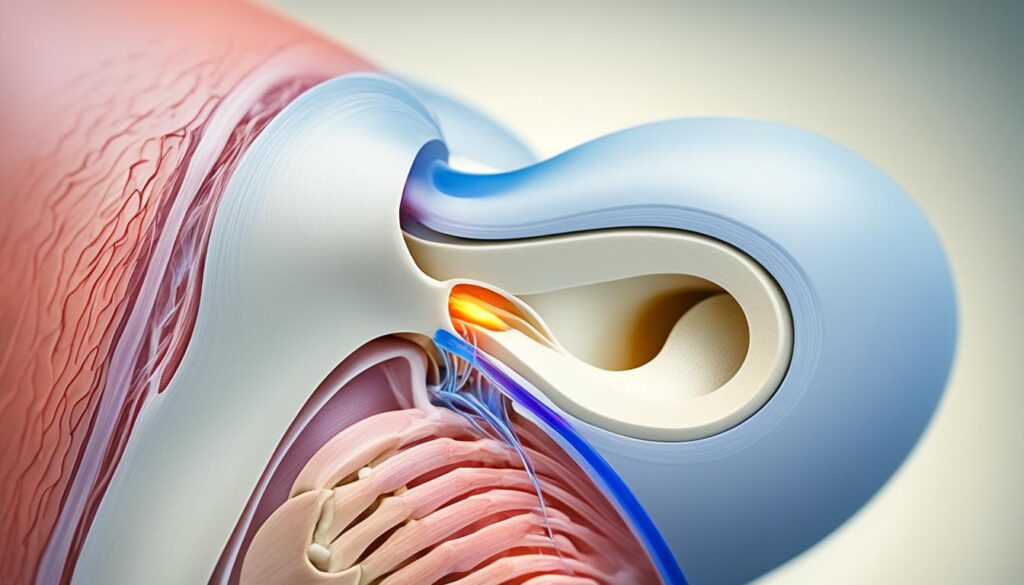
It is important to note that knee clicking without pain is generally not a sign of structural damage or arthritis. While the sound may be unsettling, it is often harmless and may not require immediate medical attention.
Understanding Joint Spaces and Pressure Changes
To grasp why knee clicking occurs, it is helpful to understand the structure of the knee joint. The knee joint is made up of several components, including the femur (thigh bone), tibia (shin bone), and patella (kneecap). Between these bones are joint spaces, which contain synovial fluid—a lubricating fluid that reduces friction during movement.
During walking or going upstairs, pressure changes occur within the knee joint. This fluctuation in pressure can cause tiny air bubbles to form within the synovial fluid. When these bubbles burst, they produce the clicking sound that you hear.
Not Always a Cause for Concern
It is important to remember that knee clicking without pain is generally not a sign of a serious issue. In most cases, it is simply a normal physiological response caused by pressure changes and air bubble formation within the joint fluid.
However, if you experience pain, swelling, or any other concerning symptoms along with knee clicking, it is advisable to consult with a healthcare professional for further evaluation and diagnosis. They can help identify any underlying conditions or injuries that may require treatment or intervention.
Common Causes of Knee Clicking
Knee clicking is a common phenomenon that can be caused by a variety of underlying medical issues. Understanding these causes can help identify the root of the problem and guide appropriate treatment.
Ligament Injuries
Ligament injuries, such as tears in the ACL or PCL, can result in knee instability, leading to clicking sensations. These injuries often occur during sports activities or traumatic events and may require medical intervention for proper healing.
Osteoarthritis
Osteoarthritis, a degenerative joint condition, can result in cartilage damage and inflammation. This can cause clicking sounds and pain in the knee joint. Managing osteoarthritis through lifestyle changes, medications, and physical therapy can help alleviate symptoms.
Soft Tissue Injuries
Soft tissue injuries, including those sustained during trauma or surgery, can contribute to knee clicking. Damage to the muscles, tendons, or other soft tissues can disrupt normal joint function and lead to clicking sensations. Proper rehabilitation and physical therapy are crucial for recovery.
Meniscus Tears
Meniscus tears, which occur in the rubbery cartilage pads that cushion the knee joint, can cause clicking and locking sensations. These tears can happen due to sudden twisting or a direct blow to the knee. Treatment may involve conservative management or surgical repair, depending on the severity of the tear.
Patellofemoral Syndrome
Patellofemoral syndrome, also known as runner’s knee, can cause pain and clicking in the knee during activities such as running, squatting, or climbing stairs. It occurs when the patella (kneecap) does not track properly in the femoral groove. Physical therapy and strengthening exercises are often recommended for management.
Scar Tissue
Scar tissue formation after surgery or injury can also be a common cause of knee clicking. This fibrous tissue can build up in the joint capsule or surrounding structures, affecting normal joint movement and resulting in clicking sensations. Physical therapy and manual techniques may be used to address scar tissue-related issues.
Understanding the specific cause of knee clicking is essential for developing an appropriate treatment plan. Consultation with a healthcare professional is recommended for accurate diagnosis and personalized management.
| Cause | Common Symptoms |
|---|---|
| Ligament Injuries | Instability, swelling, pain |
| Osteoarthritis | Pain, inflammation, stiffness |
| Soft Tissue Injuries | Discomfort, limited range of motion |
| Meniscus Tears | Locking, popping, pain |
| Patellofemoral Syndrome | Knee pain, clicking with movement |
| Scar Tissue | Knee clicking, restricted joint motion |
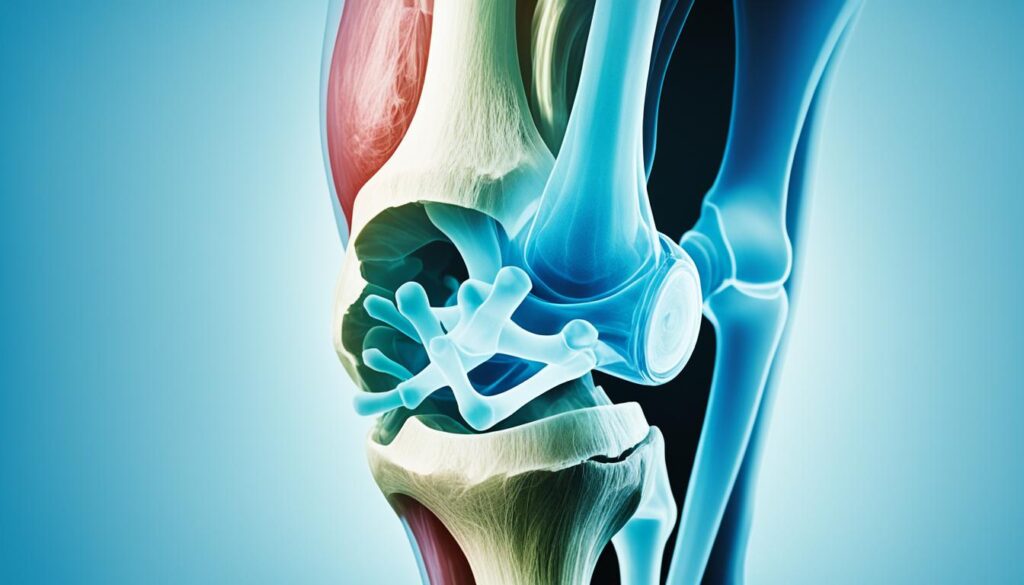
In order to address knee clicking, it is important to identify the underlying cause and tailor treatment accordingly. Consulting with a healthcare professional can help determine the best course of action for managing and resolving knee clicking issues.
Treatment Options for Knee Clicking
The treatment options for knee clicking depend on the underlying cause of the issue. There are both non-surgical and surgical approaches to addressing knee clicking, with the choice depending on the severity and nature of the condition.
Non-Surgical Options
Non-surgical treatments focus on alleviating symptoms and improving joint function without invasive procedures. These options include:
- Dextrose Prolotherapy: This treatment involves injecting a solution of dextrose (sugar water) into the affected area, stimulating the body’s natural healing response and promoting tissue regeneration.
- Platelet-Rich Plasma (PRP) Injections: PRP treatment utilizes the patient’s own blood, which is processed to concentrate platelets that contain growth factors. These growth factors aid in tissue repair and can reduce inflammation in the knee joint.
- Bone Marrow-Derived Stem Cell Therapy: Stem cells are harvested from the patient’s bone marrow and injected into the knee joint. These stem cells have the potential to differentiate into various cell types, aiding in tissue regeneration and promoting healing.
These non-surgical treatments aim to reduce chronic inflammation, improve stability in the knee, and alleviate pain and clicking.
Rehabilitation Exercises
In addition to regenerative medicine treatments, rehabilitation exercises and physical therapy can play a crucial role in addressing knee clicking. These exercises focus on strengthening the muscles surrounding the knee joint, improving joint stability, and promoting proper alignment. Rehabilitation programs may include:
- Quadriceps Strengthening Exercises
- Hamstring Strengthening Exercises
- Gluteal Strengthening Exercises
- Core Strengthening Exercises
- Balance and Proprioception Training
These exercises help optimize knee joint function, reduce stress on the joint, and enhance overall mobility and strength.
Surgical Intervention
In some cases, surgical intervention may be necessary to address the specific cause of knee clicking. If conservative treatments have failed to provide adequate relief or if there is an identifiable structural issue, surgery may be recommended. Surgical procedures can range from arthroscopic procedures to repair ligament tears or remove debris from the joint to joint replacement surgery in severe cases.
It is essential to consult with a qualified healthcare professional to determine the most appropriate treatment option based on individual circumstances and the underlying cause of knee clicking.
When to Seek Medical Evaluation
While knee clicking without pain is often not a cause for concern, it is important to seek medical evaluation if you experience pain, limited range of motion, swelling, or locking in the knee. These symptoms may indicate an underlying issue that requires professional assessment and treatment. It is better to address any concerns and obtain an accurate diagnosis from a healthcare provider to rule out any serious conditions and prevent further knee problems.
When knee clicking is accompanied by pain, it can be a sign of an injury or condition that needs medical attention. Whether the pain is sharp, dull, intermittent, or constant, it is important not to ignore it. Pain can be indicative of a ligament injury, meniscus tear, cartilage damage, or other structural problems in the knee. Seeking medical evaluation early on can help identify the specific cause of the pain and guide appropriate treatment.
Another symptom that warrants medical evaluation is limited range of motion. If you find it challenging to fully extend or flex your knee, it may be an indication of an underlying issue. A medical professional can perform a physical examination and order imaging tests, such as X-rays or MRI scans, to assess the condition of the knee and identify any contributing factors to the limited range of motion.
Swelling in the knee, medically known as knee effusion, is another concerning symptom. Swelling can be a result of inflammation, fluid accumulation, or joint damage. It is crucial to have the swelling evaluated by a healthcare provider to determine the underlying cause and appropriate treatment options. In some cases, fluid may need to be drained from the knee to relieve discomfort and promote healing.
Locking of the knee is a symptom that should not be ignored. If you experience episodes where your knee gets stuck or becomes difficult to move, it may be indicative of a meniscus tear or loose body in the joint. Medical evaluation is necessary to assess the severity and underlying cause of the locking and to determine the appropriate course of action, which may involve conservative measures or surgical intervention.
Overall, when knee clicking is accompanied by pain, limited range of motion, swelling, or locking, it is crucial to seek medical evaluation. Consulting a healthcare professional can provide a thorough assessment, accurate diagnosis, and appropriate treatment to address any underlying issues and prevent further complications.
Conclusion
In conclusion, experiencing knee clicking when climbing stairs without pain is a common phenomenon that usually does not warrant concern. By understanding the underlying causes, including air bubbles in the joint fluid, cartilage issues, ligament injuries, and osteoarthritis, individuals can effectively manage any worries they may have about this occurrence.
There are different treatment options available for knee clicking based on the underlying cause. Regenerative medicine treatments such as dextrose prolotherapy, platelet-rich plasma injections, and bone marrow-derived stem cell therapy can help reduce inflammation, improve knee stability, and alleviate both pain and clicking. Rehabilitation exercises and physical therapy are also beneficial in strengthening the surrounding muscles and enhancing knee function.
In some cases, surgical intervention may be required to address the specific cause of knee clicking. It is crucial to seek medical evaluation if there are accompanying symptoms such as pain, limited range of motion, swelling, or locking in the knee. This ensures appropriate management and prevents any further complications.
In conclusion, while knee clicking when climbing stairs without pain is generally harmless, it is essential to understand the underlying causes, explore appropriate treatment options, and seek medical evaluation when necessary. By doing so, individuals can effectively manage knee clicking and maintain optimal knee health and function.
FAQ
What causes knee clicking when climbing stairs?
Knee clicking when climbing stairs can be caused by various factors such as air bubbles in the joint fluid, cartilage issues, ligament injuries, and osteoarthritis.
Is knee clicking without pain a cause for concern?
No, knee clicking without pain is typically not a sign of structural damage or arthritis and is often not a cause for worry.
What are some common causes of knee clicking?
Knee clicking can be caused by ligament injuries, osteoarthritis, soft tissue injuries, meniscus tears, patellofemoral syndrome, and scar tissue formation.
What treatment options are available for knee clicking?
Treatment options for knee clicking include dextrose prolotherapy, platelet-rich plasma injections, bone marrow-derived stem cell therapy, rehabilitation exercises, and in some cases, surgical intervention.
When should I seek medical evaluation for knee clicking?
It is recommended to seek medical evaluation if you experience pain, limited range of motion, swelling, or locking in the knee, as these may be signs of an underlying issue that requires professional assessment and treatment.
What steps can I take to manage knee clicking?
Managing knee clicking involves understanding the underlying causes, seeking appropriate medical evaluation when necessary, and following recommended treatment options such as regenerative medicine treatments and rehabilitation exercises.





One Comment