ACL Rehab in 2026: Criteria-Based Recovery vs. The 9-Month Rule Explained
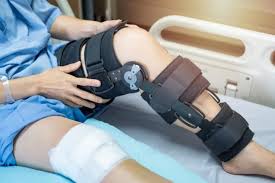
If your knee hurt after injury or surgery, you have likely heard about the “9-month rule” for returning to sport. In 2026, many clinicians now favor criteria-based recovery, a more individualized and safer approach for managing knee pain and performance.
Key Takeaways
| Question | Answer |
|---|---|
| What is the 9-month rule for knee recovery? | A time-based guideline suggesting return to sport after 9 months, regardless of strength or function. |
| What is criteria-based recovery? | A progression system based on strength, movement quality, and functional testing rather than time alone. |
| Which approach is safer for knee injuries? | Criteria-based recovery, because it reduces reinjury risk by ensuring readiness. |
| Does knee pain mean you are not ready? | Yes, persistent symptoms should be evaluated, see our knee pain guide. |
| What injuries require structured rehab? | ACL, PCL, and ligament injuries, learn more in ligament knee injury recovery. |
| Can meniscus injuries follow criteria-based recovery? | Yes, especially for safe return to activity, see torn meniscus recovery. |
| Where can I learn full rehab strategies? | Visit our comprehensive knee pain guide. |
1. What Is the 9-Month Rule in Knee Recovery?
The 9-month rule became popular in ACL rehabilitation as a general timeline for returning to sport. It assumes that by nine months, the knee has healed enough structurally.
However, healing time does not always equal functional readiness. Many patients still experience knee pain, weakness, or instability at this stage.
This approach is simple but limited because it ignores individual variability. Not all knees recover at the same pace.


2. What Is Criteria-Based Recovery?
Criteria-based recovery focuses on measurable progress instead of time. We assess strength, mobility, balance, and movement control before advancing.
This approach is widely used in 2026 because it reduces reinjury risk. It ensures your knee is truly ready for the demands of activity.
For example, patients recovering from PCL injuries often require different timelines than ACL patients.
-
Strength symmetry between legs
-
Proper landing mechanics
-
No swelling or knee pain
-
Functional performance testing


3. Key Differences: Time-Based vs Criteria-Based Rehab
The main difference lies in decision-making. One relies on time, the other on performance.
In our experience, relying only on time often leads to setbacks. A knee that looks healed may still lack strength.
| Factor | 9-Month Rule | Criteria-Based |
|---|---|---|
| Progression | Time-driven | Performance-driven |
| Risk of reinjury | Higher | Lower |
| Personalization | Limited | High |
| Knee pain monitoring | Often ignored | Central focus |
Side-by-side comparison of criteria-based recovery and the 9-Month Rule, showing when each applies and their key differences. A concise visual guide to support decision-making in recovery planning.


4. Why the 9-Month Rule Falls Short
Time alone does not reflect strength, coordination, or psychological readiness. Many athletes return too early and experience recurring knee pain.
Research trends in 2026 show that reinjury rates decrease when objective criteria are used. This is especially important in traumatic injuries.
Learn more about severe cases in traumatic knee injuries.
Returning to sport without meeting strength and movement criteria can double the risk of reinjury.

5. Benefits of Criteria-Based Recovery for Knee Health
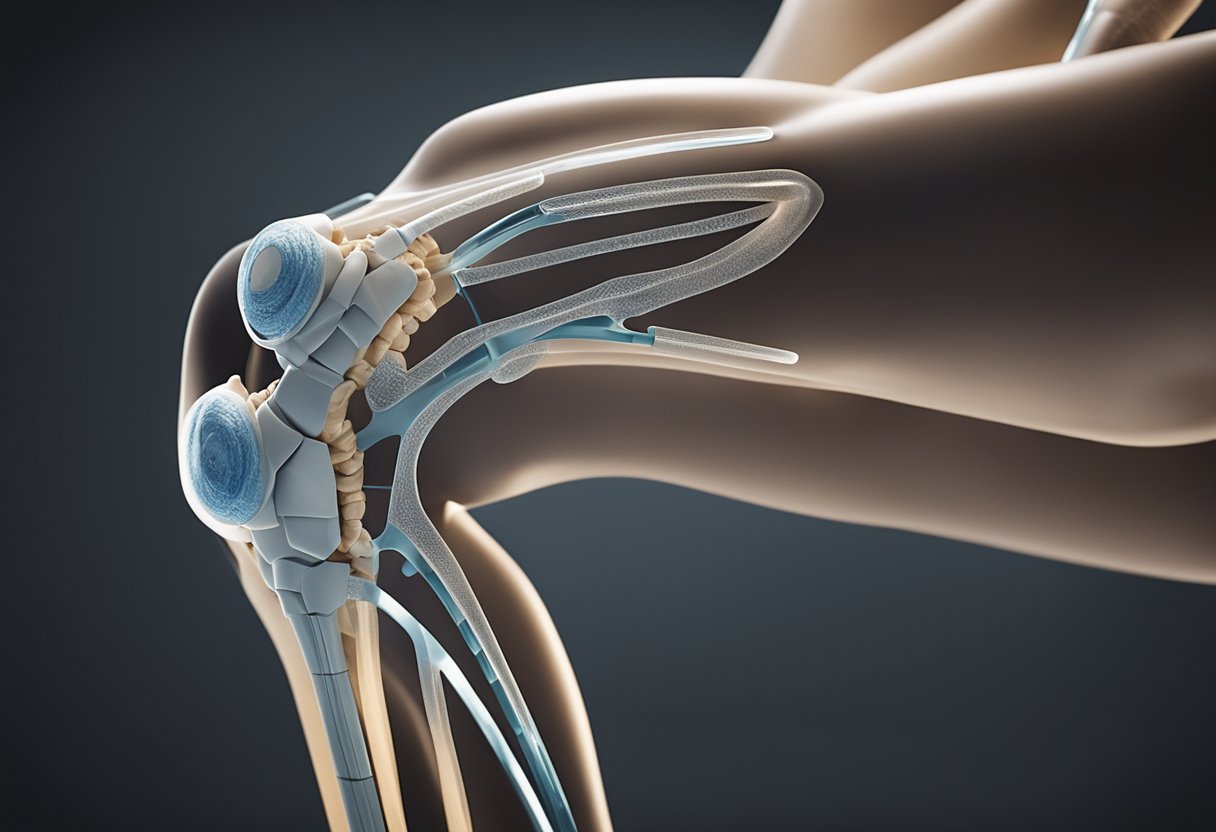
Criteria-based rehab adapts to your body’s actual progress. This reduces unnecessary delays or dangerous early returns.
It also helps identify lingering deficits that cause knee hurt during activity. Addressing these early improves long-term outcomes.
-
Improved strength symmetry
-
Better joint stability
-
Reduced swelling and pain
-
Confidence in movement


6. Common Knee Injuries That Require Criteria-Based Rehab
Not all injuries respond well to fixed timelines. Complex conditions demand individualized progression.
These include:
-
ACL tears
-
Meniscus injuries
-
Cartilage damage
-
Multi-ligament injuries
Explore cartilage-related pain in chondromalacia patella.


7. Objective Tests Used in Criteria-Based Recovery
We rely on measurable benchmarks before clearing activity. These tests evaluate whether your knee can handle real-world stress.
Common tests include:
-
Single-leg hop tests
-
Strength testing (quadriceps and hamstrings)
-
Movement screening
-
Balance assessments
If your knee hurt during these tests, it signals the need for further rehab.


8. Managing Knee Pain During Recovery
Pain is a critical signal during rehab. Ignoring it can delay healing or lead to reinjury.
We recommend monitoring:
-
Swelling after activity
-
Pain during movement
-
Loss of strength
Persistent symptoms should be addressed early to avoid chronic knee issues.


9. Rehabilitation Phases in Criteria-Based Programs
Recovery is divided into phases, each with specific goals. Progression depends on meeting criteria, not time.
Typical phases include:
-
Early mobility and swelling control
-
Strength development
-
Functional movement training
-
Return-to-sport testing
This structure ensures the knee adapts gradually and safely.


10. Which Approach Should You Choose in 2026?
In 2026, most sports medicine professionals recommend criteria-based recovery. It provides a safer and more accurate path back to activity.
The 9-month rule may still serve as a rough guideline. However, it should never replace proper testing.
If your knee hurt or feels unstable, delay return and reassess. Your long-term joint health depends on it.


Conclusion
Choosing between criteria-based recovery and the 9-month rule can directly impact your outcome. While time-based guidelines are simple, they do not reflect the complexity of knee rehabilitation.
We encourage a criteria-based approach that prioritizes strength, function, and symptom control. This method supports safer recovery, reduces knee pain, and helps you return to activity with confidence.
The information provided is for educational purposes only. Always consult a qualified healthcare professional for personalized advice regarding your knee condition.
Leave a Reply