Top 5 Hinged Knee Braces for ACL Support in 2026 (What Actually Helps Your Knee Pain)

Top 5 Hinged Knee Braces for ACL Support in 2026 (What Actually Helps Your Knee Pain)

Did you know that a 2025 meta-analysis of 785 patients found no meaningful long-term difference between bracing and not bracing after ACL surgery? That makes choosing the right hinged knee brace in 2026 less about hype and more about smart, situation-specific support for your knee.

Blog illustration

Key Takeaways

Question Answer
Do hinged knee braces help ACL injuries? They can improve stability during movement, especially early rehab. Learn more in our ACL injury brace guide.
Can a brace reduce knee pain? Yes, especially by limiting unsafe motion. Explore knee pain causes and solutions.
Are braces always necessary after ACL surgery? No. Evidence shows mixed results depending on rehab approach.
What injuries benefit most? ACL, ligament instability, and complex injuries like ligament knee injuries.
Can braces help other conditions? Yes, including meniscus tears and PCL injuries.
Where should beginners start? Start with our complete knee pain guide.

What Is an ACL Injury and Why Your Knee Needs Support

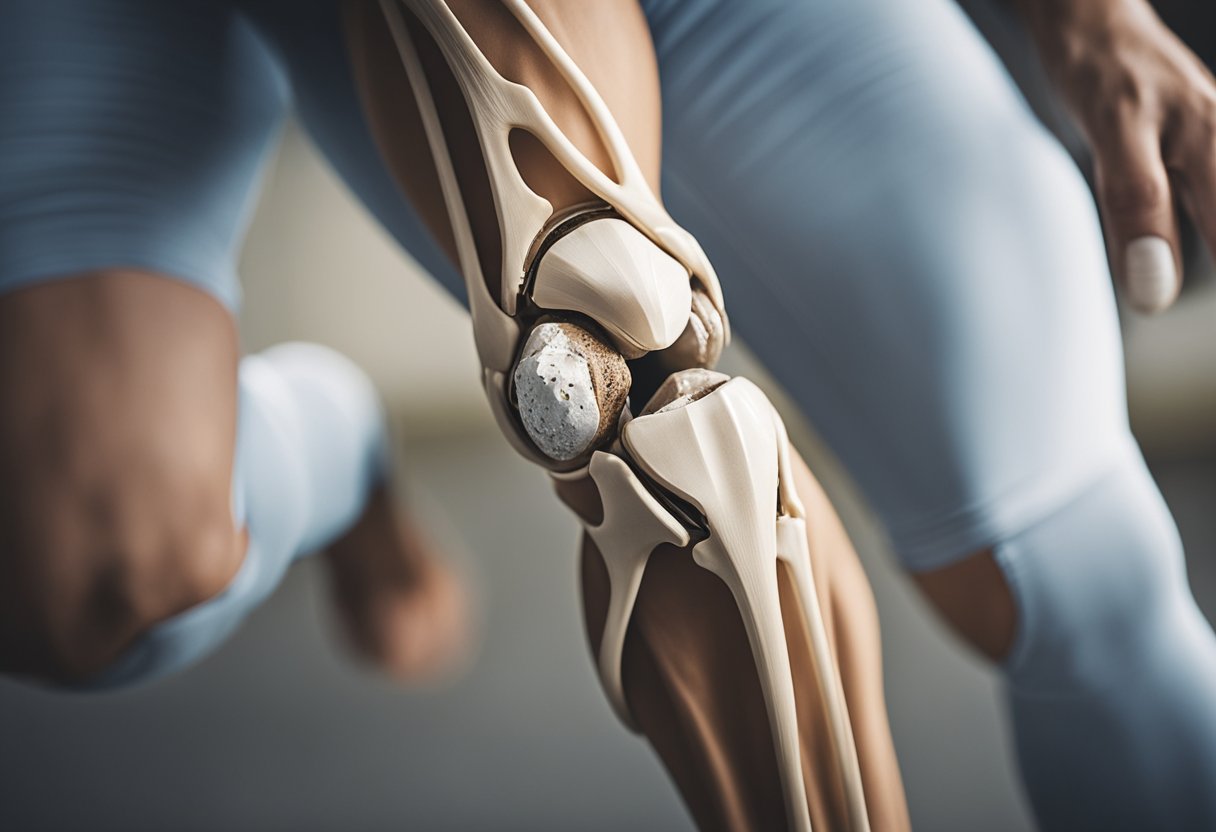
The ACL stabilizes forward and rotational movement in your knee. When it is injured, even simple movements can cause knee pain or instability.

We often see people underestimate how much support the knee needs during recovery. That is where hinged knee braces play a key role.


 

ACL injuryACL brace


Blog illustration

How Hinged Knee Braces Work for ACL Support

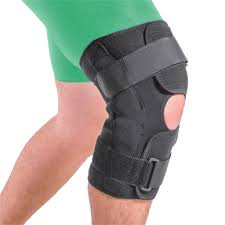
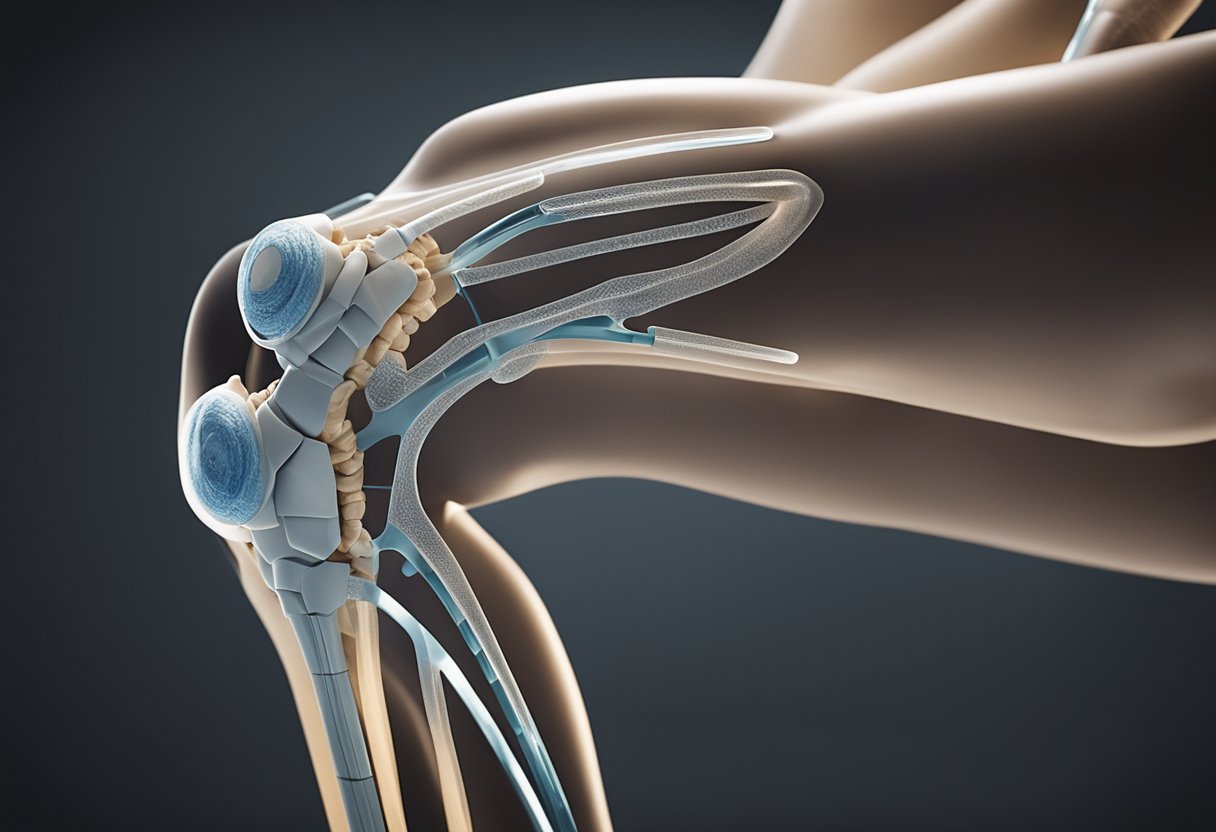
Hinged braces use metal or composite joints to guide knee motion safely. They prevent excessive rotation that can worsen an ACL injury.

Most designs in 2026 include four-point leverage systems and anti-slip straps. These features reduce strain on the knee during walking or sport.

 

Ligament injuryKnee ligament support


Top 5 Hinged Knee Braces for ACL Support 2026

1. DonJoy Armor ACL Knee Brace

This brace is built for high-impact sports and serious instability. It uses a rigid frame and strong hinge system.

  • Best for athletes

  • Strong ligament protection

  • Price range: $300–$700

2. Breg Fusion Knee Brace

The Breg Fusion balances comfort and control. It is lighter than many rigid braces.

3. Össur CTi Ligament Brace

This model focuses on durability and custom fit. Many professionals recommend it for long-term use.

4. DonJoy Deluxe Hinged Knee Brace

A more affordable option for moderate knee pain and recovery. Good for daily wear.

5. McDavid 429X Hinged Brace

This brace is budget-friendly and widely available. It works well for mild ACL support needs.

Infographic

A quick visual guide comparing the top hinged knee braces for ACL support in 2026.

Blog illustration

Key Features to Look for in 2026 Knee Braces

Not all braces are equal. Focus on features that directly impact knee stability and comfort.

  • Dual hinges for stability

  • Adjustable straps for fit

  • Breathable materials

  • Range-of-motion stops

These features help reduce knee hurt during movement and daily activity.

Did You Know?

Hinged knee braces can reduce rotational forces on the ACL during movement, potentially lowering strain in high-risk positions.

Source: Clinical Biomechanics

When You Should Use a Hinged Knee Brace

We recommend braces during early rehab, return-to-sport phases, or unstable knee conditions. They are especially helpful when your knee feels like it may “give out.”

They are also useful for conditions like chondromalacia patella and combined injuries.

 

Knee conditionPatella pain


Blog illustration

When a Knee Brace May Not Help

Braces are not a cure. They do not rebuild ligaments or replace proper rehab.

In some cases, over-reliance can limit muscle recovery. This is especially important for athletes returning to full activity.

Did You Know?

Return-to-sport rates after ACL surgery were not significantly different between people who used a brace and those who did not.

Source: Asia Pac J Sports Med

Comparing Hinged Knee Braces Side by Side

Brace Best For Price
DonJoy Armor High-impact sports $300+
Breg Fusion Comfort + stability $200+
Össur CTi Custom fit $500+
DonJoy Deluxe Daily wear $100+
McDavid 429X Budget support $66.99


Meniscus injuryKnee injury


Blog illustration

Tips to Reduce Knee Pain While Using a Brace

Using a brace correctly matters as much as choosing the right one. Poor fit can increase knee hurt instead of helping.

  1. Adjust straps evenly

  2. Avoid over-tightening

  3. Combine with strengthening exercises


Exercise kneeMobility exercise


Common Mistakes People Make with Knee Braces

Mistake #1: Wearing it all day without guidance. Your knee needs movement and strength training too.

Mistake #2: Choosing the cheapest option without considering stability needs.

 

Traumatic kneeKnee trauma


Blog illustration

How to Choose the Right Hinged Knee Brace

We recommend matching your brace to your activity level and injury severity. A mild knee pain case does not need a rigid sports brace.

Focus on fit, comfort, and level of support rather than brand alone.

 

PCL injuryKnee support brace


Conclusion

Hinged knee braces remain a useful tool in 2026, but they are not a one-size solution. The right brace can reduce knee pain, improve stability, and support recovery when used correctly.

We always recommend combining brace use with proper rehab and professional guidance to protect your knee long term.


Similar Posts

  • Understanding Robotic Knee Surgery: What You Need to Know

    Robotic knee surgery is a cutting-edge medical procedure that has revolutionized the field of orthopedics. This article aims to provide a comprehensive understanding of robotic knee surgery, covering its historical development, procedural details, benefits, risks, patient considerations, and eligibility criteria. Key Takeaways Robotic knee surgery has evolved significantly over the years, leading to improved precision…

  • |

    Recovery After Torn Meniscus Over 50: What You Should Know

    As individuals age, the risk of experiencing a torn meniscus increases, leading to significant challenges in recovery and treatment. Understanding the anatomy of the meniscus, the diagnosis and classification of torn meniscus in older adults, and the available treatment options is crucial for effective management. This article aims to provide valuable insights into the recovery…

  • |

    Understanding Knee Injury Symbolism Explained

    Did you know that knee injuries can hold deeper meanings beyond just physical pain? In fact, knee injuries can symbolize various aspects of our lives and experiences, offering insights into our spiritual and metaphorical journeys. When we think about knee injuries, we often associate them with sports accidents or overexertion. However, the symbolic significance of…

  • |

    Beyond osteoporosis: health implications of metabolic acidosis beyond osteoporosis

    The food we consume plays a crucial role in maintaining the acid-base balance in our blood. This simple fact is key to understanding how the Osteoporosis Reversal Program uses nutrition to prevent and reverse osteoporosis. In a state of low-grade metabolic acidosis, where the balance becomes too acidic, the body begins to dissolve bone mass….

  • |

    DVT after knee surgery

    What if the biggest threat to your recovery isn’t the orthopedic procedure itself, but a silent complication that can strike without warning? Deep vein thrombosis is a serious medical concern. It affects approximately 600,000 Americans each year. We recognize that undergoing a major joint operation requires careful attention to potential complications. DVT after knee surgery prevention Our goal is to provide a clear guide on managing this specific risk. Understanding how a dangerous clot forms in the leg is the vital first step. This knowledge empowers you during the post-operative period. We emphasize that proactive management of your health is essential. By following expert-led advice, you can take control. This effort minimizes chances of a serious vascular issue and supports a smoother healing journey. Key Takeaways Deep vein thrombosis is a common but serious risk following major orthopedic procedures. Proactive health management is crucial for a safe post-operative period. Understanding how blood clots form is the first step in prevention. Expert guidance can help you minimize dangers and take control of your healing process. A smooth recovery involves being aware of potential complications from the start. Simple, informed actions can significantly reduce your personal risk. Understanding the Risk of DVT After Knee Surgery Why does a procedure focused on improving mobility simultaneously increase the chance of a dangerous blockage? We must explore the nature of the threat and the specific factors a major operation introduces. What is Deep Vein Thrombosis? This condition involves a blood clot forming in a deep vein, usually in the leg. If such a clot breaks free, it can travel to the lungs. This causes a life-threatening pulmonary embolism. We note that approximately 600,000 Americans are affected each year. It is a critical concern following any major joint replacement. deep vein thrombosis risk factors Why Knee Surgery Increases the Clot Risk Several factors converge during a knee replacement. The body’s natural healing response can make blood more likely to clot. Reduced mobility after the procedure slows circulation in the legs. The risk is highest from two to ten days post-operation. Patients remain at risk for about three months. Without preventative care, studies show blood clot rates of 40-60%. Even with modern care, 18-20% of joint replacement patients may still develop a clot. This highlights the need to watch for swelling in the leg. Timeframe Risk Level Key Data Initial High-Risk Period Highest 2 to 10 days after surgery Extended Risk Period Elevated Up to 3 months post-operation Without Prevention Very High 40-60% clot rate in major orthopedic surgery With Modern Protocols Significant 18-20% of knee replacement patients Prevention and Treatment Approaches Managing the threat of post-operative clots involves a dual strategy of medication and mechanical aids. We focus on keeping your circulation strong during the healing phase. This two-part defense significantly lowers your personal danger. Medication and Anti-Clotting Therapies We often prescribe specific drugs to reduce your body’s ability to form dangerous masses. Options include injections like Heparin or daily pills such as Warfarin. Newer direct oral anticoagulants offer convenient pill-based therapy. Your doctor selects the best type based on your health profile. anti clotting medication and compression…

Leave a Reply

Your email address will not be published. Required fields are marked *