Author: Mokhtar

  • Largest study ever further confirms the power of exercise to improve mental health

    Largest study ever further confirms the power of exercise to improve mental health

    A new meta-analysis has pooled results from 97 reviews and provides an in-depth perspective on the profound impact of physical activity on mental well-being.

    The study is considered the most comprehensive meta-analysis on the subject to date and underlines the undeniable benefits of exercise as a powerful remedy against psychological problems, surpassing the effects of traditional psychotherapy and pharmacotherapy in certain aspects.

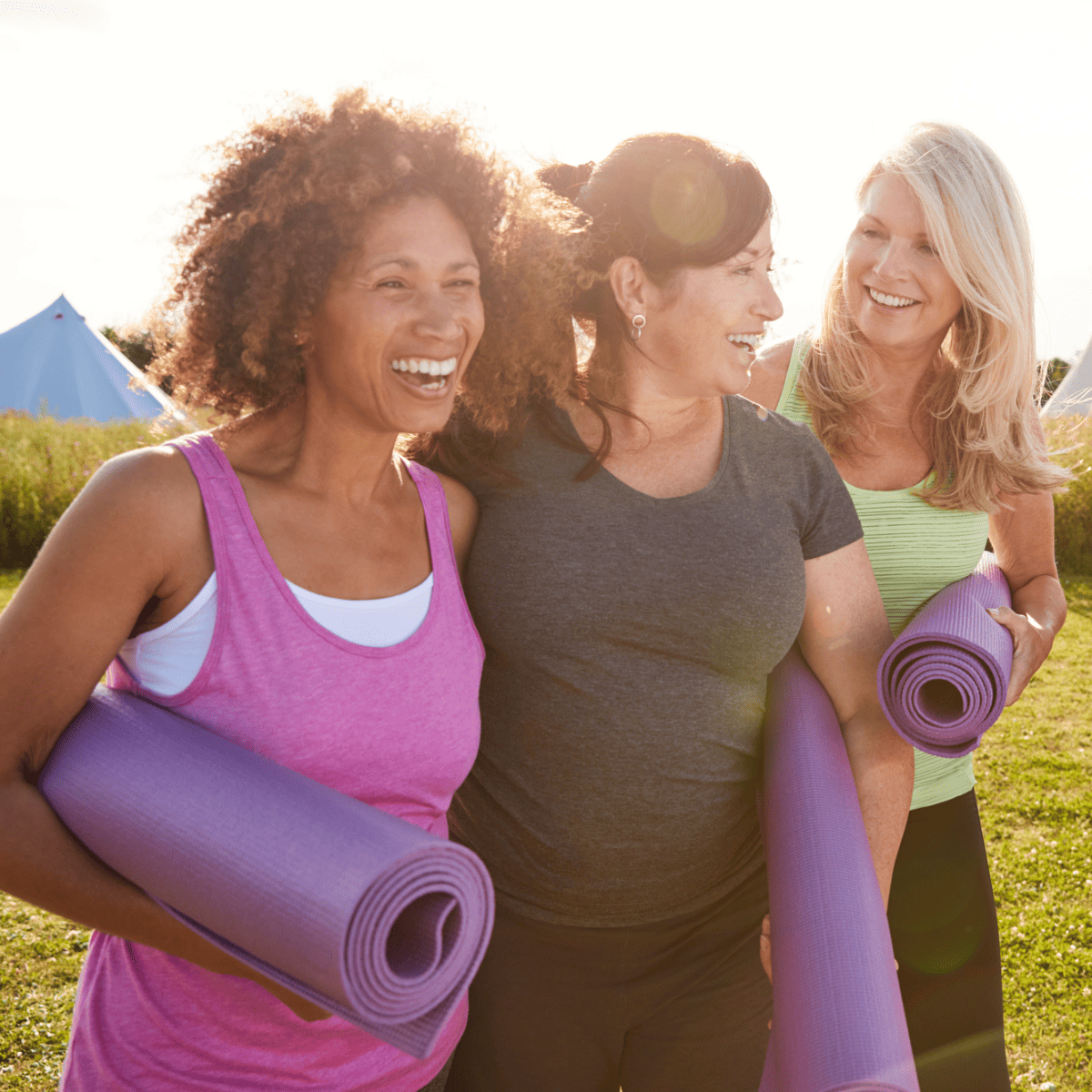
    Let’s dig deeper into the specifics of this research so you can reap the dual benefits of better mental health and better bone health through physical activity.

    Deciphering the meta-review on exercise and mental health

    This meta-review, published in the British Journal of Sports Medicine, rigorously evaluated and ranked the outcomes of previously conducted systematic reviews. Each of these systematic reviews in turn integrated the results of numerous individual studies.

    In total, this meta-review includes 97 reviews, covering 1039 studies with no fewer than 128,119 participants. These participants ranged from healthy adults and individuals struggling with mental health issues, to those with various physical conditions.

    The studies in this meta-review used a variety of physical activity interventions and assessed their impact on depression, anxiety and psychological distress. The primary objective was to distinguish the effectiveness of these interventions in reducing mental health problems.1

    Short content

    The meta-review integrated findings from 1,039 studies involving 128,119 participants, focusing on the role of physical activity in addressing mental health issues.

    The healing power of physical activity

    This meta-review conclusively establishes that physical activity (PA) serves as a powerful antidote for relieving mild to moderate symptoms of depression, anxiety, and psychological distress. In fact, the reduction in symptoms of depression (-0.43) and anxiety (-0.42) resulting from physical activity was comparable to, or even slightly better than, the effects observed with psychotherapy and pharmacotherapy.

    Although previous research has shown that physical activity can rival the benefits of psychotherapy and medicinal treatments for depression, anxiety and mental health problems, its limited scope often leaves medical professionals skeptical.1 However, this comprehensive meta-review includes a diverse demographic and a spectrum of physical activities.

    Interestingly, the research revealed that all forms of physical activity were effective, whether aerobic, resistance-based, mixed or yoga, were beneficial. The study found that all forms of physical activity were beneficial, including aerobics, resistance exercises, mixed exercises and yoga. Resistance exercises in particular showed the most pronounced positive effects on depression, while yoga emerged as the most powerful anti-anxiety tool.1

    Incorporating a wide variety of exercises into your workout regimen can provide a plethora of health benefits. Surprisingly, shorter exercise sessions proved to be more effective than longer interventions, likely due to higher adherence, highlighting the importance of cultivating an enjoyable and sustainable exercise routine.

    Short content

    Physical activity has been validated as a valuable tool for improving mental health, with different exercises offering unique benefits. The effects on depression and anxiety are comparable to or even slightly better than those of traditional therapeutic methods.

    The symbiotic relationship between mental health and bone health

    Exercise is crucial for promoting robust bone health. The physical stress on the bones due to exercise stimulates the bone formation process, leading to the development of stronger, healthier and younger bones.

    This study highlights another dimension of exercise’s protective role: its ability to boost mental health.
    Increased stress levels, often due to anxiety and other mental health issues, lead to an increase in the stress hormone cortisol. Excessive cortisol can be harmful to bone health.

    Additionally, a healthy mental state facilitates the consistent pursuit of other health goals, such as maintaining a healthy diet and ensuring adequate sleep. This study highlights how exercise can help you maintain good mental health, which in turn supports your other healthy habits, including exercise!

    Short content

    Exercise not only strengthens bones directly, but also protects them indirectly by improving mental health, reducing stress-induced bone damage and promoting health habits.

    What this means for you

    The essence of this meta-analysis is clear: physical activity is a panacea for mental well-being. The key is to stay active without getting caught up in the intricacies of the ‘perfect’ workout.

    Building an enjoyable and sustainable exercise habit can be intimidating at first – that’s why the Save Institute created SaveTrainer. SaveTrainer offers you the most effective training.

    For those seeking guidance, SaveTrainer offers a curated collection of workouts tailored for every skill level, duration, body part and health goal. SaveTrainer has a wide range of classes for bone strength, joint health, balance, posture, flexibility, meditation, sleep improvement and yoga.

    SaveTrainer keeps you active, happy and healthy.

    References

    1 https://bjsm.bmj.com/content/early/2023/03/02/bjsports-2022-106195


    Source link

  • Tips for staying healthy during high school football season

    Tips for staying healthy during high school football season

    by Matt Midkiff PT, DPT,CSCS Gilbert Mesa Director of Sports Medicine Arizona Arsenal SC

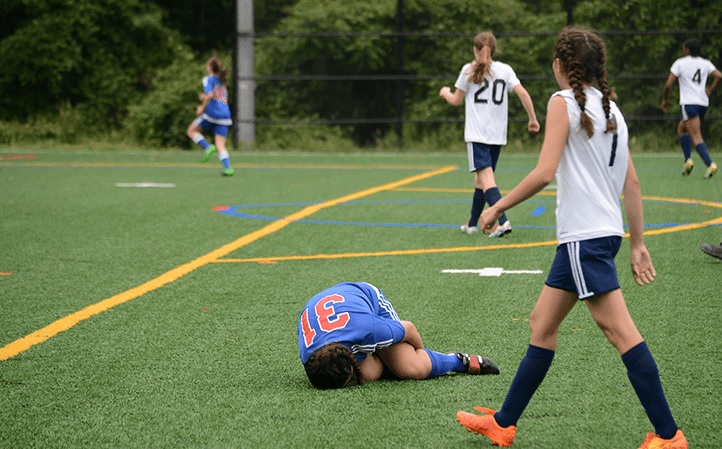
    The transition from club to high school football and back to club is one of the most physically taxing times for our high school students. Staying healthy during high school football season is crucial to doing your best on the field and minimizing the risk of injury.

    soccer injury

    Year over year we see more injuries in this time frame due in large part to overuse with longer practice time in November and also a greater number of games in a shorter amount of time during the high school season.

    These injuries range from ACL injuries and ankle sprains to much less significant joint tendon pain.

    3 tips to minimize injuries

    There are several simple but important things players can do to minimize injuries and do their best to stay healthy during the high school football season.

    #1 Prioritize recovery. As practice times and game demands increase, it is so essential that our athletes get adequate sleep (at least 8 hours), eat regularly, meet their macronutrient needs, and continually hydrate. With less time for recovery, managing the recovery process is essential.

    FH BFR Recovery Blog 2

    #2 Work on mobility and flexibility. Overworked muscles become sore and tight, and muscles that maintain good flexibility and length are less likely to suffer from overuse injuries. It is essential to follow a mobility and flexibility program.

    0J1A8582

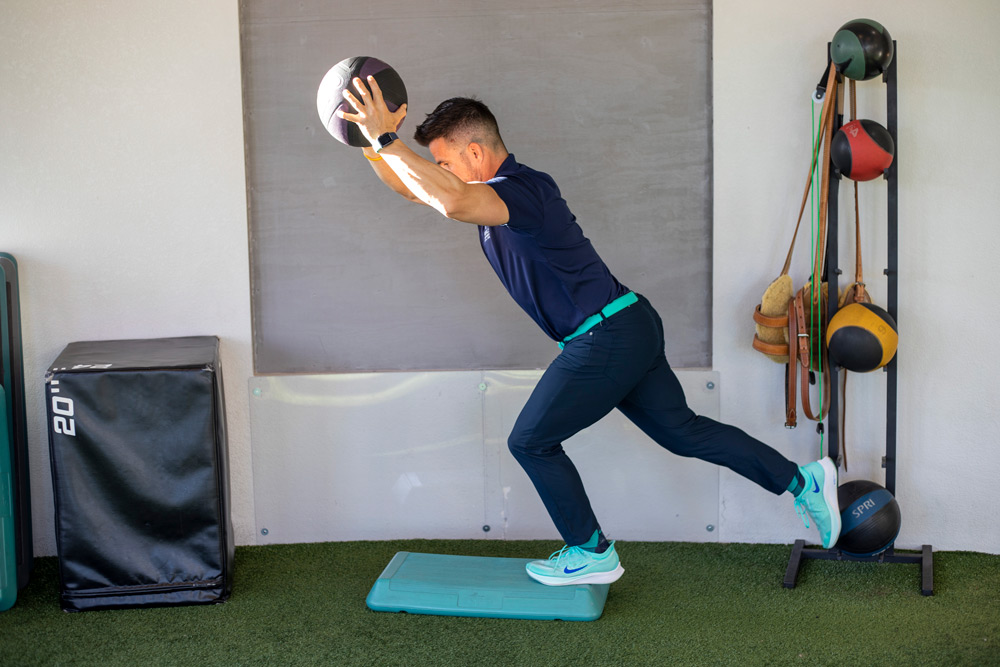
    #3 Work on functional strength. This is difficult due to the reduced time off, but maintaining lower body and core strength throughout the season is a win for injury prevention. Due to the reduced time and fatigue, muscle strengthening exercises are often neglected. Although maximum strengthening should not be performed during this time, it is incredibly important to take 20 minutes twice a week to do single leg strengthening and core exercises to reduce injuries.

    Stay tuned for more posts with a sample mobility program and a sample functional strengthening program that can easily be completed at home in 20 to 30 minutes during the high school season.

    Success equals staying on the field

    As always, athletes cannot be successful for their team if they are not available to be on the field. Injuries can deprive the athlete of time to do what they love, which can be extensive if the injury is severe. It is so important that our athletes take care of their bodies during the most stressful time of the year so that they have the best chance to stay healthy, perform for the high school team and come back even more vital for the second half of the club season . .

    Do you need physiotherapy due to a football injury? A licensed physical therapist from Foothills Sports Medicine can assess the problem with a free injury assessment and develop a treatment plan to prevent future serious damage. Request an appointment at one of our Valley-wide locations. We’re ready to get you back on the field and show you how to prevent future injuries.

    Source link

  • Patient-centered assessment of rheumatoid arthritis using a smartwatch and customized mobile app in a clinical setting

    Study design

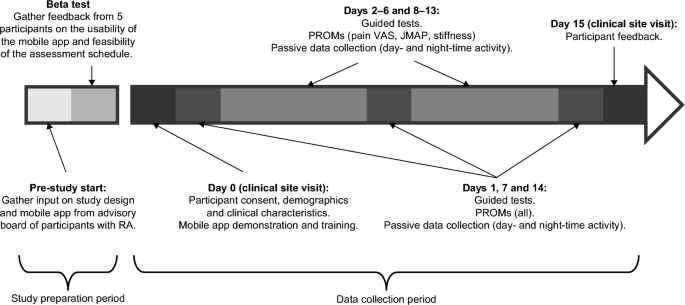
    This was a prospective study among participants with moderate to severe RA and 28 controls, matched for age (± 3 years), gender, and race. A sample size of 60 was chosen to facilitate one-on-one follow-ups. RA and control participants were recruited from the rheumatology clinic and general medical clinic of the Reliant Medical Group (Worcester, Massachusetts). All participants were provided with an Apple Watch Series 4 and an iPhone 7 with a pre-loaded, customized, study-specific mobile application. Personal training was provided by an on-site study coordinator on how to use the devices and application, perform the guided testing, and complete the PRO measures. Participants were required to complete PRO measurements weekly, daily, or twice daily, and guided testing twice daily for 14 days (Fig. 2; Supplementary Table S3). The data was transmitted in near real time to monitor compliance and to allow study coordinators to contact participants to encourage task completion if necessary.

    Figure 2
    Figure 2

    Study design. JMAP joint pain card, BALL patient reported outcome measure, RA Rheumatoid arthritis, VAS visual analogue scale.

    Prior to the start of the study, an advisory board of patients with RA (who did not participate in the study) provided input on the study design and mobile app; This was followed by a beta test over a period of five days, involving five participants with RA, to gather feedback on the usability of the app, the clarity of the instructions and the feasibility of the assessment scheme. Feedback from the beta test included issues remembering how to charge the devices, inconsistent syncing of data with the backend server, and limitations of the iPhone leg strap. In response to this feedback, the training was updated with more specific instructions on when to charge the devices, the software was updated to improve data synchronization, and the leg strap was redesigned, along with a detailed pictorial guide on how to attach it.

    Study objectives

    The following research objectives were investigated:

    1. 1.

      Construct validity: correlations between guided test performance and PRO measure severity.

    2. 2.

      Clinical utility: differences in guided test performance and PRO measure scores between RA and control cohorts.

    3. 3.

      Feasibility: Survey assessment completion rates and Apple Watch wear rates in RA and control cohorts.

    4. 4.

      Repeatability and reproducibility: Changes in guided test performance and PRO measures over time in RA and control cohorts.

    Ethics

    All documentation, including the study protocol, any amendments, and informed consent procedures, was reviewed and approved by the Reliant Medical Group Institutional Review Board. All participants provided written informed consent before any research procedures were undertaken. The study was conducted in accordance with the principles of Good Clinical Practice of the International Committee for Harmonization and the Declaration of Helsinki.

    Selection of participants

    The full list of inclusion and exclusion criteria for participants is included in Supplementary Table S4. Briefly, participants with RA were recruited by physicians from the Reliant Medical Group during a clinical visit if they had a clinically verified diagnosis of moderate to severe RA, with severity assessed using Routine Assessment of Patient Index Data 3 (RAPID- 3; score ≤ 12). : moderate RA; score > 12: severe RA). Controls were outpatients of the Reliant Medical Group and were excluded if they had a previous or current diagnosis of a rheumatologic disease, inflammatory disease, malignancy, or other relevant diseases.

    Study assessments

    The rating scheme and example screenshots of the custom mobile application used to collect the statistics of these ratings are provided in Supplementary Table S3 and Supplementary Figure S3, respectively.

    For the guided tests, the iPhone was used to collect accelerometer and gyroscope data while participants performed predefined guided tests of physical function. The guided exercises are designed using clinical and patient feedback to test aspects of participants’ functionality that are likely to be affected by the symptoms most important to patients with RA (i.e. joint pain, stiffness, fatigue and sleep ).2. Participants were instructed to perform each guided test daily, once in the morning (immediately after waking) and once in the afternoon, to assess change in stiffness throughout the day. The wrist ROM test is described in detail in the PARADE study5. Briefly, while holding the iPhone pointed upward over the edge of a table, participants flexed and extended their wrist joint to the maximum angle (without going outside the comfort zone), repeating the movement for 10 seconds. The test was performed once with both hands. For the sit-to-stand test, participants sat on a chair with the iPhone strapped to their right thigh and their arms crossed over their chest. Then they stood up and sat down five times at their own pace. The average time taken to go from sitting to standing and from standing to sitting was extracted from accelerometer and gyroscope data. For the lie-to-stand test, participants lay on a bed with their legs extended and the iPhone strapped to their right thigh, then stood up on the floor twice at their own pace. The average time taken to transition from lying down to standing and from standing to lying down was extracted from accelerometer and gyroscope data. Other guided tests included the walking test and the 9-hole peg test (ResearchKit; Apple Inc., CA, USA)5. In the walking test, participants were asked to attach the iPhone to their right thigh and walk in a straight line for 30 seconds. In the 9-hole peg test, which measures manual dexterity, participants are asked to use two fingers of their left hand to drag a circular “peg” on the iPhone screen to a “hole” elsewhere on the screen and then two Use fingers of their right hand to remove the pin from the hole. The Apple Watch was also used to continuously collect background accelerometer data to passively measure daily and nightly activity counts, the data of which are not reported in this article.

    PROs were assessed on days 1, 7, and 14 and included the following: Functional Assessment of Chronic Disease Therapy – Fatigue (FACIT Fatigue) to assess fatigue28; HAQ-DI and SF-3629 questionnaires to indicate the impact on the participant’s quality of life24,30,31; Patient-Reported Outcomes Measurement Information System (PROMIS) Pain Interference to assess how pain disrupts participants’ daily well-being, and PROMIS Sleep Disturbance to assess sleep quality32; RASIQ to quantify the severity of symptoms and their impact on the participant4. RA-specific assessments (RASIQ, PGA, stiffness) were not performed in controls.

    Short questionnaires were administered every day, except for morning stiffness, which was administered on days 2–6 and 8–13. Morning stiffness and stiffness severity were assessed based on responses to questions 11, 12, and 13 of RASIQ4. The JMAP recorded the number and severity of painful joints experienced at a given time, from 55 pre-specified joints, displayed on a body map; pain was scored as no pain, mild pain, moderate pain, or severe pain11. Pain VAS assessed the severity of pain on a scale ranging from 0 mm (no pain) to 100 mm (worst pain)33. PGA generally measures how RA affects participants and/or disease activity, using a single-item question and the VAS score34. A global assessment of fatigue over the past 24 hours was measured on a 10-point scale ranging from ‘no fatigue’ (0) to ‘as bad as you can imagine’ (10).

    Guided testing algorithms

    Details of the algorithms for the wrist ROM test, sit-to-stand test, and lie-to-stand test are given in Supplementary Methods S1. An illustrative flowchart of the algorithm for the lie-to-stand test is shown in Supplementary Figure S4 and has been previously reported for the wrist ROM test11.

    Data quality assessment

    Automated and manual data quality assessments were performed throughout the study to ensure that the data analyzed came only from properly conducted tests. The quality control of the wrist test was performed manually, and both manual and algorithmic quality controls were performed for the walking test, the sit-to-stand test, and the lie-to-stand test. Tests that were clearly performed incorrectly were removed from the sample.

    static analysis

    Descriptive statistics were used for demographic and clinical characteristics, PRO measures, and guided testing. Wilcoxon signed-rank tests were used for matched (i.e., participants with RA vs. controls and morning vs. afternoon) and rank-sum tests for unmatched (i.e., participants with moderate vs. severe RA) comparisons. Nonparametric tests were used because a normal distribution could not be assumed due to the small sample size. Trends over time were assessed using univariate mixed effects models, with study day as fixed effect and individual differences as random effects. ICCs were calculated to measure the consistency of guided testing over time for each participant using a two-way mixed effect, single rater, consistency convention; a higher ICC indicated more regular test performance over the study period than a lower ICC. Correlations between PROs and supervised tests were assessed using Pearson correlation coefficients, and one-way ANOVA was performed using the Kruskal-Wallis test by rank, with Mann-Whitney U tests for post-hoc pairwise comparisons. There was no adjustment for multiplicity in this study, and the study was not suitable for hypothesis testing; therefore, Pvalues ​​were used for quantification/descriptive purposes only.

    Source link

  • Fall 2022: MY Personal Rating Accounting

    Fall 2022: MY Personal Rating Accounting

    Here in the Northeastern US, fall is a time of harvest and abundance. A season in which we are naturally led to celebrate the generosity of Mother Earth and a time to collectively take a few deep breaths and give thanks for all that has enriched our lives over the past year.

    Gratitude lists are powerful health-promoting tools that many of us practice every day. However, I also like to do seasonal work “Accounting valuation” and would like to share my Valuation Accounting 2022 with you.

    This accountability is not about the deep appreciation I have for my friends, family, pets, and the entire living world around me. It’s about my appreciation for You, the many thousands in our Better Bones community who have encouraged and encouraged me over the decades to continue to rethink optimal bone health.

    In this modern world, there is so much fiction to be separated from fact, and so much encouragement and hope to be given. Each of you has helped me move forward in my life’s mission to empower women to take charge of their bone and total body health. My decades-long quest to learn more and share more is motivated by each of you, your stories, your successes and your challenges. I appreciate each and every one of you.

    And then there is my staff of brilliant, creative and generous individuals who make it their mission to help support my life’s work. Everything I have been able to accomplish at the Center for Better Bones is due to my dedication and creativity Internal power squad.

    I consider myself one of the luckiest people on earth, because I get to fulfill my life’s mission, motivated by all of you and assisted by a strong, smart, creative team. This Thanksgiving, I fully appreciate all that we – all of us together – have done to fulfill this mission of empowering women. For all of us at the Center for Better Bones, 2022 will go down as a year in which we were able to help more and more women worldwide from fear to empowerment– a year to appreciate indeed.

    So, here’s mine Accounting valuation for 2022:

    1. My team and I managed to deliver again two 4 days in person Better Bones Solution Retreats. One took place at the Art of Living Retreat Center in Boone, NC, and the other just took place at the Kripalu Center for Yoga & Health in Massachusetts. It’s been almost 3 years since we last met in person, so these were super satisfying experiences.
    2. This year we were able to participate in our virtual 4-day event with more than 300 people Better Bones Solution Retreats. Moving our retreats online came out of necessity during the pandemic, but this format has proven to be a blessing as we can help many more people around the world with our virtual retreats.
    3. We have built an extensive community (www.tribe.drsusanbrownphd.com). This tribe is a growing, sharing and learning community. It hosts 8 of my online courses, 4 of which are free. It also serves as a place where individuals can connect to share successes and help each other on their bone health journey.
    4. We are creating The local chapters of the Better Bones Builders. This is a wonderful new avenue for personal connection among our community members. We are now able to empower leaders within our organization Better bones community to organize local meetings where individually Better bones tribe members can talk and work on their bone health goals in person.
    5. I have released my latest book, Natural Bone Health: A Clinician’s Guide. This book is especially important because it responds to my clients and followers who have been asking for years for information to share with their doctors about how to build bone strength naturally.
    6. I joined TikTok and it exploded! We gained 82,000 new friends on TikTok and learned a new way to share health information “tricks” that are fun and innovative.
    7. We have also found a way to offer accurate at-home testing for Vitamin D and Omega-3 levels.
    8. Moreover, we have found a way to do that Better Bones Community Members have access, at their own expense, to the laboratory tests we recommend in our medical research for osteoporosis. This greatly reduces the barriers to understanding your own health information. https://www.betterbones.com/osteoporosis/wat-de-oorzaak-van-uw-osteoporose/.

    I look forward to all the blessings that 2023 brings and to continuing to serve our community as it strives for better bone and body health!

    Dr.  Susan BrownI am Dr. Susan E. Brown. I am a clinical nutritionist, medical anthropologist, writer and motivational coach speaker. Learn my proven 6-step natural approach to bone health in my online courses.


    Source link

  • Aspen Medical Products launches the first off-the-shelf cervical to sacrum spine system

    Aspen Medical Products launches the first off-the-shelf cervical to sacrum spine system

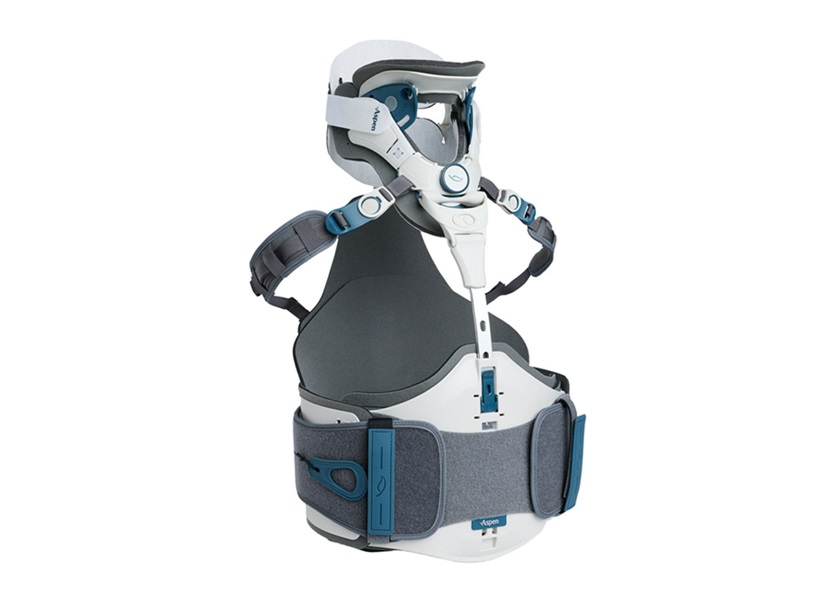
    VRTX CTLSO

    IRVINE, Calif., Oct. 25, 2023 /PRNewswire/ — Aspen Medical Products (Aspen), a leader in spine solutions for pain and mobility management, has launched the VRTX System – the first fully integrated spine support system in the post-operative and trauma care market.

    According to the American Academy of Orthopedic Surgeons, millions of spine-related injuries occur annually in the United States. Patients with traumatic injuries to the spine at multiple levels typically require a custom-made Cervical Thoracic Lumbar Sacral Orthosis (CTLSO) that stabilizes the spine before or after surgery. These patients may wait up to three days to receive their CTLSO after being measured and fit, increasing the risk of deep vein thrombosis, pressure sores, breathing problems and other complications.

    The VRTX System is the first-ever cervical to sacral system designed to redefine spine care in acute care settings. The prefabricated design with intuitively adjustable sizing helps doctors fit patients and immediately stabilize the spine. This turnkey solution can help reduce length of stay and the risk of complications, while optimizing operational efficiency in hospitals by improving time and inventory management.

    “Aspen is once again leading the way in innovation and clinical solutions with the VRTX system,” said Jim Cloar, Chief Executive Officer of Aspen. “We understand the need for an improved experience for patients and physicians, and we designed the VRTX system to add value to the healthcare system as a whole. Our ultimate goal was to create a family of products that all interact with each other, simplify the fitting process through an intuitive design and ensure ease of use at home. We are proud to bring the first total spine solution to market.”

    A pioneer in advancing spine care, the VRTX System is built on a foundation of results and innovation. The modular, low-profile design comfortably supports a wide range of patient anatomies and improves patient outcomes by helping them become ambulatory faster. An integrated QR code scans patient instructions, so you always have the correct application instructions at hand and can ensure compliance.

    Each component of the VRTX system consists of a prefabricated CTO, TLSO, LSO and CTLSO and provides optimal movement restriction and can be lowered or increased depending on the patient’s needs. This modular solution enables standardization of products and services across the hospital to maximize staff efficiency and patient care.

    Building on the success of the Vista Cervical Collar, Aspen has included enhanced features in the new VRTX Collar. A symmetrical back panel ensures accurate and consistent application every time, and clinicians now have the convenience of writing directly on the surface of the collar to indicate pad replacement time. Additionally, more finite height adjustments are suitable for a wider range of patients, and the VRTX collar can be adjusted to a lower setting.

    “From day one, Aspen has been committed to understanding the complex needs and challenges of both patients and healthcare providers. Years of patient and physician feedback and industry insights have been our guiding forces in creating the VRTX system. This innovation is more than just a product; it is a testament to our commitment to improving the healthcare landscape and ultimately increasing the well-being of everyone we serve,” said Albert Romo, Aspen’s Director of Research and Development.

    More information about the VRTX system is available at vrtx.aspenmp.com.

    About Aspen medical products

    Founded in 1994, Aspen Medical Products, LLC is an industry leader in the development and manufacturing of spinal orthopedics and pain therapy solutions. Designed to restore function and relieve pain, Aspen products address a variety of patient needs across the care continuum to help them resume activities of daily living. Aspen is headquartered in Irvine, California and has local sales representations in the US and internationally. www.aspenmp.com

    SOURCE Aspen Medical Products

    rt

    Source link

  • Scientists achieve breakthrough in the treatment of ‘neglected’ polymyalgia rheumatica

    Scientists achieve breakthrough in the treatment of ‘neglected’ polymyalgia rheumatica

    shutterstock 390538711 6b3c40fdd32742caa54307db3553cab1

    Scientists have had success treating a ‘neglected’ inflammatory disease, polymyalgia rheumatica, with a drug that could offer patients an alternative to steroids.

    The study, conducted by Anglia Ruskin University (ARU) and published in the New England Journal of Medicine, describes a successful trial of sarilumab. The drug, approved in Britain to treat rheumatoid arthritis, blocked the protein interleukin-6, which can cause inflammation.

    Polymyalgia rheumatica (PMR) is characterized by pain and morning stiffness in the shoulder and hips and affects people over the age of 50. It can significantly affect quality of life and is currently mainly treated with the steroids glucocorticoids.

    Although glucocorticoids can control the condition, more than half of PMR patients experience a relapse of their condition when they reduce their steroid medication. Interleukin-6 has been implicated in the pathophysiology of PMR because circulating elevated levels and increased tissue expression of interleukin-6 have been found in PMR patients.

    During the year-long clinical trial conducted by researchers, 118 patients received either twice-monthly injections of sarilumab or a placebo. The sarilumab group received a tapering dose of glucocorticoid for 14 weeks in combination with bimonthly injections of sarilumab, while the placebo group received a tapering dose of glucocorticoid for 52 weeks.

    The primary outcome at the end of the study was sustained remission of the condition. This happened in 28% of people taking sarilumab, compared to 10% of people taking the placebo. After achieving remission at 12 weeks, there were more disease flares in the placebo group (57%) compared to those who received sarilumab (24%).

    Lead PMR expert and senior author of the study, Professor Bhaskar Dasgupta, from the Medical Technology Research Center at Anglia Ruskin University (ARU), said: “Polymyalgia rheumatica is a poorly managed and neglected condition for which current treatment is unsatisfactory and can have long-term side effects. Patients can relapse while tapering their medications, and these relapses currently have very limited treatment options.

    “Our findings show promise that sarilumab can be used to treat PMR and improve outcomes for people coming off steroid medications.

    “This is an exciting development that has the potential to improve treatment options for a condition common in older people. PMR is the most common reason for long-term steroid prescriptions. Any effective drug that can spare the use of steroids would be a should have a major impact.” on reducing the serious side effects of such steroids, including diabetes, osteoporotic fractures and infections.”

    The research was funded by Sanofi and Regeneron Pharmaceuticals.

    Earlier this year, a review paper was published in the journal Nature reviews by Professor Dasgupta and colleagues highlighted the emerging view that relapsed PMR patients also have underlying giant cell arteritis, in which the main blood vessel aorta and its branches become inflamed. Researchers suggested that the two should be treated as linked conditions under the term GCA-PMR Spectrum Disease (GPSD).

    Source:

    Magazine reference:

    Tomelleri, A., et al. (2023). Disease stratification in GCA and PMR: state of the art and future perspectives. Nature Reviews Rheumatology. doi.org/10.1038/s41584-023-00976-8.

    Source link

  • New food label – Food for healthy bones

    New food label – Food for healthy bones

    New USDA GMO regulations

    This new year, the United States Department of Agriculture (USDA) is changing labeling rules for genetically modified foods.

    Foods containing ‘genetically engineered’ (GE) ingredients or ‘genetically modified organisms’ (GMOs) will now simply be marked as ‘bio-engineered’.

    Bioengineered logo

    The USDA has said the change “avoids a patchwork of state labeling rules” to provide a national standard for the labels that were once set on a state-by-state basis.

    “The worst part of this law is the use of the term ‘bioengineered,’ because that’s not a term most consumers are familiar with,” said Gregory Jaffe, director of the Center for Science in the Public’s biotechnology project Interest.

    Some commonly bioengineered foods include:

    • Corn
    • Rapeseed
    • Soy beans
    • Potatoes
    • Eggplant
    • Sugar beets

    That’s why I eat organic.

    While on the Elimination Diet, I unfortunately realized that my off-the-grid treat when I traveled to Virginia to be with my boyfriend was Fritos Corn Chips. It’s a remnant from my childhood. Then I discovered that I am very sensitive to corn. I could never figure out what was causing my stomach to upset. After the Elimination Diet I know what to eliminate

    Back to Fritos…… Not only are they NOT organic, but they are most likely genetically engineered.

    Goodbye Fritos corn chips.

    And eggs
    And coffee
    And sugar
    And Dairy

    It’s worth it to have better health, better digestion and better sleep.

    Food is an important part of bone health. It’s the only thing we do every day, often three times a day. Every fork counts.

    ________________________________________________________________

    Bone Health Summit with 45 expert presenters

    Have you registered for the Natural Approaches to Osteoporosis and Bone Health Summit?

    It takes place from January 17 to 23 with an incredible line-up of speakers.

    I’m presenting on day 5; January 21, 2022: “Food for your bones”

    Here is the link to register for free.

    A bonus upon registration is a key presentation by Tom O’Bryan, DC, CCN, DACBN

    Gluten and bone health

    In this free video you will learn:

    • Link between gluten-related disorders and osteoporosis
    • Testing for wheat and gluten related conditions?
    • Choosing the best treatment

    Each day’s presentations are on-demand for a 24-hour period beginning at 10:00 AM AMUS Eastern.

    Join me and 45 other experts at the Natural Approaches to Osteoporosis and Bone Health Summit.

    Line-up of speakers

    Here is the lineup of speakers:

    Speakers I’m looking forward to

    Kim Millman, MD, PhD about the causes of bone loss and nutrients for stronger bones

    Terry Wahls, MD the link between autoimmune diseases and osteoporosis

    Felice Gersch, MD the role of estrogen on bone health

    Stephanie Seneth, PhD about glyphosate and your bones. Glyphosates are widespread in our food supply, especially in highly processed foods.

    Clinton Rubin, PhD – Low intensity vibration for bones and the latest research in vibration and bone health.

    Deva Boone, MD, FACS, FACE – influence of the parathyroid gland on osteoporosis.

    Dr. Boone takes the complicated and uses simple language to help understand the role of the parathyroid gland.

    I purchased the event because I know I will refer to these presenters again and again.

    How to Order the Natural Approach to Osteoporosis Summit

    Click below to order the withdrawals and all bonuses.

    Order the event

    I hope to see you at the event!

    Thank you for your trust,

    From my bones to yours.

    Irma Jennings, INHC

    Your holistic bot coach


    Let me support your bones

    Receive an in-depth, tailor-made private session

    Book a private coaching with Irma now


    Join our amazing Bone Tribe community

    Get the support and information you need to live fearlessly with your bone diagnosis

    30 Essential Foods for Bone Health

    Source link

  • Winning combination for sports-related shoulder injuries

    Winning combination for sports-related shoulder injuries

    Initiating a robust exercise program earlier after surgery can prevent patients with dislocated shoulders from re-injuring and allow them to return to sports more quickly.

    Researchers from the University of Adelaide spent three years analyzing evidence from 3,600 existing studies and concluded that a tailored exercise program starting three to six weeks after surgery is the best approach to preventing a secondary shoulder dislocation.

    “Patients who dislocate their shoulder are at high risk of doing so again within six months, and may suffer from recurrent instability,” says Dr Timothy Lathlean from the University of Adelaide, an Accredited Exercise Physiologist (AEP) and postdoctoral researcher at the University of Adelaide. Adelaide Medical School and the South Australian Health and Medical Research Institute (SAHMRI).

    “Our analysis found that those who began a robust exercise program after surgery were twice as likely to avoid a recurrent injury than those who only exercised to recover from their injury.”

    The researchers found that starting a multimodal program — a combination of exercises aimed at strength, coordination, balance and muscle control — shortly after surgery produced better results than standard care programs that rely solely on strength training.

    The review focused on patients who were experiencing first-time shoulder dislocations that occurred in an anterior direction as a result of a direct blow to the shoulder. This type of injury often occurs during sports or work accidents.

    Shoulder dislocations are especially common in young men between the ages of 16 and 30, because they more often practice contact sports and perform physically challenging professions.

    “Shoulder dislocation can be disabling and is often accompanied by weakness, stiffness, pain and inability to participate in daily activities and sports,” said Dr. Lathlean.

    “People who have suffered this injury may have difficulty returning to work or exercise and there is an associated economic burden. This can be reduced with more effective treatment and timely, targeted rehabilitation.”

    This research was part of a collaborative project with a PhD student at the Texas Tech University Health Sciences Center and the University of Adelaide’s School of Allied Health.

    The findings have been published in the British Journal of Sports Medicine and could help both practitioners and researchers achieve the best outcomes from surgery and rehabilitation.

    “The results show that there is a real need for more advanced exercise programs in the rehabilitation phase to improve outcomes for patients and get them back to exercise faster,” said Dr Lathlean.

    “Similar approaches are already common in recovery from other types of surgery for spine or knee-related injuries and the evidence from this study shows that this would also be beneficial for patients with acute shoulder injuries.”

    Source link

  • Simple Broccoli Rabe |  GF, DF |  BoneCoach™ Recipes – BoneCoach™

    Simple Broccoli Rabe | GF, DF | BoneCoach™ Recipes – BoneCoach™

    Looking for a delicious way to enjoy more vegetables in your diet?

    Search no further!

    Our Simple Broccoli Rabe, also known as rapini, is both easy to prepare and incredibly delicious.

    With just a few ingredients, this bone-nourishing cruciferous vegetable turns into a tender and flavorful side dish.

    Plus, broccoli rabe is packed with bone-strengthening nutrients like vitamin K, vitamin A, magnesium, calcium and potassium, making this a treat for your taste buds and your bone health.

    Don’t wait, make our Simple Broccoli Rabe today!

    Bone Coach Recipes |  Simple Broccoli Rabe |  Bone loss Bone Healthy diet Nutrients Osteoporosis

    SERVES: 4

    TOTAL TIME: 10 minutes

    Ingredients

    1 bunch broccoli rabe/rapini (cut ends off and cut in half lengthwise)

    2 tablespoons (30 ml) freshly pressed extra virgin olive oil

    1 shallot, finely chopped

    30 g raw pecans, soaked for 8 hours or overnight

    1/2 teaspoon (2 ml) sea salt

    2 teaspoons (10 ml) apple cider vinegar or lemon juice

    Directions

    1) Bring a large pot of water to the boil. Once boiled, salt water and add broccoli rabe. Blanch for 2 minutes. Using tongs, place in a bowl of ice water and let cool. Drain and set aside.

    2) Heat a frying pan over medium heat. Once hot, add the oil and shallots. Cook until soft, about 2 minutes. Add the pecans and fry for another 2 minutes. Finally, add the broccoli rabe, salt and vinegar. Cook, stirring often, until heated through, about 3 minutes. Enjoy straight away or mix with some sprouted quinoa, millet or cauliflower rice.

    Recipe created by BoneCoach™ Team Dietitian Amanda Natividad-Li, RD & Chef.

    Medical disclaimer

    The information shared above is for informational purposes only and is not intended as medical or nutritional therapy advice; it does not diagnose, treat or cure any disease or condition; it should not be used as a substitute or substitute for medical advice from physicians and trained medical professionals. If you are under the care of a healthcare professional or are currently taking prescription medications, you should discuss any changes in your diet and lifestyle or possible use of nutritional supplements with your doctor. You should not stop prescribed medications without first consulting your doctor.

    Source link

  • How can I measure the range of motion of my knee at home?

    How can I measure the range of motion of my knee at home?

    A crucial aspect of recovery after a knee injury or surgery is how far your knee bends and extends. Two common knee problems that require regular knee measurements are an ACL injury or surgery and a knee replacement. Bending and extending your knee is also called knee range of motion. One of the great things about knee range of motion is that it is such a simple measurement and can tell you so much about your progress. However, most people must visit a physical therapist in person to receive this essential measurement. There are several limitations here:

    1. The person living with and recovering from a knee injury or surgery will not know if they are making progress until they see a personal therapist.
    2. The person may lose motivation if he is not aware of his progress.
    3. This can promote a lack of independence in daily recovery.

    Ideally, the solution would be to have the person measure the range of motion of their knee at home without any special equipment. With our physiotherapy app Curovate, anyone can measure the range of motion of the knee and hip at home with a smartphone. You can download Curovate via the links above and below this blog and measure your knee range of motion at home!

    Many people wonder “how accurate is this measurement compared to the measurements my physiotherapist takes in the clinic?” The answer is very accurate! We published a peer-reviewed article in the International Journal of Sport Physical Therapy that compared Curovate’s app measurement to that of a physiotherapist using a goniometer. A goniometer is a ruler-like tool that physical therapists use to measure range of motion. Our research showed that there was a correlation of 0.998 or higher when comparing 80 knee measurements.[1] To put that into context, two measurements that are highly correlated have a correlation close to 1 and measurements that are unrelated have a correlation closer to 0. If you would like to read our full peer-reviewed research, you can find it at the website link here to the International Journal of Sports Physiotherapy.[1] Or if you are interested in reading our previous blog on measuring knee range of motion, you can find that here.

    Another important thing we were testing was whether different mobile devices, or smartphones and tablets, gave different measurements for the same amount of knee flexion or extension. We compared a Samsung S21, iPhone 11, iPhone XR, iPad Pro with a certified physiotherapist using a goniometer for 80 different knee measurements. Interestingly, we found a high degree of correlation between all four devices and between the devices and the physiotherapist. Overall, the correlation for all four devices was 0.998 or higher.

    The purpose of this blog is to show you how to accurately measure your knee range of motion with Curovate. If you haven’t already done so, download the Curovate app from the links above or below this blog and follow these simple steps.

    Step-by-step instructions for measuring knee range of motion using Curovate

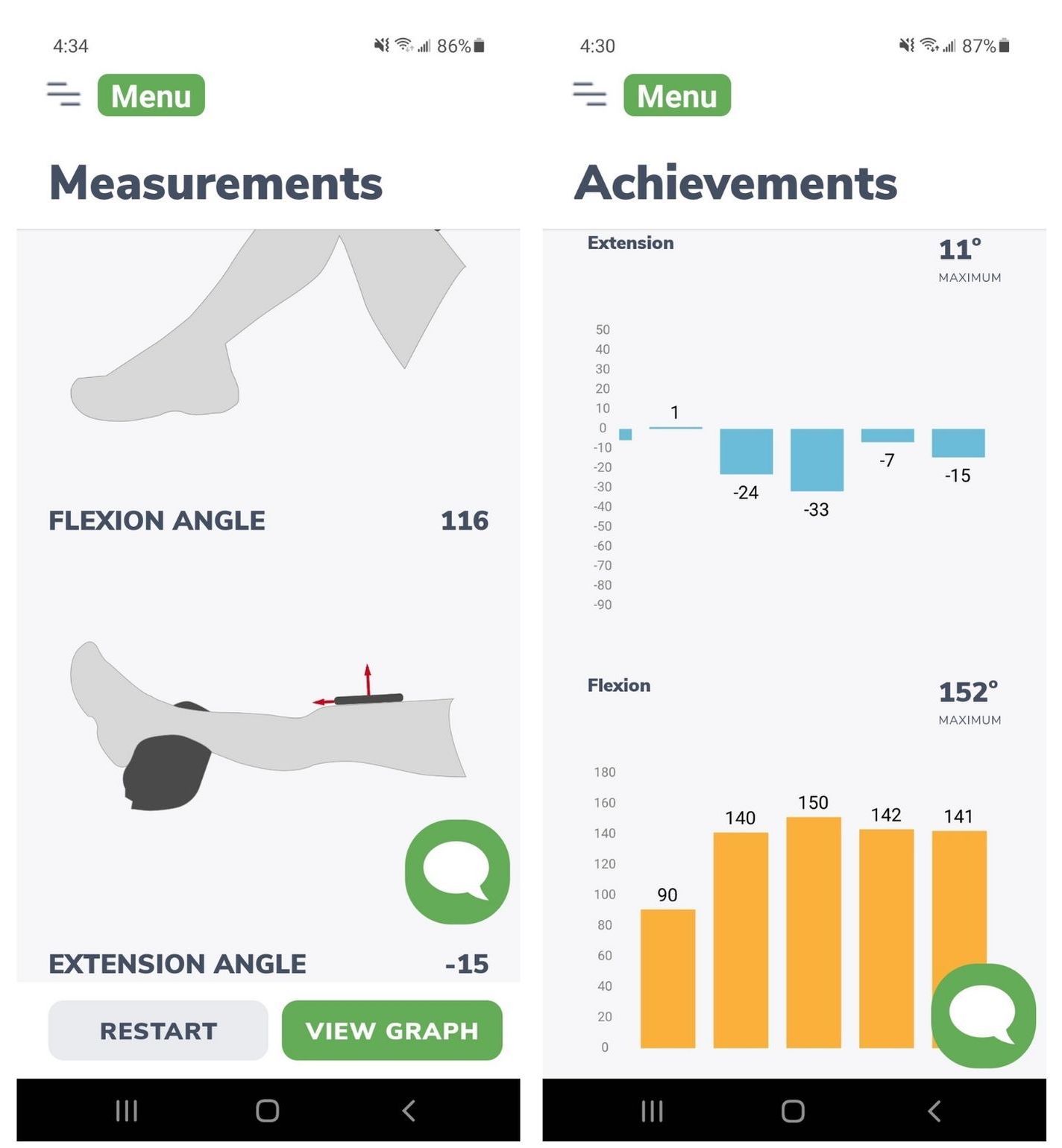
    First go to the app MENU. Then go to Measuring Knee in our app menu. You’ll see the option to measure knee flexion, which is how much your knee bends, and knee extension, which is how much your knee straightens. Curovate allows you to skip both measurements if you are only interested in one measurement. Curovate also allows you to measure your non-surgical or non-injured knee if you want to use this as a comparison for your injured or surgical knee.

    There are 4 simple steps to measure your knee range of motion:

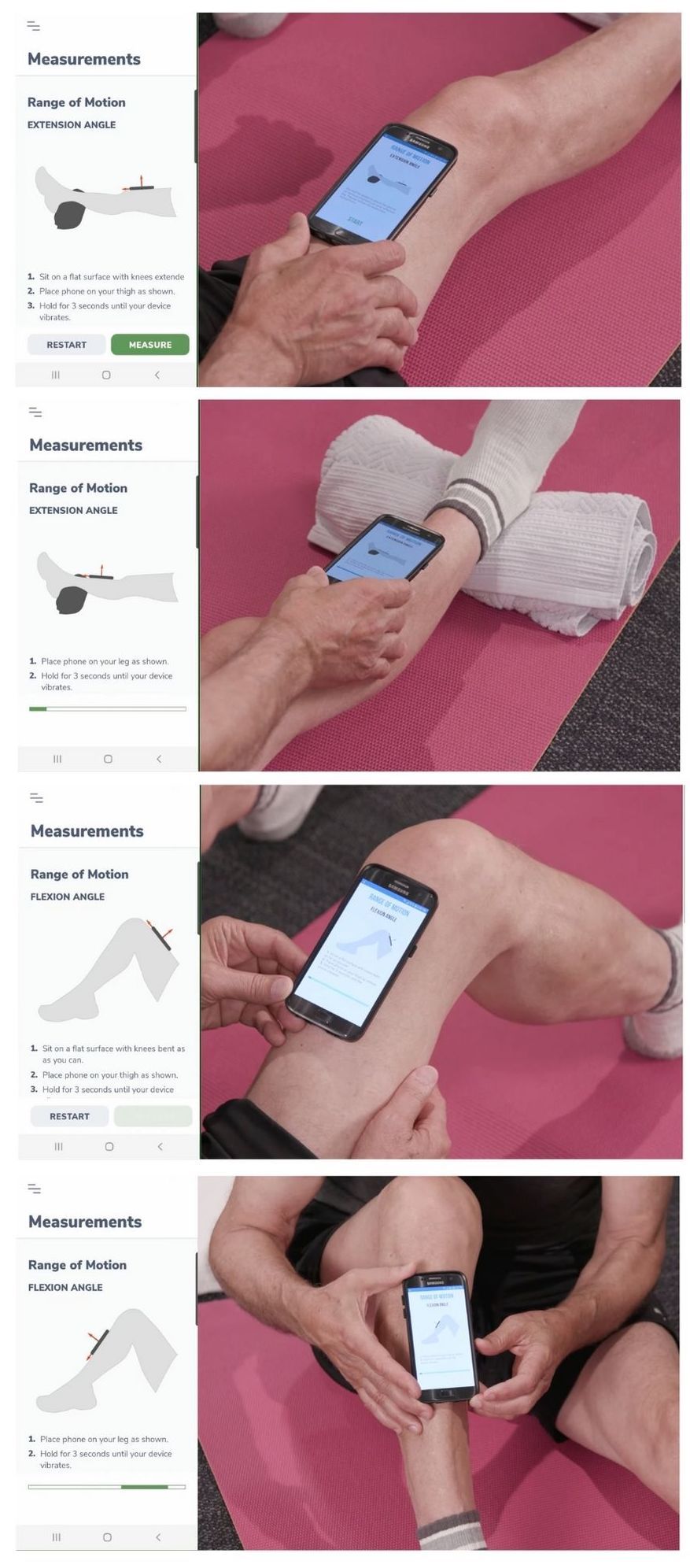
    1. For knee extension: Place a sturdy towel roll under your ankle and keep your knee straight. Then place your phone above your knee on your thigh with your screen facing up and press start. Hold the phone still until it vibrates. Make sure your phone’s vibration setting is turned on.
    2. Move the phone under your knee to your upper shin and press measure. Once the phone vibrates, your knee extension measurement is complete. You will receive the results after you have performed your knee flexion measurement below.
    3. Now bend your knee as far as you can. Place the phone above your knee on your thigh with the screen facing up and press measure. Once the phone vibrates, move the phone to your thigh while your knee is still bent.
    4. Place the phone on your thigh with the screen facing up. Hold the phone steady until it vibrates. You will now see a knee measurement range for your knee flexion and extension. If you made a mistake, press ‘delete and try again’ or ‘review’. You will be taken to the performance page and you will see all your knee movement measurements. The entire process takes 15 seconds to obtain both a knee flexion and a knee extension measurement.

    If you are a visual learner, this simple image below will help you understand exactly how to measure knee range of motion and summarizes the four steps mentioned above.

    Untitled 5 x 7 in
    The four simple steps to using Curovate at home to measure your knee range of motion. Steps 1 and 2 show how to measure knee extension. Steps 3 and 4 above show how to measure knee flexion. In the Curovate app, go to the menu and select ‘Measure knee’ to get started.

    Ensure accuracy of knee motion measurements

    In our peer-reviewed publication, there were a few things we did to ensure we received an accurate reading every time. Here are the main things we did to ensure our measurements were consistent:

    1. Once you have fully extended or bent your knee, hold this position very still until you have finished measuring
    2. Do not move the phone until it vibrates as the measurement is not yet completed. Even if your phone does not vibrate, it is likely that notifications and/or vibrations have been disabled for the Curovate app. Once you enable notifications and vibration, the phone should vibrate.
    3. If possible, hold the phone in place with both hands to keep it steady
    4. Do not press Measure until you have the phone in the new position and are holding the phone firmly
    5. Always keep the top of your phone pointed toward your foot and not toward your hip
    6. Always keep the phone screen facing upwards
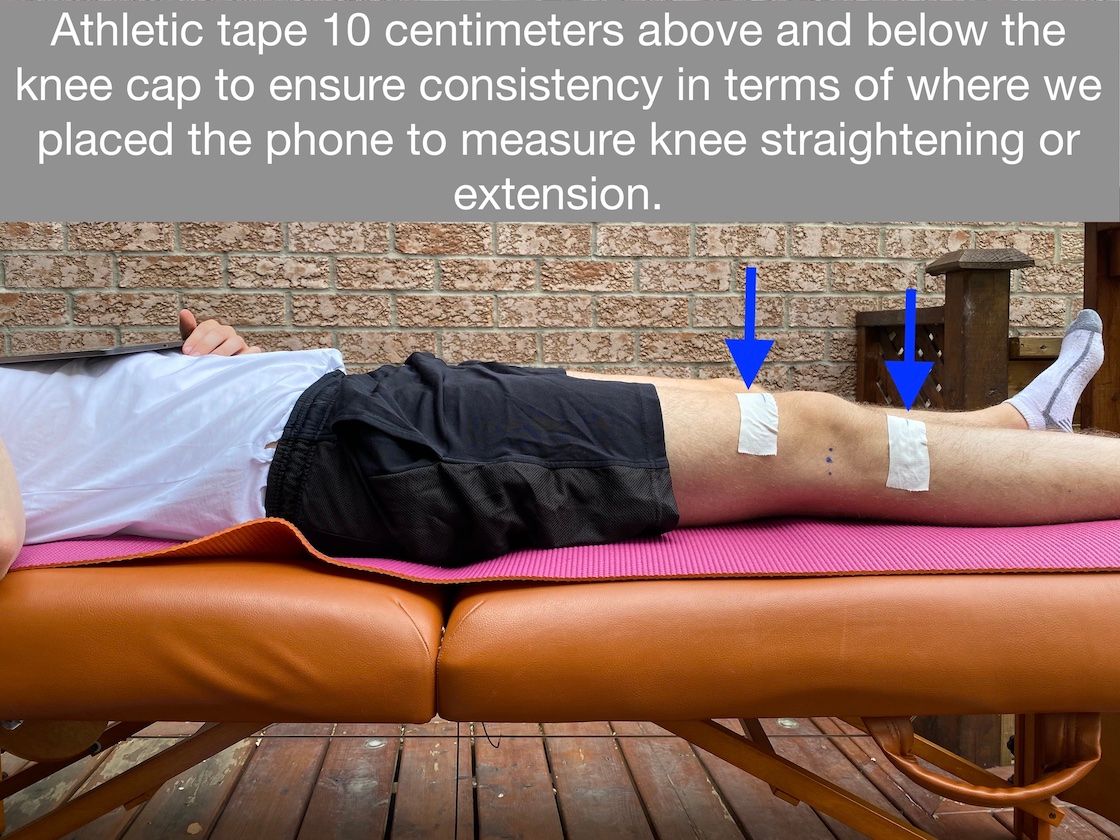
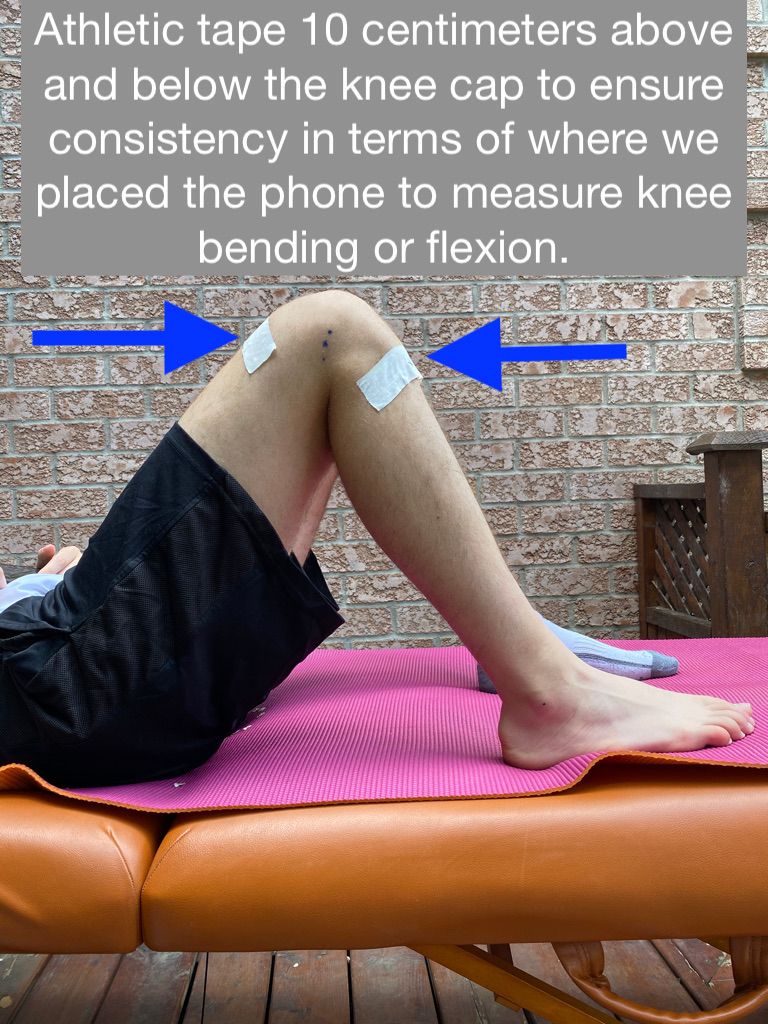
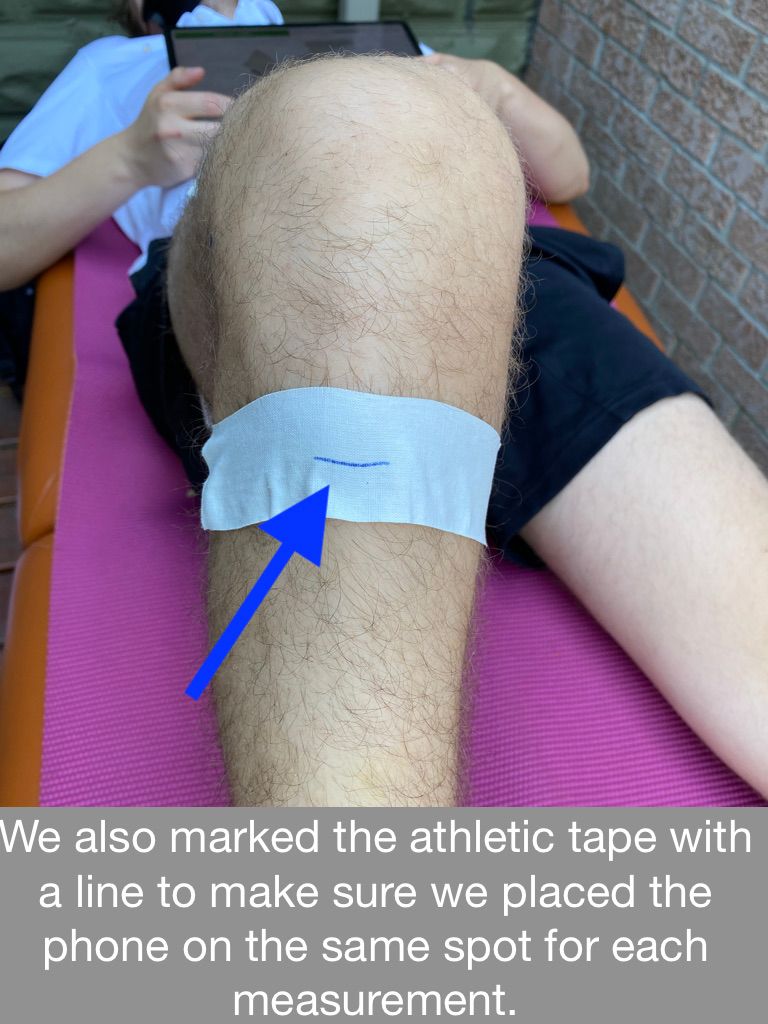
    7. Mark 4 inches above and below the knee with a marker and/or athletic tape to stay consistent with where you place the phone.

    We found that consistently placing the phone 4 inches above and below the knee was critical to obtaining accurate measurements of the knee’s range of motion. This last step may seem a bit excessive for a home measurement of knee range of motion, but we wanted to include it to ensure consistency and the ability to reproduce accurate measurements as we did in our study. A simple at-home method could be: if you know how long 10 centimeters is on your hand, use this as a guide every time you measure with the Curovate app. For example, if the distance from the tip of your index finger to the base of your thumb is 4 inches, use this as your distance from the top or bottom of your kneecap to determine where to place your phone for each measurement.

    Check out the images below to see what we did in our research to ensure the consistency of our knee motion measurements. Please note that we took 80 unique measurements as part of this study and found that the seven points mentioned above kept us consistent in our measurements.[1]

    knee extension tape
    Athletic tape 4 inches above and below the kneecap to ensure consistency in terms of where we placed the phone to measure extension or extension of the knee.
    07C843F8 631B 40B5 95C6 723D1B8FF984 1 105 c 2
    Athletic tape 4 inches above and below the kneecap to ensure consistency in terms of where we placed the phone to measure the bend or flexion of the knee.
    DAF01FF2 4912 408D 9D88 56EA6ACDF7E1 1 105 c
    We also marked the athletic tape with a line to ensure we placed the phone in the same spot for each measurement.

    Conclusion

    Yes, you can accurately measure your knee range of motion at home with the Curovate physiotherapy app. At the end of this blog you will find links to download Curovate. This article summarizes how to take accurate measurements of knee flexion and knee extension. The most important things to remember to ensure accuracy are:

    1. Measure the same way every time
    2. Place the phone in the same place above and below your knee
    3. Make sure the screen is facing up
    4. Make sure the top of the phone is facing your foot or ankle
    5. Only press measure in the app when the phone is held still
    6. Use both hands to hold the phone steady while measuring
    7. If you want to be really accurate, always place the phone 4 inches above your kneecap if you place the phone on your thigh and 4 inches below your kneecap if you place the phone on your shin to measure your knee flexion and extension

    If you would like to read our full research article on how the Curovate app measurement compares to a physiotherapist measuring range of motion, you can find it via this link to the International Journal of Sport Physical Therapy.

    Download Curovate to accurately measure your range of motion for knee flexion and extension at home! Our app also provides daily video-guided exercises for recovery after a knee replacement, ACL injury or ACL surgery, hip replacement or for anyone interested in strengthening their knee or hip with safe and effective physical therapy exercises.

    If you need more tailored help during your surgery or recovery from your injury, check out our Virtual Physiotherapy page to book your 1-on-1 video session with a physiotherapist.

    app-store-badge-128x128-2 google-play-badge-128x128

    References

    Source link