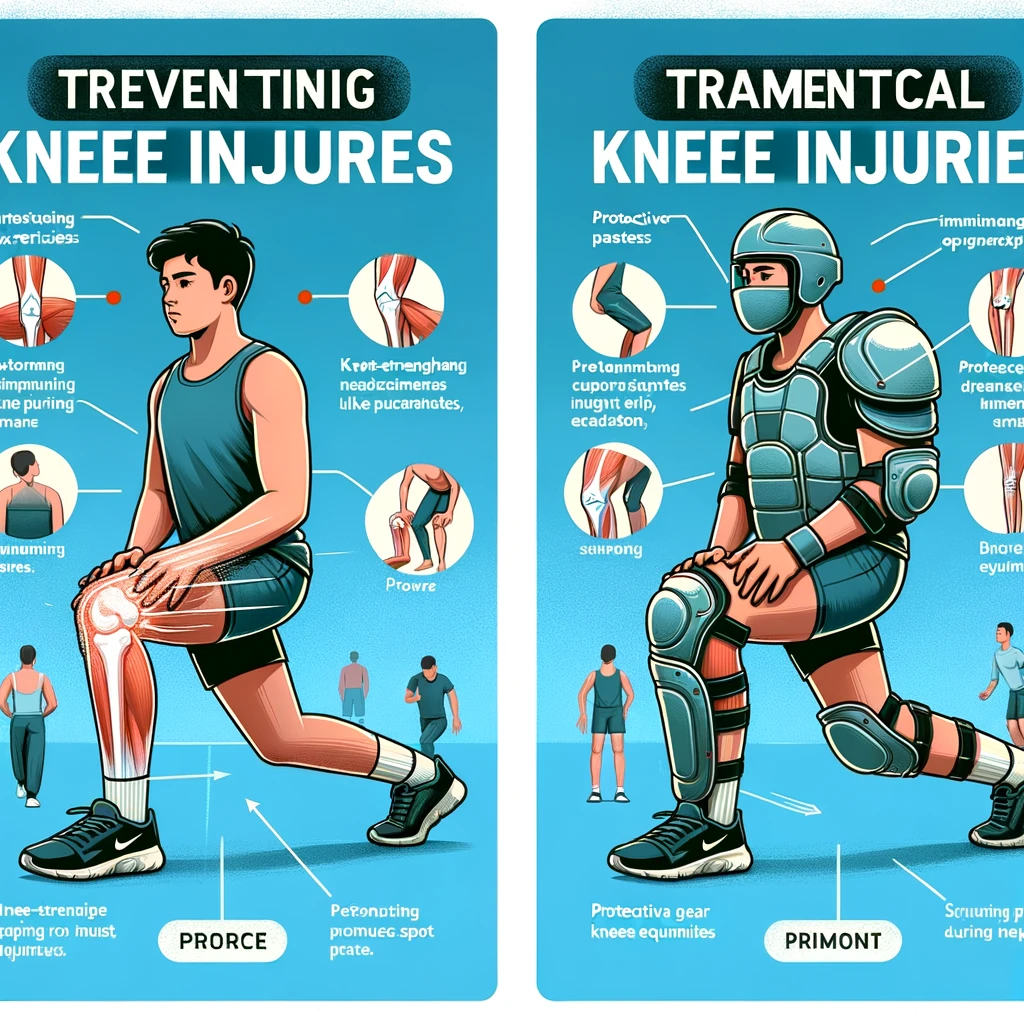
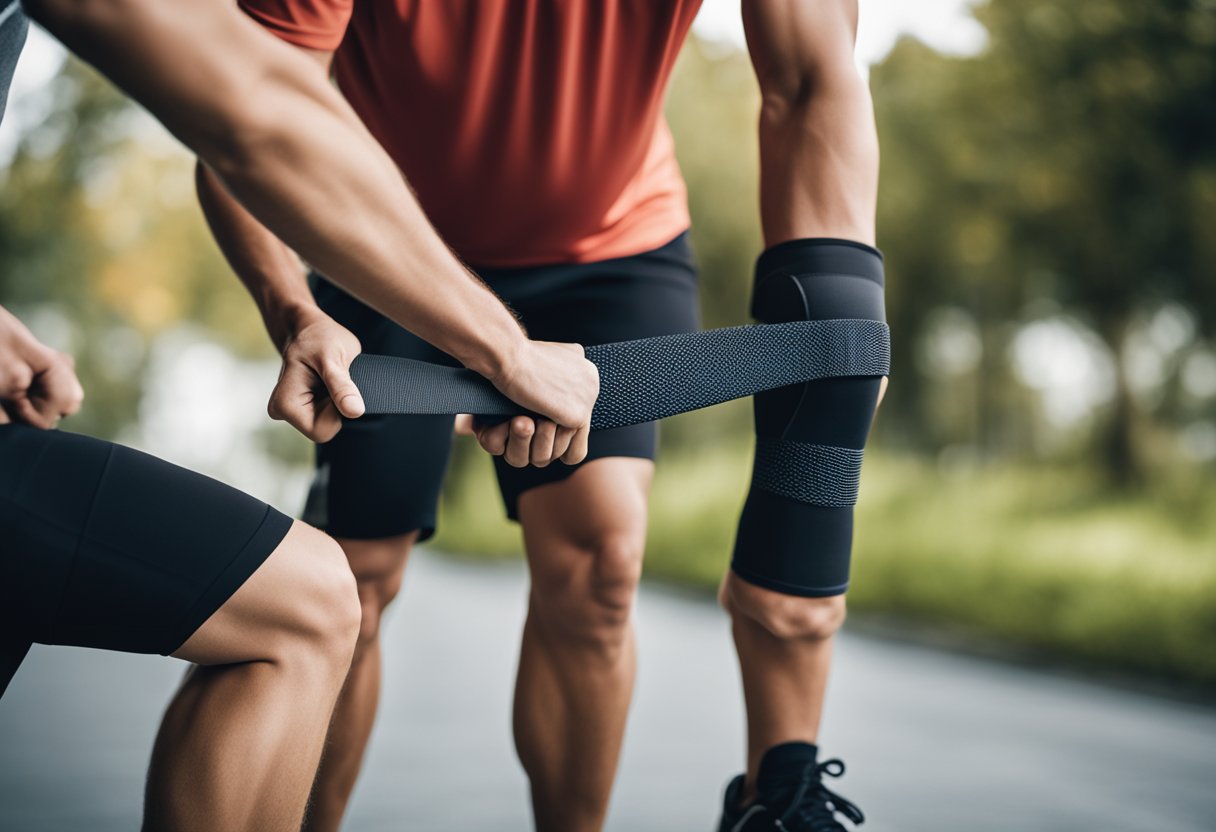
Knee injuries are common and can be caused by various factors such as sports, accidents, and repetitive motion. Traumatic knee injuries can be devastating and can lead to long-term complications. Therefore, it is essential to take preventive measures to avoid such injuries. In this article, we will discuss some effective ways to prevent traumatic knee injuries.
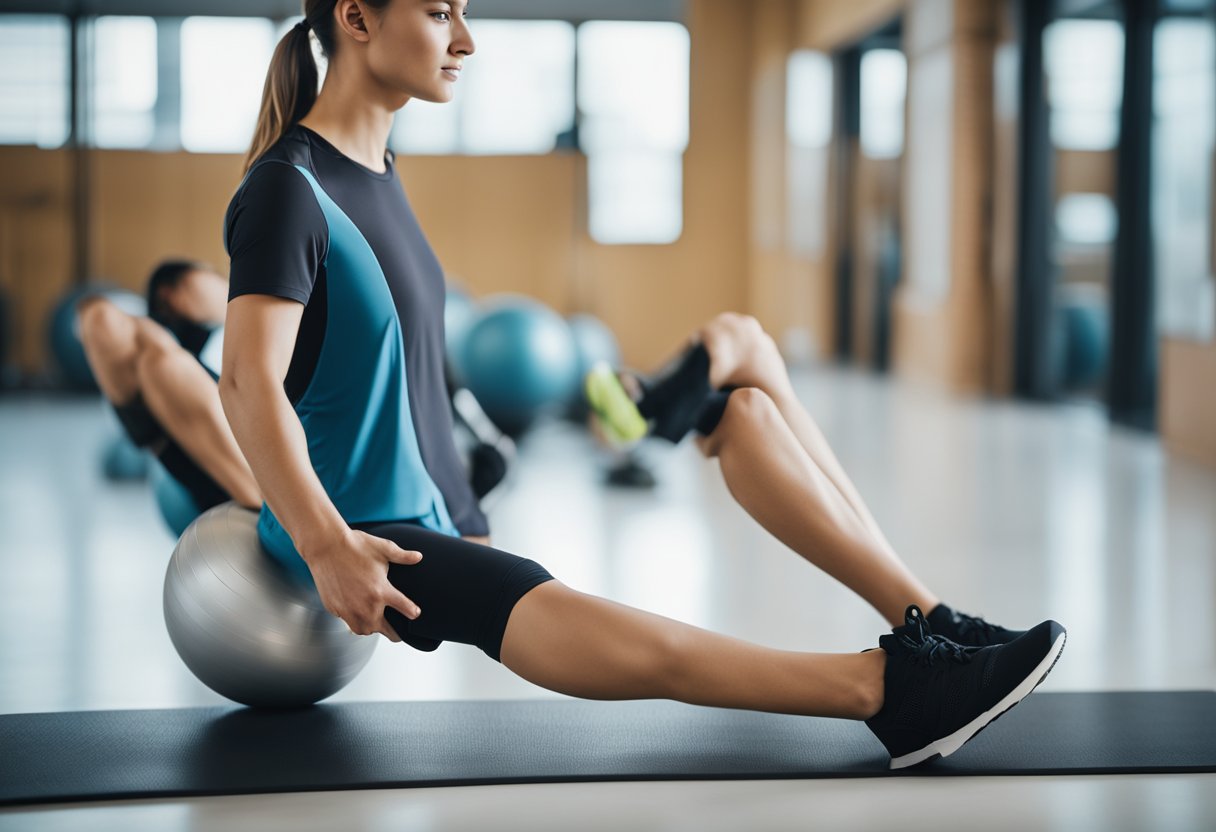
One of the most effective ways to prevent knee injuries is by strengthening the muscles around the knee. Strong muscles can help support the knee joint and reduce the risk of injury. Exercises such as lunges, squats, and leg presses can help strengthen the muscles around the knee. Additionally, stretching can help improve flexibility and reduce the risk of muscle strains.
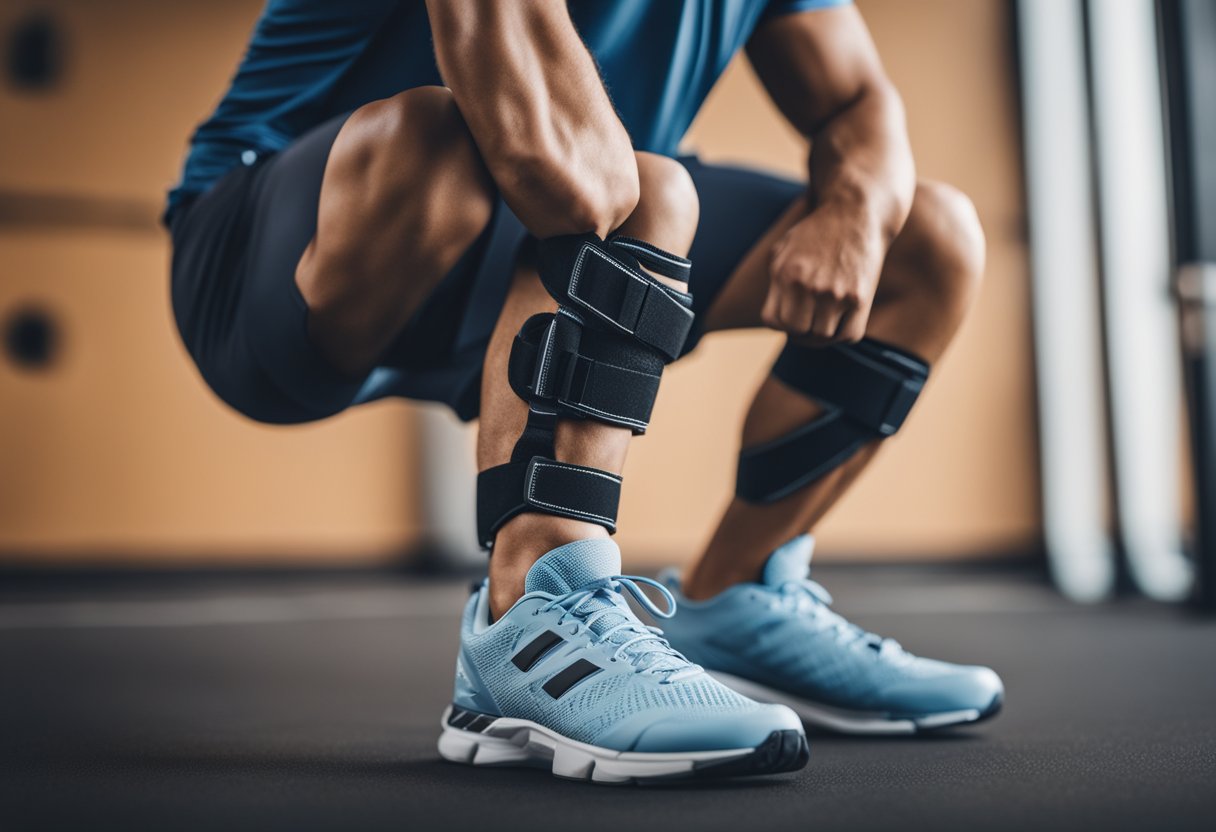
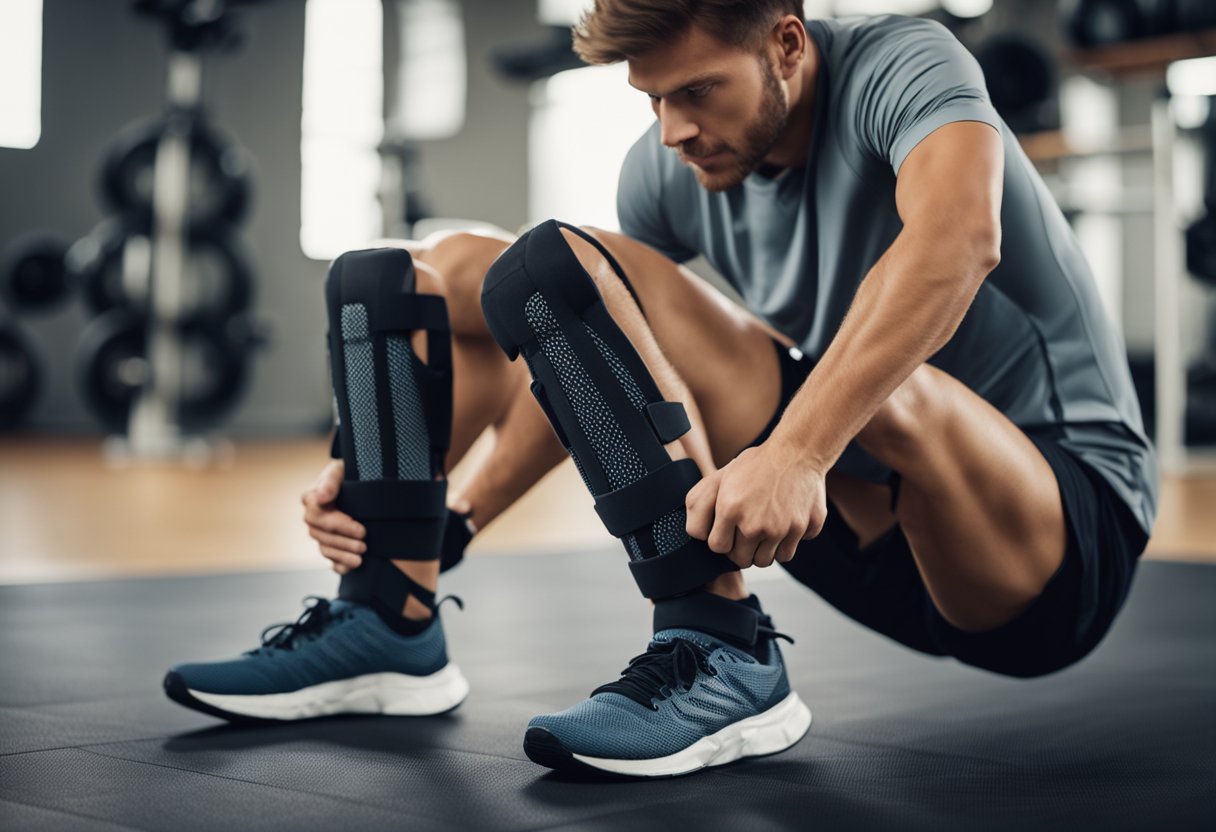
Another way to prevent knee injuries is by wearing protective gear during sports or activities that involve jumping, running, or sudden changes in direction. Knee pads, braces, and proper footwear can help absorb shock and reduce the risk of injury. It is also essential to warm up before engaging in physical activities to prepare the muscles and joints for the stress they will endure.
In summary, taking preventive measures can help reduce the risk of traumatic knee injuries. By strengthening the muscles around the knee, wearing protective gear, and warming up before physical activities, we can protect our knees and avoid long-term complications.
Understanding Knee Injuries
When it comes to knee injuries, prevention is key. Knee injuries can be caused by various factors, including trauma, overuse, and degenerative conditions. Understanding the anatomy of the knee, common causes and types of knee injuries, as well as their symptoms and diagnosis can help you take steps to prevent knee injuries.
Anatomy of the Knee
The knee is a complex joint that connects the thigh bone (femur) to the shin bone (tibia). The knee joint also includes the kneecap (patella) and other structures such as ligaments, tendons, cartilage, and meniscus. The ligaments provide stability to the knee, while the tendons connect the muscles to the bones. The cartilage and meniscus act as shock absorbers and help to distribute weight evenly across the joint.
Common Causes and Types of Knee Injuries
Knee injuries can be caused by a variety of factors, including trauma, overuse, and degenerative conditions such as osteoarthritis and rheumatoid arthritis. Common types of knee injuries include fractures, dislocations, ligament tears, meniscus tears, and torn cartilage.
Fractures occur when there is a break in the bone, while dislocations occur when the bones in the joint are forced out of position. Ligament tears can occur when the ligaments that connect the bones in the knee are stretched or torn, while meniscus tears can occur when the cartilage in the knee is torn. Torn cartilage can also occur as a result of overuse or degenerative conditions.
Symptoms and Diagnosis
Symptoms of knee injuries can include pain, swelling, stiffness, redness, warmth, and fever. Chronic pain can also be a symptom of knee injuries. Diagnosis of knee injuries typically involves a physical examination, imaging tests such as X-rays and MRI scans, and sometimes arthroscopy, a minimally invasive surgical procedure.
In conclusion, knee injuries can be caused by various factors, and understanding the anatomy of the knee, common causes and types of knee injuries, as well as their symptoms and diagnosis can help you take steps to prevent knee injuries.
Prevention and Management Strategies
Exercise and Physical Activity
Engaging in regular physical activity and exercise can help prevent traumatic knee injuries. It is important to incorporate exercises that focus on strengthening the muscles around the knee joint, such as the quadriceps, hamstrings, and calf muscles. These exercises can include lunges, squats, leg presses, and step-ups.
Stretching is also important in preventing knee injuries. It is recommended to stretch before and after exercise to improve flexibility and reduce the risk of injury. Proper technique and form during exercise is crucial in preventing knee injuries. Coaches and trainers can provide guidance on proper technique and form during exercise.
Protective Gear and Techniques
Wearing proper protective gear, such as knee braces, can help prevent knee injuries during sports and physical activity. Knee braces can help provide support and stability to the knee joint, reducing the risk of injury.
Techniques such as jumping and landing properly can also help prevent knee injuries. It is important to land softly and use proper technique when jumping, especially during sports such as basketball or volleyball.
Treatment and Recovery
If a knee injury does occur, it is important to seek medical attention from a doctor or physical therapist. Treatment may include rest, compression, elevation, and ice to reduce swelling and pain. Anti-inflammatory drugs such as ibuprofen may also be prescribed to reduce pain and inflammation.
In some cases, surgery may be necessary to repair a torn ligament or tendon. Physical therapy may also be recommended to help with recovery and prevent future injuries.
Overall, taking steps to prevent knee injuries through exercise, proper technique, and protective gear can help reduce the risk of injury and promote long-term knee health.
Arthritis of the knee is a common condition that affects millions of people worldwide. It can cause pain, swelling, stiffness, and reduced mobility, making it difficult to perform daily activities. There are different types of arthritis, including osteoarthritis and rheumatoid arthritis, and each has its own set of symptoms and treatment options.
When it comes to treating arthritis of the knee, there are several options available, depending on the severity of the condition and the individual’s needs. Treatment options range from non-invasive methods such as physical therapy and medication to more invasive procedures such as knee replacement surgery. It is essential to work with a healthcare provider to determine the best treatment plan for your specific case.
In this article, we will explore the different treatment options available for arthritis of the knee. We will discuss the symptoms of arthritis, the various types of arthritis that can affect the knee, and the benefits and risks associated with each treatment option. By the end of this article, you will have a better understanding of the treatment options available for arthritis of the knee and be better equipped to make an informed decision about your care.
Understanding Arthritis in Knees
Arthritis is a common condition that affects millions of people worldwide. Specifically, arthritis in knees is a condition that occurs when the cartilage, which is a smooth substance that covers the ends of bones, is lost. This can lead to bone spurs and damage to the soft tissues in the joint.
Causes and Risk Factors
Arthritis in knees can be caused by a variety of factors, including age, injury, obesity, stress, and an overactive immune system. As we age, the cartilage in our joints naturally wears down, which can lead to arthritis. Additionally, injuries to the knee joint, such as a torn meniscus or ligament, can increase the risk of developing knee arthritis. Obesity can also put extra stress on the knee joint, which can lead to inflammation and damage to the cartilage. Finally, an overactive immune system can cause inflammation in the joint, which can lead to cartilage loss over time.
Diagnosis of Knee Arthritis
Diagnosing knee arthritis typically involves a physical exam, X-rays, and possibly an MRI or blood tests. During the physical exam, a healthcare professional will check the knee joint for swelling, stiffness, and tenderness. They may also check how well you can move your knee joint. X-rays can help show the extent of cartilage loss and any bone spurs that may have formed. An MRI can also be used to visualize the soft tissues in the joint, such as the cartilage and ligaments. Blood tests can help rule out other conditions that may be causing joint pain, such as rheumatoid arthritis.
If you are experiencing joint pain, stiffness, or swelling in your knee, it is important to see a healthcare professional for a proper diagnosis. Early diagnosis and treatment can help slow the progression of knee arthritis and improve your quality of life.
Treatment Options for Arthritis Knees
If you are suffering from arthritis in your knees, there are several treatment options available to help manage your symptoms. In this section, we will discuss the most common treatment options for arthritis knees.
Medications and Pain Relief
There are several types of medications that can be used to help manage the pain and inflammation associated with arthritis knees. Nonsteroidal anti-inflammatory drugs (NSAIDs) like ibuprofen and naproxen can help reduce inflammation and relieve pain. Acetaminophen can also be used to relieve pain, but it does not reduce inflammation.
Corticosteroids can be injected directly into the knee joint to help reduce inflammation and relieve pain. Hyaluronic acid injections can also be used to help lubricate the joint and reduce pain.
Therapies and Exercises
Physical therapy and exercise can help improve flexibility and mobility in the knee joint. Strengthening the muscles around the knee can also help provide more support and stability to the joint. Swimming, yoga, and water aerobics are low-impact exercises that can be especially helpful for people with arthritis knees.
Surgical Treatments
If other treatments are not effective, surgery may be an option. Knee replacement surgery involves replacing the damaged joint with an artificial one. Osteotomy involves cutting and reshaping the bones around the knee joint to relieve pressure. Arthroscopy involves using a small camera to view and repair damage inside the joint.
Lifestyle and Home Remedies
In addition to medical treatments, there are several lifestyle changes and home remedies that can help manage arthritis knee symptoms. Losing weight can help reduce pressure on the knee joint. Rest, ice, and heat can also help reduce pain and inflammation. Braces and assistive devices can provide additional support to the knee joint.
Alternative Treatments
Some people may find relief from alternative treatments like acupuncture, glucosamine, chondroitin, or capsaicin. However, the effectiveness of these treatments is not well established and they may have side effects.
In conclusion, there are several treatment options available for arthritis knees. We recommend consulting with a healthcare professional to determine the best course of treatment for your individual needs.
Frequently Asked Questions
What exercises are recommended to alleviate knee arthritis symptoms?
Exercise is an essential part of managing knee arthritis. Low-impact exercises such as walking, cycling, and swimming can help reduce pain and stiffness. Strengthening exercises can also help support the knee joint and improve mobility. We recommend consulting with a physical therapist to develop an exercise plan that is tailored to your specific needs.
What non-surgical remedies are available for bone-on-bone knee pain?
While bone-on-bone knee pain is a severe form of knee arthritis, several non-surgical remedies can help alleviate symptoms. These include weight loss, physical therapy, and the use of assistive devices such as braces or shoe inserts. In some cases, corticosteroid injections can also help reduce inflammation and pain.
How can one manage daily life with osteoarthritis of the knee?
Managing daily life with osteoarthritis of the knee involves making lifestyle changes to reduce pain and improve mobility. This includes maintaining a healthy weight, engaging in regular exercise, and avoiding activities that aggravate knee pain. Assistive devices such as canes or walkers can also help reduce stress on the knee joint.
Is it common for arthritis knee pain to extend to other areas of the leg?
Arthritis knee pain can sometimes radiate to other areas of the leg, such as the hips or ankles. This is because the knee joint is connected to other joints and muscles in the leg. However, if you experience severe or sudden pain in other areas of the leg, it is essential to consult with a healthcare provider to rule out other underlying conditions.
What are the latest advancements in non-surgical knee treatments as of 2023?
As of 2023, several non-surgical knee treatments have shown promise in treating knee arthritis. These include regenerative therapies such as platelet-rich plasma (PRP) and stem cell injections. These therapies aim to promote the body’s natural healing processes and may help reduce inflammation and pain in the knee joint.
Are there effective treatments for knee arthritis that can prevent the need for knee replacement?
While knee replacement surgery is often the last resort for severe knee arthritis, several effective treatments can help prevent the need for surgery. These include weight loss, physical therapy, and the use of assistive devices such as braces or shoe inserts. In some cases, corticosteroid injections or regenerative therapies such as PRP or stem cell injections can also help reduce pain and inflammation in the knee joint.
As we age, our joints may begin to wear down, leading to pain and discomfort, especially in the knees. For many people, knee replacement surgery may seem like the only option to alleviate this pain. However, the surgery is invasive and involves a long recovery period. Fortunately, there are preventative strategies and medical interventions that can help avoid the need for knee replacement surgery.
One of the most effective ways to avoid knee replacement surgery is by taking preventative measures for knee health. This includes maintaining a healthy weight, staying active with low-impact exercises, and avoiding high-impact activities that can put stress on the knees. Additionally, incorporating strength training exercises to build the muscles around the knees can help provide support and prevent injury.
If knee pain does occur, there are medical interventions and therapies that can help alleviate the pain and avoid surgery. These include physical therapy, injections, and medication. Physical therapy can help strengthen the muscles around the knee, while injections such as hyaluronic acid can provide lubrication and reduce inflammation. Medications such as nonsteroidal anti-inflammatory drugs (NSAIDs) can also help manage pain and inflammation. By combining preventative strategies and medical interventions, knee replacement surgery can often be avoided.
Key Takeaways
Maintaining a healthy weight, staying active with low-impact exercises, and avoiding high-impact activities can help prevent knee pain and the need for surgery.
Physical therapy, injections, and medication can help alleviate knee pain and inflammation and avoid surgery.
By combining preventative strategies and medical interventions, knee replacement surgery can often be avoided.
Preventative Strategies for Knee Health
At some point in our lives, many of us will experience knee pain or discomfort. While knee replacement surgery may seem like the only solution, there are preventative strategies that we can implement to maintain knee health and avoid surgery altogether.
Exercise and Muscle Strengthening
Regular exercise and muscle strengthening can help us avoid knee replacement surgery. According to a study by Harvard Health, strengthening the muscles around the knee joint, such as the quadriceps and hamstrings, can help alleviate knee pain caused by osteoarthritis. Additionally, exercises that improve balance and flexibility, such as yoga and tai chi, can help reduce the risk of falls and injuries.
Weight Management and Nutrition
Maintaining a healthy weight through proper nutrition and exercise can also help prevent knee replacement surgery. According to Patient.info, losing weight can reduce the load on the knee joint, which can alleviate pain caused by knee osteoarthritis. Additionally, certain dietary supplements such as glucosamine and chondroitin may help reduce knee pain and improve joint function.
Joint Care and Activity Modification
Taking care of our knee joints and modifying our activities can also help prevent knee replacement surgery. Low-impact activities such as cycling and swimming can help maintain knee health without putting too much stress on the joint. High-impact activities such as running and jumping should be avoided or modified to reduce the risk of knee injury. Additionally, avoiding activities that require repetitive knee bending, such as kneeling or squatting, can help prevent knee pain and discomfort.
By implementing these preventative strategies for knee health, we can maintain strong, healthy knees and avoid the need for knee replacement surgery.
Medical Interventions and Therapies
When it comes to knee pain, surgery is not always the first option. In fact, there are several non-surgical treatment options that we can try before considering surgery. Here are some of the most common non-surgical treatment options:
Non-Surgical Treatment Options
Physical Therapy: Physical therapy is one of the most effective ways to manage knee pain and avoid surgery. A physical therapist can help us improve our range of motion, mobility, and knee function. They can also teach us exercises to strengthen the muscles around our knee, which can help reduce pain and inflammation.
Injections: There are several types of injections that we can get to manage knee pain. Corticosteroid injections can help reduce inflammation and pain. Hyaluronic acid injections can help lubricate the knee joint and improve mobility. Platelet-rich plasma (PRP) injections can help stimulate the body’s natural healing process.
Pain Medication: Pain medication can help manage knee pain, but it should only be used as a short-term solution. Over-the-counter pain medication like acetaminophen and ibuprofen can help reduce pain and inflammation. However, prescription pain medication should only be used under the guidance of a doctor.
Braces: Knee braces can help support the knee and reduce pain. There are several types of knee braces, including unloader braces, which can help shift weight away from the affected part of the knee.
Understanding Surgical Risks and Alternatives
If non-surgical treatment options do not work, surgery may be necessary. However, it is important to understand the risks and alternatives before undergoing surgery.
Partial Knee Replacement: If only one part of the knee is damaged, a partial knee replacement may be an option. This type of surgery is less invasive than a total knee replacement and has a shorter recovery time.
Surgical Techniques: There are several surgical techniques that can be used to perform knee replacement surgery. These include traditional surgery, minimally invasive surgery, and computer-assisted surgery. Each technique has its own advantages and disadvantages, and we should discuss these options with our doctor.
Complications: Like any surgery, knee replacement surgery can have complications. These include infection, blood clots, and nerve damage. It is important to discuss these risks with our doctor before undergoing surgery.
In conclusion, there are several non-surgical treatment options that we can try before considering knee replacement surgery. If surgery is necessary, it is important to understand the risks and alternatives before undergoing the procedure. Our doctor can help us make the best decision for our individual situation.
Frequently Asked Questions
What are the most effective non-surgical treatments for knee cartilage issues?
If you are experiencing knee pain due to cartilage issues, there are several non-surgical treatments available that can help alleviate your symptoms. These include physical therapy, weight loss, injections, and medication. Physical therapy can help improve your knee’s range of motion, strength, and flexibility. Weight loss can reduce the pressure on your knees and decrease pain. Injections such as corticosteroids or hyaluronic acid can help reduce inflammation and pain. Medications such as nonsteroidal anti-inflammatory drugs (NSAIDs) can also help relieve pain and inflammation.
What are the primary reasons one should consider alternatives to knee replacement surgery?
While knee replacement surgery can be a highly effective treatment for severe knee pain, it is not always the best option for everyone. Some of the primary reasons to consider alternatives to knee replacement surgery include the desire to avoid surgery and its associated risks, concerns about the long-term durability of the implant, and the desire to maintain an active lifestyle. Additionally, some patients may not be good candidates for surgery due to other medical conditions or age-related factors.
What are the disadvantages associated with undergoing knee replacement surgery?
While knee replacement surgery can be a highly effective treatment for severe knee pain, it is not without its risks and disadvantages. Some of the disadvantages associated with knee replacement surgery include the risk of infection, blood clots, and nerve damage. Additionally, the implant may wear out over time, requiring additional surgery to replace it. Recovery from knee replacement surgery can also be lengthy and require extensive rehabilitation.
What non-surgical options are available for severe bone-on-bone knee conditions?
If you are experiencing severe bone-on-bone knee pain, there are several non-surgical options available that can help alleviate your symptoms. These include physical therapy, weight loss, injections, and medication. Physical therapy can help improve your knee’s range of motion, strength, and flexibility. Weight loss can reduce the pressure on your knees and decrease pain. Injections such as corticosteroids or hyaluronic acid can help reduce inflammation and pain. Medications such as nonsteroidal anti-inflammatory drugs (NSAIDs) can also help relieve pain and inflammation.
How can elderly patients manage knee problems without resorting to knee replacement?
Elderly patients with knee problems can manage their symptoms without resorting to knee replacement surgery. Some of the non-surgical options available include physical therapy, weight loss, injections, and medication. Physical therapy can help improve your knee’s range of motion, strength, and flexibility. Weight loss can reduce the pressure on your knees and decrease pain. Injections such as corticosteroids or hyaluronic acid can help reduce inflammation and pain. Medications such as nonsteroidal anti-inflammatory drugs (NSAIDs) can also help relieve pain and inflammation.
At what point does knee deterioration typically necessitate considering knee replacement, and can it be delayed?
The point at which knee deterioration necessitates considering knee replacement surgery can vary depending on the individual. In general, knee replacement surgery is considered when other non-surgical treatments have failed to provide relief from pain and other symptoms. However, the decision to undergo knee replacement surgery should be made in consultation with your doctor, who can help determine the best course of treatment based on your individual needs and medical history. In some cases, knee replacement surgery can be delayed through the use of non-surgical treatments such as physical therapy, weight loss, injections, and medication.
Knee pain is a common complaint that affects millions of people around the world. It can be caused by a variety of factors, including injury, overuse, or underlying medical conditions. Regardless of the cause, knee pain can be debilitating and interfere with daily activities. In this article, we will discuss how to stop knee pain and provide some tips for pain relief.
Understanding Knee Pain
Before we dive into the treatment and management of knee pain, it’s important to understand the different types of knee pain and their causes. Knee pain can be classified as acute or chronic, depending on the duration of the pain. Acute knee pain is usually caused by an injury, such as a sprain or strain, while chronic knee pain can be the result of underlying medical conditions, such as arthritis.
Treatment and Management of Knee Pain
There are several ways to stop knee pain, depending on the cause and severity of the pain. Some of the most effective treatments include rest, ice, compression, and elevation (RICE), physical therapy, and medication. In some cases, surgery may be necessary to repair or replace damaged knee joints. It’s important to work with a healthcare professional to determine the best course of treatment for your specific condition.
Key Takeaways
Knee pain can be acute or chronic, and can be caused by a variety of factors.
Treatment options for knee pain include RICE, physical therapy, medication, and surgery.
Working with a healthcare professional is essential for managing knee pain effectively.
Understanding Knee Pain
As we age, the likelihood of experiencing knee pain increases. Knee pain is a common problem that affects people of all ages. It can be caused by a variety of factors, including injury, arthritis, infection, and obesity. In this section, we will explore the causes, symptoms, and preventive measures of knee pain.
Causes of Knee Pain
Knee pain can be caused by a number of factors, including arthritis, injury, and obesity. Osteoarthritis and rheumatoid arthritis are two types of arthritis that can cause knee pain. Osteoarthritis is caused by the wear and tear of the knee joint over time, while rheumatoid arthritis is an autoimmune disorder that causes inflammation in the joints.
Injuries such as sprains, strains, and fractures can also cause knee pain. Gout, an inflammatory arthritis that causes sudden and severe pain in the joints, can also affect the knee. Infections can also cause knee pain, although this is less common.
Symptoms and Diagnosis
Symptoms of knee pain can include stiffness, swelling, redness, and weakness. In some cases, fever may also be present. To diagnose knee pain, a doctor will typically perform a physical exam and may order imaging tests such as X-rays, MRIs, CT scans, or ultrasounds. Lab tests may also be ordered to check for infection or inflammation.
Preventive Measures
There are several preventive measures that can help reduce the risk of knee pain. Maintaining a healthy weight can help reduce the strain on the knee joint. Regular exercise can also help keep the knee joint flexible and strong. Wearing comfortable shoes and avoiding high-impact activities can also help prevent knee pain. A healthy diet that is rich in nutrients can also help reduce the risk of knee pain.
Professional Assessments
If you experience knee pain, it is important to see a doctor for a professional assessment. A doctor can perform a physical exam and order imaging tests to determine the cause of the pain. Treatment options may include self-care measures such as rest, ice, and elevation, as well as physical therapy, medication, or surgery, depending on the severity of the pain.
Treatment and Management of Knee Pain
If you are experiencing knee pain, there are several treatment options available to help alleviate your symptoms and manage your condition. In this section, we will discuss the various treatment and management options for knee pain.
Self-Care and Home Remedies
Self-care measures can help relieve knee pain caused by minor injuries or overuse. Rest, ice, compression, and elevation (RICE) can help reduce swelling and pain. You can also try taking over-the-counter pain medications such as ibuprofen or acetaminophen. Additionally, knee braces or compression sleeves can provide support and help reduce pain.
Stretching and strengthening exercises can also help reduce knee pain. Hamstring stretches and quadriceps stretches are particularly helpful for knee pain caused by tight muscles. Gentle exercises such as swimming, tai chi, and water aerobics can also help improve flexibility and reduce knee pain.
Medical Interventions
If your knee pain is severe or does not improve with self-care measures, medical interventions may be necessary. Corticosteroid injections can help reduce inflammation and pain in the knee joint. Capsaicin cream, which contains a compound found in chili peppers, can also be applied topically to reduce pain.
Hyaluronic acid injections, which are similar to the fluid that naturally lubricates the knee joint, can also be used to reduce pain and improve mobility. Platelet-rich plasma (PRP) injections, which use your own blood to promote healing in the knee joint, may also be an option.
In some cases, surgery may be necessary to treat knee pain. Arthroscopy, a minimally invasive surgical procedure, can be used to repair or remove damaged tissue in the knee joint. Total knee replacement surgery may also be necessary in severe cases of knee pain.
Physical Therapy and Exercise
Physical therapy can help improve knee pain by strengthening the muscles around the knee joint and improving range of motion. A physical therapist can develop an exercise program tailored to your specific needs and goals. Strengthening exercises, balance exercises, and range of motion exercises can all be helpful for knee pain.
Lifestyle and Supportive Care
Lifestyle changes can also help manage knee pain. Losing weight can reduce the amount of stress on the knee joint and improve mobility. Eating a healthy diet rich in anti-inflammatory foods can also help reduce inflammation and pain in the knee joint.
Wearing supportive shoes and avoiding high-impact activities such as jumping can also help reduce knee pain. If you participate in sports or other physical activities, make sure to use proper technique and warm up properly to avoid overuse injuries such as tendinitis or bursitis.
In conclusion, there are several treatment and management options available for knee pain. By taking a comprehensive approach that includes self-care measures, medical interventions, physical therapy and exercise, and lifestyle changes, you can manage your knee pain and improve your quality of life.
Frequently Asked Questions
What are effective home remedies for knee pain?
There are several home remedies that can help alleviate knee pain. Applying ice to the affected area for 20 minutes at a time, several times a day can reduce swelling and pain. Elevating the knee above the heart can also help reduce swelling. Gentle stretching exercises, such as hamstring stretches, can help improve flexibility and reduce pain.
What exercises can help alleviate knee pain?
Low-impact exercises, such as swimming, cycling, and walking, can help alleviate knee pain. Strengthening exercises, such as leg presses and squats, can also help improve knee strength and reduce pain. It is important to consult with a doctor or physical therapist before starting any new exercise program.
Which over-the-counter medicines are recommended for knee pain relief?
Over-the-counter pain relievers, such as acetaminophen and nonsteroidal anti-inflammatory drugs (NSAIDs), can help alleviate knee pain. It is important to follow the recommended dosage and to consult with a doctor before taking any new medication.
What should you do to reduce knee pain at night?
To reduce knee pain at night, try sleeping with a pillow between your knees to help reduce pressure on the knee joint. Applying heat or cold therapy before bed can also help reduce pain and improve sleep.
How can knee pain be managed while walking?
Wearing appropriate footwear with good arch support can help manage knee pain while walking. Using a walking aid, such as a cane or crutch, can also help reduce pressure on the knee joint. It is important to consult with a doctor or physical therapist to determine the best walking aid for your specific needs.
What are the best treatments for a knee injury resulting from a fall?
If you have a knee injury resulting from a fall, it is important to seek medical attention. Treatment options may include rest, ice, compression, and elevation (RICE), physical therapy, or surgery. The best treatment for a knee injury will depend on the severity and type of injury.
Knee replacement surgery can be a daunting prospect for anyone, and it’s not uncommon to want to explore natural remedies and non-surgical options before considering medical intervention. In this article, we will discuss how to avoid knee replacement naturally and provide you with some practical tips to maintain knee health and avoid surgery.
Understanding knee health and non-surgical options is essential for anyone looking to avoid knee replacement surgery. Maintaining a healthy weight, engaging in low-impact exercise, and strengthening the muscles around the knee joint are all crucial components of knee health. Additionally, natural remedies such as turmeric, ginger, and omega-3 fatty acids have been shown to have anti-inflammatory properties that can help alleviate knee pain.
When to consider medical consultation is an important consideration for anyone experiencing knee pain. While natural remedies and lifestyle changes can be effective, there may come a time when medical intervention is necessary. It’s important to consult with a healthcare professional if you experience severe or persistent knee pain that limits your mobility or affects your quality of life.
Key Takeaways
Maintaining a healthy weight, engaging in low-impact exercise, and strengthening the muscles around the knee joint are crucial for knee health.
Natural remedies such as turmeric, ginger, and omega-3 fatty acids have anti-inflammatory properties that can help alleviate knee pain.
Consult with a healthcare professional if you experience severe or persistent knee pain that limits your mobility or affects your quality of life.
Understanding Knee Health and Non-Surgical Options
At some point in life, most of us will experience knee pain or discomfort. While knee replacement surgery is a common solution, there are non-surgical options that can help preserve knee health and alleviate pain. In this section, we will explore the anatomy of the knee, common knee issues, and non-surgical options for knee health.
Anatomy of the Knee and Common Issues
The knee is a complex joint that is made up of bones, cartilage, ligaments, and tendons. The cartilage in the knee provides cushioning and helps the joint move smoothly. However, over time, the cartilage can become damaged, leading to knee pain and stiffness. Knee osteoarthritis is a common condition that occurs when the cartilage in the knee wears down. Other common knee issues include ligament injuries and knee sprains.
Lifestyle Modifications for Knee Preservation
Maintaining a healthy weight is crucial for knee health. Excess weight can put extra stress on the knee joint, leading to pain and discomfort. Losing weight through a healthy diet and exercise can help reduce knee pain and improve knee function. In addition, avoiding activities that put excessive stress on the knee, such as running and jumping, can help prevent knee injuries.
Exercise and Physical Activity
Regular exercise and physical activity are essential for knee health. Low-impact exercises such as swimming, walking, and cycling can help improve knee strength, mobility, and flexibility. Strengthening exercises, such as squats and lunges, can also help improve knee function. Stretching is also important for maintaining knee flexibility and preventing injuries.
Natural Supplements and Nutrition
Some dietary supplements, such as glucosamine and chondroitin sulfate, may help reduce knee pain and improve knee function. However, it is important to talk to a healthcare professional before taking any supplements. A healthy diet that is rich in fruits, vegetables, and whole grains can also help improve knee health.
Alternative Therapies
Alternative therapies, such as acupuncture, massage, and electrical stimulation, may help reduce knee pain and improve knee function. However, it is important to talk to a healthcare professional before trying any alternative therapies.
Supportive Measures and Assistive Devices
Supportive measures, such as using a knee brace or applying ice and heat to the knee, can help reduce knee pain and inflammation. Assistive devices, such as crutches or a cane, can also help reduce stress on the knee joint.
Professional Guidance and Therapies
Working with a physical therapist or physiotherapist can help improve knee function and reduce knee pain. In addition, an orthopaedic surgeon may recommend injections, such as steroid injections or hyaluronic acid injections, to reduce knee pain and inflammation. Biologics, such as growth factor and stem cell therapies, may also be used to promote knee healing and improve knee function.
Innovative Non-Surgical Treatments
Innovative non-surgical treatments, such as platelet-rich plasma (PRP) and yoga, may also help reduce knee pain and improve knee function. PRP involves injecting a concentrated solution of platelets into the knee joint to promote healing. Yoga can help improve knee strength, flexibility, and mobility.
Preventive Strategies for Joint Health
Maintaining an active and healthy lifestyle is essential for preventing knee pain and preserving knee health. Regular exercise, a healthy diet, and weight management can all help reduce the risk of knee issues and improve overall quality of life.
Understanding and Managing Pain
Pain management is an important aspect of knee health. Acetaminophen and nonsteroidal anti-inflammatory drugs (NSAIDs) can help reduce knee pain and inflammation. However, it is important to talk to a healthcare professional before taking any pain medication.
In conclusion, knee replacement surgery is not the only solution for knee pain and discomfort. By making lifestyle modifications, engaging in regular exercise and physical activity, and exploring non-surgical options, we can preserve knee health and improve knee function.
When to Consider Medical Consultation
If you are experiencing knee pain or discomfort, it is important to consider seeking medical consultation. A healthcare provider can help you determine the underlying cause of your pain and provide guidance on how to manage your symptoms. In this section, we will explore some of the reasons why you may want to consider medical consultation.
Recognizing Progressive Knee Conditions
Knee pain can be caused by a variety of conditions, including knee osteoarthritis, hip osteoarthritis, and other forms of arthritis. If you are experiencing pain that is getting worse over time, it may be a sign of a progressive knee condition that requires medical attention. In some cases, joint replacement surgery may be necessary to alleviate pain and improve mobility.
Exploring Surgical Alternatives
While joint replacement surgery is a common surgical solution for knee pain, it is not always the best option. There are a variety of surgical alternatives that can be explored, such as arthroscopic surgery or partial knee replacement. It is important to discuss all of your options with a healthcare provider to determine the best course of action for your specific needs.
Risks of Delaying Knee Replacement
Delaying knee replacement surgery can have serious consequences, such as falling and hip fracture. It is important to work with a healthcare provider to determine the right time for knee replacement surgery. In some cases, delaying surgery can lead to more serious complications and a longer recovery time.
Collaborating with Healthcare Providers
Working with a physical therapist or orthopaedic surgeon can provide you with professional guidance on how to manage your knee pain. These healthcare providers can help you develop a personalized treatment plan that addresses your specific needs. It is important to work collaboratively with your healthcare team to ensure the best possible outcomes.
Frequently Asked Questions
What are effective alternatives to knee replacement for bone-on-bone conditions?
Bone-on-bone conditions can be painful and limiting, but knee replacement surgery is not the only solution. Effective alternatives to knee replacement include stem cell therapy, platelet-rich plasma (PRP) therapy, and hyaluronic acid injections. These treatments can help reduce inflammation, promote healing, and improve mobility. Additionally, maintaining a healthy weight and engaging in low-impact exercises can also help reduce pain and improve knee function.
What non-surgical treatments are available for severe knee arthritis?
Non-surgical treatments for severe knee arthritis include physical therapy, weight loss, and the use of assistive devices such as braces or crutches. Physical therapy can help improve knee strength and flexibility, while weight loss can reduce pressure on the joints. Assistive devices can help reduce pain and improve mobility. Additionally, natural supplements such as glucosamine and chondroitin may also provide relief for some patients.
How can I strengthen my knees to potentially avoid the need for surgery?
Strengthening the muscles around the knee joint can help reduce pain and improve knee function. Exercises such as squats, lunges, and leg lifts can help strengthen the quadriceps, hamstrings, and gluteus muscles. Low-impact exercises such as swimming and cycling can also help improve knee strength and mobility. Additionally, maintaining a healthy weight and eating a balanced diet can also help reduce the risk of knee problems.
Are there any innovative medical devices that serve as alternatives to traditional knee replacement?
Innovative medical devices such as knee unloading braces and shock-absorbing insoles can help reduce pressure on the knee joint and improve knee function. These devices are designed to redistribute weight and absorb shock, reducing pain and improving mobility. Additionally, stem cell therapy and PRP therapy are also considered innovative treatments that can help promote healing and reduce inflammation.
What are the potential disadvantages of opting for knee replacement surgery?
Knee replacement surgery is a major procedure that carries certain risks and potential disadvantages. These include the risk of infection, blood clots, nerve damage, and implant failure. Recovery from knee replacement surgery can also be lengthy and require significant rehabilitation. Additionally, knee replacement surgery may not provide complete pain relief or restore full mobility.
What options do elderly patients have as alternatives to knee replacement?
Elderly patients may have limited options for alternatives to knee replacement, but non-surgical treatments such as physical therapy, weight loss, and assistive devices can still be effective. Additionally, natural supplements such as glucosamine and chondroitin may also provide relief for some patients. Stem cell therapy and PRP therapy may also be options for elderly patients who are not candidates for surgery. It is important for elderly patients to consult with their healthcare provider to determine the best treatment plan for their individual needs.
Knee pain can be a debilitating condition that affects millions of people worldwide. Whether it’s caused by an injury, arthritis, or overuse, the pain can be excruciating and interfere with daily activities. Fortunately, there are practical steps you can take to manage and rehabilitate knee pain, and even prevent it from occurring in the first place.
Understanding Knee Pain To effectively manage knee pain, it’s important to first understand what causes it. Knee pain can be caused by a variety of factors, including injury, arthritis, and overuse. Depending on the cause, the pain can be sharp or dull, and may be accompanied by swelling, stiffness, or a popping sensation. By identifying the underlying cause of your knee pain, you can take steps to manage it more effectively.
Practical Management and Rehabilitation Managing knee pain often involves a combination of practical steps and rehabilitation exercises. These may include rest, ice, compression, and elevation, as well as physical therapy exercises designed to strengthen the muscles surrounding the knee joint. In some cases, surgery may be necessary to repair or replace damaged knee joints. By working closely with your healthcare provider and following a comprehensive treatment plan, you can effectively manage your knee pain and prevent it from interfering with your daily life.
Key Takeaways
Understanding the underlying cause of knee pain is crucial for effective management.
Practical steps such as rest, ice, compression, and elevation can help alleviate knee pain.
Physical therapy exercises and surgery may be necessary for rehabilitation in some cases.
Understanding Knee Pain
Knee pain is a common issue that affects people of all ages and genders. Understanding the causes, symptoms, and treatment options for knee pain is crucial for managing the condition and preventing it from worsening. In this section, we will cover the most common causes of knee pain, how to recognize symptoms and complications, when to consult healthcare professionals, and explore treatment options and lifestyle measures to prevent knee pain.
Identifying Common Causes
Knee pain can have various causes, including injury, overuse, and chronic conditions such as arthritis. Injuries to the bones, meniscus, ligaments, tendons, or cartilage can cause pain, swelling, stiffness, and redness. Overuse injuries such as bursitis and patellofemoral pain syndrome can also cause knee pain. Chronic conditions such as osteoarthritis, rheumatoid arthritis, and gout can also lead to knee pain.
Recognizing Symptoms and Complications
The symptoms of knee pain can vary depending on the underlying cause. Common symptoms include pain, swelling, stiffness, redness, popping, weakness, and joint pain. In some cases, knee pain can be accompanied by a fever, which may indicate an infection. Complications of knee pain can include chronic degenerative meniscal tears and septic arthritis.
Consulting Healthcare Professionals
If you are experiencing knee pain, it is important to consult a healthcare professional. Your doctor can perform a physical exam and order tests such as X-rays or an MRI to determine the underlying cause of your knee pain. Physical therapists can also help with knee pain by providing exercises and stretches to strengthen the knee and improve mobility.
Exploring Treatment Options
Treatment options for knee pain depend on the underlying cause. Rest, ice, compression, and elevation (RICE) can help reduce pain and swelling. Over-the-counter pain relievers such as ibuprofen and naproxen can also help alleviate pain. In some cases, surgery may be necessary to repair or replace damaged tissue in the knee. Other treatment options include acupuncture and physical therapy.
Lifestyle and Preventative Measures
Lifestyle measures can help prevent knee pain and reduce the risk of injury. Maintaining a healthy weight can reduce the impact on the knee joint and prevent excess pressure on the joints. Wearing appropriate shoes and avoiding high-impact activities such as running can also help prevent knee pain. Low-impact activities such as swimming, cycling, walking, and water aerobics can be beneficial for knee health. Practicing tai chi and other low-impact exercises can also help improve balance and flexibility.
In conclusion, knee pain can be a debilitating condition that affects many people. Understanding the causes, symptoms, and treatment options for knee pain is crucial for managing the condition and preventing it from worsening. By consulting healthcare professionals, exploring treatment options, and adopting lifestyle measures, we can reduce the impact of knee pain on our lives.
Practical Management and Rehabilitation
Implementing the RICE Method
When it comes to managing knee pain, the RICE method can be very effective. RICE stands for Rest, Ice, Compression, and Elevation. We recommend resting the affected knee as much as possible, applying ice packs for 15-20 minutes at a time, using compression bandages, and elevating the knee above the level of your heart to reduce swelling. This method can be especially useful for minor injuries or after a workout.
Engaging in Physical Activities
While rest is important, it’s also essential to engage in physical activities that don’t put too much stress on your knees. We recommend low-impact exercises such as swimming, cycling, walking, and tai chi. These activities can help improve your range of motion, reduce stress on your knees, and improve overall joint health.
Physical Therapy and Exercises
Physical therapy can be an effective way to manage knee pain, especially if it’s caused by an injury or trauma. A physical therapist can help you improve your range of motion, flexibility, and strength through a variety of exercises and stretches. We recommend hamstring stretches, quadriceps stretches, and other exercises that help strengthen the thigh muscles and hip muscles. These exercises can help reduce pain and improve mobility.
Medication and Supplements
If your knee pain is moderate to severe, you may need medication to manage the pain and inflammation. Nonsteroidal anti-inflammatory drugs (NSAIDs) such as ibuprofen and naproxen can be effective in reducing pain and inflammation. Supplements such as glucosamine and chondroitin may also help reduce inflammation and improve joint health.
Surgical Considerations
In severe cases of knee injury or complications, surgery may be necessary. It’s important to discuss surgical options with your doctor to determine the best course of action. Surgery may involve repairing a meniscal tear, replacing a damaged joint, or other procedures.
Overall, managing knee pain requires a combination of rest, physical activity, physical therapy, medication, and sometimes surgery. It’s important to work with your doctor to determine the best course of action based on the severity of your knee pain and the underlying cause. By implementing these practical management and rehabilitation techniques, you can improve your knee health and reduce pain and inflammation.
Frequently Asked Questions
What exercises can alleviate knee pain?
Certain exercises can help alleviate knee pain by strengthening the muscles around the knee joint. These exercises include low-impact activities such as cycling, swimming, and walking. Resistance training exercises such as leg extensions, hamstring curls, and calf raises can also help.
Which stretches are most effective for reducing knee discomfort?
Stretching can help reduce knee discomfort by improving flexibility and range of motion. Some effective stretches for reducing knee discomfort include quad stretches, hamstring stretches, calf stretches, and IT band stretches.
What are the common causes of knee pain?
Knee pain can be caused by a variety of factors, including injury, overuse, and underlying medical conditions such as arthritis. Other common causes of knee pain include muscle imbalances, poor posture, and excess weight.
What are the best non-pharmacological ways to manage knee pain?
Non-pharmacological approaches to managing knee pain include rest, ice, compression, and elevation (RICE), as well as physical therapy, massage, and acupuncture. Lifestyle changes such as maintaining a healthy weight, wearing supportive shoes, and avoiding high-impact activities can also help.
Can physiotherapy exercises improve knee pain, and what are some examples?
Physiotherapy exercises can be effective in improving knee pain by strengthening the muscles around the knee joint and improving flexibility. Examples of physiotherapy exercises for knee pain include leg presses, step-ups, and single-leg squats.
What is the recommended approach for treating knee pain in older adults?
The recommended approach for treating knee pain in older adults includes a combination of non-pharmacological approaches such as exercise, physical therapy, and lifestyle changes. In some cases, medications such as nonsteroidal anti-inflammatory drugs (NSAIDs) or corticosteroid injections may also be recommended. Surgery may be considered as a last resort.
Knee pain can be a frustrating and debilitating condition that affects people of all ages. Whether you’re an athlete dealing with a sports injury or an older adult with arthritis, knee pain can interfere with your daily activities and quality of life. Fortunately, there are steps you can take to reduce knee pain and improve your overall knee health.
In this article, we’ll explore some of the most effective ways to stop knee pain. We’ll start by discussing the causes and symptoms of knee pain, as well as some common risk factors. Then, we’ll dive into various treatment and management options, including lifestyle changes, exercises, and medical interventions. Finally, we’ll answer some frequently asked questions about knee pain and offer tips for preventing future knee injuries.
Key Takeaways
Knee pain can be caused by a variety of factors, including injury, overuse, and medical conditions like arthritis.
Treatment options for knee pain include rest, ice, compression, elevation, exercise, physical therapy, and medication.
To prevent knee pain, it’s important to maintain a healthy weight, stay active, wear supportive shoes, and avoid activities that put excessive strain on your knees.
Understanding Knee Pain
Knee pain is a common ailment that affects many people, and it can be caused by a variety of factors. In this section, we will discuss the causes of knee pain, the symptoms to monitor, diagnosing knee issues, types of knee pain, risk factors, and preventative measures.
Causes of Knee Pain
Knee pain can be caused by a variety of factors, including injury, overuse, and arthritis. Injuries such as a torn meniscus, ACL tear, or fracture can cause acute knee pain. Overuse injuries such as tendinitis or bursitis can cause chronic knee pain. Arthritis, including osteoarthritis, rheumatoid arthritis, and gout, can also cause knee pain.
Symptoms to Monitor
Symptoms of knee pain can include swelling, stiffness, redness, weakness, fever, popping, and difficulty walking or standing. It is important to monitor these symptoms and seek medical attention if they persist or worsen.
Diagnosing Knee Issues
To diagnose knee issues, a doctor may perform a physical exam, X-ray, or MRI. They may also refer you to a physical therapist to assess your range of motion, flexibility, and strength.
Types of Knee Pain
There are several types of knee pain, including acute and chronic pain, patellofemoral pain, osteoarthritis, rheumatoid arthritis, and septic arthritis. It is important to identify the type of knee pain to determine the appropriate treatment.
Risk Factors
Risk factors for knee pain include excess weight, age, previous injuries, and types of arthritis. It is important to manage these risk factors to prevent knee pain.
Preventative Measures
Preventative measures for knee pain include exercise, physical activity, weight loss, appropriate shoes, stretching, and wearing a knee brace if necessary. It is important to maintain a healthy diet and manage stress to prevent knee pain.
Overall, knee pain can be caused by a variety of factors, and it is important to monitor symptoms and seek medical attention if necessary. With proper diagnosis and treatment, knee pain can be managed effectively.
Treatment and Management
When it comes to treating knee pain, there are a variety of options available. In this section, we will cover several different approaches to managing knee pain, including first aid measures, medications and supplements, exercise and physical therapy, lifestyle and dietary changes, supportive devices and orthotics, and surgical and non-surgical interventions. We will also discuss alternative therapies that may be helpful for some individuals.
First Aid Measures
If you are experiencing knee pain, there are a few first aid measures that you can take to help alleviate your symptoms. The RICE method is a good place to start. This stands for Rest, Ice, Compression, and Elevation. Resting your knee will help prevent further injury, while applying ice can help reduce swelling and pain. Compression can also help reduce swelling, and elevating your knee can help improve blood flow and reduce inflammation.
Medications and Supplements
There are several medications and supplements that can be used to treat knee pain. Over-the-counter pain relievers like acetaminophen, ibuprofen, and naproxen can help reduce pain and inflammation. For more severe pain, your doctor may prescribe stronger pain medications or corticosteroids. Supplements like glucosamine and chondroitin may also be helpful for some individuals.
Exercise and Physical Therapy
Exercise and physical therapy can be very effective for managing knee pain. Strengthening exercises can help improve the stability of your knee joint, while stretching exercises can help improve flexibility. Swimming, cycling, and water aerobics are all low-impact activities that can be beneficial for individuals with knee pain. Tai chi is another low-impact activity that can help improve balance and reduce pain.
Lifestyle and Dietary Changes
Making certain lifestyle and dietary changes can also help manage knee pain. Losing weight can help reduce the amount of stress on your knee joint, while eating a healthy diet rich in anti-inflammatory foods can help reduce inflammation throughout your body. Wearing supportive shoes and using knee braces or compression sleeves can also help alleviate knee pain.
Supportive Devices and Orthotics
In addition to wearing supportive shoes and knee braces, there are other supportive devices and orthotics that can be helpful for managing knee pain. For example, a cane or crutch can help reduce the amount of weight on your knee joint, while a knee brace or compression sleeve can help provide additional support and stability.
Surgical and Non-Surgical Interventions
If conservative treatments are not effective, there are several surgical and non-surgical interventions that may be recommended. For example, arthroscopic surgery can be used to repair or remove damaged tissue in the knee joint, while joint replacement surgery may be recommended for individuals with severe osteoarthritis. Non-surgical interventions like injections of hyaluronic acid or platelet-rich plasma may also be beneficial for some individuals.
Alternative Therapies
Finally, there are several alternative therapies that may be helpful for managing knee pain. Acupuncture and massage can help reduce pain and improve mobility, while heat and cold therapy can help reduce inflammation and alleviate pain. Tai chi and yoga are also low-impact activities that can help improve balance and flexibility.
Frequently Asked Questions
What are effective physiotherapy exercises for alleviating knee pain?
Physiotherapy is an effective way to alleviate knee pain. Some recommended exercises include quadriceps strengthening, hamstring stretching, and calf strengthening exercises. These exercises can help to improve the strength and flexibility of the muscles surrounding the knee joint, which can reduce pain and improve mobility.
Which over-the-counter medicines are recommended for knee pain in the elderly?
Over-the-counter medicines such as acetaminophen and nonsteroidal anti-inflammatory drugs (NSAIDs) like ibuprofen and naproxen can be effective for managing knee pain in the elderly. However, it is important to consult with a healthcare provider before taking any medication, as some may have side effects or interact with other medications.
What natural remedies can be employed to reduce knee pain?
Natural remedies such as applying ice or heat, using essential oils, and taking supplements like glucosamine and chondroitin can be employed to reduce knee pain. However, it is important to note that natural remedies may not be effective for everyone and should not be used as a substitute for medical treatment.
What are the best practices to soothe sore knees post-exercise?
After exercising, it is important to rest and elevate the affected knee. Applying ice or heat can also help to reduce inflammation and soreness. Additionally, stretching and foam rolling can help to improve flexibility and reduce muscle tension.
How can knee pain be managed when it persists during walking?
If knee pain persists during walking, it is important to consult with a healthcare provider to determine the underlying cause. In some cases, physical therapy or surgery may be necessary to alleviate the pain. Additionally, using assistive devices such as knee braces or crutches can help to reduce pressure on the affected knee joint.
What treatments are available for knee pain caused by non-injury factors?
Knee pain caused by non-injury factors such as arthritis or bursitis can be treated with a variety of methods including physical therapy, medications, and injections. In some cases, surgery may be necessary to alleviate the pain. It is important to consult with a healthcare provider to determine the most appropriate treatment plan.
Knee pain can be a frustrating and debilitating problem, especially when it interrupts your sleep. It’s not uncommon to experience knee pain at night, and there are several reasons why it may occur. Understanding the underlying causes of your knee pain can help you manage it more effectively.
There are many ways to manage knee pain at night, from simple lifestyle changes to more advanced medical treatments. By taking steps to address the root cause of your pain, you can improve your quality of life and get the restful sleep you need. In this article, we’ll explore some of the most effective strategies for managing knee pain at night, so you can wake up feeling refreshed and pain-free.
Key Takeaways
Knee pain can be a frustrating problem that disrupts your sleep and quality of life.
Understanding the underlying causes of your knee pain is crucial for effective management.
Simple lifestyle changes, exercises, and medical treatments can all help alleviate knee pain at night.
Understanding Knee Pain at Night
Knee pain at night can be a frustrating and uncomfortable experience. It can be caused by a variety of factors, including injury, arthritis, bursitis, gout, and more. In this section, we will discuss the causes of nighttime knee pain and the impact it can have on sleep.
Causes of Nighttime Knee Pain
There are many different causes of nighttime knee pain. One of the most common causes is arthritis, which is a condition that causes inflammation in the joints. Osteoarthritis is a type of arthritis that is caused by wear and tear on the joints, while rheumatoid arthritis is an autoimmune disease that causes inflammation in the joints.
Bursitis and tendonitis are other common causes of knee pain at night. Bursitis is caused by inflammation of the bursae, which are small fluid-filled sacs that cushion the joints. Tendonitis is caused by inflammation of the tendons, which are the tissues that connect the muscles to the bones.
Gout is another possible cause of knee pain at night. It is a type of arthritis that is caused by the buildup of uric acid crystals in the joints. Injury and post-traumatic arthritis can also cause knee pain at night.
Impact of Knee Pain on Sleep
Knee pain at night can have a significant impact on sleep quality. Pain-induced insomnia can lead to fatigue, irritability, and difficulty concentrating during the day. It can also make it difficult to maintain a regular sleep schedule.
Sleep hygiene and bedtime routines can play a role in managing knee pain at night. Using a supportive mattress, minimizing noise, and avoiding caffeine before bedtime can all help improve sleep quality.
In the next section, we will discuss ways to manage knee pain at night.
Managing Knee Pain at Night
If you are experiencing knee pain at night, there are several ways to manage the pain and improve your sleep. In this section, we will discuss non-medication therapies, medication and medical interventions, and lifestyle adjustments and home remedies that can help relieve knee pain at night.
Non-Medication Therapies
Non-medication therapies can be an effective way to relieve knee pain at night. Some of these therapies include physical therapy, heat and ice therapy, and low-impact exercises. Physical therapy can help improve flexibility and strengthen the muscles around the knee joint. Heat and ice therapy can help reduce stiffness and inflammation. Low-impact exercises such as swimming, bicycling, and using an elliptical machine can help improve mobility without putting too much stress on the knee joint.
Medication and Medical Interventions
If non-medication therapies are not effective, medication and medical interventions may be necessary. Over-the-counter pain medication such as ibuprofen, acetaminophen, and naproxen can help relieve knee pain. Topical medication such as topical analgesics can also be effective. If the knee pain is caused by a chronic disease such as runner’s knee, torn meniscus, or patellar tendonitis, surgery or joint replacement surgery may be necessary.
Lifestyle Adjustments and Home Remedies
In addition to non-medication therapies and medication and medical interventions, lifestyle adjustments and home remedies can also be effective in relieving knee pain at night. Maintaining a healthy body weight can help reduce stress on the knee joint. Stretching and strengthening exercises can help improve flexibility and relieve tight muscles. Taking a warm bath before bed or using heating pads or a hot water bottle can also help relieve knee pain. Using a pillow to elevate the knee can also help reduce pressure on the knee joint.
In conclusion, managing knee pain at night requires a multifaceted approach that includes non-medication therapies, medication and medical interventions, and lifestyle adjustments and home remedies. By incorporating these strategies into your daily routine, you can improve your sleep and relieve knee pain. If your knee pain persists, it is important to consult with a doctor to determine the underlying cause and develop an appropriate treatment plan.
Frequently Asked Questions
What remedies can alleviate burning knee pain during the night?
There are several remedies that can help alleviate burning knee pain during the night. Applying ice to the affected area for 20 minutes can help reduce inflammation and pain. Taking a warm bath or shower before bed can also help relax the muscles and reduce pain. Over-the-counter pain relievers such as ibuprofen or acetaminophen can also be effective in reducing pain. Additionally, using a knee brace or compression sleeve can provide support and alleviate pain.
How can inner knee pain be managed for better sleep?
Inner knee pain can be managed for better sleep by elevating the affected leg with a pillow or cushion while sleeping. This can help reduce pressure on the knee joint and alleviate pain. Additionally, practicing gentle stretching exercises before bed can help loosen tight muscles and reduce pain. Over-the-counter pain relievers such as ibuprofen or acetaminophen can also be effective in reducing pain.
What are effective treatments for bursitis-related knee pain at night?
Effective treatments for bursitis-related knee pain at night include rest, ice, compression, and elevation. Applying ice to the affected area for 20 minutes at a time can help reduce inflammation and pain. Using a knee brace or compression sleeve can provide support and alleviate pain. Over-the-counter pain relievers such as ibuprofen or acetaminophen can also be effective in reducing pain. In some cases, a doctor may recommend corticosteroid injections or physical therapy.
What strategies help reduce sudden knee pain experienced while sleeping?
Strategies that can help reduce sudden knee pain experienced while sleeping include practicing good sleep hygiene, such as avoiding caffeine and alcohol before bed, and maintaining a consistent sleep schedule. Sleeping in a comfortable position, such as on your back with a pillow under your knees, can also help reduce knee pain. Additionally, using a knee brace or compression sleeve can provide support and alleviate pain.
What are the best sleeping positions to minimize knee pain?
The best sleeping positions to minimize knee pain are on your back with a pillow under your knees, or on your side with a pillow between your knees. These positions help reduce pressure on the knee joint and alleviate pain. Sleeping on your stomach should be avoided as it can put pressure on the knees and exacerbate pain.
Are there any specific exercises or stretches recommended for nighttime knee pain relief?
Yes, there are specific exercises and stretches recommended for nighttime knee pain relief. These include gentle stretching exercises, such as hamstring stretches and quad stretches, which can help loosen tight muscles and reduce pain. Strengthening exercises, such as squats and lunges, can also help improve knee joint stability and reduce pain. However, it is important to consult with a doctor or physical therapist before starting any new exercise program.
As we age, our joints may start to ache, and knee pain is a common issue that many people face. In some cases, knee surgery may be the best option for treating the pain, but it is not always necessary. There are several preventive strategies and non-surgical treatments that can help avoid knee surgery.
Maintaining a healthy weight, staying active, and avoiding high-impact activities can all help prevent knee pain. Physical therapy, strengthening exercises, and anti-inflammatory medications can also help alleviate knee pain. Understanding the different surgical options and risks associated with knee surgery can help people make informed decisions about their treatment options.
Key Takeaways
Maintaining a healthy weight and staying active can help prevent knee pain.
Non-surgical treatments such as physical therapy and anti-inflammatory medications can alleviate knee pain.
Understanding the different surgical options and risks associated with knee surgery can help people make informed decisions about their treatment options.
Preventive Strategies and Non-Surgical Treatments
As healthcare professionals, we understand the importance of avoiding knee surgery whenever possible. Knee surgery is a major procedure that can be painful, expensive, and require a long recovery period. Fortunately, there are several preventive strategies and non-surgical treatments that can help manage knee pain, improve mobility, and prevent the need for surgery.
Lifestyle Modifications
One of the most effective ways to prevent knee surgery is through lifestyle modifications. Maintaining a healthy weight can help reduce stress on the knee joint and decrease the risk of developing arthritis. Losing weight through a healthy diet and regular exercise can also help improve knee strength and mobility.
Physical Therapy and Exercise
Physical therapy and exercise can also be effective in preventing knee surgery. Strengthening exercises for the quadriceps, hamstrings, and buttocks can help improve knee strength and stability. Stretching and flexibility exercises can also help improve mobility and prevent injury. Balance exercises can help improve alignment and reduce the risk of falls.
Medical Interventions
In some cases, medical interventions may be necessary to manage knee pain and prevent surgery. Pain medication and corticosteroids can help reduce inflammation and swelling in the knee joint. Joint injections with hyaluronic acid or corticosteroids can also provide relief for knee osteoarthritis. Supplements such as glucosamine and chondroitin sulfate may also be effective in reducing knee pain and improving joint function.
Supportive Devices and Modifications
Supportive devices and modifications can also be effective in preventing knee surgery. Braces and assistive devices such as crutches can help reduce stress on the knee joint and improve mobility. Shoe inserts and modifications can also help improve alignment and reduce the risk of injury.
Alternative Therapies and Supplements
Alternative therapies such as acupuncture may also be effective in managing knee pain and preventing surgery. Some supplements such as glucosamine and chondroitin sulfate may also be effective in reducing knee pain and improving joint function. However, it is important to discuss these treatments with a healthcare professional before use.
In conclusion, there are several preventive strategies and non-surgical treatments that can help manage knee pain, improve mobility, and prevent the need for surgery. By maintaining a healthy lifestyle, engaging in physical therapy and exercise, and utilizing medical interventions and supportive devices, individuals can effectively manage knee pain and prevent the need for surgery.
Understanding Surgical Options and Risks
When it comes to knee surgery, there are several types of procedures available. The most common types of knee surgery are knee replacement, partial knee replacement, and knee arthroscopy. Each procedure has its own benefits and risks, and the decision to undergo surgery should always be made in consultation with a qualified medical professional.
Types of Knee Surgery
Knee Replacement: Knee replacement, also known as knee arthroplasty, is a surgical procedure that involves replacing the damaged or worn surfaces of the knee joint with artificial parts. This procedure is typically recommended for patients with severe knee damage or arthritis.
Partial Knee Replacement: Partial knee replacement is a less invasive option for patients with damage or arthritis in only one part of the knee joint. This procedure involves replacing only the damaged portion of the knee joint with an artificial part.
Knee Arthroscopy: Knee arthroscopy is a minimally invasive procedure that involves inserting a small camera into the knee joint to diagnose and treat various knee conditions. This procedure is often used to repair torn cartilage or remove loose fragments of bone or cartilage.
Potential Complications and Recovery
All surgeries carry risks, and knee surgery is no exception. Some of the potential complications associated with knee surgery include infection, blood clots, pulmonary embolism, persistent knee pain, stiffness, and limited range of motion. Patients may also experience swelling, inflammation, allergic reactions, bleeding, or other complications.
Recovery from knee surgery can take several weeks or months, depending on the type of procedure and the patient’s overall health and fitness level. Physical therapy is often necessary to help patients regain strength, mobility, and range of motion in the knee joint. Patients should also follow their doctor’s instructions regarding post-surgery rehabilitation and lifestyle changes.
Post-Surgery Rehabilitation
Following knee surgery, patients will need to engage in physical therapy to help them regain strength, mobility, and range of motion in the knee joint. The physical therapist will work with the patient to develop a customized rehabilitation plan that may include exercises, stretches, and other treatments.
Lifestyle After Surgery
After knee surgery, patients should aim to maintain an active lifestyle that includes regular exercise and physical activity. Walking, swimming, and low-impact exercise are all great options for maintaining knee function and stability. Patients should avoid high-impact activities, jumping, and contact sports, as these can put excessive strain on the knee joint.
Weight loss can also be an important part of post-surgery recovery, particularly for patients who are overweight or obese. Losing weight can help reduce the amount of weight-bearing stress on the knee joint, which can improve mobility and reduce the risk of falls and other injuries.
In summary, knee surgery is a serious decision that should be made in consultation with a qualified medical professional. While there are risks associated with knee surgery, it can also be an effective way to treat severe knee damage or arthritis. Patients should follow their doctor’s instructions regarding post-surgery rehabilitation and lifestyle changes to ensure the best possible outcome.
Frequently Asked Questions
What natural methods are effective for reducing the need for knee surgery?
There are several natural methods that can help reduce the need for knee surgery. These include losing weight, eating a healthy diet, and engaging in regular exercise. Exercise can help strengthen the muscles around the knee joint, which can help reduce pain and improve mobility. Some natural supplements, such as glucosamine and chondroitin, may also help reduce joint pain and inflammation.
Which exercises can help delay or prevent the necessity of knee replacement?
Low-impact exercises such as swimming, cycling, and walking can help delay or prevent the need for knee replacement surgery. These exercises can help improve joint flexibility, strengthen the muscles around the knee, and reduce pain and inflammation. Yoga and tai chi are also effective exercises that can help improve balance and flexibility.
What are the latest non-surgical treatments for severe knee arthritis?
Platelet-rich plasma (PRP) therapy and stem cell therapy are two of the latest non-surgical treatments for severe knee arthritis. PRP therapy involves injecting a concentrated amount of platelets into the knee joint to promote healing and reduce inflammation. Stem cell therapy involves injecting stem cells into the knee joint to promote the growth of new cartilage and tissue.
Can knee joint function be improved with gel injections as an alternative to surgery?
Yes, gel injections can help improve knee joint function as an alternative to surgery. Gel injections, also known as hyaluronic acid injections, are a non-surgical treatment that involves injecting a gel-like substance into the knee joint to provide cushioning and reduce pain. These injections can help improve joint function and delay the need for surgery.
What non-surgical options are available for elderly patients with knee issues?
Elderly patients with knee issues can benefit from several non-surgical treatment options. These include physical therapy, corticosteroid injections, and nonsteroidal anti-inflammatory drugs (NSAIDs) to reduce pain and inflammation. Assistive devices such as canes and knee braces can also help improve mobility and reduce pain.
How can knee cartilage be treated without resorting to surgical procedures?
Knee cartilage can be treated without resorting to surgical procedures through several non-surgical treatment options. These include physical therapy, weight loss, and nonsteroidal anti-inflammatory drugs (NSAIDs). Platelet-rich plasma (PRP) therapy and stem cell therapy are also effective non-surgical treatments that can help promote the growth of new cartilage and tissue.
How to Stop Your Knee from Hurting: Tips and Exercises for Pain Relief
If you’re reading this, chances are you’re experiencing knee pain. Knee pain is a common problem that affects people of all ages. It can be caused by a variety of factors, including injury, overuse, and arthritis. Whatever the cause, knee pain can be frustrating and debilitating. Fortunately, there are steps you can take to stop your knee from hurting.
Understanding Knee Pain Before we dive into how to stop knee pain, it’s important to understand what causes it. Knee pain can be caused by a number of factors, including injury, overuse, and arthritis. Injuries to the knee can include ligament tears, meniscus tears, and fractures. Overuse injuries can be caused by repetitive activities like running and jumping. Arthritis is a condition that causes inflammation in the joints, including the knee.
Treatment and Management The treatment for knee pain depends on the cause. For minor injuries and overuse injuries, rest, ice, compression, and elevation (RICE) can be helpful. Physical therapy can also be helpful in strengthening the muscles around the knee. In some cases, surgery may be necessary to repair the damage. For arthritis, there are a variety of treatments available, including medications, physical therapy, and surgery.
Key Takeaways
Knee pain can be caused by injury, overuse, and arthritis.
Treatment for knee pain depends on the cause and can include rest, ice, compression, elevation, physical therapy, and surgery.
It’s important to seek medical attention if you’re experiencing knee pain that is severe or interfering with your daily life.
Understanding Knee Pain
If you are experiencing knee pain, you are not alone. Knee pain is a common complaint that affects people of all ages. In this section, we will discuss the causes of knee pain, common symptoms and diagnosis, and when to see a doctor.
Causes of Knee Pain
Knee pain can be caused by a variety of factors, including injury, age-related wear and tear, and medical conditions such as arthritis. Osteoarthritis is a common type of arthritis that affects the knee joint. It occurs when the cartilage that cushions the knee joint wears down over time, causing pain, stiffness, and swelling.
In addition to arthritis, knee pain can also be caused by inflammation, tendinitis, bursitis, and meniscus tears. Inflammation can occur when the knee joint is overused or injured, causing swelling and pain. Tendinitis and bursitis are conditions that occur when the tendons or bursae (small fluid-filled sacs) around the knee joint become inflamed. Meniscus tears occur when the cartilage in the knee joint tears, causing pain and swelling.
Symptoms and Diagnosis
Common symptoms of knee pain include pain, stiffness, swelling, and difficulty walking or standing. If you are experiencing knee pain, your doctor may perform a physical exam and order diagnostic tests such as x-rays or an MRI to determine the cause of your pain.
During the physical exam, your doctor will inspect your knee for swelling, pain, tenderness, warmth, and visible bruising. They will also check to see how far you can move your lower leg in different directions. Diagnostic tests such as x-rays and MRI scans can help identify problems with the bones, cartilage, and soft tissues in your knee.
When to See a Doctor
If you are experiencing knee pain, it is important to see a doctor if the pain is severe, lasts for more than a few days, or is accompanied by other symptoms such as fever or redness. In addition, if you experience sudden knee pain after an injury, it is important to seek medical attention right away.
In conclusion, knee pain can be caused by a variety of factors, including injury, age-related wear and tear, and medical conditions such as arthritis. If you are experiencing knee pain, it is important to see a doctor for a proper diagnosis and treatment.
Treatment and Management
If you’re experiencing knee pain, there are several methods of treatment and management that can help alleviate your discomfort. In this section, we will discuss some of the most effective options for immediate pain relief, as well as long-term management strategies and surgical options.
Immediate Pain Relief
When you’re experiencing knee pain, immediate pain relief is the first priority. Here are some methods that can help:
Ice: Applying ice to the affected area can help reduce inflammation and swelling, which can help alleviate pain. Apply ice for 15-20 minutes at a time, several times a day.
Rest: Giving your knee some rest can help reduce stress on the joint and alleviate pain. Avoid activities that exacerbate your pain, and take breaks throughout the day to rest your knee.
Compression: Applying compression to the affected area can help reduce swelling and alleviate pain. Use a compression bandage or wrap to apply pressure to the area.
Elevation: Elevating your knee can help reduce swelling and alleviate pain. Prop your leg up on a pillow or cushion to keep it elevated.
Long-Term Management Strategies
In addition to immediate pain relief, there are several long-term management strategies that can help alleviate knee pain:
Exercise: Strengthening the muscles around your knee can help provide support and reduce stress on the joint. Low-impact exercises like swimming, cycling, and yoga can be particularly helpful.
Physical therapy: Working with a physical therapist can help you develop a personalized exercise plan that targets the specific causes of your knee pain. Your physical therapist can also help you learn proper form and technique to prevent further injury.
Medications: Your doctor may prescribe medications to help alleviate pain and reduce inflammation. Nonsteroidal anti-inflammatory drugs (NSAIDs) like ibuprofen and acetaminophen can be particularly effective.
Injections: If other treatments are not effective, your doctor may recommend injections of corticosteroids or hyaluronic acid to reduce inflammation and alleviate pain.
Surgical Options
If other treatments are not effective, surgery may be necessary to alleviate knee pain. Here are some surgical options that may be recommended:
Arthroscopy: This minimally invasive procedure involves inserting a small camera into the knee joint to evaluate and repair damage.
Knee replacement: If the damage to your knee is severe, your doctor may recommend knee replacement surgery. This involves replacing the damaged joint with an artificial joint.
Total knee replacement: In some cases, a total knee replacement may be necessary. This involves replacing the entire knee joint with an artificial joint.
Overall, there are many effective methods of treatment and management for knee pain. By working with your doctor and following a personalized treatment plan, you can alleviate your pain and improve your quality of life.
Frequently Asked Questions
What are effective home remedies for treating knee pain?
There are several home remedies that can help alleviate knee pain. Applying ice to the affected area for 15-20 minutes at a time, several times a day, can help reduce swelling and inflammation. Elevating the knee above the heart can also help reduce swelling. Over-the-counter pain relievers such as acetaminophen or ibuprofen can help reduce pain and inflammation. Additionally, using a knee brace or compression sleeve can help provide support and reduce pain.
Which stretches are recommended to alleviate knee pain?
Stretching can help alleviate knee pain by improving flexibility and reducing tension in the muscles surrounding the knee joint. Some recommended stretches include hamstring stretches, quadriceps stretches, and calf stretches. It’s important to stretch gently and avoid overstretching to prevent further injury.
What could be the underlying causes of persistent knee pain?
Persistent knee pain can be caused by a variety of factors, including arthritis, tendinitis, bursitis, meniscus tears, or ligament injuries. It’s important to see a healthcare provider for an accurate diagnosis and treatment plan.
What are some walking tips to ease knee discomfort?
When walking with knee discomfort, it’s important to wear comfortable and supportive shoes. Walking on a flat surface can help reduce stress on the knee joint. Shortening stride length and taking smaller steps can also help reduce impact on the knee joint.
How can one address knee pain resulting from exercise?
Knee pain resulting from exercise can be addressed by taking a break from the activity causing the pain and allowing the knee to rest and heal. It’s important to gradually increase the intensity and duration of exercise to avoid overuse injuries. Strengthening the muscles surrounding the knee joint can also help prevent knee pain.
What are the best pain relief options for seniors with knee pain?
Seniors with knee pain can benefit from over-the-counter pain relievers such as acetaminophen or ibuprofen. Topical pain relievers such as creams or gels can also provide relief. Additionally, low-impact exercises such as swimming or cycling can help reduce knee pain and improve mobility. It’s important to consult with a healthcare provider before starting any new exercise regimen.