How to Stop Knees from Hurting
Knee pain can be a debilitating condition that affects millions of people worldwide. Whether it’s caused by an injury, arthritis, or overuse, the pain can be excruciating and interfere with daily activities. Fortunately, there are practical steps you can take to manage and rehabilitate knee pain, and even prevent it from occurring in the first place.
Understanding Knee Pain To effectively manage knee pain, it’s important to first understand what causes it. Knee pain can be caused by a variety of factors, including injury, arthritis, and overuse. Depending on the cause, the pain can be sharp or dull, and may be accompanied by swelling, stiffness, or a popping sensation. By identifying the underlying cause of your knee pain, you can take steps to manage it more effectively.
Practical Management and Rehabilitation Managing knee pain often involves a combination of practical steps and rehabilitation exercises. These may include rest, ice, compression, and elevation, as well as physical therapy exercises designed to strengthen the muscles surrounding the knee joint. In some cases, surgery may be necessary to repair or replace damaged knee joints. By working closely with your healthcare provider and following a comprehensive treatment plan, you can effectively manage your knee pain and prevent it from interfering with your daily life.
Key Takeaways
- Understanding the underlying cause of knee pain is crucial for effective management.
- Practical steps such as rest, ice, compression, and elevation can help alleviate knee pain.
- Physical therapy exercises and surgery may be necessary for rehabilitation in some cases.
Understanding Knee Pain
Knee pain is a common issue that affects people of all ages and genders. Understanding the causes, symptoms, and treatment options for knee pain is crucial for managing the condition and preventing it from worsening. In this section, we will cover the most common causes of knee pain, how to recognize symptoms and complications, when to consult healthcare professionals, and explore treatment options and lifestyle measures to prevent knee pain.
Identifying Common Causes
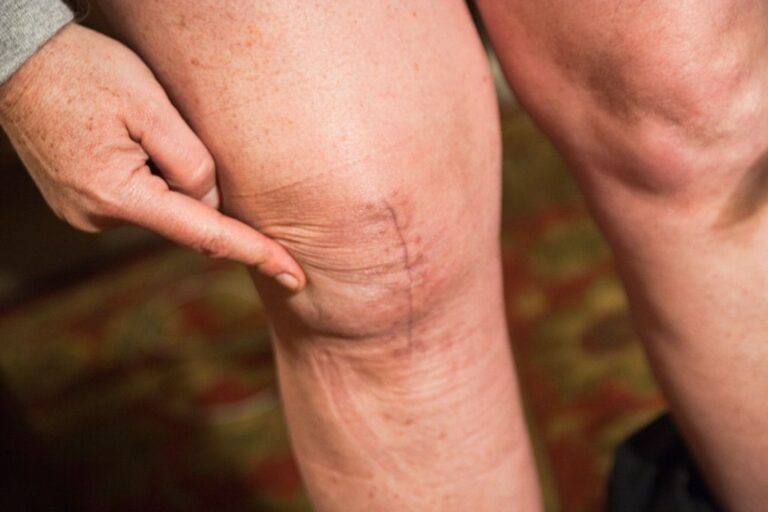
Knee pain can have various causes, including injury, overuse, and chronic conditions such as arthritis. Injuries to the bones, meniscus, ligaments, tendons, or cartilage can cause pain, swelling, stiffness, and redness. Overuse injuries such as bursitis and patellofemoral pain syndrome can also cause knee pain. Chronic conditions such as osteoarthritis, rheumatoid arthritis, and gout can also lead to knee pain.
Recognizing Symptoms and Complications
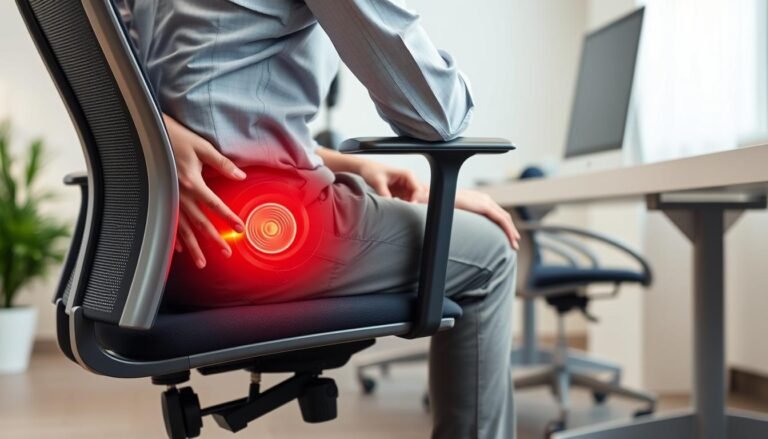
The symptoms of knee pain can vary depending on the underlying cause. Common symptoms include pain, swelling, stiffness, redness, popping, weakness, and joint pain. In some cases, knee pain can be accompanied by a fever, which may indicate an infection. Complications of knee pain can include chronic degenerative meniscal tears and septic arthritis.
Consulting Healthcare Professionals
If you are experiencing knee pain, it is important to consult a healthcare professional. Your doctor can perform a physical exam and order tests such as X-rays or an MRI to determine the underlying cause of your knee pain. Physical therapists can also help with knee pain by providing exercises and stretches to strengthen the knee and improve mobility.
Exploring Treatment Options
Treatment options for knee pain depend on the underlying cause. Rest, ice, compression, and elevation (RICE) can help reduce pain and swelling. Over-the-counter pain relievers such as ibuprofen and naproxen can also help alleviate pain. In some cases, surgery may be necessary to repair or replace damaged tissue in the knee. Other treatment options include acupuncture and physical therapy.
Lifestyle and Preventative Measures
Lifestyle measures can help prevent knee pain and reduce the risk of injury. Maintaining a healthy weight can reduce the impact on the knee joint and prevent excess pressure on the joints. Wearing appropriate shoes and avoiding high-impact activities such as running can also help prevent knee pain. Low-impact activities such as swimming, cycling, walking, and water aerobics can be beneficial for knee health. Practicing tai chi and other low-impact exercises can also help improve balance and flexibility.
In conclusion, knee pain can be a debilitating condition that affects many people. Understanding the causes, symptoms, and treatment options for knee pain is crucial for managing the condition and preventing it from worsening. By consulting healthcare professionals, exploring treatment options, and adopting lifestyle measures, we can reduce the impact of knee pain on our lives.
Practical Management and Rehabilitation
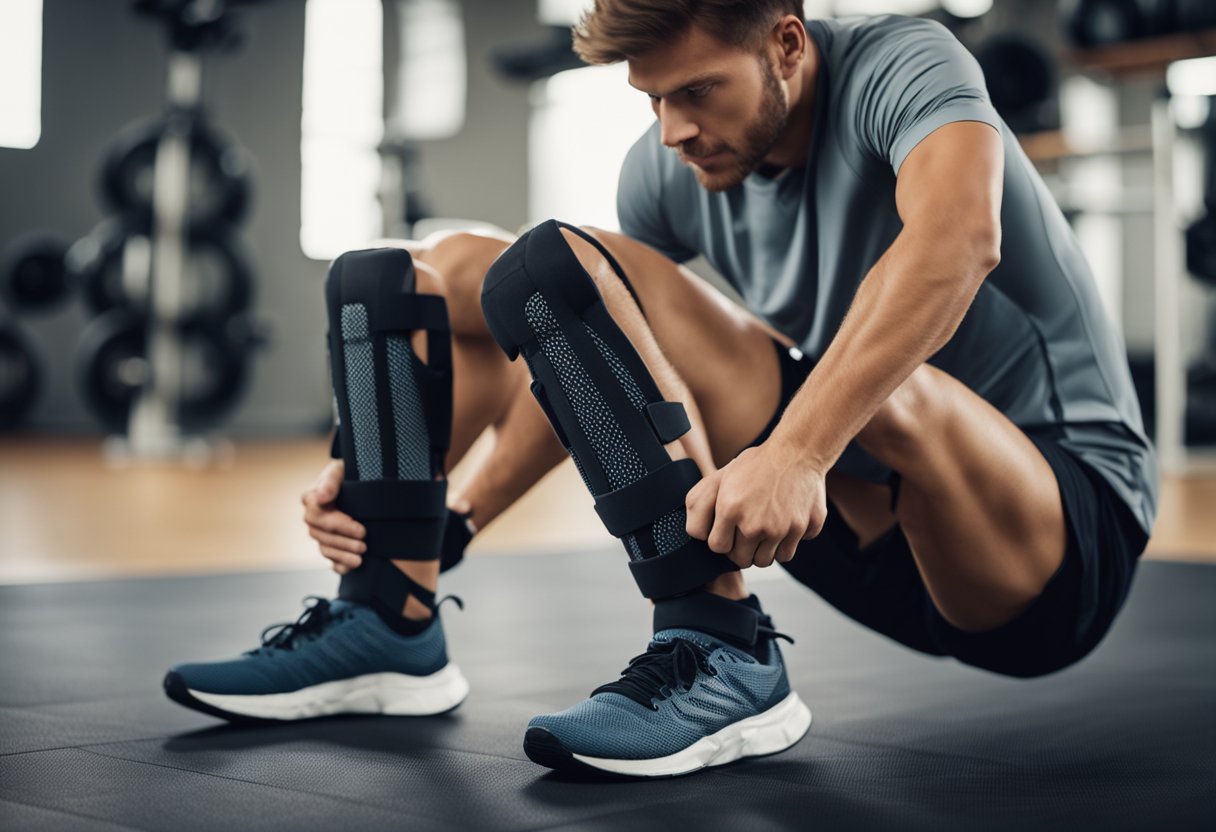
Implementing the RICE Method
When it comes to managing knee pain, the RICE method can be very effective. RICE stands for Rest, Ice, Compression, and Elevation. We recommend resting the affected knee as much as possible, applying ice packs for 15-20 minutes at a time, using compression bandages, and elevating the knee above the level of your heart to reduce swelling. This method can be especially useful for minor injuries or after a workout.
Engaging in Physical Activities
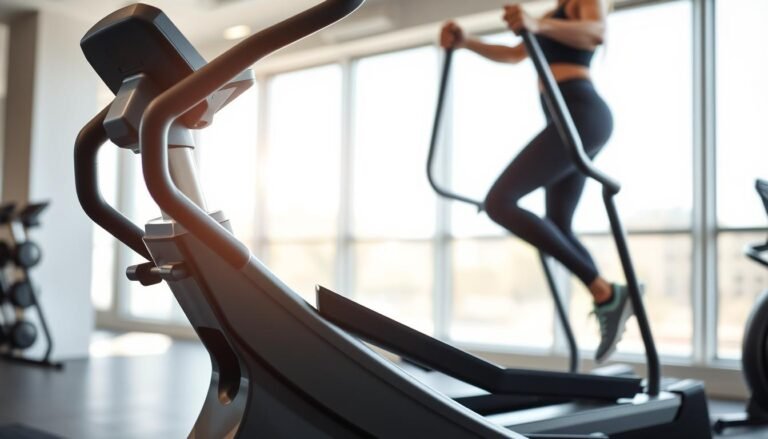
While rest is important, it’s also essential to engage in physical activities that don’t put too much stress on your knees. We recommend low-impact exercises such as swimming, cycling, walking, and tai chi. These activities can help improve your range of motion, reduce stress on your knees, and improve overall joint health.
Physical Therapy and Exercises
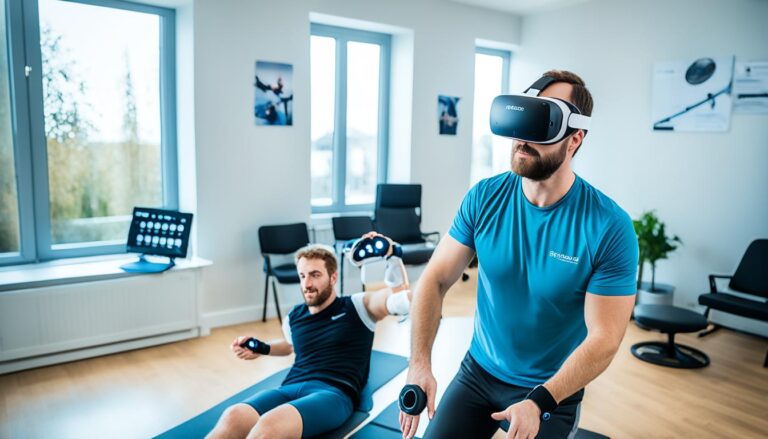
Physical therapy can be an effective way to manage knee pain, especially if it’s caused by an injury or trauma. A physical therapist can help you improve your range of motion, flexibility, and strength through a variety of exercises and stretches. We recommend hamstring stretches, quadriceps stretches, and other exercises that help strengthen the thigh muscles and hip muscles. These exercises can help reduce pain and improve mobility.
Medication and Supplements
If your knee pain is moderate to severe, you may need medication to manage the pain and inflammation. Nonsteroidal anti-inflammatory drugs (NSAIDs) such as ibuprofen and naproxen can be effective in reducing pain and inflammation. Supplements such as glucosamine and chondroitin may also help reduce inflammation and improve joint health.
Surgical Considerations
In severe cases of knee injury or complications, surgery may be necessary. It’s important to discuss surgical options with your doctor to determine the best course of action. Surgery may involve repairing a meniscal tear, replacing a damaged joint, or other procedures.
Overall, managing knee pain requires a combination of rest, physical activity, physical therapy, medication, and sometimes surgery. It’s important to work with your doctor to determine the best course of action based on the severity of your knee pain and the underlying cause. By implementing these practical management and rehabilitation techniques, you can improve your knee health and reduce pain and inflammation.
Frequently Asked Questions

What exercises can alleviate knee pain?
Certain exercises can help alleviate knee pain by strengthening the muscles around the knee joint. These exercises include low-impact activities such as cycling, swimming, and walking. Resistance training exercises such as leg extensions, hamstring curls, and calf raises can also help.
Which stretches are most effective for reducing knee discomfort?
Stretching can help reduce knee discomfort by improving flexibility and range of motion. Some effective stretches for reducing knee discomfort include quad stretches, hamstring stretches, calf stretches, and IT band stretches.
What are the common causes of knee pain?
Knee pain can be caused by a variety of factors, including injury, overuse, and underlying medical conditions such as arthritis. Other common causes of knee pain include muscle imbalances, poor posture, and excess weight.
What are the best non-pharmacological ways to manage knee pain?
Non-pharmacological approaches to managing knee pain include rest, ice, compression, and elevation (RICE), as well as physical therapy, massage, and acupuncture. Lifestyle changes such as maintaining a healthy weight, wearing supportive shoes, and avoiding high-impact activities can also help.
Can physiotherapy exercises improve knee pain, and what are some examples?
Physiotherapy exercises can be effective in improving knee pain by strengthening the muscles around the knee joint and improving flexibility. Examples of physiotherapy exercises for knee pain include leg presses, step-ups, and single-leg squats.
What is the recommended approach for treating knee pain in older adults?
The recommended approach for treating knee pain in older adults includes a combination of non-pharmacological approaches such as exercise, physical therapy, and lifestyle changes. In some cases, medications such as nonsteroidal anti-inflammatory drugs (NSAIDs) or corticosteroid injections may also be recommended. Surgery may be considered as a last resort.