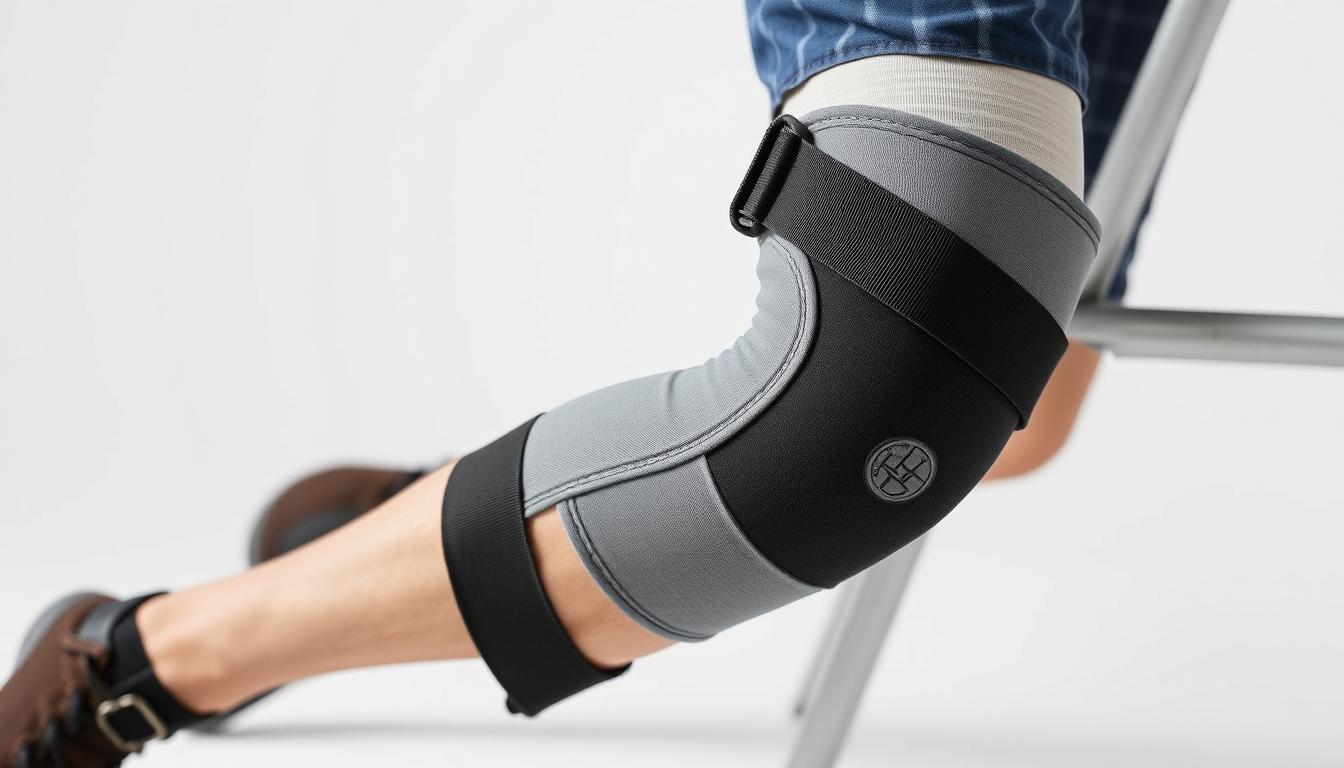
Best Compression Sleeves for Osteoarthritis Knee Pain in 2026 (What Actually Helps)
Did you know that a 2025 clinical study found measurable pain reduction immediately after wearing compression knee sleeves, with pain scores dropping noticeably in osteoarthritis patients? This highlights how even simple support options can make a real difference when your knee hurt starts affecting daily life.
Key Takeaways
| Question | Answer |
|---|---|
| Do compression sleeves help knee pain from osteoarthritis? | Yes, they provide gentle support, improve circulation, and can reduce discomfort during daily movement. |
| When should I wear a knee sleeve? | During activity or when your knee pain becomes noticeable, especially walking or standing. |
| Are compression sleeves better than braces? | Sleeves are ideal for mild to moderate OA, while structured braces may help more severe instability. |
| Can sleeves help other knee conditions? | Yes, they can support recovery from issues like meniscus injuries or overuse. |
| What else helps osteoarthritis knee pain? | A full plan including exercise, weight management, and guides like this comprehensive knee pain resource. |
| Do I need medical advice? | Yes, especially if symptoms worsen or you have injuries like traumatic knee damage. |
Understanding Osteoarthritis and Why Your Knee Hurts
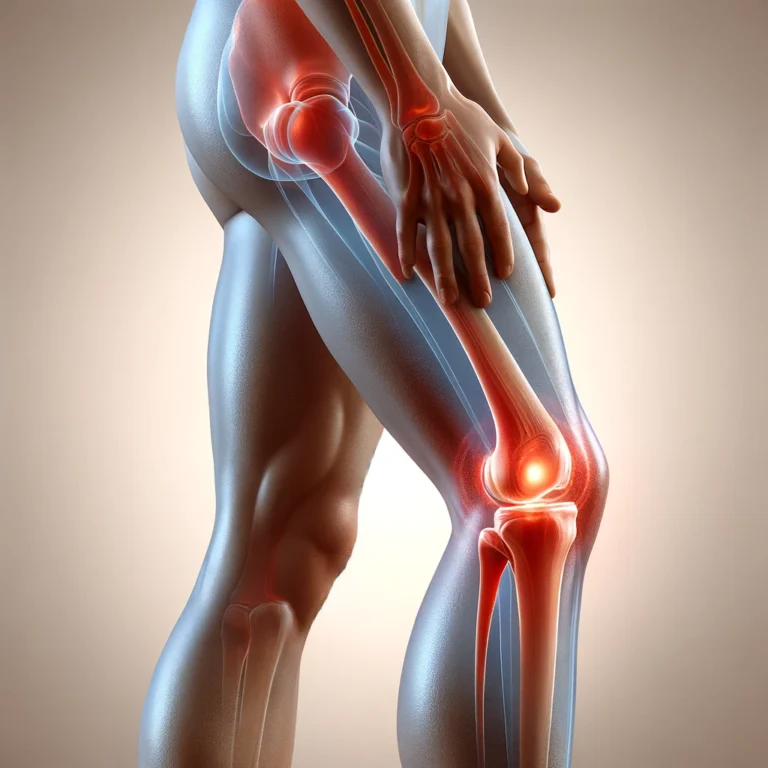
Osteoarthritis affects the knee joint by gradually wearing down cartilage. This leads to stiffness, swelling, and ongoing knee pain.
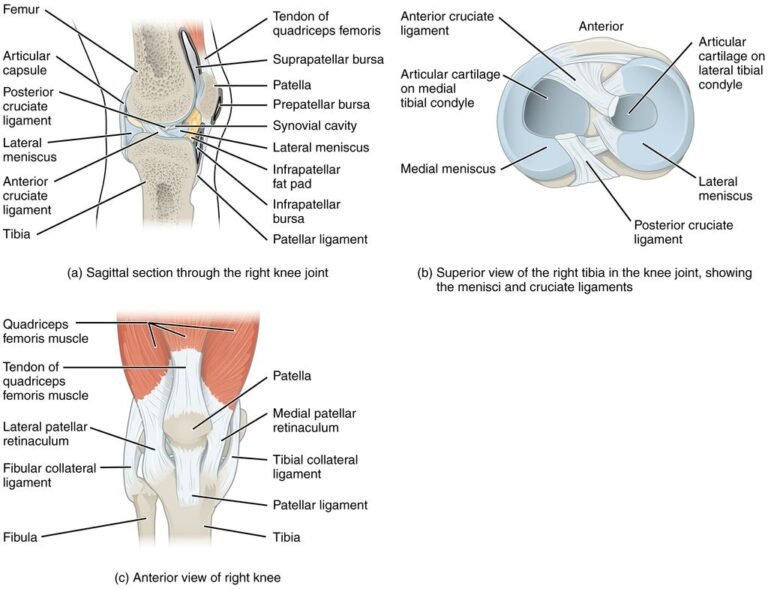
The knee is made up of the femur, tibia, and patella, and each plays a role in smooth movement. When cartilage breaks down, friction increases and the joint becomes painful.
We often see people confuse OA pain with injuries like ligament damage. The difference matters because treatment strategies vary.
Compression sleeves offer a simple, non-invasive way to manage symptoms without restricting movement.


How Compression Sleeves Help Reduce Knee Pain
Compression sleeves apply consistent pressure around the knee. This helps improve blood flow and reduce swelling.
They also enhance proprioception, which means your body better senses joint position. This can improve stability and reduce strain.
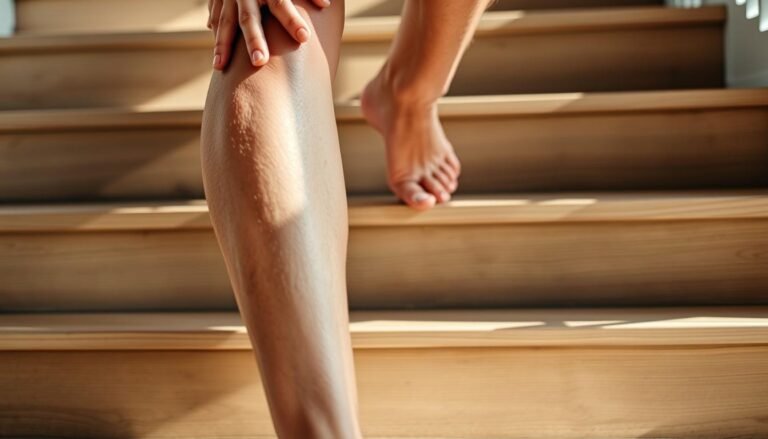
For many people, sleeves make daily activities like walking or climbing stairs more manageable. They are especially helpful when knee pain fluctuates throughout the day.
Unlike rigid braces, sleeves allow natural movement while still providing support.


Types of Compression Sleeves for Osteoarthritis Knees
Not all compression sleeves are the same. Choosing the right type depends on your level of knee pain and activity.
Common types include:
-
Basic elastic sleeves, lightweight and flexible
-
Neoprene sleeves, provide warmth and compression
-
Reinforced sleeves, include side stabilizers
Each type supports the knee differently. People with mild OA often prefer lighter sleeves, while moderate cases may benefit from added structure.
Discover how compression sleeves can help manage knee osteoarthritis. This infographic highlights five key benefits, including pain relief, support, and improved circulation.
Did You Know?
A 2025 study found statistically significant pain reduction after wearing compression sleeves, with P = 0.002 for standard sleeves and P = 0.005 for reinforced designs.
Source: Arch Rheumatol. 2025
Best Features to Look for in 2026 Compression Sleeves
In 2026, compression sleeve design has improved with better materials and fit. Comfort and durability are now top priorities.
Look for these features:
-
Breathable fabric to reduce sweat
-
Anti-slip silicone bands
-
Graduated compression zones
-
Anatomical shaping for the knee joint
These features help ensure consistent support throughout the day. They also reduce irritation during long wear.
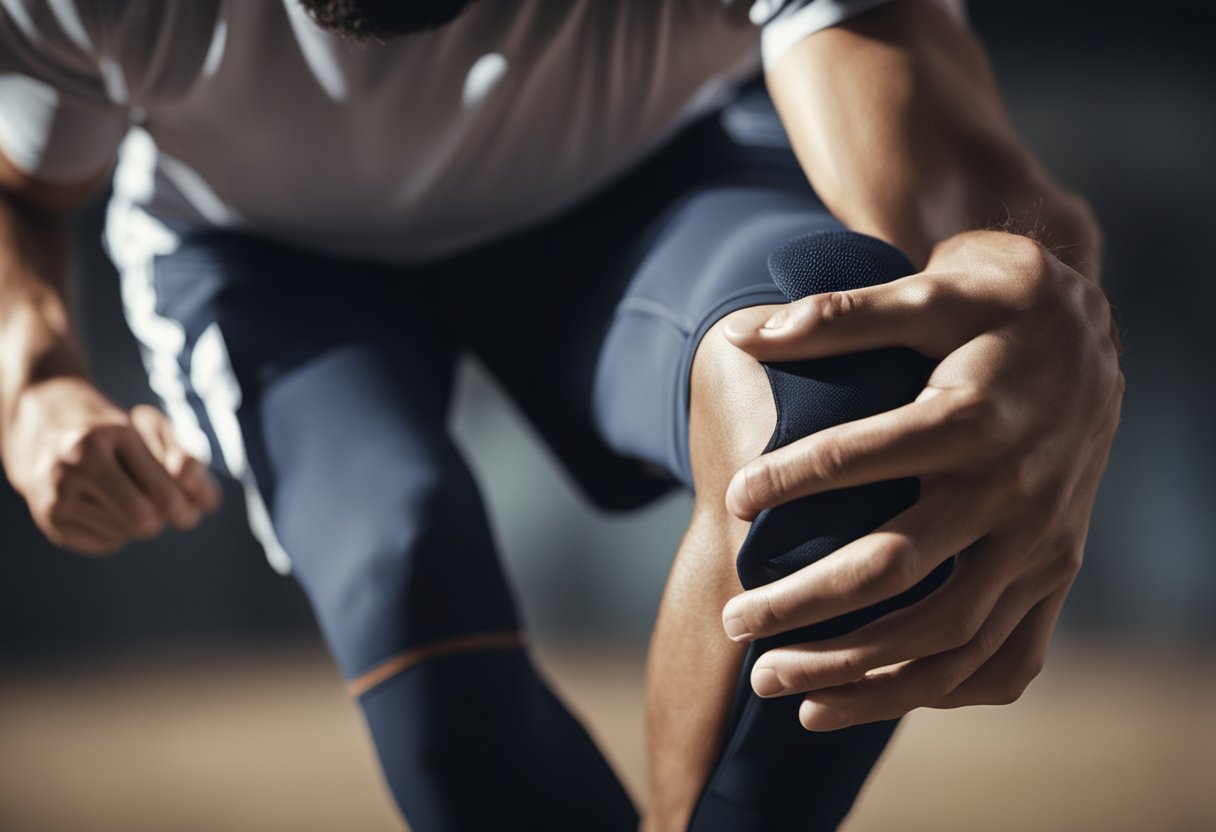
Compression Sleeves vs Knee Braces: What Works Better?
Compression sleeves are best for mild to moderate osteoarthritis. They provide flexibility and daily comfort.
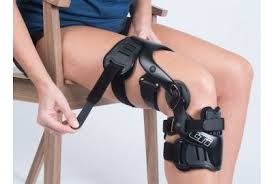
Braces offer more rigid support and are often used for ligament injuries like PCL injuries. These are helpful when instability is a major concern.
We often recommend starting with a sleeve before moving to a brace. This allows you to manage symptoms without over-restricting movement.
| Feature | Compression Sleeve | Knee Brace |
|---|---|---|
| Flexibility | High | Moderate |
| Support Level | Light to moderate | Moderate to high |
| Best For | OA pain | Injuries |


When to Wear a Compression Sleeve for Knee Pain
Timing matters when using a compression sleeve. Most people benefit from wearing it during activity.
Examples include walking, standing for long periods, or light exercise. Avoid wearing it too tightly for extended periods without breaks.
Consistent use can help manage flare-ups. However, always monitor your comfort and skin condition.

Real-World Benefits of Compression Sleeves for OA
Many users report improved mobility and reduced stiffness. This helps them stay active and maintain independence.
Compression also supports circulation, which can reduce inflammation. Over time, this contributes to better joint function.
Did You Know?
FIR-emitting compression sleeves improved knee function scores by over 12 points and reduced pain by up to 3 points within one month in osteoarthritis patients.
Source: Open Orthopaedics Journal 2025
These results show sleeves are more than just comfort tools. They can be part of a structured knee care plan.

Common Mistakes When Using Knee Compression Sleeves
One common mistake is choosing the wrong size. A sleeve that is too tight can restrict circulation.
Another issue is relying on sleeves alone without strengthening exercises. Long-term knee health requires a balanced approach.
We also see people wearing sleeves all day without breaks. This can lead to skin irritation and reduced effectiveness.


How to Choose the Best Compression Sleeve for Your Knee
Start by identifying your activity level and pain severity. This helps narrow down the right type of sleeve.
We recommend checking:
-
Size and fit accuracy
-
Material comfort
-
Level of compression
-
Ease of use
If you are unsure, consult a healthcare professional. Personalized advice can make a big difference in outcomes.


Conclusion
Compression sleeves are a practical and effective option for managing osteoarthritis knee pain. They offer support, improve circulation, and help you stay active without restricting movement.
We believe the best results come from combining sleeves with exercise, proper care, and medical guidance. With the right approach, you can reduce knee pain and maintain a more comfortable, active lifestyle.
Did you know that a 2025 clinical study found measurable pain reduction immediately after wearing compression knee sleeves, with pain scores dropping noticeably in osteoarthritis patients? This highlights how even simple support options can make a real difference when your knee hurt starts affecting daily life.
Key Takeaways
| Question | Answer |
|---|---|
| Do compression sleeves help knee pain from osteoarthritis? | Yes, they provide gentle support, improve circulation, and can reduce discomfort during daily movement. |
| When should I wear a knee sleeve? | During activity or when your knee pain becomes noticeable, especially walking or standing. |
| Are compression sleeves better than braces? | Sleeves are ideal for mild to moderate OA, while structured braces may help more severe instability. |
| Can sleeves help other knee conditions? | Yes, they can support recovery from issues like meniscus injuries or overuse. |
| What else helps osteoarthritis knee pain? | A full plan including exercise, weight management, and guides like this comprehensive knee pain resource. |
| Do I need medical advice? | Yes, especially if symptoms worsen or you have injuries like traumatic knee damage. |
Understanding Osteoarthritis and Why Your Knee Hurts
Osteoarthritis affects the knee joint by gradually wearing down cartilage. This leads to stiffness, swelling, and ongoing knee pain.
The knee is made up of the femur, tibia, and patella, and each plays a role in smooth movement. When cartilage breaks down, friction increases and the joint becomes painful.
We often see people confuse OA pain with injuries like ligament damage. The difference matters because treatment strategies vary.
Compression sleeves offer a simple, non-invasive way to manage symptoms without restricting movement.
How Compression Sleeves Help Reduce Knee Pain
Compression sleeves apply consistent pressure around the knee. This helps improve blood flow and reduce swelling.
They also enhance proprioception, which means your body better senses joint position. This can improve stability and reduce strain.
For many people, sleeves make daily activities like walking or climbing stairs more manageable. They are especially helpful when knee pain fluctuates throughout the day.
Unlike rigid braces, sleeves allow natural movement while still providing support.
Types of Compression Sleeves for Osteoarthritis Knees
Not all compression sleeves are the same. Choosing the right type depends on your level of knee pain and activity.
Common types include:
-
Basic elastic sleeves, lightweight and flexible
-
Neoprene sleeves, provide warmth and compression
-
Reinforced sleeves, include side stabilizers
Each type supports the knee differently. People with mild OA often prefer lighter sleeves, while moderate cases may benefit from added structure.
Discover how compression sleeves can help manage knee osteoarthritis. This infographic highlights five key benefits, including pain relief, support, and improved circulation.

Did You Know?
A 2025 study found statistically significant pain reduction after wearing compression sleeves, with P = 0.002 for standard sleeves and P = 0.005 for reinforced designs.
Source: Arch Rheumatol. 2025
Best Features to Look for in 2026 Compression Sleeves
In 2026, compression sleeve design has improved with better materials and fit. Comfort and durability are now top priorities.
Look for these features:
-
Breathable fabric to reduce sweat
-
Anti-slip silicone bands
-
Graduated compression zones
-
Anatomical shaping for the knee joint
These features help ensure consistent support throughout the day. They also reduce irritation during long wear.
Compression Sleeves vs Knee Braces: What Works Better?
Compression sleeves are best for mild to moderate osteoarthritis. They provide flexibility and daily comfort.
Braces offer more rigid support and are often used for ligament injuries like PCL injuries. These are helpful when instability is a major concern.
We often recommend starting with a sleeve before moving to a brace. This allows you to manage symptoms without over-restricting movement.
| Feature | Compression Sleeve | Knee Brace |
|---|---|---|
| Flexibility | High | Moderate |
| Support Level | Light to moderate | Moderate to high |
| Best For | OA pain | Injuries |
When to Wear a Compression Sleeve for Knee Pain
Timing matters when using a compression sleeve. Most people benefit from wearing it during activity.
Examples include walking, standing for long periods, or light exercise. Avoid wearing it too tightly for extended periods without breaks.
Consistent use can help manage flare-ups. However, always monitor your comfort and skin condition.
Real-World Benefits of Compression Sleeves for OA
Many users report improved mobility and reduced stiffness. This helps them stay active and maintain independence.
Compression also supports circulation, which can reduce inflammation. Over time, this contributes to better joint function.
Did You Know?
FIR-emitting compression sleeves improved knee function scores by over 12 points and reduced pain by up to 3 points within one month in osteoarthritis patients.
Source: Open Orthopaedics Journal 2025
These results show sleeves are more than just comfort tools. They can be part of a structured knee care plan.
Common Mistakes When Using Knee Compression Sleeves
One common mistake is choosing the wrong size. A sleeve that is too tight can restrict circulation.
Another issue is relying on sleeves alone without strengthening exercises. Long-term knee health requires a balanced approach.
We also see people wearing sleeves all day without breaks. This can lead to skin irritation and reduced effectiveness.
How to Choose the Best Compression Sleeve for Your Knee
Start by identifying your activity level and pain severity. This helps narrow down the right type of sleeve.
We recommend checking:
-
Size and fit accuracy
-
Material comfort
-
Level of compression
-
Ease of use
If you are unsure, consult a healthcare professional. Personalized advice can make a big difference in outcomes.
Conclusion
Compression sleeves are a practical and effective option for managing osteoarthritis knee pain. They offer support, improve circulation, and help you stay active without restricting movement.
We believe the best results come from combining sleeves with exercise, proper care, and medical guidance. With the right approach, you can reduce knee pain and maintain a more comfortable, active lifestyle.