Association headgear mandate and concussion injury rates in girls high school lacrosse
Herman DC, Caswell SV, Kelshaw PM, Vincent HK, Lincoln AE. Br J Sports Med. 2022;56:970-974. doi:10.1136/bjsports-2021-105031
https://bjsm.bmj.com/content/56/17/970.long
Take home message
Headgear can reduce the risk of concussions in high school lacrosse field players.
Background
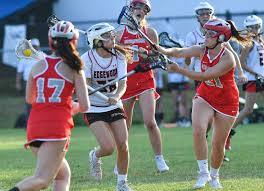
Current regulations classify women’s lacrosse as a non-contact sport, limiting the amount of protective equipment required for goggles and mouthguards. However, unintentional head impacts (such as head-to-stick) are common, often leading to a concussion. There is little evidence to assess whether headgear reduces the risk of concussion in this population.
Study aim
The authors wanted to determine whether high school girls’ lacrosse players had fewer concussions in a state with a headgear mandate than players in states without a headgear mandate.
Methods
The authors used an existing data recording system (the High School National Athletic Treatment, Injury, and Outcomes Network [NATION]) to analyze athlete exposures and concussions. Each athlete exposure represented a single athlete participating in a high school sanctioned practice or competition. A concussion had to occur during a high school lacrosse game or practice and be diagnosed by a healthcare professional. The authors compared data from Florida, which has a statewide headgear mandate, with athletes in 31 other states without a mandate. They focused on data from 2019-2021.
Results
In total, the authors analyzed 289 school seasons (96 with mandatory helmets), yielding 357,225 exposures to athletes (91,074 with mandatory helmets). During these exposures, 141 concussions occurred. Lacrosse players competing in states without a headgear mandate had a ~59% greater incidence of concussion than players in a state with a mandate.
Viewpoints
This study adds to the limited literature suggesting that headgear can reduce the risk of concussion in female high school lacrosse players. More states and lacrosse organizations should consider implementing a similar mandate to reduce the incidence of concussions in this athletic population. Unlike previous research, this study simultaneously tracked both mandatory and non-mandatory headgear concussions, which increases its potency. However, several limitations are also present. First of all, this study lacks randomization of participants. Therefore, athletes with helmet mandates (mainly Florida) may be unique compared to other players. This may include differences in refereeing style and player intensity. Second, some lacrosse players in states without a mandate may have worn helmets based on their preferences. It is unclear how many athletes in the states without a mandate voluntarily wore helmets and may have been protected. Therefore, these results could underestimate the benefit of helmets.
Clinical implications
Athletic trainers and other sports medicine professionals should advocate for headgear mandates and resources to ensure access to headgear in women’s lacrosse to potentially reduce the incidence of concussions.
Questions for discussion
What are your thoughts on the ability of helmets and headgear to reduce the risk of concussion in athletes?Does this study change your view on their ability to reduce the incidence of concussions?
related posts
Aftermarket helmet add-ons don’t add up
Women are not only at increased risk for concussions, but also for more severe concussions
A Closer Look at Concussions 2016-2020: Increasing Prevalence and Gender Differences
The formation of the board comes at a pivotal time for Nanovis as they continue their ongoing mission to leverage nanotechnology for improved patient care.
COLUMBIA CITY, Ind., Nov. 2, 2023 /PRNewswire-PRWeb/ — Nanovis, a leader in nanotechnology surface solutions for orthopedic, spinal and dental applications, announces the formation of its Scientific Advisory Board (SAB). The board will consist of Dr. C. Lowry Barnes, Dr. Douglas W. Pahl, Dr. Brent Ponce and Dr. Thomas J. Webster. This team is a multidisciplinary, multidisciplinary scientific advisory board composed of leaders from the musculoskeletal specialties. Nanovis will continue to fill their SAB with other specialties such as dentistry, trauma, foot and ankle, and infectious diseases in the coming months.
Brian More, CEO of Nanovis, said: “The creation of the SAB marks a pivotal moment for Nanovis in our ongoing mission to leverage nanotechnology for improved patient care. The board’s collective expertise will be critical in advancing claims and indications for nanoVIS Ti Surface Technology, our FDA-designated nanotechnology surface that has been approved for seven product systems and has been successfully implanted in thousands of patients.”
In addition to technological advancements, the SAB will play a critical role in guiding Nanovis’ approach to clinical data collection and analysis. Their expertise will help strategically collect clinical data, ensure its thorough research and help present the benefits of Nanovis’ technologies at conferences and in academic journals. This initiative aims to validate the clinical efficacy of the company’s surface technology portfolio, drive innovation, discover new product applications and identify potential new markets.
Brian More added: “With the guidance of the SAB, we are well positioned to break new ground in orthopedic implant technology, ensuring that our scientific breakthroughs translate into real benefits for surgeons and patients.”
Board members:
Dr. C. Lowry Barnes
Orthopedic surgeon
University of Arkansas, Little Rock, Chairman of the Department of Orthopedic Surgery, Hip & Knee Specialty
Dr. Douglas W. Pahl
Orthopedic surgeon
Hughston Spine and the Hughston Clinic Spine specialty
Dr. Brent Ponce
Orthopedic surgeon
Hughston Clinic, Columbus, Georgia
Chair, Hughston Foundation Research Shoulder and Sports Medicine Specialty
Dr. Thomas J. Webster
Professor
Brown University
Department of Pre-college and Undergraduate Studies
Nanovis will exhibit its FDA-designated nanotechnology surface at the American Association of Hip and Knee Surgeons in Dallas, Texas, November 2-5, 2023. In conjunction with the AAHKS meeting, Scientific Advisory Board Member Dr. C. Lowry Barnes to host a Nanovis-sponsored educational event on nanotechnology in total joint arthroplasty.
About Nanovis
Nanovis is a technology-driven company committed to discovering unmet clinical needs, developing innovative and enabling solutions, and validating new technologies for clinical and market acceptance. The company, through its subsidiary Nanovis Spine, has successfully commercialized its proprietary nanoVIS Ti Surface Technology™ for a range of spinal implants, including the nano FortiFix™ Pedicle screws and Nano FortiCore™ PEEK Titanium Hybrid Interbodies, the latter being enriched with OsteoSync™ technology licensed from Site Medical.
In particular, the nanoVIS Ti Surface technology™ platform shows in preclinical studies its potential to evolve into an antimicrobial surface in select markets, while Nanovis simultaneously innovates a next-generation antimicrobial technology aimed at combating localized infections in various applications including skin, transcutaneous devices and orthopedic implants .
Ready to learn more about the science behind nanoVIS Ti Surface Technology™? Join us on LinkedIn.
High rates of depression and anxiety among adolescent athletes whose sports were canceled during the COVID-19 pandemic improved significantly a year later when they were able to return to sports, according to new research.
The author of an abstract, “The Influence of Return to Sport on Mental Health, Physical Activity and Quality of Life Among Adolescent Athletes During COVID-19,” will present his findings at the AAP 2022 National Conference and Exhibition in Anaheim, CA.
“Organized sports participation has been shown for decades to have significant physical and mental health benefits for adolescents, but the COVID-19 pandemic has made this even clearer,” said author Drew Watson, MD, MS, team physician for athletics from the University of Wisconsin.
“The cessation of sports during the early pandemic was associated with reduced physical activity and quality of life, as well as surprisingly high levels of anxiety and depression. Although the return to sport has been associated with major improvements in physical activity, quality of life and mental health, we are still seeing higher levels of anxiety and depression than before COVID-19, suggesting this will be a crucial priority in the coming years to stay.”
According to the summary, a total of 17,421 teens nationwide completed surveys in May 2020, including information on demographics and sports participation, following cancellations of sporting events related to COVID-19 and following their return to sports in May 2021.
When sports were stopped, adolescent athletes reported low levels of physical activity, poor quality of life, and high rates of anxiety and depression. A year later, the athletes who were able to return to sports reported a significant increase in physical activity and quality of life. The percentage of adolescents reporting moderate to severe anxiety or depression fell by about half.
DALLAS, November 3, 2023 / OrthoSpineNews/ – On November 4, CTL Amedica will introduce surgeons and distributors to the new MONDRIAN™ Anterior Lumbar Interbody Fusion (ALIF) System during a special hands-on laboratory. The laboratory will be held in the Minimally Invasive Surgical Training and Education Center, located in the Rosenstiel Building at the University of Miami.
This will be the spine industry’s first official, hands-on look at the MONDRIAN™ ALIF System. The FDA-cleared implant system is an integrated plate-and-cage construction made of titanium and featuring CTL Amedica’s patented TiCRO™ surface technology, which enhances the interlocking properties of bones.
“The MONDRIAN™ ALIF System is designed to provide anterior column stabilization and supplemental fixation while accommodating a wide range of patient anatomies and surgical preferences,” said Daniel Chon, CEO of CTL Amedica. “It is a unique implant that we believe will be very useful to surgeons and their patients, and we are excited to demonstrate this important technology this coming weekend at the University of Miami.”
Named after the influential, early 20se century artist Piet Mondrian, the MONDRIAN™ ALIF System features a smooth, tapered leading edge for easy insertion, a large central chamber for maximum biological graft volume, a proprietary screw locking mechanism and an additional screw blocking plate for additional reinforcement.
Additionally, the MONDRIAN™ ALIF System features hyperlordotic cages for complex corrections, multiple screw plate configurations for greater operational versatility, and CTL Amedica’s patented and precision machined TiCRO™ surface technology, which provides a larger surface area than predicates, increasing contact with the bony endplates is significantly increased. .
The educational laboratory is open to all surgeons and distributors, but participation space is limited. For more information, contact info@ctlamedica.com or call 1-800-713-9489.
CTL Amedica is a progressive medical device design, development and manufacturing company. CTL Amedica has a Texas-based headquarters and its own manufacturing facility, along with a Pennsylvania-based R&D Center of Excellence. CTL Amedica is a leader in medical device and biomaterials technology, offering a full line of cervical, thoracic and lumbar fusion and fixation products. In addition, it is the world’s exclusive supplier of silicon nitride backbone products, which demonstrate greater protein absorption and increased osseointegration, promote better bone growth, improve osteogenic response and accelerate fusion. For more information, visit https://www.ctlamedica.com/.
###
Contact:
Joy Mazza
CTL America Corporation
443-422-5653
Jmazza@ctlmed.com
The FIFA 11+ Kids Injury Prevention Program reduces injuries among male football players: a clustered randomized controlled trial.
Al Attar WSA, Bizzini M, Alzahrani H, Alarifi S, Ghulam H, Alyami M, Alzhrani M, Sanders RH. Sports Health. July 28, 2022: 19417381221109224. doi: 10.1177/19417381221109224. E-publishing prior to printing. PMID: 35903029.
https://pubmed.ncbi.nlm.nih.gov/35903029/
Take home message
Footballing children who completed the FIFA 11+ Kids program suffered fewer injuries than those who completed the normal warm-up.
Background
Children under the age of 14 sustain almost 44% of all football injuries. Warm-up programs for injury prevention could reduce the number of injuries in this population and future health care costs. However, we know little about the effectiveness of these programs in youth football.
Study aim
The authors evaluated the effect of the FIFA 11+ Kids injury prevention program on reducing the incidence of injuries among male Saudi Arabian football players aged 7 to 13 years.
Methods
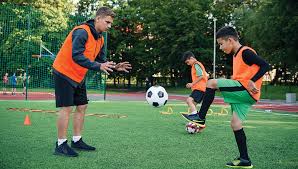
The authors conducted a cluster randomized control trial to assess the effect of the 11+ Kids program on reducing injuries in 7- to 13-year-old football players over 1 season (August 2018 – January 2019). The authors sent recruitment letters to 100 male soccer teams (825 athletes) participating in the Saudi Federation of Sports Medicine and Saudi Soccer Federation soccer teams. In response, 88 teams (740 players) agreed and completed the study. The authors randomized 45 soccer teams into the 11+ Kids program (377 athletes). The 11+ Kids program consisted of a 15-20 minute warm-up (7 exercises; 5 levels; focused on balance, core stability and optimization of falling technique) to be performed twice a week instead of a regular warm-up . The control group (43 teams, 363 athletes) performed their regular warm-up regimen, which was defined as basic exercises performed before a match or training to prepare the player for vigorous physical activity. The authors defined an injury as one that prevented a player from fully participating in the next match or training session.
Results
The soccer players who completed the 11+ Kids program had ~57% fewer injuries than players who performed a traditional warm-up. The benefit of the 11+ Kids program appears to apply to contact, non-contact and overuse injuries. The authors provide a detailed overview of the different types of injuries, but in many of them only a few athletes (<5 athletes) had an injury, making it difficult to interpret.
Viewpoints
Overall, athletes who completed the 11+ Kids program suffered 57% fewer injuries than the control group, demonstrating the need for prevention programs such as the FIFA 11+ Kids in youth soccer programs. These findings are consistent with a wealth of research showing that prevention programs work and can be easily implemented in less than 15 minutes. In this study, the coaches used the program just twice a week and saw benefits, suggesting that coaches do not need to completely abolish their existing warm-up programs. While we often focus on high school and college athletes, it’s reassuring to see these programs working for elementary and middle school players.
Clinical implications
Medical professionals should encourage youth coaches to use injury prevention warm-up programs, such as FIFA 11+ Kids, to reduce injuries at this level and promote positive future health outcomes.
Questions for discussion
What is the best way to distribute this information to the youth leagues? Does your youth athlete perform a structured warm-up? Do you think this is easy to implement?
related posts
Injuries = lost time AND money. Why not prevent injuries with the 11+ Kids program?
11+ Kids program prevents serious injuries
FIFA 11…(but actually FIFA 11+) programs are effective in reducing football injuries
An ounce of prevention = money saved!
FIFA 11+ reduces the risk of injuries for football players
FIFA 11+ improves performance and reduces injuries in football
Written by: Jane McDevitt
Review by: Jeffrey Driban
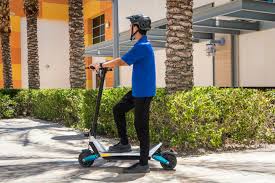
Upright electric scooters, commonly referred to as e-scooters, have grown in popularity across the country over the past decade. According to a new research summary presented at the 2022 American Academy of Pediatrics National Conference & Exhibition, e-scooter injuries are becoming much more common and increasingly serious.
Authors of the abstract “National Trends in Pediatric e-Scooter Injury” found hundreds of e-scooter injuries between 2011 and 2020. Patient hospitalizations have increased from less than 1 in 20 e-scooter injuries in 2011 to 1 in 8 requiring hospitalization for care in 2020.
“The number of annual e-scooter injuries increased between 2011 and 2020, likely in part due to the rising popularity of e-scooter ride-sharing apps,” said lead author Harrison Hayward, MD, Emergency Medicine fellow at Children’s National Hospital. “Our research has characterized the spectrum of injuries that occur in children, allowing emergency physicians to prepare to care for them and parents and families to practice better safety.”
Researchers examined a national database of e-scooter injuries to children seen in the emergency departments of more than 100 U.S. hospitals between 2011 and 2020 to find out what types of injuries children suffered and if there were any trends. More than 10% of all patients had head injuries, including concussion, skull fractures and internal bleeding. The most common injuries were arm fractures (27%), followed by minor abrasions (22%) and cuts requiring stitches (17%). The mean age was 11.1 years and 59% of patients were male. Hospital admissions increased from 4.2% in 2011 to 12.9% in 2020.
“Parents whose children ride e-scooters need to know how best to be safe. That’s why helmets are a must, as more than 10% of reported cases involved head injuries,” said Dr. Hayward. “Children should absolutely wear helmets when riding an e-scooter. Research has broadly shown that helmets save the lives of cyclists, and we should think the same way about e-scooters.”
The authors received no financial support for this research.
Third Quarter 2023 US prodisk® Total Disc Replacement (TDR) sales reached nearly $14 million in sales – a new record – surpassing the second quarter of 2023, the company’s previous best quarter.
Third quarter 2023 worldwide proDisc TDR remained strong by product segment, with global lumbar TDR growing 43% – a new sales record – and global cervical TDR growing 75%.
Year-to-date worldwide proDisc TDR revenues of $49 million in the third quarter are up 55% year-over-year.
Strong global revenue growth and operating performance resulted in Centinel Spine’s second consecutive EBITDA positive quarter.
WEST CHESTER, Pa., Nov. 2, 2023 /PRNewswire/ — Centinel Spine®LLC, (“the Company”), the leading global medical device company addressing cervical and lumbar spine diseases with the world’s most clinically proven total disc replacement (TDR) technology platform (prodisk®), today announced record third quarter 2023 prodisk TDR financial results. Strong operating performance combined with global revenue growth of 61% year-on-year in Q3 2023 saw the company achieve its second consecutive EBITDA-positive quarter. Centinel Spine’s strong quarterly results were driven by record numbers of professionalsdisk surgeon users, as well as accelerated procedure volume and user acceptance of the company’s new professionaldrive C I’m alive and prodisk C SK cervical TDR system.
According to one of the early adopters of the new prodisk cervical system neurosurgeon John S. Shiau, MD, of Maplewood, NJ and Manhattan, NY: “I believe in the benefits of cervical disc replacement over fusion in my patients. The functional recovery and long-term results are fantastic. I am very pleased with the various disc replacements available from Centinel Spine. I can choose the implant that best achieves my surgical goals of functional stabilization. In addition, I can choose the implant that fits the anatomy, instead of matching the anatomy to the implant. This maximizes the chance of successful results in my patients. For these reasons, depending on the clinical setting, I continue to use both the original prodisk C implant and the professionaldrive C I’m alive implant. For example, if the superior end plate is flat, then the prodisk C fits the anatomy better; if the end plate is concave, I choose the domed prodrive C I’m alive. The proffesionaldrive C I’m alive implant is an improvement in terms of ease of insertion.”
Centinel Spine CEO Steve Murray said: “We are pleased with the progress Centinel Spine is making in the overall disc replacement market this year. The company is exclusively and completely focused on becoming the unrivaled leader in TDR and expanding the market as we grow. In both cervical and lumbar disc replacement, surgeons see the benefit of our Match-the-Disc family of anatomic discs. The clinical benefits of total disc replacement are clearly and impeccably reported in the many studies examining its safety and effectiveness – and patients are increasingly seeking treatment options that preserve motion and reduce the likelihood of future surgery. We will continue to do our utmost to improve patient care in everything we do.”
Highlights third quarter 2023
Q3 2023 worldwide prodisk Franchise sales exceeded $17 million, up 61% from last year, with prodisk cervical growth 75% and prodisk lumbar increase by 43% compared to 2022.
American profdisk turnover grew by 71% in the third quarter compared to last year. Quarterly revenue reached a record $14 million, thanks to the continued success of the new professionaldrive C I’m alive and prodisk C SK cervical TDR system and almost 40% year-over-year prodisk lumbar growth. American profdisk Cervical cancer revenue grew by more than 100% in the third quarter of 2023 compared to last year.
The American Profdisk Surgeon user base grew more than 50% year-over-year, including 70% growth in prodisk cervical users. New professionaldisk the number of users has more than tripled from the third quarter of 2022. Additionally, the total number of US healthcare facilities that prodisk TDR products exceeded 465, up 45% year-over-year, and the number of distributors selling pro productsdisk almost 30% growth compared to the third quarter of 2022.
International Q3 2023 prodisk TDR’s revenue grew 30% from Q3 2022, driven by 85% growth in prodisk lumbar sales.
Highlights on new cervical prodisc TDR system One year after US launch
Acceptance by the American market of the new professionaldrive C I’m alive and prodiskS.K system remains strong, with nearly 380 surgeons now using the system – a sequential user growth of nearly 30% in the second quarter of 2023. The company reached the milestone of 2,500 procedures with the new prodrive C I’m alive and prodiskcS.K system in September, just five months after hitting 1,000e The case was announced in April 2023. In the third quarter of 2023, almost 900 procedures were completed with the new system, a volume growth of 15% over the second quarter of 2023.
The average monthly user base of US surgeons for the new professionaldrive C I’m alive and prodiskc S.K the system continued to grow in the third quarter of 2023, with an increase of almost 10% compared to the previous quarter. The proffesionaldrive C I’m alive and prodisk CS.K The surgeon user base also remains committed to the new system, with the majority being competitive conversions and returning users.
2023 performance to date
Year-to-date September 2023 worldwide prodisk TDR revenue of $49 million represents a 55% year-over-year increase. Record sales across all geographic segments were also strong through the first nine months of 2023, with year-over-year gains in the US.disk turnover is growing by 61% and international turnover is growing by 36%. The growth in the number of new surgeons has been driven by the company’s medical education programs, which have trained more than 750 surgeons to date.
Year-to-date Q3 US prodisk TDR’s revenue approached $38 million, driven by a rapidly growing user base of surgeons and repeat use within its existing customer base. Until the third quarter, the American prodisk The user base of TDR surgeons has increased by more than 50% year over year.
The year-over-year growth of the US prodisk The cervical surgeon base was particularly strong, growing over 65% through the end of the third quarter of 2023. Finally, more than 85% of the pro grewdisk The TDR cervical surgeon user base has seen repeated use since the beginning of the year compared to the same period in 2022.
Year-to-date Q3 International prodisk TDR revenues are up 36% in 2022, driven by 55% prodisk lumbar growth and prodisk sales growth of cervical products by 30% by 2022.
Outlook for the full year 2023
Looking ahead to full year 2023, the company has increased its projection and anticipates its global benefitsdisk TDR business will exceed 50% year-on-year, significantly exceeding expected market growth of 11% (source: Artificial Drives Market Insights, Competitive Landscape and Market Forecast-2027, DelveInsight Business Research LLP, 2022). The full year growth will come from the prosdisk global lumbar activities and continued expansion of the recently launched prodrive C I’m alive and prodiskcS.K cervical system.
About Centinel Spine, LLC
Centinel spine®LLC is the leading global medical device company addressing cervical and lumbar spine diseases with the world’s most clinically proven total disc replacement (TDR) technology platform (prodisk®). The company’s prodisk technology is the most studied and clinically proven TDR system in the world, validated by more than 540 published articles and more than 250,000 implantations worldwide.
Centinel Spine continues to advance its pioneering culture and corporate mission to become a catalyst for change in the spine industry and change the way spine surgery is experienced. The proffesionaldisk platform remains the only technology with multiple motion preservation solutions for both cervical and lumbar anterior column reconstruction.
For more information, please visit the company’s website at www.CentinelSpine.com or contact:
Varun Gandhi
Finance Director
900 Airport Road, Suite 3B
West Chester, PA 19380
Phone: 484-887-8871
Email: v.gandhi@centinelspine.com
Young athletes who participate in multi-directional sports, rather than specializing in a uni-directional sport like running, can build stronger bones that may be at less risk of bone injuries as adults, according to a new study from researchers at Indiana University.
The study, published in the American College of Sports Medicine’s Medicine and Science in Sports and Exercise, examined Division I and II female cross-country runners, who often suffer from bone stress injuries such as stress fractures. The researchers found that athletes who ran at a younger age and participated in sports that require movement in many directions – such as basketball or football – had better bone structure and strength than those who only walked, swam or cycled.
As a result, the study’s findings support recommendations that athletes delay specialization in running and practice multi-directional sports when they are younger, to build a more robust skeleton – and possibly prevent bone stress injuries.
“Our data shows that playing multi-directional sports at a younger age rather than specializing in one sport, such as running, reduces a person’s risk of bone injuries by developing a larger, stronger skeleton,” said Stuart Warden, associate dean for research and Chancellor’s Professor at the IU School. of Health and Human Sciences at IUPUI. “There is a common misconception that children need to specialize in a single sport to succeed at the next level. However, recent data indicate that athletes who specialize at a young age are at greater risk of an overuse injury and are less likely to progress to another sport. higher levels of competition.”
Historically, Warden said, researchers have examined bone mass — how much bone a person has — to determine how healthy their skeleton will be throughout life. But in previous studies, Warden and his colleagues found that as a person ages, both mass and size are equally important.
In the current study, the researchers used high-resolution imaging to assess the tibia near the ankle and the bones in the feet, where bone strain injuries are common in runners. They found that the athletes who participated in both running and multi-directional sports at a younger age had 10 to 20 percent more bone strength than athletes who only ran.
“Our research shows that the runners who participated in multi-directional sports at a younger age had stronger bones than collegiate athletes, putting them at lower risk for bone stress injuries, including stress fractures,” Warden said. “We want to ensure that people have better, stronger bones as they grow, become adolescents and go through life. If they specialize in one sport at too young an age, they are more likely to get injured and not make it to collegiate and professional level.”
Warden said anyone supervising a junior athlete or team — whether parents, coaches or trainers — should think twice about forcing them to specialize in one area too early. To allow for proper growth and development, he recommends that young athletes not specialize until their freshman year of high school. For athletes who already play multi-directional sports, he said it’s important that they take time off during the year for rest and recovery, which can improve both bone strength and performance.
Other authors of the study included Austin Sventeckis, Ph.D. student, and Robyn Fuchs, associate professor, from the IU School of Health and Human Sciences at IUPUI, and Rachel Surowiec from the School of Engineering and Technology at IUPUI.
Young athletes who participate in multi-directional sports, rather than specializing in a uni-directional sport like running, can build stronger bones that may be at less risk of bone injuries as adults, according to a new study from researchers at Indiana University.
The study, published in the American College of Sports Medicine’s Medicine and Science in Sports and Exercise, examined Division I and II female cross-country runners, who often suffer from bone stress injuries such as stress fractures. The researchers found that athletes who ran at a younger age and participated in sports that require movement in many directions – such as basketball or football – had better bone structure and strength than those who only walked, swam or cycled.
As a result, the study’s findings support recommendations that athletes delay specialization in running and practice multi-directional sports when they are younger, to build a more robust skeleton – and possibly prevent bone stress injuries.
“Our data shows that playing multi-directional sports at a younger age rather than specializing in one sport, such as running, reduces a person’s risk of bone injuries by developing a larger, stronger skeleton,” said Stuart Warden, associate dean for research and Chancellor’s Professor at the IU School. of Health and Human Sciences at IUPUI. “There is a common misconception that children need to specialize in a single sport to succeed at the next level. However, recent data indicate that athletes who specialize at a young age are at greater risk of an overuse injury and are less likely to progress to another sport. higher levels of competition.”
Historically, Warden said, researchers have examined bone mass — how much bone a person has — to determine how healthy their skeleton will be throughout life. But in previous studies, Warden and his colleagues found that as a person ages, both mass and size are equally important.
In the current study, the researchers used high-resolution imaging to assess the tibia near the ankle and the bones in the feet, where bone strain injuries are common in runners. They found that the athletes who participated in both running and multi-directional sports at a younger age had 10 to 20 percent more bone strength than athletes who only ran.
“Our research shows that the runners who participated in multi-directional sports at a young age had stronger bones than collegiate athletes, putting them at lower risk for bone stress injuries, including stress fractures,” Warden said. “We want to ensure that people have better, stronger bones as they grow, become adolescents and go through life. If they specialize in one sport at too young an age, they are more likely to get injured and not make it to collegiate and professional level.”
Warden said anyone supervising a junior athlete or team — whether parents, coaches or trainers — should think twice about forcing them to specialize in one area too early. To allow for proper growth and development, he recommends that young athletes not specialize until their freshman year of high school. For athletes who already play multi-directional sports, he said it’s important that they take time off during the year for rest and recovery, which can improve both bone strength and performance.
Other authors of the study included Austin Sventeckis, Ph.D. student, and Robyn Fuchs, associate professor, from the IU School of Health and Human Sciences at IUPUI, and Rachel Surowiec from the School of Engineering and Technology at IUPUI.
CHICAGO , Nov. 2, 2023 /PRNewswire/ — A record 15 Midwest Orthopedics physicians at RUSH (MOR) were named to Chicago Magazine’s “Top Docs” list. The “Top Docs” list, compiled by Castle Connelly, a physician-led healthcare research and information company, features Chicago-area physicians selected by their peers.
The MOR physicians on this list are Drs. Charles Bush Joseph, Brian Forsythe, Grant Garrigues, Eduard Goudberg, Joshua Jacobs, Dennis Name, Shane Nho, Frank Phillips, Nikhil VermaAnd Adam Cut (orthopedic surgery category); Drs. Mark Cohen, John Fernandez, And Robert Wysocki (hand surgery category); Dr. Joshua Blomgren (sports medicine category); And Dr. Leda Ghannad (physical medicine and rehabilitation category).
This is the highest number of MOR physicians named to this honor since the popular list began published in Chicago Magazine.
About Midwest Orthopedics at RUSH
MOR is an international leader in musculoskeletal health and is ranked among the top ten in the country American news and world report. MOR consists of renowned orthopedic and spine surgeons who pioneer the latest developments in surgical techniques and non-surgical care. MOR physicians are the designated team care providers for several organizations, including the Chicago Bulls, Chicago White Sox, Chicago Red Stars and Joffrey Ballet. MOR has seven full-service locations in Chicago, Joliet, Naperville, Oak Brook, Oak Park, Westchester and Munster, IN. The group also operates nine standalone physical therapy clinics in Bensenville, Chicago’s South Loop, Geneva, Lincoln Park, Lockport, Orland Park, River Grove, Park Ridge and Munster, IN. Visit www.rushortho.com for more information.