download 38

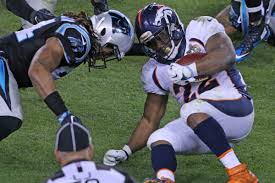
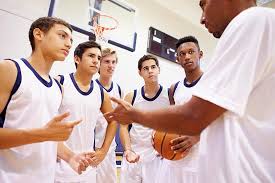
Sports such as football and basketball are better for the bone health of young athletes than running alone


Young athletes who participate in multi-directional sports, rather than specializing in a uni-directional sport like running, can build stronger bones that may be at less risk of bone injuries as adults, according to a new study from researchers at Indiana University.

The study, published in the American College of Sports Medicine’s Medicine and Science in Sports and Exercise, examined Division I and II female cross-country runners, who often suffer from bone stress injuries such as stress fractures. The researchers found that athletes who ran at a younger age and participated in sports that require movement in many directions – such as basketball or football – had better bone structure and strength than those who only walked, swam or cycled.

As a result, the study’s findings support recommendations that athletes delay specialization in running and practice multi-directional sports when they are younger, to build a more robust skeleton – and possibly prevent bone stress injuries.

“Our data shows that playing multi-directional sports at a younger age rather than specializing in one sport, such as running, reduces a person’s risk of bone injuries by developing a larger, stronger skeleton,” said Stuart Warden, associate dean for research and Chancellor’s Professor at the IU School. of Health and Human Sciences at IUPUI. “There is a common misconception that children need to specialize in a single sport to succeed at the next level. However, recent data indicate that athletes who specialize at a young age are at greater risk of an overuse injury and are less likely to progress to another sport. higher levels of competition.”

Historically, Warden said, researchers have examined bone mass — how much bone a person has — to determine how healthy their skeleton will be throughout life. But in previous studies, Warden and his colleagues found that as a person ages, both mass and size are equally important.

In the current study, the researchers used high-resolution imaging to assess the tibia near the ankle and the bones in the feet, where bone strain injuries are common in runners. They found that the athletes who participated in both running and multi-directional sports at a younger age had 10 to 20 percent more bone strength than athletes who only ran.

“Our research shows that the runners who participated in multi-directional sports at a young age had stronger bones than collegiate athletes, putting them at lower risk for bone stress injuries, including stress fractures,” Warden said. “We want to ensure that people have better, stronger bones as they grow, become adolescents and go through life. If they specialize in one sport at too young an age, they are more likely to get injured and not make it to collegiate and professional level.”

Warden said anyone supervising a junior athlete or team — whether parents, coaches or trainers — should think twice about forcing them to specialize in one area too early. To allow for proper growth and development, he recommends that young athletes not specialize until their freshman year of high school. For athletes who already play multi-directional sports, he said it’s important that they take time off during the year for rest and recovery, which can improve both bone strength and performance.

Other authors of the study included Austin Sventeckis, Ph.D. student, and Robyn Fuchs, associate professor, from the IU School of Health and Human Sciences at IUPUI, and Rachel Surowiec from the School of Engineering and Technology at IUPUI.

Source link

Similar Posts

  • |

    Knee replacement rehab timeline

    What if the most critical part of your joint procedure happens after you leave the operating room? We understand that navigating the path to healing can feel overwhelming. Our guide is here to provide the clarity you need for a successful journey. knee replacement rehab timeline Data shows that movement often starts very quickly. Physical therapy typically begins within 24 hours after your procedure. This early step is vital for promoting faster healing and restoring mobility. For most people, the complete process of regaining strength spans several months. It’s a journey from the initial post-operative phase to full recovery, often taking between six and twelve months. We aim to help you manage expectations about the time required to return to the activities you love. While every patient’s experience is unique, understanding the general phases can significantly reduce anxiety. By following a structured plan, you can improve function and regain the independence you enjoyed before joint pain began. Your commitment to rehabilitation directly influences the long-term success of your new joint and overall health. Key Takeaways Physical activity often starts within a day of your procedure to aid healing. The full recovery process generally takes between six months and a year. Your personal journey is unique, but knowing common stages reduces worry. A structured plan is crucial for regaining function and independence. Your dedication to the process directly impacts your long-term results. This guide provides clarity to navigate each stage with confidence. Understanding Knee Replacement Surgery We believe informed patients are empowered patients, starting with the details of the operation itself. Knowing which procedure is right for you is a crucial first step in preparing for your healing journey. Differences Between Total and Partial Knee Replacement A total knee replacement involves resurfacing the entire joint with an artificial structure. Surgeons cut away worn cartilage and bone to create a new surface. In contrast, a partial knee replacement focuses only on the damaged compartment. This targeted approach often leads to a quicker recovery process with less discomfort. What to Expect During Surgery and Initial Recovery During your replacement surgery, the medical team precisely aligns the new components. This careful work is done to restore smooth movement and function. Your personal recovery timeline is influenced by factors like your age and general health. Understanding these differences helps you set realistic goals for after your knee surgery. The ultimate goal of this joint procedure is to provide lasting relief from chronic pain and improve your mobility. Immediate Post-Surgery Recovery The journey to regain your mobility starts the moment you wake from anesthesia. Your active participation is vital from these first hours. immediate post surgery recovery We emphasize that structured support begins almost immediately. This early phase sets the foundation for your entire healing process. Day 1: Initiating Rehabilitation and Mobility Physical therapy often starts within 24 hours of your procedure. Your physical therapist will help you take those first, crucial steps. They guide you in standing and walking with a walker or crutches. These initial sessions focus on basic, safe movements. You’ll practice sitting at the bedside and transferring your weight. This early activity promotes circulation and helps prevent complications. Transitioning from Hospital to Home Your medical team must see you meet specific safety criteria before discharge. You need to manage pain well and demonstrate independent movement. Key goals include standing from a chair and using the bathroom alone. Navigating a short flight of stairs is also a common requirement. Some individuals may leave the hospital on the same day as their operation. This is possible if all safety boxes are checked. Your care team will provide clear instructions for protecting your new joint. They will also give you simple exercises to continue at home. The First Week: Early Rehabilitation Steps Navigating the initial week after your operation requires a clear focus on gentle movement and symptom management. We guide you through this period where your routine prioritizes restoring a natural walking pattern and improving joint flexibility. early rehabilitation steps Guided Physical Therapy Exercises for Range of Motion During the first 48 hours, the primary goal is achieving full extension and increasing flexion. Your physical therapist will recommend specific movements to help. These early exercises are designed to prevent stiffness and promote circulation. Your daily routine is crucial for maintaining flexibility in this joint. Managing Pain, Swelling, and Initial Activity Controlling discomfort is a priority. Your doctor may advise using ice packs, elevating your leg, and taking medication as directed. You must monitor your incision site closely. The American Association of Hip and Knee Surgeons suggests waiting 5 to 7 days before showering if non-waterproof dressings are used. We encourage gentle activity, like using a stationary bike. This helps the area regain strength without overexertion. If you experience severe pain or excessive swelling, stop and consult your physical therapist or surgeon immediately. Following a structured rehabilitation timeline is key for a successful recovery….

  • Psychological stress hinders performance, even for Olympic athletes

      The 2020 Tokyo Olympics were unique not only because they took place during the COVID-19 pandemic, but also because they were the first athletics event to measure and broadcast competitors’ heart rates as world-class archers made a bid for Olympic gold. Analysis of these biometric data by Yunfeng Lu (Nanjing University) and Songfa Zhong…

  • |

    You Don’t Look Sick – Living with Rheumatoid Arthritis: DAY 5 HAWAI’I

      I woke up early so I could go to the farmers market. I like looking at the crafts. This time I bought a ring. It is a stainless steel brushed silver ring with very thin rainbow colors along each edge. I had the word ‘resilience’ engraved on it. I like it very much. I…

  • Stratus® Medical Adds Fifth US Patent and Two Canadian Patents to its 29-Patent Global IP Portfolio for the NIMBUS® Electrosurgical RF Multitined Expandable Electrode

      MAGNOLIA, Texas, Nov. 8, 2023 /PRNewswire/ — Stratus® Medical, a company focused on improving clinical outcomes for chronic pain patients by advancing radiofrequency (RF) technology for the treatment of pain, today announced the issuance of its fifth U.S. patent (U.S. Patent No. 11,806,070 ) and the first two Canadian patents (Canadian patent). Nos. 2,778,997…

  • Many types of leisure activities can lower the risk of death for older adults

      Older adults who participate in many different types of leisure activities every week, such as walking, jogging, swimming laps or playing tennis, may have a lower risk of death from any cause, as well as death from cardiovascular disease and cancer. according to a new study led by researchers at the National Cancer Institute,…

  • | |

    Leaving it allows the ACL to heal

      Evidence of ACL healing on MRI after ACL rupture treated with rehabilitation alone may be associated with better patient-reported outcomes: a secondary analysis from the KANON study. Filbay SR, Roemer FW, Lohmander LS, et. already. Br J Sports Med. Doi 2022:10.1136/bjsports-2022-105473. E-publishing prior to printing. Full text freely available Take home message Nearly one…

One Comment

Leave a Reply

Your email address will not be published. Required fields are marked *