Category: Blog

Your blog category

  • Spineway-VEOS FDA 510(k) Clearance – Ortho Spine News

    Spineway-VEOS FDA 510(k) Clearance – Ortho Spine News


    Spineway receives 510(k) clearance from the FDA
    for its VEOS spinal fixation system

    Ecully, October 19, 2023- Spineway Group, a specialist in innovative implants for the treatment of serious spinal conditions, is pleased to announce the recent 510(k) clearance from the U.S. Food and Drug Administration (FDA) for its VEOS Spinal Fixation System.

    This approval, which allows Spineway Group to commercialize its VEOS system in the US, represents a significant achievement for the Group and reinforces its strategic approach to developing its business in the US market. This recognition also demonstrates the Group’s commitment to providing innovative solutions to surgeons and putting patients’ well-being first.

    Presentation at the NASS conference in Los Angeles

    This innovative medical device will be presented at the North American Spine Society (NASS) Congress in Los Angeles through October 21, 2023.

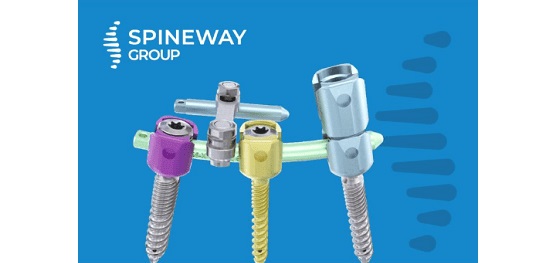
    The VEOS Spinal Fixation System is a complete platform that provides an innovative and versatile solution tailored to the needs of surgeons. The VEOS platform is easy to use, fully modular and optimizes operational excellence in the operating room.

    This new offering enables surgeons to perform open, minimally invasive and percutaneous surgery (MIS) to treat a wide range of spine pathologies, from degenerative spine to complex surgery and deformities.

    “We are very proud of this FDA approval, which allows Spineway Group to take the first step in the rollout of its new portfolio in the US. This approval demonstrates our ability to develop innovative solutions for the treatment of spine pathologies that perfectly meet the needs of surgeons and patients. » says Stéphane Le Roux, CEO of Spineway.

    Next events:
    October 18 to 20, 2023: Participation in the NASS Congress – Los Angeles (USA)
    November 10, 2023: Extraordinary General Meeting

    SPINEWAY ELIGIBLE FOR PEA-SME (Small and Medium Business Equity Savings Plans)
    Find out all about Spineway at www.spineway.com

    This press release has been drawn up in both English and French. In case of contradictions, the French version shall prevail.

    Spineway designs, produces and sells innovative implants and surgical instruments for the treatment of serious spinal conditions.
    Spineway has an international network of more than 50 independent distributors and 90% of its turnover comes from exports.
    Spineway, which is eligible for investment through FCPIs (French unit trusts specialized in innovation), has received the OSEO Excellence Award since 2011 and the Deloitte Fast 50 Award (2011). Rhône Alpes INPI Patent Innovation Award (2013) – INPI Talent Award (2015).
    ISIN: FR001400BVK2 – ALSPW

    Contacts:

    SPINEWAY

    Shareholder services line

    Available from Tuesday to Thursday

    +33 (0)806 706 060

    Eligible

    PEA/PME

    ALSPW

    Euronext growth

    HEAVEN

    Finance & Communications

    Relations with investors

    Solène Kennis

    Spineway@aelium.fr

    SPINEWAY

    Source link

  • Environmental triggers of rheumatoid arthritis

    Environmental triggers of rheumatoid arthritis


    Introduction

    Rheumatoid arthritis (RA) is an autoimmune disease that causes chronic inflammation of the joints, leading to pain, stiffness and swelling. Although the exact cause of RA remains unknown, research suggests that both genetic and environmental factors of rheumatoid arthritis play an important role in its development. No single trigger will cause RA, but rather there is a complex interplay of genetics and environmental triggers that can ‘initiate’ the development of rheumatoid arthritis. Each of these factors is unique to the person and all contribute to the onset and progression of this condition.

    Understanding rheumatoid arthritis

    Before we delve into the environmental factors, it is important to have a basic understanding of rheumatoid arthritis. RA is a chronic inflammatory disease that mainly affects the joints, but can also affect other organs. It is characterized by the immune system mistakenly attacking the body’s own tissues, especially the synovium, which lines the joints.

    Environmental triggers of rheumatoid arthritis

    Although genetics contribute to a person’s susceptibility to RA, environmental factors can trigger the disease in individuals with a genetic predisposition. These triggers can be external factors that interact with the body’s immune system and potentially lead to the development of RA. Several environmental factors have been identified and studied in association with rheumatoid arthritis.

    Genetic predisposition and environmental factors

    Individuals with certain genetic variations are more likely to develop rheumatoid arthritis. However, genetic predisposition alone is not sufficient to cause the disease. Environmental factors play a crucial role in the onset of RA in genetically susceptible individuals. Factors such as infections, smoking, diet, air pollution, stress, hormonal changes, weather conditions and exposure to chemicals are mentioned as possible triggers.

    The role of infections in causing rheumatoid arthritis

    Infections, especially those caused by certain bacteria and viruses, have been linked to the development of rheumatoid arthritis. It is believed that these infections can trigger an abnormal immune response, leading to the production of antibodies that attack the body’s own tissues. This process can eventually cause the onset of RA in susceptible individuals.

    The impact of smoking on rheumatoid arthritis

    Smoking has long been recognized as a major environmental cause of rheumatoid arthritis. Research has shown that smokers have a higher risk of developing RA than non-smokers. The chemicals in tobacco smoke can activate immune cells and promote inflammation, contributing to the development and progression of the disease.

    Diet and rheumatoid arthritis

    Although the relationship between diet and rheumatoid arthritis is complex and not yet fully understood, certain dietary factors have been linked to the risk and severity of RA. For example, diets rich in omega-3 fatty acids, found in oily fish and flaxseed, have shown potential anti-inflammatory effects and may help reduce symptoms of RA. On the other hand, diets high in saturated fats and processed foods can promote inflammation and worsen the condition.

    The influence of air pollution

    Air pollution, especially particulate matter (PM2.5) and diesel exhaust, has been identified as a potential environmental trigger for rheumatoid arthritis. Inhalation of these pollutants can lead to oxidative stress, inflammation and immune system dysfunction. Long-term exposure to air pollution has been linked to an increased risk of developing RA and worsening symptoms in individuals already diagnosed with the condition.

    Stress and rheumatoid arthritis

    Chronic stress has been implicated as a trigger for rheumatoid arthritis. Stress can compromise the immune system and promote inflammation, potentially worsening RA symptoms. Although stress alone does not cause the disease, it can contribute to its onset and influence its progression.

    Hormonal factors

    Hormonal changes, especially in women, have been linked to an increased risk of rheumatoid arthritis. The fluctuation of hormones, such as estrogen, during the reproductive phase and menopause can affect the immune response and contribute to the development or worsening of RA symptoms.

    Weather and rheumatoid arthritis

    Many people with rheumatoid arthritis report that changes in weather conditions, especially cold and damp weather, can worsen their symptoms. Others say humidity increases swelling and pain in their joints. Although the exact mechanisms behind this association are not yet fully understood, it is thought that changes in temperature and barometric pressure may influence joint inflammation and pain perception in some individuals with RA.

    Chemical exposure and rheumatoid arthritis

    Exposure to certain chemicals, such as solvents, pesticides and heavy metals, has been linked to an increased risk of developing rheumatoid arthritis. These chemicals can disrupt the immune system and promote inflammation, potentially triggering the onset of RA or worsening its symptoms.

    Preventive measures and lifestyle changes

    While it may not be possible to completely prevent rheumatoid arthritis, certain preventative measures and lifestyle changes can help reduce the risk and control symptoms. These include maintaining a healthy diet, avoiding smoking and exposure to secondhand smoke, managing stress levels, staying physically active, protecting oneself from infections and minimizing exposure to environmental pollutants and chemicals.

    Conclusion

    In conclusion, rheumatoid arthritis is a complex disease influenced by both genetic and environmental factors. Environmental factors of rheumatoid arthritis, such as infections, smoking, diet, air pollution, stress, hormonal changes, weather conditions, and chemical exposure may contribute to the onset and progression of RA in genetically predisposed individuals. Understanding these triggers and taking preventative measures can play an important role in controlling the disease and improving the quality of life for people with rheumatoid arthritis.

    Frequently Asked Questions

    1. Can rheumatoid arthritis be completely prevented?

    Rheumatoid arthritis cannot be completely prevented, but certain lifestyle changes can help reduce the risk and manage symptoms effectively.

    2. Are all infections associated with rheumatoid arthritis?

    Although certain infections have been linked to the development of rheumatoid arthritis, not all infections have been linked to the disease.

    3. Is there a specific diet for rheumatoid arthritis?

    There is no one-size-fits-all diet for rheumatoid arthritis. However, a balanced and healthy diet that is rich in nutrients and low in processed foods can support overall health and possibly alleviate symptoms.

    4. How does air pollution affect rheumatoid arthritis?

    Air pollution, especially particulate matter and diesel exhaust, can promote inflammation and oxidative stress, potentially worsening symptoms and increasing the risk of developing rheumatoid arthritis.

    5. Can stress alone cause rheumatoid arthritis?

    Stress alone may not cause rheumatoid arthritis, but it can contribute to its onset and influence its progression by affecting the immune system and promoting inflammation.

    Source link

  • Lemony Sardine Salad – Food for Healthy Bones

    Lemony Sardine Salad – Food for Healthy Bones

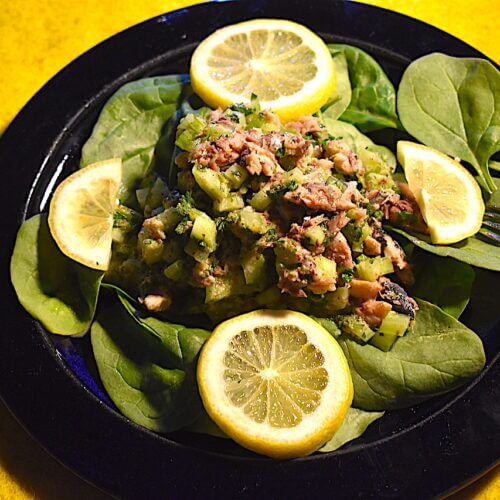
    One of my favorite recipes Sardine salad for your bones with a refreshing lemon flavor.

    Oily fish is a superfood and sardines are the unsung heroes of this group. They are rich in selenium and calcium and are an excellent source of omega-3 fatty acids. They are high in EPA and DHA, essential fatty acids that perform a variety of tasks in your body, including stopping inflammation at the cellular level, breaking down fat cells and maintaining healthy hormonal balance.

    My kitchen partner created a recipe (found below). As a result, my Skelly felt nourished by eating her lemony sardine salad for my bones. If you’re wondering who Skelly is, she’s with me in the featured photos on my website. Maybe you’ve seen us dancing or cooking. She is also a metaphor for the skeleton in all of us and a symbol for the inner strength you feel when you nourish your bones properly.

    Remember that the sardines must have bones for the calcium.

    Ortiz Sardines

    The brand I enjoy is Ortiz, which comes in a glass bottle of olive oil. You can buy them on Amazon.com. I drain the olive oil from the jar before making the recipe. I prefer to use my own organic olive oil.

    I hope you and your bones enjoy our Lemony Sardine Salad.

    Delicious Sardines in Organic Olive Oil from Spain
    Sardine salad with high calcium and omega 3 content

    Lemony Sardine Salad

    Oily fish is a superfood and sardines are the unsung heroes of this group. They are rich in selenium and calcium and are an excellent source of omega-3 fatty acids. They are high in EPA and DHA, essential fatty acids that perform a variety of tasks in your body, including stopping inflammation at the cellular level, breaking down fat cells and maintaining healthy hormonal balance.


    Find more bone-loving recipes on my Comprehension Bone Health Program (CBHP) waiting list here!

    View all recipes here.

    Preparation time 15 minutes

    Cooking time 0 minutes

    Total time 20 minutes

    Class Starter, lunch, salad, snack

    kitchen Mediterranean

    Portions 2

    Calories 235 kcal

    • 1 Tablespoon olive oil extra virgin
    • 1 teaspoon lemon peel
    • 1/4 cup lemon juice
    • 1 teaspoon Dijon mustard
    • 1 Tablespoon capers
    • 1 Tablespoon parsley – dried 2 tbsp if fresh
    • 1 Tablespoon Tarragon – dried 2 tablespoons, if fresh
    • 2 stems celery cut in pieces
    • 4.9 oz sardines
    • 1 dash salty samples
    • 1 dash pepper samples
    • cut the celery into pieces
    • chop the herbs finely if they are fresh
    • Mix oil, lemon zest and juice, mustard, capers, parsley, tarragon and celery in a bowl.
    • Carefully fold in the sardines and season with salt and pepper.
    • Serve on lettuce, greens or with crackers or on a sandwich
    These nutrition facts apply to 1 serving of your recipe.
    Total servings for this recipe: 2
    The nutritional information is calculated automatically and may vary based on the ingredients and products used.

    Calories: 235kcalCarbohydrates: 6GEgg white: 19GFat: 16GSaturated fat: 2GPolyunsaturated fat: 5GMonounsaturated fat: 8GCholesterol: 99mgSodium: 410mgPotassium: 551mgFiber: 2GSugar: 1GVitamin A: 431IUVitamin C: 18mgVitamin D: 3µgVitamin K: 32µgCalcium: 339mgIron: 4mgMagnesium: 52mgPhosphorus: 371mgSelenium: 38µgZinc: 1mg

    Keyword Gluten free, lemon, osteopenia, osteoporosis, sardines


    Want more bone-loving recipes?

    Below is the link to purchase mine downloadable guide:

    Dr. Approved: 7-Day Meal Plan – Simple Cooking for Bone Health

    With 27 bone-loving recipes, shopping lists, nutrition plans, storage tips, weekly tips (why soak), nutrition panel for each recipe, 5 cooking videos for inspiration and much more.

    My Fully Clickable (Table of Contents) download guide helps you navigate recipes and all the information in this guide.

    The best $47 dollars you can spend on your bones.

    Click the button below for more information and to make your purchase.


    From my bones to yours,

    Irma Jennings INHC,

    Your holistic bot coach

    30 Essential Foods for Bone Health

    Source link

  • Regain mobility and comfort with joint replacement surgery

    Regain mobility and comfort with joint replacement surgery


    Joint pain Arthritis and tendon problems Chronic pain and joint instability can significantly affect your quality of life. Joint replacement surgery may be the answer when physical therapy and non-surgical treatment options fail to provide relief. Bone & Joint Specialists Orthopedic Center, with four convenient locations in Indiana, offers comprehensive joint replacement solutions to help you regain an active, pain-free lifestyle.

    What is joint replacement surgery?

    Joint replacement surgery involves replacing damaged or arthritic joint parts with a biocompatible ceramic, plastic, or metal prosthesis. The purpose of the prosthesis is to imitate the natural motion and movement of the joint. Common joint replacements include knees and hips, but the surgery can also be performed on the elbow, shoulder, wrist and ankle.

    Who is an ideal candidate for joint replacement surgery?

    Joint replacement surgery often becomes necessary when nonsurgical treatments, such as activity changes, medications, and physical therapy, have failed to provide adequate relief and mobility. Your orthopedic specialist will discuss your condition, medical history, and relevant health factors to determine if joint replacement surgery is right for you.

    Risks and benefits of joint replacement surgery

    There are risks associated with joint replacement surgery, such as:

    • Infection
    • Bleed
    • Nerve damage
    • Blood clots

    Although there are risks, the benefits usually far outweigh these risks. Most patients experience significant improvements in comfort and mobility, with the new joint achieving nearly 100 percent of its range of motion.

    The joint replacement surgery procedure explained

    Joint replacement surgeries are usually performed on an outpatient basis under general anesthesia. The surgeon will replace the damaged bone and cartilage with the correct prosthesis. Before surgery, your doctor will provide details about the procedure, including the locations of the incision and the expected duration of the surgery.

    Recovery and aftercare for joint replacement surgeries

    Recovery from joint replacement surgery usually takes four to six weeks. Shortly after the operation you will start walking short distances, initially with a walker or walking stick. You will eventually walk without assistance as you progress through your physical therapy program. Physical therapy begins as early as the day after surgery and should be continued between therapy sessions as your therapist recommends. A follow-up visit with your surgeon will take place six weeks after the procedure.

    Schedule a consultation

    If you are experiencing joint pain and conservative treatments do not provide relief, contact Bone & Joint Specialists Orthopedic Center at 219.795.3360. We proudly serve patients in Highland, Hobart, Merrillville and Valparaiso, IN.

    Source link

  • Clinical Outcomes Research Coordinator – Steadman Philippon Research Institute

    CLASSIFICATION: This is a full-time, year-round exempt position with benefits. Rental range: $80,000 – $105,000

    The position requires a US work permit. For this position, we do not hire international students (non-US citizens or permanent residents), sponsor work visas, or hire anyone temporarily authorized to work in their field for a specified period of time (e.g., job/internship) .

    MAIN RESPONSIBILITIES:

    • Collaborate with surgeons and scientists to lead data registry research projects investigating patient-centered outcomes after surgery.
    • Organize and lead a diverse team of employees to successfully execute projects.
    • Oversee clinical outcome data collection methods, implementation, organization, and quality control.
    • Develop research questions and study methods, collect data, and conduct analyzes to address hypotheses.
    • Submit and maintain IRB applications and ensure protocol compliance throughout the project lifecycle.
    • Manuscript preparation, submission and follow-up during the peer review process.
    • Write abstracts, prepare podium and poster presentations for society meetings.
    • Writing funding applications (industry, foundation, federal/state).
    • Conduct other categories of research – systematic reviews/meta-analysis, articles on surgical techniques, collaborations with other SPRI departments and extramural teams including USOPC.
    • Successfully manage multiple deadlines for numerous ongoing projects.
    • Contribute to ongoing research with DOD, NIH, and IOC funded projects, SPRI departments, and extramural teams, including USOPC.

    Job requirements:

    • Master’s degree in a related field required (public health, epidemiology, medical sciences, statistics or data analysis, etc.).
    • Preferred: PhD and/or 2+ years of related research experience with practical applied knowledge of research principles.
    • Skills in data management and statistical analysis.
    • Preferred: Experience with Structured Query Language (SQL) and at least one statistical software package (e.g. R, SPSS, SAS, etc.).
    • Demonstrated proficiency in scientific methods, orthopedic terminology, experimental design, and data collection principles.
    • Ability to handle confidential/sensitive information and exercise good professional judgment.

    Source link

  • September 2023 Schedule — Bone Talk

    September 2023 Schedule — Bone Talk

    shutterstock 2149320159

    Bone Buddies Virtual Support Group: September 2023 schedule

    Join the Bone Buddies Online Virtual Support Group this September! Weekly sessions cover topics ranging from diet, exercise, treatment and more!

    • Saturday, September 16 at 10am CT: Bone Buddies presentation on epigenetics and low bone density

    • Thursday, September 21 at 2:00 PM CT: Healthy Eating Session

    • Saturday, September 23: Practice session at 10am CT; Open Forum/Best Practices at 11am CT

    • Wednesday, September 27 at 5:30 PM CT: Review of September’s Bone Buddies presentation on epigenetics and low bone density

    • Saturday, September 30: Practice session at 10am CT; Review of the Bone Buddies presentation on epigenetics and low bone density at 11am CT

    If you would like to join one of the sessions, please email Elaine Henderson at eshenderson214@gmail.com for the Zoom links. Feel free to share the meeting information with others who may be interested in attending!

    About Bone Buddies

    The Bone Buddies virtual online support group is open to everyone and typically meets on the second Saturday of every month at 10 a.m. Central Time on Zoom. On weeks when there is no support group meeting, the group usually meets on Zoom on all other Saturdays at 10 a.m. Central Time for free practice sessions.

    A discussion about healthy eating also takes place every third Thursday at 2:00 PM Central Time on Zoom. You can submit questions to a registered dietitian. She will then receive an overview of the questions. She will also answer your questions if you attend the meeting.

    Group meetings are a fun, relaxing way to learn new information about bone health and managing osteoporosis. It can also be a great way to meet others dealing with low bone density.

    Send an email to Elaine Henderson at eshenderson214@gmail.com for the Zoom links. Feel free to share the meeting information with others who may be interested in attending!

    Source link

  • Which sports have Which sports have the most ACL tears??

    Which sports have Which sports have the most ACL tears??


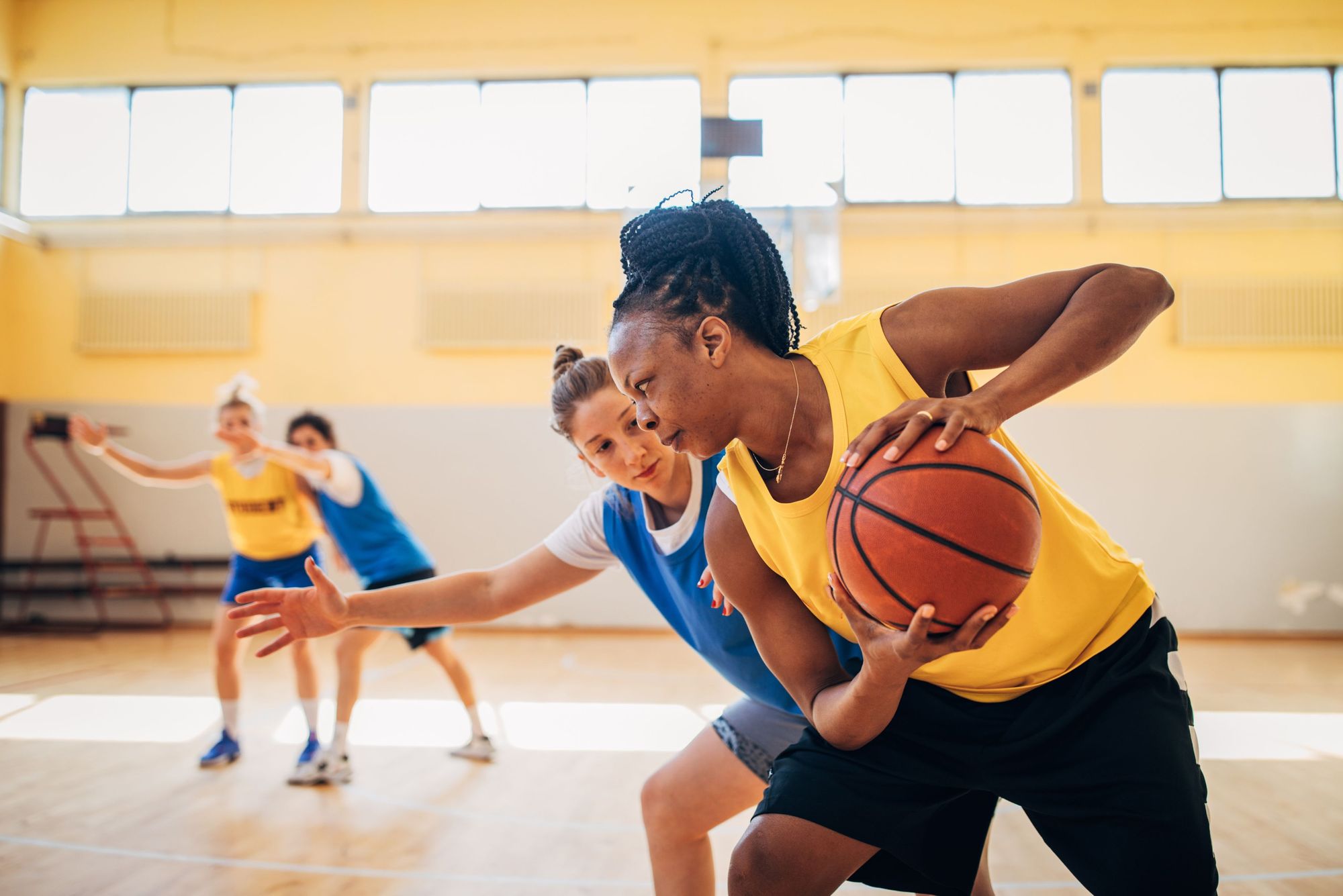
    Image by South_agency from Getty Images Signature from Canva Pro

    The greatest risk of anterior cruciate ligament injuries or ACL injuries is for people who participate in sports that involve a lot of changing direction, twisting and jumping.1 Females are 2-8 times more likely to injure their ACL compared to males. Read this blog to learn more about the issue that makes women more likely to tear their ACL. Most ACL injuries occur between the ages of 15 and 45.1

    In which sports do most ACL injuries occur?

    Studies consistently report basketball and football as sports that cause ACL injuries.1,2 However, it is possible to injure the ACL in other sports that require a lot of twisting, cutting (changing direction quickly), jumping and contact sports.1 Female athletes are generally more at risk for ACL injuries.1

    Using data from the National Collegiate Athletics Association (NCAA) Injury Surveillance System (ISS), 5,000 ACL injuries were recorded between 1988 and 2004. Based on this data, sports are ranked below based on the number of ACL injuries. The left side of this table shows the number of ACL injuries that have occurred as a percentage compared to all other injuries in a sport. On the right side of this table the number of ACL injuries registered per 1000 matches and training (also called exposures).

    ACL injuries as a percentage compared to all injuries3 Injury rate per 1000 exposures3
    1. Women’s Basketball (tie) 1. Men’s Spring Football (tie)
    1. Women’s gymnastics (tie) 1. Women’s gymnastics (tie)
    2. Women’s Lacrosse 2. Women’s football
    3. Women’s football 3. Women’s basketball
    4. Men’s Spring Football 4. Men’s football
    5. Men’s football 5. Men’s football
    6. Women’s Softball 6. Men’s wrestling
    7. Women’s volleyball 7. Men’s wrestling
    8. Women’s hockey 8. Men’s football
    9. Men’s wrestling 9. Women’s volleyball
    10. Men’s Basketball 10. Women’s Softball
    11. Men’s football 11. Women’s hockey
    12. Men’s Ice Hockey 12. Men’s Basketball
    13. Women’s Ice Hockey 13. Men’s Ice Hockey
    14. Men’s Baseball 14. Women’s Ice Hockey

    If you have suffered an ACL tear from playing any of the above sports, there is an app, Curovate, to help you with your daily recovery. Curovate offers recovery exercises for ACL injuries and ACL surgery to help you return to the sport you love. Curovate provides your daily physiotherapy exercises, tracks your daily training progress, has in-app chat with a physiotherapist to answer your questions and allows you to measure your knee range of motion with the app. Download Curovate via the links below.

    If you need more tailored help during your ACL injury or ACL surgery, check out our Virtual Physiotherapy page to book your 1-on-1 video session with a physiotherapist.

    acl knee physical therapy 1080x1080 2
    Download it on Google Play

    Other blogs related to ACL injuries:

    References

    Source link

  • You Don’t Look Sick – Living With Rheumatoid Arthritis: DAY 2 IN YOSEMITE

    You Don’t Look Sick – Living With Rheumatoid Arthritis: DAY 2 IN YOSEMITE

    Got ready early this morning to go to Yosemite Valley. I got in my car and drove for miles along route 140 which brought me to the entrance to Yosemite National Park. I was supposed to meet my guide Paola at 9am for a half day of walking. We started our day by visiting a beautiful riverbed and sitting down and meditating. It was wonderfully close to the water and looked out on granite mountains with trees. After our meditation we went for a walk (isn’t it just walking?) and I saw a waterfall, Half Dome, Sentinel, and walked through a meadow. The only animals I saw were a family of ducks swimming in the water. I tested the water and it was very cold. The meadow we walked through had grass as high as my hips with goldenrod and milkweed. It was a very beautiful day. Paula was very patient and took me to many places to get the best photo.

    AVvXsEgnU8t60DwkqSr2 hUklO pvdaVDW5Y2GGVf9icR8wT8LJRyqQQXgLiz2l9yb3YQhRoqabUKvC4ewyLmi1oxxcLaoOFf7zFJl uPQ7gt7a5p0pg Pq5Kbuz6ZNvGuGiGsXUaQXyNxnGnqKUwKKpItNjMu9H CSBQRX6gRKr145DQBr8NReEHQPJYsSbZ2E

    AVvXsEhiPnIX rpjrZvtOeFiTji DKa978EGbFH2G9156kUEMFctiheV6hn 6C0xhMDNzKcDJHaLm6ISG 8SFkiRuQZfU1 ki89VIlV8jP1RGPKLFXrhCnB0hhn6yREMx4zJ fX9jlDFgPWrNP85ektSHomT d5dqbFQ f6fIyc5NJrRvs9eJMfPF WGFetHwgs

    AVvXsEj3Zvq CJU6R Z sX WKh0yzN JQnHqm0T5kropuigGyamgjbdVQsYfseTDy HpqvnJivQeUB5wsmA8RSaDemVKjItNgRQYryqRQiV86Z MBRXzxn17ytFc8C12Q25MUNoox wbedjH ilt

    AVvXsEhfaqcccGx ReWnPLLWwB18IGfe3e6m4FVXnNV3xvy wunFZl4vGo7IxB4FOBwT h68 EqIL2Dgt aCwJoOeranWpgWWSfozXGS SCCdeeEyM4o61KkF39 0h1heDQYJh uEqgaIy7p38Z1u

    AVvXsEhbFhAK76JuFBVHJqqXATDp3uv08 eX4F1tIWGPSF NS dadS7oc35gpS9vpjKAEMLkFWUrEpN8ir SUlQD5jgMQiVza1uLwmB4tekA2IZMD9B7C EaO MWKBx5Ss9VX7G1K94 rJ2lf8BLYIVTLtNJRGQRGYyeBwL8PYMx

    After driving back to the hotel, I had an appointment for a bath. It was great for the first 15 minutes. Then I started getting a stabbing feeling in my lower back and my leg. I got out of the bath and the spots were red. Thinking I was being bitten by something, I came home and took a shower. Then I applied some antiseptic to the areas. Turns out it may have been a reaction to the eucalyptus in the tub. Three hours later and it’s gone.

    I met my meditation group online and did a healing meditation. Then I went to the restaurant for dinner. I’m so full.

    That was day 2. I contacted Lucky and she is starting to enjoy watching football on TV. Never too late to start a new hobby!

    See you tomorrow…

    Source link

  • Are you at risk of vulnerability?  New study offers hope for older adults

    Are you at risk of vulnerability? New study offers hope for older adults

    A meta-analysis published in 2021 provides compelling evidence that physical activity interventions positively impact the health and well-being of frail and pre-frail older adults.

    Frailty is a somewhat loosely defined condition, which complicates research into effective interventions. In general, it describes a state of increased fragility that can accompany aging.

    Today we delve into these complexities to better understand how we can prevent frailty and the associated negative health consequences of aging.

    Defining vulnerability and pre-vulnerability

    Frailty is a clinically diagnosable condition in which an older adult is at increased risk for poor health outcomes, including falls, hospitalization, and mortality. Although frailty is clinically recognized, there is no universally accepted measure for its diagnosis.

    In 2001, a group of researchers from the Center on Aging and Health at the John Hopkins Medical Institution proposed that to be considered frail, a patient must meet three of five diagnostic criteria: low grip strength, low energy, slowed walking speed, low physical condition. activity and/or unintentional weight loss.1

    Pre-frailty refers to a condition in which a person is at risk of developing frailty. An older adult who meets only one or two of the diagnostic criteria listed above may be considered pre-frail.

    A peer-reviewed scientific article published in the Cork Open Research Archive in 2021 provided a consensus statement from 23 experts on pre-frailty. These experts agreed that pre-frailty can be caused by physical, cognitive, nutritional, social and socio-economic factors.2

    They agreed that pre-frailty is both preventable and reversible, and emphasized the need for health professionals to monitor patients and recommend timely interventions.

    Short content

    Frailty is a condition in which older adults are at increased risk for poor health outcomes, including falls, hospitalizations, and mortality. Diagnostic criteria include low energy, slowed walking speed, low physical activity, and/or unintentional weight loss. Pre-frailty is a state in which one is at risk of developing frailty. Experts agree that pre-frailty is both preventable and reversible with timely interventions.

    How to prevent or reverse vulnerability

    A meta-analysis published in 2021 analyzed 26 studies involving 8,022 pre-frail and frail older adults. Each of the studies measured the impact of a physical activity intervention on participants’ health outcomes.3

    The reviewers included studies that measured different types of physical activities, including muscle strengthening, aerobics, mobilization and rehabilitation, and combinations of aerobic and strengthening exercises.

    The researchers noted that only a few studies used frailty as an outcome, and that the inconsistent application of these methods made the study results inconclusive. Despite that uncertainty, the study authors observed positive effects on participants’ health outcomes after physical activity interventions.

    The researchers included the following in the conclusion of their article:

    “Our study demonstrated a significant benefit of several types of physical activity interventions on selected outcomes, including mobility, ADLs, cognitive functioning, quality of life and frailty, compared to control groups in frail adults aged 65 years or older. Effect sizes ranged from small to large, with low to moderate certainty of evidence. When we looked at all physical activity interventions together, there was a large effect on frailty, a medium effect on quality of life, ADLs and mobility, and a small effect on cognitive functioning.”3

    The main conclusion is that interventions involving physical activity can positively influence several health outcomes, including frailty.

    Short content

    A meta-analysis of 26 studies found that physical activity had a positive impact on a variety of health outcomes among older frail and pre-frail research participants.

    Frailty, pre-fragility and bone health

    Frailty has a direct relationship with bone health. Outcomes of frailty, such as increased risk of falls, decreased physical function, and sarcopenia, threaten bone health. Sarcopenia is the loss of muscle mass. It harms the body’s ability to build new bone because bone adds mass in response to the tension exerted by the muscles.

    Pre-frailty may carry the same risks. Fortunately, prevention and reversal are possible, according to the 2021 consensus statement on pre-frailty. These experts stated:

    “Pre-frailty can be reversed or mitigated through targeted interventions, including physical activity, nutritional interventions, healthy lifestyle and social participation, tailored to the individual.”2

    These intervention strategies will sound familiar to Savers, as they form the pillars of the Osteoporosis Reversal Program. The overlap strengthens confidence in the Save Institute and illustrates the links between frailty, pre-frailty and bone health.

    It’s also great news for those already using the ORP to pursue healthier bones; The same interventions that the ORP uses to build strong bones will help prevent or reverse the components of frailty and pre-frailty.

    Short content

    The consequences of frailty threaten bone health, including the risk of falls, reduced physical function and muscle loss (sarcopenia). Pre-frailty is a predictor of the same risks, but experts agree it can be reversed and prevented through interventions such as physical activity, diet and lifestyle changes. These are the main strategies used by the Osteoporosis Reversal Program.

    What this means for you

    Regular physical activity is essential, both for preventing frailty and building strong and healthy bones.

    The Save Institute responded to the need for accessible, adaptable, and easy to maintain exercise programs by creating SaveTrainer. SaveTrainer is a digital platform for creating your ideal set of physical activities, guided by professional trainers and tailored to your exact needs and abilities.

    Whether you’re interested in yoga flows, strength training, guided meditations, aerobic workouts or a combination of these: SaveTrainer offers all this and more. Because it’s all online, it’s available to you anywhere, anytime, without restrictions.

    You have the power to adopt healthy activity habits that will keep your body, mind, and bones strong and long-lasting. Embrace your power and live your life to the fullest.

    References

    1 https://pubmed.ncbi.nlm.nih.gov/11253156/

    2 https://cora.ucc.ie/server/api/core/bitstreams/6dd8443a-1f49-4744-9727-04169dfd768b/content

    3 https://www.ncbi.nlm.nih.gov/pmc/articles/PMC8315283/
     

    Source link

  • Researchers suggest a new approach to testing treatments for osteoarthritis

    Researchers suggest a new approach to testing treatments for osteoarthritis


    Osteoarthritis (OA) is the most common form of arthritis and is one of the top 10 conditions that contribute to the number of years lived with a disability – a measure that reflects the impact a disease has on quality of life before it disappears or leads to death. To date, no treatments have been approved that slow the progression of the disease. The development of treatments has been frustrating in part because animal models of disease caused by joint trauma poorly reflect the human disease, which usually occurs over many years and without prior trauma.

    Researchers from Boston University Chobanian & Avedisian School of Medicine now propose to study individuals after they suffer knee trauma, such as anterior cruciate ligament (ACL) tears.

    “Given the repeated, expensive, and discouraging past failures in developing effective treatments for osteoarthritis, a new approach is needed that focuses research for effective treatments on people with early disease,” said corresponding author David T. Felson , MD, MPH, professor of medicine and epidemiology at the School of Medicine and Boston University School of Public Health.

    While most patients recover after sustaining a serious joint injury, such as an ACL tear, some experience persistent pain and develop osteoarthritis. Felson suggests that sufficient numbers of such patients exist and can be identified in advance to form a risk group in which treatments to prevent disease can be tested.

    Current treatment options that reduce joint pain, such as nonsteroidal anti-inflammatory drugs (NSAIDs), are successful in some patients, but their use is limited by their toxicity. Exercise or weight loss are effective, but long-term compliance is poor. The number of total knee replacement surgeries is rising rapidly, indicating that nonsurgical treatments have not successfully alleviated patients’ pain and disability.

    Researchers from BU and Cleveland Clinic reviewed data from the MOON (Multicenter Orthopedic Outcomes Network) cohort, a group of 2,340 individuals who underwent ACL reconstruction (ACLR) after traumatic tears. The MOON researchers reported that 26% of ACL reconstruction patients who responded had at least moderate knee pain with daily activities, especially climbing stairs and walking. They also found that 16.6% had a KOOS (Knee Injury and Osteoarthritis Outcome Score) pain score of less than 80 (scale 0-100 with 100 being no pain), indicating that mild to moderate pain is not rare after ACLR.

    By using the MOON risk factors – which include pain and structural changes in all joint tissues, especially cartilage loss – to select individuals at high risk for subsequent pain, they were able to create a cohort at high risk for substantial post-ACLR pain . “This approach offers the potential to prevent disease and is especially valuable in targeting young adults who, following a knee injury, may have significant joint pain and disability for years before they are considered for joint replacement,” he adds.

    These findings appear online in the Annals of the rheumatic diseases.

    Funding for this study was provided by the Arthritis Foundation and by the National Institutes of Health (NIH P30 AR072571).

    Source link