
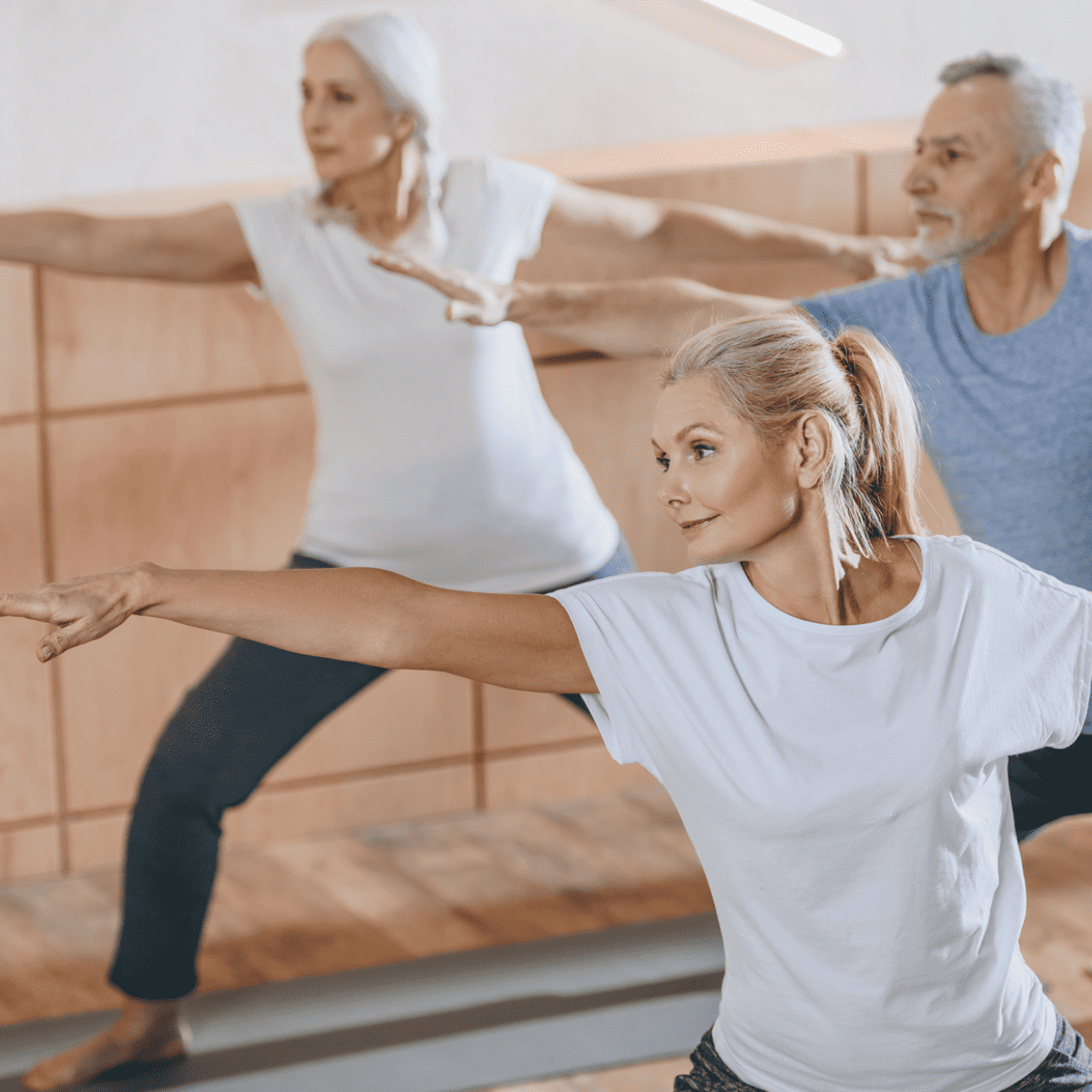
Are you at risk of vulnerability? New study offers hope for older adults
A meta-analysis published in 2021 provides compelling evidence that physical activity interventions positively impact the health and well-being of frail and pre-frail older adults.
Frailty is a somewhat loosely defined condition, which complicates research into effective interventions. In general, it describes a state of increased fragility that can accompany aging.
Today we delve into these complexities to better understand how we can prevent frailty and the associated negative health consequences of aging.
Defining vulnerability and pre-vulnerability
Frailty is a clinically diagnosable condition in which an older adult is at increased risk for poor health outcomes, including falls, hospitalization, and mortality. Although frailty is clinically recognized, there is no universally accepted measure for its diagnosis.
In 2001, a group of researchers from the Center on Aging and Health at the John Hopkins Medical Institution proposed that to be considered frail, a patient must meet three of five diagnostic criteria: low grip strength, low energy, slowed walking speed, low physical condition. activity and/or unintentional weight loss.1
Pre-frailty refers to a condition in which a person is at risk of developing frailty. An older adult who meets only one or two of the diagnostic criteria listed above may be considered pre-frail.
A peer-reviewed scientific article published in the Cork Open Research Archive in 2021 provided a consensus statement from 23 experts on pre-frailty. These experts agreed that pre-frailty can be caused by physical, cognitive, nutritional, social and socio-economic factors.2
They agreed that pre-frailty is both preventable and reversible, and emphasized the need for health professionals to monitor patients and recommend timely interventions.
Short content
Frailty is a condition in which older adults are at increased risk for poor health outcomes, including falls, hospitalizations, and mortality. Diagnostic criteria include low energy, slowed walking speed, low physical activity, and/or unintentional weight loss. Pre-frailty is a state in which one is at risk of developing frailty. Experts agree that pre-frailty is both preventable and reversible with timely interventions.
How to prevent or reverse vulnerability
A meta-analysis published in 2021 analyzed 26 studies involving 8,022 pre-frail and frail older adults. Each of the studies measured the impact of a physical activity intervention on participants’ health outcomes.3
The reviewers included studies that measured different types of physical activities, including muscle strengthening, aerobics, mobilization and rehabilitation, and combinations of aerobic and strengthening exercises.
The researchers noted that only a few studies used frailty as an outcome, and that the inconsistent application of these methods made the study results inconclusive. Despite that uncertainty, the study authors observed positive effects on participants’ health outcomes after physical activity interventions.
The researchers included the following in the conclusion of their article:
“Our study demonstrated a significant benefit of several types of physical activity interventions on selected outcomes, including mobility, ADLs, cognitive functioning, quality of life and frailty, compared to control groups in frail adults aged 65 years or older. Effect sizes ranged from small to large, with low to moderate certainty of evidence. When we looked at all physical activity interventions together, there was a large effect on frailty, a medium effect on quality of life, ADLs and mobility, and a small effect on cognitive functioning.”3
The main conclusion is that interventions involving physical activity can positively influence several health outcomes, including frailty.
Short content
A meta-analysis of 26 studies found that physical activity had a positive impact on a variety of health outcomes among older frail and pre-frail research participants.
Frailty, pre-fragility and bone health
Frailty has a direct relationship with bone health. Outcomes of frailty, such as increased risk of falls, decreased physical function, and sarcopenia, threaten bone health. Sarcopenia is the loss of muscle mass. It harms the body’s ability to build new bone because bone adds mass in response to the tension exerted by the muscles.
Pre-frailty may carry the same risks. Fortunately, prevention and reversal are possible, according to the 2021 consensus statement on pre-frailty. These experts stated:
“Pre-frailty can be reversed or mitigated through targeted interventions, including physical activity, nutritional interventions, healthy lifestyle and social participation, tailored to the individual.”2
These intervention strategies will sound familiar to Savers, as they form the pillars of the Osteoporosis Reversal Program. The overlap strengthens confidence in the Save Institute and illustrates the links between frailty, pre-frailty and bone health.
It’s also great news for those already using the ORP to pursue healthier bones; The same interventions that the ORP uses to build strong bones will help prevent or reverse the components of frailty and pre-frailty.
Short content
The consequences of frailty threaten bone health, including the risk of falls, reduced physical function and muscle loss (sarcopenia). Pre-frailty is a predictor of the same risks, but experts agree it can be reversed and prevented through interventions such as physical activity, diet and lifestyle changes. These are the main strategies used by the Osteoporosis Reversal Program.
What this means for you
Regular physical activity is essential, both for preventing frailty and building strong and healthy bones.
The Save Institute responded to the need for accessible, adaptable, and easy to maintain exercise programs by creating SaveTrainer. SaveTrainer is a digital platform for creating your ideal set of physical activities, guided by professional trainers and tailored to your exact needs and abilities.
Whether you’re interested in yoga flows, strength training, guided meditations, aerobic workouts or a combination of these: SaveTrainer offers all this and more. Because it’s all online, it’s available to you anywhere, anytime, without restrictions.
You have the power to adopt healthy activity habits that will keep your body, mind, and bones strong and long-lasting. Embrace your power and live your life to the fullest.
References
1 https://pubmed.ncbi.nlm.nih.gov/11253156/
2 https://cora.ucc.ie/server/api/core/bitstreams/6dd8443a-1f49-4744-9727-04169dfd768b/content
3 https://www.ncbi.nlm.nih.gov/pmc/articles/PMC8315283/




2 Comments