Category: Knee Arthritis

  • Environmental triggers of rheumatoid arthritis

    Environmental triggers of rheumatoid arthritis


    Introduction

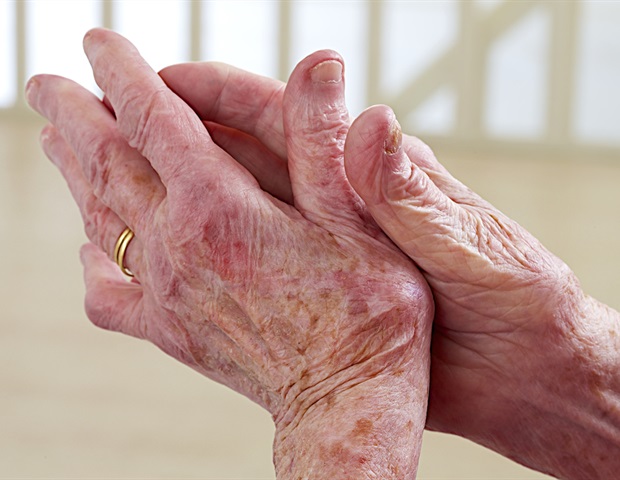
    Rheumatoid arthritis (RA) is an autoimmune disease that causes chronic inflammation of the joints, leading to pain, stiffness and swelling. Although the exact cause of RA remains unknown, research suggests that both genetic and environmental factors of rheumatoid arthritis play an important role in its development. No single trigger will cause RA, but rather there is a complex interplay of genetics and environmental triggers that can ‘initiate’ the development of rheumatoid arthritis. Each of these factors is unique to the person and all contribute to the onset and progression of this condition.

    Understanding rheumatoid arthritis

    Before we delve into the environmental factors, it is important to have a basic understanding of rheumatoid arthritis. RA is a chronic inflammatory disease that mainly affects the joints, but can also affect other organs. It is characterized by the immune system mistakenly attacking the body’s own tissues, especially the synovium, which lines the joints.

    Environmental triggers of rheumatoid arthritis

    Although genetics contribute to a person’s susceptibility to RA, environmental factors can trigger the disease in individuals with a genetic predisposition. These triggers can be external factors that interact with the body’s immune system and potentially lead to the development of RA. Several environmental factors have been identified and studied in association with rheumatoid arthritis.

    Genetic predisposition and environmental factors

    Individuals with certain genetic variations are more likely to develop rheumatoid arthritis. However, genetic predisposition alone is not sufficient to cause the disease. Environmental factors play a crucial role in the onset of RA in genetically susceptible individuals. Factors such as infections, smoking, diet, air pollution, stress, hormonal changes, weather conditions and exposure to chemicals are mentioned as possible triggers.

    The role of infections in causing rheumatoid arthritis

    Infections, especially those caused by certain bacteria and viruses, have been linked to the development of rheumatoid arthritis. It is believed that these infections can trigger an abnormal immune response, leading to the production of antibodies that attack the body’s own tissues. This process can eventually cause the onset of RA in susceptible individuals.

    The impact of smoking on rheumatoid arthritis

    Smoking has long been recognized as a major environmental cause of rheumatoid arthritis. Research has shown that smokers have a higher risk of developing RA than non-smokers. The chemicals in tobacco smoke can activate immune cells and promote inflammation, contributing to the development and progression of the disease.

    Diet and rheumatoid arthritis

    Although the relationship between diet and rheumatoid arthritis is complex and not yet fully understood, certain dietary factors have been linked to the risk and severity of RA. For example, diets rich in omega-3 fatty acids, found in oily fish and flaxseed, have shown potential anti-inflammatory effects and may help reduce symptoms of RA. On the other hand, diets high in saturated fats and processed foods can promote inflammation and worsen the condition.

    The influence of air pollution

    Air pollution, especially particulate matter (PM2.5) and diesel exhaust, has been identified as a potential environmental trigger for rheumatoid arthritis. Inhalation of these pollutants can lead to oxidative stress, inflammation and immune system dysfunction. Long-term exposure to air pollution has been linked to an increased risk of developing RA and worsening symptoms in individuals already diagnosed with the condition.

    Stress and rheumatoid arthritis

    Chronic stress has been implicated as a trigger for rheumatoid arthritis. Stress can compromise the immune system and promote inflammation, potentially worsening RA symptoms. Although stress alone does not cause the disease, it can contribute to its onset and influence its progression.

    Hormonal factors

    Hormonal changes, especially in women, have been linked to an increased risk of rheumatoid arthritis. The fluctuation of hormones, such as estrogen, during the reproductive phase and menopause can affect the immune response and contribute to the development or worsening of RA symptoms.

    Weather and rheumatoid arthritis

    Many people with rheumatoid arthritis report that changes in weather conditions, especially cold and damp weather, can worsen their symptoms. Others say humidity increases swelling and pain in their joints. Although the exact mechanisms behind this association are not yet fully understood, it is thought that changes in temperature and barometric pressure may influence joint inflammation and pain perception in some individuals with RA.

    Chemical exposure and rheumatoid arthritis

    Exposure to certain chemicals, such as solvents, pesticides and heavy metals, has been linked to an increased risk of developing rheumatoid arthritis. These chemicals can disrupt the immune system and promote inflammation, potentially triggering the onset of RA or worsening its symptoms.

    Preventive measures and lifestyle changes

    While it may not be possible to completely prevent rheumatoid arthritis, certain preventative measures and lifestyle changes can help reduce the risk and control symptoms. These include maintaining a healthy diet, avoiding smoking and exposure to secondhand smoke, managing stress levels, staying physically active, protecting oneself from infections and minimizing exposure to environmental pollutants and chemicals.

    Conclusion

    In conclusion, rheumatoid arthritis is a complex disease influenced by both genetic and environmental factors. Environmental factors of rheumatoid arthritis, such as infections, smoking, diet, air pollution, stress, hormonal changes, weather conditions, and chemical exposure may contribute to the onset and progression of RA in genetically predisposed individuals. Understanding these triggers and taking preventative measures can play an important role in controlling the disease and improving the quality of life for people with rheumatoid arthritis.

    Frequently Asked Questions

    1. Can rheumatoid arthritis be completely prevented?

    Rheumatoid arthritis cannot be completely prevented, but certain lifestyle changes can help reduce the risk and manage symptoms effectively.

    2. Are all infections associated with rheumatoid arthritis?

    Although certain infections have been linked to the development of rheumatoid arthritis, not all infections have been linked to the disease.

    3. Is there a specific diet for rheumatoid arthritis?

    There is no one-size-fits-all diet for rheumatoid arthritis. However, a balanced and healthy diet that is rich in nutrients and low in processed foods can support overall health and possibly alleviate symptoms.

    4. How does air pollution affect rheumatoid arthritis?

    Air pollution, especially particulate matter and diesel exhaust, can promote inflammation and oxidative stress, potentially worsening symptoms and increasing the risk of developing rheumatoid arthritis.

    5. Can stress alone cause rheumatoid arthritis?

    Stress alone may not cause rheumatoid arthritis, but it can contribute to its onset and influence its progression by affecting the immune system and promoting inflammation.

    Source link

  • How many marbles do you have?

    How many marbles do you have?

    IMG 6229

    Perhaps one of the most challenging aspects of motherhood with a chronic illness is helping your children understand what’s going on with your body and encouraging acceptance about how your illness affects them. How can you help them develop empathy for what you are experiencing, especially if your illness is invisible? Where is the line between being honest and worrying them? What’s the best way to address their concerns in child-friendly language? This is a topic that will probably need to be an ongoing conversation in your family – and sometimes reading a book together can help!

    Click below to read a review of “How Many Marbles Do You Have? Helping Children Understand the Limitations of People with Chronic Fatigue Syndrome and Fibromyalgia” by Melinda Malott.

    Children’s book review: How many marbles do you have?

    Moms facing forward

    Source link

  • You Don’t Look Sick – Living With Rheumatoid Arthritis: DAY 2 IN YOSEMITE

    Got ready early this morning to go to Yosemite Valley. I got in my car and drove for miles along route 140 which brought me to the entrance to Yosemite National Park. I was supposed to meet my guide Paola at 9am for a half day of walking. We started our day by visiting a beautiful riverbed and sitting down and meditating. It was wonderfully close to the water and looked out on granite mountains with trees. After our meditation we went for a walk (isn’t it just walking?) and I saw a waterfall, Half Dome, Sentinel, and walked through a meadow. The only animals I saw were a family of ducks swimming in the water. I tested the water and it was very cold. The meadow we walked through had grass as high as my hips with goldenrod and milkweed. It was a very beautiful day. Paula was very patient and took me to many places to get the best photo.

    AVvXsEgnU8t60DwkqSr2 hUklO pvdaVDW5Y2GGVf9icR8wT8LJRyqQQXgLiz2l9yb3YQhRoqabUKvC4ewyLmi1oxxcLaoOFf7zFJl uPQ7gt7a5p0pg Pq5Kbuz6ZNvGuGiGsXUaQXyNxnGnqKUwKKpItNjMu9H CSBQRX6gRKr145DQBr8NReEHQPJYsSbZ2E

    AVvXsEhiPnIX rpjrZvtOeFiTji DKa978EGbFH2G9156kUEMFctiheV6hn 6C0xhMDNzKcDJHaLm6ISG 8SFkiRuQZfU1 ki89VIlV8jP1RGPKLFXrhCnB0hhn6yREMx4zJ fX9jlDFgPWrNP85ektSHomT d5dqbFQ f6fIyc5NJrRvs9eJMfPF WGFetHwgs

    AVvXsEj3Zvq CJU6R Z sX WKh0yzN JQnHqm0T5kropuigGyamgjbdVQsYfseTDy HpqvnJivQeUB5wsmA8RSaDemVKjItNgRQYryqRQiV86Z MBRXzxn17ytFc8C12Q25MUNoox wbedjH ilt

    AVvXsEhfaqcccGx ReWnPLLWwB18IGfe3e6m4FVXnNV3xvy wunFZl4vGo7IxB4FOBwT h68 EqIL2Dgt aCwJoOeranWpgWWSfozXGS SCCdeeEyM4o61KkF39 0h1heDQYJh uEqgaIy7p38Z1u

    AVvXsEhbFhAK76JuFBVHJqqXATDp3uv08 eX4F1tIWGPSF NS dadS7oc35gpS9vpjKAEMLkFWUrEpN8ir SUlQD5jgMQiVza1uLwmB4tekA2IZMD9B7C EaO MWKBx5Ss9VX7G1K94 rJ2lf8BLYIVTLtNJRGQRGYyeBwL8PYMx

    After driving back to the hotel, I had an appointment for a bath. It was great for the first 15 minutes. Then I started getting a stabbing feeling in my lower back and my leg. I got out of the bath and the spots were red. Thinking I was being bitten by something, I came home and took a shower. Then I applied some antiseptic to the areas. Turns out it may have been a reaction to the eucalyptus in the tub. Three hours later and it’s gone.

    I met my meditation group online and did a healing meditation. Then I went to the restaurant for dinner. I’m so full.

    That was day 2. I contacted Lucky and she is starting to enjoy watching football on TV. Never too late to start a new hobby!

    See you tomorrow…

    Source link

  • Researchers call for urgent improvements in pain management in patients with inflammatory arthritis

    Researchers call for urgent improvements in pain management in patients with inflammatory arthritis

    Arthritis

    Researchers from Keele University’s School of Medicine have found that painkilling drugs – commonly known as ‘analgesics’ – are being widely prescribed across England to people with inflammatory arthritis, despite little research evidence that they improve pain in these patients, and studies which show that they can cause serious side effects. -Effects.

    The study, funded by the National Institute for Health and Care Research (NIHR) and published in the journal RheumatologyResearch found that all types of painkillers were widely prescribed: About two-thirds of patients with inflammatory arthritis received a prescription painkiller in 2020, and one in four patients received long-term prescription opioids. Many of these long-term prescriptions for opioids started around the time people were diagnosed with inflammatory arthritis.

    Worryingly, many types of painkillers were more likely to be prescribed to people with inflammatory arthritis who were older (and therefore most at risk of side effects from medicines), were women, lived in deprived areas and in the north of England. This suggests there is unfairness about pain, or the way pain is managed in people with inflammatory arthritis in the NHS.

    Inflammatory arthritis groups together conditions that cause joint pain and swelling. Its three main types – rheumatoid arthritis, psoriatic arthritis and axial spondyloarthritis – affect more than 1% of adults in England. Pain is a major challenge for patients with inflammatory arthritis, with most patients suffering daily pain and viewing pain as the area of ​​their health they most want to see improved.

    The crucial first step in improving NHS pain care for these patients is understanding how it is managed. To address this, the research team looked at data from a large GP database – the Clinical Practice Research Datalink Aurum – which currently contains information from more than 1,400 GP practices across England.

    They looked at data from 2004 to 2020 to understand how different types of painkillers are prescribed to patients with inflammatory arthritis, and how this varies between people based on their age, gender, ethnicity and where they live.

    Lead author Dr Ian Scott said the findings show there is an urgent need to improve the way pain is treated in patients with inflammatory arthritis in the English NHS. He described the fact that one in four patients were prescribed long-term opioids, and in 2020, one in ten patients were prescribed gabapentinoids, despite these medications having many potential side effects and no clinical trials showing they help when taken on be used this way. , as “very worrying”.

    There are better ways to treat pain in patients with inflammatory arthritis that have been shown to help in clinical trials. These include reducing joint inflammation using specialized disease-modifying medications and exercise. We need to shift the focus of pain care from the long-term use of ineffective painkillers to the use of treatments that have been shown to help.”


    Dr. Ian Scott, lead author

    Source:

    Magazine reference:

    Scott, I.C., et al. (2023) Painkiller prescribing in patients with inflammatory arthritis in England: observational studies in the Clinical Practice Research Datalink. Rheumatology. doi.org/10.1093/rheumatology/kead463.

    Source link

  • Inflammation in rheumatoid arthritis: unraveling the mechanisms

    Inflammation in rheumatoid arthritis: unraveling the mechanisms

    Rheumatoid arthritis (RA) is a chronic autoimmune disease that affects millions of people worldwide. It is characterized by joint inflammation, pain and stiffness, which can significantly affect a person’s quality of life. Understanding the mechanisms behind inflammation in rheumatoid arthritis is crucial for developing effective treatments and improving patient outcomes.

    Introduction

    Rheumatoid arthritis is a chronic inflammatory disease that mainly affects the joints. It is an autoimmune disease in which the body’s immune system mistakenly attacks its own tissues, leading to inflammation and damage. This chronic inflammation can lead to joint deformity, loss of function and disability if left untreated. Therefore, gaining insight into the mechanisms that drive inflammation in rheumatoid arthritis is crucial.

    What is inflammation?

    Inflammation is a natural process that occurs when the body’s immune system responds to injury or infection. It involves the release of various chemical signals and the activation of immune cells to protect the body and promote healing. While acute inflammation is a temporary response to a specific trigger, chronic inflammation, as seen in rheumatoid arthritis, persists for an extended period of time. It is this inflammation that causes the symptoms seen in RA.

    Inflammation in rheumatoid arthritis

    Rheumatoid arthritis is characterized by persistent inflammation in the synovial joints, mainly affecting the hands, feet and wrists. The synovium, a thin membrane that lines the joints, becomes inflamed, leading to pain, swelling and stiffness. If left untreated, this inflammation can gradually damage the joints, cartilage and surrounding tissues.

    Inflammatory mechanisms in rheumatoid arthritis

    The inflammatory process in rheumatoid arthritis involves a complex interplay of immune cells, cytokines and genetic factors. Initially, immune cells such as macrophages and dendritic cells are activated, causing an immune response. These cells produce pro-inflammatory cytokines, including tumor necrosis factor-alpha (TNF-alpha), interleukin-1 (IL-1), and interleukin-6 (IL-6), which play an important role in promoting inflammation and joint destruction . .

    The role of the immune system

    In rheumatoid arthritis, the immune system plays a crucial role in causing inflammation. T cells and B cells, two types of lymphocytes, are mainly involved in the inflammatory process. T cells recognize specific antigens and release cytokines that further activate immune cells and enhance the inflammatory response. B cells produce autoantibodies that target the body’s own tissues, contributing to tissue damage and inflammation.
    Inflammatory mediators

    Several inflammatory mediators contribute to the persistent inflammation that occurs in rheumatoid arthritis. Prostaglandins, leukotrienes and cytokines are among the key players in the inflammatory cascade. Prostaglandins and leukotrienes are lipid mediators that promote vasodilation, increase vascular permeability, and recruit immune cells to the site of inflammation. Cytokines, such as TNF-alpha, IL-1 and IL-6, enhance the immune response and support the inflammatory process.

    Inflammation and joint damage

    The chronic inflammation in rheumatoid arthritis can lead to irreversible joint damage. The continued presence of inflammatory mediators and immune cells promotes the destruction of cartilage and bone. Over time, this can result in joint deformities, loss of mobility and functional limitations. Early intervention to control inflammation is crucial in preventing or minimizing joint damage.

    Inflammation and systemic effects

    Inflammation in rheumatoid arthritis not only affects the joints, but can also have systemic consequences. Chronic inflammation increases the risk of developing cardiovascular diseases, such as heart attack and stroke. Additionally, it can lead to osteoporosis, a condition characterized by weakened bones, making people more susceptible to fractures. Controlling inflammation in rheumatoid arthritis is therefore essential for overall health and well-being.

    Current treatment methods

    Treatment for rheumatoid arthritis aims to reduce inflammation, relieve symptoms and prevent joint damage. Conventional medications, including nonsteroidal anti-inflammatory drugs (NSAIDs), disease-modifying antirheumatic drugs (DMARDs), and corticosteroids, are often prescribed to control inflammation and manage pain. Biological therapies, such as TNF inhibitors and interleukin blockers, target specific inflammatory pathways and have revolutionized the treatment of rheumatoid arthritis.

    Possible future directions

    Research into inflammation in rheumatoid arthritis is constantly evolving, leading to the development of new treatment methods. Emerging therapies, including Janus kinase (JAK) inhibitors and small molecule inhibitors, show promise in targeting specific molecules involved in the inflammatory process. Personalized medicine, based on an individual’s genetic profile, is also an area of ​​active research, aimed at optimizing treatment outcomes and minimizing side effects.

    Lifestyle and diet adjustments

    In addition to medical interventions, lifestyle changes can play an important role in controlling inflammation in rheumatoid arthritis. Regular physical activity, tailored to individual capabilities, helps reduce joint stiffness and maintain joint flexibility. Following an anti-inflammatory diet rich in fruits, vegetables, whole grains and omega-3 fatty acids can provide essential nutrients and possibly ease symptoms.

    Conclusion

    Inflammation is a major cause of rheumatoid arthritis and contributes to joint damage and systemic effects. Understanding the complicated mechanisms involved in inflammation can help develop targeted therapies and improve the lives of people with rheumatoid arthritis. By controlling inflammation, maintaining joint function, and taking a comprehensive approach that includes lifestyle changes, people with rheumatoid arthritis can live fulfilling lives with a reduced burden of disease.

    Source link

  • 4 women get real about living with rheumatoid arthritis

    4 women get real about living with rheumatoid arthritis

    pexels pixabay 53364

    Your immune system is supposed to protect your body, but when you have rheumatoid arthritis (RA), it accidentally attacks healthy joints, tissues, and organs, including the eyes and lungs. As a result, the chronic autoimmune disease causes pain, swelling, stiffness and loss of function in the joints. It can also cause other symptoms, including fatigue, loss of appetite and dry eyes.

    RA affects 1.5 million Americans and there is no cure. But it can be managed with medications and lifestyle changes.

    Women’s health

    Women’s Health magazine featured four women – including Mariah Leach, founder of Mamas Facing Forward – discussing the diagnosis of rheumatoid arthritis, how they cope and what they’ve learned from living with RA.

    4 women get real about living with rheumatoid arthritis

    Women’s health

    Source link

  • You Don’t Look Sick – Living With Rheumatoid Arthritis: DAY 3 IN YOSEMITE

    This morning started early after a long day yesterday. The burning sensation disappeared. I’m pretty sure it was something in the bath oil that caused me to have a bad reaction.

    I drove to Yosemite (it’s an hour away) via the one-way bridge that cars cross in both directions. I got into the Yosemite gate pretty quickly. I drove another 20 minutes to the meeting spot. I was early so I stopped to take some photos at some take-out points.

    AVvXsEj8fQFzX37CqWuTC2jscUzBzo I312LPh1ehpBTflwEXhv8EQw8ghDh4l0lGd6L7hi3LibIaKRMDGybeyNloXfPggwjTVRYa49EGOLV3wOTtOgcntGmT3g9JYih2wwNq 9hShgJZG73Y7fd 4skaxWXZjW0IDtE9 eMZD3KQLCpQXW4aN1Wg8r8AKWzh14

    I met up with Katherine and we got in her car to go to the next spot. It was Tuolumne Grove to see the gigantic majestic redwood trees. We walk through the forest.

    AVvXsEi4yLA 7L1du3 K46ylU7j5SvD yAZuB PcPY3leZ5wvYjyLCgMgzLTKxxNApCOCmLLxKoC4WfJ0Cvx8vOVGkyKLLWDMajXIcZ1neG33sTLuycIYTPOI3BMA e1A9CVfREjQ g6lEIjV sCsq80Zy6xQMhcuRym GMRySi5shIGkV TjujrLfFx7 7T3k

    Then we got in the car and drove to Olmsted Point where we walked a bit, took pictures and meditated for a while. There’s a fire in the park, so today the air was smoky.

    AVvXsEgli5LrIkMuER1svV8Afg5S2DwmfmPD8EDb2k hevvJd7rvJ5mdvAu4YofgKd5eTPeYyzqNld6n7 Bh9PYPRZloBfRKmqiDMv1Xn0fHbOreTQxZ0kpxE4F5VHAB7wroXm94phIgnHiv0vraqZr6P0OPHJebfIwSve5b8m6Q4RfayBh0ncreR2E cdc JzM

    Then we went to Taneya Lake where we ate a packed lunch she brought. It was nice to sit in her camp chairs and have lunch by a beautiful lake. One interesting fact: the boulders and trees all had rings around them. It was a trail left by the lake this year after the historic snowfall. The water rose so high!

    AVvXsEizIOYmk5AWD5gXMKAzsQPtpSg4BZMq5b2iEWbwKLCC8YLqvEwgCVc6M4sOd0qkbBj 39ssfPqRitZs295 zH3ZdJVvZrhj fPU VGu0yXPR0Tv2BVWPUEtBmejSsT6AzcZ

    AVvXsEheUXX pzP96brRcZT5f li9hN3vFO3FenrbrrCQhqcyJOXfaNsgdGo6A6RiJ3m75jHxg fRJbBpnGVmKV pHhLA031onSIpFQBj2AEoOeGqsJJJW1mz3dcjbS QN1GhP3M1E YrYhJCahM tIrJP tcgYl8Nl

    Then we went to Tuolumne Meadow to Soda Springs. It’s a nice walk to see water that is actually naturally carbonated. Scientists can’t figure out why. I also used an outhouse for the first time in a long time.

    AVvXsEgLrqKSsDFTG0SRqWl65m3NylngC9bpIYz3YDzG6dhKVQJDsvXvuGZ EQIdFK4m1vjhnjdDziLLD72P2YbDPfGAil2aPaVrfMjm4a3SWC3Ey4W cbKiXHDcjYRcEubfRqut00DbaFcq8WrXwgpOXLZLweW3iJ5fFmS2l7vEqBvJQjHvLj7cCRWMyRGQuaI

    AVvXsEjGh2TrFwFIhCeOjW3UE7wWj r 04fD5SAPcaf71xAF kIEO3bt1TZxdLwddPHBW

    We then headed back to Olmsted Point because the smoke cleared and I was able to get a better photo.

    AVvXsEhMPTTAwnqOxw37KDMnNfwdUynBY6N05oGBhITFyJPKn5E nAEmo5 o5zr8 iNsJZCXEG2eE 2MiSEO4oLxixb3dgeeJl8J23GedmGH9OZU98kXesVsojpFIbnb0vV5mH0WAb5JPBIux3EsllMMe7 kDaSNY4ft0z0LT yq8Q1ZDEHJksH2jHXBo4M8q2s

    That was the end of my tour/walk for the day. I drove back to the room to shower and get ready for dinner. Tonight I decided to get take out and eat on my porch.

    AVvXsEjjJNyKfZ7BaJuiiVniaRil5J9oayHFJ7W5rLRj3OuoFThoH5g2u3H QA66v8V47s49rsdV8K1RIYaIm9ozldos176TSRRQnojaiObZxEiipaPlbl3UaERkjbEN tYyD1Lyp0zS59VdR8opLX7VVvayIodsIPwEBwr2KRoG088gMTz34zWOXF22a3fZU w

    Now I have to go to bed, because tomorrow is coming soon. It was going to rain, so this walk will be interesting!

    By the way, if you’re interested in the dog, she was caught watching football with her boyfriend.

    AVvXsEgoL2D1V0m6Nm X7m0BkPpkfM5v2V96SidcOAtZEFsuJBpd p3ReujvzosbB87uzyWuA9kFGfb2Un 19osec3fDLg4 b4REONLUbo11JcCLswGrVCud5RiOwI3VyILSED

    Of course she comes from Chihuahua Mexico….

    See you tomorrow…

    Source link

  • Real-world treatment patterns of rheumatoid arthritis in Brazil: analysis of DATASUS national administrative claims data for pharmacoepidemiological studies (2010-2020)

    Study design and database

    This was a descriptive, retrospective claims database study using the DATASUS database. The study identified patients with RA who sought care within SUS between January 1, 2010 and December 31, 2020.

    The administrative claims data in DATASUS is presented as procedure codes from billing data and includes demographic information, all procedures (inpatient and outpatient), costs, and additional information23. Hospital admission (SIH [Sistema de Informações Hospitalares])24 and outpatient (SIA [Sistema de Informações Ambulatoriais])11 data exists separately and is linked at the patient level through multiple steps with different combinations of individual level information (date of birth, gender, city and zip code) for a probabilistic linkage approach. This Brazilian Healthcare Record Linkage (BRHC-RLK) methodology has been used in previous studies to enable a more comprehensive recording of each patient’s health record and thus allow a more complete evaluation of their journey through the SUS system.25. The method is based on multiple steps with different combinations of patient information from both databases, making it possible to identify or link patient data in both systems, while maintaining the anonymized nature of the database.

    Patient-level data within DATASUS is anonymized and encrypted before being made available to researchers. DATASUS is publicly available and does not require further approval from ethics committees, according to Brazilian Ethics Resolution No. 510/2016.

    Study population

    The study population included patients with at least one claim of RA (according to the International Classification of Disease, 10th edition). [ICD-10] codes: M05.0, M05.3, M05.8, M06.0, M06.8, or M08.0) and ≥ 2 claims for disease-modifying antirheumatic drugs (DMARDs) ≥ 1 month apart in the 2010 survey– 2020 period. This study examined a treated population where the index date was the first DMARD claim and followed until the end of the study period (December 31, 2020) or the last available information. Detailed DMARD definitions can be found in Supplementary Table S1.

    To capture initial treatment and address the potential for misclassification common in claims data, patients with a DMARD claim without an RA ICD-10 code 12 months prior to the index date were excluded. The index date was defined as the date of the first RA ICD-10 and DMARD prescription in the public health system during the study period. Patients with RA with less than six months of follow-up were excluded, in an effort to reduce the number of individuals with a false diagnosis or lack of follow-up in the database.

    Because SUS is a healthcare system with universal coverage, patients with additional private health insurance can also receive medications (such as expensive drugs) covered by SUS at no out-of-pocket cost. This is often observed in other therapeutic areas26. For this reason, we stratified the results across the following cohorts: Cohort 1 is the entire study population, Cohort 2 is SUS-exclusive (i.e., dependent on SUS for all healthcare-related encounters, procedures, and treatments), and Cohort 3 represents SUS + private patients ( i.e. depending only on SUS for prescription drug coverage)26.

    Measurements of DMARD treatment

    DMARD treatments measured using procedure codes (see Supplementary Table S1) were grouped into the following categories: csDMARD for conventional synthetics and/or immunosuppressants (ciclosporin, cyclophosphamide, chloroquine, hydroxychloroquine, leflunomide, methotrexate, azathioprine and sulfasalazine), bDMARD for biological drugs (adalimumab, abatacept, etanercept, infliximab, rituximab, tocilizumab, golimumab, certolizumab) and tsDMARD for a synthetic, oral target therapy [Janus kinase (JAK) inhibitor, tofacitinib].

    Treatment patterns were evaluated by specific drug (independently of monotherapy or in combination) as provided for RA treatment and the order of available treatments in SUS, by line of therapy (LOT), time point of each drug, previous and subsequent DMARD treatments in SUS. The first treatment was the first therapy from the admission according to RA ICD-10 code. LOT was defined as at least three claims (dispensation) of the same drug (b/tsDMARD) in a row. A new series of at least three claims (dispensation) of the same drug in the correct order was considered a new line of treatment. Thus, the switch to a treatment was identified as at least three claims for drugs other than the previous one, which are not included in the definition of drugs used in combination. Gaps were allowed regardless of time and did not constitute a new LOT. First-line (LOT1) refers to initial treatment, first b/tsDMARD claim of RA during the study period. Second-line (LOT2) refers to the second b/tsDMARD used for RA treatment, when the first b/tsDMARD was stopped. Third line (LOT3) refers to the third b/tsDMARD, when the previous b/tsDMARD was terminated. csDMARDs used before b/tsDMARD were also assessed. Switching treatment was defined as at least three claims for drugs different from the previous one (new LOT), and not part of drugs used in combination.

    static analysis

    Derived variables included age and distance to the clinic. Age was defined as the age at the first claim of an ICD-10 code for RA in the database. Distance was calculated as the Euclidean distance (km) between two zip codes: the patient’s place of residence and the health care facility or tomography or antiangiogenic treatment facility, as applicable. Treatment switch, discontinuation and end of follow-up were the main outcomes of censoring events of interest, also relevant in defining LOT and creating Sankey diagrams.

    Continuous variables (e.g., age) are summarized by central tendency (means, medians) and dispersion (variance, range); and for categorical variables (e.g. gender) based on absolute number and percentage. Stratifications and/or sensitivity analyzes were performed to evaluate differences in gender, age groups, patient region of residence, drug use, treatment line, and others.

    Stratified analyzes for mainstream and new users were prespecified, and for SUS-exclusive and SUS+ private cohorts. Frequent users were patients with RA who were currently receiving bDMARD treatment, and new users were patients with RA who were starting a new bDMARD treatment (i.e., their first prescription). To describe the use and sequential patterns of RA bDMARD treatments, patients were stratified by treatment type, LOT-specific drug, and SUS-exclusive status.

    In multivariable logistic regression analyses, age, SUS-exclusive status, distance to clinic (160+ km), and pre-index cs/imsDMARD and other independent predictors were included to evaluate initiated therapy (LOT1) with b/tsDMARD (JAKi). Multivariable analyzes were performed using Cox regression models evaluating predictors by time to switch to tsDMARD (JAKi) compared to bDMARD (LOT2+), applying the same independent predictors from multivariable logistic regression analyzes (age, SUS-exclusive status , distance to clinic, pre-index cs/imsDMARD, other), plus the number of previously used bDMARDs. Sankey diagrams were used for visualizations of treatment patterns. Sankey diagrams quantitatively illustrate the sequence of treatment (and/or duration of treatment) and allow stratification by subpopulations of interest with censoring based on different treatment, discontinuation, or end of follow-up. Kaplan Meier survival analyzes and plots were generated for time to switch from LOT1 to LOT2, among those treated with b/tsDMARD, analyzed by drug type and by SUS-exclusive status.

    The visual representation of the time-to-event of the switch from LOT1 to LOT2 in patients receiving b/tsDMARD therapies was presented in Kaplan-Meier curves. The last available patient information or end of study period was considered censored for patients who did not switch from LOT1 to LOT2.

    All analyzes were performed using Python version 3.6.9 and statistical significance was set at p < 0.05.

    Source link

  • New treatment option for hand osteoarthritis identified

    New treatment option for hand osteoarthritis identified

    Osteoarthritis

    Relief could be on the way for people with painful hand osteoarthritis after a Monash University and Alfred Health-led study found that an affordable existing drug could help. Until now, no effective treatment existed.

    Published in The Lancetthe article examined methotrexate, a cheap, effective treatment for inflammatory joint diseases such as rheumatoid arthritis and psoriatic arthritis. It has been widely used in Australia and worldwide since the early 1980s.

    Researchers found that methotrexate reduced symptoms in people with hand osteoarthritis (OA). A weekly oral dose of 20 mg for six months had a moderate effect on reducing pain and stiffness in patients with symptomatic hand osteoarthritis.

    Hand osteoarthritis is a debilitating condition that causes pain and affects function, interfering with daily activities such as dressing and eating. It can significantly reduce the quality of life. About one in two women and one in four men will experience symptoms of hand osteoarthritis by the time they turn 85.

    About half have inflamed joints, which cause pain and are associated with significant joint damage. Despite the high prevalence and burden of disease, no effective medications exist.

    Senior author Professor Flavia Cicuttini, head of Monash University’s Musculoskeletal Unit and head of rheumatology at The Alfred, said the study identified the role of inflammation in hand osteoarthritis and the potential benefit of targeting patients experiencing painful hand osteoarthritis.

    “In our study, as in most osteoarthritis studies, pain improved in both the placebo and methotrexate groups in the first month or so,” Professor Cicuttini said.

    “However, pain levels remained the same in the placebo group but continued to decrease in the methotrexate group at three and six months, while still decreasing. The pain improvement in the methotrexate group was twice as much as in the placebo group.

    “Based on these results, the use of methotrexate may be considered in the treatment of hand osteoarthritis with an inflammatory pattern. This provides physicians with a treatment option for this group, which tends to sustain more joint damage.”

    Professor Cicuttini said that in patients with hand osteoarthritis and inflammation, the effects of methotrexate were visible after about three months and it was very clear after six months whether it was working.

    At that point, patients and their doctors can decide whether to continue or stop. This is very similar to what we are currently doing with other forms of inflammatory arthritis.”

    Professor Flavia Cicuttini, Monash University

    The NHMRC-funded randomized, double-blind, placebo-controlled trial of 97 people assessed whether methotrexate 20 mg weekly reduced pain and improved function compared to placebo in patients with symptomatic hand osteoarthritis and synovitis (inflammation) for six months.

    Participants with hand osteoarthritis and MRI-detected inflammation were recruited from Melbourne, Hobart, Adelaide and Perth.

    Professor Cicuttini said the results could provide relief for people with hand osteoarthritis, which was particularly common in women during the menopause.

    “Further studies are needed to determine whether the effect of methotrexate lasts longer than six months, how long we should treat patients and whether methotrexate reduces joint damage in patients with hand osteoarthritis and associated inflammation,” she said.

    Professor Cicuttini now plans to conduct a follow-up study to answer these questions, specifically whether women who develop hand osteoarthritis around menopause and often have severe pain and joint damage can benefit.

    Source:

    Magazine reference:

    Wang, Y., et al. (2023) Methotrexate for the treatment of hand osteoarthritis with synovitis (METHODS): an Australian, multisite, parallel group, double-blind, randomized, placebo-controlled trial. The Lancet. doi.org/10.1016/S0140-6736(23)01572-6.

    Source link

  • “If you’re trying to get pregnant, you should actually have sex”

    “If you’re trying to get pregnant, you should actually have sex”

    Screen Shot 2021 03 14 at 2.19.43 PM

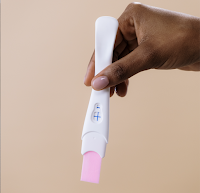
    When I first started thinking about getting pregnant after being diagnosed with rheumatoid arthritis, I was eager to hear from other women who had succeeded in this goal. At the time there wasn’t much social media, but I did find a great book called Arthritis, Pregnancy and the Path to Parenthood. It contained quotes and advice from real women, and I found it invaluable.

    But I also discovered a problem: the book started by talking about the possibility of changing some of your medications before getting pregnant, and then skipped straight to being pregnant. But wait! If I stop taking my meds, won’t I flare up? And if I’m in pain, how can I ever get pregnant? Is there a chapter missing from this book about trying to get pregnant while living with arthritis?

    That’s the question I asked Iris Zink, a rheumatology nurse who recently wrote a book with Jenny Thorn Palter about intimacy and chronic illness. (The book is called “Sex – Interrupted” and you can read my review of it here!) Their book recommends many alternatives to intercourse – which I think is generally good advice for maintaining intimacy in a relationship while dealing with a chronic illness! But what if you want to start a family? If you’re trying to get pregnant, you actually have to have sex!

    Iris and I decided to have a discussion about a topic we haven’t seen anyone else talk about: the challenges many women face when actually trying to conceive while living with a chronic illness. I share my personal experiences, and Iris shares her expert advice this video!

    Source link