Category: Knee Arthritis

  • Synovial Plica Syndrome Symptoms

    Synovial Plica Syndrome Symptoms

    Are you experiencing persistent knee pain that doesn’t seem to subside? The knee is a complex structure made up of various soft tissues, and issues like Synovial Plica Syndrome can be a source of discomfort.

    This condition occurs when the plica, a fold in the membrane surrounding the knee joint, becomes irritated and inflamed. Understanding the symptoms is crucial for proper diagnosis and treatment, as they can be similar to those of other knee problems.

    Key Takeaways

    • Synovial Plica Syndrome affects the knee, causing pain and discomfort.
    • The condition is characterized by irritation and inflammation of the plica.
    • Symptoms can be similar to other knee issues, making diagnosis challenging.
    • Understanding the symptoms is key to proper diagnosis and treatment.
    • Accurate diagnosis is crucial for effective treatment.

    Understanding Synovial Plica Syndrome

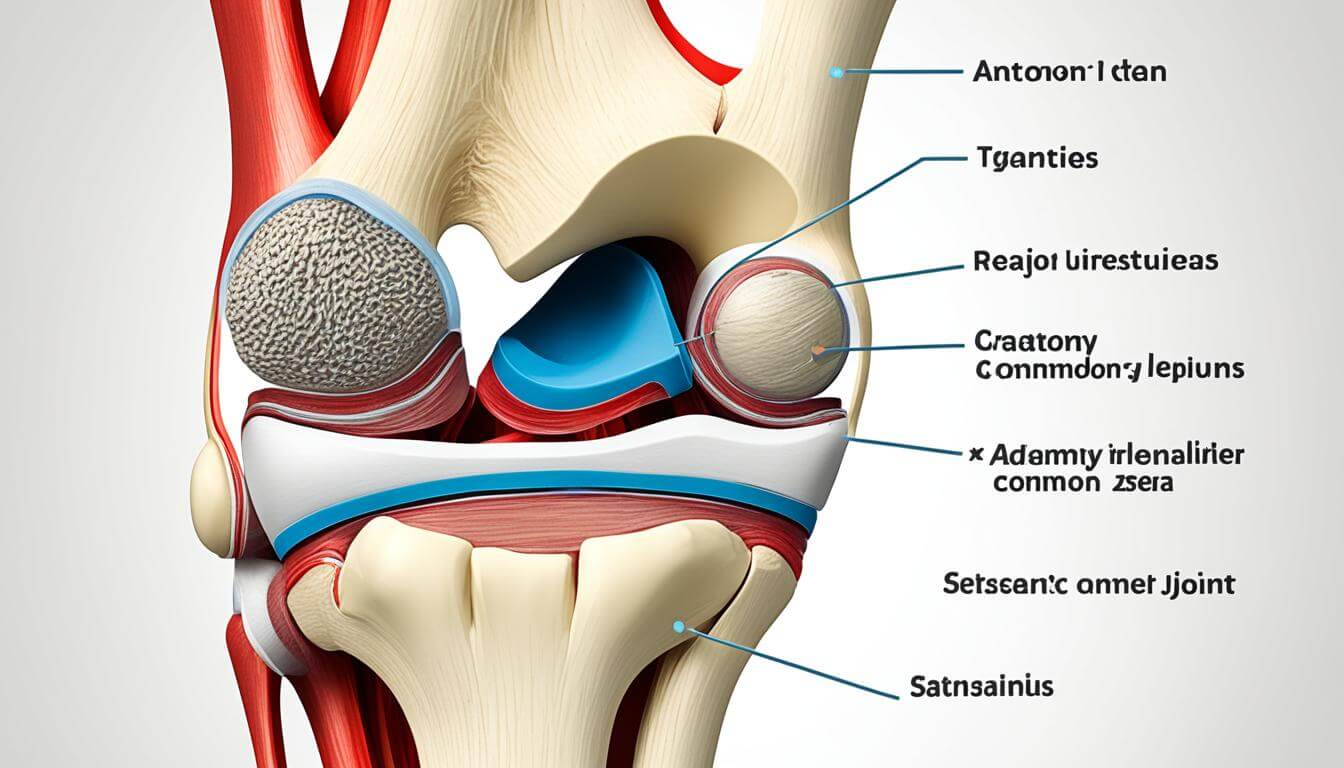
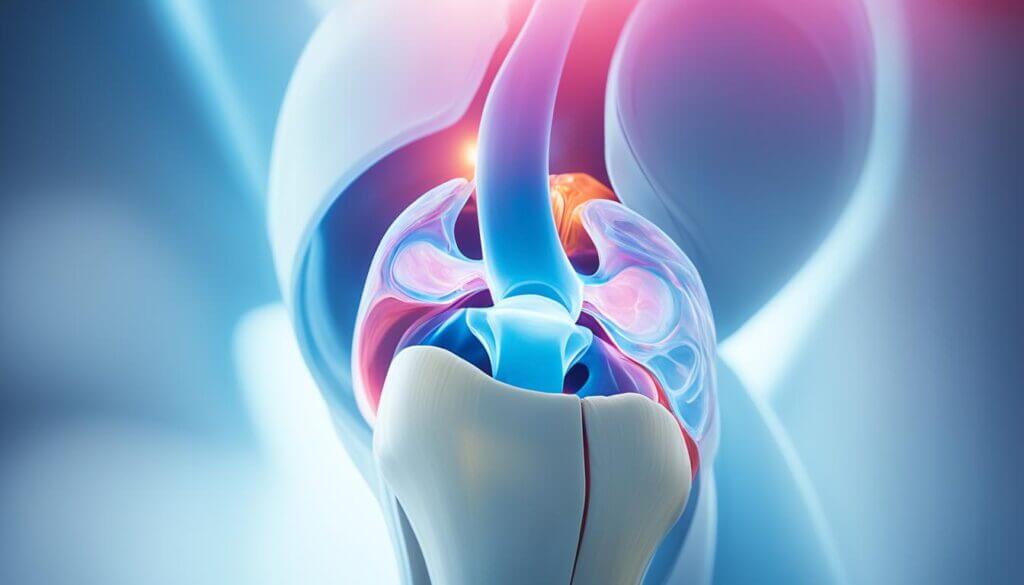
    Understanding the intricacies of Synovial Plica Syndrome is crucial for diagnosing and treating knee discomfort. Synovial Plica Syndrome involves the irritation of the plica, which are folds in the synovial tissue surrounding the knee joint.

    What is Synovial Plica Syndrome?

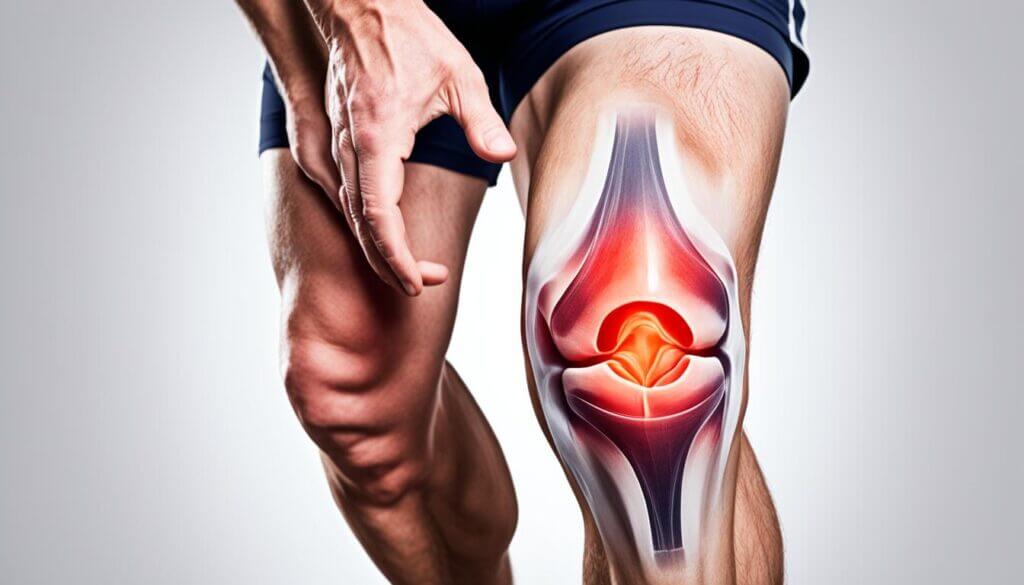
    Synovial Plica Syndrome occurs when the plica becomes inflamed, typically due to overuse or direct trauma to the knee. This inflammation can lead to plica irritation, causing pain and discomfort, particularly in the center of the kneecap, known as medial patellar plica syndrome.

    Research indicates that a significant percentage of patients undergoing arthroscopic surgery have remnants of their synovial plicae, highlighting the prevalence of this condition.

    Causes of Synovial Plica Syndrome

    The primary causes of Synovial Plica Syndrome include repetitive knee movements and direct trauma to the knee. Athletes and individuals engaged in activities that involve frequent knee bending are more susceptible to this condition.

    • Overuse or repetitive strain on the knee
    • Direct trauma or injury to the knee
    • Poor knee alignment or tracking

    Who is Affected?

    Synovial Plica Syndrome commonly affects athletes and individuals who participate in sports or activities that involve repetitive knee movements. This includes runners, cyclists, and those involved in jumping sports.

    Understanding who is at risk can help in prevention and early diagnosis, potentially reducing the severity of symptoms and improving treatment outcomes.

    Common Symptoms

    Knee problems are a hallmark of Synovial Plica Syndrome, with several symptoms being commonly reported. The condition can manifest in different ways, but there are key indicators that healthcare professionals look for when diagnosing Synovial Plica Syndrome.

    Pain Location

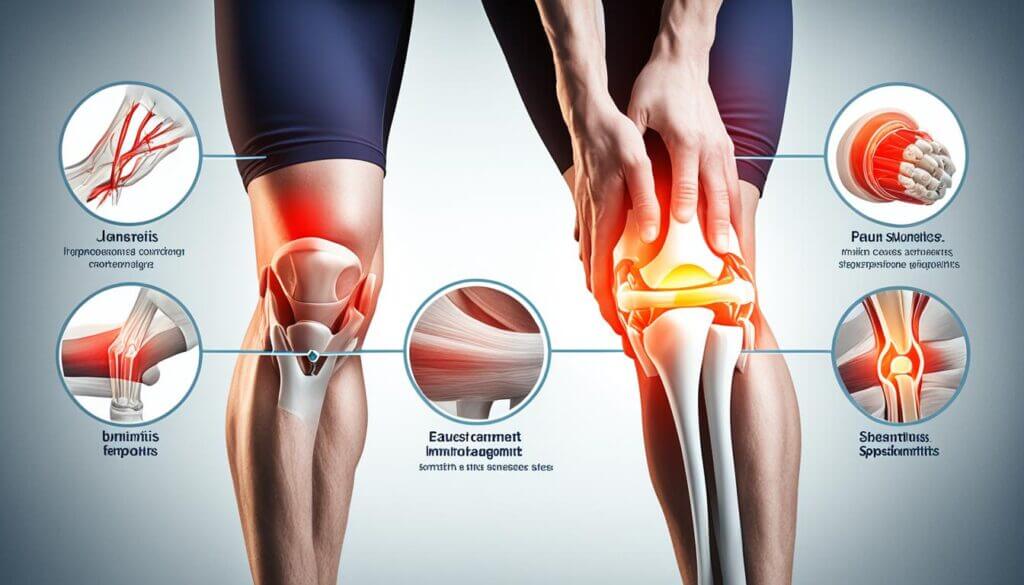
    Pain associated with Synovial Plica Syndrome is typically located around the kneecap. This pain is often described as achy rather than sharp or shooting. Activities that stress the knee, such as squatting, bending, or using stairs, can exacerbate the pain.

    Swelling Around the Knee

    Swelling is another common symptom of Synovial Plica Syndrome. The swelling occurs due to inflammation of the plica, which can be irritated by repetitive knee motions or direct trauma to the knee. This swelling can lead to discomfort and may affect the appearance of the knee.

    Stiffness and Reduced Mobility

    Stiffness and reduced mobility are also characteristic symptoms. The inflammation and irritation of the synovial plica can lead to a decrease in the knee’s range of motion, making it difficult to perform daily activities or engage in physical exercises without discomfort.
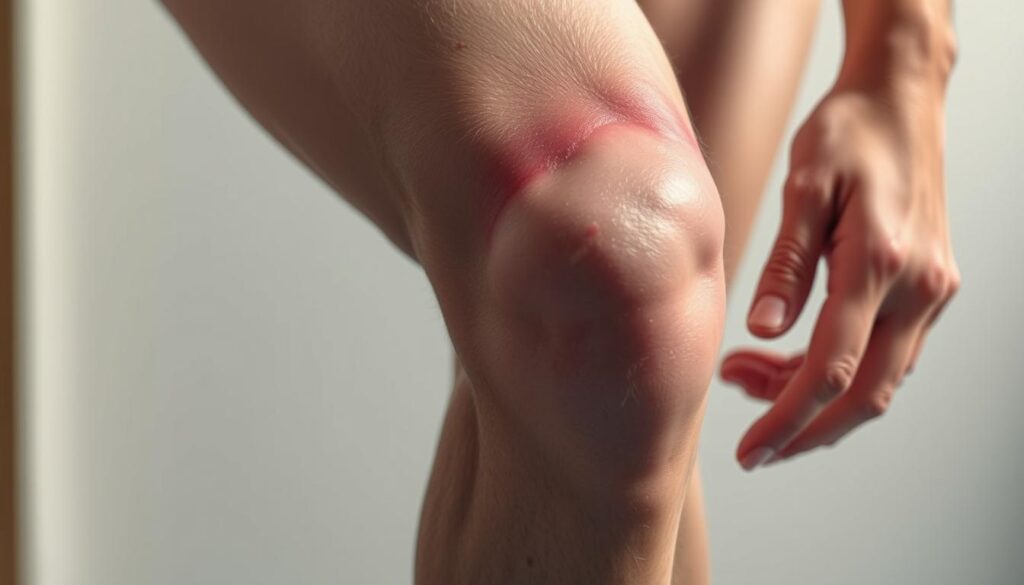
    Knee Swelling and Stiffness

    The symptoms of Synovial Plica Syndrome can vary in severity and impact daily life to different extents. Understanding these symptoms is crucial for seeking appropriate medical care.

    Symptom Description Common Triggers
    Pain Around Kneecap Achy pain rather than sharp Squatting, bending, using stairs
    Swelling Inflammation causing knee swelling Repetitive knee motions, direct trauma
    Stiffness and Reduced Mobility Decreased range of motion Inflammation and irritation of the plica

    How Symptoms Manifest

    The manifestation of Synovial Plica Syndrome symptoms can vary significantly among individuals. Symptoms can be influenced by the level of physical activity, the specific irritation of the plica, and individual tolerance to pain.

    Symptoms During Physical Activity

    During physical activity, symptoms of Synovial Plica Syndrome can worsen. Activities that involve bending, jumping, or repetitive knee movements can irritate the plica, leading to pain and discomfort. Some individuals may experience a catching or locking sensation in the knee, particularly when getting up from a seated position after sitting for an extended period.

    Common symptoms during physical activity include:

    • Pain or tenderness around the knee
    • Joint clicking or cracking noises when bending or straightening the knee
    • Swelling or inflammation around the affected area
    • Stiffness or reduced mobility in the knee

    Symptoms at Rest

    Even at rest, some individuals with Synovial Plica Syndrome may experience symptoms. The condition can cause discomfort or pain when sitting for long periods or when the knee is in a bent position for an extended time.

    Night-time Pain

    Night-time pain is another symptom that some individuals with Synovial Plica Syndrome may experience. The pain can be severe enough to disrupt sleep, particularly if the individual sleeps with their knee bent. Understanding the pattern of night-time pain can help in diagnosing and managing the condition.

    Key factors that contribute to night-time pain include:

    1. The severity of the plica irritation
    2. The individual’s overall knee health
    3. Sleeping position and habits

    Diagnosis of Synovial Plica Syndrome

    Diagnosing Synovial Plica Syndrome requires a comprehensive approach that involves evaluating the patient’s medical history, conducting a thorough physical examination, and sometimes utilizing imaging tests. This multi-faceted diagnostic strategy is crucial for accurately identifying the condition and ruling out other potential causes of knee problems.

    Medical History Evaluation

    The first step in diagnosing Synovial Plica Syndrome is a thorough medical history evaluation. This involves assessing the patient’s symptoms, including the onset and duration of Synovial plica syndrome symptoms, to understand the condition’s progression. Healthcare professionals will also inquire about any previous knee injuries or conditions that could be contributing to the current symptoms.

    Physical Exam Details

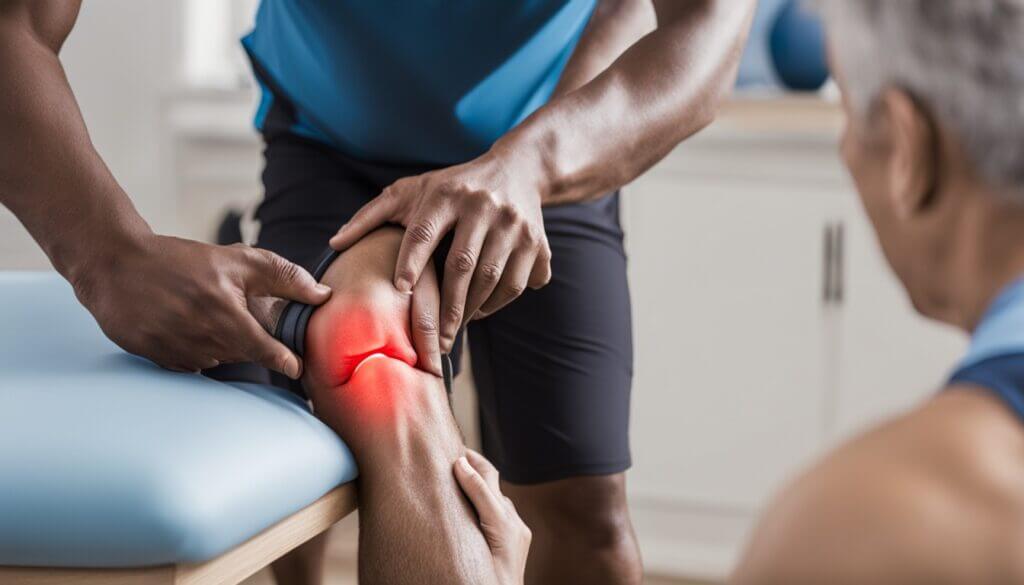
    A physical examination is a critical component of the diagnostic process. During the exam, the healthcare provider will assess the knee’s range of motion, check for tenderness, and perform specific maneuvers to reproduce the patient’s symptoms. This hands-on evaluation helps to identify the presence of a synovial plica and assess its impact on knee function. For more information on when to seek medical help for knee pain, visit https://kneehurt.com/when-to-seek-medical-help-for-knee-pain/.

    Imaging Tests Utilized

    While a diagnosis can often be made based on medical history and physical examination, imaging tests may be employed to confirm the diagnosis or rule out other causes of knee pain. Common imaging tests include X-rays, MRI (Magnetic Resonance Imaging), and ultrasound. These tests provide detailed images of the knee’s internal structures, helping healthcare professionals to visualize the synovial plica and assess any associated inflammation or irritation.

    In conclusion, diagnosing Synovial Plica Syndrome involves a combination of medical history evaluation, physical examination, and sometimes imaging tests. By understanding the diagnostic process, patients can better appreciate the complexity of identifying this condition and the importance of seeking professional medical advice for accurate diagnosis and effective treatment.

    Treatment Options

    Synovial Plica Syndrome treatment encompasses a range of strategies from conservative management to surgical interventions, depending on the severity and persistence of symptoms.

    Conservative Treatments

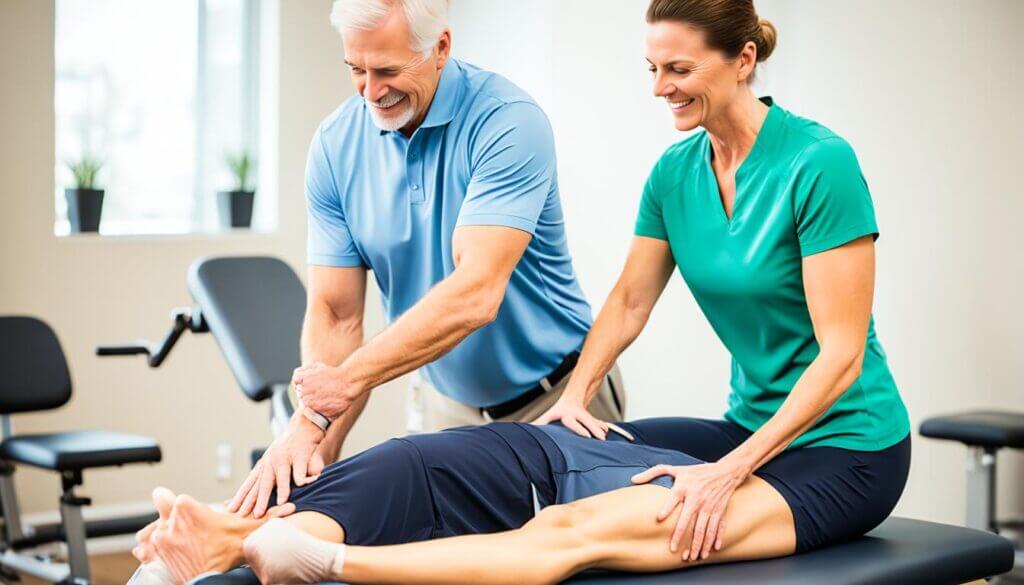
    Most instances of medial patellar plica syndrome respond well to alternative treatment options. These include chiropractic care, physical therapy, or even a tailored exercise plan at home. Such conservative approaches aim to alleviate knee pain and knee discomfort by improving knee function and reducing inflammation.

    Surgical Interventions

    In cases where conservative treatments fail to provide relief, surgical options may be considered. Surgical interventions for Synovial Plica Syndrome typically involve arthroscopic procedures to remove or repair the problematic plica. For more information on Synovial Plica Syndrome, you can visit Healthline’s resource on the condition.

    Rehabilitation Strategies

    Regardless of whether the treatment involves conservative methods or surgery, rehabilitation plays a crucial role in recovery. Rehabilitation strategies often include a structured physical therapy program aimed at restoring knee strength and mobility, thereby reducing the risk of future complications.

    Treatment Approach Description Benefits
    Conservative Treatments Includes chiropractic care, physical therapy, and home exercise plans. Non-invasive, reduces knee pain and discomfort.
    Surgical Interventions Arthroscopic procedures to remove or repair the plica. Effective for severe cases not responding to conservative treatments.
    Rehabilitation Strategies Structured physical therapy programs. Restores knee strength and mobility, prevents future issues.

    Managing Pain from Symptoms

    Effective management of Synovial Plica Syndrome symptoms involves a multi-faceted approach to pain relief. This condition can cause significant discomfort due to plica irritation and swelling around the knee. Managing pain is crucial to improve the quality of life for individuals affected by this condition.

    Over-the-Counter Medications

    Over-the-counter (OTC) medications are often the first line of defense against pain associated with Synovial Plica Syndrome. Nonsteroidal anti-inflammatory drugs (NSAIDs) like ibuprofen can help reduce pain and inflammation. It’s essential to follow the recommended dosage and consult with a healthcare professional before starting any medication regimen.

    Some individuals may find relief with topical creams or gels that contain NSAIDs or capsaicin. These products can be applied directly to the skin around the affected area, providing localized pain relief.

    Alternative Pain Management Techniques

    In addition to OTC medications, alternative pain management techniques can be beneficial. Physical therapy is a valuable approach, as it can help improve knee function and reduce pain. A physical therapist can design a personalized exercise program to strengthen the muscles around the knee and improve flexibility.

    • Applying ice packs to reduce swelling and ease pain
    • Using compression bandages to provide support
    • Elevating the knee to minimize swelling

    In some cases, healthcare professionals may recommend corticosteroid injections to reduce inflammation and relieve pain. These injections can provide significant relief, especially when the pain is severe and interferes with daily activities.
    plica irritation

    It’s crucial for individuals with Synovial Plica Syndrome to work closely with their healthcare provider to develop a comprehensive pain management plan. By combining different strategies, individuals can better manage their symptoms and improve their overall quality of life.

    Lifestyle Adjustments

    To manage Synovial Plica Syndrome effectively, it’s essential to make certain lifestyle adjustments. These modifications can help alleviate symptoms such as stiffness and joint clicking, improving overall knee function.

    Exercises to Alleviate Symptoms

    Engaging in specific exercises can help strengthen the muscles around the knee, thereby reducing the severity of symptoms. Activities such as biking, swimming, walking, or using an elliptical machine are beneficial as they promote knee mobility without excessive strain.

    Strengthening the quadriceps through specific stretches and exercises is particularly helpful. This can be achieved through:

    • Straight leg raises to strengthen the quadriceps
    • Wall squats to improve knee stability
    • Leg press exercises to enhance muscle strength around the knee

    Importance of Rest and Recovery

    Adequate rest and recovery are crucial for managing Synovial Plica Syndrome. Avoiding activities that exacerbate the condition and ensuring sufficient rest can help alleviate symptoms.

    It’s also important to listen to your body and take regular breaks during activities to prevent overuse. By balancing activity with rest, individuals can better manage their symptoms and improve their quality of life.

    When to See a Doctor

    Recognizing the signs that necessitate a doctor’s visit is vital for individuals suffering from Synovial Plica Syndrome. It’s essential to be aware of the symptoms that indicate a need for immediate medical evaluation.

    Warning Signs of Severe Symptoms

    Severe symptoms of Synovial Plica Syndrome can manifest as significant pain or locking of the knee, which are indicative of potential complications. If you experience any of the following, seek medical attention promptly:

    • Intense pain that interferes with daily activities
    • Knee locking or catching sensations
    • Significant swelling or redness around the knee
    • Instability or feeling of the knee giving way

    If chiropractic care, physical therapy, or other treatments do not alleviate knee plica syndrome symptoms, a procedure known as arthroscopic resection may be necessary. Understanding these warning signs can help prevent further knee problems.

    Regular Check-Ups and Monitoring

    Regular check-ups with a healthcare provider are crucial for monitoring the condition and adjusting treatment as necessary. These visits can help in early detection of any worsening of symptoms or development of new issues.

    Monitoring Aspect Importance Action
    Symptom Severity Understanding the progression of the syndrome Adjust treatment plan
    Treatment Effectiveness Evaluating the success of current treatments Modify or continue treatment
    Knee Functionality Assessing the impact on knee mobility and strength Implement rehabilitation strategies

    Living with Synovial Plica Syndrome

    Living with Synovial Plica Syndrome can be challenging, but there are several strategies that can help alleviate its symptoms. Effective management involves a combination of medical treatments, lifestyle adjustments, and self-care practices.

    Coping Strategies

    Coping with Synovial Plica Syndrome requires a multifaceted approach. Physical therapy is often recommended to improve knee function and reduce pain. Exercises tailored to strengthen the muscles around the knee can help stabilize the joint and alleviate stress on the plica.

    In addition to physical therapy, lifestyle modifications play a crucial role. Avoiding activities that aggravate the condition, maintaining a healthy weight, and using proper footwear can significantly impact symptom management.

    • Engage in low-impact activities such as cycling or swimming to maintain fitness without exacerbating the condition.
    • Use knee supports or braces if recommended by a healthcare provider to provide additional stability.
    • Practice stress-reducing techniques, such as meditation or deep breathing, to manage stress that can exacerbate pain.

    Supporting Resources and Communities

    Connecting with others who understand the challenges of living with Synovial Plica Syndrome can be incredibly beneficial. Support groups, either online or in-person, offer a platform to share experiences, gain insights, and find emotional support.

    Furthermore, educational resources from reputable organizations can provide valuable information on managing the condition. Staying informed about the latest treatment options and management strategies is empowering.

    By adopting a proactive approach to managing Synovial Plica Syndrome and leveraging available resources, individuals can lead active and fulfilling lives despite the challenges posed by the condition.

    Conclusion

    Understanding the symptoms and treatment options is crucial for managing Synovial Plica Syndrome. Early diagnosis and appropriate treatment can significantly alleviate knee discomfort associated with plica irritation.

    Personalized Management Plans

    Developing a personalized management plan with healthcare professionals is essential. This plan may include conservative treatments, lifestyle adjustments, and rehabilitation strategies to address the condition effectively.

    By adopting a comprehensive approach to managing Synovial Plica Syndrome, individuals can reduce the risk of complications and improve their overall quality of life. This involves being aware of the symptoms, making necessary lifestyle changes, and adhering to the recommended treatment plan to mitigate knee discomfort and plica irritation.

    FAQ

    What are the common symptoms of Synovial Plica Syndrome?

    The common symptoms include pain around the kneecap, swelling, stiffness, and reduced mobility. Some individuals may also experience joint clicking, locking, or knee discomfort.

    What causes Synovial Plica Syndrome?

    Synovial Plica Syndrome is often caused by overuse or direct trauma to the knee, leading to irritation and inflammation of the plica. Activities that involve repetitive knee movements can exacerbate the condition.

    How is Synovial Plica Syndrome diagnosed?

    Diagnosis involves a comprehensive approach, including medical history evaluation, physical examination, and sometimes imaging tests, to rule out other possible causes of knee pain and accurately diagnose the condition.

    What are the treatment options for Synovial Plica Syndrome?

    Treatment can range from conservative management, including physical therapy, chiropractic care, and activity modifications, to surgical interventions, depending on the severity and persistence of symptoms.

    How can pain from Synovial Plica Syndrome be managed?

    Pain management can involve over-the-counter medications, alternative pain management techniques, and in some cases, corticosteroid injections to alleviate symptoms and improve quality of life.

    What lifestyle adjustments can help alleviate Synovial Plica Syndrome symptoms?

    Engaging in exercises that strengthen the muscles around the knee, avoiding activities that exacerbate the condition, and ensuring adequate rest and recovery can help alleviate symptoms and improve function.

    When should I seek medical attention for Synovial Plica Syndrome?

    Severe symptoms, such as significant pain or locking of the knee, warrant immediate medical evaluation. Regular check-ups with a healthcare provider can also help monitor the condition and adjust treatment as necessary.

    Can Synovial Plica Syndrome be managed effectively?

    Yes, with proper diagnosis and treatment, Synovial Plica Syndrome is a manageable condition. By understanding the symptoms, treatment options, and lifestyle adjustments, individuals can effectively manage their condition and improve their quality of life.

    What are some coping strategies for living with Synovial Plica Syndrome?

    Coping strategies include making lifestyle adjustments, seeking support from resources and communities, and working closely with healthcare professionals to develop a personalized management plan.

  • Knee Bursitis Anserine vs Prepatellar: Understanding the Differences

    Knee Bursitis Anserine vs Prepatellar: Understanding the Differences

    Are you experiencing pain and swelling around your knee and wondering what could be the cause? Knee bursitis is a common condition that affects many individuals, particularly athletes and those with certain occupations.

    Inflammation of the bursae around the knee joint can lead to this condition, which manifests in different forms, including anserine and prepatellar bursitis. Understanding the differences between these two types is crucial for effective diagnosis and treatment.

    The impact of knee bursitis on the knee joint can be significant, affecting mobility and causing discomfort. By exploring the distinct characteristics of anserine and prepatellar bursitis, individuals can better understand their condition and seek appropriate medical care.

    Key Takeaways

    • Understanding the differences between anserine and prepatellar bursitis is crucial for effective diagnosis and treatment.
    • Knee bursitis is a common condition affecting athletes and individuals with certain occupations.
    • Inflammation of the bursae around the knee joint leads to knee bursitis.
    • Anserine and prepatellar bursitis have distinct characteristics.
    • Proper diagnosis is essential for appropriate medical care.

    Definition of Knee Bursitis

    Understanding knee bursitis requires a look into the inflammation of bursae, the fluid-filled sacs that cushion joints. Knee bursitis is a condition that affects these sacs, leading to pain and discomfort in the knee area.

    What is Bursitis?

    Bursitis refers to the inflammation of a bursa, which is a fluid-filled sac that reduces friction between bones, tendons, and ligaments. When a bursa becomes inflamed, it can cause significant pain and limit the mobility of the affected joint.

    Types of Knee Bursitis

    There are several types of knee bursitis, each affecting different bursae around the knee. The most common types include:

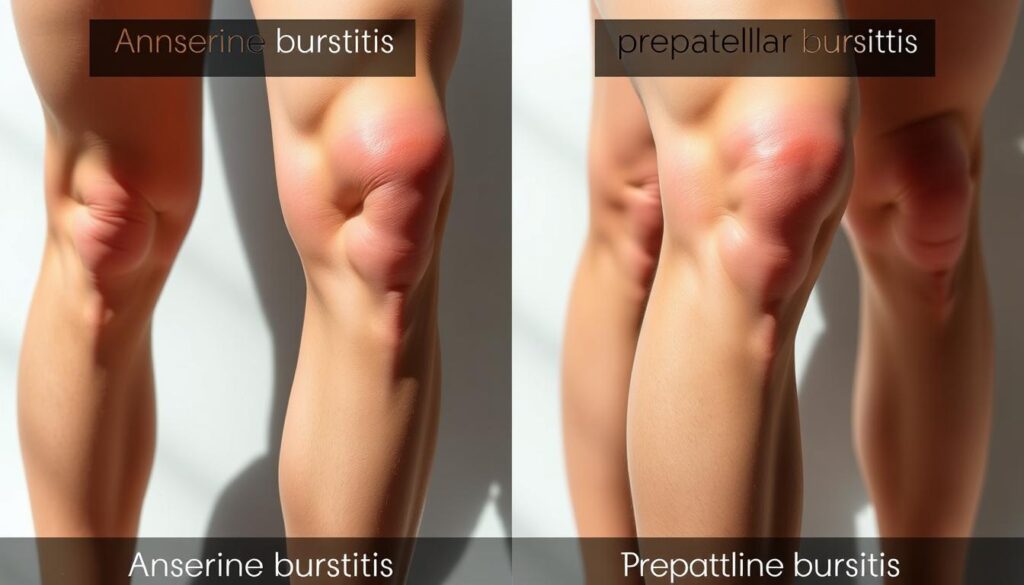
    • Prepatellar Bursitis: Inflammation of the bursa in front of the kneecap.
    • Anserine Bursitis: Inflammation of the bursa on the lower inner aspect of the knee.
    • Other less common types that may affect different bursae around the knee.

    Understanding the specific type of knee bursitis is crucial for determining the appropriate treatment.

    Importance of Understanding Knee Bursitis

    Recognizing the causes, symptoms of knee bursitis, and the process for knee bursitis diagnosis is vital for effective management. Knee bursitis can result from knee bursitis causes such as overuse, direct trauma, or conditions like arthritis. Proper understanding helps in seeking the right medical attention and treatment, thereby reducing the risk of complications.

    knee bursitis causes

    By comprehending the nature of knee bursitis, individuals can take proactive steps towards prevention and treatment, ultimately improving their quality of life.

    Overview of Anserine Bursitis

    The anserine bursa, located on the inner aspect of the knee, can become inflamed, leading to a condition known as anserine bursitis. This condition is characterized by pain and swelling in the lower inner part of the knee.

    Anserine bursitis is common among athletes, particularly runners, and individuals with knee osteoarthritis. Activities that involve repetitive knee movements or direct pressure on the knee can exacerbate the condition.

    anserine bursitis

    Causes of Anserine Bursitis

    The primary cause of anserine bursitis is the inflammation of the anserine bursa due to friction or direct trauma. Repetitive stress from activities such as running or cycling can irritate the bursa, leading to inflammation.

    • Overuse or repetitive stress on the knee
    • Direct trauma to the knee
    • Knee osteoarthritis
    • Poor training habits or improper footwear

    Symptoms to Look For

    Individuals with anserine bursitis often experience pain on the lower inner aspect of the knee, which can be accompanied by swelling and tenderness. The pain can be particularly noticeable when climbing stairs, standing up from a seated position, or during activities that involve knee flexion.

    Common symptoms include:

    • Pain or tenderness on the inner knee
    • Swelling or redness in the affected area
    • Warmth or tenderness to the touch

    Treatment Options for Anserine Bursitis

    Treatment for anserine bursitis typically involves a combination of conservative measures aimed at reducing inflammation and alleviating pain. Initial steps may include rest, ice, compression, and elevation (RICE) to help reduce swelling.

    Additional treatments may involve:

    • Physical therapy to improve knee mobility and strength
    • Anti-inflammatory medications to reduce pain and swelling
    • Corticosteroid injections to decrease inflammation

    Overview of Prepatellar Bursitis

    The prepatellar bursa, located at the front of the kneecap, is susceptible to inflammation, leading to prepatellar bursitis. This condition is often associated with individuals who frequently kneel, hence the common name “housemaid’s knee.”

    Prepatellar bursitis is characterized by swelling and tenderness at the front of the knee. Understanding its causes, symptoms, and treatment options is crucial for effective management.

    Causes of Prepatellar Bursitis

    Prepatellar bursitis is primarily caused by repetitive kneeling, which leads to friction and irritation of the prepatellar bursa. Other causes include:

    • Direct blow to the knee
    • Infection
    • Rheumatoid arthritis
    • Gout

    Occupations or activities that involve frequent kneeling, such as plumbing, gardening, or carpet laying, increase the risk of developing prepatellar bursitis.

    Symptoms of Prepatellar Bursitis

    The symptoms of prepatellar bursitis include:

    • Swelling in front of the kneecap
    • Pain or tenderness when kneeling or pressing on the knee
    • Redness and warmth around the affected area
    • Limited range of motion due to swelling

    In cases where the bursitis is caused by infection, additional symptoms such as fever and increased redness may be present.

    Treatment Options for Prepatellar Bursitis

    Treatment for prepatellar bursitis focuses on reducing inflammation, relieving symptoms, and preventing recurrence. Common treatment options include:

    1. Rest and Ice: Avoiding activities that aggravate the condition and applying ice to reduce swelling.
    2. Compression and Elevation: Using compression bandages and elevating the knee to reduce swelling.
    3. Anti-inflammatory Medications: Over-the-counter medications such as ibuprofen to reduce pain and inflammation.
    4. Aspiration and Injection: In some cases, draining the bursa or injecting corticosteroids may be necessary.

    In recurrent or severe cases, surgical removal of the bursa may be considered.

    Comparing Symptoms: Anserine vs Prepatellar

    The symptoms of anserine and prepatellar bursitis can be similar, yet distinct differences exist. Both conditions involve inflammation of the bursae around the knee, leading to pain and discomfort. However, the location and nature of the pain can vary significantly between the two conditions.

    Similar Symptoms

    Both anserine and prepatellar bursitis present with knee pain, swelling, and limited mobility. The pain can be exacerbated by movement and relieved by rest. In some cases, the affected area may be warm to the touch and tender. These similarities can make diagnosis challenging without a thorough examination.

    Distinguishing Factors

    The primary distinguishing factor between anserine and prepatellar bursitis lies in the location of the pain. Anserine bursitis typically affects the lower inner aspect of the knee, about 2-3 inches below the joint line, causing pain when climbing stairs or getting up from a seated position. On the other hand, prepatellar bursitis affects the front of the kneecap, leading to swelling and pain directly over the kneecap, often associated with kneeling.

    knee bursitis symptoms comparison

    Understanding these differences is crucial for developing an effective treatment plan. While both conditions may benefit from rest, ice, and anti-inflammatory medications, the specific location and nature of the pain can dictate additional treatments, such as physical therapy for anserine bursitis or aspiration of the bursa for prepatellar bursitis.

    Diagnosis of Knee Bursitis

    Knee bursitis diagnosis involves a comprehensive medical evaluation. This process is crucial for determining the presence and type of bursitis, which in turn guides the treatment plan.

    Medical Evaluation Process

    The medical evaluation for knee bursitis begins with a thorough medical history and physical examination. During the history taking, the healthcare provider will ask questions about the onset of symptoms, the nature of the pain, and any activities that may have contributed to the condition. The physical examination involves assessing the knee for tenderness, swelling, and range of motion.

    A healthcare professional may perform specific tests to differentiate between types of knee bursitis, such as anserine and prepatellar bursitis. For instance, tenderness in the lower inner aspect of the knee may indicate anserine bursitis, while swelling at the front of the knee could suggest prepatellar bursitis. More information on the diagnosis and treatment can be found on Mayo Clinic.

    Imaging Techniques Used

    In some cases, imaging studies are necessary to confirm the diagnosis or rule out other conditions. Common imaging techniques used include:

    • X-rays: To rule out bone-related issues such as fractures.
    • Ultrasound: Useful for visualizing soft tissue and detecting fluid accumulation in the bursa.
    • MRI (Magnetic Resonance Imaging): Provides detailed images of soft tissues, including bursae, tendons, and ligaments.

    For a detailed understanding of how these imaging techniques aid in diagnosis, consider visiting KneeHurt.com for additional insights.

    Imaging Technique Use in Knee Bursitis Diagnosis
    X-ray Rules out bone-related issues
    Ultrasound Detects fluid accumulation in the bursa
    MRI Provides detailed images of soft tissues

    Risk Factors for Bursitis

    Understanding the risk factors associated with knee bursitis is crucial for prevention and effective management. Certain factors can increase the likelihood of developing this condition, and being aware of these can help in taking preventive measures.

    Common Risk Factors for Anserine Bursitis

    Anserine bursitis is often associated with specific risk factors, including obesity and knee arthritis. These conditions can put additional stress on the knee, increasing the risk of bursitis. Activities that involve repetitive knee movements, such as cycling or running, can also contribute to the development of anserine bursitis.

    Risk Factor Description Impact on Anserine Bursitis
    Obesity Increased weight puts additional stress on the knee. Higher risk due to increased pressure.
    Knee Arthritis Inflammation and degeneration of the knee joint. Increased risk due to joint instability.
    Repetitive Knee Movements Activities like cycling or running. Increased friction and irritation.

    Common Risk Factors for Prepatellar Bursitis

    Prepatellar bursitis is commonly associated with activities that involve frequent kneeling, such as carpet laying or gardening. This condition is also known as “housemaid’s knee.” Other risk factors include direct blows to the knee and infections.

    • Frequent kneeling
    • Direct blows to the knee
    • Infections

    Lifestyle Considerations

    Lifestyle factors play a significant role in the development of knee bursitis. Maintaining a healthy weight can reduce the risk, as can avoiding activities that put repetitive stress on the knee. Proper knee protection during sports and activities can also help prevent bursitis.

    By understanding these risk factors and making appropriate lifestyle adjustments, individuals can reduce their likelihood of developing knee bursitis. Prevention strategies, including proper knee care and protection, are essential for maintaining knee health.

    Prevention Strategies

    Effective prevention of knee bursitis requires a combination of maintaining a healthy weight, minimizing repetitive knee stress, and employing proper activity techniques. By adopting these strategies, individuals can significantly reduce their risk of developing both anserine and prepatellar bursitis.

    Preventing Anserine Bursitis

    Anserine bursitis is often associated with activities that involve repetitive knee flexion and stress on the medial (inner) aspect of the knee. To prevent this condition, it’s essential to strengthen the muscles around the knee, particularly the hamstring muscles, through targeted exercises. Additionally, proper training techniques during sports or activities that involve running, cycling, or repetitive knee movements can help mitigate the risk.

    Maintaining a healthy weight is also crucial, as excess weight can put additional stress on the knee joint, increasing the risk of developing anserine bursitis. For more information on managing knee pain, visit Understanding and Managing Knee Pain When.

    Preventing Prepatellar Bursitis

    Prepatellar bursitis, commonly known as “housemaid’s knee,” is often caused by repetitive pressure or friction on the front of the knee. Prevention strategies include avoiding prolonged kneeling or using knee pads to cushion the knee during activities that require kneeling. It’s also beneficial to take regular breaks to stand up, stretch, and move around, reducing prolonged pressure on the knee.

    Furthermore, strengthening the quadriceps muscles through exercises like squats and lunges can help stabilize the knee and reduce the risk of prepatellar bursitis. Ensuring proper technique during activities and avoiding direct blows to the knee can also contribute to prevention.

    By understanding and implementing these prevention strategies, individuals can effectively manage and reduce their risk of knee bursitis, maintaining healthier knees and overall mobility.

    Rehabilitation and Recovery

    Recovery from knee bursitis requires a comprehensive approach that includes rest, rehabilitation, and specific exercises. This multifaceted strategy is crucial for healing, strengthening the knee, and preventing future occurrences.

    Importance of Rest

    Giving your knee adequate rest is the first step towards recovery. This means avoiding activities that aggravate the condition, such as repetitive kneeling or direct pressure on the knee. Rest allows the inflamed bursa to heal, reducing pain and swelling.

    During the initial rest period, it’s also beneficial to apply ice to the affected area to reduce inflammation and pain. This should be done for 15-20 minutes, several times a day. Elevating the knee above the level of the heart can also help reduce swelling.

    Rehabilitation Strategies

    Once the initial pain and inflammation have subsided, rehabilitation exercises can begin. These exercises are designed to improve knee mobility, strengthen the surrounding muscles, and enhance overall knee function.

    A physical therapist can tailor a rehabilitation program to the individual’s needs, which may include:

    • Range of motion exercises to improve flexibility
    • Strengthening exercises for the quadriceps and hamstring muscles
    • Functional training to improve knee function during daily activities

    Sample Rehabilitation Exercises

    Exercise Description Repetitions
    Straight Leg Raise Lift your leg straight out in front of you, keeping it straight, then lower it back down. 3 sets of 10
    Quad Sets Tighten your quadriceps muscles by straightening your knee, hold for 5 seconds. 3 sets of 10
    Hamstring Curls Bend your knee, bringing your heel towards your buttocks, then straighten your knee. 3 sets of 10

    It’s essential to progress through these exercises gradually, under the guidance of a healthcare professional, to avoid re-injury. Consistency and patience are key to a successful rehabilitation program.

    By understanding the importance of rest and rehabilitation, and by incorporating specific exercises into your recovery plan, you can effectively manage knee bursitis and work towards a full recovery.

    When to Seek Medical Help

    Understanding when to seek medical attention is crucial for effective treatment for knee bursitis. If left untreated, bursitis can lead to chronic pain and potentially serious complications.

    Recognizing the Signs

    It’s essential to be aware of the signs that indicate a need for professional care. Persistent pain, swelling, or redness around the knee are indicators that medical evaluation is necessary. Additionally, if the knee is warm to the touch or if there’s a significant decrease in mobility, seeking medical help is advisable.

    Potential Complications

    Untreated bursitis can result in infection or chronic inflammation, significantly impacting quality of life. Prompt medical attention can help prevent these complications and improve outcomes. Knee bursitis prevention strategies, such as maintaining a healthy weight and avoiding repetitive knee motions, can also play a crucial role in reducing the risk of developing bursitis.

    By being proactive about knee health and seeking timely medical intervention, individuals can effectively manage knee bursitis and prevent long-term damage.

    FAQ

    What is knee bursitis, and how does it affect the knee joint?

    Knee bursitis is a condition characterized by inflammation of the bursae in the knee joint, leading to pain, swelling, and limited mobility. It can significantly impact an individual’s quality of life, making everyday activities challenging.

    What are the main differences between anserine and prepatellar bursitis?

    Anserine bursitis affects the bursa located on the lower inner aspect of the knee, often associated with activities involving running or repetitive knee stress. Prepatellar bursitis, on the other hand, affects the bursa in front of the kneecap, commonly seen in individuals who frequently kneel.

    What are the common causes of anserine bursitis?

    Anserine bursitis is often caused by overuse or repetitive stress on the knee, commonly seen in athletes or individuals who participate in activities that involve running or sudden changes of direction.

    How is prepatellar bursitis typically diagnosed?

    Prepatellar bursitis is usually diagnosed through a combination of medical evaluation, physical examination, and sometimes imaging techniques such as X-rays or ultrasound to rule out other conditions.

    What are the treatment options for knee bursitis?

    Treatment for knee bursitis typically involves a combination of rest, ice, compression, and elevation (RICE), along with physical therapy, anti-inflammatory medications, and in some cases, corticosteroid injections or aspiration of the bursa.

    How can I prevent anserine and prepatellar bursitis?

    Preventing knee bursitis involves avoiding repetitive stress or overuse, maintaining a healthy weight, wearing proper footwear, and incorporating exercises that strengthen the muscles around the knee.

    What are the signs that indicate I should seek medical help for knee bursitis?

    If you experience severe pain, swelling, redness, or warmth around the knee, or if you have difficulty moving the knee or bearing weight on it, you should seek medical attention.

    Can knee bursitis be managed without medical treatment?

    While mild cases of knee bursitis may be managed with rest, ice, and over-the-counter pain relievers, it’s essential to seek medical evaluation to rule out other conditions and prevent potential complications.

    What are the potential complications of untreated knee bursitis?

    Untreated knee bursitis can lead to chronic pain, limited mobility, and potentially, infection or damage to surrounding tissues, emphasizing the importance of seeking medical care if symptoms persist.

    Are there any exercises that can help in the recovery from knee bursitis?

    Yes, exercises that strengthen the muscles around the knee, improve flexibility, and promote healing can aid in recovery. A healthcare professional or physical therapist can recommend appropriate exercises.

  • knee pain from running

    knee pain from running

    As avid runners, we’ve all felt the pain in our knees at some point. But what’s behind that pain, and how can we fix it? Is runner’s knee a normal part of running, or can we prevent and manage it?

    Running is a favorite exercise that can affect our knees a lot1. Knee pain from running is common and can come from many things, like overusing our knees, having structural issues, or running the wrong way. Common knee injuries in runners include runner’s knee, IT band syndrome, and jumper’s knee (patellar tendinitis)2. These injuries can cause pain, swelling, stiffness, and make the knee feel unstable. Getting the right treatment, which might mean resting, icing, physical therapy, and sometimes medication or surgery, is key to getting better and avoiding more injuries.

    Key Takeaways

    • Knee pain is a common issue for runners, with conditions like runner’s knee, IT band syndrome, and jumper’s knee being the most prevalent.
    • 1 Runner’s knee, or patellofemoral pain syndrome, can affect up to 30% of female runners and 25% of male runners.
    • 3 Runner’s knee is more common in women, particularly those of middle age, and in individuals who are overweight.
    • 2 Running-related knee injuries can range from overuse conditions to more serious issues like stress fractures and ligament tears.
    • Proper diagnosis, treatment, and prevention strategies are crucial for addressing knee pain and avoiding long-term complications.

    What is Patellofemoral Pain Syndrome (Runner’s Knee)?

    Patellofemoral pain syndrome, also known as runner’s knee, is a common injury. It causes pain in the front of the knee or around the kneecap4. This pain is often due to a structural issue, bad running habits, or too much training4. People who do sports that make their knees bend a lot, like running, biking, or skiing, are more likely to get this pain5. Women are twice as likely as men to have this knee pain6.

    Causes of Patellofemoral Pain Syndrome

    There are many reasons for patellofemoral pain syndrome. These include kneecap misalignment, too much training, injury, weak thigh muscles, tight hamstrings, and poor foot support4. Muscle imbalances and injuries also play a big part in this condition6.

    Symptoms of Patellofemoral Pain Syndrome

    People with runner’s knee may feel pain when they’re active. They might also feel pain after sitting for a long time with bent knees. Some may hear a rubbing, grinding, or clicking in the kneecap, and feel tenderness around it4.

    Diagnosing Patellofemoral Pain Syndrome

    To diagnose patellofemoral pain syndrome, doctors do a physical exam. They might also use X-rays or MRI scans to check for other possible causes of knee pain4. The doctor will look at how well the knee moves, its strength, and stability to figure out the cause of the pain.

    To treat patellofemoral pain syndrome, you might need to rest, use ice, do strengthening exercises, and fix any biomechanical issues4. Losing weight, warming up before exercising, and running correctly can also help prevent and manage this condition6.

    Key Points Details
    Definition Patellofemoral pain syndrome, also known as runner’s knee, is a common overuse injury that causes pain in the front of the knee or around the kneecap4.
    Causes Malalignment of the kneecap, excessive training or overuse, injury or trauma, weak thigh muscles, tight hamstrings, poor foot support, and specific walking or running patterns4.
    Symptoms Pain during activity, pain after prolonged sitting, rubbing, grinding, or clicking in the kneecap, and tenderness around the kneecap4.
    Diagnosis Physical examination, and possibly X-rays or MRI scans to rule out other conditions4.
    Treatment Rest, ice, strengthening exercises, and addressing underlying biomechanical issues4.
    Prevention Maintaining a healthy weight, warming up before exercise, and using proper running techniques6.

    “Patellofemoral pain syndrome is a complex condition that requires a comprehensive approach to effectively manage and prevent it. Seeking guidance from a healthcare professional is crucial for a proper diagnosis and personalized treatment plan.”

    By understanding the causes, symptoms, and treatment options for patellofemoral pain syndrome, runners and active people can prevent and manage this common knee injury. This lets them keep doing their activities with less pain and better knee health.

    Other Common Running-Related Knee Injuries

    Runners often face knee injuries like iliotibial band syndrome and jumper’s knee, also known as patellar tendinitis. These issues come from overusing muscles, changing training, or running incorrectly. They can make running very uncomfortable and disrupt your routine.

    Iliotibial Band Syndrome

    Iliotibial band syndrome happens when a tendon from the hip to the outer knee gets tight and hurts. It affects about 12% of runners, making it a common injury7.

    Jumper’s Knee (Patellar Tendinitis)

    Jumper’s knee, or patellar tendinitis, causes pain and swelling in the tendon connecting the kneecap to the shinbone. It’s more common in young people and starts in their teens or early twenties7.

    Like patellofemoral pain syndrome, these injuries come from overusing muscles, changing training, or running wrong. Treatment includes rest, ice, anti-inflammatory drugs, and exercises to help heal.

    Knee injury

    Other knee injuries in runners can affect the ACL, PCL, collateral ligament, meniscus, cartilage, and tendons. But these are less common than the main injuries7.

    To avoid and manage these knee injuries, increase your running slowly, keep good running form, and mix in cross-training and low-impact exercises. Getting medical help quickly and following a full treatment plan helps runners get back to their activities safely.

    Knee Pain from Running: Prevention and Treatment Strategies

    Dealing with knee pain from running means tackling the root causes and stopping more injuries8. Known as runner’s knee, this pain can stem from overuse, injury, bone misalignment, foot issues, or weak thigh muscles8. About 25-40% of those with runner’s knee feel pain in the kneecap or around it, especially when going downstairs or downhill8. Some may also notice swelling, hear popping sounds, or feel a grinding in their knee.

    Fortunately, many cases of runner’s knee can be managed with the right steps8. Treatment includes resting, icing, wrapping the knee, elevating the leg, taking meds, stretching, and doing strengthening exercises8. Most cases get better with proper care, but severe ones might need surgery8. Those with runner’s knee should avoid activities that make it worse until they’re fully recovered.

    To stop knee pain from running, focus on the main causes8. Prevention tips include exercising to strengthen thigh muscles, wearing the right shoes, avoiding sudden changes in workouts, and keeping a healthy weight8. To prevent runner’s knee, try using shoe inserts, running on softer ground, warming up, getting physical therapy, wearing knee braces, choosing good running shoes, and replacing old shoes9. Also, doing light weight training and mixing in other cardio can help prevent knee injuries9. Drinking plenty of water is also key for muscle health.

    By focusing on knee health, runners can lower their injury risk and keep enjoying this exercise8. Getting advice from a healthcare pro, like a physical therapist or sports medicine expert, can help make a treatment plan that fits your needs.

    knee pain prevention

    Prevention Strategies Treatment Strategies
    • Strengthen thigh muscles
    • Use proper footwear
    • Avoid sudden workout changes
    • Maintain a healthy weight
    • Use shoe inserts
    • Run on softer surfaces
    • Warm up before workouts
    • Consider physical therapy
    • Use knee braces during exercise
    • Replace worn-out running shoes
    1. Rest
    2. Ice therapy
    3. Knee wrapping
    4. Leg elevation
    5. Medication usage
    6. Stretching exercises
    7. Strengthening exercises

    “Preventing and managing knee pain from running requires a holistic approach that addresses the underlying causes and promotes proper healing.”

    Conclusion

    Knee pain from running is a common issue. It can come from overuse, structural problems, or running wrong10. Common injuries include runner’s knee, iliotibial band syndrome, and jumper’s knee10. A good plan with rest, treatment, and prevention can help runners overcome these issues10.

    Working with health experts and using proven methods helps runners enjoy running more while lowering knee pain and injury risks10. Steps like strength training, foam rolling, and choosing the right shoes can lessen knee problems10. Also, treatments like lubricant injections and PRP can be customized for each runner10.

    By knowing what causes knee pain and taking steps to prevent it, runners can keep doing what they love. This approach helps reduce injury risks and keeps runners healthy and happy1011.

    FAQ

    What is Patellofemoral Pain Syndrome (Runner’s Knee)?

    Patellofemoral pain syndrome, known as runner’s knee, is a common injury. It causes pain in the front of the knee or around the kneecap. This happens due to a structural issue, bad running habits, or doing too much of the same activity.

    What are the Causes of Patellofemoral Pain Syndrome?

    This condition is often caused by a structural flaw, bad running habits, or doing too much. Weak thigh muscles, tight hamstrings, and poor foot support can also lead to it.

    What are the Symptoms of Patellofemoral Pain Syndrome?

    Symptoms include pain when running, squatting, or sitting for a long time. You might also feel a grinding or clicking in your knee.

    How is Patellofemoral Pain Syndrome Diagnosed?

    Doctors diagnose it with a physical exam. They might also use X-rays or MRI scans to check for other possible causes of knee pain.

    What is Iliotibial Band Syndrome?

    Iliotibial band syndrome happens when a tendon from the hip to the outer knee gets tight and irritated. This causes pain on the outside of the knee.

    What is Jumper’s Knee (Patellar Tendinitis)?

    Jumper’s knee, or patellar tendinitis, is an injury from overuse. It leads to pain and swelling in the patellar tendon, which connects the kneecap to the shinbone.

    How Can Knee Pain from Running Be Prevented and Treated?

    To prevent and treat knee pain from running, focus on the root causes. This means doing strengthening and stretching exercises, using supportive shoes, and slowly changing your running habits. Getting advice from a healthcare expert, like a physical therapist or sports medicine doctor, is also key. They can help with a plan that includes rest, ice, anti-inflammatory drugs, and specific exercises to help you recover.

    Source Links

    1. How to Prevent and Treat Runner’s Knee – https://www.runnersworld.com/health-injuries/a20854077/whats-the-best-solution-for-runners-knee/
    2. Knee Pain After Running: Causes and Treatments – https://www.hss.edu/article_knee-pain-after-running.asp
    3. Runner’s Knee: Symptoms, Causes, and Treatment – https://www.healthline.com/health/runners-knee
    4. Patellofemoral Pain Syndrome (Runner’s Knee) – https://www.hopkinsmedicine.org/health/conditions-and-diseases/patellofemoral-pain-syndrome-runners-knee
    5. Patellofemoral Pain Syndrome (Runner’s Knee) (for Parents) – https://kidshealth.org/en/parents/runners-knee.html
    6. Patellofemoral pain syndrome – Symptoms and causes – https://www.mayoclinic.org/diseases-conditions/patellofemoral-pain-syndrome/symptoms-causes/syc-20350792
    7. What Are Common Knee Injuries from Running? – https://www.templehealth.org/about/blog/common-knee-injuries-running
    8. Runner’s Knee – https://www.webmd.com/pain-management/knee-pain/runners-knee
    9. Five Tips for Preventing Runner’s Knee – https://www.hss.edu/article_how-to-prevent-runners-knee.asp
    10. Getting knee pain after your runs? Here’s might be causing it – and how to fix it – https://www.runnersworld.com/uk/health/injury/a773762/4-causes-of-knee-pain-and-how-to-fix-them/
    11. Anterior knee pain in runners after a half-marathon race – https://www.ncbi.nlm.nih.gov/pmc/articles/PMC8545678/
    Managing Knee Soreness from Running

  • Knee pain treatment: pain relievers, physical therapy, injections, surgery, and lifestyle changes.

    Knee pain treatment: pain relievers, physical therapy, injections, surgery, and lifestyle changes.

    Knee pain can really affect your life. At the University of Michigan Health System, we offer many non-surgical and surgical options. We aim to find out why you’re in pain and how we can help you1. We handle all kinds of knee issues, like ACL, LCL, MCL, and PCL injuries, meniscus tears, and more2.

    Our team works together to create a treatment plan just for you. This approach has led to great success in treating knee pain.

    Key Takeaways

    • The University of Michigan Health System performs over 250 total knee replacements annually, with 90% still functional 15 years later1.
    • Knee pain can stem from various causes, including arthritis, injuries, and structural issues2.
    • Non-surgical options like physical therapy, injections, and bracing are often the first line of treatment before considering surgery2.
    • Lifestyle changes, such as weight management and exercise, can help alleviate knee pain and prevent further injury1.
    • The University of Michigan Health System’s personalized, multidisciplinary approach is key to successfully treating knee pain1.

    Understanding Knee Pain and Its Causes

    Knee problems are very common and affect many people. There are many reasons why someone might experience knee pain, from wear and tear to sudden injuries. Understanding the common causes of knee pain is crucial in determining the appropriate treatment approach.

    Common Causes of Knee Pain

    Osteoarthritis is a common cause of knee pain, caused by the gradual wear and tear of the cartilage that cushions the knee joint3. Rheumatoid arthritis is another cause, leading to swelling and cartilage destruction3. Injuries to the ligaments, like the ACL and PCL, can also cause a lot of pain3. Tendon injuries, from inflammation to tears, often happen from overuse or falls3. Damage to the cartilage, including softening or tearing, can also lead to pain3. Lastly, a broken kneecap, usually from a fall or direct blow, can be very painful and debilitating3.

    Diagnosing Knee Pain

    It’s important to figure out what’s causing knee pain to treat it right. This usually means a detailed check-up, looking at the patient’s characteristics, medical history, and physical exam to pinpoint the pain’s location and type4. Sometimes, imaging tests like X-rays, CT scans, or MRIs are needed to see any structural damage or issues5. Knowing what’s causing the pain helps doctors create a specific and effective treatment plan.

    “Knee pain is a common complaint, and it’s crucial to accurately diagnose the underlying cause to ensure appropriate treatment.”

    Imaging Test Diagnostic Value
    X-ray Helpful in detecting bone fractures and degenerative joint disease5
    CT Scan Accurately identifies gout even when the joint is not inflamed5
    MRI Particularly useful in revealing injuries to soft tissues like ligaments, tendons, cartilage, and muscles5

    543

    Knee pain treatment: pain relievers, physical therapy, injections, surgery

    Managing knee pain offers many treatment options, each with its own pros and cons. We’ll look at both non-surgical and surgical ways to ease knee pain and improve movement.

    The RICE method – rest, ice, compression, and elevation – is a common first step. Complementary therapies like massage, acupuncture, and meditation may also offer some relief.6

    For ongoing or severe pain, injection therapy may be an option. This could be steroid or anti-inflammatory shots, giving relief for a few months6. Platelet-rich plasma (PRP) therapy also shows promise in helping the body heal itself6.

    If non-surgical treatments don’t help enough, surgery might be considered. Total knee replacement surgery replaces damaged parts with artificial ones. Partial knee replacement focuses on a specific knee area6. Arthroscopic surgery is a less invasive method for diagnosing and treating knee problems6.

    For those who are active and have wear and tear on one side, osteotomy could be an option. It aims to stop knee osteoarthritis from getting worse6.

    Treatment Option Description Typical Duration of Relief
    Cortisone Shots Injection of anti-inflammatory medication directly into the joint Approximately 3 months7
    Gel Injections Injections of hyaluronic acid to lubricate and cushion the joint 6 to 12 months7
    Prolotherapy Injections Injections that stimulate the body’s natural healing processes Potential long-term benefits7
    Orthobiologic Injections Injections of concentrated cells or tissues to promote healing Potential long-term benefits7

    The effectiveness and duration of these treatments can vary. Insurance coverage also affects the choice of treatment7. It’s key to talk to a healthcare professional to find the best treatment for you.

    knee pain treatment options

    Knee pain can stem from injuries, past damage, or conditions like osteoarthritis8. Finding and treating the root cause is key to lasting relief.

    “The goal of any knee pain treatment is to reduce pain, improve function, and prevent further damage to the joint.”

    Non-Surgical Approaches to Knee Pain Management

    At our practice, we know that knee pain can really slow you down. We offer non-surgical treatments that work well9. Physical therapy is a top choice, helping to make your knee more flexible, strong, and stable10. We also use splinting or bracing to support and protect your knee while it heals.

    We suggest anti-inflammatory medications and pain relievers to lessen inflammation and ease pain9. For quick relief, we have steroid injections that reduce inflammation10. We also offer gel shots and PRP therapy to tackle knee pain and speed up healing.

    10 Gel injections might not help right away and could make your knee stiff at first. But, they can bring long-term benefits if you get insurance approval10. PRP injections try to grow new, healthy cartilage. But, they don’t always work as hoped10. PRP injections are not usually covered by insurance and can be expensive, costing from a few hundred to several thousand dollars per shot.

    11 We also look at other options like cortisone injections, which you can have up to four times a year11. For younger patients with knee injuries and small cartilage damage, we might suggest autologous or stem cell injections. These are better for their situation.

    Physical therapy

    Our aim is to find the best non-surgical solution for each patient to relieve knee pain for good. By using proven treatments, we often help patients avoid more serious procedures.

    Conclusion

    Knee pain is a common issue that affects many people, especially as they get older12. Luckily, there’s a way to manage this pain effectively and improve your life. By using a mix of treatments, we can ease your pain, make moving easier, and help you enjoy activities again.

    Our team will create a plan just for you to tackle the knee pain’s cause. This might include painkillers, physical therapy, and new treatments like corticosteroids, hyaluronic acid, and platelet-rich plasma (PRP)12. These treatments help by reducing swelling, making the joint slippery, and helping tissues heal. They offer quick and lasting relief12. Studies also show they help with function, pain, and life quality for those with knee osteoarthritis and other joint issues13.

    With a full approach to your knee pain, we aim to help you be independent again and live the active life you want. Using effective treatments and our support, we’re sure we can improve your mobility and life quality12. Let’s find the best solution for you and get you on the road to wellness.

    FAQ

    What are the common causes of knee pain?

    Osteoarthritis and rheumatoid arthritis are common causes of knee pain. They lead to cartilage wear and swelling. Other causes include ligament and tendon injuries, cartilage disorders, and broken kneecaps from falls or blows.

    How is knee pain diagnosed?

    To diagnose knee pain, a thorough check-up is needed. Doctors look at patient history and perform a physical exam. They might also order X-rays or MRIs to see if there’s any damage.

    What are the treatment options for knee pain?

    Treatment for knee pain includes both non-surgical and surgical methods. Non-surgical options include RICE, exercise, and lifestyle changes. Injections, massage, acupuncture, and meditation can also help. Medications and surgery are used when these options don’t work.

    What are the non-surgical approaches to managing knee pain?

    Physical therapy is a key non-surgical treatment for knee pain. It helps with flexibility and strength. Bracing provides support, and medications and icing reduce pain and inflammation.

    Our practice also offers treatments like steroid injections and PRP therapy. These help with healing and address the root causes of pain.

    Source Links

    1. Knee Pain | University of Michigan Health – https://www.uofmhealth.org/conditions-treatments/cmc/knee/pain
    2. Noninvasive Treatments for Knee Pain: Orthopedic & Wellness : Pain Management – https://www.orthopedicwellness.com/blog/noninvasive-treatments-for-knee-pain
    3. Knee Pain – Causes & Treatment | Made for This Moment – https://www.asahq.org/madeforthismoment/pain-management/types-of-pain/knee-pain/
    4. An Overview of Knee Pain – https://www.webmd.com/pain-management/knee-pain/knee-pain-overview
    5. Knee pain – Diagnosis and treatment – Mayo Clinic – https://www.mayoclinic.org/diseases-conditions/knee-pain/diagnosis-treatment/drc-20350855
    6. Knee Pain Treatment Options: Non-Surgical and Surgical – Orthopaedic Associates – https://oaidocs.com/2022/08/12/knee-pain-treatment-options-non-surgical-and-surgical/
    7. Types of Injections That Can Help With Joint Pain – https://www.massgeneralbrigham.org/en/about/newsroom/articles/types-of-injections-that-can-help-with-joint-pain
    8. Knee Pain Relief: Injections vs Surgery – https://posm.org/knee-pain-relief-injections-vs-surgery/
    9. Nonsurgical Management of Knee Pain in Adults – https://www.aafp.org/pubs/afp/issues/2015/1115/p875.html
    10. Nonsurgical Treatment Options for Knee Pain – https://phelpshealth.org/news/featured-stories/nonsurgical-treatment-options-knee-pain
    11. Nonsurgical and Minimally Invasive Knee Pain Treatments – https://www.memorialhermann.org/services/treatments/knee-pain-treatments/nonsurgical-and-minimally-invasive-treatments-for-knee-pain
    12. The Ultimate Guide to Knee Injections | Arthritis Knee Pain Centers – https://arthritiskneepain.com/wellness-blog/knee-injections/
    13. Intra-articular Treatment of Knee Osteoarthritis: from Anti-inflammatories to Products of Regenerative Medicine – https://www.ncbi.nlm.nih.gov/pmc/articles/PMC4932822/
  • Knee pain prevention: healthy weight, exercising regularly, wearing supportive shoes,

    Knee pain prevention: healthy weight, exercising regularly, wearing supportive shoes,

    Are you dealing with knee pain that stops you from being active? There are steps you can take to prevent and manage knee problems. Keeping a healthy weight, exercising often, and wearing the right shoes can make your knees strong and healthy.

    Knees are key for moving and carrying our body’s weight. Yet, many people suffer from knee pain and injuries, affecting about 25% of U.S. adults1. Carrying extra weight can stress the knees, causing cartilage to wear down and become inflamed2. Every step we take puts two to four times our body weight on the knee joint, showing how weight affects knee pain2.

    Key Takeaways:

    • Keeping a healthy weight is key for knee health, as extra weight can cause joint damage and inflammation.
    • Regular exercise, like strength training, flexibility exercises, and low-impact activities, strengthens the muscles around the knees and lowers injury risk.
    • Wearing shoes with good support and cushioning helps keep the legs aligned and balanced, easing knee strain.
    • Using the PRICE method (protection, rest, ice, compression, and elevation) can help manage knee pain and swelling.
    • Seeing a doctor is crucial if knee pain doesn’t go away or gets worse, as it could mean a serious issue.

    Understanding the Importance of Knee Health

    Our knees are key for moving around and staying mobile. They are big and complex, helping us walk, run, jump, and do everyday tasks3. Keeping our knees healthy is crucial for living freely and doing what we need to do every day. Knee problems can really limit our actions and affect our life quality.

    Knees: Essential for Movement and Mobility

    The knee is a complex joint made of bones, cartilage, ligaments, and tendons that work together for smooth movement3. But it can get hurt or have conditions like osteoarthritis, ACL tears, and patellofemoral pain syndrome4. It’s important to take care of our knees because problems there can really affect our health and freedom.

    Having strong muscles around the knee helps keep it stable and safe from injury3. Weak muscles, like the quadriceps and hamstrings, can make knee injuries more likely3. Carrying extra weight can also harm the joint cartilage, making knee osteoarthritis more likely3.

    Knee Condition Description
    Osteoarthritis The most common type of arthritis affecting the knee, caused by the gradual wear-and-tear of the joint cartilage35.
    ACL Injury A tear in the anterior cruciate ligament, often occurring in sports with sudden stops and changes in direction3.
    Patellofemoral Pain Syndrome Also known as “runner’s knee,” this condition involves pain between the kneecap and thigh bone due to excessive stress4.
    Meniscus Tear A tear in the cartilage that cushions the shin bone and thigh bone, causing pain, catching, or locking4.
    Patellar Tendonitis Inflammation of the tendon that connects the kneecap to the shin bone, often affecting athletes who jump frequently4.
    Ligament Tear Damage to the stabilizing ligaments in the knee, usually resulting from a serious injury4.

    Knowing how important knee health is helps us take steps to keep moving freely and stay independent354.

    Knee Pain Prevention: Maintaining a Healthy Weight, Exercising Regularly, and Choosing Proper Footwear

    Keeping our knees healthy is key to avoiding knee pain. A big part of this is keeping a healthy weight. Carrying extra weight puts more stress on the knees, leading to faster cartilage wear and a higher chance of osteoarthritis6. Just 10 pounds of extra weight can mean 30-60 more pounds of force on the knee with each step6. Losing 10 pounds can cut knee pain by 20% for those with arthritis6.

    Exercise is vital for knee health. Low-impact activities like swimming, cycling, and elliptical workouts strengthen the muscles around the knees safely7. Adding strength training and flexibility exercises keeps joints working well and prevents arthritis7.

    Choosing the right shoes is also key. Shoes with strong soles and good cushioning help spread out the weight and reduce knee stress8. Shoes that are old or don’t support well can change how we move, making knee problems and injuries more likely8.

    By following these tips, we can help prevent knee pain and keep our knees healthy and mobile. knee pain prevention

    Lifestyle Habits for Knee Health

    Keeping your knees healthy is more than just about weight and exercise. Our daily habits greatly affect our joint health and injury prevention. One key habit is maintaining proper posture9.

    Importance of Proper Posture

    Bad posture puts too much stress on your joints, causing cartilage to wear out and get damaged over time9. Keeping your shoulders back, head level, and stomach in helps ease the strain on your knees and other joints. A physical therapist can teach you exercises to improve your posture and lessen joint strain9.

    Other habits also help keep your knees healthy. Doing low-impact exercises like cycling and swimming keeps your knee cartilage strong and safe from damage9. Building muscle around your knees with strength training and stretching can also be good for you10.

    It’s important to warm up before you start any physical activity and slowly increase the intensity of your workouts to avoid knee injuries10. Mixing up your activities helps prevent injuries from doing the same motion over and over, which can lead to swollen knees and damaged cartilage10.

    By following these lifestyle habits, keeping a healthy weight, and wearing good shoes, you can greatly improve your knee health and lower the risk of future joint problems91011.

    Proper Posture

    Lifestyle Habit Benefit for Knee Health
    Proper Posture Reduces stress on the knees and other joints
    Low-Impact Exercises Keeps knee cartilage healthy and prevents future damage
    Strength Training Builds muscle around the knees, contributing to joint stability
    Stretching Improves flexibility and range of motion around the knee joint
    Warming Up and Gradual Intensity Prevents knee injuries and overuse injuries
    Varied Physical Activities Avoids repeated motion injuries that can lead to knee problems

    Conclusion

    Keeping our knees healthy is key to staying mobile, independent, and active12. We can do this by keeping a healthy weight12, exercising often12, wearing the right shoes, and standing up straight. These steps can ease knee pain and stop new problems from starting. This lets us keep doing what we love without pain.

    Carrying extra weight increases the risk of knee osteoarthritis by 19.5%12. Losing just one pound can ease the pressure on our knees by 4 pounds12. Losing 10 pounds means 40 pounds less pressure, lowering the risk of osteoarthritis12. Eating foods that fight inflammation can also help slow down osteoarthritis12.

    By focusing on our knee health, we can keep our knees strong and flexible for a long time. Activities like walking, cycling, and yoga help with weight loss and keep joints healthy12. Even simple activities, like walking after meals, can help with digestion and weight loss12. Making these choices helps us stay mobile, independent, and happy.

    FAQ

    What are the key strategies for preventing knee pain?

    Keeping a healthy weight is key to avoiding knee pain. Carrying extra weight puts more stress on your knees, causing cartilage to wear out and leading to inflammation. Regular exercise helps strengthen muscles that support your knees, lowering the chance of getting hurt. Wearing shoes with good cushioning and support also protects your knees.

    Why are healthy knees important?

    Healthy knees let us move freely and stay independent. They’re vital for doing many activities, like walking, running, and climbing. Keeping your knees healthy is important because knee problems can make everyday tasks hard and affect your life quality.

    How does maintaining a healthy weight impact knee health?

    Carrying extra weight puts more stress on your knee joints, causing cartilage to wear out and leading to inflammation. Losing a bit of weight can ease knee osteoarthritis symptoms. Staying at a healthy weight reduces knee joint stress, lowering the risk of pain and related issues.

    What role does regular exercise play in preventing knee pain?

    Exercise helps prevent knee pain by strengthening muscles that support your knees and lowering injury risk. It includes strength training, flexibility exercises, and low-impact cardio. These activities help stabilize the knee, improve movement, and prevent strains and sprains. Activities like swimming or cycling are also good for knee health without overloading the joint.

    How does proper footwear affect knee health?

    Proper footwear is crucial for knee health. Shoes with good support and cushioning spread out your weight evenly, reducing knee joint stress. Wearing the right shoes for your activities, like supportive running shoes, can lower the risk of knee injuries and pain.

    Why is proper posture important for knee health?

    Good posture is key for knee health as bad posture can stress the joints, causing cartilage wear and damage. Keeping your shoulders back, head level, and abdomen in helps reduce knee strain. A physical therapist can teach exercises and techniques to improve your posture and ease joint strain.

    Source Links

    1. An Overview of Knee Pain – https://www.webmd.com/pain-management/knee-pain/knee-pain-overview
    2. Preventing Knee Pain – https://www.rush.edu/news/preventing-knee-pain
    3. Knee pain – Symptoms and causes – https://www.mayoclinic.org/diseases-conditions/knee-pain/symptoms-causes/syc-20350849
    4. 6 Exercises to Help Your Knee Pain | The Hospital of Central Connecticut – https://thocc.org/about/news-press/news-detail?articleId=55094&publicid=395
    5. The pain-relieving qualities of exercise in knee osteoarthritis – https://www.ncbi.nlm.nih.gov/pmc/articles/PMC5074793/
    6. Essential Guide to Preventative Care for Knee Injuries: Stay Active and Injury-Free – Plancher Orthopaedics – https://plancherortho.com/preventative-care-for-knee-injuries-stay-active-and-injury-free/
    7. Osteoarthritis of the knee: Learn More – What can I do to strengthen my knees? – InformedHealth.org – https://www.ncbi.nlm.nih.gov/books/NBK544978/
    8. 5 Ways To Help Prevent Knee Pain – https://www.henryford.com/blog/2021/06/knee-preservation
    9. 8 Ways to Keep Your Knees Healthy as You Age | Orthopedic Blog | OrthoCarolina – https://www.orthocarolina.com/media/8-ways-to-keep-your-knees-healthy-as-you-age
    10. Easy Ways to Protect Your Knees – https://www.webmd.com/pain-management/knee-pain/protect-knees
    11. How to Save Your Knees Without Giving Up Your Workout (Published 2021) – https://www.nytimes.com/2021/11/19/well/move/workout-exercise-knee-health.html
    12. Chronic Knee Pain and Weight: A Comprehensive Approach to Pain Management – https://posm.org/chronic-knee-pain-and-weight-a-comprehensive-approach-to-pain-management/
  • Knee pain diagnosis:physical examination, X-rays, MRI scans, and blood tests.

    Knee pain diagnosis:physical examination, X-rays, MRI scans, and blood tests.

    Knee pain can really affect our daily life. It might come from getting older, getting hurt, or putting stress on the knee. It’s important to find out why and get help quickly. We’ll look at how to diagnose knee pain, including physical checks, imaging tests, and lab tests1.

    Key Takeaways

    • Knee pain can come from aging, injury, or stress on the joint.
    • A detailed physical check is key for the first look at the problem.
    • Tests like X-rays, CT scans, and MRI scans help see what’s going on inside.
    • Blood tests and joint aspiration might be needed to check for infection or swelling.
    • Quickly figuring out the cause and treating it is key to easing knee pain.

    Physical Examination for Knee Pain

    A detailed physical check-up is key to figuring out what’s causing knee pain. It covers inspection, feeling the area, checking how the knee moves, checking nerves and blood flow, and doing special tests2.

    Inspection and Palpation

    Looking at the knee can show signs like redness, swelling, bruises, or odd shapes2. Touching the area can find spots that hurt, feel warm, or have fluid, which hints at the problem2.

    Range of Motion Assessment

    Checking how the knee moves and how strong it is is vital. It shows if the knee can move fully or not, which might mean an injury or issue2.

    Checking the nerves and blood flow in the knee makes sure everything is working right2. Special tests like the Lachman and Thessaly tests can spot things like torn ligaments or meniscal damage2.

    By looking closely at the knee with inspection, touch, movement checks, nerve and blood checks, and special tests, doctors can learn a lot. This helps them figure out what’s wrong and how to fix it2.

    Examination Technique Purpose Findings
    Inspection Assess for signs of injury or deformity Erythema, swelling, bruising, deformity
    Palpation Identify areas of tenderness, warmth, and effusion Tenderness, warmth, joint effusion
    Range of Motion Assessment Evaluate joint function and mobility Restrictions in flexion, extension, or rotation
    Neurovascular Assessment Assess nerve and blood supply integrity Altered sensation, reflexes, or pulses
    Special Tests Identify specific knee injuries Positive Lachman test, Thessaly test

    Doing a complete physical check-up helps doctors understand what’s causing knee pain and how to treat it2.

    Imaging Tests for Knee Pain Diagnosis

    Imaging tests are key in finding out what’s causing knee pain. They can spot bone breaks and wear and tear with X-rays. CT scans give detailed views of bones3.

    MRI for Knee Pain

    Magnetic resonance imaging (MRI) is great for checking on ligaments, tendons, cartilage, and muscles in the knee. It’s safer than X-rays because it doesn’t use harmful radiation4. MRI and X-rays work together to fully check on knee problems like pain, weakness, swelling, and bleeding4.

    MRIs are top-notch at spotting knee issues like sports injuries, arthritis, fluid buildup, infections, and surgery problems4. But, if you have metal parts in your body, make sure they’re safe for MRI use4.

    For babies and young kids, MRI might need sedation to keep them still and get clear pictures4. Remember to take off all metal before your MRI to avoid messing up the scan4.

    Imaging Test Useful for
    X-rays Detecting bone fractures and degenerative changes
    CT Scans Providing detailed information about bone structures
    Ultrasound Visualizing soft tissue structures
    MRI Evaluating injuries to ligaments, tendons, cartilage, and muscles
    Arthroscopy Directly examining the inside of the knee joint

    Choosing the right imaging tests for knee pain depends on what’s causing the pain and the patient’s past health3. Sometimes, you might need more than one test to figure out the full diagnosis3.

    MRI of the knee

    “MRI is particularly effective in detecting and evaluating damaged cartilage, meniscus, ligaments, tendons, sports-related injuries, bone fractures, arthritis, fluid build-up, infections, tumors, and complications related to surgical devices in the knee.”4

    Knee pain diagnosis: physical examination, X-rays, MRI scans, and blood tests

    Diagnosing knee pain involves a detailed look at your history, a physical check-up, and tests like X-rays and MRI scans5. About 25% of adults suffer from knee pain, and this number has jumped by almost 65% in the last 20 years5. Those with urgent needs often have a lot of pain, swelling, and trouble walking or standing5.

    A key part of diagnosing is the physical exam. It checks how the joint moves, its stability, and the health of ligaments and tendons5. If you felt a pop when you hurt your knee, it could mean a tear in the meniscus or a ligament5. Certain tests, like the Thessaly test, can pinpoint knee injuries accurately5.

    Tests like X-rays, CT scans, and MRI scans help figure out what’s causing the pain6. X-rays show bones and can spot breaks and early signs of arthritis6. CT scans give a 3D view, showing more bone details and helping with bone and fracture diagnoses6. MRI scans are great for seeing soft tissue like ligaments and tendons6.

    Blood tests might also be done to check for infections or inflammation6. Testing the fluid from your knee can help diagnose issues like gout or arthritis6.

    By using a detailed history, physical exam, and tests, doctors can pinpoint the cause of knee pain and plan the best treatment5. With nearly 4 million visits a year for knee pain, accurate diagnosis and treatment are crucial5.

    Knee Pain Diagnosis

    “Proper diagnosis is the foundation for effective treatment of knee pain, ensuring patients receive the care they need to restore function and alleviate discomfort.”

    Conclusion

    We’ve looked into how to diagnose knee pain, using physical checks, imaging, and lab tests. This thorough method helps us find the real cause of pain and plan the best treatment7. MRI scans show how knee osteoarthritis changes over time and can predict future problems7. Arthroscopy also confirms how bad the joint is, giving us a full view of the situation7.

    Imaging tests like MRI are great at spotting knee injuries8. But we shouldn’t just trust these tests too much9. Many surgeries happen because of MRI results, not just because of pain9. So, trying non-surgical treatments first is a good idea, to avoid unnecessary risks9.

    Knowing what causes knee pain helps us treat it right, with options like medicine, therapy, or surgery8. A careful look at the patient’s history, physical check-up, and smart use of tests is key. This way, we can help patients better and manage their pain for the long run789.

    FAQ

    What is the initial evaluation for knee pain?

    The first step in checking knee pain is to rule out serious issues and decide if you need to see a specialist. It’s important to talk about your health history and have a physical check-up. This helps figure out what’s causing the pain.

    What does the physical examination of the knee include?

    Checking the knee physically involves looking at it, touching it, checking how it moves and how strong it is. It also includes checking nerves and blood flow, and doing specific tests.

    How can imaging tests help in diagnosing the cause of knee pain?

    Imaging tests are key in finding out what’s causing knee pain. X-rays show bone breaks and wear and tear. CT scans give detailed bone info. Ultrasound looks at soft tissues, and MRI is great for seeing injuries to ligaments, tendons, cartilage, and muscles.

    What are the key steps in effectively diagnosing the cause of knee pain?

    To find out what’s causing knee pain, you need a detailed check-up. This includes talking about your health history, a physical check-up, and using imaging and lab tests. These steps help spot problems like arthritis, meniscal tears, or ligament injuries. Then, doctors can make a plan to help you.

    Source Links

    1. Knee Pain and Problems – https://www.hopkinsmedicine.org/health/conditions-and-diseases/knee-pain-and-problems
    2. Evaluation of Patients Presenting with Knee Pain: Part I. History, Physical Examination, Radiographs, and Laboratory Tests – https://www.aafp.org/pubs/afp/issues/2003/0901/p907.html
    3. Knee Pain Diagnosis & Treatment | Dignity Health | Dignity Health – https://www.dignityhealth.org/conditions-and-treatments/orthopedics/common-joint-injuries-and-conditions/knee-pain/diagnosis-and-treatment
    4. MRI of the knee – https://www.radiologyinfo.org/en/info/kneemr
    5. Knee Pain in Adults and Adolescents: The Initial Evaluation – https://www.aafp.org/pubs/afp/issues/2018/1101/p576.html
    6. How Your Doctor Will Diagnose Your Knee Pain From Injury – https://www.webmd.com/pain-management/diagnose-knee-pain
    7. Radiographic vs. MRI vs. arthroscopic assessment and grading of knee osteoarthritis – are we using appropriate imaging? – https://www.ncbi.nlm.nih.gov/pmc/articles/PMC8724325/
    8. Evaluation of acute knee pain in primary care – Database of Abstracts of Reviews of Effects (DARE): Quality-assessed Reviews – https://www.ncbi.nlm.nih.gov/books/NBK70160/
    9. Reassessing the Role of MRI in the Evaluation of Knee Pain – https://www.aafp.org/pubs/afp/issues/2012/0201/p221.html
  • Knee pain symptoms: stiffness, swelling, redness, and instability.

    Knee pain symptoms: stiffness, swelling, redness, and instability.

    Ever felt that sharp, constant pain in your knee that makes moving hard? Knee pain is a common problem that can really affect our daily life. But what are the main symptoms we should watch for, and when should we get help1?

    Knee pain in adults often shows up as swelling, stiffness, redness, and instability1. If the pain is bad or comes with sudden swelling or redness, you should get emergency help1. Knowing where the pain is, what makes it worse, and other symptoms can help figure out what’s causing it1. Luckily, there are many resources and guidelines out there to help us find and treat knee pain1.

    Key Takeaways:

    • Knee pain can be caused by a variety of factors, including injuries, medical conditions, and infections.
    • Common symptoms of knee pain include swelling, stiffness, redness, and instability.
    • Seeking medical attention is recommended if the pain is severe or accompanied by sudden swelling or redness.
    • Identifying the underlying cause of knee pain is crucial for effective treatment and management.
    • Various medical resources and guidelines are available to help diagnose and manage knee pain effectively.

    Understanding Knee Pain and Its Symptoms

    Common Signs and Manifestations

    Knee pain is a common issue that can happen to anyone, at any age2. It can start suddenly, often from an injury or too much exercise2. The reasons for knee pain can be many, from arthritis and overuse to serious issues like ligament tears or fractures.

    Swelling is a common sign of knee pain, showing an injury or arthritis3. Osteoarthritis is a big cause of knee pain, coming from wear and tear on the knee cartilage as we age and use the joint3. Other types of arthritis, like rheumatoid arthritis and gout, can also affect the knee3.

    Stiffness in the knee makes it hard to move2. This stiffness might come from an injury, inflammation, or the joint wearing down over time.

    Redness and warmth in the knee area could mean an infection or inflammation2. If these signs don’t go away or get worse, you should see a doctor.

    Instability or feeling like the knee is giving way is serious, often meaning damage to the ligaments or cartilage2. This can make you more likely to get hurt again and needs quick attention.

    Knowing these symptoms helps doctors figure out and treat the cause of knee pain324. Understanding these signs is the first step to finding the right treatment and care.

    Symptom Possible Causes
    Swelling Arthritis, injury
    Stiffness Injury, inflammation, joint degeneration
    Redness and warmth Infection, inflammation
    Instability Ligament or cartilage damage

    “Identifying these key symptoms can help healthcare providers diagnose and treat the underlying cause of knee pain.”

    Causes of Knee Pain and Symptom Manifestations

    Knee pain can come from injuries or overusing the joint. Common injuries like ACL tears and meniscus tears cause pain, stiffness, and swelling5. Conditions like osteoarthritis and gout can also lead to pain and symptoms6. Sometimes, an infection in the knee, called septic arthritis, causes severe pain and swelling7.

    Injuries and Overuse

    Knee injuries often happen during sports or accidents. Tears in the ACL and meniscus lead to pain and instability7. Conditions like knee bursitis and patellar tendinitis cause discomfort and swelling5. It’s important to know the cause of knee pain to choose the right treatment.

    knee injury

    Most knee pain can be treated with pain meds, rest, and physical therapy5. But, if pain is severe, surgery might be needed5. Knee arthroscopy is a common surgery that uses a small camera to fix joint damage5. Sometimes, a total or partial knee replacement is recommended5.

    Preventing knee injuries is key to avoiding pain5. By knowing the causes and taking steps to prevent them, you can keep your knee healthy6.

    “Identifying the underlying cause of knee pain, whether it’s an injury, overuse, or a medical condition, is crucial for developing an effective treatment plan.”

    Conclusion

    Knee pain can have many causes, but often, simple self-care helps. Rest, ice, compression, and elevation (RICE) can ease pain8. Yet, seeing a doctor is key if pain is severe, if you feel unstable, or if swelling is bad9. Doctors can find out what’s causing the pain and suggest the right treatment. This might be medicines, physical therapy, a brace, or surgery.

    Keeping a healthy weight, strengthening knee muscles, and doing exercises right can lower knee pain risks9. By focusing on these steps, we can keep knees healthy and lessen knee problems.

    Orthopedic specialists are key for handling knee pain well. They know how to find and treat the cause of knee pain89. With their help, people can move better, feel less pain, and avoid future issues. Working with an orthopedic team helps manage knee pain and keeps you active.

    FAQ

    What are the common symptoms of knee pain?

    Knee pain often shows up as swelling, stiffness, and redness. You might also feel weak or unstable, hear popping noises, or find it hard to straighten your knee.

    What are the different causes of knee pain?

    Knee pain can stem from injuries, mechanical issues, or various types of arthritis. Injuries like ACL tears and meniscus tears are common. Knee bursitis and patellar tendinitis also cause pain. Arthritis, including osteoarthritis and rheumatoid arthritis, can lead to knee pain too.

    When should I seek medical attention for knee pain?

    See a doctor if your knee pain is severe, unstable, or if swelling is severe. These signs could mean a serious injury or condition. Doctors can figure out the cause and suggest the right treatment.

    How can I manage and prevent knee pain?

    For minor knee pain, try rest, ice, compression, and elevation (RICE). Keeping a healthy weight, strengthening knee muscles, and using correct physical activity techniques can also help prevent knee pain and its complications.

    Source Links

    1. Knee pain in adults – https://www.mayoclinic.org/symptom-checker/knee-pain-in-adults-adult/related-factors/itt-20009075
    2. Knee pain Information | Mount Sinai – https://www.mountsinai.org/health-library/symptoms/knee-pain
    3. Knee pain – Symptoms and causes – https://www.mayoclinic.org/diseases-conditions/knee-pain/symptoms-causes/syc-20350849
    4. Knee pain: MedlinePlus Medical Encyclopedia – https://medlineplus.gov/ency/article/003187.htm
    5. When Should I See Someone About My Knee Pain? – https://my.clevelandclinic.org/health/symptoms/21207-knee-pain
    6. Knee pain: Symptom Causes – Mayo Clinic – https://www.mayoclinic.org/symptoms/knee-pain/basics/causes/sym-20050688?p=1
    7. An Overview of Knee Pain – https://www.webmd.com/pain-management/knee-pain/knee-pain-overview
    8. Knee osteoarthritis related pain: a narrative review of diagnosis and treatment – https://www.ncbi.nlm.nih.gov/pmc/articles/PMC4039588/
    9. Arthritis – StatPearls – NCBI Bookshelf – https://www.ncbi.nlm.nih.gov/books/NBK518992/
  • Knee pain causes:osteoarthritis, rheumatoid injuries, bursitis, tendonitis,ligament sprains.

    Knee pain causes:osteoarthritis, rheumatoid injuries, bursitis, tendonitis,ligament sprains.

    Knee pain can really change how we live, making simple steps hard and stopping us from doing what we love. But what’s causing this pain, and how can we fix it1? Let’s look into the surprising reasons behind knee pain and find ways to ease it.

    Osteoarthritis, rheumatoid arthritis, and injuries like torn ligaments or tendinitis are big reasons for knee pain1. Gout, caused by too much uric acid, can also make knees hurt a lot2. Even things like loose parts or a kneecap that’s out of place can cause pain1.

    Key Takeaways

    • Knee pain can be caused by many things, like arthritis, injuries, and mechanical issues.
    • Osteoarthritis, rheumatoid arthritis, and sprained ligaments are top reasons for knee pain.
    • Sports like basketball, soccer, and running can make knee injuries and pain more likely.
    • Staying strong and flexible can help lower the chance of knee problems.
    • Treatments for knee pain include medicines, physical therapy, and sometimes surgery.

    Understanding the Different Causes of Knee Pain

    The knee joint is key to our daily activities. It’s made up of bones, ligaments, and fluid-filled sacs that help it work smoothly3. When these parts don’t work together right, it can cause pain. The main causes are usually osteoarthritis and rheumatoid arthritis.

    Arthritis: Osteoarthritis and Rheumatoid Arthritis

    Osteoarthritis happens when the cartilage in the knee wears out over time4. This can lead to bone rubbing against bone, causing pain and stiffness. Rheumatoid arthritis is an autoimmune disorder that also affects the knee, causing inflammation and cartilage damage4.

    Both types of arthritis can cause knee pain, but they have different causes and effects. Knowing the differences helps in finding the right treatment34.

    Spotting and treating knee arthritis early can make a big difference in someone’s life. Doctors use tests like X-rays and MRIs to figure out the best treatment4. This might include physical therapy, medicine, or surgery for severe cases3.

    Osteoarthritis Rheumatoid Arthritis
    Most common form of arthritis affecting the knee An autoimmune disorder that can affect the knee joint
    Caused by the gradual deterioration of cartilage Causes inflammation and further damage to the cartilage
    Typically affects individuals 50 years of age and older Can affect individuals of any age, often symmetrically

    Understanding knee pain helps people work with their doctors to find the best treatment. This way, they can keep their knees healthy and move freely34.

    “Prompt diagnosis and management of knee arthritis are crucial to preserving joint function and improving quality of life.”

    Knee pain causes: This could include osteoarthritis, rheumatoid arthritis, injuries, bursitis, tendonitis, ligament sprains

    Knee injuries and overuse are common reasons for knee pain. These can cause a lot of discomfort and make moving hard5. Things like sprains and tears happen often, especially during sports that need quick turns or a lot of jumping6. Overuse can lead to problems like tendonitis or iliotibial band syndrome in people who do the same activity a lot5.

    Other issues, like loose bodies or kneecaps that are out of place, can also cause pain5. Bursitis and tendonitis, which are inflamed sacs and tendons, add to the pain5. Being overweight makes these problems worse, as extra weight puts more stress on the knees57.

    Treating Knee Injuries and Overuse

    Dealing with knee injuries and overuse often means resting, icing, taking anti-inflammatory drugs, and doing physical therapy5. Sometimes, surgery is needed for serious or ongoing issues7. Keeping a healthy weight and doing exercises that stretch and strengthen can also help with pain and prevent more injuries57.

    Knee Injury or Condition Symptoms Potential Causes
    Ligament Sprains Pain, swelling, instability Sudden changes in direction, high-impact activities
    Meniscus Tears Pain, swelling, limited range of motion Sudden twisting or impact, degeneration
    Bursitis Pain, swelling, tenderness Overuse, injury, arthritis
    Tendonitis Pain, stiffness, weakness Overuse, overtraining, poor form

    If knee pain doesn’t get better or gets worse, seeing a healthcare professional is key67. They might use tests like X-rays, MRI, or joint fluid analysis to find out what’s causing the pain and how to treat it7.

    knee injuries

    Conclusion

    Knee pain can come from many things like injuries, arthritis, overuse, and mechanical issues8. It’s important to know what might be causing the pain to get the right treatment8. By finding and treating the cause, people can ease their pain and improve their life.

    Osteoarthritis affects over 32 million people in the U.S., often hitting the knee hard8. Women are more likely to get it than men, and being overweight, your job, or sports can make it worse8. Rheumatoid arthritis, a condition where the body attacks its own joints, can also cause knee pain and damage8. Plus, injuries, overdoing it, and mechanical problems can all lead to knee pain. So, figuring out the cause is key.

    Knowing what might be causing knee pain helps people work with their doctors to find the best treatment9. This might mean trying things like physical therapy, losing weight, and taking medicine, or even more serious steps like injections or surgery if needed9. With the right treatment, people can feel better and live more freely again.

    FAQ

    What are the most common causes of knee pain?

    Knee pain often comes from osteoarthritis, rheumatoid arthritis, and injuries. These include harm to the ligaments or meniscus, bursitis, tendonitis, and ligament sprains.

    How does osteoarthritis affect the knee joint?

    Osteoarthritis happens when the cartilage in the knee joint wears down. This leads to pain, stiffness, and less mobility.

    What types of injuries can cause knee pain?

    Knee injuries like ACL tears, meniscus tears, and ligament sprains are common. They often happen during sports that involve quick changes in direction or impact.

    What are some other causes of knee pain?

    Knee pain can also come from mechanical issues like loose bodies or dislocated kneecaps. It can also be caused by overuse injuries, bursitis, and tendonitis.

    How can knee pain be treated?

    Treating knee pain usually means resting, using ice, taking anti-inflammatory drugs, and doing physical therapy. The treatment depends on the cause of the pain.

    Source Links

    1. Knee pain – Symptoms and causes – https://www.mayoclinic.org/diseases-conditions/knee-pain/symptoms-causes/syc-20350849
    2. Why Does My Knee Hurt? What Causes Knee Pain? – https://www.webmd.com/pain-management/knee-pain/knee-pain-causes
    3. Knee Pain and Problems – https://www.hopkinsmedicine.org/health/conditions-and-diseases/knee-pain-and-problems
    4. Arthritis of the Knee – OrthoInfo – AAOS – https://orthoinfo.aaos.org/en/diseases–conditions/arthritis-of-the-knee/
    5. Knee pain: MedlinePlus Medical Encyclopedia – https://medlineplus.gov/ency/article/003187.htm
    6. Knee Pain Conditions, Causes, Symptoms, Treatments | HSS – https://www.hss.edu/condition-list_knee.asp
    7. Knee pain – UF Health – https://ufhealth.org/conditions-and-treatments/knee-pain
    8. Osteoarthritis of the Knee (Degenerative Arthritis of the Knee) – https://www.webmd.com/osteoarthritis/ostearthritis-of-the-knee-degenerative-arthritis-of-the-knee
    9. Knee osteoarthritis related pain: a narrative review of diagnosis and treatment – https://www.ncbi.nlm.nih.gov/pmc/articles/PMC4039588/
  • Chronic pain relief

    Chronic pain relief

    Chronic pain is a long-lasting pain that affects millions of people. It can make daily life really hard and can come from many different causes. Finding ways to manage this pain is important for improving the quality of life. This article will explore different types of chronic pain, what causes it, and how it impacts daily life. We’ll also look at various treatments, both with and without medicine, and lifestyle changes that can help manage pain.

    Key Takeaways

    • Chronic pain can come from many sources and affects daily life in many ways.
    • There are both medical and non-medical treatments available to help manage chronic pain.
    • Making lifestyle changes, like eating healthy and managing stress, can also help with pain relief.

    Understanding Chronic Pain

    Types of Chronic Pain

    Chronic pain can come in many forms. Some people feel it in their back, while others might have it in their joints. Pain that lasts for more than three months is considered chronic. It can be constant or come and go. Some common types include back pain, arthritis, and nerve pain.

    Causes and Risk Factors

    There are many reasons why someone might have chronic pain. Injuries, surgeries, and illnesses can all lead to long-term pain. Sometimes, the cause is not clear. Age, genetics, and lifestyle can also play a role. For example, older people are more likely to have chronic pain. People who smoke or are overweight are also at higher risk.

    Impact on Daily Life

    Living with chronic pain can be very hard. It can make it difficult to do everyday things like working, exercising, or even sleeping. Many people with chronic pain also feel sad or anxious. They might have trouble focusing or remembering things. This can make it hard to enjoy life.

    Chronic pain affects not just the body, but also the mind and spirit. It can change how you see the world and yourself.

    Non-Pharmacological Treatments

    chronic pain relief therapy

    Physical Therapy

    Physical therapy is a common method to manage chronic pain. It involves exercises and techniques that help improve movement and strength. Regular sessions can reduce pain and improve quality of life. Therapists may use heat, cold, or electrical stimulation to aid recovery.

    Cognitive Behavioral Therapy

    Cognitive Behavioral Therapy (CBT) helps people change how they think about pain. This therapy teaches coping skills and ways to manage stress. Learning to think differently about pain can make it easier to handle.

    Alternative Therapies

    Alternative therapies include methods like acupuncture, massage, and yoga. These treatments can provide relief and improve well-being. Some people find these methods helpful when combined with other treatments.

    Non-pharmacological treatments offer various ways to manage chronic pain without relying on medications. They can be effective and have fewer side effects.

    Pharmacological Treatments

    Over-the-Counter Medications

    Over-the-counter (OTC) medications are often the first line of defense against chronic pain. These include common pain relievers like acetaminophen and nonsteroidal anti-inflammatory drugs (NSAIDs) such as ibuprofen. These medications can help reduce inflammation and alleviate pain. However, it’s important to follow the recommended dosages to avoid potential side effects.

    Prescription Medications

    When OTC medications are not enough, doctors may prescribe stronger medications. These can include opioids, antidepressants, and anticonvulsants. Opioids are powerful pain relievers but come with a risk of addiction. Antidepressants and anticonvulsants can help manage pain by altering the way the brain processes pain signals. It’s crucial to use these medications under strict medical supervision.

    Potential Side Effects

    All medications come with potential side effects. Common side effects of OTC medications include stomach upset and dizziness. Prescription medications can have more serious side effects, such as dependency, liver damage, or increased risk of heart problems. Always discuss potential side effects with your doctor before starting any new medication.

    Managing chronic pain often requires a combination of treatments. Medications can be effective, but they should be part of a broader pain management plan that includes lifestyle changes and non-pharmacological treatments.

    Lifestyle Changes for Pain Management

    Diet and Nutrition

    Eating a balanced diet can help manage chronic pain. Foods rich in omega-3 fatty acids, like fish and flaxseeds, can reduce inflammation. Staying hydrated is also important, as dehydration can worsen pain. Avoiding processed foods and sugars can help keep inflammation in check.

    Exercise and Physical Activity

    Regular exercise can be a powerful tool for pain relief. Activities like walking, swimming, and yoga can improve flexibility and strength. Start with low-impact exercises and gradually increase intensity. Consistency is key to seeing benefits over time.

    Stress Management Techniques

    Managing stress is crucial for those dealing with chronic pain. Techniques such as deep breathing, meditation, and mindfulness can help. Relaxation exercises can reduce tension and improve overall well-being. Consider setting aside time each day for these practices to help manage pain effectively.

    Making small, consistent changes in your lifestyle can have a big impact on managing chronic pain. It’s about finding what works best for you and sticking with it.

    Conclusion

    In the end, finding relief from chronic pain is a journey that requires patience and persistence. There are many ways to manage pain, from medications and physical therapy to lifestyle changes and alternative treatments. It’s important to work closely with healthcare providers to find the best plan for you. Remember, what works for one person might not work for another. Keep trying different methods until you find what helps you the most. Stay hopeful and keep pushing forward. Relief is possible, and you deserve to live a life with less pain.

  • Chronic pain causes

    Chronic pain causes

    Chronic pain affects millions of people around the world. It is a pain that lasts for months or even years. There are many reasons why someone might have chronic pain. In this article, we will look at some of the main causes of chronic pain.

    Key Takeaways

    • Chronic pain can be caused by problems with the nerves, such as nerve damage or central sensitization.
    • Inflammation from autoimmune diseases, infections, or chronic inflammatory conditions can lead to long-term pain.
    • Musculoskeletal issues like arthritis, fibromyalgia, and muscle strain are common causes of chronic pain.

    Neurological Factors

    Nerve Damage

    Nerve damage can lead to chronic pain. When nerves are injured, they might send incorrect signals to the brain, causing pain even without a clear reason. This can happen due to accidents, surgeries, or diseases like diabetes.

    Central Sensitization

    Central sensitization is when the nervous system becomes overly sensitive. This heightened sensitivity makes even normal touch or movement feel painful. It can result from ongoing pain or injury, making the body react more strongly to pain signals.

    Neuropathic Pain

    Neuropathic pain is a type of pain caused by nerve problems. It often feels like burning, tingling, or shooting pain. People with conditions like shingles or multiple sclerosis might experience this. Treating neuropathic pain can be challenging, as it doesn’t always respond to regular painkillers.

    Chronic pain from neurological factors can be hard to manage, but understanding the causes can help in finding the right treatment.

    Inflammatory Causes

    Autoimmune Diseases

    Autoimmune diseases occur when the body’s immune system mistakenly attacks its own tissues. This can lead to chronic pain as the inflammation persists. Conditions like rheumatoid arthritis and lupus are common examples. Managing these diseases often requires long-term treatment.

    Infections

    Infections can also cause chronic pain. When the body fights off an infection, inflammation can linger, causing ongoing discomfort. For instance, some bacterial or viral infections can lead to conditions like post-infectious arthritis. It’s important to treat infections promptly to avoid long-term issues.

    Chronic Inflammatory Conditions

    Chronic inflammatory conditions, such as Crohn’s disease or ulcerative colitis, involve ongoing inflammation in the body. This persistent inflammation can cause significant pain and discomfort. Effective management of these conditions often includes medication, lifestyle changes, and sometimes surgery.

    Chronic inflammation can severely impact quality of life, making daily activities challenging.

    Musculoskeletal Issues

    Arthritis

    Arthritis is a common cause of chronic pain. It involves inflammation of the joints, which can lead to stiffness, swelling, and pain. Osteoarthritis and rheumatoid arthritis are the most common types. Managing arthritis often requires a combination of medication, physical therapy, and lifestyle changes.

    Fibromyalgia

    Fibromyalgia is a condition characterized by widespread musculoskeletal pain. People with fibromyalgia often experience fatigue, sleep disturbances, and memory issues. The exact cause is unknown, but it is believed to involve a combination of genetic and environmental factors. Treatment typically includes medication, exercise, and stress management techniques.

    Muscle Strain

    Muscle strain occurs when muscles are overstretched or torn. This can happen due to overuse, improper use, or injury. Symptoms include pain, swelling, and limited movement. Rest, ice, compression, and elevation (RICE) are common treatments for muscle strain. In severe cases, physical therapy may be needed to regain strength and flexibility.

    Chronic musculoskeletal issues can significantly impact daily life, making it essential to seek appropriate treatment and management strategies.

    Psychological Influences

    person in pain

    Stress and Anxiety

    Stress and anxiety can make chronic pain worse. When you’re stressed, your body releases chemicals that can increase pain. Managing stress is important for people with chronic pain.

    Depression

    Depression and chronic pain often go hand in hand. Feeling sad or hopeless can make pain feel worse. It’s important to treat both the pain and the depression to feel better.

    Trauma and PTSD

    People who have been through trauma or have PTSD might feel more pain. The brain and body remember the trauma, which can make pain last longer. Getting help for trauma can also help with pain.

    It’s important to understand that the mind and body are connected. Taking care of your mental health can help reduce chronic pain.

    Conclusion

    Chronic pain can come from many different causes. It might be from an old injury, a disease, or even stress. Understanding what causes chronic pain is important. It helps doctors find the best ways to treat it. If you or someone you know has chronic pain, it’s important to talk to a doctor. They can help find the cause and suggest ways to feel better. Remember, you don’t have to live with pain. There are many treatments that can help.