Category: kenee Management and treatments

  • Knee On Pain: A Comprehensive Guide to Causes, Symptoms, and Solutions

    Knee On Pain: A Comprehensive Guide to Causes, Symptoms, and Solutions

    4ef72b9f 59c0 4b92 8455 911240804c67

    If you’re reading this, chances are you or someone you love has dealt with the frustrating twinge of knee pain. You’re not alone. This common complaint affects people of all ages and walks of life. It’s a topic that doctors and researchers at renowned institutions like the Mayo Clinic study in-depth.

    Knee pain can be particularly frustrating because it’s hard to ignore. Every step, every movement can serve as a reminder of your discomfort. This comprehensive guide is all about understanding why your knee might be acting up and what you can do about it. We’ll explore the causes, dive into the types of pain you might experience, and offer practical solutions to help you find relief.

    Table of Contents:

    1. Decoding Your Knee Pain: Common Culprits
    2. The Usual Suspects: Injuries and Overuse
    3. Arthritis: When Wear and Tear Takes Its Toll
    4. Beyond the Obvious: Other Potential Causes of Knee Pain
    5. Say What? Types of Knee Pain
    6. When It’s Time to Call the Doc
    7. Treatment Options: From Home Remedies to Medical Interventions
    8. Prevention: Keeping Your Knees Healthy
    9. FAQs About Knee Pain
    10. Conclusion

    1. Decoding Your Knee Pain: Common Culprits

    Let’s face it: knee pain is rarely ever welcome. Sometimes, it feels like it appears out of nowhere. Other times, it builds gradually. But why does it happen? Understanding the root cause of your knee pain is the first step towards finding effective relief.
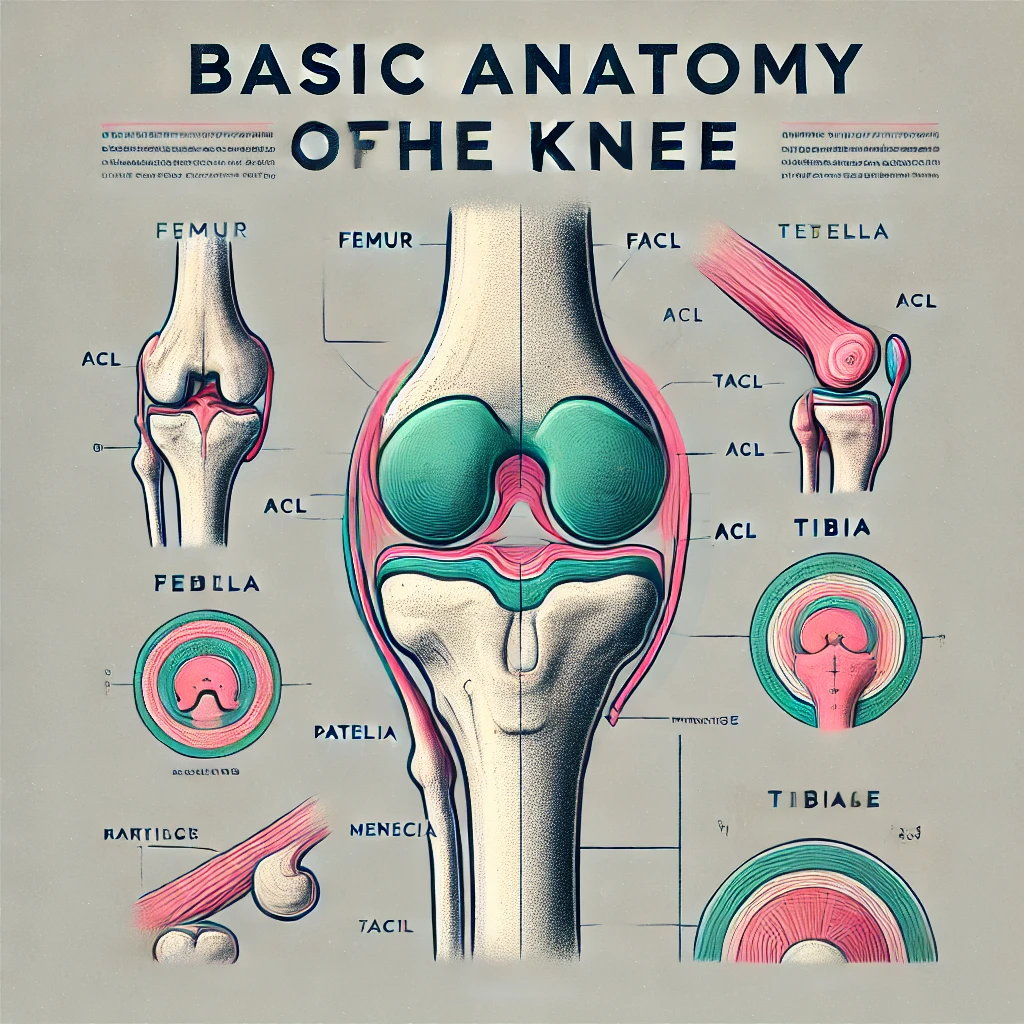
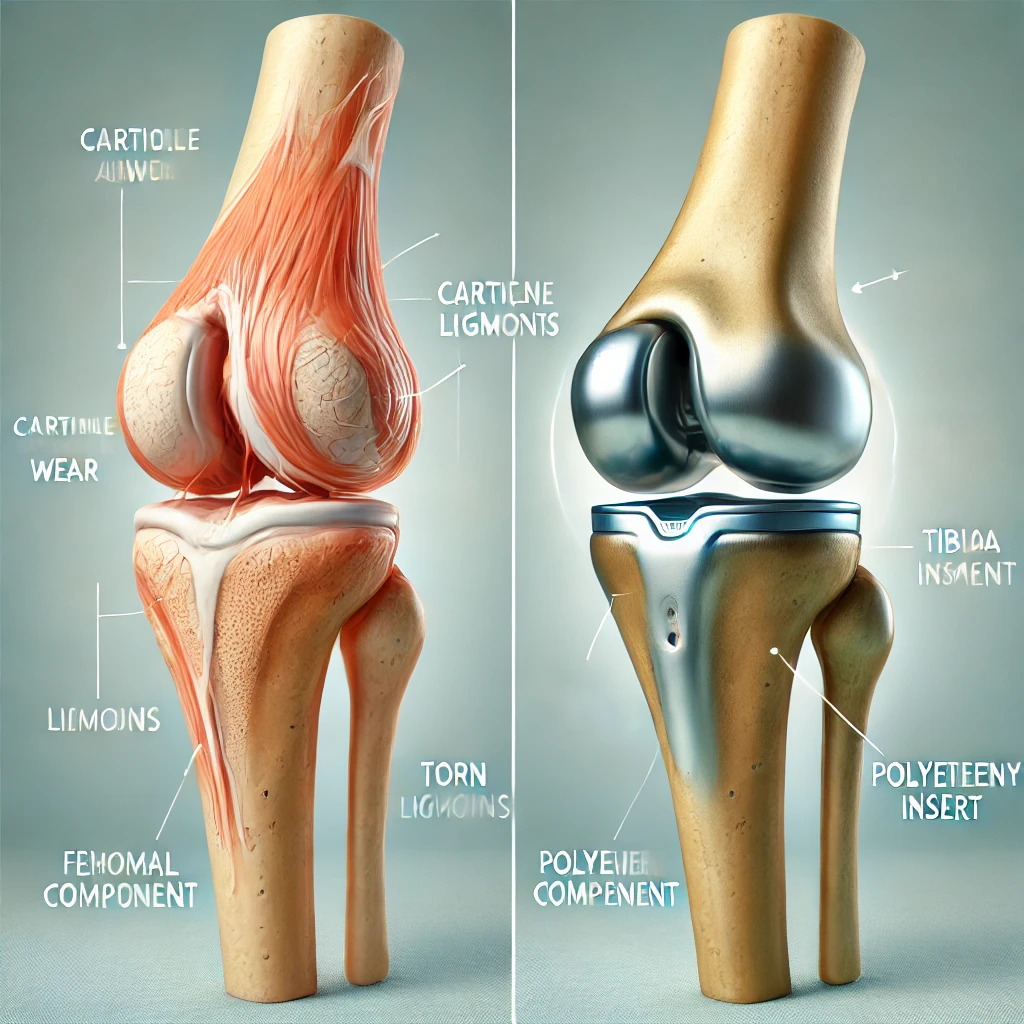
    6ac9cf61 599c 4f98 9443 b08442806a87

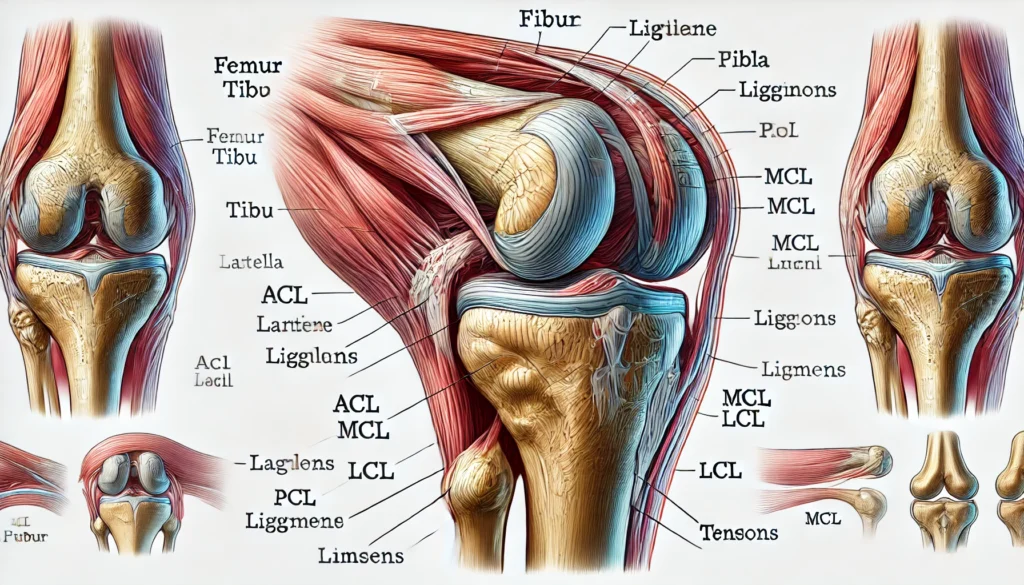
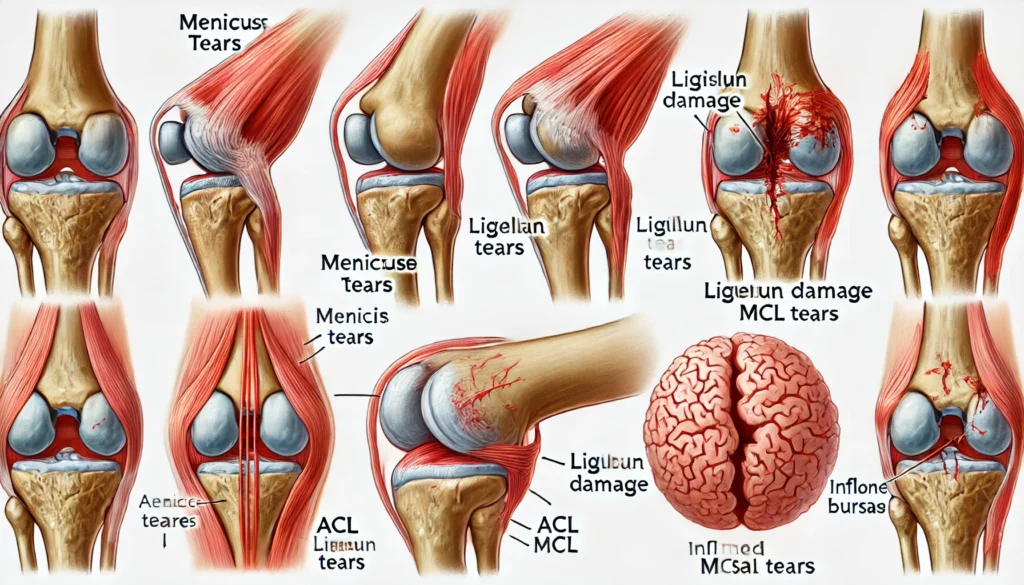
    The knee is a complex joint, and pain can originate from various structures within it. The image above illustrates the basic anatomy of the knee, highlighting key components that are often involved in knee pain.

    2. The Usual Suspects: Injuries and Overuse

    Our knees go through a lot. They bear our weight, help us move, and sometimes, we ask a little too much of them. Think about the impact when you run, jump, or even just walk for extended periods. Over time, this can lead to wear and tear or sudden injuries.

    Ligament Troubles

    You’ve got these strong bands of tissue, like your anterior cruciate ligament (ACL), that hold your knee joint together. Sudden twists or impacts (common in sports) can lead to painful sprains or tears.

    • ACL Injuries: These often occur during sports that involve sudden stops or changes in direction, like basketball or soccer.
    • MCL Injuries: The medial collateral ligament can be damaged by a blow to the outer part of the knee.
    • PCL Injuries: While less common, posterior cruciate ligament injuries can occur from a direct blow to the front of the knee.

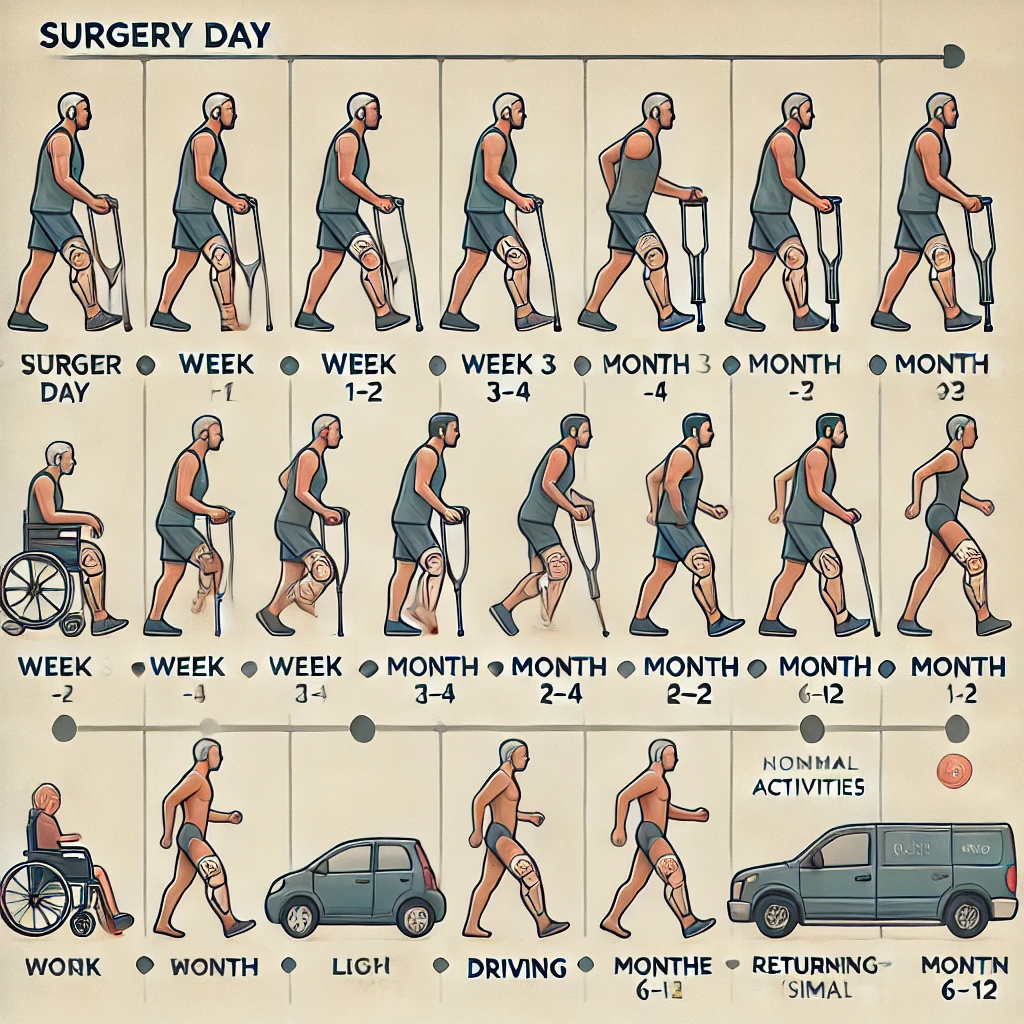
    Recovery time for ligament injuries can vary widely. For instance, a minor sprain might heal in a few weeks with proper care, while a severe tear might require surgery and months of rehabilitation.

    Meniscus Mishaps

    That rubbery cushion in your knee, the meniscus, can get torn. Twisting movements, especially when your knee is under pressure, are often to blame. Meniscus tears are common in sports but can also occur during everyday activities, especially as we age and the meniscus becomes more prone to wear and tear.

    Symptoms of a meniscus tear include:

    • A popping sensation
    • Swelling
    • Stiffness
    • Difficulty fully straightening the knee

    Tendon Tantrums

    Tendons, which attach muscle to bone, can become inflamed with repetitive activities. This is where conditions like runner’s knee (patellofemoral pain syndrome) and jumper’s knee (patellar tendinitis) come into play.

    • Runner’s Knee: This condition causes pain around the kneecap, especially when climbing stairs, kneeling, or sitting with bent knees for long periods.
    • Jumper’s Knee: Common in athletes who do a lot of jumping, this condition causes pain below the kneecap.

    These conditions often develop over time due to overuse or improper form during activities. They can be particularly frustrating for athletes or active individuals, as they may require a period of rest and rehabilitation to resolve.
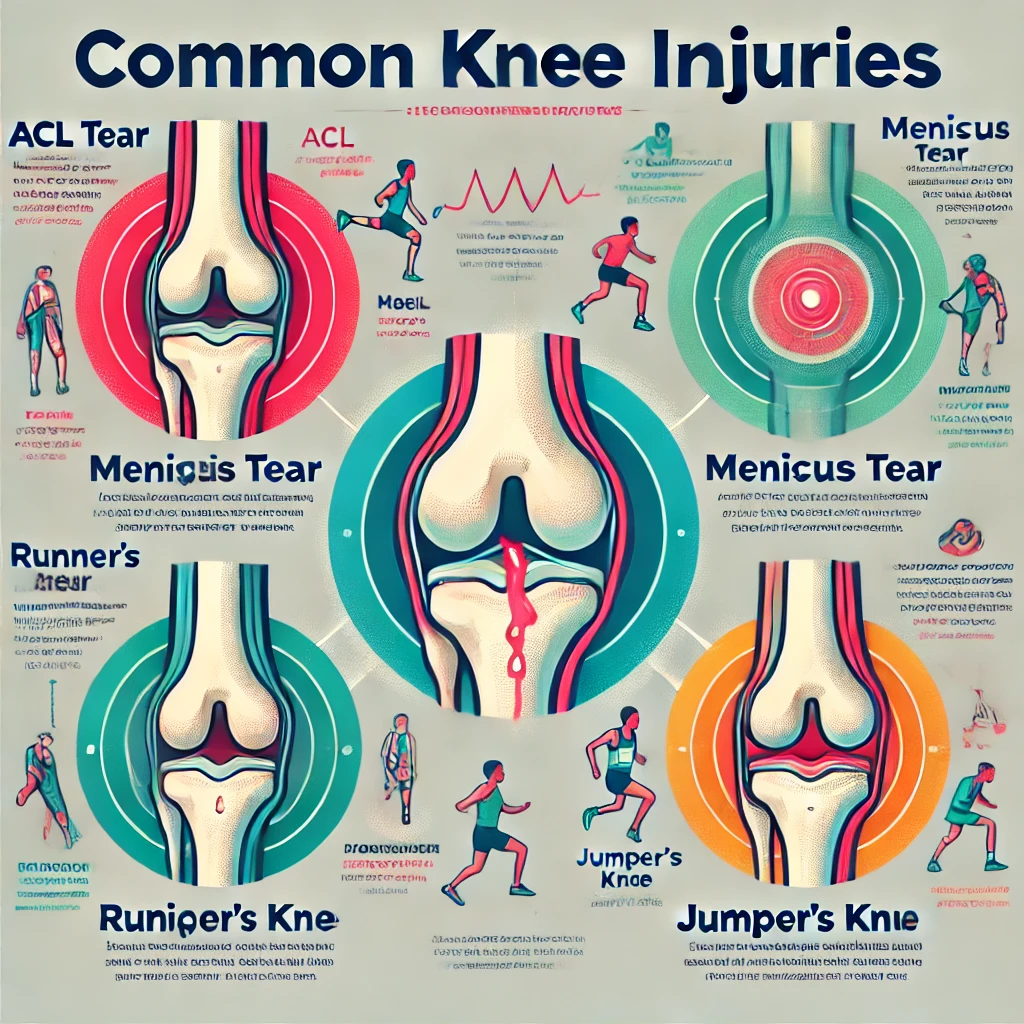
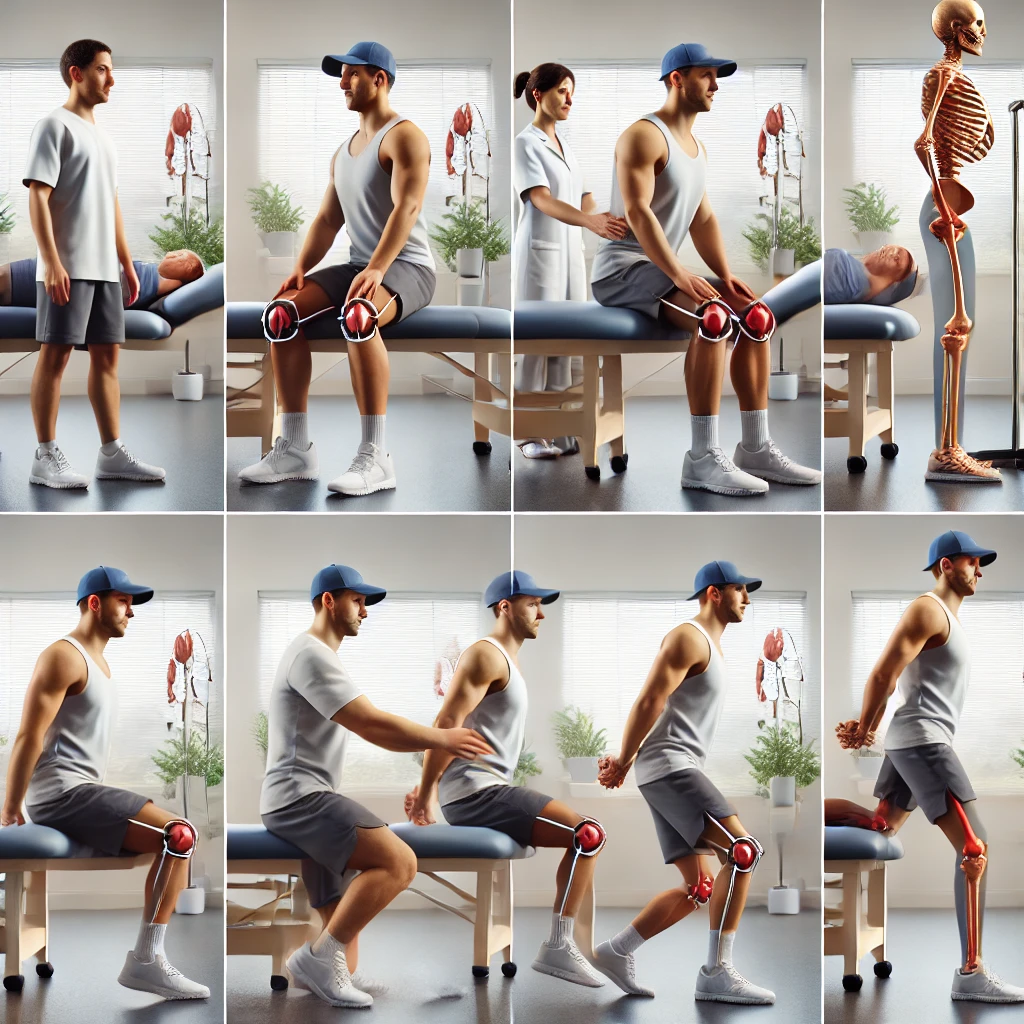
    aeb1f47d e382 45e8 b603 f20ea2426cdd

    This common knee injuries we’ve discussed. Understanding these injuries can help you identify potential causes of your knee pain and seek appropriate treatment.

    3. Arthritis: When Wear and Tear Takes Its Toll

    Arthritis is a common cause of knee pain, especially as we age. It occurs when the joint becomes inflamed, leading to pain, stiffness, and sometimes swelling. There are several types of arthritis that can affect the knee:

    Osteoarthritis

    This is the most common form of arthritis affecting the knee. Think of it like this: remember those car commercials showing shock absorbers wearing down over time? Over the years, the cartilage that cushions our bones can wear away, making movement painful.

    In the United States alone, knee osteoarthritis affects around 10 percent of men and 13 percent of women over the age of 60. That’s a significant portion of the population dealing with this type of knee pain.

    Symptoms of knee osteoarthritis include:

    • Pain that increases with activity
    • Stiffness, especially in the morning or after sitting for long periods
    • Swelling
    • Decreased range of motion
    • A grinding sensation when moving the knee

    Rheumatoid Arthritis

    Unlike osteoarthritis, rheumatoid arthritis is an autoimmune condition where the body’s immune system attacks the joints. This can lead to inflammation, pain, and eventual joint damage if left untreated.

    Rheumatoid arthritis often affects both knees simultaneously and may be accompanied by fatigue, fever, and weight loss.

    Post-Traumatic Arthritis

    This type of arthritis can develop years after a knee injury, such as a fracture or ligament tear. The initial injury can lead to changes in the knee joint that accelerate the breakdown of cartilage over time.

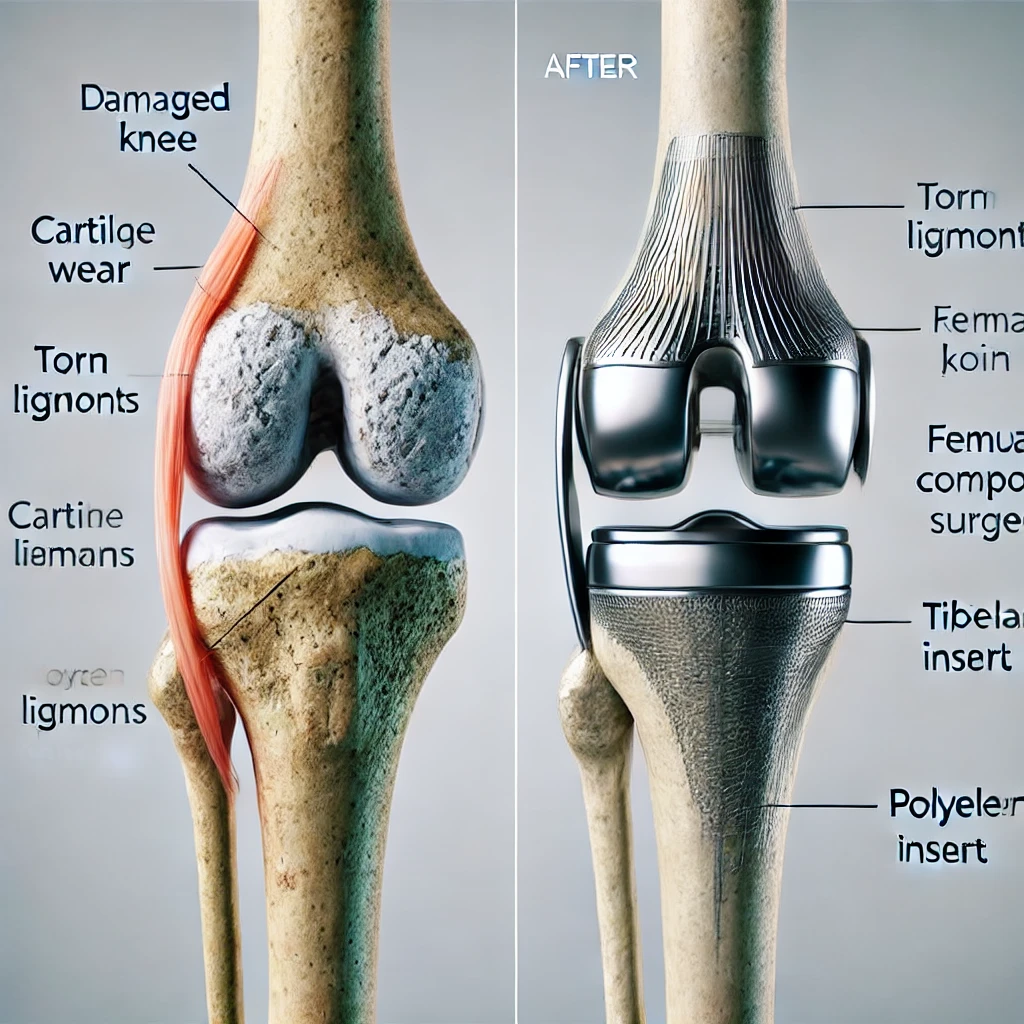
    3cae72c1 402c 442d aebe dd1c23db533c

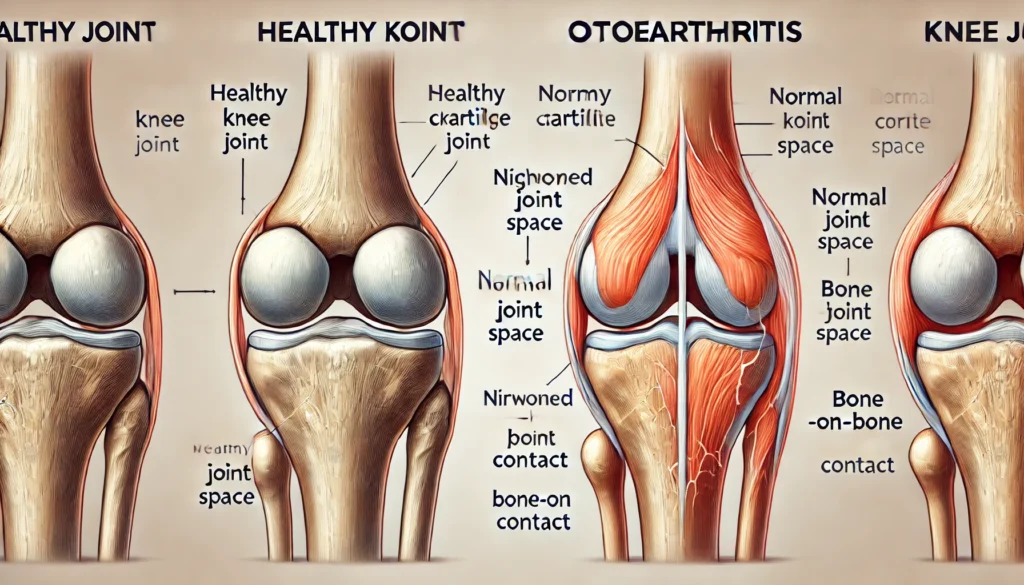
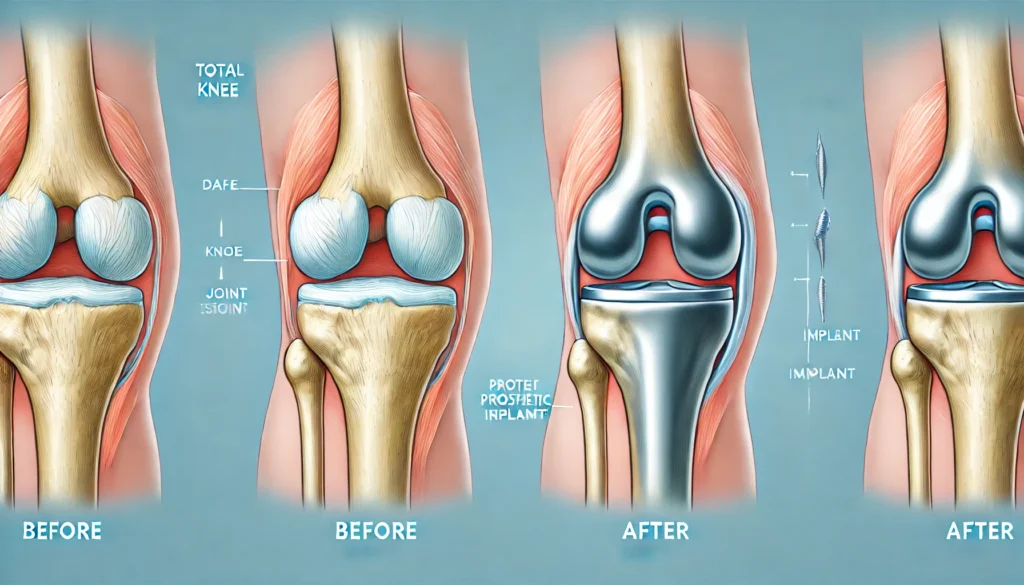
    This image illustrates the difference between a healthy knee joint with smooth cartilage and an arthritic knee with worn, damaged cartilage. In the arthritic knee, you can see how the protective cartilage has deteriorated, potentially leading to bone-on-bone contact and pain.

    4. Beyond the Obvious: Other Potential Causes of Knee Pain

    While injuries and arthritis are common culprits, sometimes knee pain can be sneaky. It might be a clue that something else is going on. Think about your overall health and any other aches or pains you’ve noticed.

    Referred Pain

    You might actually have a hip problem or foot issue that’s changing the way you walk, putting extra stress on your knee. It’s like when your car’s tires are out of alignment; the wear and tear show up elsewhere.

    For example, flat feet or high arches can alter your gait, potentially leading to knee pain. Similarly, tight hip flexors or weak gluteal muscles can change the mechanics of how you move, putting additional stress on your knees.

    Infections

    While less common, infections in the knee joint (like septic arthritis) can cause intense pain. This one needs prompt medical attention. Think of it as your body’s way of sounding the alarm.

    Symptoms of a knee infection may include:

    • Severe pain
    • Swelling
    • Redness and warmth around the joint
    • Fever
    • Fatigue

    If you suspect a knee infection, it’s crucial to seek medical attention immediately, as untreated joint infections can lead to permanent damage.

    Underlying Conditions

    Certain medical conditions can cause joint pain, including knee pain. Some of these include:

    • Gout: A type of arthritis caused by a buildup of uric acid crystals in the joint.
    • Lupus: An autoimmune disease that can cause inflammation in various parts of the body, including joints.
    • Lyme Disease: An infection caused by tick bites that can lead to joint pain and swelling.
    • Psoriatic Arthritis: A type of inflammatory arthritis that can occur in people with psoriasis.

    These conditions often require comprehensive medical management beyond just treating the knee pain.

    5. Say What? Types of Knee Pain

    Pain relief is possible, but first, we need to determine what type of pain you are experiencing. The type of knee pain can give clues about what’s causing it.

    Injury TypeCauseDescriptionPain TypeExample Scenario
    FractureDirect impact or traumaBreak in one of the knee bones, usually the patella (kneecap)Sharp, Intense PainFalling on a hard surface
    Sprain (Entorse)Sudden twist or wrenching movementStretching or tearing of ligaments in the kneeSharp, Shooting PainTwisting the knee while pivoting
    RheumatismAutoimmune or inflammatory responseChronic inflammation of the joints, often affecting the kneesDull, Aching PainPersistent knee pain with stiffness
    Fall Down InjuryFalling or trippingImpact injury leading to bruising or damage to knee structuresVaries (sharp, dull)Tripping and landing on the knee
    Jumping InjuryRepetitive jumping or impactOveruse injury affecting tendons or ligamentsDull, Aching PainPain after repeated jumping or landing
  • Manage your sugar cravings with strategies from scientific studies

    Manage your sugar cravings with strategies from scientific studies

    Overconsumption of sugar is bad for your bones and your health. So why does your body crave it?

    In this article, you’ll learn about the science behind sugar cravings and the many ways they develop and persist. We’ll also examine a major systematic review of studies on the relationship between sugary drink consumption and bone loss.

    You will also learn strategies to break the vicious cycle of sugar cravings and develop healthy habits without sacrificing your appetite.

    Sugar Sugar Sugar

    Sugar cravings are common among people who follow a standard Western diet. Even if you eat healthier and more balanced, it is easy to fall into a sugar habit.

    Whether it’s everyday sugary desserts, sweet snacks or sugary drinks, the food industry makes sure that sugary foods are easily available and hard to resist.

    One of the major negative effects of consuming foods high in added sugars is on blood sugar levels. When you eat refined sugar, your save our bones program blood sugar levels rise rapidly. However, this spike in blood sugar levels does not last long and creates a series of peaks and valleys that put a strain on your body’s regulatory system.

    When sugar levels spike, the body is temporarily flushed with easy energy, but it burns the sugar quickly, causing a crash. To quickly solve the crash problem, you may experience a craving for more sugar. You see how a vicious circle is created.

    This cycle can be created and maintained by several common issues and behaviors.

  • Eating pattern – Fiber, protein, and healthy fats all help regulate blood sugar levels by providing a slow, steady source of energy. A diet lacking these nutrients causes uneven blood sugar levels, which exacerbates the spikes and dips that fuel sugar cravings. Adjusting your diet to include healthy sources of these nutrients can help even out your energy levels and reduce cravings. These nutrients also boost bone health, both directly and indirectly. For example, protein supports muscle growth, which directly stimulates new bone formation.
  • To use – Sometimes cravings can come as regularly as a clock at a certain time of day. This can be the result of behavioral patterns, such as reaching for a sweet treat when you get home from work or choosing a sugary drink for lunch every day. Eating sweets at the same time every day can create a pattern that your brain and body expect, reinforcing the behavior and making it difficult to stop. You can break old habits and form new ones, but it takes effort.
  • Mineral deficiency – Iron deficiency can cause fatigue. Your body may try to compensate by craving a sugar-based energy boost. Calcium, zinc, and magnesium imbalances can also cause sugar cravings. These minerals are essential for metabolic processes and regulation in all body systems. That includes bone remodeling, which is why daily, targeted supplementation is part of the Osteoporosis Reversal Program.
  • Dehydration – Your body needs water to function. Without adequate hydration, you may feel tired or hungry, and your body can’t use important minerals properly. Try to drink water throughout the day to help reduce sugar cravings and stay hydrated. It’s also good for your bones. Dehydration causes an increase in the bone-damaging stress hormone cortisol.1

    Short content

    Sugar causes blood sugar spikes, which can lead to a vicious cycle of energy highs and lows that fuel sugar cravings. Poor diet, sugar consumption habits, mineral deficiencies, and dehydration can all cause fatigue and sugar cravings.

    New research links loneliness to sugar cravings

    A recently published study of 93 healthy premenopausal women found that social isolation is linked to altered processing of food signals by the brain.

    Researchers showed participants images of sweet foods, savory foods, and pixelated non-food control images during MRI scans of their brains. Participants with higher levels of perceived social isolation were more likely to have a larger brain response to images of sweet foods.

    “These findings indicate that increased loneliness may be associated with brain patterns indicating difficulties in motivation, control, and processing of internal states in response to food and increased changes in eating behavior, obesity, and psychological symptoms.”2

    In this study, social isolation and loneliness were linked to a brain response that made it harder to resist sweets and the energy boost that sugar brings. Based on this finding, improving your social health may help reduce sugar cravings.

    If you are experiencing social isolation and loneliness, create opportunities to form relationships and participate in social activities. Find local community centers, recreation facilities, or libraries that offer group programming. Sign up for a class at a local art studio, gym, or continuing education program. Enlist the help of family and friends to increase your social connectivity.

    Better social well-being is also associated with better bone health. This can be partly attributed to better mental health and the positive habits and behaviors that good mental health enables.

    Short content

    A study of 93 women linked social isolation to the brain’s response to images of sweet foods, suggesting that loneliness is linked to sugar cravings and a reduced ability to resist them. Improving your social life can help you make better food choices and build other bone-healthy habits.

    Sugary drinks and bone loss

    A systematic review published in Nutrition Journal analyzed 26 studies with a total of 124,691 participants. The included studies compared participants’ sugary beverage (SSB) consumption with their bone mineral density (BMD).

    The study found that there is a significant inverse association between SSB intake and bone mineral density (BMD) in adults.3

    The studies included in the review used different methods to assess SSB intake and measure BMD, which strengthened the conclusions drawn from the analysis.

    This study highlights the importance of resisting and preventing sugar cravings for Savers. Consider the strength of the study’s conclusion about sugar intake and bone health.

    “The results of the qualitative review supported the finding that SSB intake was associated with bone health. There has been a global effort to reduce excessive SSB consumption through approaches such as nutrition education, campaigns and policy implementation. We confirmed that these efforts not only prevent obesity, diabetes and cardiovascular disease, but also have a beneficial effect on the bone health of the population.”3

    Short content

    A systematic review published in Nutrition Journal found a significant inverse association between sugary beverage intake and bone mineral density (BMD) in adults. This study illustrates the importance of resisting and preventing sugar cravings for bone health.

    Strategies to Overcome Sugar Cravings

    Knowledge is your first tool for overcoming sugar cravings, and you’ve learned a lot in this article so far. Being able to notice a craving and understand where it might be coming from is a powerful foundation for choosing different behaviors in response to a craving.

    Try these additional strategies to change your choices. Over time, you may find that your cravings for sweets diminish.

  • Adjust your diet to include healthy proteins and fiber to ensure you have a steady supply of energy.
  • Notice what unhealthy habits you have built up and break them. Try replacing them with a less sugary snack, cut out the sweet food altogether, or try introducing a non-food based habit to replace the sugary snack.
  • Drink water throughout the day to stay hydrated. Try to drink half of your body weight in ounces per day. For example, if you weigh 160 pounds, drink 80 ounces of water throughout the day.
  • Take daily supplements to properly fuel your body’s systems. The Osteoporosis Reversal Program offers a full set of Foundation Supplement recommendations.
  • Prioritize quality sleep. Sugar cravings can be a result of a lack of energy, so consistent, quality sleep can help prevent daytime fatigue.
  • Short content

    Knowing why sugar cravings may occur is a helpful step toward beating them. Try the strategies listed above to curb cravings and build bone-healthier habits.

    What this means for you

    You don’t have to let your sweet tooth rule you. Take action to interrupt your sugar cravings and build healthier habits. Eating less sugar can protect your bones and overall health, and reduce your risk of fractures.

    That doesn’t mean your diet has to be bland and unsatisfying. Check out the bone-healthy desserts (and other dishes!) included in the Save Institute’s Bone Appétit cookbook and meal planner. You’ll love Chocolate Banana Pudding, Country Peach Cake, Apple Crisp Delight (to name a few), because the recipes in Bone Appetit offer sweet and indulgent dessert and snack options that you can incorporate into your 80/20 pH-balanced diet without compromising your bones.

    Making the healthiest choice is only useful if it is sustainable. By making healthy choices that you enjoy, you can build good habits that will last a lifetime.

    References

    1 https://journals.physiology.org/doi/full/10.1152/japplphysiol.01010.2007

    2 https://jamanetwork.com/journals/jamanetworkopen/fullarticle/2817148

    3 https://nutritionj.biomedcentral.com/articles/10.1186/s12937-021-00698-1


Source link

  • Introduction to stem cells and differentiation of MSCs

    Introduction to stem cells and differentiation of MSCs

    The use of stem cells in bone grafting applications continues to grow in popularity. This is partly due to aging patient populations that require more advanced materials for successful surgical outcomes. At the same time, surgeons are seeking more advanced technologies to treat these patients.

    Stem cells are unique in that they can be stimulated by their environment to change, or “differentiate,” into bone cells. Some advanced synthetic bone graft materials even have the ability to stimulate stem cells to become bone cells. But what exactly is meant by the broad term “stem cells” and what benefits do they promise? This blog covers an introduction to the biology of stem cells and how stem cells can be used specifically for bone regeneration.

    Introduction to stem cells

    Although their clinical use remains controversial, embryonic stem cells have an astonishing power to transform into virtually any organ or tissue under specific chemical and physical conditions. These cells are called “pluripotentfrom the Latin root multi- meaning a lot of. Other types of stem cells, also called “multipotent” or “adult stem cells,” are more differentiated, meaning they can form into a more limited variety of tissues. For bone regeneration applications, adult stem cells are used can or are autologous stem cells (coming by the patient who is there treated, also known as autotransplant) or like a allograftwhich means, allogeneic stem cells (coming by another person, usually a corpse). Of course, any bone graft product containing donated allogeneic stem cells (cellular allografts) must comply with a number of FDA regulations and protocols to ensure its safety and assess its effectiveness.

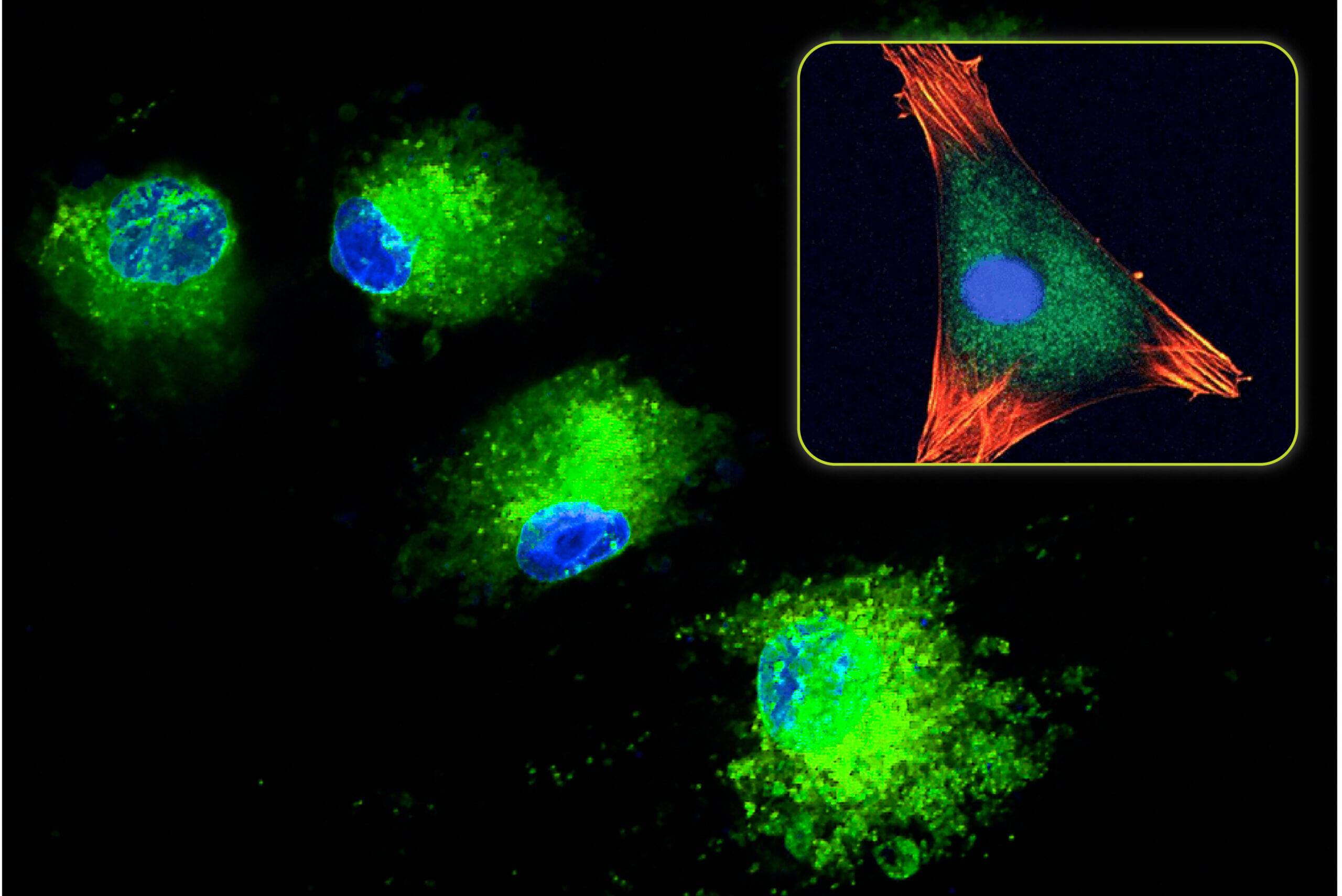
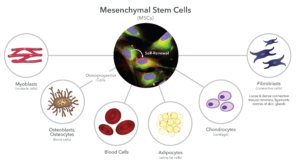
    One type of adult stem cell Ordinaryly associated with bone grafting applications is a mesenchymal stem cellor MSC. This cells were first identified in the middle70s. MSCs are partially differentiated, which makes them capable of producing a variety of structural or stromal tissues, such as bones, cartilage, tendons, muscles, blood, and thick (Figure 1). They are limited to these tissue types becauseusand they Are embryological derived from by the mesoderm, hence the term monthsenchymal. In contrastthe ectoderm is responsible for forms skin and the central nervous system, while the endoderm is responsible for the functional cells of the main internal organs, such as the liver, pancreas, and kidneys.

    Differentiation potential of mesenchymal stem cells (MSCs).
    Figure 1: Differentiation potential of mesenchymal stem cells (MSCs).

    MSCs are found throughout the body, particularly pericytes that are embedded in the structural components of microvascular walls. Therefore, bone marrow is particularly rich in MSCs. MSCs are spindle-shaped, but not particularly unique in their morphology. Because they replicate easily, they grow on tissue culture plates as “colony-forming units” or CFUs. They are best identified chemically by specific antigens, called “Clusters of Differentiation”, in their cell membranes, such as CD105 and CD44. MSCs are rare, accounting for less than 0.1% of nucleated cells in the body, and they continue to decline with age. Although MSCs can replicate more than 50 times, their doubling rate is slow, more than 1-3 days, and decreases with age.

    Allogeneic MSCs can be used in patients because they are thought to immune privileged. This means that they do not contain important HLA (Human Leucocyte Antigens) antigenic components in their cell membranes that the patient recipient sees as foreign. Therefore, they are not detected by the patient’s immune system when they are implanted. In contrast, HLA compatibility Is required for every organ transplant to prevent rejection. MSCs can therefore theoretically be used to treat any patient without concerns about histocompatibility.

    Mesenchymal Use of stem cells in bone transplantation

    Bone is one of the most easily regenerated structural tissues, so it is no surprise that MSCs are readily available in bone marrow. For this reason, bone marrow aspirate (which is harvested from cancellous bone) is widely used in combination with other bone graft materials. Due to the popularity of bone marrow-derived stem cells, tissue banks eventually found a way to process allograft bone while keeping the donor MSCs alive. Today, both mesenchymal stem cells (MSCs) and more differentiated stem cells, osteoprogenitor cells (OPCs) (Figure 1) are harvested from cadaver bone. These MSCs and OPCs are then added to DBM (demineralized bone matrix) and/or cancellous bone chips from the same donor to create a variety of allograft stem cell products.

    There is much debate about the efficacy of transplanted MSCs and OPCs. It is not clear whether these cells actually survive, let alone divide into viable cells, after transplantation. However, there is data to support that they act as paracrine cells (signaling cells) by releasing cytokines and other growth factors into their environment. In this way, they indirectly stimulate bone regeneration, rather than directly differentiating into osteoblasts.

    The future of stem cells in bone regeneration

    Modern process techniques have very extended access to stem cells for use in surgeryFor procedures requiring bone tissue graftsurgeons are expected to use mesenchymal Rod cells, osteoancestor cells, And related technologies to grow new bone andd patients help to heal more complete. While stem cell Their use remains a topic of debate, but these cells show promise in the field of bone regeneration and will likely continue to play a role in future bone regeneration technologies.

    Source link

  • Vitamin D in the summer: better bones

    Vitamin D in the summer: better bones

    SunshadeNow that summer has arrived, it’s time to take advantage of the free vitamin D that the sun offers. Sun exposure is the ideal way to help us reach the minimum vitamin D level of 32 ng/mL, with an optimum of 50 to 60 ng/mL.

    I also encourage you to get outside as much as possible, because we are all part of nature. Being outside can bring our bodies into harmony with the natural world around us. I use this time of year to play golf and tennis, swim in the lake, bike, kayak, hike, grow vegetables, and get outside in any way I can. Even with all the benefits of being outside, I still get a lot of questions about sun exposure, so here are my recommendations, as well as some important information about sunscreen:

    Better Bones Guidelines for Sun Exposure (Year-Round!)

    • It is best to expose the entire body to the sun for short periods of 15-20 minutes each day (without sunscreen).

    • People with very dark skin need 4 to 6 times more sunlight exposure than people with light skin.

    • After this initial period, use sunscreen if necessary to prevent burning.

    • The usable ultraviolet radiation is strongest between 10am and 2pm.

    • In northern or southern latitudes, far from the equator, longer exposure is necessary, especially in spring and autumn.

    • In climates at northern or southern latitudes, far from the equator, very little to no vitamin D is produced in the skin during the winter months.

    • If your shadow is shorter than you, you can make vitamin D from sunlight. If your shadow is longer than you, you know you are not exposed to that small spectrum of ultraviolet radiation that makes vitamin D.

    Protect yourself from both the harmful sun and the wrong sunscreens

    Just as important as protecting yourself from the sun is avoiding the potentially harmful effects of sunscreen ingredients that can contribute to your overall toxic load. If you’re going to be wearing sunscreen while spending extended periods of time outdoors, keep these tips in mind to help you decipher product labels:

    • Avoid the ingredients vitamin A (retinyl palmitate) and oxybenzone. Safer options are titanium dioxide and zinc oxide. I prefer those with zinc oxide as the active ingredient.

    • Use natural and organic beauty and body care products whenever possible. Many of the chemical ingredients in personal care products are not only toxins, but also allergens and skin irritants. Do a little research before choosing a sunscreen, since it is classified as both a cosmetic and a drug.

    • “Organic” and “natural” do not always mean “safe.” When in doubt, avoid products with long lists of unpronounceable ingredients to prevent exposure to synthetic toxins and carcinogens.

    • Another way to reduce exposure is to avoid any product that lists “fragrance” as an ingredient, or whose label list ends with the words “…and other ingredients.” Sunscreen manufacturers are not required to list ingredients, even those that are carcinogenic or have been granted “trade secret” status by the FDA.

    You can learn more about the benefits of vitamin D in my article, “Vitamin D: Its Benefits Are Greater Than Ever Thought.” And keep in mind that you want to have those levels year-round, so I recommend getting a vitamin D test at the end of both summer and winter to check for any variations.

    Doctor Susan BrownI am Dr. Susan E. BrownI am a clinical nutritionist, medical anthropologist, writer and motivational speaker speakerLearn my proven 6-step natural approach to healthy bones in my online courses.


    Source link

  • Foothills Sports Medicine Physical Therapy Restores Network Status with United Healthcare |  Foothills Physical Therapy & Sports Medicine

    Foothills Sports Medicine Physical Therapy Restores Network Status with United Healthcare | Foothills Physical Therapy & Sports Medicine

    Foothills Sports Medicine Physical Therapy (Foothills), Arizona’s largest and most respected provider of musculoskeletal and physical therapy services, is pleased to announce that after months of diligent negotiations, an agreement has been reached with UnitedHealthcare (UHC). Effective August 1, 2024, Foothills will once again be an in-network provider for UHC’s commercial insurance and Medicare Advantage plans, providing thousands of patients covered by these plans with access to high-quality physical therapy services.

    View our full list of providers