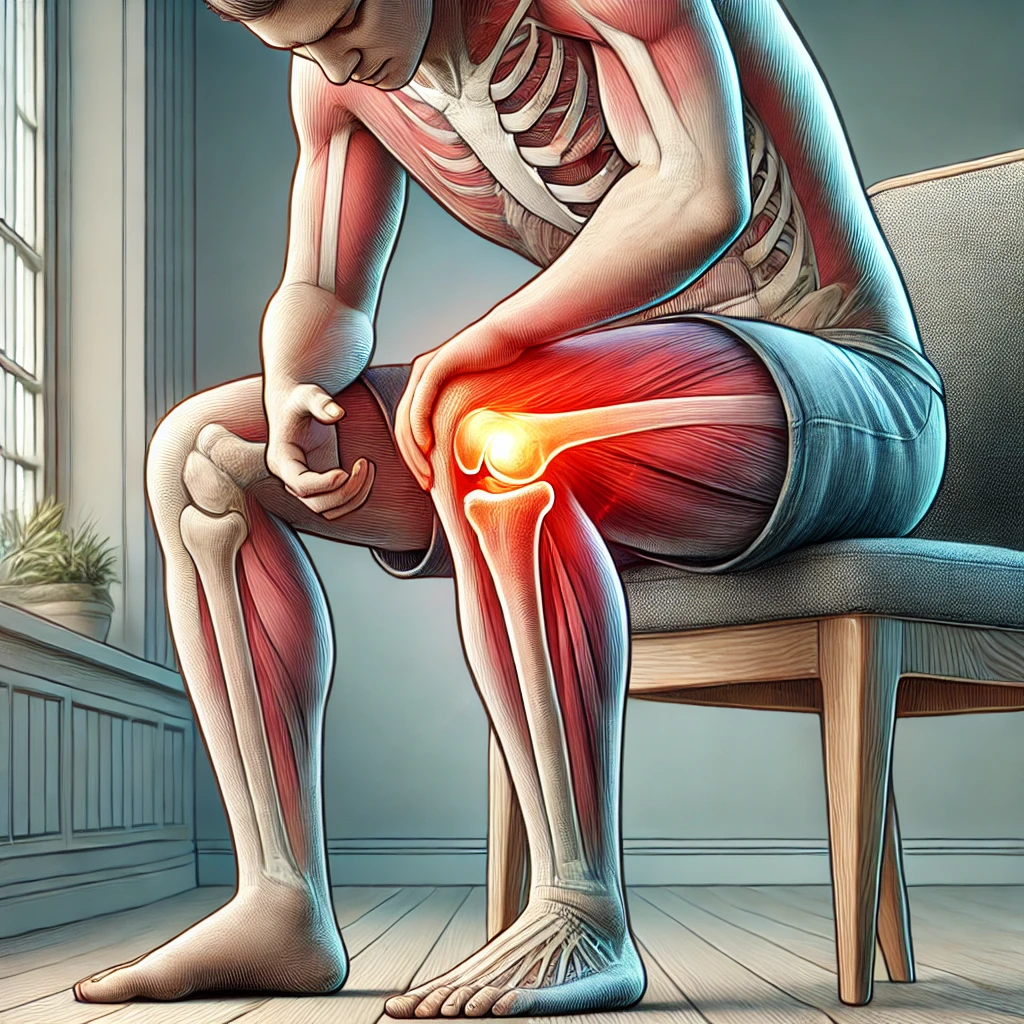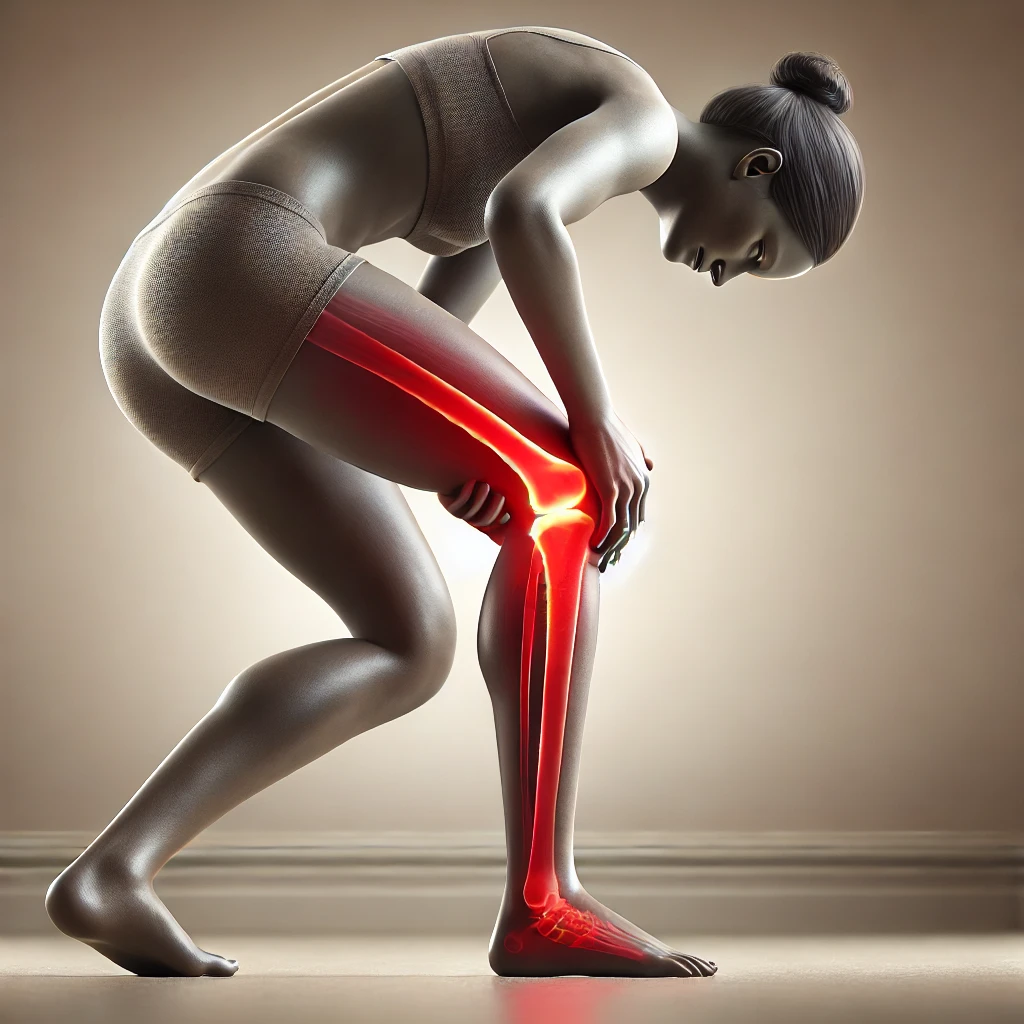
Category: Knee Anatomy and Functions

all about the amatomy and fonctions as articution with complex composition

  • knee hurts when sitting

    knee hurts when sitting

    Have you ever felt knee pain while sitting down? You’re not alone. Many people experience this discomfort, and it can range from a minor annoyance to a sign of a bigger issue. Understanding why your knee hurts when sitting is the first step toward finding relief. This article will explore common causes, symptoms, and preventive measures for knee pain related to sitting, as well as treatment options and when to seek professional help.

    Common Causes of Knee Pain When Sitting

    Knee pain from sitting is a common issue with several potential causes. Understanding these causes can help in managing and preventing the discomfort.

    Poor Posture and Positioning

    Sitting in an awkward position or with poor posture can strain your knees. When your chair or surface doesn’t provide proper support, it can lead to pain. Improper support is a key factor here.

    Underlying Health Conditions

    Sometimes, knee pain while sitting can be due to underlying health conditions. These conditions might include arthritis or other joint issues. It’s important to consider these possibilities if the pain persists.

    Prolonged Sitting

    Sitting for long periods can also cause knee pain. When you stay in one position for too long, it can put stress on your knees. Taking regular breaks to move around can help alleviate this issue.

    Symptoms Associated with Knee Pain from Sitting

    Identifying Discomfort

    When you sit for long periods, you might notice a dull ache or sharp pain in your knees. This discomfort can be a sign that your sitting posture or chair isn’t providing the right support. Pay attention to when the pain starts and how long it lasts. This can help you figure out if sitting is the main cause.

    Signs of Poor Support

    If your chair doesn’t support your knees well, you might feel pain. Look for signs like your knees being higher or lower than your hips, or your feet not touching the ground. These can all lead to knee pain. Adjusting your chair or using a footrest can help.

    When to Seek Medical Advice

    Sometimes, knee pain can be a sign of a bigger problem. If the pain doesn’t go away or gets worse, it’s time to see a doctor. Other signs to watch for include swelling, redness, or a feeling of warmth in the knee. These could mean there’s something more serious going on.

    If knee pain from sitting is affecting your daily life, don’t ignore it. Simple changes can make a big difference, but sometimes you need a professional to help you find the right solution.

    Impact of Sitting Positions on Knee Health

    Sitting Cross-Legged

    Sitting with your legs crossed might feel comfortable, but it can put a lot of strain on your knees. This position can overstretch the muscles and ligaments around the knee, leading to pain and stiffness. Changing your sitting habits to keep your feet flat on the floor can help reduce this strain.

    Sitting on Heels

    When you sit on your heels, you place a lot of pressure on your knee joints. This can limit the range of motion and cause discomfort over time. It’s better to sit with your knees at a right angle and your feet flat on the ground to avoid this pressure.

    Improper Chair Height

    Using a chair that is too high or too low can also affect your knee health. If your chair is too high, your feet may dangle, putting extra pressure on your knees. If it’s too low, your knees may be bent too much, causing strain. Adjusting your chair so that your feet rest comfortably on the floor can make a big difference.

    Remember, small changes in how you sit can have a big impact on your knee health. Always aim for a position that supports your body well and reduces unnecessary strain.

    Preventive Measures to Avoid Knee Pain

    Ergonomic Sitting Solutions

    One of the best ways to prevent knee pain is by using ergonomic sitting solutions. Adjust your chair height so that your feet rest flat on the floor and your knees are at a 90-degree angle. Consider using a footrest if needed. Ensure your chair provides good lumbar support to maintain proper posture.

    Regular Movement and Breaks

    Sitting for long periods can strain your knees. Make it a habit to stand up and move around every 30 minutes. Simple activities like stretching or a short walk can help. Regular movement keeps your joints flexible and reduces stiffness.

    Strengthening Exercises

    Incorporate exercises that strengthen the muscles around your knees. Strong muscles provide better support and reduce the risk of pain. Focus on exercises like leg lifts, hamstring curls, and calf raises. Always warm up before exercising to prevent injury.

    Taking proactive steps to care for your knees can make a significant difference in your overall comfort and mobility. Prioritize these preventive measures to maintain knee health and avoid pain.

    Treatment Options for Knee Pain When Sitting

    Home Remedies

    For mild knee pain caused by sitting, home remedies can be quite effective. Applying ice packs to the affected area can reduce swelling and numb the pain. Over-the-counter pain relievers like ibuprofen can also help. Additionally, gentle stretching exercises can improve flexibility and reduce discomfort.

    Physical Therapy

    If home remedies aren’t enough, physical therapy might be the next step. A physical therapist can design a personalized exercise plan to strengthen the muscles around your knee. This can help improve your posture and reduce pain. They may also use techniques like massage or ultrasound therapy to alleviate discomfort.

    Medical Interventions

    In more severe cases, medical interventions may be necessary. Your doctor might recommend corticosteroid injections to reduce inflammation. In rare cases, surgery could be an option to correct underlying issues. Always consult a healthcare professional to determine the best course of action for your specific condition.

    It’s important to address knee pain early to prevent it from becoming a chronic issue. Regular check-ups and following your treatment plan can make a significant difference in your knee health.

    When to Consult a Healthcare Professional

    Persistent Pain

    If your knee pain doesn’t go away after a few days, it’s time to see a healthcare professional. Persistent pain can be a sign of a more serious issue that needs medical attention. Don’t ignore it, especially if it keeps you from doing your daily activities.

    Associated Symptoms

    Look out for other symptoms that come with your knee pain. These can include swelling, redness, or a feeling of warmth around the knee. If you notice any of these, it’s important to get checked out. Sometimes, these symptoms can mean there’s an infection or another condition that needs treatment.

    Diagnostic Procedures

    When you visit a healthcare provider, they might suggest some tests to find out what’s causing your knee pain. These tests can include X-rays, MRIs, or blood tests. These diagnostic procedures help in understanding the root cause and planning the right treatment for you.

    It’s always better to be safe and get a professional opinion if you’re unsure about your knee pain. Early diagnosis can make treatment easier and more effective.

    Conclusion

    Knee pain while sitting is a common issue that many people face. It can be caused by various factors such as poor posture, sitting for long periods, or underlying health conditions. The good news is that most of these causes can be addressed with simple changes in your sitting habits and environment. If the pain persists, it’s important to consult a healthcare professional to rule out any serious conditions. By paying attention to how you sit and making necessary adjustments, you can significantly reduce or even eliminate knee pain while sitting.

    Key Takeaways

    • Knee pain when sitting can be caused by poor posture, underlying health conditions, or prolonged sitting.
    • Common symptoms include discomfort, lack of support, and pain when bending the knee.
    • Sitting positions like cross-legged or on heels can negatively impact knee health.
    • Preventive measures include ergonomic seating, regular breaks, and strengthening exercises.
    • Consult a healthcare professional if the pain is persistent or accompanied by other symptoms.

    Frequently Asked Questions

    Why does my knee hurt when I sit for a long time?

    Knee pain when sitting for long periods can be due to poor posture, lack of support, or underlying health conditions like arthritis or tendonitis.

    Is it normal to feel knee pain while sitting?

    Yes, it’s quite common. Sitting in awkward positions or for too long can put stress on your knee joints, causing discomfort.

    What can I do to prevent knee pain when sitting?

    To prevent knee pain, try to maintain good posture, use ergonomic chairs, take regular breaks to move around, and do exercises to strengthen your knees.

    When should I see a doctor about knee pain from sitting?

    If your knee pain is persistent, severe, or accompanied by other symptoms like swelling or redness, it’s best to consult a healthcare professional.

    Can sitting cross-legged cause knee pain?

    Yes, sitting cross-legged can put extra pressure on your knee joints, leading to pain, especially if done for extended periods.

    What are some home remedies for knee pain from sitting?

    Home remedies include applying ice, taking over-the-counter pain relievers, doing gentle stretches, and using cushions or ergonomic chairs for better support.

  • knee aches when sitting

    knee aches when sitting

    Knee pain while sitting is a common issue that many people face. Whether it’s due to poor posture, lack of support, or sitting for too long, this discomfort can affect your daily life. Understanding the causes and finding ways to prevent and treat this pain can help you stay comfortable and healthy.

    Common Causes of Knee Pain When Sitting

    Knee pain from sitting is a common issue with several potential causes. Poor posture and positioning can put extra stress on your knees, leading to discomfort. When you sit in an awkward position, your knees may not be aligned properly, causing strain.

    Another cause is the lack of proper support. If your chair or seating surface doesn’t support your legs and knees well, it can lead to pain. This is especially true if you sit for long periods without changing positions.

    Lastly, underlying health conditions can also contribute to knee pain when sitting. Conditions like arthritis or previous injuries can make your knees more sensitive to the stresses of sitting.

    It’s important to pay attention to your sitting habits and make adjustments as needed to avoid knee pain.

    How Sitting Too Long Affects Your Knees

    knee pain sitting

    Impact on Joint Health

    Sitting for extended periods can lead to joint stiffness and discomfort. When you sit for too long, your knees remain in a bent position, which can cause the muscles and tendons around the joint to tighten. This can result in reduced flexibility and increased pain.

    Circulation Issues

    Remaining seated for long durations can also affect blood flow. Poor circulation can lead to swelling and discomfort in the knee area. It’s important to move around periodically to keep the blood flowing properly.

    Muscle Stiffness

    Extended sitting can cause your muscles to become stiff and sore. This is especially true for the muscles around your knees. Regular movement and stretching can help alleviate this stiffness and prevent pain.

    Recognizing Symptoms of Knee Pain from Sitting

    Identifying Discomfort

    Knee pain from sitting can be tricky to identify. Common signs include a dull ache or sharp pain in the knee area. You might also feel stiffness or a burning sensation. Pay attention to when the pain starts and if it worsens after sitting for long periods.

    When to Seek Medical Advice

    If your knee pain persists or gets worse, it’s important to see a doctor. Look out for swelling, redness, or if the pain is severe enough to limit your daily activities. These could be signs of a more serious issue.

    Common Misconceptions

    Many people think knee pain from sitting is always due to poor posture. While that’s a common cause, other factors like lack of proper support or underlying health conditions can also contribute. It’s not just about how you sit, but also about how long you stay in one position.

    Recognizing the symptoms early can help you take steps to prevent further discomfort and potential damage.

    Preventive Measures for Knee Pain When Sitting

    Choosing the Right Furniture

    Selecting the right furniture is crucial. Opt for chairs that provide good support to your lower back and knees. Adjustable chairs can help you find the perfect height and angle. Make sure your feet rest flat on the floor or on a footrest.

    Practicing Good Posture

    Maintaining good posture can prevent knee pain. Sit up straight with your back against the chair. Keep your knees at a right angle and avoid crossing your legs. Proper alignment helps distribute your weight evenly, reducing strain on your knees.

    Taking Regular Breaks

    Taking breaks is essential. Stand up and stretch every 30 minutes to an hour. Walk around for a few minutes to improve circulation and reduce stiffness. These small actions can make a big difference in preventing knee pain.

    Regular movement and good posture are key to avoiding knee pain when sitting for long periods.

    Treatment Options for Knee Pain

    Home Remedies

    For mild knee pain, home remedies can be quite effective. Resting the knee and applying ice can help reduce swelling. Over-the-counter pain relievers like ibuprofen or acetaminophen can also be useful. Gentle exercises and stretches can improve flexibility and strength.

    Physical Therapy

    A healthcare provider may suggest physical therapy to strengthen the muscles around the knee. This can include exercises, electronic muscle stimulation, and ultrasound treatments. Physical therapy is often combined with other treatments for better results.

    Medical Interventions

    For more severe pain, medical interventions might be necessary. Injections, such as corticosteroids, can help reduce inflammation and pain. In some cases, surgery might be required to address underlying issues. It’s important to consult a healthcare professional for a proper diagnosis and treatment plan.

    If knee pain persists despite trying these treatments, it’s crucial to seek medical advice. Ignoring the pain can lead to more serious issues down the line.

    When to Consult a Healthcare Professional

    If your knee pain doesn’t go away after a few days of home care, it might be time to see a doctor. Chronic pain can be a sign of a more serious issue that needs medical attention.

    Look out for other symptoms like swelling, redness, or a fever. These could mean there’s an infection or another problem that needs treatment.

    A healthcare professional can run tests to find out what’s causing your knee pain. This might include X-rays, MRIs, or blood tests to get a clear picture of your knee’s health.

    Don’t ignore persistent knee pain. Early diagnosis and treatment can help prevent more serious problems later on.

    Conclusion

    Knee pain while sitting is a common issue that many people face. It can be caused by various factors such as poor posture, lack of support, or underlying health conditions. The good news is that most of these problems can be fixed with simple changes like improving your sitting habits or seeking medical advice. Remember, paying attention to your body and making small adjustments can go a long way in keeping your knees healthy and pain-free. If the pain persists, don’t hesitate to consult a healthcare professional for proper diagnosis and treatment.

    Key Takeaways

    • Poor posture and lack of proper support are common causes of knee pain when sitting.
    • Sitting for long periods can negatively impact joint health, circulation, and muscle flexibility.
    • Recognizing the symptoms of knee pain early can help in seeking timely medical advice.
    • Choosing the right furniture and practicing good posture can prevent knee pain.
    • If knee pain persists, it’s important to consult a healthcare professional for proper diagnosis and treatment.

    Frequently Asked Questions

    Why does my knee hurt when I’m sitting?

    Knee pain when sitting can be caused by poor posture, lack of proper support, sitting for too long, or underlying health conditions.

    Is sitting too long bad for my knees?

    Yes, sitting for extended periods can negatively impact your knee joints, reduce circulation, and cause muscle stiffness.

    What are some symptoms of knee pain from sitting?

    Symptoms include discomfort, stiffness, and pain in the knee area, especially after sitting for long periods.

    How can I prevent knee pain when sitting?

    You can prevent knee pain by using supportive furniture, practicing good posture, and taking regular breaks to move around.

    What are some home remedies for knee pain?

    Home remedies include applying ice, taking over-the-counter pain relievers, and doing gentle stretches and exercises.

    When should I see a doctor for knee pain?

    You should consult a healthcare professional if you have persistent pain, swelling, or if the pain is associated with other symptoms.

  • knee pain when sitting

    knee pain when sitting

    Knee pain while sitting is a common issue that many people face. It can be caused by various factors, including poor posture, sitting for too long, or underlying health problems. Addressing this pain often involves making changes to how you sit and seeking advice from a healthcare provider.

    Common Causes of Knee Pain When Sitting

    Knee pain from sitting is a common issue with several potential causes. Poor posture and positioning can put extra stress on your knees. Sitting with your legs crossed or in an awkward position can lead to discomfort. Additionally, the chair or surface you sit on might not provide the proper support your legs and knees need.

    Poor Posture and Positioning

    Sitting in a way that strains your knees can cause pain. For example, crossing your legs or sitting with your knees bent for too long can lead to discomfort. It’s important to maintain a good posture to avoid putting extra stress on your knees.

    Underlying Health Conditions

    Certain health conditions, like arthritis or patellofemoral pain syndrome, can make your knees hurt when you sit. These conditions can cause inflammation and pain, especially if you sit for long periods.

    Prolonged Sitting

    Sitting for too long without moving can also cause knee pain. When you stay in one position for a long time, your muscles can get stiff and sore. It’s important to take breaks and move around to keep your knees healthy.

    The johns hopkins medicine website offers medical research, patient care, and education. Highlighted by new dean appointment and pediatric care advancements.

    Symptoms Associated with Knee Pain from Sitting

    Knee pain from sitting can be quite uncomfortable and may interfere with daily activities. Recognizing the symptoms can help in addressing the issue effectively.

    Treatment Options for Knee Pain When Sitting

    Home Remedies and Lifestyle Changes

    For many, knee pain from sitting can be managed with simple home remedies and lifestyle adjustments. Regular movement is key; try to stand up and stretch every 30 to 60 minutes. Applying ice packs can help reduce swelling and discomfort. Over-the-counter pain relievers like ibuprofen can also be effective.

    Medical Treatments

    If home remedies don’t provide relief, it might be time to consult a healthcare professional. They may recommend physical therapy to strengthen the muscles around the knee. In some cases, corticosteroid injections can help reduce inflammation. For more severe conditions, surgical options might be considered.

    When to See a Doctor

    It’s important to know when to seek professional help. If your knee pain is severe, persistent, or accompanied by other symptoms like swelling or redness, it’s time to see a doctor. They can perform diagnostic tests to determine the underlying cause and develop a tailored treatment plan.

    Don’t ignore persistent knee pain. Early intervention can prevent more serious issues down the line.

    Preventive Measures to Avoid Knee Pain While Sitting

    To keep knee pain at bay while sitting, it’s important to take some preventive steps. Mindfulness of your sitting posture can make a big difference. Regularly check how you’re sitting and make adjustments to avoid discomfort.

    Ergonomic Sitting Solutions

    Using ergonomic furniture can help a lot. Chairs with proper support for your back and knees can reduce strain. Make sure your feet are flat on the ground and your knees are at a right angle.

    Regular Movement and Stretching

    Taking breaks to move around is crucial. Stand up and walk for a few minutes every hour. Stretching your legs can also help keep your knees flexible and pain-free.

    Strengthening Exercises

    Doing exercises to strengthen the muscles around your knees can provide better support. Simple exercises like leg lifts and squats can be very effective.

    Remember, staying active and mindful of your posture can go a long way in preventing knee pain.

    When to Seek Professional Help for Knee Pain

    Signs of Serious Conditions

    If your knee pain is stopping you from doing daily activities or exercise, it’s time to see a healthcare provider. Persistent knee problems should be evaluated, especially if you have new pain, worsening pain, or pain that has lasted for several days. If you have an injury or are unsure of the cause, it’s best to get it checked out.

    Diagnostic Procedures

    When you have sharp or recurring knee pain, it’s important to get a professional diagnosis. This usually involves looking at your medical history and doing a physical exam. Doctors might also do some physical tests to see how well you can move your knee and how much it hurts.

    Treatment Plans

    Depending on how bad your knee pain is, a doctor might suggest different treatments. They could recommend home remedies, lifestyle changes, or medical treatments. If your pain is severe or chronic, your primary care provider might send you to a specialist.

    If your knee pain is severe, doesn’t get better in a few weeks, or comes with swelling, locking, or clicking, you should see a doctor right away.

    Impact of Furniture on Knee Pain

    Choosing the Right Chair

    The chair you use can greatly affect your knee pain. A supportive chair can do wonders to reduce discomfort, especially if you sit for long periods. Make sure your chair is not too low, as this can cause your knees to bend too much, leading to pain. It’s also important to position your chair correctly at your desk to avoid straining your knees and back.

    Importance of Proper Support

    The surface you sit on plays a big role in whether you feel knee pain. If your seat is too low, your knees will be in a more strenuous bent position, which can cause pain. Look for seats with an ergonomic design that provides good support, especially if you will be sitting for four or more hours at a time.

    Adjusting Your Workspace

    Your workspace setup can also impact your knee health. If your desk and chair are not at the right height and distance, you might end up in an awkward position that can lead to knee pain over time. Make sure your workspace is ergonomically arranged to keep your knees and back comfortable.

    If you have knee pain while sitting, consider using a standing desk or taking breaks to stretch and move every 30 to 60 minutes.

    Conclusion

    Knee pain when sitting is a common issue that many people face. It can be caused by poor posture, sitting for too long, or even underlying health conditions. To prevent and treat this pain, it’s important to practice good sitting habits and consult a healthcare professional if the pain persists. Simple changes like adjusting your sitting position, taking breaks to move around, and using supportive furniture can make a big difference. Remember, if your knee pain is frequent or severe, it’s best to seek medical advice to rule out any serious conditions. Taking these steps can help you stay comfortable and pain-free while sitting.

    Key Takeaways

    • Knee pain from sitting can stem from poor posture, prolonged sitting, or health issues.
    • Common symptoms include pain when bending the knee, discomfort in certain positions, and pain during transitions.
    • Home remedies and lifestyle changes can help alleviate knee pain, but medical treatment may be necessary for severe cases.
    • Preventive measures like ergonomic seating, regular movement, and exercises can reduce the risk of knee pain.
    • It’s important to consult a doctor if knee pain persists or worsens, as it may indicate a serious condition.

    Frequently Asked Questions

    Why does my knee hurt when I sit for a long time?

    Knee pain from sitting for long periods can be caused by poor posture, improper leg positioning, or even the type of chair you’re using. Sometimes, underlying health conditions like arthritis can also cause knee pain.

    Is knee pain when sitting normal?

    Yes, knee pain when sitting is fairly common. It can happen due to sitting in an uncomfortable position or for too long. However, if the pain is frequent and severe, you should consult a doctor.

    What can I do to relieve knee pain when sitting?

    To relieve knee pain when sitting, try adjusting your sitting position, using a chair with proper support, and taking frequent breaks to move around and stretch. If the pain persists, consider seeing a healthcare professional.

    When should I see a doctor for knee pain when sitting?

    You should see a doctor if your knee pain is severe, frequent, or accompanied by swelling, redness, or difficulty moving the knee. These could be signs of a more serious condition that needs medical attention.

    Can the type of chair I use affect my knee pain?

    Yes, the type of chair you use can significantly impact your knee pain. Chairs that lack proper support or are not ergonomically designed can contribute to knee discomfort. Choosing a chair with good support can help alleviate pain.

    Are there exercises to prevent knee pain when sitting?

    Yes, regular movement and stretching exercises can help prevent knee pain when sitting. Strengthening exercises for the muscles around the knee can also provide better support and reduce pain.

  • knee cap injury

    knee cap injury

    Kneecap injuries, also known as patellar injuries, are common, especially among athletes and active individuals. These injuries can happen due to various reasons such as falls, accidents, or sports activities. The kneecap, or patella, plays a crucial role in the knee joint, helping with leg movement and providing protection. Understanding the causes, types, symptoms, and treatment options for kneecap injuries can help in managing and preventing them effectively.

    Common Causes of Kneecap Injuries

    knee cap injury

    Kneecap injuries can happen for many reasons. Here are some of the most common causes:

    Trauma and Accidents

    A direct hit to the knee can cause serious damage. Falls on hard surfaces like concrete, car accidents where the knee hits the dashboard, and even gunshot wounds can lead to kneecap injuries. The patella, located at the front of the knee, is especially vulnerable during these events.

    Sports-Related Injuries

    Playing sports can also put your kneecap at risk. Activities where the knee might get hit by a ball, bat, or stick are common culprits. Sudden movements or sharp impacts can also cause injuries, especially if the quadriceps muscle pulls on the kneecap too hard.

    Anatomical Issues

    Sometimes, the way your body is built can make you more likely to hurt your kneecap. Problems within the knee joint itself can lead to injuries over time. This can include issues like misalignment or weak muscles around the knee.

    Kneecap injuries are often the result of a combination of factors, making it important to understand the various causes to prevent them effectively.

    Types of Kneecap Injuries

    Patellar Fractures

    Patellar fractures occur when the kneecap bone breaks. This can happen due to a direct blow or a fall onto the knee. These fractures can be very painful and may limit your ability to straighten your knee. Treatment often involves immobilization with a cast or brace, and in severe cases, surgery may be required.

    Dislocations

    A dislocated kneecap happens when the patella is forced out of its normal position in the groove at the end of the femur. This can damage nearby soft tissues and cause significant pain and swelling. Immediate medical attention is usually necessary to realign the kneecap, followed by physical therapy to strengthen the surrounding muscles.

    Tendon Tears

    Tendon tears involve the ripping of the tendons that connect the kneecap to the muscles of the thigh and shin. These injuries can result from sudden, forceful movements or overuse. Symptoms include pain, swelling, and difficulty moving the knee. Treatment options range from rest and physical therapy to surgical repair, depending on the severity of the tear.

    Kneecap injuries can vary widely in severity, but early diagnosis and appropriate treatment are crucial for effective recovery.

    Symptoms of Kneecap Injuries

    kneecap injury illustration

    Pain and Swelling

    Pain is the most common symptom of a kneecap injury. It can be sharp or dull and often worsens with movement. Swelling usually follows, making the knee appear red and puffy.

    Locking and Instability

    The knee might lock up, making it hard to straighten. It can also feel unstable, as if it might give way, which is often due to patellofemoral instability.

    Difficulty in Movement

    Injuries can make bending or straightening the knee difficult. In severe cases, you might not be able to put any weight on the leg at all.

    Diagnosis Methods for Kneecap Injuries

    Physical Examination

    A physical examination is often the first step in diagnosing a kneecap injury. During this exam, the doctor will check for signs of pain, swelling, and instability. They may also perform manual tests, such as trying to extend your knee against gravity, to assess the damage to the kneecap or tendons. The straight leg raise test can reveal issues with the extensor mechanism, which includes the quadriceps tendon, patella, and patellar tendon.

    Imaging Tests

    Imaging tests are crucial for a more detailed look at the injury. Common imaging tests include X-rays, MRI scans, and CT scans. These tests help to identify fractures, dislocations, and other structural problems. An X-ray is often the first imaging test done to check for broken bones. If more detail is needed, an MRI or CT scan may be used to get a clearer picture of the soft tissues and bones.

    Medical History Review

    Reviewing the patient’s medical history is another important step. The doctor will ask about any previous knee injuries, surgeries, or conditions that might affect the current injury. They will also inquire about the circumstances leading to the injury, such as a fall or accident, and any symptoms experienced at the time, like hearing a pop or feeling the knee give way.

    Quick and accurate diagnosis is key to effective treatment and recovery. If you suspect a kneecap injury, seek medical attention promptly.

    Treatment Options for Kneecap Injuries

    Home Remedies and Rest

    For minor kneecap injuries, the RICE method is often recommended. This includes rest, ice, compression, and elevation. Over-the-counter anti-inflammatory medications like ibuprofen can help reduce pain and swelling. It’s important to avoid putting weight on the injured knee to allow it to heal properly.

    Medical Interventions

    More serious injuries may require medical interventions. These can include wearing a cast or brace to keep the leg stable while the bone heals. Pain medications, including opioids for severe pain, may be prescribed initially, followed by non-opioid options. Physical therapy is often recommended to help regain strength and mobility.

    Surgical Procedures

    In cases where the injury is severe or doesn’t respond to other treatments, surgery may be necessary. Surgical options can include repairing torn tendons or ligaments, or fixing fractures with screws and plates. Recovery from surgery will typically involve a period of immobilization followed by physical therapy to restore function.

    Preventing Kneecap Injuries

    knee cap injury illustration

    Protective Gear

    Wearing the right protective gear can make a big difference. Knee pads and braces can help shield your kneecaps during activities that put them at risk. Always choose gear that fits well and is appropriate for your specific sport or activity.

    Strengthening Exercises

    Doing exercises to strengthen your thigh muscles, like quadriceps and hamstrings, can help keep your knees stable. Strong muscles support your kneecaps better, reducing the chance of injury. Include both strength training and flexibility exercises in your routine.

    Safe Practices in Sports

    Practicing safe techniques in sports is crucial. Warm up before you start, and gradually increase the intensity of your workouts. Avoid sudden, intense movements that can strain your knees. If something causes knee pain, it’s best to stop and rest.

    Taking simple steps like wearing the right shoes and maintaining a healthy weight can also help protect your knees. These actions lower the stress on your kneecaps and keep them healthy.

    Recovery and Rehabilitation

    Physical Therapy

    Physical therapy is essential for regaining movement and strength in the knee. Rehabilitation focuses on improving range of motion, building up muscle strength, and decreasing knee stiffness. Recovery can take several months, depending on the severity of the injury.

    Pain Management

    Managing pain is crucial during the recovery process. If your pain is severe, your doctor may suggest a prescription-strength medication for a few days. Over-the-counter pain relievers can also be effective.

    Long-term Care

    Long-term care involves regular check-ups and possibly ongoing physical therapy. This ensures that the knee continues to heal properly and helps prevent future injuries. Staying active and following your doctor’s advice are key components of long-term care.

    Whether your treatment is surgical or nonsurgical, rehabilitation will play a vital role in getting you back to your daily activities.

    Conclusion

    Kneecap injuries are common, especially among active individuals and athletes. They can range from minor bruises to severe fractures and dislocations. It’s important to recognize the symptoms early and seek appropriate medical attention. While some injuries can be managed with rest and home care, others may require more intensive treatments like braces or even surgery. Understanding the causes and types of kneecap injuries can help in preventing them and ensuring a quicker recovery if they do occur. Always consult with a healthcare provider for a proper diagnosis and treatment plan.

    Key Takeaways

    • Kneecap injuries often result from trauma, sports activities, or anatomical problems.
    • Common types of kneecap injuries include fractures, dislocations, and tendon tears.
    • Symptoms of kneecap injuries usually involve pain, swelling, and difficulty in movement.
    • Diagnosis typically involves a physical exam and imaging tests like x-rays.
    • Treatment can range from home remedies and rest to medical interventions and surgery.

    Frequently Asked Questions

    What are common causes of kneecap injuries?

    Kneecap injuries can happen due to falls, sports activities, or car accidents. Anything that hits your knee hard can cause an injury.

    What types of kneecap injuries are there?

    There are several types of kneecap injuries, including fractures, dislocations, and tendon tears.

    How do I know if I have a kneecap injury?

    Common signs include pain, swelling, difficulty moving your knee, and feeling like your knee might give out.

    How are kneecap injuries diagnosed?

    Doctors usually do a physical exam and may use imaging tests like x-rays to see the injury clearly.

    What are the treatment options for kneecap injuries?

    Treatment can range from rest and home care for minor injuries to medical interventions like braces or surgery for more serious cases.

    How can I prevent kneecap injuries?

    Wearing protective gear, doing exercises to strengthen your knees, and following safe practices in sports can help prevent injuries.

  • sore knee when sitting

    sore knee when sitting

    Knee pain when sitting is a common issue that many people face. Whether it’s a dull ache or sharp discomfort, this type of pain can make it difficult to relax or focus on tasks. Understanding the causes, symptoms, and preventive measures can help you manage and alleviate this pain effectively.

    Common Causes of Knee Pain When Sitting

    Improper Support

    One of the main reasons for knee pain when sitting is improper support. If the chair or surface you are sitting on does not provide adequate support to your legs and knees, it can lead to discomfort and pain. Ensuring that your seating arrangement offers proper support can help alleviate this issue.

    Poor Sitting Posture

    Poor sitting posture is another common cause of knee pain. When you sit in a position that puts strain on your knees, it can result in pain and discomfort. It’s important to maintain a good posture to avoid putting unnecessary stress on your knees.

    Prolonged Sitting

    Sitting for extended periods can also contribute to knee pain. When you remain in a sitting position for too long, it can cause stiffness and discomfort in your knees. Taking regular breaks to stand up and move around can help prevent this problem.

    Remember, making small adjustments to your sitting habits can make a big difference in preventing knee pain.

    Symptoms Associated with Knee Pain from Sitting

    Identifying Discomfort

    When you sit for long periods, you might start to feel a dull ache or sharp pain in your knees. This discomfort can be a sign that your sitting habits are affecting your knee health. Pay attention to when and where the pain occurs to help identify the cause.

    Recognizing Stiffness

    Stiffness in the knees after sitting is another common symptom. You might find it hard to straighten your legs or feel like your knees are locked in place. This stiffness can make it difficult to move around after getting up.

    Noting Swelling

    Swelling around the knee area can also occur from sitting too long. This can be due to fluid buildup or inflammation. If you notice your knees look puffy or feel warm to the touch, it could be a sign of swelling.

    It’s important to monitor these symptoms and make changes to your sitting habits to prevent further knee issues.

    How Sitting Position Affects Knee Health

    Cross-Legged Sitting

    Sitting with your legs crossed can put pressure on your kneecaps. This position keeps your knees bent and can lead to stiffness and pain. Changing how you sit can help reduce discomfort. Try to keep your feet on the floor and your back straight for better posture.

    Sitting on Heels

    When you sit on your heels, your knees are under a lot of pressure. This can limit your knee’s range of motion and cause pain. It’s important to avoid sitting like this for long periods.

    Bent Knee Positions

    Any position that keeps your knees bent for too long can cause problems. This includes sitting in awkward positions or kneeling. These positions can make your knees stiff and sore. To prevent this, try to change your position often and avoid staying in one place for too long.

    Mindfulness of Positioning: If you like to sit with your legs crossed, be aware of how your knees feel. Change positions if you start to feel a dull ache or pain.

    Preventive Measures for Knee Pain When Sitting

    Choosing the Right Chair

    Selecting a chair with proper support is crucial. Ensure your chair has good lumbar support and allows your feet to rest flat on the floor. This helps in maintaining a natural posture and reduces strain on your knees.

    Maintaining Good Posture

    Sitting with a straight back and shoulders relaxed can prevent knee pain. Avoid slouching or leaning forward for long periods. Mindfulness of your posture can make a significant difference in how your knees feel.

    Taking Regular Breaks

    Taking breaks to stand up and move around is essential. Aim to stand up and stretch every 30 minutes. This simple action can alleviate knee pain and improve overall circulation.

    Regular movement and proper support are key to preventing knee pain when sitting. Make these small changes to your routine to keep your knees healthy and pain-free.

    Treatment Options for Knee Pain from Sitting

    Home Remedies

    For mild knee pain caused by sitting, home remedies can be quite effective. Applying ice packs to the affected area can reduce swelling and numb the pain. Over-the-counter pain relievers like ibuprofen can also help. Gentle stretching exercises can improve flexibility and reduce stiffness.

    Medical Treatments

    If home remedies don’t work, it’s important to consult a healthcare professional. They may prescribe stronger medications or recommend injections to relieve pain and inflammation. In some cases, they might suggest wearing a knee brace for added support.

    Physical Therapy

    Physical therapy is another effective treatment option. A physical therapist can design a personalized exercise program to strengthen the muscles around the knee, improving stability and reducing pain. They may also use techniques like ultrasound or electrical stimulation to promote healing.

    If knee pain persists despite these treatments, it’s crucial to seek further medical advice to rule out any serious underlying conditions.

    When to Seek Medical Advice

    Persistent Pain

    If your knee pain doesn’t go away or keeps coming back, it’s time to see a doctor. Persistent knee problems can be a sign of something more serious. Don’t ignore it if the pain sticks around for several days or gets worse over time.

    Difficulty in Movement

    When moving your knee becomes hard or painful, you should talk to a healthcare provider. This includes trouble bending or straightening your knee, or if it feels weak or unstable. If you find it hard to put weight on your knee, it’s important to get it checked out.

    Signs of Underlying Conditions

    Sometimes, knee pain can be a sign of other health issues. Look out for swelling, redness, or warmth around the knee. If your knee locks, clicks, or buckles, these could be signs of underlying conditions that need medical attention.

    If you keep getting stabs of pain or moving your legs becomes a chore, you might need a professional evaluation.

    Conclusion

    Knee pain while sitting is a common issue that many people face. It can be caused by poor posture, lack of proper support, or sitting for extended periods. While it may seem like a minor inconvenience, it can lead to more serious problems if not addressed. Simple changes like improving your sitting posture, using supportive furniture, and taking regular breaks to move around can make a big difference. If the pain persists, it’s important to consult a healthcare professional to rule out any underlying conditions. By paying attention to your body and making small adjustments, you can alleviate knee pain and improve your overall comfort.

    Key Takeaways

    • Improper support and poor posture are common causes of knee pain when sitting.
    • Symptoms to watch for include discomfort, stiffness, and swelling.
    • Sitting positions like cross-legged or on your heels can affect knee health.
    • Choosing a good chair and maintaining proper posture can prevent knee pain.
    • Home remedies, medical treatments, and physical therapy are available for managing knee pain.

    Frequently Asked Questions

    Why does my knee hurt when I sit for a long time?

    Knee pain from sitting too long can be caused by poor support, bad posture, or staying in one position for too long. These factors can strain your knee joints.

    Can sitting in certain positions cause knee pain?

    Yes, sitting cross-legged, on your heels, or with bent knees can put stress on your knee joints and cause pain.

    How can I prevent knee pain when sitting?

    To prevent knee pain, choose a chair with good support, maintain good posture, and take regular breaks to move around.

    What are some home remedies for knee pain from sitting?

    Home remedies include applying ice, using over-the-counter pain relievers, and doing gentle stretches to relieve knee pain.

    When should I see a doctor for knee pain when sitting?

    You should see a doctor if you have persistent pain, difficulty moving, or signs of a more serious condition like swelling or redness.

    Can poor posture really cause knee pain?

    Yes, poor posture can lead to knee pain because it puts extra pressure on your knee joints. Sitting with proper alignment helps reduce this pressure.

  • Articles / Effective Remedies for Knee Pain Below Knee Cap Inside

    Articles / Effective Remedies for Knee Pain Below Knee Cap Inside

    Articles / Effective Remedies for Knee Pain Below Knee Cap Inside

    Knee pain under the kneecap can be really uncomfortable and make it hard to move around. It’s important to know what causes this pain and how to treat it. This article will help you understand the reasons behind the pain, home remedies, exercises, diet tips, and medical treatments that can help. Plus, you’ll learn how to prevent knee pain in the future.

    Understanding Knee Pain Below the Knee Cap

    Common Causes

    Knee pain below the knee cap can be caused by various factors. Overuse injuries are common, especially in athletes. Conditions like patellar tendinitis or bursitis can also lead to discomfort. Sometimes, structural issues such as misalignment of the knee cap can be the culprit.

    Symptoms to Watch For

    If you experience pain below the knee cap, you might notice swelling, stiffness, or a popping sensation. Tenderness when pressing on the area is also a common symptom. It’s important to monitor these signs to understand the severity of the issue.

    When to Seek Medical Help

    You should seek medical help if the pain persists despite home remedies or if it worsens over time. Additionally, if you experience severe swelling, inability to bear weight, or if the knee looks deformed, it’s crucial to consult a healthcare professional.

    Early diagnosis and treatment can prevent further complications and help you get back to your daily activities sooner.

    Home Remedies for Alleviating Knee Pain

    Rest and Ice Therapy

    Giving your knee enough rest is crucial. Avoid putting too much weight on it and use ice packs to reduce swelling. Apply ice for 15-20 minutes every few hours.

    Compression and Elevation

    Using a compression bandage can help manage swelling. Make sure it’s snug but not too tight. Elevate your leg on pillows to keep it above heart level, which helps reduce swelling.

    Over-the-Counter Pain Relievers

    Over-the-counter pain relievers like ibuprofen or acetaminophen can be effective. These medications help reduce pain and inflammation. Always follow the dosage instructions on the package.

    Taking care of your knee at home can make a big difference in your recovery. Simple steps like rest, ice, compression, and elevation can help you feel better faster.

    Exercises to Strengthen the Knee

    Stretching Techniques

    Stretching is a great way to keep your knees flexible and reduce pain. Simple stretches like hamstring stretches or calf stretches can make a big difference. Try to stretch every day to keep your muscles loose and your joints healthy.

    Strengthening Workouts

    Strengthening the muscles around your knee can help support the joint and reduce pain. Exercises like leg lifts, squats, and lunges are very effective. Start with light weights and gradually increase as you get stronger. Remember, consistency is key.

    Low-Impact Activities

    Low-impact activities are easier on your knees and can still help you stay active. Swimming, cycling, and walking are great options. These activities help you stay fit without putting too much stress on your knees.

    Regular exercise can help you manage knee pain and improve your overall health. Make sure to choose activities that you enjoy and can stick with over time.

    Diet and Supplements for Joint Health

    knee pain remedies

    Anti-Inflammatory Foods

    Eating the right foods can help reduce knee pain. Foods rich in omega-3 fatty acids like salmon and walnuts can lower inflammation. Adding fruits and vegetables, especially those high in antioxidants, can also help. Try to avoid processed foods and sugary drinks as they can make inflammation worse.

    Essential Vitamins and Minerals

    Certain vitamins and minerals are important for joint health. Vitamin D and calcium are crucial for strong bones. Magnesium helps with muscle function and can reduce cramps. Make sure to get enough of these nutrients through your diet or supplements if needed.

    Herbal Supplements

    Some herbal supplements can help with knee pain. Turmeric, with its active ingredient curcumin, is known for its anti-inflammatory properties. Ginger is another good option. Always talk to your doctor before starting any new supplement to make sure it’s safe for you.

    Eating a balanced diet and taking the right supplements can make a big difference in managing knee pain. It’s important to focus on foods and supplements that support joint health and reduce inflammation.

    Medical Treatments for Persistent Knee Pain

    Physical Therapy

    Physical therapy is often the first step in treating ongoing knee pain. A therapist will guide you through exercises to improve strength and flexibility. This can help reduce pain and prevent further injury. Regular sessions can make a big difference in your recovery.

    Prescription Medications

    When over-the-counter pain relievers aren’t enough, doctors may prescribe stronger medications. These can include anti-inflammatory drugs or painkillers. It’s important to follow your doctor’s instructions to avoid side effects.

    Surgical Options

    In severe cases, surgery might be needed. Procedures can range from arthroscopy to knee replacement. Your doctor will discuss the best option for you based on your condition. Surgery is usually considered only after other treatments have failed.

    Persistent knee pain can be challenging, but there are many medical treatments available to help you find relief.

    Preventing Knee Pain in the Future

    Proper Footwear

    Wearing the right shoes can make a big difference in keeping your knees healthy. Supportive shoes help align your legs and reduce stress on your knees. Avoid high heels and choose shoes with good arch support.

    Regular Exercise

    Staying active is key to preventing knee pain. Focus on exercises that strengthen the muscles around your knee. This can include activities like walking, swimming, or cycling. Remember to warm up before exercising to avoid injury.

    Weight Management

    Keeping a healthy weight is important for your knees. Extra weight puts more pressure on your knees, which can lead to pain. Eating a balanced diet and staying active can help you maintain a healthy weight.

    Taking care of your knees now can save you from pain later. Simple steps like wearing the right shoes, staying active, and keeping a healthy weight can make a big difference.

    Conclusion

    In summary, dealing with knee pain below the kneecap can be challenging, but there are many effective remedies to help manage it. From simple exercises and stretches to over-the-counter medications, there are various ways to find relief. It’s important to listen to your body and not push through the pain. If the pain persists, seeking advice from a healthcare professional is a good idea. Remember, taking care of your knees today can prevent bigger problems in the future. Stay active, stay healthy, and take steps to protect your knees.

    Key Takeaways

    • Understanding the causes of knee pain helps in finding the right treatment.
    • Home remedies like rest, ice, and compression can ease knee pain.
    • Regular exercises can strengthen the knee and prevent future pain.
    • Eating the right foods and taking supplements can improve joint health.
    • Seeking medical help is important for persistent or severe knee pain.

    Frequently Asked Questions

    What are common causes of knee pain below the knee cap?

    Knee pain below the knee cap is often caused by overuse, injuries, or conditions like tendinitis and bursitis. Sometimes, it can also be due to arthritis or a dislocated knee cap.

    What symptoms should I watch for with knee pain?

    Watch for swelling, stiffness, redness, and pain when moving the knee. If you hear popping sounds or feel like your knee might give out, these are also signs to be aware of.

    When should I see a doctor for knee pain?

    You should see a doctor if the pain is severe, if you can’t put weight on your knee, if it looks deformed, or if you have a fever along with the pain. These could be signs of a more serious problem.

    What home remedies can help with knee pain?

    Resting your knee, using ice packs, wearing a compression bandage, and keeping your leg elevated can help. Over-the-counter pain relievers like ibuprofen can also reduce pain and swelling.

    How can exercises help with knee pain?

    Exercises can strengthen the muscles around your knee, improve flexibility, and reduce pain. Stretching, strengthening workouts, and low-impact activities like swimming are good options.

    What foods are good for joint health?

    Foods that fight inflammation, like fruits, vegetables, and fish, are good for joint health. Vitamins and minerals like Vitamin D and calcium, as well as herbal supplements, can also help keep your joints healthy.

  • Staying Active After Knee Surgery: Tips for Safely Resuming Activities After Knee Replacement

    Staying Active After Knee Surgery: Tips for Safely Resuming Activities After Knee Replacement

    July 19, 2024

    Have you ever dreamed of being able to walk, run or ride your bike again without pain? Knee replacement surgery can open a new, active chapter in your life.

    But how do you safely transition from surgery to an active life? Here are some tips for staying active after knee surgery and safely returning to your favorite activities.

    The Benefits of Knee Replacement Surgery

    Knee replacement surgery involves removing a damaged knee joint and replacing it with an artificial one. It is a common procedure that can dramatically reduce pain and improve function.

    For many, it is an opportunity to resume the activities they enjoy, but due to pain and limited mobility, this is no longer possible.

    The importance of active recovery

    Staying active after knee replacement surgery is not optional, it’s essential. Activity increases blood flow, helps speed the healing process, and strengthens the muscles supporting your new knee, reducing your risk of complications.

    Plus, it improves your mental health and gives you a sense of accomplishment as you progress toward full recovery.

    Activities After Knee Replacement Surgery

    After knee replacement surgery, patients often wonder what activities they can safely resume. The good news is that with proper recovery and care, people can enjoy a variety of low-impact activities, including walking, swimming, biking, and golfing.

    These activities contribute to physical recovery and general well-being.

    Tips for a safe and active recovery

    Start slow

    Your body has just undergone a major procedure and it is important to listen to it. Start with simple movements and activities that do not put stress on your new knee.

    Walking is a good place to start. At first you may only be able to walk short distances, but that’s okay. Gradually increase the distance as you become more comfortable and your strength improves.

    Follow the advice of your physiotherapist

    Your physical therapist will be your best friend during your recovery from knee replacement. He or she will guide you through exercises designed to strengthen your knee and improve its flexibility. These aren’t just random stretches; they’re tailored to your specific needs.

    Make sure you stick to the routine they set for you, even when you start to feel better. They work with your orthopedic surgeon and know what is best for your knee.

    Listen to your body

    Pain is your body’s way of saying, “Hey, take it easy!” If an activity causes discomfort, stop and rest.

    It is important to distinguish between the expected mild discomfort during exercise and the pain that indicates overuse or an injury.

    Stay hydrated and eat well

    Properly nourishing your body can have a significant impact on your recovery from knee replacement. Water is essential for healing, so stay hydrated.

    Likewise, a balanced diet rich in vitamins and minerals will support your body’s recovery process. So try to eat only healthy foods.

    Diversify your activities

    Once you’re moving with more confidence and less discomfort, consider adding new activities to your routine. Swimming and cycling are great low-impact options that can keep you active without putting too much strain on your knee. Plus, they add variety, making your fitness routine more enjoyable and sustainable.

    Celebrate your progress

    Every step you take, no matter how small, is a step toward recovery. Celebrate the milestones, whether it’s walking further than last week or completing a set of exercises without pain.

    Recognizing your progress keeps you motivated and positive, which is just as important to your recovery as physical activity.

    Stay patient

    Recovering from knee surgery is a marathon, not a sprint. There will be good days and challenging days. The key is to stay patient and focus on your long-term health.

    Rushing the process will not get you back to your old self any faster. In fact, it may do the opposite.

    Knee Replacement Surgery in North Dakota

    Knee replacement surgery marks the beginning of a new chapter in which you can enjoy an active lifestyle without pain. You can make this transition smoothly and safely by taking it slow, listening to your body, and following professional advice.

    At The Bone & Joint Center, we specialize in advanced orthopedic care that helps people regain mobility and improve their quality of life. Our team of board-certified and fellowship-trained surgeons uses the latest techniques and technology to perform knee replacement surgeries that focus on reducing pain and restoring function.

    We strive to provide personalized care that meets your unique needs and ensures the best possible results.

    For more information or to schedule a consultation, Call us at (701) 946-7400 or (866) 900-8650 or use our convenient appointment request form. We look forward to serving you!

    Source link

  • AI promises to be a helping hand for this orthopedic hand surgeon

    AI promises to be a helping hand for this orthopedic hand surgeon

    Like many of my orthopedic colleagues, I’m a bit of a skeptic when it comes to flashy new technology. I didn’t know what to expect when I decided to test a second AI-powered ambient listening solution last fall. I’d tried one before that didn’t quite live up to expectations. Would NextGen® Ambient Assist live up to its promise of helping me save time by reducing the burden of documentation? I quickly found out that this solution was the real deal.

    For about 1/10th the cost of a scribe, Ambient Assist interprets patient-provider conversations in real time to summarize appointments and deliver SOAP notes directly into the EHR. With one tap, Ambient Assist “listens” to the entire patient encounter and then uses AI to generate an accurate medical note in about 30 seconds. I can review and edit it immediately or at the end of the day—no copy-pasting required because it’s fully integrated into my EHR.

    The technology is advanced enough to remove mundane conversations about the weather or a patient’s weekend plans, so visit notes remain focused on medically important details. Audio and transcripts are never stored or retained, providing an additional measure of security.

    I’ve discovered my own set of “best practices” that help me customize the solution to my preferred workflow. For example, before I see a patient, I like to review their x-rays and dictate my treatment plan notes. This allows me to enter each appointment with more context. I’m careful not to use medical jargon when I’m with patients, as I feel it could cause confusion or unnecessary worry. Instead, I dictate the physical exam as I leave the room and quickly review the note on my phone or iPad.

    I have used Ambient Assist for over 500 appointments since I implemented it in the fall of 2023. My patients appreciate the shorter wait times for appointments: I can see at least 5 more patients per day, and my family appreciates the extra time with me. Meanwhile, I feel more energetic and effective at work and at home.

    Can AI really revolutionize modern medicine? For me, it has been a real helping hand.

    Keith Michael Nord, MD

    Meet The Doctors

    Source link

  • 3D Shaper technology, an innovative approach to bone analysis

    3D Shaper technology, an innovative approach to bone analysis

    The 3D Shaper Technology emerges as a breakthrough solution to combat the silent but debilitating threat of osteoporosis, a bone disease that has long been a major concern for millions of people worldwide. Accurate diagnosis and monitoring of bone health has been paramount in combating this condition.

    3D Shaper only looks at the hip. Not the spine.

    This chronic condition weakens bones over time, making them fragile and susceptible to fractures. The consequences of osteoporosis can be severe, leading to reduced quality of life, increased risk of disability, and significant healthcare costs. Early detection and effective management are crucial to mitigating the impact of this disease. Enter 3D Shaper Technology, a revolutionary advancement that promises to transform the way we diagnose and treat osteoporosis.

    3D Shaper technology, a groundbreaking innovation

    This advanced technology, developed by 3D Shaper Medical, a Barcelona-based company, takes the standard 2D DEXA scan and recreates the hip bone in a remarkable 3D representation. This groundbreaking approach makes it possible to extract valuable information about the cortical (hard outer shell) and trabecular (soft inner surface) compartments of the bone – aspects often overlooked by traditional DEXA scans.

    By using advanced imaging techniques and statistical modeling, 3D Shaper Technology can transform a generic template into a patient-specific 3D model of the patient. hip bone. This process involves registering the template against the patient’s 2D DEXA scan and adjusting the parameters until perfect alignment is achieved, resulting in an accurate 3D representation. This innovative technology provides healthcare professionals with unprecedented insight into the intricate details of bone structure and density distribution.

    Customized treatment plans for optimal bone health

    The 3D Shaper Technology provides a fast, safe and cost-effective method for assessing bone density and visualizing local changes in the cortical and trabecular compartments, addressing the limitations of DEXA alone. By providing detailed analysis of the individual compartments of the bone, it enables healthcare professionals to tailor treatment plans and medication choices to the unique needs of each patient. This personalized approach is especially critical when considering potent osteoporosis medications, ensuring the most effective treatment is prescribed from the outset.

    Cortical and trabecular compartments

    The ability to assess the cortical and trabecular compartments independently provides a more nuanced understanding of bone health. Clinicians can identify local fragility or discrepancies between the two compartments that may have been missed by conventional DEXA scans. Armed with this knowledge, they can make informed decisions about the appropriate course of action, whether that is initiating treatment with a specific medication or modifying an existing regimen.

    Advanced Bone Health Monitoring with 3D Shape

    One of the key advantages of this technology is its ability to monitor treatment progress with greater accuracy. While DEXA scans can show minimal changes in bone mineral density, the 3D Shaper can detect significant improvements or decreases in the cortical and trabecular compartments – invaluable insights that can inform decisions to modify or continue a treatment regimen. Additionally, the 3D Shaper technology has proven its versatility in assessing the impact of various diseases and medications on bone health.

    From chronic kidney disease to breast cancer treatments, this innovative tool provides a comprehensive view of how these conditions and therapies impact the complex components of bone structure. By separating the cortical and trabecular compartments, clinicians can identify specific areas of concern and tailor interventions accordingly, maximizing treatment effectiveness and minimizing potential side effects.

    A new era in osteoporosis care

    Although 3D Shaper Technology is still in the early stages of adoption in the United States, its potential to revolutionize osteoporosis diagnosis and management is undeniable. As more healthcare facilities embrace this cutting-edge solution, patients will benefit from personalized care, customized treatment plans, and new hope in the fight against this debilitating condition.

    The technology’s ability to provide individualized assessments and accurate monitoring allows healthcare professionals to make informed decisions, ultimately improving patient outcomes. In the words of Irma Jennings, an osteoporosis patient navigator who presented the 3D Shaper Technology, “This is an important thing to get out there.” Indeed, the future of osteoporosis care has taken a remarkable step forward, and the 3D Shaper Technology stands as a beacon of hope for millions of people seeking a better understanding and more effective management of this complex disease.

    30 Essential Foods for Bone Health

    Source link

  • The health technology device that helps people fight insomnia, reduce stress and manage anxiety with Stefanie Broes + BoneCoach™ Osteoporosis and Osteopenia – BoneCoach™

    The health technology device that helps people fight insomnia, reduce stress and manage anxiety with Stefanie Broes + BoneCoach™ Osteoporosis and Osteopenia – BoneCoach™

    What if the key to better health was right under your nose?

    We’re going to explore the hidden power of something you do 22,000 times a day, without even thinking about it…

    To breathe.

    Come with me as I sit with you Stefanie Broesan expert in pharmaceutical sciences, who’s here to reveal how a simple change in the way you breathe could be the game-changer you didn’t know you needed – for your sleep, your stress levels and even your bones.

    We introduce you to Moonbird, a revolutionary device making waves in the world of wellness, and explain why everyone from insomniacs to patients with osteoporosis pay attention to this old practice with a modern twist.

    Episode Timeline

    0:00 – Episode Beginning

    2:27 – Meet Stefanie Broes, CEO and co-founder of Moonbird

    3:45 – Explanation of the science behind breathing techniques and their impact on overall health and well-being

    05:50 – How breathing techniques help reduce stress and anxiety, and why it’s important for people with osteoporosis

    8:22 – Details about the Moonbird device: what it is, how to use it, and how it helps with stress and insomnia

    10:52 – How Moonbird is different from other health technology products on the market

    12:10 – How breathing exercises can improve sleep quality, especially in older adults, and their benefits for bone health

    14:34 – The importance of sleep for bone health, including the risks associated with sleep deprivation and its impact on bone formation and remodeling

    15:58 – Real success stories from Moonbird users

    18:12 – Simple breathing exercises that listeners can begin to improve their health and well-being

    19:32 – Future plans for Moonbird and the future of breathwork in the health tech industry

    21:19 – Recommendation of the book “Breath” by James Nestor for more insight into the importance of breathing

    21:48 – Special offer and where to find more information about Moonbird products

    22:55 – Stefanie’s final tips for listeners

    Sources mentioned

    **Show notes @ https://bonecoach.com/stefanie-broes-moonbird-life-health-tech

    Below you will find Stefanie’s sources!

    >> $10 OFF with code BONECOACH

    >> https://www.moonbird.life/

    >> https://www.instagram.com/moonbird.life

    What can you do to support your bone health and this podcast?

    1. Click the “Subscribe” button on your respective podcast player (e.g. Apple, Google, Spotify, Stitcher, iHeart Radio, and TuneIn). Never miss an episode that can help improve your bone health.

    2. Leave a review. The more positive ratings and reviews and the more subscribers we have, the more people can find us and get the answers to the questions they need. Thank you! 🙂

    3. Tell a friend about The Bone Coach Podcast or share via text, email, or social. Know of a Facebook group where people could benefit from this info? Feel free to click one of the share buttons below.

    About Stefanie Broes:

    Stefanie is the CEO and co-founder of Moonbird, a health tech startup operating in the wellness sector. Moonbird is the world’s first wearable breath pacer and is all about making breathwork accessible so people can live healthier, happier lives.

    The product is used to reduce stress, manage anxiety and combat insomnia. Stefanie has a medical background, a PhD in pharmaceutical sciences and a master’s degree in IP and data protection law. When she discovered how effective breathing exercises are in tackling her own insomnia, she delved deeper into the subject and eventually started the company to help more people discover the positive effects of slow breathing.

    Medical disclaimer

    The information shared above is for informational purposes only and is not intended to provide medical or nutritional advice; it does not diagnose, treat, or cure any disease, condition; it should not be used as a replacement or substitute for medical advice from physicians and trained medical professionals. If you are under the care of a healthcare professional or are currently taking prescription medications, you should discuss any changes to your diet and lifestyle or possible use of dietary supplements with your doctor. You should not discontinue any prescribed medications without first consulting your doctor.


    Source link