

knee aches when sitting
Knee pain while sitting is a common issue that many people face. Whether it’s due to poor posture, lack of support, or sitting for too long, this discomfort can affect your daily life. Understanding the causes and finding ways to prevent and treat this pain can help you stay comfortable and healthy.
Common Causes of Knee Pain When Sitting
Knee pain from sitting is a common issue with several potential causes. Poor posture and positioning can put extra stress on your knees, leading to discomfort. When you sit in an awkward position, your knees may not be aligned properly, causing strain.
Another cause is the lack of proper support. If your chair or seating surface doesn’t support your legs and knees well, it can lead to pain. This is especially true if you sit for long periods without changing positions.
Lastly, underlying health conditions can also contribute to knee pain when sitting. Conditions like arthritis or previous injuries can make your knees more sensitive to the stresses of sitting.
It’s important to pay attention to your sitting habits and make adjustments as needed to avoid knee pain.
How Sitting Too Long Affects Your Knees

Impact on Joint Health
Sitting for extended periods can lead to joint stiffness and discomfort. When you sit for too long, your knees remain in a bent position, which can cause the muscles and tendons around the joint to tighten. This can result in reduced flexibility and increased pain.
Circulation Issues
Remaining seated for long durations can also affect blood flow. Poor circulation can lead to swelling and discomfort in the knee area. It’s important to move around periodically to keep the blood flowing properly.
Muscle Stiffness
Extended sitting can cause your muscles to become stiff and sore. This is especially true for the muscles around your knees. Regular movement and stretching can help alleviate this stiffness and prevent pain.
Recognizing Symptoms of Knee Pain from Sitting
Identifying Discomfort
Knee pain from sitting can be tricky to identify. Common signs include a dull ache or sharp pain in the knee area. You might also feel stiffness or a burning sensation. Pay attention to when the pain starts and if it worsens after sitting for long periods.
When to Seek Medical Advice
If your knee pain persists or gets worse, it’s important to see a doctor. Look out for swelling, redness, or if the pain is severe enough to limit your daily activities. These could be signs of a more serious issue.
Common Misconceptions
Many people think knee pain from sitting is always due to poor posture. While that’s a common cause, other factors like lack of proper support or underlying health conditions can also contribute. It’s not just about how you sit, but also about how long you stay in one position.
Recognizing the symptoms early can help you take steps to prevent further discomfort and potential damage.
Preventive Measures for Knee Pain When Sitting
Choosing the Right Furniture
Selecting the right furniture is crucial. Opt for chairs that provide good support to your lower back and knees. Adjustable chairs can help you find the perfect height and angle. Make sure your feet rest flat on the floor or on a footrest.
Practicing Good Posture
Maintaining good posture can prevent knee pain. Sit up straight with your back against the chair. Keep your knees at a right angle and avoid crossing your legs. Proper alignment helps distribute your weight evenly, reducing strain on your knees.
Taking Regular Breaks
Taking breaks is essential. Stand up and stretch every 30 minutes to an hour. Walk around for a few minutes to improve circulation and reduce stiffness. These small actions can make a big difference in preventing knee pain.
Regular movement and good posture are key to avoiding knee pain when sitting for long periods.
Treatment Options for Knee Pain
Home Remedies
For mild knee pain, home remedies can be quite effective. Resting the knee and applying ice can help reduce swelling. Over-the-counter pain relievers like ibuprofen or acetaminophen can also be useful. Gentle exercises and stretches can improve flexibility and strength.
Physical Therapy
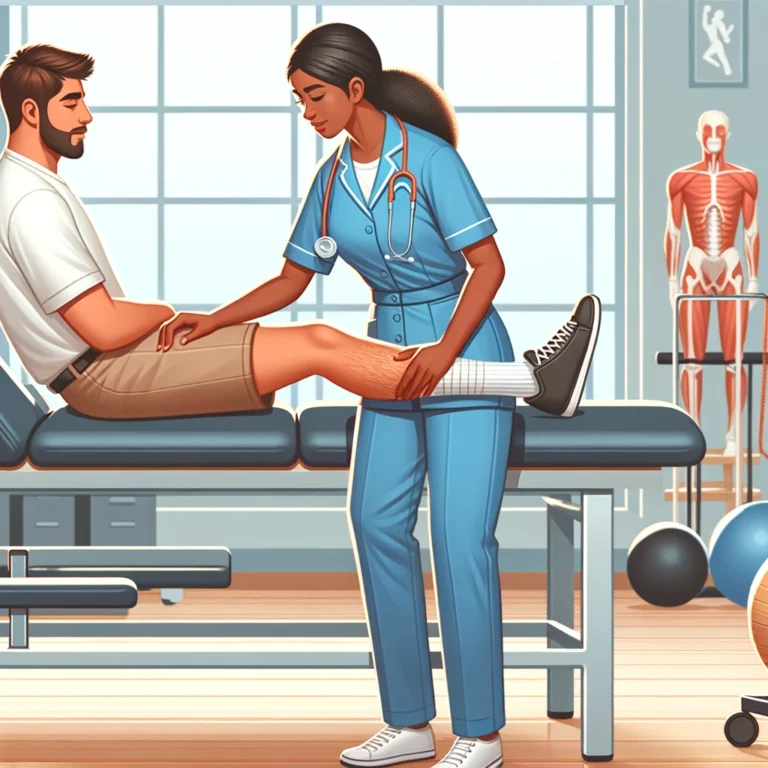
A healthcare provider may suggest physical therapy to strengthen the muscles around the knee. This can include exercises, electronic muscle stimulation, and ultrasound treatments. Physical therapy is often combined with other treatments for better results.
Medical Interventions
For more severe pain, medical interventions might be necessary. Injections, such as corticosteroids, can help reduce inflammation and pain. In some cases, surgery might be required to address underlying issues. It’s important to consult a healthcare professional for a proper diagnosis and treatment plan.
If knee pain persists despite trying these treatments, it’s crucial to seek medical advice. Ignoring the pain can lead to more serious issues down the line.
When to Consult a Healthcare Professional
If your knee pain doesn’t go away after a few days of home care, it might be time to see a doctor. Chronic pain can be a sign of a more serious issue that needs medical attention.
Look out for other symptoms like swelling, redness, or a fever. These could mean there’s an infection or another problem that needs treatment.
A healthcare professional can run tests to find out what’s causing your knee pain. This might include X-rays, MRIs, or blood tests to get a clear picture of your knee’s health.
Don’t ignore persistent knee pain. Early diagnosis and treatment can help prevent more serious problems later on.
Conclusion
Knee pain while sitting is a common issue that many people face. It can be caused by various factors such as poor posture, lack of support, or underlying health conditions. The good news is that most of these problems can be fixed with simple changes like improving your sitting habits or seeking medical advice. Remember, paying attention to your body and making small adjustments can go a long way in keeping your knees healthy and pain-free. If the pain persists, don’t hesitate to consult a healthcare professional for proper diagnosis and treatment.
Key Takeaways
- Poor posture and lack of proper support are common causes of knee pain when sitting.
- Sitting for long periods can negatively impact joint health, circulation, and muscle flexibility.
- Recognizing the symptoms of knee pain early can help in seeking timely medical advice.
- Choosing the right furniture and practicing good posture can prevent knee pain.
- If knee pain persists, it’s important to consult a healthcare professional for proper diagnosis and treatment.
Frequently Asked Questions
Why does my knee hurt when I’m sitting?
Knee pain when sitting can be caused by poor posture, lack of proper support, sitting for too long, or underlying health conditions.
Is sitting too long bad for my knees?
Yes, sitting for extended periods can negatively impact your knee joints, reduce circulation, and cause muscle stiffness.
What are some symptoms of knee pain from sitting?
Symptoms include discomfort, stiffness, and pain in the knee area, especially after sitting for long periods.
How can I prevent knee pain when sitting?
You can prevent knee pain by using supportive furniture, practicing good posture, and taking regular breaks to move around.
What are some home remedies for knee pain?
Home remedies include applying ice, taking over-the-counter pain relievers, and doing gentle stretches and exercises.
When should I see a doctor for knee pain?
You should consult a healthcare professional if you have persistent pain, swelling, or if the pain is associated with other symptoms.




One Comment