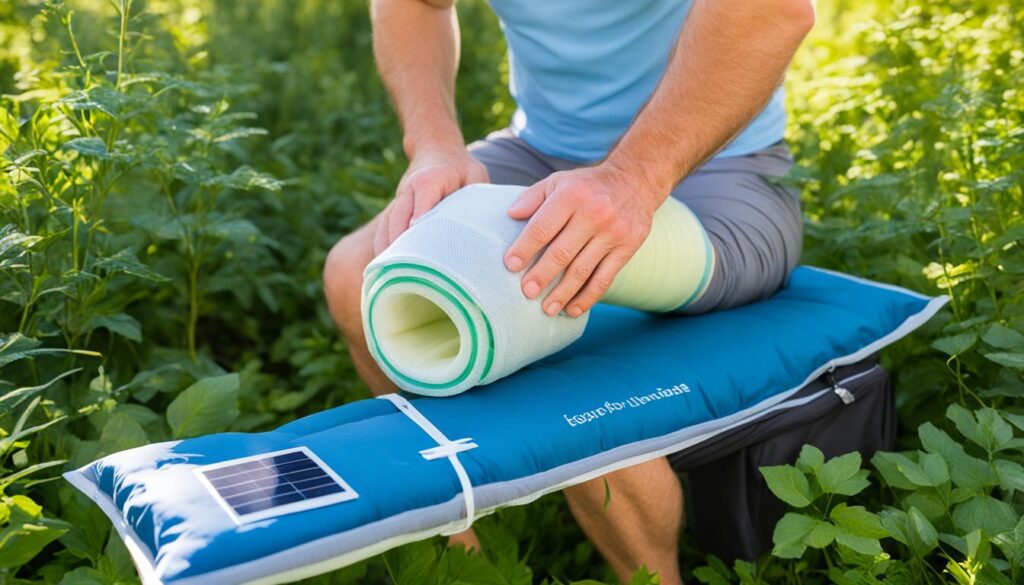
Did you know that knee pain affects approximately 25% of adults at some point in their lives? Whether you’re a young athlete, an active adult, or an elderly individual, knee pain can significantly impact your daily life. Understanding the causes, symptoms, and treatment options for knee pain is crucial for finding relief and restoring your mobility.
In this comprehensive guide, we will dive into the world of knee pain, exploring its various causes, and providing you with effective strategies for prevention and management. From common injuries to medical conditions, we’ll uncover the factors that contribute to knee pain. We’ll also share expert tips on seeking medical help and finding relief through treatments, exercises, and remedies.
Whether you’re dealing with occasional knee discomfort or chronic pain, we’ve got you covered. Let’s embark on this journey to understand knee pain better and discover practical solutions for a healthier and more active life!
Common Causes and Risk Factors of Knee Pain
Knee pain can be caused by various factors and understanding the common causes and risk factors can help in its prevention and management. Here are some key factors that contribute to knee pain:
Injuries: Injuries such as ACL tears, torn meniscus, fractures, and knee bursitis can lead to knee pain. These injuries can occur due to sports activities, accidents, or overuse of the knee joint.
Medical Conditions: Several medical conditions can cause knee pain, including:
Osteoarthritis, a degenerative joint disease that affects the cartilage in the knee.
Rheumatoid arthritis, an autoimmune disease that causes inflammation and pain in the knee joint.
Gout, a form of arthritis caused by the buildup of uric acid crystals in the joint.
Pseudogout, a similar condition to gout, but caused by calcium pyrophosphate crystals.
Mechanical Problems: Mechanical issues in the knee joint can also contribute to knee pain. These include:
Loose bodies, which are fragments of broken cartilage or bone that float in the joint space.
Iliotibial band syndrome, a common overuse injury that causes pain on the outer side of the knee.
Dislocated kneecap, where the patella (kneecap) slips out of its normal position.
Foot or hip pain, which can alter the biomechanics of the knee joint and cause pain.
Risk Factors: Certain risk factors increase the likelihood of developing knee problems, including:
Excess weight, as it puts additional strain on the knee joint.
Lack of muscle flexibility or strength, which can affect the stability and support of the knee.
Participation in certain sports or occupations that involve repetitive knee movements, pivoting motions, or kneeling.
Previous knee injuries, which can weaken the knee joint and increase the risk of future problems.
By understanding these causes and risk factors, we can take steps to prevent knee pain and maintain optimal knee health. Taking preventative measures such as maintaining a healthy weight, exercising regularly, using proper techniques during physical activities, and ensuring muscle strength and flexibility can help reduce the risk of knee pain and keep our knees strong and pain-free.
Common Causes and Risk Factors of Knee Pain
Causes
Risk Factors
Injuries
Excess weight
Medical Conditions
Lack of muscle flexibility or strength
Mechanical Problems
Participation in certain sports or occupations
Previous knee injuries
Managing Knee Pain and Seeking Medical Help
When it comes to knee pain, effective management and timely medical intervention are crucial. There are various strategies you can employ to alleviate knee pain and find relief. One of the initial steps is self-care, which involves rest and the application of PRICE (Protection, Rest, Ice, Compression, Elevation) principles. These measures can help reduce pain and swelling, promoting the healing process.
In addition to self-care, over-the-counter pain medications like nonsteroidal anti-inflammatory drugs (NSAIDs) can provide relief from pain and reduce inflammation. It is important to follow the recommended dosage and consult a healthcare professional if you have any underlying medical conditions or concerns.
Physical therapy is another effective approach for managing knee pain. A qualified physical therapist can design a tailored exercise program to improve joint mobility, strengthen muscles, and enhance overall knee function. Knee braces can also provide additional support and stability, reducing discomfort and helping with pain management.
While many cases of knee pain can be effectively managed with self-care measures and conservative treatments, there are instances where surgical intervention may be necessary. If you experience severe knee pain, are unable to bear weight on your knee, notice visible deformity or swelling, or have accompanying symptoms like fever or redness, it is imperative to seek medical help promptly. A healthcare professional can accurately diagnose the underlying cause of your knee pain and recommend appropriate treatment options, including surgical interventions if required.
FAQ
What causes knee pain?
Knee pain can be caused by various factors, including injuries, medical conditions, and mechanical problems. Some common causes of knee pain include ruptured ligaments, torn cartilage, arthritis, gout, infections, and mechanical issues like loose bodies or iliotibial band syndrome.
What are the symptoms of knee pain?
Symptoms of knee pain can vary, but they may include swelling, stiffness, redness, weakness, and instability.
When should I see a doctor for knee pain?
It is important to see a doctor if you experience severe knee pain, inability to bear weight on your knee, marked swelling, or any obvious deformity.
How is knee pain treated?
Treatment options for knee pain can range from self-care measures and physical therapy to surgical repair in some cases.
How can I prevent knee pain?
To prevent knee pain, it is important to maintain a healthy weight, stay active, practice proper exercise techniques, and ensure muscle strength and flexibility.
What are some self-care measures for knee pain relief?
Self-care measures like rest, ice, compression, and elevation (PRICE) can help reduce pain and swelling.
Can over-the-counter medications help with knee pain?
Over-the-counter pain medications like nonsteroidal anti-inflammatory drugs (NSAIDs) can be used for pain and inflammation relief.
How can physical therapy and knee braces help manage knee pain?
Physical therapy and knee braces can provide additional support and aid in pain management.
When is surgery needed for knee pain?
In some cases, surgical interventions may be necessary to repair the knee. Your doctor can assess your condition and determine if surgery is the right option for you.
What should I do if I have severe knee pain?
If you experience severe knee pain, are unable to bear weight on your knee, have visible deformity or swelling, or have accompanying symptoms like fever or redness, it is important to seek medical help promptly.
Did you know that knee injuries are one of the most common sports-related injuries, affecting millions of people each year?
Whether you’ve suffered a strain, sprain, or more serious damage to the knee, proper exercise is crucial for a successful recovery. In this article, we will guide you through a series of safe and effective exercises specifically designed to help you rehabilitate your knee and regain your strength.
Range of Motion Exercises for Knee Injury Recovery
Range of motion exercises are crucial in the recovery process for knee injuries. These exercises focus on restoring flexibility and mobility in the knee joint, helping to improve overall function and reduce pain.
Here are some effective range of motion exercises that can aid in knee injury recovery:
Wall slides: Stand with your back against a wall and slowly slide down into a squatting position. Hold for a few seconds, then push yourself back up. Repeat this movement several times.
Passive knee flexion and extension: Sit on a chair with your feet flat on the ground. Using your hands, gently bend and straighten your knee, aiming to increase the range of motion with each repetition.
Prone leg hang: Lie on your stomach on a bed or raised surface, allowing your injured leg to hang off the edge. Relax your leg and let it naturally extend towards the ground, gently stretching the knee joint.
It is important to perform these exercises slowly and with proper form, as rushing through the movements may lead to further injury. Start with gentle movements and gradually increase the intensity and range of motion as your knee becomes stronger and more flexible.
Remember to listen to your body and avoid any exercises that cause pain or discomfort. If you have any concerns or questions, consult with your doctor or physical therapist for personalized guidance during your knee injury recovery journey.
Adding resistance to these exercises can further enhance their effectiveness. Consider using exercise straps or weights to increase the challenge and promote muscle strength and stability.
By incorporating range of motion exercises into your knee injury recovery regimen, you can improve flexibility, reduce pain, and enhance overall knee function. Remember to consult with a healthcare professional for personalized advice and guidance throughout your recovery process.
Strengthening Exercises for Knee Injury Recovery
Strengthening the muscles that support the knee is crucial for reducing stress on the knee joint and promoting stability. By incorporating targeted knee strengthening exercises into your rehabilitation routine, you can enhance the healing process and prevent future injuries. Here are some effective exercises to help you strengthen your quadriceps, hamstrings, and calf muscles:
Quad Sets
Quad sets are simple exercises that target the quadriceps muscles. Start by sitting on the floor or a flat surface with your legs extended in front of you. Contract your thigh muscle by pushing the back of your knee down into the floor. Hold the contraction for about 5 seconds, then release. Repeat this exercise for 10-15 repetitions, gradually increasing the duration of each contraction.
Straight Leg Raises
Straight leg raises specifically target the quadriceps muscles and can be performed in different variations. Lie on your back with one leg straight and the other bent. Lift the straight leg off the ground, making sure to keep it in line with your bent knee. Hold for a few seconds, then slowly lower the leg back down. Aim for 10-15 repetitions on each leg, gradually increasing the number of sets.
Calf Raises
Calf raises are effective for strengthening the calf muscles, which play a key role in knee stability. Stand with your feet shoulder-width apart, then rise up onto your toes, lifting your heels off the ground. Hold the position for a few seconds, then lower your heels back down. Repeat this exercise for 10-15 repetitions, gradually increasing the number of sets.
Hamstring Curls
Hamstring curls target the muscles at the back of the thigh and are important for overall knee stability. You can perform this exercise using resistance bands, a leg curl machine, or even just your body weight. Start by lying face down on a flat surface with your legs extended. Bend your knees, bringing your heels towards your glutes, then slowly lower them back down. Aim for 10-15 repetitions, gradually increasing the difficulty as you progress.
The key to successful knee rehabilitation is performing these exercises regularly and with proper form. Start with lighter weights or resistance and gradually increase the intensity as your muscles become stronger. If you are new to these exercises or have any concerns, it is always best to consult with a healthcare professional or a physical therapist who can guide you through the process. Remember to listen to your body and only perform exercises that are comfortable and pain-free.
By including these knee strengthening exercises in your rehabilitation routine, you can speed up your recovery, improve joint stability, and reduce the risk of future knee injuries.
Exercise
Description
Quad Sets
Sit with legs extended. Contract thigh muscle by pushing the back of your knee down. Hold for 5 seconds.
Straight Leg Raises
Lie on your back. Lift one straight leg off the ground, keeping it in line with the bent knee. Hold for a few seconds.
Calf Raises
Stand with feet shoulder-width apart. Rise up onto your toes, lifting the heels off the ground. Hold for a few seconds.
Hamstring Curls
Lie face down. Bend the knees, bringing the heels towards the glutes. Slowly lower the legs back down.
Rehabilitation and Prevention of Future Knee Injuries
Once the initial injury has healed, it is crucial to continue exercising to prevent future knee injuries. Incorporating knee injury recovery exercises into your regular workout routine is essential for maintaining strength, stability, and overall joint health.
Focus on performing single-leg exercises to ensure balanced strength and stability in both knees. This includes exercises such as single-leg squats, lunges, and step-ups. These exercises not only target the muscles around the knees but also improve balance and coordination.
In addition to targeted knee exercises, engaging in safe but strenuous activities can help maintain overall fitness without putting excessive stress on the knee joint. Activities such as walking, swimming, and cycling are low-impact options that provide cardiovascular benefits without compromising the knees. Remember to listen to your body and consult with a healthcare professional before starting any new exercise program.
It is important to take precautions and avoid high-impact activities that could potentially strain the knees. These may include jumping, running on hard surfaces, or participating in contact sports. By being mindful of your activities and following a knee injury exercise guide, you can protect your knees and minimize the risk of future injuries.
FAQ
What are some safe exercises for knee injury recovery?
Safe exercises for knee injury recovery include range of motion exercises, strengthening exercises, and functional exercises. These exercises should be performed under the supervision of a doctor or physical therapist to ensure safety and effectiveness.
What are some range of motion exercises for knee injury recovery?
Range of motion exercises for knee injury recovery include wall slides, passive knee flexion and extension, and prone leg hangs. These exercises help restore flexibility and mobility in the knee joint. It is important to perform these exercises slowly and with proper form.
What are some strengthening exercises for knee injury recovery?
Strengthening exercises for knee injury recovery include quad sets, straight leg raises, calf raises, and hamstring curls. These exercises target the muscles that support the knee, such as the quadriceps, hamstrings, and calf muscles. It is important to start with light weights or resistance and gradually increase as tolerated.
How can I prevent future knee injuries during rehabilitation?
To prevent future knee injuries during rehabilitation, it is important to continue exercising. This includes incorporating strengthening exercises into your workout routine and focusing on single-leg exercises to ensure balanced strength and stability. Engaging in safe but strenuous activities such as walking, swimming, and cycling can also help maintain overall fitness without putting excessive stress on the knee joint.
Did you know that knee pain affects millions of people worldwide, with up to 25% of adults experiencing knee pain at some point in their lives? Knee pain can be debilitating, impacting daily activities and limiting mobility. But fear not, we’re here to provide you with valuable tips and strategies to help you find relief and manage your knee pain effectively.
Knee pain can have various causes, ranging from injuries and arthritis to overuse and muscle weakness. It’s crucial to address the underlying cause and take appropriate measures to alleviate your discomfort. By incorporating the right treatments, exercises, and lifestyle adjustments, you can regain control over your knee health and enjoy an active and pain-free life.
In this article, we will explore proven knee pain relief strategies, from exercise programs and home remedies to professional medical interventions. Discover how you can safely strengthen your knee muscles, prevent further damage, and find the relief you deserve.
Diagnosing and Treating Knee Pain
When experiencing knee pain, it is crucial to undergo a thorough diagnosis to determine the underlying cause. Diagnosing knee pain involves various examinations and tests to provide an accurate assessment.
Physical examination: A physical examination is often the first step in diagnosing knee pain. During this examination, the healthcare professional inspects the knee for swelling, pain, and visible bruising. They may also assess the knee’s range of motion and stability.
Imaging tests: Imaging tests such as X-rays, CT scans, ultrasounds, and MRIs are valuable tools in diagnosing knee problems. These tests can provide detailed images of the knee structure, allowing healthcare professionals to identify fractures, joint abnormalities, ligament tears, and other issues.
Blood tests and arthrocentesis: In some cases, blood tests may be conducted to check for infection or inflammation. Arthrocentesis, also known as joint aspiration, involves removing fluid from the knee joint to analyze for signs of infection, gout, or other conditions.
The treatment approach for knee pain depends on the underlying cause identified during the diagnosis. Here are some common treatment options:
Medications: Pain relievers, anti-inflammatory drugs, and corticosteroids may be prescribed to alleviate pain and manage conditions like arthritis.
Physical therapy and exercises: Physical therapy is essential to strengthen the knee muscles, improve stability, and enhance flexibility. Healthcare professionals may also recommend specific exercises tailored to an individual’s condition.
Arch supports and braces: Arch supports or orthotic devices can assist in redistributing pressure away from the affected knee, providing relief and stability.
Injections: Injections of corticosteroids, hyaluronic acid, or platelet-rich plasma may be administered to reduce inflammation, lubricate the joint, and alleviate pain.
Surgery: In severe cases or when other treatments are ineffective, surgery may be necessary. Surgical interventions range from arthroscopy to repair or remove damaged tissue to joint replacement for severe arthritis.
Lifestyle modifications and home remedies can also play a significant role in managing knee pain:
Over-the-counter pain medications can temporarily relieve mild to moderate knee pain.
Topical creams and ointments can provide localized relief for sore muscles and joints.
Resting the knee, applying ice or heat, using compression bandages, and keeping the leg elevated can help reduce inflammation, swelling, and pain.
Alternative treatments like acupuncture may offer additional relief for knee pain, although further research is needed to establish their efficacy.
It is essential to consult a healthcare professional if knee pain persists or is accompanied by other concerning symptoms. Seeking medical advice ensures an accurate diagnosis and appropriate treatment to address the underlying cause of knee pain.
When to See a Doctor for Knee Pain
Knee pain can be disruptive, making it difficult to carry out daily activities or engage in exercise. If you’re experiencing knee pain, it’s crucial to determine the underlying cause before seeking relief. Common causes of knee pain include overuse, growing pains, arthritis, and injuries.
If you have an acute knee injury with severe symptoms, immediate medical attention is necessary. However, for certain types of knee pain, at-home remedies like rest, ice, heat, and pain relievers can provide relief. If your knee pain persists or worsens despite these remedies, it’s important to consult a doctor.
Signs of injury or pain in multiple joints may indicate the need for a medical evaluation. Seeking medical advice ensures appropriate diagnosis and treatment. Early intervention can prevent further damage and complications, so don’t hesitate to consult a doctor for any new or concerning knee pain.
FAQ
What can I do to relieve knee pain?
There are several things you can do to find relief from knee pain. Resting too much can actually weaken the muscles and increase the risk of reinjury, so it’s important to find a safe exercise program for your knees to strengthen muscles and improve overall strength. Taking precautions to prevent falls and reduce the risk of further knee damage is also crucial. Additionally, you can use the RICE method (rest, ice, compression, elevation) for minor knee injuries or arthritis flares, maintain a healthy weight to reduce stress on the knees, and try using walking aids or braces to support the knee and improve stability.
Are there any natural remedies for knee pain?
Yes, there are some natural remedies that may provide relief for knee pain. Acupuncture, for example, has been found to be helpful for some individuals. Choosing the right shoes with cushioned insoles can also help reduce knee stress. Additionally, using cold packs for the first 48 to 72 hours after a knee injury and then switching to heat therapy can assist with pain management. However, it’s important to remember that natural remedies may not work for everyone and it’s always a good idea to consult with a healthcare professional for personalized advice.
What are the common causes of knee pain?
Knee pain can have various causes. Some common factors include overuse, growing pains (especially in children and adolescents), arthritis, and injuries such as strains or ligament tears. It’s important to determine the underlying cause of the knee pain in order to seek appropriate relief and treatment.
When should I see a doctor for my knee pain?
It’s important to consult a doctor if your knee pain persists or worsens despite using home remedies and self-care measures. Seeking medical attention is especially crucial if you experience severe symptoms or if there are signs of an acute knee injury. Additionally, if you have pain in multiple joints or other concerning symptoms, it’s recommended to seek medical advice to ensure appropriate diagnosis and treatment.
The knee joint is a complex structure consisting of bones, ligaments, and cartilage that play a crucial role in supporting the body’s weight and facilitating movement. Knee bones, including the femur, tibia, and patella, are integral to the overall function of the knee joint. Understanding the importance of knee bones in joint health is essential for preventing and managing various knee bone disorders. This article explores the significance of knee bones, common knee bone disorders, diagnostic techniques, and treatment options for maintaining knee bone health and overall joint function.
Key Takeaways
Knee bones play a vital role in weight bearing and movement of the knee joint.
Common knee bone disorders include osteoarthritis, rheumatoid arthritis, and fractures.
Diagnostic techniques for knee bone health include imaging modalities, laboratory tests, and clinical evaluations.
Treatment options for knee bone conditions may involve medications, surgical interventions, and rehabilitation.
Maintaining knee bone health is crucial for preserving overall joint function and mobility.
The Structure and Function of Knee Bones
Anatomy of the Knee Joint
The knee joint is a complex structure that relies on the interaction of several components, including bones, ligaments, and cartilage. Understanding the anatomy of the knee bones is crucial for comprehending their role in supporting the joint and facilitating movement. Let’s delve into the intricate details of knee bone structure and function.
Bone Type
Function
Femur
Weight bearing
Tibia
Stability and support
Patella
Protection and leverage
In the knee joint, the femur, tibia, and patella work together to enable smooth and controlled movement. Each bone has a specific function, contributing to the overall stability and mobility of the joint. Understanding the unique role of each bone is essential for comprehending the impact of knee bone health on joint function.
Role of Knee Bones in Weight Bearing
We often take for granted the remarkable role our knee bones play in supporting the weight of our bodies. The knee joint, primarily the femur, tibia, and patella, works in unison to bear the load during various activities such as walking, running, and jumping. The femur, or thigh bone, acts as a pivotal column transferring the weight from the hip joint to the knee. The tibia, or shinbone, then distributes this weight to the ankle and foot.
Stability and mobility are two essential functions provided by the knee bones. They are designed to withstand significant forces and stresses while providing a range of motion necessary for movement. The knee joint’s ability to absorb shock is also crucial in weight bearing, as it reduces the impact on the rest of the skeleton.
The femur distributes weight from the hip to the knee.
The tibia transfers weight to the ankle and foot.
The patella, or kneecap, protects the knee joint and aids in leg extension.
Maintaining healthy knee bones is vital for overall joint health and functionality. Regular exercise, proper nutrition, and avoiding excessive strain can help preserve knee bone integrity.
Impact of Knee Bone Health on Joint Function
We must acknowledge the pivotal role that the health of our knee bones plays in the overall function of our joints. Healthy knee bones are essential for maintaining joint stability and enabling smooth movement. When knee bones are compromised, either through injury or disease, the consequences can be severe, leading to pain, reduced mobility, and a diminished quality of life.
Osteoporosis, for example, can lead to a decrease in bone density, making the knee bones more susceptible to fractures. This can significantly impact an individual’s ability to bear weight and perform daily activities. Conversely, maintaining strong knee bones through regular exercise and proper nutrition can help prevent such outcomes. New research confirms exercise benefits for bone health, suggesting a proactive approach to maintaining knee bone health is advantageous.
Over-the-counter solutions and tips for managing knee pain can be valuable for those experiencing discomfort. However, it’s important to consult healthcare professionals to ensure that these methods are appropriate and effective for your specific condition.
Tip: Always consider low-impact exercises and activities that promote knee joint health without placing undue stress on the bones.
Common Knee Bone Disorders
Osteoarthritis of the Knee
We recognize osteoarthritis as a prevalent knee bone disorder characterized by the gradual deterioration of cartilage. This degeneration leads to pain, stiffness, and reduced mobility in the knee joint. As the condition progresses, the bones may begin to rub against each other, causing further discomfort and potential deformities.
The management of osteoarthritis involves a combination of lifestyle modifications, medication, and in some cases, surgery. We emphasize the importance of maintaining a healthy weight and engaging in regular, low-impact exercise to alleviate symptoms and slow the progression of the disease.
Medications such as nonsteroidal anti-inflammatory drugs (NSAIDs) can help reduce inflammation and pain.
Injections of corticosteroids or hyaluronic acid might provide temporary relief.
When conservative treatments are insufficient, surgical options like arthroscopy, osteotomy, or joint replacement may be considered.
Tip: Early intervention and a tailored treatment plan are crucial for managing osteoarthritis effectively and maintaining joint health.
Rheumatoid Arthritis and Knee Bone Degeneration
Rheumatoid arthritis is a chronic, systemic autoimmune disorder that primarily affects the joints. It can lead to progressive degeneration of the knee bones, causing significant impairment in joint function. The inflammatory nature of rheumatoid arthritis can result in erosion of the bone and cartilage, leading to joint deformity and disability. Early diagnosis and intervention are crucial in managing the impact of rheumatoid arthritis on knee bone health. Here is a brief overview of the diagnostic techniques and treatment options for this condition:
Imaging Modalities for Knee Bone Assessment
Laboratory Tests for Bone Health
Clinical Evaluation of Knee Bone Disorders
It is important to monitor the progression of rheumatoid arthritis and its effects on knee bone health through regular clinical assessments and imaging studies.
Fractures and Trauma to Knee Bones
We understand that fractures and trauma to the knee bones can significantly impair mobility and quality of life. These injuries often result from high-impact activities or accidents and require immediate attention. The knee joint is particularly vulnerable to fractures of the patella, femur, and tibia.
Patellar fractures
Femoral condyle fractures
Tibial plateau fractures
Each type of fracture presents its own set of challenges and necessitates a tailored approach to treatment. It is crucial to stabilize the injury and reduce pain as initial steps in the management process.
Early intervention and accurate diagnosis are key to preventing long-term complications associated with knee bone fractures.
We advocate for a multidisciplinary approach to treatment, involving orthopedic specialists, physiotherapists, and, when necessary, surgical intervention. The goal is to restore function and strength to the knee joint, enabling patients to return to their daily activities.
Diagnostic Techniques for Knee Bone Health
Imaging Modalities for Knee Bone Assessment
In our pursuit of understanding knee bone health, we recognize the critical role of imaging modalities. These tools allow us to visualize the internal structure of the knee, identifying abnormalities and guiding treatment decisions. Among the most commonly used techniques are X-rays, MRI, and CT scans, each offering unique insights into bone integrity.
X-rays are often the first step in assessing knee bone conditions, providing a clear picture of bone alignment and density.
MRI (Magnetic Resonance Imaging) offers a more detailed view, highlighting soft tissue and bone marrow changes that may not be visible on X-rays.
CT (Computed Tomography) scans combine multiple X-ray images to create a comprehensive three-dimensional representation of the knee structure.
Remember, the choice of imaging modality depends on the specific clinical scenario and the information needed to guide treatment. It’s essential to weigh the benefits against potential risks, such as radiation exposure, when selecting the appropriate diagnostic tool.
Laboratory Tests for Bone Health
Laboratory tests are a crucial component of bone health assessment. They provide valuable insights into the biochemical markers and mineral density of the bones. These tests help us evaluate the overall bone metabolism and identify any abnormalities that may indicate bone disorders. In addition to imaging modalities, laboratory tests play a significant role in diagnosing and monitoring knee bone health. Here is a brief overview of some common laboratory tests used for bone health assessment:
Bone Mineral Density (BMD) Test: This test measures the mineral content and density of bones, providing quantitative data on bone strength and risk of fractures.
Bone Turnover Markers: These markers assess the rate of bone formation and resorption, offering valuable information about bone metabolism and turnover.
Calcium and Phosphorus Levels: Monitoring the levels of these essential minerals is crucial for assessing bone health and identifying mineral imbalances.
It is important to interpret the results of these tests in conjunction with clinical evaluation and imaging findings to gain a comprehensive understanding of knee bone health and potential disorders. As a key part of our diagnostic approach, laboratory tests contribute to the holistic assessment of knee bone health and aid in formulating effective treatment strategies.
Clinical Evaluation of Knee Bone Disorders
After discussing the various imaging modalities and laboratory tests for knee bone assessment, clinical evaluation becomes crucial in determining the severity of knee bone disorders. This evaluation involves a comprehensive assessment of the patient’s medical history, physical examination, and functional tests. Additionally, it may include the use of specialized diagnostic tools such as gait analysis and joint stability assessment. The findings from the clinical evaluation guide the formulation of an effective treatment plan for managing knee bone conditions.
Treatment and Management of Knee Bone Conditions
Medications for Knee Bone Disorders
When it comes to the treatment of knee bone disorders, medications play a crucial role in managing symptoms and slowing down the progression of the condition. Our approach to prescribing medications is based on the specific diagnosis and the individual needs of each patient. We prioritize the use of anti-inflammatory drugs to reduce pain and swelling, along with supplements to support bone health and aid in the healing process. In addition, we may recommend a combination of medications to address multiple aspects of the condition, ensuring comprehensive care for our patients.
Surgical Interventions for Knee Bone Injuries
In our pursuit of restoring knee joint functionality and alleviating pain, we often turn to surgical interventions when other treatments have not yielded the desired results. Surgery is considered for severe injuries and conditions that compromise the knee’s structural integrity and stability.
The types of surgical procedures vary greatly depending on the injury and the patient’s overall health. Common surgeries include:
Arthroscopic surgery to repair ligaments or remove loose bone or cartilage.
Osteotomy to realign bones and redistribute weight.
Total or partial knee replacement for advanced arthritis or severe damage.
Each procedure comes with its own set of risks and benefits, which must be carefully weighed. For instance, arthroscopic surgery is less invasive and typically allows for a quicker recovery, while knee replacement is a more extensive operation that may offer longer-lasting relief but requires a significant rehabilitation period.
Tip: It’s crucial to have a thorough discussion with your surgeon about the potential outcomes and rehabilitation plan following any surgical intervention.
Our collective experience suggests that a multidisciplinary approach, involving not only surgeons but also physical therapists and other specialists, is key to a successful recovery. Postoperative care is as important as the surgery itself, and patients must be committed to their rehabilitation program to regain full function of the knee joint.
Rehabilitation and Physical Therapy for Knee Bone Health
In our pursuit of optimal knee bone health, we recognize the indispensable role of rehabilitation and physical therapy. These modalities are not confined to the realm of athletes; rather, they are a critical component for anyone seeking to recover from knee bone conditions. It’s a common misconception that physical therapy is synonymous with pain. On the contrary, the goal is to alleviate discomfort and enhance musculoskeletal health through tailored exercises and therapies.
A well-structured physical therapy program may include the following elements:
Assessment of the individual’s current knee function and limitations.
Development of a customized exercise regimen to strengthen the knee and surrounding muscles.
Techniques to improve range of motion and flexibility.
Education on proper body mechanics to prevent future injuries.
Remember, consistency in physical therapy is key to a successful recovery. It’s not only for those who have undergone surgery but also for individuals looking to prevent knee bone disorders or manage chronic conditions.
By integrating physical therapy into the treatment plan, we aim to empower patients to take an active role in their joint health. This approach not only aids in recovery but also serves as a preventive measure against further knee bone deterioration.
Conclusion
In conclusion, the knee bones play a crucial role in maintaining overall joint health. Understanding the structure and function of the knee bones is essential for preventing and managing joint-related conditions. Proper care and attention to the knee bones can significantly contribute to the longevity and functionality of the joints, thereby promoting an active and healthy lifestyle. Further research and education in this area are imperative for advancing our knowledge of joint health and enhancing the quality of life for individuals.
Frequently Asked Questions
What are the main knee bones and their functions?
The main knee bones are the femur, tibia, and patella. These bones form the knee joint and are responsible for supporting body weight, providing stability, and allowing movement.
How does knee bone health affect joint function?
Healthy knee bones are essential for proper joint function. They provide support, absorb shock, and facilitate smooth movement. Poor knee bone health can lead to pain, stiffness, and reduced mobility.
What are the common symptoms of knee bone disorders?
Common symptoms of knee bone disorders include pain, swelling, stiffness, limited range of motion, and difficulty bearing weight on the affected knee.
What imaging tests are used to assess knee bone health?
Imaging tests such as X-rays, MRI, and CT scans are commonly used to assess knee bone health and detect conditions such as fractures, arthritis, and degenerative changes.
What are the non-surgical treatment options for knee bone conditions?
Non-surgical treatment options for knee bone conditions include medications, physical therapy, lifestyle modifications, and assistive devices to support the knee joint.
How long does it take to recover from knee bone injuries?
Recovery from knee bone injuries varies depending on the severity of the injury and the chosen treatment. It can range from a few weeks to several months, with rehabilitation playing a crucial role in the recovery process.
Living with knee pain can be challenging and often affects daily activities. However, making eco-friendly choices can contribute to better joint health and overall wellness. In this article, we will explore various sustainable strategies and natural remedies that individuals with knee pain can incorporate into their daily lives. These green living tips are designed to help minimize environmental impact while providing relief and support for those experiencing knee discomfort. Let’s dive into eco-friendly solutions for knee pain relief.
Key Takeaways:
Make your home more joint-friendly by identifying potential roadblocks and practicing safety measures in the kitchen, bathroom, and other areas.
Incorporate low-impact exercises like cycling, swimming, yoga, and tai chi to strengthen muscles and improve flexibility.
Maintain a healthy weight through sustainable lifestyle changes such as balanced diet and regular exercise to reduce strain on your knees.
Plan travels with a focus on accessibility and consider carrying assistive devices to ensure comfort during trips.
Creating a Joint-Friendly Home Environment
Modifying your living space can significantly improve your daily activities and reduce pain associated with knee issues. Occupational therapists specializing in home adaptations suggest several strategies for making your home more accessible and joint-friendly.
Identify potential roadblocks: Take a walk around your home and identify areas that may pose challenges for your knee health. Look out for uneven flooring, loose carpets, or cluttered spaces that can increase the risk of slips and falls.
Conserve energy in the kitchen and bathroom: Opt for energy-efficient appliances and fixtures that require less bending or crouching. Consider installing lever-style faucets, lower countertops, and pull-out shelves to minimize strain on your knees.
Avoid slips and falls: Use non-slip mats or rugs in areas prone to moisture, such as the bathroom or kitchen. Install handrails in stairwells and consider adding grab bars in the bathroom to provide additional support.
Practice stair and hallway safety: Ensure proper lighting in stairwells and hallways to prevent accidents. Install handrails on both sides of the staircase for better stability and ease of movement.
Make adjustments to your kitchen habits: Avoid prolonged standing by using chairs or stools while cooking or preparing meals. Utilize reachers or grabbers to access items on high shelves without straining your knees.
By implementing these eco-friendly strategies, you can enhance your living environment and promote better knee health.
“Creating a joint-friendly home environment is crucial for individuals with knee pain. By identifying potential roadblocks, conserving energy, practicing safety measures, and making adjustments, we can improve our daily activities while minimizing discomfort.”
Exercise and Physical Activity for Joint Wellness
Physical activity plays a vital role in managing knee pain and promoting joint wellness. Engaging in regular exercise helps strengthen muscles, improve flexibility, and support overall knee health. It’s important to find activities that are gentle on the knees while still providing effective results.
Natural Remedies for Knee Pain Management
When it comes to managing knee pain, natural remedies can be highly beneficial. They offer a holistic approach that focuses on addressing the root causes of the pain rather than just temporarily alleviating symptoms. Incorporating natural remedies into your routine can help reduce inflammation, relieve pain, and improve mobility.
Cycling: Cycling is a low-impact exercise that can be easily incorporated into your daily routine. It helps strengthen the muscles around the knee joint while minimizing stress on the joints themselves. Consider cycling outdoors or using a stationary bike for a convenient and knee-friendly workout.
Swimming: Swimming is another excellent low-impact activity that provides a full-body workout without putting excessive strain on the knees. The buoyancy of water reduces the impact on joints, making it an ideal choice for individuals with knee pain. Consider joining a water aerobics class or simply swimming laps to improve overall knee health.
Yoga: Yoga is a mind-body exercise that combines gentle movements, stretching, and deep breathing. It can help improve flexibility, strengthen the muscles surrounding the knees, and promote overall joint wellness. Look for yoga classes or online tutorials specifically designed for individuals with knee pain to ensure proper form and modifications.
Tai Chi: Tai chi is an ancient Chinese martial art that focuses on slow, flowing movements and deep breathing. It has been found to be particularly beneficial for people with osteoarthritis, a common cause of knee pain. Tai chi helps improve balance, flexibility, and joint stability. Consider joining a tai chi class or following online videos to reap its benefits.
Holistic Approaches to Manage Knee Pain
Managing knee pain goes beyond just exercise. Adopting holistic approaches can provide comprehensive care and long-term relief. Sustainable living habits can further enhance the effectiveness of natural remedies.
“By incorporating these natural remedies and holistic approaches into your lifestyle, you can effectively manage knee pain in a sustainable and eco-friendly manner.”
To complement your physical activity routine, consider integrating the following sustainable living habits into your daily life:
Eating a Balanced Diet: A well-balanced diet rich in nutrients can help reduce inflammation and support overall joint health. Incorporate anti-inflammatory foods such as fatty fish, berries, leafy greens, nuts, and seeds into your meals. Avoid processed foods and excessive sugar, as they can contribute to inflammation.
Practicing Stress Management: Stress can worsen pain perception and hinder the body’s healing process. Engage in stress-reducing activities such as meditation, deep breathing exercises, and mindfulness to promote holistic well-being.
Avoiding Toxins and Chemicals: Environmental toxins and chemicals can contribute to inflammation and joint pain. Opt for natural and eco-friendly cleaning products, avoid exposure to harmful substances, and choose organic produce whenever possible.
Getting Adequate Rest: Rest is crucial for allowing your body to heal and recover. Ensure you get enough sleep each night and incorporate relaxation techniques into your daily routine.
By embracing these natural remedies and sustainable living habits, you can effectively manage knee pain while promoting overall well-being. These holistic approaches not only provide relief but also allow you to lead a more eco-conscious and fulfilling life.
Maintaining a Healthy Weight for Knee Health
Maintaining a healthy weight is crucial for knee health and managing knee pain. Excess weight puts added pressure on the knee joints, leading to increased discomfort and potential damage. By adopting sustainable lifestyle changes such as maintaining a balanced diet and regular exercise, you can achieve and sustain a healthy weight, reducing the strain on your knees. These eco-friendly solutions not only benefit your knee health but also contribute to a more sustainable and eco-conscious lifestyle.
The Impact of Excess Weight on Knee Health
Carrying excess weight can be detrimental to your knee health. Every extra pound puts approximately four times the amount of stress on your knees. Over time, this can lead to wear and tear of the joint cartilage, increasing the risk of osteoarthritis and chronic knee pain.
“Losing weight is one of the most effective ways to alleviate knee pain. By achieving and maintaining a healthy weight, you can relieve pressure on the knee joint and reduce the risk of further damage.”
Sustainable Lifestyle Changes for Knee Health
To promote knee health and mitigate knee pain, consider integrating the following sustainable living habits into your daily routine:
Adopt a balanced diet: Emphasize whole, unprocessed foods rich in nutrients and antioxidants. Include a variety of fruits, vegetables, lean proteins, whole grains, and healthy fats. Avoid excessive consumption of sugary foods, processed snacks, and saturated fats.
Practice portion control: Be mindful of your portion sizes to prevent overeating. Use smaller plates and bowls to help control portion sizes and avoid unnecessary calorie intake.
Engage in regular exercise: Incorporate low-impact exercises into your routine, such as walking, swimming, or cycling. These activities help strengthen muscles surrounding the knee joints and improve joint stability.
Focus on strength training: Include strength training exercises that target the muscles supporting the knees, such as squats, lunges, and leg presses. This helps build strength and stability in the knee region.
Maintain an active lifestyle: Incorporate physical activity into your everyday life. Take the stairs instead of the elevator, walk or bike for short distances, and engage in activities that keep you moving throughout the day.
Achieving Long-term Success
Creating sustainable lifestyle changes takes time and dedication. It’s important to approach weight management and knee health as a long-term journey rather than a short-term fix. Set realistic goals, celebrate small victories, and seek support from healthcare professionals or wellness coaches who can provide guidance and encouragement along the way.
Remember, the path to knee health starts with sustainable living habits. By making eco-friendly choices and maintaining a healthy weight, you not only improve your knee health but also contribute to a more sustainable and environmentally conscious lifestyle.
Sustainable Lifestyle Changes for Knee Health
Incorporate a balanced diet rich in nutrients and antioxidants, emphasizing whole foods.
Practice portion control to prevent overeating and manage calorie intake.
Engage in regular low-impact exercises to strengthen knee-supporting muscles.
Include strength training exercises to improve knee stability and joint strength.
Maintain an active lifestyle with regular physical activity throughout the day.
Heat and Cold Therapy for Pain Relief
Heat and cold therapy are proven natural remedies for effectively managing knee pain. They provide relief from discomfort, reduce inflammation, and alleviate stiffness. Incorporating eco-friendly solutions into your pain relief routine not only benefits your knee health but also minimizes environmental impact. Here are some environmentally friendly tips for utilizing heat and cold therapy:
Heat Therapy
Apply a heating pad or use heat wraps on your knees to increase blood flow, relax muscles, and provide soothing warmth.
Choose reusable and eco-friendly heat wraps made from sustainable materials to minimize waste.
Ensure the heat source is safe and follows eco-conscious design principles.
Image:
“Heat therapy is fantastic for easing knee pain. I find that using a heat wrap allows me to maintain an active lifestyle while taking care of the environment.”
– Amelia, a knee pain sufferer
Cold Therapy
Apply ice packs or cold compression wraps to reduce inflammation, numb pain, and lessen swelling in your knees.
Opt for reusable ice packs made from eco-friendly materials to minimize waste and reduce reliance on single-use products.
Ensure the cold therapy products you choose adhere to sustainable production practices.
By incorporating these natural remedies and eco-friendly solutions into your knee pain management routine, you can find relief from discomfort while striving for a more environmentally conscious lifestyle.
Travel Tips for Individuals with Knee Pain
Traveling can be challenging for individuals with knee pain. However, with proper planning and consideration, you can make your trips more comfortable and eco-friendly.
Seek advice from occupational therapists or driver rehabilitation specialists to prepare your car or choose a rental car tailored to your needs.
Book accommodations that prioritize accessibility, ensuring you can move around easily and minimize strain on your knees.
Consider carrying assistive devices such as canes or walkers to provide support and stability during your travels.
Stay consistent with your pain management routine while traveling by ensuring you have your medications, heat wraps, and cold packs readily available.
By following these eco-conscious actions and sustainable living habits, you can minimize your environmental impact while maximizing your comfort during travels.
Traveling can be a rewarding experience, even for individuals with knee pain. By taking proactive steps to care for your joints and making environmentally-friendly choices, you can enjoy your journey while promoting both personal wellness and a sustainable future.
Conclusion
Living a sustainable lifestyle and incorporating eco-friendly strategies into our daily lives can have a significant impact on our overall health and well-being, especially when it comes to managing knee pain. By implementing the green living tips shared in this article, we can not only promote joint wellness but also reduce our carbon footprint and contribute to a healthier planet.
Remember, making small changes in our daily routines can make a big difference in our knee health and the health of our environment. Whether it’s adopting sustainable habits like using reusable heat wraps and ice packs or incorporating low-impact exercises into our lifestyle, every eco-friendly decision we make adds up to achieving a more sustainable and pain-free life.
Start incorporating these sustainable strategies today for a brighter and healthier future. By taking care of our knees and the planet, we can enjoy improved well-being and contribute to a more sustainable world for generations to come.
FAQ
What are some eco-friendly tips for individuals with knee pain?
Some eco-friendly tips for individuals with knee pain include modifying your living space for better accessibility, engaging in low-impact exercises like cycling and swimming, maintaining a healthy weight through sustainable lifestyle changes, using reusable and eco-friendly heat wraps and ice packs for pain management, and planning eco-conscious travel accommodations and options.
How can I create a joint-friendly home environment?
To create a joint-friendly home environment, you can identify potential roadblocks, conserve energy in the kitchen and bathroom, avoid slips and falls, practice stair and hallway safety, and make adjustments to your kitchen habits.
What types of exercise are recommended for individuals with knee pain?
Low-impact activities like cycling, swimming, and yoga are recommended for individuals with knee pain. Tai chi, a mind-body exercise, is also beneficial for people with osteoarthritis.
How does maintaining a healthy weight help with knee pain?
Excess weight puts added pressure on the knee joints, leading to increased discomfort and potential damage. By adopting sustainable lifestyle changes such as maintaining a balanced diet and regular exercise, you can achieve and sustain a healthy weight, reducing the strain on your knees.
What are some natural remedies for managing knee pain?
Heat and cold therapy are effective natural remedies for managing knee pain. Applying a heating pad or using heat wraps can help relieve pain and stiffness, while cold therapy with ice packs can reduce inflammation. Opt for reusable and eco-friendly heat wraps and ice packs to minimize environmental impact.
How can I make my travels more comfortable and eco-friendly with knee pain?
To make your travels more comfortable and eco-friendly with knee pain, seek advice from occupational therapists or driver rehabilitation specialists for car adaptations, choose accessibility-focused accommodations, carry assistive devices like canes or walkers, and ensure you have your pain management essentials like medications, heat wraps, and cold packs readily available.
How can incorporating eco-friendly strategies help manage knee pain?
By incorporating eco-friendly strategies into your daily life, you can promote joint wellness, reduce your carbon footprint, and embrace a more eco-conscious approach to managing knee discomfort. Making sustainable lifestyle changes not only benefits your knee health but also supports a healthier planet.
At [Company Name], we believe in the importance of embracing eco-friendly practices to protect our planet and meet the growing demand for sustainable products. One area where sustainability is often overlooked is in knee brace production. Traditional knee braces are typically made from non-renewable materials and can contribute to waste and pollution. It’s time to explore sustainable alternatives that offer the same level of support while being environmentally friendly.
When it comes to eco-friendly knee support options, there are a variety of natural and organic solutions available. These environmentally friendly knee brace alternatives incorporate sustainable materials like organic cotton, recycled rubber, and bamboo fibers. By utilizing these sustainable materials, we can reduce our reliance on non-renewable resources, minimize waste, and minimize our carbon footprint.
In addition to using sustainable materials, advancements in eco-friendly production techniques have further enhanced the sustainability of knee brace manufacturing. Water-based adhesives have replaced traditional chemical-based adhesives, reducing harmful emissions. Energy-efficient manufacturing processes have also been implemented to minimize energy consumption. By incorporating circular economy principles and utilizing recycled materials, we can further reduce waste and conserve valuable resources.
The global demand for eco-friendly knee braces is on the rise as consumers become more environmentally conscious. People are actively seeking out sustainable alternatives to traditional knee braces and are willing to support brands that align with their values. Manufacturers have an opportunity to meet this growing demand by developing innovative and sustainable knee brace substitutes.
Key Takeaways:
There is a growing demand for sustainable alternatives to traditional knee braces.
Eco-friendly knee support options incorporate sustainable materials like organic cotton, recycled rubber, and bamboo fibers.
Advancements in eco-friendly production techniques, such as water-based adhesives and energy-efficient manufacturing processes, contribute to sustainability.
By selecting sustainable options, consumers can make environmentally responsible choices that contribute to a more sustainable future.
Utilizing Sustainable Materials in Knee Pad Production
Utilizing sustainable materials in knee pad production offers numerous benefits to both the environment and consumers. By opting for organic cotton, recycled rubber, and bamboo fibers, we can reduce our reliance on non-renewable resources and contribute to waste reduction.
Organic cotton serves as an excellent alternative to conventional cotton, which is heavily reliant on pesticides and synthetic fertilizers. Growing organic cotton reduces environmental pollution and promotes biodiversity while ensuring a safer work environment for farmers.
Recycled rubber, derived from discarded tires, is an eco-friendly choice for knee pad production. By repurposing this material, we prevent it from ending up in landfills and emitting harmful chemicals. Moreover, recycled rubber offers durability and cushioning properties comparable to traditional materials.
Bamboo fibers, known for their sustainability and versatility, have gained popularity in various industries, including textile and construction. Bamboo grows quickly and requires minimal water and pesticides, making it a renewable and low-impact material. Its natural antibacterial properties also make it a hygienic choice for knee pad production.
Water-Based Adhesives and Energy-Efficient Manufacturing Processes
In addition to utilizing sustainable materials, the use of water-based adhesives and energy-efficient manufacturing processes further enhances the sustainability of knee pad production. Water-based adhesives, unlike solvent-based ones, have lower VOC emissions, reducing harmful air pollution. These adhesives provide strong bonding while minimizing the environmental impact.
Energy-efficient manufacturing processes, such as optimizing machinery and equipment, help minimize energy consumption and reduce greenhouse gas emissions. By implementing energy-saving techniques, we can lower our carbon footprint and contribute to a more sustainable future.
By utilizing sustainable materials and adopting eco-friendly production techniques, we can create knee pads that not only provide support and protection but also minimize our impact on the environment.
Advancements in Eco-Friendly Production Techniques
Advancements in eco-friendly production techniques have transformed the way knee pads are manufactured, with a strong focus on sustainability and reducing environmental impact. These advancements encompass various aspects, such as the use of water-based adhesives, energy-efficient manufacturing processes, and embracing the principles of the circular economy. Incorporating recycled materials into knee pad production also plays a crucial role in waste reduction and resource conservation.
The shift towards utilizing water-based adhesives instead of traditional chemical-based adhesives is a significant step in reducing harmful emissions. Water-based adhesives are environmentally friendly and minimize the release of volatile organic compounds (VOCs) that contribute to air pollution. With this innovative approach, knee pad manufacturers can prioritize both product quality and environmental sustainability.
Energy-efficient manufacturing processes have also played a vital role in improving the eco-friendliness of knee pad production. By optimizing machinery and equipment, manufacturers can minimize energy consumption and reduce their carbon footprint. This approach not only benefits the environment but also contributes to cost savings, making it a win-win solution for both businesses and the planet.
Adopting the principles of the circular economy is another significant advancement in eco-friendly production techniques. The circular economy aims to create a system where resources are utilized efficiently, waste is minimized, and products are designed for easy recycling. By implementing circular economy strategies, knee pad manufacturers can ensure that their products have a minimal environmental impact throughout their entire life cycle. This includes using materials that can be easily recycled or repurposed, as well as designing knee pads with disassembly or recycling in mind.
Incorporating recycled materials into knee pad production helps to decrease waste and conserve raw materials. This practice aligns with the circular economy concept of reusing resources and preventing unnecessary extraction of finite resources. By utilizing recycled materials, knee pad manufacturers can reduce their reliance on virgin materials and contribute to a more sustainable future.
Overall, advancements in eco-friendly production techniques have had a significant impact on knee pad manufacturing. These techniques, such as using water-based adhesives, implementing energy-efficient processes, embracing circular economy principles, and incorporating recycled materials, not only reduce environmental impact but also fulfill the increasing demand for sustainable products. As the industry continues to innovate, the integration of these techniques will become the norm, creating a more eco-conscious and sustainable landscape for knee pad production.
Growing Demand for Eco-Friendly Knee Pads
The global demand for eco-friendly knee pads is experiencing a significant upturn as consumers increasingly prioritize environmental responsibility. Today, there is a growing consumer preference for products that align with sustainability and contribute to a greener future. As a result, brands that offer eco-friendly knee pad alternatives have gained a competitive edge in the market.
Manufacturers, recognizing the rising consumer demand for sustainable products, are investing in extensive research and development efforts. They are relentlessly exploring innovative knee pad designs that incorporate sustainable materials. By incorporating materials like organic cotton, recycled rubber, and bamboo fibers, manufacturers are not only meeting the growing demand, but also positioning themselves as leaders in the industry.
The shift towards sustainability is driven by the understanding that eco-friendly knee pads offer consumers the perfect combination of performance and environmental responsibility. These knee pads not only provide the necessary support and protection but also ensure minimal adverse impact on the planet. Consumers who prioritize sustainability are enthusiastic about supporting brands that share their values and make conscious efforts to reduce their environmental footprint.
As the market for eco-friendly knee pads continues to grow, manufacturers have the opportunity to set themselves apart by offering sustainable alternatives. By staying at the forefront of research and development, they can constantly improve the quality, durability, and overall performance of knee pads while also addressing consumer concerns about the environment.
“The growing demand for eco-friendly knee pads showcases the increasing consciousness and responsibility consumers have towards the environment. Brands that embrace sustainability gain a competitive edge and position themselves as leaders in the industry.”
As consumer awareness and environmental consciousness rise, the demand for sustainable knee pad alternatives will continue to surge. Manufacturers, therefore, must continue to focus on research and development to ensure they meet the diverse needs of eco-conscious consumers. By offering high-quality and sustainable knee pad options, manufacturers not only contribute to a healthier planet but also attract a loyal customer base that values both performance and environmental responsibility.
Benefits of Eco-Friendly Knee Pads
Eco-friendly knee pads offer numerous benefits that contribute to both personal well-being and environmental sustainability. By choosing eco-friendly options, individuals can enjoy the following advantages:
Health Benefits: Eco-friendly knee pads are made from materials that reduce exposure to harmful chemicals commonly found in traditional knee pads. This helps protect users from potential health risks and promotes overall well-being.
Reduced Carbon Footprint: The production of eco-friendly knee pads involves sustainable materials and manufacturing processes, resulting in a reduced carbon footprint. By choosing eco-friendly knee pads, individuals can actively contribute to a healthier environment with lower greenhouse gas emissions.
Resource Conservation: Eco-friendly knee pads promote resource conservation by utilizing sustainable materials like organic cotton, recycled rubber, and bamboo fibers. This helps reduce the depletion of non-renewable resources and minimizes waste generation.
Durability: Eco-friendly knee pads are designed to be durable, offering long-lasting support and protection. They are made to withstand rigorous activities, ensuring that users can rely on them for extended periods without compromising performance.
Comfort: Eco-friendly knee pads prioritize user comfort by incorporating ergonomic designs and materials that offer a snug fit and enhanced cushioning. This allows individuals to perform tasks or engage in physical activities comfortably and with reduced strain on their knees.
Performance: Despite their sustainability focus, eco-friendly knee pads deliver exceptional performance comparable to traditional knee pads. They are engineered to provide reliable support, stability, and impact resistance, ensuring optimal performance during various activities.
Overall, eco-friendly knee pads offer a holistic solution that combines health benefits, reduced environmental impact, durability, comfort, and performance. By choosing eco-friendly options, individuals can enjoy the advantages of knee pads while making a positive contribution to a sustainable future.
Benefits
Description
Health Benefits
Reduces exposure to harmful chemicals
Reduced Carbon Footprint
Manufactured using sustainable materials and processes
Resource Conservation
Conserves non-renewable resources and minimizes waste
Durability
Provides long-lasting support and protection
Comfort
Ergonomic designs and cushioning for a comfortable fit
Performance
Delivers reliable support, stability, and impact resistance
Conclusion
The adoption of eco-friendly knee braces is crucial for a sustainable future. By choosing sustainable options, consumers can make environmentally responsible choices that align with their values. The demand for eco-friendly knee braces is growing, providing manufacturers with opportunities to meet this need. As the industry continues to innovate and develop sustainable alternatives, consumers have the power to contribute to a more sustainable future through their purchasing decisions.
FAQ
What are the benefits of using eco-friendly knee braces?
Eco-friendly knee braces contribute to better overall health by reducing exposure to harmful chemicals found in traditional knee braces. They also help reduce carbon footprint and conserve resources, contributing to a healthier environment. Eco-friendly knee braces are durable, providing long-lasting support and protection, while offering comfort and performance without compromising on sustainability.
What materials are commonly used in eco-friendly knee braces?
Eco-friendly knee braces often utilize sustainable materials such as organic cotton, recycled rubber, and bamboo fibers. These materials are renewable and have a lower environmental impact compared to traditional materials. By reducing reliance on non-renewable resources and contributing to waste reduction, these materials help create a more sustainable knee brace option.
How do advancements in eco-friendly production techniques contribute to sustainability?
Advancements in eco-friendly production techniques, such as the use of water-based adhesives and energy-efficient manufacturing processes, enhance the overall sustainability of knee brace production. Water-based adhesives reduce harmful emissions, while energy-efficient manufacturing processes minimize energy consumption. Additionally, implementing circular economy principles, like reusing materials and ensuring products are easily recyclable at the end of their life cycle, further reduces environmental impact.
Is there a growing demand for eco-friendly knee braces?
Yes, there is a growing demand for eco-friendly knee braces as consumers become more environmentally conscious. There is a preference for products that align with environmental responsibility. Brands that offer eco-friendly knee brace alternatives gain a competitive edge in the market. Manufacturers are investing in research and development to create innovative designs using sustainable materials to meet this rising consumer demand.
What are the benefits of choosing eco-friendly knee braces over traditional ones?
Choosing eco-friendly knee braces offers numerous benefits. Firstly, they contribute to a sustainable future by reducing the environmental impact of manufacturing processes. Secondly, eco-friendly knee braces often use sustainable materials, which are renewable and have a lower environmental footprint. Additionally, they are durable, offering long-lasting support and protection, while providing comfort and performance. Overall, eco-friendly knee braces allow individuals to make environmentally responsible choices that align with their values.
Welcome to our article on natural pain relief with eco-friendly products. In today’s world, where sustainability and eco-consciousness are becoming increasingly important, finding alternative ways to manage pain without relying on traditional medication is a priority for many individuals. Fortunately, there are numerous eco-friendly pain management products that offer natural relief, without compromising the health of our planet.
When it comes to natural pain relief, there are various options available, including essential oils, herbal remedies, and complementary therapies. These eco-friendly alternatives provide sustainable and environmentally-friendly methods to alleviate pain and improve overall well-being. By incorporating these products into your regimen, you can experience the benefits of natural pain relief while making a positive impact on the environment.
In the sections that follow, we will explore the different types of eco-friendly pain management products, including essential oils, herbal remedies, and complementary therapies. We will delve into their benefits, usage, and precautions to help you make informed choices in your pain management journey.
Key Takeaways:
There are eco-friendly pain management products that provide natural relief.
Essential oils, herbal remedies, and complementary therapies offer sustainable alternatives to traditional pain medication.
By incorporating eco-friendly products into your routine, you can relieve pain while being kind to the environment.
Ensure to use essential oils and herbal remedies safely and consult with a healthcare professional if needed.
Complementary therapies like acupuncture, yoga, and mindfulness meditation can help with pain relief and relaxation.
Essential Oils for Natural Pain Relief
When it comes to finding natural pain relief, essential oils have been used for centuries as effective remedies. Essential oils such as lavender oil, rosemary oil, peppermint oil, and eucalyptus oil offer a range of benefits, including analgesic, anti-inflammatory, and antioxidant properties that can help reduce pain and inflammation.
Using essential oils safely is crucial for optimal results. It is recommended to consult with a healthcare professional before incorporating essential oils into your pain management routine. Diluting essential oils in a carrier oil and conducting a spot test before applying topically is also advised to ensure skin compatibility.
Explore the following table for a brief overview of popular essential oils and their potential pain-relieving properties:
Essential Oil
Potential Benefits
Lavender oil
Relieves tension headaches, muscle pain, and menstrual cramps
Rosemary oil
Alleviates joint and muscle pain
Peppermint oil
Reduces migraines and tension headaches
Eucalyptus oil
Calms inflammation and eases respiratory conditions
Remember that natural remedies may have varying effects on different individuals. Each person’s response to essential oils can differ, so it’s essential to find what works best for you. Incorporating eco-friendly pain management products, such as essential oils, into your routine is a sustainable and environmentally-conscious choice.
Using essential oils can provide natural pain relief without relying on over-the-counter medications, offering a holistic approach to managing discomfort.
The Importance of Safety
While essential oils are generally safe, it is crucial to use them responsibly. Before using any essential oil, be sure to:
Research potential contraindications and precautions
Consult with a healthcare professional, especially if you have any underlying health conditions or are pregnant or breastfeeding
Dilute essential oils properly in a carrier oil to avoid skin irritation
Perform a patch test to check for any allergic reactions before applying topically
With proper care and guidance, essential oils can be a valuable addition to your natural pain relief toolkit.
Herbal Remedies for Natural Pain Relief
Herbal remedies have been a popular choice for centuries when it comes to natural pain relief. Certain herbs, such as cloves, capsaicin, ginger, feverfew, and curcuma, possess powerful properties that can help alleviate pain and reduce inflammation in the body. These herbs contain natural compounds with anti-inflammatory, analgesic, and antioxidant effects, making them effective for managing a wide range of pain conditions.
Let’s take a closer look at the herbal remedies for natural pain relief:
Cloves
Cloves are aromatic flower buds that have long been used in traditional medicine for their pain-relieving properties. Cloves contain eugenol, a natural compound with analgesic and anti-inflammatory effects. It can be applied topically as a clove oil to relieve toothaches and sore gums.
Capsaicin
Capsaicin, found in chili peppers, is known for its heat-producing properties. When applied topically, capsaicin creams or ointments can help relieve pain by blocking the neurotransmitter substance P, which transmits pain signals to the brain. It is commonly used for arthritis, muscle soreness, and neuropathic pain.
Ginger
Ginger is well-known for its anti-inflammatory and analgesic properties. It contains gingerol, a bioactive compound that can help reduce pain and inflammation in conditions like osteoarthritis and muscle pain. Ginger can be consumed as a tea or added to meals for its pain-relieving benefits.
Feverfew
Feverfew is a medicinal plant that has been used for centuries to alleviate migraines and headaches. It contains parthenolide, a compound that helps reduce the release of inflammatory substances in the body. Feverfew can be consumed as a tea or taken in supplement form for its pain-relieving effects.
Curcuma
Curcuma, commonly known as turmeric, is a spice widely used in Indian cuisine. It contains curcumin, a compound with powerful anti-inflammatory effects. Curcumin has been shown to reduce pain and inflammation in conditions such as arthritis and joint pain. Consuming turmeric in cooking or taking curcumin supplements can provide natural pain relief.
While herbal remedies offer natural pain relief, it is essential to use them safely and consult with a healthcare professional before incorporating them into your pain management routine. Some herbs may interact with existing medications or cause side effects.
For those seeking an eco-friendly approach to pain management, herbal remedies provide a sustainable and natural alternative. By harnessing the power of these natural ingredients, you can find relief from pain and inflammation while minimizing your environmental impact.
Complementary Therapies for Natural Pain Relief
When it comes to natural pain relief, complementary therapies offer a holistic approach that can effectively alleviate pain and promote overall well-being. These therapies, which include acupuncture, yoga, and mindfulness meditation, have been proven to be beneficial in managing pain and enhancing relaxation. By incorporating these eco-friendly pain management practices into your routine, you can find relief from pain in a natural and sustainable way.
The Power of Acupuncture
Acupuncture is an ancient Chinese practice that involves the insertion of thin, sterile needles into specific points on the body. This therapy has been found to be effective in treating various types of pain, including musculoskeletal pain, tension headaches, and migraine headaches. By stimulating specific points on the body, acupuncture helps to release natural pain-relieving chemicals, promote blood flow, and restore balance in the body.
Yoga for Pain Management
Yoga is not only a physical exercise but also a mind-body practice that can greatly contribute to pain relief. Through a combination of postures, breathing techniques, and mindfulness, yoga can help alleviate lower back pain and neck pain, which are common sources of discomfort for many individuals. By strengthening the muscles, improving flexibility, and promoting proper alignment, yoga provides a natural and sustainable approach to managing pain.
Mindfulness Meditation for Pain Relief
Mindfulness meditation is a practice that involves focusing one’s attention on the present moment without judgment. This technique has been shown to be effective in reducing pain symptoms, managing depression, and enhancing overall quality of life. By cultivating a non-reactive and accepting attitude towards pain, mindfulness meditation helps individuals cope with discomfort and develop a sense of inner calm and well-being.
By embracing complementary therapies such as acupuncture, yoga, and mindfulness meditation, individuals can experience natural pain relief and enhance their overall well-being. These eco-friendly pain management practices provide sustainable alternatives to traditional medication and promote a harmonious connection between the body and mind.
Eco-Friendly Pain Management Products for Back Pain
When it comes to managing back pain, opting for eco-friendly pain management products can provide natural relief while also being kind to the environment. Incorporating sustainable alternatives into your pain management routine not only helps alleviate back pain but also contributes to a greener lifestyle.
Two natural remedies that have shown promise in reducing back pain are turmeric and Boswellia. These herbs possess anti-inflammatory properties that can help ease inflammation and discomfort in the back. Turmeric, a vibrant yellow spice commonly used in Indian cuisine, contains a compound called curcumin that has been found to have analgesic effects. Boswellia, derived from the resin of the Boswellia serrata tree, contains compounds that can help reduce inflammation and relieve pain.
Heat therapy is another eco-friendly option for managing back pain. By using a heating pad or taking a warm bath, you can apply heat to the affected area, which helps relax sore muscles and joints. Heat therapy improves blood circulation and delivers oxygen and nutrients to the area, promoting healing and pain relief.
Exercise is a crucial component of back pain management. Engaging in regular physical activity, particularly exercises that strengthen the core muscles and improve flexibility, can provide better support to the spine and help reduce back pain. It is essential to choose exercises that are low-impact and suitable for your specific condition. Working with a professional such as a physical therapist can help create an exercise plan tailored to your needs.
By utilizing eco-friendly pain management products such as turmeric, Boswellia, heat therapy, and exercise, you can take a natural and sustainable approach to managing back pain. These alternatives offer a holistic way to alleviate discomfort while minimizing your impact on the environment.
Conclusion
Natural pain relief with eco-friendly products offers a sustainable and environmentally-friendly approach to managing pain. Instead of relying on over-the-counter medications, which can have negative impacts on our health and the environment, we can turn to alternative solutions that are kind to both our bodies and the Earth.
Essential oils, such as lavender, rosemary, peppermint, and eucalyptus oil, have analgesic, anti-inflammatory, and antioxidant properties that can help reduce pain and inflammation. These natural remedies can be safely used, but it’s essential to consult with a healthcare professional before incorporating them into your routine.
In addition to essential oils, herbal remedies like cloves, capsaicin, ginger, feverfew, and curcuma offer effective pain relief. These herbs have long been used for their anti-inflammatory and analgesic properties, providing a natural and sustainable alternative to traditional pain medications.
Complementary therapies, including acupuncture, yoga, and mindfulness meditation, can also play a crucial role in managing pain. These practices not only provide relief but also promote relaxation and overall well-being. By adopting an eco-conscious approach to pain management, we can prioritize the health of our bodies and the planet, making sustainable choices that benefit us all.
FAQ
Are essential oils effective for natural pain relief?
Yes, essential oils like lavender oil, rosemary oil, peppermint oil, and eucalyptus oil have analgesic and anti-inflammatory properties that can help reduce pain and inflammation naturally.
What are some herbal remedies for natural pain relief?
Herbal remedies such as cloves, capsaicin, ginger, feverfew, and curcuma have been traditionally used to relieve pain and inflammation in the body.
Can complementary therapies help with pain relief?
Yes, therapies like acupuncture, yoga, and mindfulness meditation have been found to be effective in relieving pain and promoting relaxation.
Are there eco-friendly pain management products specifically for back pain?
Yes, turmeric, Boswellia, heat therapy, and exercise are all eco-friendly pain management options that can provide natural relief for back pain.
If you are experiencing mild to moderate knee pain, there are several home remedies you can try to alleviate the discomfort. These remedies can be effective for pain caused by inflammation, arthritis, or minor injuries. However, if your pain is severe or persistent, it is important to seek medical attention for a proper assessment.
At our website, we understand the importance of finding natural solutions to manage knee inflammation and reduce pain. In this article, we will explore various natural remedies that can help soothe knee inflammation and provide relief.
Key Takeaways:
Natural remedies can be effective in managing knee inflammation and reducing pain.
RICE therapy (Rest, Ice, Compression, Elevation) is beneficial for strains and sprains.
Tai Chi, a mind-body exercise, can improve knee pain and overall wellbeing.
Regular exercise and weight management play a significant role in maintaining healthy knee joints.
Alternate heat and cold therapy can provide relief from knee pain and inflammation.
Try RICE for strains and sprains
When it comes to strains and sprains, RICE is a reliable and widely recommended treatment method. RICE stands for Rest, Ice, Compression, and Elevation, and it can be effective in reducing knee pain and promoting healing. Let’s take a closer look at each component of RICE:
Rest: Take a break from activities that aggravate your knee pain. Resting allows your body to recover and prevents further strain on the affected area.
Ice: Apply ice to your knee to reduce swelling and inflammation. Wrap the ice pack in a thin cloth or towel and apply it to the affected area for 15-20 minutes at a time. Remember not to apply ice directly to the skin to avoid frostbite.
Compression: Use compression bandages to provide support and reduce swelling. Wrap the bandage firmly but not too tight around your knee, ensuring proper circulation.
Elevation: Elevate your leg above the level of your heart to minimize swelling. Prop up your leg on a pillow or cushion whenever possible.
By following the RICE method, you can aid the healing process and alleviate knee pain caused by strains and sprains. Remember to consult a healthcare professional if your symptoms persist or worsen.
“Rest, Ice, Compression, and Elevation are key components in treating knee strains and sprains. By following these simple steps, you can help reduce pain and promote optimal healing.” – Dr. Emily Brown, Orthopedic Specialist
For a visual representation of the RICE method, refer to the table below:
RICE Method
Description
Rest
Take a break from activities that strain the knee.
Ice
Apply ice to the knee for 15-20 minutes at a time to reduce swelling.
Compression
Wrap the knee with a compression bandage to provide support and reduce swelling.
Elevation
Elevate the leg above heart level to minimize swelling.
Incorporate Tai Chi into your routine
Tai Chi, an ancient Chinese mind-body exercise, has been shown to improve balance, flexibility, and reduce pain in people with osteoarthritis. Guidelines from reputable organizations recommend Tai Chi as a treatment option for managing knee pain. This low-impact exercise involves gentle movements, deep breathing, and relaxation techniques, which can enhance your overall wellbeing and help manage chronic pain.
Research has found that Tai Chi can be particularly beneficial for individuals experiencing knee pain and arthritis. Through its slow and controlled movements, Tai Chi helps to strengthen the muscles surrounding the knee joint, improving stability and reducing stress on the joint itself.
One study published in the Journal of Rheumatology found that Tai Chi was more effective than standard physical therapy exercises in reducing pain and improving physical function in people with knee osteoarthritis. Another study published in the New England Journal of Medicine showed that Tai Chi improved balance and reduced the risk of falls in older adults.
The benefits of Tai Chi for knee pain and arthritis include:
Improved balance and stability
Increased flexibility and range of motion
Strengthening of muscles around the knee joint
Reduced pain and inflammation
Enhanced overall wellbeing and relaxation
Tai Chi can be practiced by people of all ages and fitness levels. It can be easily modified to accommodate individuals with different levels of knee pain or mobility issues. Tai Chi classes are widely available, and many instructors offer modifications and adaptations specifically for individuals with knee pain or arthritis.
Before starting any new exercise program, it is always recommended to consult with your healthcare provider, especially if you have pre-existing knee conditions or injuries. They can provide personalized advice and ensure that Tai Chi is safe and appropriate for your specific needs.
Consider incorporating Tai Chi into your routine as a gentle and effective way to manage knee pain, improve flexibility, and enhance your overall wellbeing.
Exercise to strengthen your knee
Daily exercise is crucial for maintaining strong muscles and healthy knee joints. While resting may alleviate immediate pain, it can lead to joint stiffness and slower recovery, especially in cases of osteoarthritis. Engaging in low-impact activities can be beneficial for knee health and overall well-being.
Here are some recommended low-impact exercises that can help strengthen your knee:
Cycling: Riding a stationary bike or cycling outdoors is a great way to improve knee flexibility and strengthen surrounding muscles without putting excessive stress on the joints.
Walking: Walking is a low-impact exercise that helps maintain joint mobility and strengthen leg muscles. Start with shorter distances and gradually increase your walking time as your knee strength improves.
Swimming: Swimming and water aerobics are excellent options for individuals with knee inflammation. The water’s buoyancy reduces joint impact while providing resistance for muscle strengthening.
Tai Chi: As mentioned earlier, Tai Chi is a mind-body exercise known for its numerous health benefits. Its gentle, flowing movements can improve balance, flexibility, and promote better knee joint function.
Yoga: Yoga incorporates stretching, strengthening, and balance exercises that can help relieve knee pain and improve overall joint flexibility. It is recommended to practice yoga under the guidance of a qualified instructor who can provide modifications to protect your knees.
When starting any exercise program, it is important to consult with a healthcare professional or a physical therapist. They can assess your condition, provide guidance on appropriate exercises, and help design a personalized program that meets your specific needs. Regular exercise, combined with proper rest and recovery, can significantly contribute to maintaining knee health and reducing pain.
Benefits of Exercise for Knee Health
Regular exercise offers multiple benefits for your knee health:
Improved muscle strength: Strengthening the muscles around your knee helps provide better support and stability, reducing the strain on the joint itself.
Increased range of motion: Exercise can enhance joint flexibility, allowing for better movement and reducing the risk of stiffness and pain.
Better weight management: Engaging in physical activity helps maintain a healthy weight, which reduces excess pressure on the knee joints.
Joint lubrication: Movement promotes the production of synovial fluid, which lubricates the joints, enhancing their overall function and reducing friction.
Enhanced mood and overall well-being: Exercise releases endorphins, which are natural feel-good hormones that can help improve mood and reduce stress levels.
Remember, consistency is key when it comes to exercise. Start slowly and gradually increase the intensity and duration, listening to your body and adjusting as needed. Always prioritize proper form and technique to minimize the risk of injury. With regular exercise and a well-rounded fitness routine, you can strengthen your knee, improve flexibility, and manage knee pain more effectively.
Exercise
Benefits
Cycling
Improves knee flexibility, strengthens surrounding muscles, low impact on joints
Walking
Maintains joint mobility, strengthens leg muscles
Swimming
Reduces joint impact, provides resistance for muscle strengthening
Tai Chi
Improves balance, flexibility, and knee joint function
Yoga
Relieves knee pain, improves joint flexibility
Manage weight to reduce knee pressure
Maintaining a healthy weight is crucial when it comes to managing knee pain and reducing the pressure on your knee joints. Research has shown that every additional pound of weight exerts an extra 15 to 50 pounds of pressure on the joints, leading to increased strain and discomfort. Obesity, in particular, is strongly associated with inflammation in the knee joints and a higher risk of developing knee problems.
If weight is a contributing factor to your knee pain, it’s important to work with your doctor to develop a weight management plan that includes both dietary changes and regular exercise. By achieving a healthy weight, you can significantly alleviate pressure on your knee joints, reduce inflammation, and improve overall knee health.
Implementing a balanced and nutritious diet with adequate portions, rich in fruits, vegetables, whole grains, and lean proteins, can aid weight loss. It’s also essential to limit the consumption of processed foods, saturated fats, and added sugars, which can contribute to weight gain and inflammation in the body.
Benefits of Weight Management for Knee Pain
Steps for Weight Management
Reduces pressure on knee joints
Decreases inflammation in the knees
Improves overall knee health
Consult with a doctor or healthcare professional
Develop a personalized weight management plan
Create a balanced and nutritious diet
Incorporate regular exercise into your routine
Monitor progress and make adjustments as needed
Implementing an exercise routine that combines cardiovascular exercises, such as walking, swimming, or cycling, with strength training exercises can further support weight management and strengthen the muscles around the knee joints. This helps provide additional stability and support, reducing the risk of further injury or pain.
Remember, working with your doctor or a healthcare professional is essential to tailor a weight management plan that suits your individual needs and circumstances. They can provide guidance and support throughout your journey and help ensure that your weight management efforts are safe and effective.
Alternate heat and cold therapy
Applying heat and cold therapy to your knee can provide relief from pain and inflammation. Heat therapy helps to relax muscles and improve blood circulation, while cold therapy reduces swelling and numbs the area.
To properly apply heat and cold therapy, it is important to alternate between warm and cold compresses. This can be done by using a heating pad for up to 20 minutes at a time, followed by a cold pack for 20 minutes. This alternating method can be repeated four to eight times a day during the first 2 days after an injury.
When using a heating pad, ensure that it is not too hot, and always use a cover or towel to protect your skin from direct heat exposure. It is essential to never apply ice directly to the skin, as it can cause ice burn. Instead, wrap the cold pack in a thin cloth or towel before applying it to your knee.
It is important to note that heat therapy should be avoided if your knee joint is warm during a flare-up. In such cases, cold therapy can be more effective in reducing inflammation and providing relief.
Remember, it is always best to consult with a healthcare professional before starting any new treatment, including heat and cold therapy. They can provide guidance on the appropriate duration and frequency of application based on your specific condition and needs.
To further illustrate the benefits of alternate heat and cold therapy, refer to the table below:
Treatment
Benefits
Heat therapy
Relaxes muscles
Improves blood circulation
Helps relieve pain and stiffness
Cold therapy
Reduces inflammation and swelling
Numbs the area, providing pain relief
Helps prevent further tissue damage
By incorporating alternate heat and cold therapy into your knee pain management routine, you can experience relief from pain and inflammation. Remember to follow the recommended guidelines, consult with a healthcare professional, and listen to your body’s response to ensure safe and effective treatment.
Explore herbal remedies and oils
When it comes to finding relief from knee pain, some herbal remedies and oils show promise in reducing discomfort. One alternative treatment option is a salve made from a combination of cinnamon, ginger, mastic, and sesame oil, which has been found to be as effective as over-the-counter arthritis creams. Ginger and turmeric, whether consumed orally or applied topically, are known for their anti-inflammatory properties and can help manage knee pain.
However, it is important to exercise caution and consult with a healthcare professional before trying any herbal remedies or oils for knee pain. They may interact with medications or have contraindications with certain health conditions. It is always best to seek expert advice to ensure your safety and well-being.
Benefits of Ginger and Turmeric
Ginger and turmeric, both commonly used spices in culinary dishes, have been studied for their potential to alleviate inflammation and reduce knee pain. Ginger contains gingerol, a compound known for its anti-inflammatory properties. It can help reduce the production of inflammatory chemicals in the body and provide relief from pain and swelling. Turmeric, on the other hand, contains curcumin, which has strong antioxidant and anti-inflammatory effects. These compounds make ginger and turmeric valuable additions to a natural pain relief regimen.
“Herbal remedies such as ginger and turmeric can be a valuable addition to a holistic approach towards managing knee pain. Their anti-inflammatory properties may provide relief from pain and help improve overall knee health.”
The Power of Essential Oils
Essential oils derived from plants also offer potential benefits for knee pain relief. Some popular essential oils used for alleviating pain and inflammation include peppermint oil, eucalyptus oil, and lavender oil. Peppermint oil has a cooling effect and may help numb pain, while eucalyptus oil has anti-inflammatory properties that can reduce swelling. Lavender oil is known for its calming and analgesic properties, providing relief from aching muscles and joints. When used in combination with proper application techniques, these essential oils may offer natural relief from knee pain.
It is important to note that essential oils should be used carefully and diluted with a carrier oil before direct application to the skin. Always perform a patch test on a small area to check for any allergic reactions. If you have any concerns or doubts, consult with a healthcare professional before incorporating essential oils into your knee pain management routine.
Remember, while herbal remedies and oils can offer potential relief, they should not replace medical advice or conventional treatments. It is important to work closely with your healthcare provider to develop a comprehensive treatment plan that addresses your specific needs and condition.
Conclusion
When it comes to managing knee inflammation and reducing pain, natural remedies can provide effective relief. By incorporating holistic approaches into your daily routine, you can find comfort and improve your overall quality of life.
One of the key strategies is to follow the RICE therapy method, which includes Rest, Ice, Compression, and Elevation. This simple yet effective technique helps reduce swelling and promotes healing for strains and sprains.
In addition, regular exercise is crucial for maintaining strong muscles and healthy knee joints. Engage in low-impact activities such as cycling, walking, swimming, tai chi, or yoga to strengthen your knees and improve flexibility.
Furthermore, managing your weight is essential to reduce pressure on your knee joints. Excess weight puts additional strain on your knees, leading to inflammation and pain. Consider working with a healthcare professional to develop a weight management plan that includes dietary changes and exercise.
When it comes to addressing knee inflammation naturally, heat and cold therapy are valuable tools. Alternating between warm and cold compresses can relieve pain and reduce swelling.
Additionally, herbal remedies and oils like ginger and turmeric have shown promising results in reducing knee pain. These natural anti-inflammatory agents can be consumed or applied topically, but it is important to consult with a healthcare professional before trying any alternative remedies.
To ensure the most suitable treatment plan for your condition, seeking medical advice is essential. Although natural remedies can be effective, it’s important to understand the underlying cause of your knee inflammation and work with a healthcare professional to find the best approach for you.
By embracing natural knee inflammation treatments and holistic remedies, you can take control of your pain and improve your knee health for the long term. Remember to listen to your body, take it slow, and consult with a healthcare professional for personalized guidance.
FAQ
What are some natural remedies for knee inflammation?
Natural remedies for knee inflammation include RICE therapy (rest, ice, compression, elevation), incorporating exercise into your routine, maintaining a healthy weight, alternating heat and cold therapy, and exploring herbal remedies and oils.
How effective is RICE therapy for knee pain?
RICE therapy, which involves resting your leg, applying ice, using compression bandages, and elevating your foot, can be effective for strains and sprains. It helps reduce swelling and promotes healing. However, it is important to apply ice or cold compress for short periods of time and not directly on the skin.
Can Tai Chi help relieve knee pain?
Yes, Tai Chi, an ancient Chinese mind-body exercise, has been shown to improve balance, flexibility, and reduce pain in people with osteoarthritis. It is recommended as a treatment option for managing knee pain and offers various benefits for overall well-being.
What exercises are beneficial for knee health?
Engaging in low-impact activities such as cycling, walking, swimming, tai chi, and yoga can be beneficial for knee health. It is important to work with a healthcare professional or a physical therapist to design an exercise program that meets your specific needs and adapts as your symptoms change.
How does weight management affect knee pain?
Maintaining a healthy weight can significantly reduce pressure on your knee joints. Every additional pound of weight exerts extra pressure on the joints, and obesity is associated with increased inflammation and a higher risk of developing knee problems. Working with your doctor to develop a weight management plan that includes dietary changes and exercise can provide relief.
How do heat and cold therapy help with knee pain?
Applying heat and cold therapy to your knee can provide relief from pain and inflammation. Alternate between warm and cold compresses, using a heating pad for up to 20 minutes and cold packs for 20 minutes, four to eight times a day during the first 2 days after an injury. It is essential to never apply ice directly to the skin and avoid using heat therapy if your joint is warm during a flare-up.
Are there any herbal remedies or oils that can help with knee pain?
Some herbal remedies and oils, such as a salve made of cinnamon, ginger, mastic, and sesame oil, have shown potential in reducing knee pain. Ginger and turmeric, either consumed or applied topically, possess anti-inflammatory properties that can help manage knee pain. However, it is important to consult with a healthcare professional before trying any alternative remedies.
How can I naturally reduce knee pain?
Natural remedies such as RICE therapy, exercise, weight management, heat and cold therapy, and herbal remedies can help reduce knee pain. However, it is crucial to seek medical advice and ensure these remedies are suitable for your condition. Addressing your knee inflammation naturally can improve your overall quality of life.
If you have mild to moderate knee pain, finding effective and non-invasive methods for managing it is crucial. Holistic approaches offer a holistic knee pain solution, focusing on natural remedies and alternative treatments that can provide relief and improve your quality of life. In this article, we will explore various holistic approaches and integrative methods for knee pain relief.
Key Takeaways:
Rest, ice, compression, and elevation (RICE) method is a simple and effective holistic approach for strains and sprains.
Practicing tai chi improves balance and flexibility, reducing knee pain over time.
Regular exercise, such as cycling, walking, and swimming, strengthens muscles and maintains mobility.
Weight management plays a vital role in reducing pressure on knee joints.
Heat and cold therapy along with herbal ointments may provide temporary pain relief and reduce inflammation.
Recommended Exercises for Knee Pain Relief
Regular exercise is an essential component of managing knee pain. Engaging in low-impact activities is particularly beneficial for strengthening the muscles surrounding the knee and improving mobility. Here are some exercises that can provide relief and help alleviate knee pain:
Cycling: Whether outdoors or on a stationary bike, cycling is a great low-impact exercise that can help strengthen the muscles in your legs, including those around your knee.
Walking: Walking is a simple yet effective exercise that can be easily incorporated into your daily routine. It promotes joint flexibility and helps strengthen the muscles that support your knee.
Swimming: Swimming or water aerobics are excellent options for individuals with knee pain. The buoyancy of water minimizes stress on the joints while providing resistance for muscle strengthening.
Tai Chi: This ancient Chinese martial art combines slow, flowing movements with deep breathing and mental focus. Tai chi helps improve balance, flexibility, and joint stability, making it ideal for individuals with knee pain.
Yoga: Yoga is a gentle form of exercise that incorporates stretching, breathing exercises, and meditation. It can help improve flexibility and strengthen the muscles around the knee.
It’s important to choose exercises that you enjoy and listen to your body’s signals. If you experience an injury, severe knee pain, or a flare-up of symptoms, it may be necessary to rest temporarily from exercise. Consulting with a doctor or a physical therapist can help you design an exercise program that is suitable for your specific needs and can be adjusted as your symptoms change.
Exercise Recommendations for Knee Osteoarthritis
If you have knee osteoarthritis, specific exercises can help manage your symptoms and improve joint function. It’s important to perform exercises that are gentle on your joints while still providing benefits. Here are some recommendations:
Quadriceps Sets: Sit on the floor with your legs straight. Tighten the muscles on the front of your thigh and hold for 5-10 seconds. Repeat 10-15 times for each leg.
Hamstring Stretches: Lie flat on your back with one leg extended. Flex your foot and gently pull your leg towards your chest until you feel a stretch in the back of your thigh. Hold for 30 seconds and repeat on the other leg.
Heel Slides: Lie on your back with your knees bent. Slowly slide one heel along the floor, straightening your knee as much as possible. Return to the starting position and repeat with the other leg. Aim for 10-15 repetitions on each leg.
Leg Raises: Sit on a chair with your back straight. Extend one leg straight in front of you and hold for a few seconds. Lower your leg and repeat with the other leg. Start with 10 repetitions on each leg and gradually increase as tolerated.
“Exercise can be one of the most effective ways to manage knee pain and improve joint function. It helps strengthen the muscles surrounding the knee, enhances flexibility, and reduces stiffness. Remember to always consult with a healthcare professional before starting any new exercise program, especially if you have underlying health conditions.”
Natural Remedies and Supplements for Knee Pain Relief
Along with holistic approaches and exercise, there are several natural remedies and supplements that may provide relief for knee pain. Incorporating these natural therapies into your pain management routine can help reduce discomfort and improve your overall well-being.
Topical Treatments for Knee Pain
One effective way to ease knee pain is by using topical treatments. These products are applied directly to the skin and can help reduce pain and inflammation. Common topical treatments for knee pain include:
Capsaicin cream: Derived from chili peppers, capsaicin cream can help relieve pain by blocking the transmission of pain signals.
Essential oils: Lavender and arnica essential oils have anti-inflammatory properties that can provide temporary relief when massaged onto the affected area.
Nonsteroidal anti-inflammatory drugs (NSAIDs): Available in the form of gels, patches, or liquids, NSAIDs such as ibuprofen or diclofenac can help reduce pain and inflammation when applied topically.
Herbal Remedies and Supplements
Incorporating certain herbs and supplements into your daily routine may also help alleviate knee pain. While more research is needed to confirm their effectiveness, these natural remedies have shown promise:
Turmeric: This yellow spice contains curcumin, which has anti-inflammatory properties and may help reduce knee pain.
Ginger: Ginger has long been used in traditional medicine for its anti-inflammatory effects and potential pain-relieving properties.
Vitamin E: As an antioxidant, vitamin E may help protect the joints from damage and reduce the risk of inflammation.
Methylsulfonylmethane (MSM): This organic sulfur compound is believed to have anti-inflammatory and analgesic properties, making it a popular supplement for joint pain relief.
It’s important to remember that herbal remedies and supplements may not be suitable for everyone. Always consult with a healthcare professional before starting any new supplement regimen, especially if you have any underlying medical conditions or take prescription medications.
Other Therapies for Managing Knee Pain
In addition to the holistic approaches, exercise, and natural remedies mentioned earlier, there are other therapies that can help manage knee pain. These therapies focus on providing relief, improving knee function, and reducing stress.
Heat and Cold Therapy
Heat and cold therapy can effectively alleviate knee pain and reduce inflammation. Applying heat to the affected area improves blood circulation and relaxes muscles, while cold therapy reduces swelling and numbs the area to alleviate pain. Alternating between heat and cold treatments can provide further relief. To apply heat or cold therapy, use a hot or cold pack, wrap it in a cloth, and place it on the knee for 15-20 minutes at a time.
Massage Therapy
Massage therapy can help reduce knee pain by relaxing tight muscles, increasing blood flow, and releasing tension in the surrounding tissues. Deep tissue massage, Swedish massage, and myofascial release techniques are commonly used to target the muscles and connective tissues around the knee. Consult with a professional massage therapist who has experience in treating knee pain to receive the most effective treatment.
Physical Therapy
Physical therapy is a valuable treatment for knee pain, especially if it is caused by injuries or conditions such as osteoarthritis. A physical therapist can design a customized exercise program that focuses on knee strengthening, stretching, and improving mobility. Through targeted exercises and manual therapy, physical therapy aims to reduce pain, increase range of motion, and improve overall knee function.
Stress Reduction
Stress can exacerbate knee pain and make it more challenging to manage. Engaging in stress reduction techniques like deep breathing exercises, meditation, and yoga can help alleviate both physical and mental stress. By practicing these techniques regularly, you can reduce muscle tension, promote relaxation, and improve your overall well-being.
Acupuncture
Acupuncture is an ancient Chinese therapy that involves inserting thin needles into specific points on the body to stimulate healing. This practice has shown promise in relieving knee pain, although more research is needed to fully understand its effectiveness. Acupuncture can help reduce inflammation, increase blood flow, and stimulate the release of endorphins, the body’s natural painkillers.
Transcutaneous Electrical Nerve Stimulation (TENS) is a non-invasive therapy that involves applying mild electrical impulses to the skin near the knee. These electrical impulses help block pain signals and stimulate the release of endorphins, providing relief from knee pain. TENS units can be acquired for home use, but it is recommended to consult with a healthcare professional to determine the appropriate settings and application techniques.
If you are considering trying any of these therapies, it is essential to consult with a healthcare professional to determine which treatment may be appropriate and beneficial for your specific condition. They can guide you in selecting the most suitable therapy and ensure its safe and effective implementation.
Conclusion
After exploring various holistic approaches to managing knee pain, it is evident that there are numerous solutions available for natural relief. By combining different methods, individuals can find a personalized and integrative approach to knee pain management that suits their unique needs.
The RICE method (Rest, Ice, Compression, Elevation) provides initial relief for strains and sprains, while regular exercise, such as low-impact activities and muscle-strengthening exercises, can improve flexibility and mobility. Weight management is also crucial in reducing pressure on the knee joints.
In addition, heat and cold therapy, herbal remedies, and natural supplements like turmeric and ginger show potential in alleviating knee pain. Other therapies like acupuncture and physical therapy can also be beneficial in managing knee pain holistically.
It is important to note that finding the right holistic approach may require some trial and error, as what works for one person may not work for others. Therefore, consulting with a healthcare professional and developing an individualized treatment plan is highly recommended. By adopting a holistic and integrative approach, individuals can achieve natural relief for knee pain and improve their overall quality of life.
FAQ
Are there any natural remedies for knee pain relief?
Yes, there are several natural remedies and supplements that may provide relief for knee pain. Topical treatments such as capsaicin cream and essential oils like lavender and arnica can help reduce pain and inflammation. Natural supplements like turmeric, ginger, vitamin E, and methylsulfonylmethane (MSM) have shown potential for relieving knee pain, although more research is needed to confirm their effectiveness.
What exercises are recommended for knee pain relief?
Low-impact activities such as cycling, walking, swimming, tai chi, and yoga can help strengthen the muscles surrounding the knee and improve mobility. It’s important to find an exercise that you enjoy and to listen to your body. If you have an injury, severe knee pain, or a flare-up of symptoms, you may need to rest from exercise temporarily. Consulting with a doctor or a physical therapist can help you design an exercise program that is suitable for your specific needs and can be adjusted as your symptoms change.
What are some other therapies that can help manage knee pain?
Heat and cold therapy, massage therapy, and physical therapy can provide relief and improve knee function. Stress reduction techniques like deep breathing, meditation, and yoga can also help alleviate knee pain. Acupuncture and transcutaneous electrical nerve stimulation (TENS) have shown promise in relieving knee pain, but further research is needed to validate their effectiveness. It’s important to consult with a healthcare professional to determine which therapy may be appropriate for your specific condition.
What are some holistic approaches to managing knee pain?
Holistic approaches to managing knee pain include the RICE method (Rest, Ice, Compression, Elevation) for strains and sprains, regular exercise to keep muscles strong and maintain mobility, weight management to reduce pressure on your knee joints, and heat and cold therapy to relieve pain and reduce inflammation. Herbal ointments made from cinnamon, ginger, mastic, and sesame oil may also provide some pain relief, though more research is needed. It’s important to consult with a healthcare professional before trying any alternative remedies or supplements.
What should I keep in mind when managing knee pain holistically?
It’s important to remember that what works for one person may not work for another, so it may require some trial and error to find the best holistic approach for managing knee pain. Consulting with a healthcare professional is recommended to develop an individualized treatment plan. By taking a holistic and integrative approach, you can find natural relief for your knee pain and improve your overall quality of life.
Welcome to our comprehensive guide on eco-friendly muscle recovery skincare solutions. If you’re looking for natural, organic, and sustainable products to soothe your muscles, you’ve come to the right place. Our curated range of green skincare for muscle recovery offers science-backed formulations and sustainably sourced ingredients, making them perfect for those seeking clean and eco-friendly muscle recovery options.
Key Takeaways:
Choose green skincare products for muscle recovery to promote a sustainable and eco-friendly lifestyle.
Look for natural and organic ingredients such as arnica, aloe vera, witch hazel, shea butter, and calendula.
Opt for products that are free from parabens, phthalates, and synthetic fragrances for a truly green beauty routine.
Consider sustainable packaging options to minimize the environmental impact of your muscle recovery skincare products.
Incorporate green skincare into your muscle recovery routine for a more sustainable and enjoyable experience.
Benefits of Green Skincare for Muscle Recovery
Green skincare for muscle recovery offers a range of benefits. These sustainable and plant-based products provide effective natural solutions for soothing sore muscles. They are also free from toxins and harmful ingredients, ensuring a safe and toxin-free muscle recovery skincare routine.
By incorporating sustainable muscle recovery skincare into your routine, you can nourish and support your skin while promoting overall wellness. Plant-based skincare for muscle recovery utilizes the power of nature’s ingredients to deliver soothing and rejuvenating benefits to your muscles.
“Using toxin-free muscle recovery skincare not only aids in muscle relaxation, but it also helps to maintain the health and integrity of your skin. Green skincare products are often formulated with natural botanicals and herbal extracts known for their healing properties.”
Whether you’re an athlete recovering from intense workouts or someone experiencing muscle fatigue, opting for sustainable and eco-friendly muscle recovery products can make a noticeable difference. These products not only prioritize your skin’s health but also contribute to a cleaner environment by avoiding harmful chemicals.
With an increasing demand for clean and green alternatives, many brands are now offering effective natural muscle recovery products that are gentle on the skin yet powerful in their ability to soothe and rejuvenate tired muscles. These products combine science-backed formulations with the goodness of plant-based ingredients to deliver exceptional results.
Plant-based Ingredients for Effective Muscle Recovery
One of the key advantages of green skincare for muscle recovery is the use of plant-based ingredients. These botanical extracts and essential oils possess unique properties that aid in muscle relaxation and promote healing.
Ingredient
Benefits
Arnica
Reduces inflammation and helps relieve muscle soreness.
Aloe Vera
Soothes and hydrates the skin while promoting healing.
Witch Hazel
Has a calming effect on the skin and reduces redness.
Shea Butter
Moisturizes and nourishes the skin, supporting its natural barrier function.
Calendula
Helps soothe skin irritation and promotes skin regeneration.
These ingredients, combined with other natural extracts and oils, work synergistically to provide effective relief and support muscle recovery. Additionally, green skincare products are formulated without harsh chemicals such as parabens, phthalates, and synthetic fragrances, keeping your skincare routine clean and safe.
Investing in sustainable muscle recovery skincare not only benefits your skin but also contributes to a greener future. By choosing toxin-free muscle recovery skincare and supporting brands that prioritize eco-friendly practices, you become a part of the movement towards sustainable living.
Next, we’ll explore the essential ingredients to look for in green skincare for muscle recovery, enabling you to make informed choices that align with your skin’s unique needs.
Ingredients to Look for in Green Skincare for Muscle Recovery
When it comes to muscle recovery, choosing the right skincare products is essential. Green skincare options provide a natural and sustainable approach to soothing sore muscles. Incorporating ingredients that offer both healing and calming properties can help maximize the benefits of your muscle recovery routine.
Here are some key ingredients to look for in green skincare products for muscle recovery:
Arnica: Known for its anti-inflammatory properties, arnica can help reduce muscle pain and swelling. It aids in speeding up the recovery process and promotes overall muscle relaxation.
Aloe Vera: Aloe vera has soothing and cooling effects on muscles, providing relief from inflammation and discomfort. It helps replenish moisture and nourishes the skin for a faster recovery.
Witch Hazel: Witch hazel has astringent properties that help tighten and tone the skin, reducing inflammation and easing muscle soreness. It also promotes circulation, enabling quicker recovery.
Shea Butter: Shea butter is rich in antioxidants and vitamins, providing deep hydration to the skin. It helps soothe and repair damaged muscles while maintaining skin elasticity.
Calendula: Calendula is known for its anti-inflammatory and skin-soothing properties. It helps calm irritated muscles and supports the healing process, leaving the skin feeling rejuvenated.
When selecting green skincare products, it’s crucial to prioritize formulas without parabens, phthalates, and synthetic fragrances. These harmful ingredients can potentially irritate the skin and hinder the muscle recovery process. Opting for clean and natural formulations ensures a truly green beauty muscle recovery routine.
Why These Ingredients Matter
“The use of natural and organic ingredients in green skincare for muscle recovery helps deliver effective results while minimizing the exposure to harsh chemicals. These ingredients possess therapeutic qualities that enhance muscle relaxation, reduce inflammation, and promote overall healing. By choosing green skincare products with these ingredients, you can create a holistic muscle recovery routine that nurtures your body and supports sustainable practices.”
Comparison of Green Skincare Ingredients for Muscle Recovery
Ingredient
Properties
Benefits
Arnica
Anti-inflammatory
Reduces muscle pain and swelling
Aloe Vera
Soothing, cooling
Relieves inflammation and replenishes moisture
Witch Hazel
Astringent, promotes circulation
Tightens skin, eases muscle soreness
Shea Butter
Antioxidant-rich, hydrating
Soothes and repairs damaged muscles, maintains skin elasticity
Calendula
Anti-inflammatory, skin-soothing
Calms irritated muscles, supports healing
Sustainable Packaging in Muscle Recovery Skincare
In addition to using green and sustainable ingredients, many brands are also focusing on eco-friendly packaging for their muscle recovery skincare products. By opting for clean skincare options that come in recyclable or biodegradable packaging, you can minimize the impact on the environment and contribute to a greener future.
When browsing for eco-friendly muscle recovery products, pay attention to the packaging materials used. Look for options that prioritize sustainability, such as:
Recyclable packaging: Choose products that come in containers made from materials that can be easily recycled, such as glass or certain types of plastic.
Biodegradable packaging: Some brands offer packaging that can break down naturally in the environment, reducing waste and pollution.
Minimalist packaging: Consider brands that prioritize minimalist packaging, avoiding excessive use of materials and reducing the overall carbon footprint.
By making conscious choices when it comes to the packaging of your muscle recovery skincare products, you can align your self-care routine with sustainable practices. Let’s promote a cleaner, greener future together.
Table
Brand
Product
Packaging Material
Brand A
Muscle Recovery Balm
Recyclable glass jar
Brand B
Calming Muscle Lotion
Biodegradable sugarcane tube
Brand C
Soothing Cream
Minimalist recyclable plastic bottle
Tips for Incorporating Green Skincare into your Muscle Recovery Routine
Incorporating green skincare into your muscle recovery routine can provide natural relief and promote overall wellness. By using natural muscle recovery skincare products with ingredients like menthol, eucalyptus, and ginger, you can achieve a soothing sensation and enhance muscle relaxation. Additionally, complement your skincare routine with massage techniques and stretching exercises to maximize the benefits of these effective natural muscle recovery products.
Choose natural muscle balms or creams: Look for products that are formulated with natural ingredients like menthol, eucalyptus, and ginger. These ingredients have soothing properties that can help alleviate muscle soreness and promote recovery.
Apply the products after workouts: After exercising or intense physical activity, apply the muscle recovery skincare products to the affected areas. Gently massage the product into the skin for better absorption and to enhance its effectiveness.
Utilize massage techniques: Incorporate various massage techniques into your muscle recovery routine to further relax and soothe your muscles. You can try techniques like effleurage, petrissage, and tapotement to enhance blood circulation and promote muscle recovery.
Engage in stretching exercises: Stretching exercises can help improve muscle flexibility and reduce the risk of injuries. Before and after applying the green skincare products, perform stretches for the muscles you targeted during your workout.
By integrating these tips into your muscle recovery routine, you can harness the benefits of green skincare products and support your body’s natural healing process. Remember to always choose effective natural muscle recovery products that are suitable for your skin type and preferences.
Conclusion
Incorporating green skincare for muscle recovery into your routine not only benefits your skin but also supports sustainable practices. By opting for eco-friendly and natural products, you can soothe sore muscles while promoting a greener future. Our curated range of sustainable muscle recovery skincare offers effective and science-backed solutions to help you recover and rejuvenate.
Choosing green skincare for muscle recovery means prioritizing the overall health and wellness of your skin. With clean and organic formulations, these products avoid harmful toxins and synthetic fragrances, ensuring a safe and toxin-free muscle recovery routine. By embracing natural ingredients like arnica, aloe vera, and shea butter, you can harness the soothing and healing powers of nature for faster muscle recovery.
It is not just the skincare formulations that matter; sustainable packaging plays a crucial role too. By selecting muscle recovery skincare products that come in recyclable or biodegradable packaging, you are reducing your carbon footprint and actively contributing to a greener environment. Together, we can make a difference and foster a sustainable future for skincare.
FAQ
What are the benefits of using green skincare for muscle recovery?
Green skincare for muscle recovery offers sustainable and plant-based solutions that effectively soothe sore muscles. These products are free from toxins and harmful ingredients, ensuring a safe and toxin-free muscle recovery skincare routine.
What ingredients should I look for in green skincare for muscle recovery?
Look for ingredients such as arnica, aloe vera, witch hazel, shea butter, and calendula. These natural and organic ingredients have soothing and healing properties, making them ideal for muscle recovery. Additionally, choose products that are formulated without parabens, phthalates, and synthetic fragrances for a truly green beauty muscle recovery routine.
How can I incorporate green skincare into my muscle recovery routine?
Start by using natural muscle recovery skincare products such as muscle balms or creams with natural ingredients like menthol, eucalyptus, and ginger. These products can provide a soothing sensation and promote muscle relaxation. Additionally, consider incorporating massage techniques and stretching exercises into your routine to enhance the effectiveness of the green skincare products.
Are there eco-friendly packaging options available for muscle recovery skincare products?
Yes, many brands are focusing on eco-friendly packaging for their muscle recovery skincare products. Look for clean skincare options that come in recyclable or biodegradable packaging, minimizing the impact on the environment.
Why should I choose eco-friendly muscle recovery products?
Choosing eco-friendly muscle recovery products allows you to support sustainable practices and contribute to a greener future. These products are crafted with science-backed formulations, sustainably sourced ingredients, and environmentally friendly packaging, making them perfect for those seeking clean and sustainable muscle recovery skincare options.