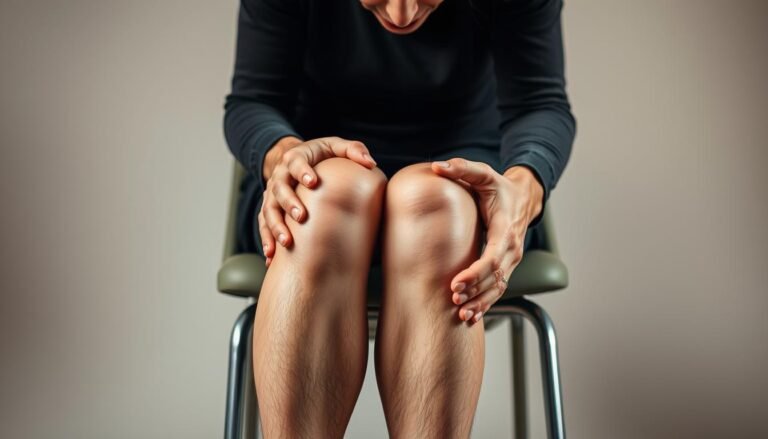
Knee Pain Relief Tips – What To Do When It Hurts
Did you know that knee pain affects millions of people worldwide, with up to 25% of adults experiencing knee pain at some point in their lives? Knee pain can be debilitating, impacting daily activities and limiting mobility. But fear not, we’re here to provide you with valuable tips and strategies to help you find relief and manage your knee pain effectively.
Knee pain can have various causes, ranging from injuries and arthritis to overuse and muscle weakness. It’s crucial to address the underlying cause and take appropriate measures to alleviate your discomfort. By incorporating the right treatments, exercises, and lifestyle adjustments, you can regain control over your knee health and enjoy an active and pain-free life.
In this article, we will explore proven knee pain relief strategies, from exercise programs and home remedies to professional medical interventions. Discover how you can safely strengthen your knee muscles, prevent further damage, and find the relief you deserve.
Diagnosing and Treating Knee Pain
When experiencing knee pain, it is crucial to undergo a thorough diagnosis to determine the underlying cause. Diagnosing knee pain involves various examinations and tests to provide an accurate assessment.
Physical examination: A physical examination is often the first step in diagnosing knee pain. During this examination, the healthcare professional inspects the knee for swelling, pain, and visible bruising. They may also assess the knee’s range of motion and stability.
Imaging tests: Imaging tests such as X-rays, CT scans, ultrasounds, and MRIs are valuable tools in diagnosing knee problems. These tests can provide detailed images of the knee structure, allowing healthcare professionals to identify fractures, joint abnormalities, ligament tears, and other issues.
Blood tests and arthrocentesis: In some cases, blood tests may be conducted to check for infection or inflammation. Arthrocentesis, also known as joint aspiration, involves removing fluid from the knee joint to analyze for signs of infection, gout, or other conditions.
The treatment approach for knee pain depends on the underlying cause identified during the diagnosis. Here are some common treatment options:
- Medications: Pain relievers, anti-inflammatory drugs, and corticosteroids may be prescribed to alleviate pain and manage conditions like arthritis.
- Physical therapy and exercises: Physical therapy is essential to strengthen the knee muscles, improve stability, and enhance flexibility. Healthcare professionals may also recommend specific exercises tailored to an individual’s condition.
- Arch supports and braces: Arch supports or orthotic devices can assist in redistributing pressure away from the affected knee, providing relief and stability.
- Injections: Injections of corticosteroids, hyaluronic acid, or platelet-rich plasma may be administered to reduce inflammation, lubricate the joint, and alleviate pain.
- Surgery: In severe cases or when other treatments are ineffective, surgery may be necessary. Surgical interventions range from arthroscopy to repair or remove damaged tissue to joint replacement for severe arthritis.
Lifestyle modifications and home remedies can also play a significant role in managing knee pain:
- Over-the-counter pain medications can temporarily relieve mild to moderate knee pain.
- Topical creams and ointments can provide localized relief for sore muscles and joints.
- Resting the knee, applying ice or heat, using compression bandages, and keeping the leg elevated can help reduce inflammation, swelling, and pain.
Alternative treatments like acupuncture may offer additional relief for knee pain, although further research is needed to establish their efficacy.
It is essential to consult a healthcare professional if knee pain persists or is accompanied by other concerning symptoms. Seeking medical advice ensures an accurate diagnosis and appropriate treatment to address the underlying cause of knee pain.
When to See a Doctor for Knee Pain
Knee pain can be disruptive, making it difficult to carry out daily activities or engage in exercise. If you’re experiencing knee pain, it’s crucial to determine the underlying cause before seeking relief. Common causes of knee pain include overuse, growing pains, arthritis, and injuries.
If you have an acute knee injury with severe symptoms, immediate medical attention is necessary. However, for certain types of knee pain, at-home remedies like rest, ice, heat, and pain relievers can provide relief. If your knee pain persists or worsens despite these remedies, it’s important to consult a doctor.
Signs of injury or pain in multiple joints may indicate the need for a medical evaluation. Seeking medical advice ensures appropriate diagnosis and treatment. Early intervention can prevent further damage and complications, so don’t hesitate to consult a doctor for any new or concerning knee pain.
FAQ
What can I do to relieve knee pain?
There are several things you can do to find relief from knee pain. Resting too much can actually weaken the muscles and increase the risk of reinjury, so it’s important to find a safe exercise program for your knees to strengthen muscles and improve overall strength. Taking precautions to prevent falls and reduce the risk of further knee damage is also crucial. Additionally, you can use the RICE method (rest, ice, compression, elevation) for minor knee injuries or arthritis flares, maintain a healthy weight to reduce stress on the knees, and try using walking aids or braces to support the knee and improve stability.
Are there any natural remedies for knee pain?
Yes, there are some natural remedies that may provide relief for knee pain. Acupuncture, for example, has been found to be helpful for some individuals. Choosing the right shoes with cushioned insoles can also help reduce knee stress. Additionally, using cold packs for the first 48 to 72 hours after a knee injury and then switching to heat therapy can assist with pain management. However, it’s important to remember that natural remedies may not work for everyone and it’s always a good idea to consult with a healthcare professional for personalized advice.
What are the common causes of knee pain?
Knee pain can have various causes. Some common factors include overuse, growing pains (especially in children and adolescents), arthritis, and injuries such as strains or ligament tears. It’s important to determine the underlying cause of the knee pain in order to seek appropriate relief and treatment.
When should I see a doctor for my knee pain?
It’s important to consult a doctor if your knee pain persists or worsens despite using home remedies and self-care measures. Seeking medical attention is especially crucial if you experience severe symptoms or if there are signs of an acute knee injury. Additionally, if you have pain in multiple joints or other concerning symptoms, it’s recommended to seek medical advice to ensure appropriate diagnosis and treatment.
Source Links
- https://www.webmd.com/pain-management/knee-pain/knee-pain-dos-and-donts
- https://www.houstonmethodist.org/blog/articles/2023/aug/how-to-get-rid-of-knee-pain-when-to-see-a-doctor/
- https://www.mayoclinic.org/diseases-conditions/knee-pain/diagnosis-treatment/drc-20350855