Category: Knee injury

  • Dealing with Hot Knees: Causes and Remedies

    Dealing with Hot Knees: Causes and Remedies

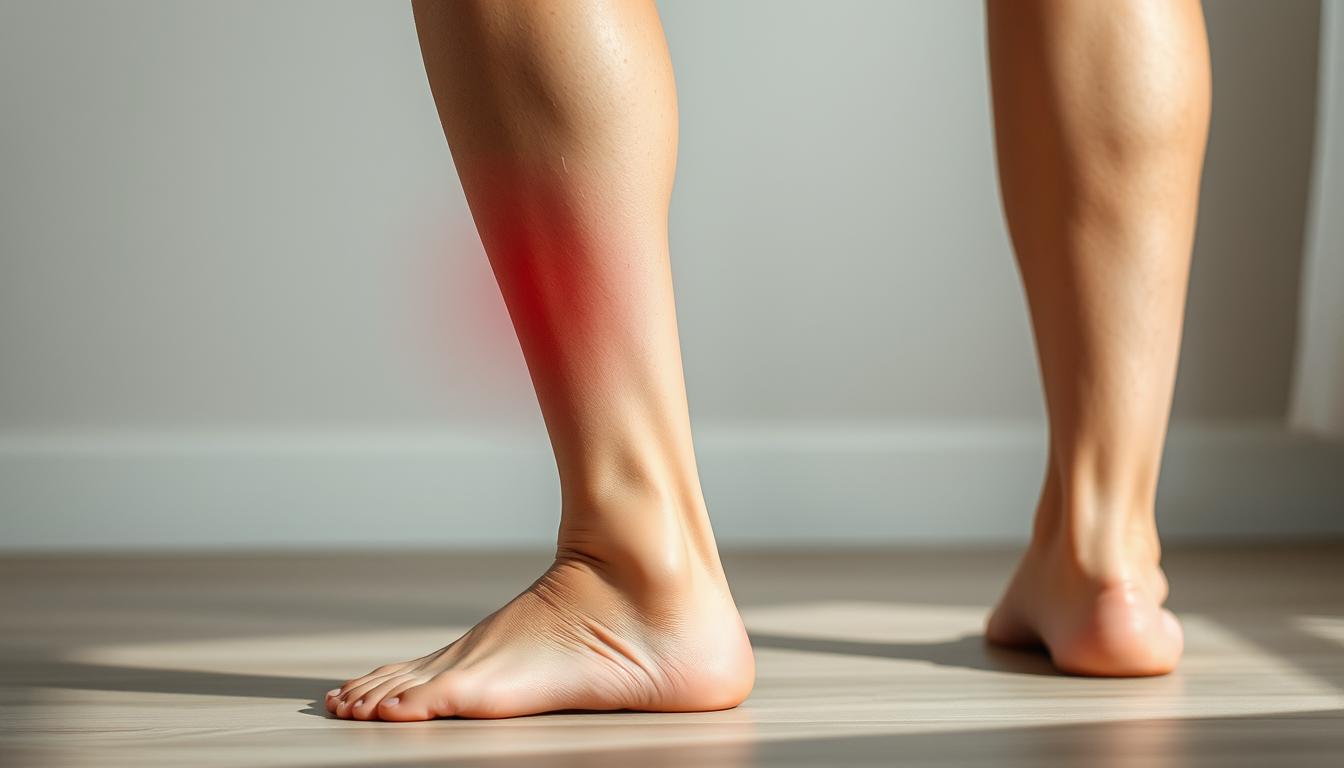
    Hot knees can be a source of discomfort and frustration, impacting daily activities and mobility. Understanding the causes and remedies for hot knees is essential for managing this issue effectively. In this article, we will delve into the anatomy of the knee, identify the causes of hot knees, assess their impact on daily activities, and explore non-invasive remedies to provide relief and improve knee health.

    Key Takeaways

    • Hot knees can result from inflammation, overuse, or underlying medical conditions.
    • Mobility and physical activities may be affected by hot knees, leading to challenges in daily life.
    • The psychological impact of hot knees should not be overlooked, as it can affect mental well-being.
    • Non-invasive remedies such as RICE therapy, physical therapy, and knee braces can help alleviate hot knee symptoms.
    • Seeking professional medical advice is crucial for understanding and addressing the root cause of hot knees.

    Understanding the Anatomy of the Knee

    thumbnail

    The Structure of the Knee Joint

    In our exploration of knee health, we must first understand the complex structure that is the knee joint. It’s a pivotal hinge that connects the femur, tibia, and patella, stabilized by ligaments and tendons. The knee joint is encapsulated in a synovial membrane, which secretes fluid for lubrication, reducing friction during movement.

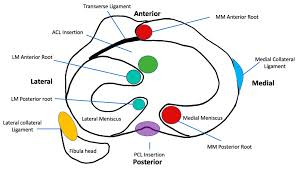
    The knee’s stability is owed to four primary ligaments: the anterior cruciate ligament (ACL), posterior cruciate ligament (PCL), medial collateral ligament (MCL), and lateral collateral ligament (LCL). These ligaments work in concert to manage the knee’s range of motion and maintain its alignment.

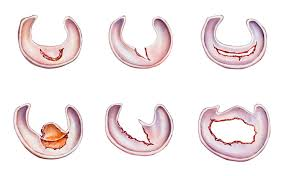
    • Menisci, two C-shaped cartilages, act as shock absorbers between the femur and tibia.
    • The quadriceps and hamstring muscle groups are crucial for knee extension and flexion.

    Tip: Regularly engaging in exercises that strengthen the quadriceps and hamstrings can significantly enhance knee stability and prevent injuries.

    Functions of the Knee

    We often take for granted the complex role our knees play in our daily lives. The knee is not just a simple hinge; it’s a sophisticated system that allows for a range of movements including flexion, extension, and slight rotation. This enables us to perform basic actions such as walking, running, and jumping with ease.

    The knee also bears the body’s weight, acting as a vital shock absorber during activities that impact the lower body. It’s the interplay of bones, cartilage, ligaments, and tendons that work in harmony to maintain stability and mobility. Here’s a quick overview of the knee’s functions:

    • Support: Bearing the body’s weight in an upright position and during movement.
    • Flexibility: Allowing the leg to bend and straighten, facilitating motion.
    • Stability: Keeping the leg steady when standing and during dynamic activities.
    • Shock Absorption: Reducing the impact on the leg and spine during activities like walking or jumping.

    Remember, maintaining knee health is crucial for overall mobility and quality of life. Regular exercise and proper care can help preserve knee function and prevent discomfort.

    Common Knee Problems

    The Structure of the Knee Joint, Functions of the Knee, Common Knee Problems

    Identifying the Causes of Hot Knees

    thumbnail

    Inflammation and Swelling

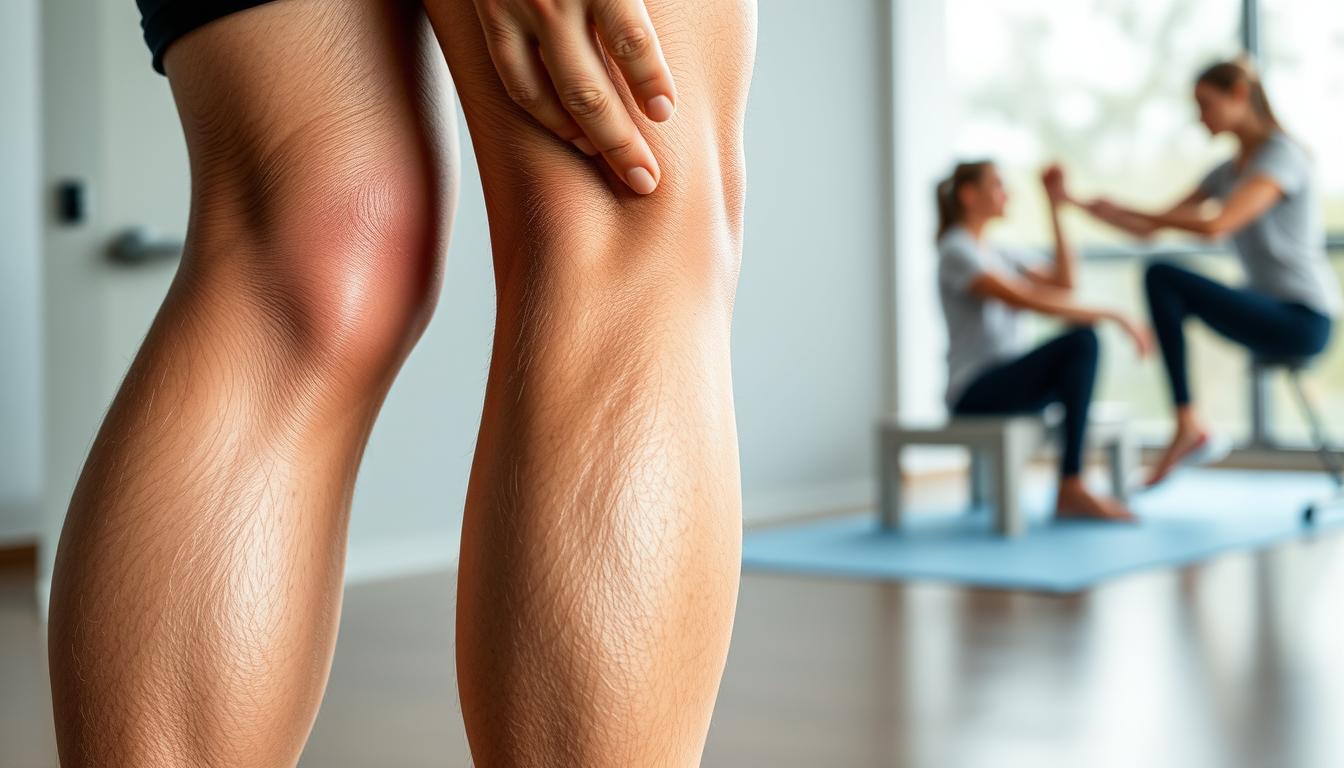
    Inflammation and swelling are common indicators of knee distress. When the knee experiences inflammation, it becomes warm to the touch and may appear red and swollen. This can be a sign of an underlying issue that requires attention. Swelling can also restrict movement and cause discomfort, impacting daily activities. It’s important to monitor these symptoms closely and seek appropriate care when necessary.

    Overuse and Strain

    We often underestimate the stress we put on our knees through daily activities and exercise. Overuse and strain can lead to a condition commonly referred to as hot knees, where the knee feels warm to the touch and is often accompanied by pain. This is typically a result of repetitive movements or prolonged pressure that exceeds the knee joint’s capacity for stress.

    Prevention is better than cure, and this is particularly true for knee health. To avoid overuse and strain, we should adhere to proper exercise techniques and ensure we do not exceed our physical limits. Here’s a simple list of preventative measures:

    • Gradually increase the intensity of workouts
    • Incorporate rest days into exercise routines
    • Wear appropriate footwear for activities
    • Strengthen surrounding muscles to support the knee joint

    Tip: Always listen to your body’s signals. If you experience persistent knee warmth or pain, it’s crucial to rest and, if necessary, seek medical advice.

    While overuse is a common cause of hot knees, it’s important to recognize when the symptoms may indicate a more serious underlying condition. In such cases, professional medical evaluation is essential.

    Underlying Medical Conditions

    We must acknowledge that sometimes, hot knees are a manifestation of underlying medical conditions. Osteoarthritis is a prime example, characterized by the degeneration of joint cartilage and the underlying bone, most common in middle-aged and older adults. This condition can lead to a sensation of warmth in the affected joints due to increased blood flow as the body attempts to repair joint damage.

    Other medical conditions that may cause hot knees include rheumatoid arthritis, gout, and infections like septic arthritis. Each of these conditions has distinct characteristics and implications for knee health:

    • Rheumatoid arthritis: An autoimmune disorder causing chronic inflammation.
    • Gout: Caused by uric acid crystal accumulation in the joint.
    • Septic arthritis: An infection that can lead to joint damage if not treated promptly.

    Tip: Early diagnosis and management of these conditions are crucial to prevent further joint damage and alleviate the sensation of heat in the knees. It’s essential to consult a healthcare professional if you suspect your hot knees are due to an underlying medical condition.

    Assessing the Impact of Hot Knees on Daily Activities

    thumbnail

    Effect on Mobility

    Hot knees can significantly affect our daily activities, limiting our mobility and causing discomfort during movement. This can lead to a decrease in our overall physical activity levels, impacting our quality of life. It’s important to address these challenges and find effective remedies to regain our mobility and comfort.

    Challenges in Physical Activities

    We often underestimate the impact that hot knees can have on our engagement in physical activities. The discomfort and pain can significantly reduce our ability to participate in sports, exercise, and even simple tasks like walking or climbing stairs. For instance, a jogger with hot knees may find their running regimen severely compromised.

    • The intensity and duration of physical activities are often the first to be adjusted when dealing with hot knees. Here’s a brief overview of how we might modify our routines:
      • Reduce high-impact activities like running or jumping
      • Incorporate low-impact exercises such as swimming or cycling
      • Shorten workout sessions to prevent exacerbating knee pain

    Tip: Always listen to your body’s signals. If an activity causes pain in your knees, it’s crucial to stop and rest. Ignoring these warnings can lead to further injury.

    We must also consider the psychological toll that these limitations can impose. The frustration of not being able to perform at one’s best can be disheartening. It’s important to acknowledge these feelings and seek support when needed.

    Psychological Impact

    Hot knees can have a significant impact on our daily lives, affecting our mobility and ability to engage in physical activities. The psychological impact of hot knees should not be overlooked, as it can lead to feelings of frustration and limitation. It’s important to address these psychological effects in addition to the physical symptoms.

    When dealing with hot knees, it’s crucial to maintain a positive mindset and seek support from healthcare professionals. Engaging in activities that promote mental well-being, such as meditation or relaxation techniques, can also be beneficial in managing the psychological impact of hot knees.

    It’s essential to remember that addressing the psychological impact of hot knees is an integral part of comprehensive care.

    Exploring Non-Invasive Remedies for Hot Knees

    thumbnail

    RICE Therapy

    After implementing the RICE Therapy, rest is crucial for allowing the knee to heal. It’s important to avoid putting excessive weight on the affected knee and to refrain from activities that may exacerbate the condition. Additionally, gentle stretching exercises can help improve flexibility and reduce stiffness in the knee. Here’s a simple table to summarize the recommended non-invasive remedies:

    Remedy Description
    RICE Therapy Rest, Ice, Compression, Elevation
    Physical Therapy Customized exercises to strengthen and stabilize
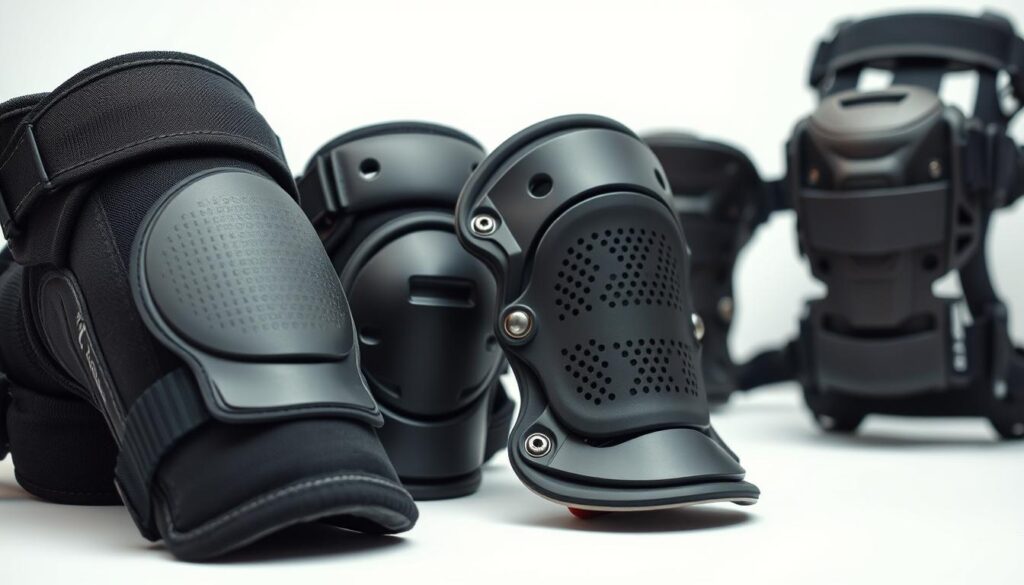
    Use of Knee Braces Provides support and stability for the knee joint

    Lastly, it’s advisable to seek professional advice before starting any new treatment regimen. As a general rule, it’s essential to listen to our bodies and give them the care they need to recover.

    Physical Therapy

    After completing a course of physical therapy, we can consider implementing a personalized exercise routine to maintain knee strength and flexibility. Additionally, we should focus on low-impact activities such as swimming or cycling to minimize stress on the knees. It’s important to consult with a healthcare professional to determine the most suitable exercises for our specific condition. Here are some key exercises that we can incorporate into our routine:

    1. Quadriceps strengthening exercises
    2. Hamstring stretching exercises
    3. Calf raises

    It’s essential to perform these exercises under the guidance of a qualified physical therapist to ensure proper form and technique. Remember, consistency is key in maintaining the benefits of physical therapy and exercise. As the saying goes, “Use it or lose it!”

    Use of Knee Braces

    After considering the use of knee braces, physical therapy emerges as a crucial non-invasive remedy for hot knees. This therapy focuses on strengthening the muscles around the knee joint and improving flexibility, which can alleviate discomfort and enhance mobility. Additionally, RICE therapy (Rest, Ice, Compression, Elevation) is an effective approach to reduce inflammation and provide relief. When considering non-invasive remedies, it’s important to consult a healthcare professional to determine the most suitable treatment plan for individual needs. Here’s a brief overview of the benefits of physical therapy and RICE therapy:

    Conclusion

    In conclusion, hot knees can be caused by a variety of factors, including overuse, injury, and underlying medical conditions. It is important to seek medical advice if you experience persistent hot knees, as this could be a sign of a more serious issue. Additionally, implementing rest, ice therapy, and gentle exercise may provide relief for mild cases of hot knees. By understanding the causes and implementing appropriate remedies, individuals can effectively manage and alleviate the discomfort associated with hot knees.

    Frequently Asked Questions

    What are the common causes of hot knees?

    Hot knees can be caused by inflammation, overuse, strain, or underlying medical conditions such as arthritis or gout.

    How can I relieve hot knees at home?

    You can use RICE therapy (rest, ice, compression, elevation), perform gentle exercises recommended by a physical therapist, and use knee braces for support.

    When should I seek medical attention for hot knees?

    If hot knees are accompanied by severe pain, redness, or persistent swelling, it’s important to consult a healthcare professional for proper diagnosis and treatment.

    Can hot knees affect my ability to exercise?

    Yes, hot knees can cause challenges in physical activities and may limit mobility, making it important to modify exercise routines and seek appropriate guidance.

    Are hot knees a sign of a serious medical condition?

    In some cases, hot knees can be a symptom of an underlying medical condition such as arthritis, gout, or an infection. It’s important to get a proper diagnosis to address any potential health concerns.

    What lifestyle changes can help prevent hot knees?

    Maintaining a healthy weight, incorporating low-impact exercises, wearing supportive footwear, and practicing proper body mechanics can help reduce the risk of developing hot knees.

  • Effective Knee Therapy Techniques for Recovery

    Effective Knee Therapy Techniques for Recovery

    Knee injuries can be debilitating, affecting mobility and overall quality of life. Effective knee therapy techniques are essential for recovery and rehabilitation. In this article, we will explore the anatomy and function of the knee joint, common knee injuries and their causes, diagnostic techniques for knee injuries, non-surgical knee therapy approaches, and surgical options for knee recovery. Understanding these aspects is crucial for implementing the most effective therapy techniques for knee recovery.

    Key Takeaways

    • Proper diagnosis is essential for developing an effective knee therapy plan.
    • Physical therapy plays a crucial role in knee recovery and rehabilitation.
    • Bracing and supportive devices can aid in the healing process of knee injuries.
    • Arthroscopic surgery is a minimally invasive surgical option for certain knee injuries.
    • Total knee replacement may be necessary for severe cases of knee degeneration.

    Understanding Knee Anatomy and Function

    thumbnail

    Structure of the Knee Joint

    In our exploration of knee therapy, it’s crucial to grasp the complex structure of the knee joint. This hinge-like joint is pivotal for movement, bearing the body’s weight during activities such as walking, running, and jumping. The knee comprises bones, cartilage, ligaments, and tendons that work in harmony.

    The femur (thigh bone), tibia (shin bone), and patella (kneecap) are the primary bony structures that form the knee joint. These bones are connected by a network of ligaments that provide stability, while the tendons attach muscles to the bones, facilitating movement. The menisci, two C-shaped pieces of cartilage, act as shock absorbers and ensure smooth motion.

    Prevention of injury to the knee joint begins with understanding its vulnerability and the importance of maintaining strength and flexibility. Regular exercise and proper technique can help safeguard the knee’s intricate architecture.

    Tip: Always warm up before engaging in physical activity to prepare the knee joint for the stress of exercise and reduce the risk of injury.

    Function of the Knee Joint

    We must appreciate the knee joint’s critical role in our daily activities to understand its function fully. As the largest and one of the most complex joints in the body, the knee enables a range of movements such as flexion, extension, and slight rotation. It is essential for weight-bearing activities like standing, walking, and running, and also plays a pivotal role in maintaining balance and stability.

    The knee joint works in concert with muscles, ligaments, and tendons to execute these movements smoothly. Here’s a simple breakdown of the knee’s functional capabilities:

    • Flexion: Bending the knee to move the heel towards the buttocks
    • Extension: Straightening the knee to return the leg to a standing position
    • Rotation: Twisting movement, though limited, aids in pivoting

    Tip: Regular exercise and maintaining a healthy weight can significantly reduce the strain on your knees, enhancing their function and longevity.

    Understanding these functions is vital for anyone undergoing knee therapy, as the goal is to restore these capabilities post-injury or surgery. We’ll explore how various knee therapy techniques can aid in this recovery process in the subsequent sections of our comprehensive guide.

    Common Knee Injuries and Causes

    thumbnail

    Types of Knee Injuries

    Common knee injuries can result from various causes, including sports-related activities, accidents, and degenerative conditions. These injuries can range from minor strains to severe ligament tears, affecting the stability and function of the knee joint. Understanding the specific type of injury is crucial for developing an effective treatment plan. Information on traumatic knee injuries, ACL tears, knee pain causes, and management techniques for knee pain can provide valuable insights into the nature and severity of the injury. It is important to consider both the acute symptoms and the long-term implications of the injury when determining the most suitable course of action.

    Causes of Knee Injuries

    In our exploration of knee injuries, we recognize that the causes are as varied as the activities we engage in daily. Osteoarthritis is a prevalent condition that we often encounter, characterized by the degeneration of joint cartilage and underlying bone, most common in middle-aged and older adults. It’s not just about wear and tear; injuries can also stem from acute trauma such as falls, direct blows, or sudden movements that strain the knee beyond its normal range of motion.

    Repetitive stress on the knee joint from activities like running, jumping, or cycling can lead to overuse injuries. These are particularly common among athletes but can affect anyone who is active. Factors such as improper technique, inadequate stretching, or poor conditioning can exacerbate the risk of injury. Additionally, obesity is a significant contributor, as the extra weight puts additional pressure on the knee joints, potentially accelerating the wear and tear process.

    Tip: To minimize the risk of knee injuries, it’s crucial to maintain a healthy weight, engage in regular conditioning and flexibility exercises, and use proper techniques during physical activities.

    Understanding the causes of knee injuries is imperative for prevention and effective treatment. Here’s a list of common causes:

    • Acute trauma (e.g., falls, collisions)
    • Repetitive stress from certain sports or activities
    • Improper sports techniques or equipment
    • Obesity and overweight
    • Genetic predisposition to joint conditions
    • Age-related wear and tear

    Diagnostic Techniques for Knee Injuries

    thumbnail

    Physical Examination

    After conducting the physical examination, we gather valuable data that informs our treatment plan. This includes assessing the range of motion, stability, and any signs of inflammation. We also take into account the patient’s medical history and previous injuries to gain a comprehensive understanding of the condition. Additionally, we may use imaging studies such as X-rays and MRI scans to visualize the internal structures of the knee and identify any abnormalities or damage.

    Imaging Studies

    After conducting the Imaging Studies, we analyze the results to identify any abnormalities or damage to the knee joint. This analysis helps us develop a personalized treatment plan tailored to the patient’s specific condition. In some cases, the use of MRI imaging provides detailed information about soft tissue injuries, which is crucial for accurate diagnosis and treatment planning.

    • The table below summarizes the key diagnostic techniques for knee injuries:
    Diagnostic Technique Description
    Physical Examination Assessment of range of motion and stability of the knee joint.
    Imaging Studies Utilization of X-rays, MRI, or CT scans to visualize the internal structures of the knee.

    It is important to note that a thorough physical examination combined with imaging studies is essential for a comprehensive understanding of the knee injury and the development of an effective treatment strategy.

    Non-Surgical Knee Therapy Approaches

    thumbnail

    Physical Therapy

    In our pursuit of effective knee recovery, we recognize physical therapy as a cornerstone of non-surgical treatment. It is a misconception that physical therapy is solely for athletes or that it is invariably painful. On the contrary, we tailor treatments to accommodate individuals of all ages and conditions, debunking common myths about its scope and nature.

    Physical therapy encompasses a range of exercises and techniques aimed at restoring knee function, improving mobility, and alleviating pain. The regimen typically progresses through stages, starting with gentle range-of-motion exercises and advancing to strength-building activities. Here is an example of a progressive physical therapy program:

    1. Initial Assessment
    2. Pain Management Techniques
    3. Range-of-Motion Exercises
    4. Strengthening Exercises
    5. Functional Training

    Tip: Consistency and adherence to the prescribed physical therapy program are crucial for optimal recovery. It is important to maintain open communication with your therapist to adjust the program as needed based on your progress and feedback.

    Bracing and Supportive Devices

    After discussing the use of bracing and supportive devices, we can explore the role of physical therapy in knee recovery. Physical therapy plays a crucial role in strengthening the muscles around the knee joint and improving flexibility and range of motion. Additionally, it focuses on reducing pain and swelling, allowing for a smoother recovery process. Customized exercise programs are tailored to each individual’s specific needs and may include a combination of stretching, strengthening, and balance exercises. These programs are designed to gradually improve knee function and promote long-term recovery. In some cases, physical therapy may also involve the use of modalities such as heat, ice, or electrical stimulation to alleviate discomfort and aid in the healing process. It is important to consult a qualified healthcare professional to determine the most suitable physical therapy approach for your condition.

    Surgical Options for Knee Recovery

    thumbnail

    Arthroscopic Surgery

    After undergoing Arthroscopic Surgery, it is important to follow a structured rehabilitation program to ensure optimal recovery. This may include a combination of physical therapy, low-impact exercises, and gradual increase in activity levels. It is crucial to adhere to the guidance of healthcare professionals and to communicate any concerns or setbacks during the recovery process.

    Additionally, maintaining a balanced diet and proper hydration can support the body’s healing process. Adequate rest and sleep are also essential for the body to recover effectively. It is important to monitor for any signs of infection or unusual pain and to report these to the healthcare team promptly.

    For a more detailed overview of the post-surgery rehabilitation program, refer to the following table:

    Rehabilitation Program Components Description
    Physical Therapy Customized exercises and stretches
    Low-Impact Exercises Walking, swimming, cycling
    Gradual Activity Increase Incremental increase in intensity

    In addition to the rehabilitation program, it is important to remember that recovery is a gradual process. Patience and perseverance are key, and it is normal to experience fluctuations in progress. It is essential to stay motivated and focused on the long-term goal of regaining full function and mobility in the knee.

    Tip: Keep a journal to track progress, challenges, and achievements throughout the recovery journey. This can provide valuable insight and motivation during the rehabilitation process.

    Total Knee Replacement

    After undergoing a Total Knee Replacement, it is important to follow a structured rehabilitation program to regain strength and mobility. This program typically involves a combination of physical therapy and exercise routines tailored to the individual’s needs. Additionally, maintaining a healthy diet and managing weight are crucial for successful recovery. It is essential to adhere to the guidance provided by healthcare professionals and to communicate any concerns or challenges encountered during the recovery process. Our team at the rehabilitation center is dedicated to supporting patients through every step of their recovery journey.

    Conclusion

    In conclusion, the effective knee therapy techniques discussed in this article provide valuable insights into the rehabilitation and recovery process for individuals with knee injuries. By emphasizing the importance of early intervention and personalized treatment plans, healthcare professionals can optimize the outcomes for their patients. It is evident that a comprehensive approach, including physical therapy, strength training, and pain management, plays a crucial role in promoting long-term recovery and restoring functionality. As advancements in medical research continue to evolve, the integration of innovative therapies and evidence-based practices will further enhance the efficacy of knee rehabilitation methods. This article serves as a foundation for further exploration and application of cutting-edge knee therapy techniques in clinical settings.

    Frequently Asked Questions

    What are the most common knee injuries?

    The most common knee injuries include ligament tears, meniscus tears, tendonitis, and patellar dislocation.

    How can physical therapy help with knee recovery?

    Physical therapy can improve strength, flexibility, and range of motion in the knee, as well as reduce pain and swelling.

    What is the recovery time for arthroscopic knee surgery?

    The recovery time for arthroscopic knee surgery varies, but most patients can expect to resume normal activities within 6-8 weeks.

    Are there any alternative treatments for knee injuries besides surgery?

    Yes, alternative treatments such as acupuncture, chiropractic care, and regenerative medicine can be effective for certain knee injuries.

    What are the risk factors for knee injuries?

    Risk factors for knee injuries include overuse, improper training techniques, previous injuries, and obesity.

    What is the success rate of total knee replacement surgery?

    Total knee replacement surgery has a high success rate, with more than 90% of patients experiencing significant improvement in pain and function.

  • Managing Hypermobile Knees: What You Need to Know

    Managing Hypermobile Knees: What You Need to Know

    Hypermobile knees can present unique challenges and require specific management strategies to maintain mobility and reduce the risk of injury. Understanding the causes, symptoms, and treatment options for hypermobile knees is essential for individuals dealing with this condition. In this article, we will explore the key aspects of managing hypermobile knees and provide valuable insights into preventive measures and lifestyle changes.

    Key Takeaways

    • Understanding the definition and characteristics of hypermobile knees is crucial for effective management.
    • Conservative treatments such as bracing and taping can provide support and stability for hypermobile knees.
    • Physical therapy and targeted exercise programs can help strengthen the muscles around the knee joint and improve stability.
    • Surgical interventions may be considered for severe cases of hypermobile knees, but they should be carefully evaluated and discussed with a healthcare professional.
    • Joint protection techniques, proper nutrition, and exercise modifications play a vital role in preventing injuries and maintaining knee health.

    Understanding Hypermobile Knees

    thumbnail

    Definition and Characteristics

    Hypermobile knees, also known as loose joints, are characterized by an excessive range of motion in the knee joint. This condition can lead to instability and increased susceptibility to injuries. Individuals with hypermobile knees may experience discomfort during physical activities and may be at a higher risk of developing knee-related complications. Understanding the causes and symptoms of hypermobile knees is crucial for effective management and treatment.

    One common cause of hypermobile knees is ligament laxity, which can be a result of genetic factors or connective tissue disorders. Additionally, repetitive stress on the knee joint, such as from sports activities, can contribute to the development of hypermobility. Diagnosis of hypermobile knees involves a thorough physical examination, including assessing the degree of joint laxity and evaluating any associated symptoms.

    It is important to note that hypermobile knees vary in severity, and the management approach should be tailored to each individual’s specific condition. Here is a table summarizing the characteristics of hypermobile knees:

    Characteristic Description
    Range of Motion Excessive and unrestricted movement in the knee
    Instability Increased vulnerability to joint dislocation
    Susceptibility Higher risk of knee injuries and complications

    In addition to the table, here are some key points to consider when managing hypermobile knees:

    • Implement joint protection techniques to minimize strain on the knee joint.
    • Maintain a balanced diet and proper nutrition to support joint health.
    • Modify exercise routines to avoid excessive stress on the knees.

    Seeking professional guidance and support is essential for effectively managing hypermobile knees and minimizing associated discomfort and risks.

    Causes of Hypermobile Knees

    Hypermobile knees are primarily caused by ligament laxity, which refers to the excessive looseness of the ligaments surrounding the knee joint. This can be due to genetic factors, connective tissue disorders, or repetitive stress on the knee joint. It is important to note that hypermobile knees can lead to increased risk of injury and joint instability.

    • It is crucial to maintain a balance between rest and physical activity to prevent overuse injuries.
    • Implement joint protection techniques, such as using supportive braces during physical activities.

    Tip: Engaging in low-impact exercises, such as swimming or cycling, can help improve knee stability and reduce the risk of injury.

    Symptoms and Diagnosis

    Hypermobile knees can present with a range of symptoms, including instability, pain, and swelling. Diagnosis is typically based on a thorough physical examination, assessment of joint laxity, and may involve imaging studies such as X-rays or MRI scans. Additionally, a detailed medical history and evaluation of functional limitations are essential for accurate diagnosis. It’s important to note that symptoms may vary widely among individuals with hypermobile knees, and a personalized approach to diagnosis and management is crucial.

    • Symptoms of Hypermobile Knees
      • Instability
      • Pain
      • Swelling

    Tip: Engaging in low-impact exercises and avoiding high-impact activities can help manage symptoms and reduce the risk of injury. Regular monitoring and communication with a healthcare professional are key to effectively managing hypermobile knees.

    Treatment Options for Hypermobile Knees

    thumbnail

    Conservative Treatments

    When considering conservative treatments for hypermobile knees, it is important to focus on pain management and joint stability. This may involve a combination of physical therapy, bracing, and activity modification. Additionally, maintaining a healthy weight and avoiding high-impact activities can help reduce stress on the knees. It is crucial to consult with a healthcare professional to develop a personalized treatment plan that addresses the specific needs of individuals with hypermobile knees. Engaging in regular low-impact exercises, such as swimming or cycling, can also contribute to overall joint health and function. Furthermore, incorporating joint protection techniques into daily activities can provide added support and minimize the risk of injury. It’s important to be mindful of posture and body mechanics to prevent unnecessary strain on the knees.

    Physical Therapy and Exercise

    In our journey to manage hypermobile knees, we recognize the pivotal role of physical therapy and exercise. Tailored exercise programs not only improve joint stability but also enhance muscle strength around the knee, which is crucial for joint support.

    A typical physical therapy regimen may include:

    • Strengthening exercises targeting the quadriceps, hamstrings, and calf muscles.
    • Proprioception training to improve balance and joint position sense.
    • Low-impact aerobic activities such as swimming or cycling to maintain cardiovascular fitness without overstressing the joints.

    Tip: Always start with low-intensity exercises and gradually increase the difficulty under the guidance of a certified physical therapist.

    It’s essential to maintain a consistent exercise routine, as sporadic efforts may lead to suboptimal results. We must also be mindful of our body’s signals; overexertion can exacerbate symptoms. Therefore, it’s important to strike a balance between activity and rest, ensuring that we do not push our knees beyond their capacity.

    Surgical Interventions

    Surgical interventions are considered when conservative treatments and physical therapy have not provided significant improvement in knee stability and function. These interventions may include procedures such as arthroscopic surgery, ligament reconstruction, or joint realignment. The decision to undergo surgical intervention is carefully evaluated based on the individual’s specific condition, severity of symptoms, and response to non-surgical treatments. It is important to consult with a qualified orthopedic surgeon to discuss the potential benefits, risks, and expected outcomes of surgical options.

    Preventive Measures and Lifestyle Changes

    thumbnail

    Joint Protection Techniques

    When it comes to protecting our knees, proper alignment and body mechanics are crucial. We must also be mindful of our daily activities and make necessary adjustments to reduce strain on the joints. Additionally, incorporating supportive footwear and using assistive devices can further aid in minimizing the impact on our knees. It’s important to remember that small changes in our habits and routines can make a significant difference in preserving joint health and function.

    Diet and Nutrition

    When it comes to managing hypermobile knees, diet and nutrition play a crucial role in supporting overall joint health. Our dietary choices can impact inflammation levels and joint stability, affecting the symptoms associated with hypermobility. It’s important to focus on a balanced diet that includes a variety of nutrients, with an emphasis on foods rich in calcium, vitamin D, and omega-3 fatty acids. These nutrients are known to support bone health and may contribute to reducing joint discomfort and instability. Additionally, maintaining a healthy weight through proper nutrition can alleviate stress on the joints, potentially reducing the risk of injury and discomfort.

    Exercise Modifications

    Exercise modifications are an essential aspect of managing hypermobile knees. When engaging in physical activity, it is crucial to adapt exercises to minimize stress on the knee joints. This may involve reducing the range of motion in certain movements and incorporating low-impact activities. Additionally, focusing on strengthening the muscles around the knees through targeted exercises can provide significant benefits.

    Incorporating a variety of exercises that promote stability and flexibility is key. This can include activities such as swimming, cycling, and modified yoga poses. These exercises help improve overall joint function and reduce the risk of injury. Furthermore, maintaining proper form and alignment during exercise is paramount for individuals with hypermobile knees.

    For individuals with hypermobile knees, it is important to consult with a physical therapist or healthcare professional to develop a personalized exercise plan. This plan may include specific exercises, recommended frequency, and guidance on gradual progression. By working closely with a professional, individuals can ensure that their exercise routine is tailored to their unique needs and limitations.

    It is important to note that exercise modifications should be approached with caution and under the guidance of a qualified professional.

    Conclusion

    In conclusion, the management of hypermobile knees requires a comprehensive approach that encompasses exercise, physical therapy, and joint protection. By understanding the challenges and implementing appropriate strategies, individuals with hypermobile knees can effectively manage their condition and improve their quality of life. Further research and clinical studies are needed to enhance our understanding of this complex condition and develop more targeted interventions for hypermobile knees.

    Frequently Asked Questions

    What are hypermobile knees?

    Hypermobile knees are knees that have an excessive range of motion, often due to laxity in the ligaments and joint capsule.

    What causes hypermobile knees?

    Hypermobile knees can be caused by genetic factors, connective tissue disorders, or repetitive stress on the knee joint.

    What are the common symptoms of hypermobile knees?

    Common symptoms include knee instability, frequent joint dislocations, pain, and difficulty with activities that require stability.

    How are hypermobile knees diagnosed?

    Diagnosis is typically based on a physical examination, medical history, and possibly imaging tests such as MRI or ultrasound.

    What are the conservative treatment options for hypermobile knees?

    Conservative treatments may include bracing, taping, activity modification, and orthotic devices to provide stability and support.

    How can exercise be beneficial for hypermobile knees?

    Specific exercises can help strengthen the muscles around the knee, improve joint stability, and reduce the risk of injury for individuals with hypermobile knees.

  • The Benefits of Double Knee Replacement Surgery

    The Benefits of Double Knee Replacement Surgery

    Double knee replacement surgery is a complex procedure that offers significant benefits to individuals with severe knee joint issues. This surgery involves replacing both knee joints with artificial implants, providing relief from pain, improved mobility, and enhanced quality of life. Understanding the key takeaways from this surgery is essential for patients and their families to make informed decisions about the procedure and its potential outcomes.

    Key Takeaways

    • Double knee replacement surgery offers significant improvement in mobility and function.
    • Patients experience substantial pain relief and enjoy an enhanced quality of life after the surgery.
    • The long-term success rates of double knee replacement surgery are promising, leading to improved joint function and reduced disability.
    • Preoperative preparation plays a crucial role in ensuring a successful outcome of the surgery.
    • Recovery and rehabilitation are vital aspects of the postoperative care, contributing to the overall success of double knee replacement surgery.

    Understanding Double Knee Replacement Surgery

    thumbnail

    The Anatomy of the Knee Joint

    Double knee replacement surgery, also known as bilateral knee arthroplasty, is a complex procedure that involves the replacement of both knee joints with artificial implants. This surgery is typically recommended for individuals who experience severe pain and limited mobility in both knees, often due to advanced osteoarthritis or other degenerative joint conditions. The decision to undergo double knee replacement surgery is carefully evaluated based on the patient’s overall health, lifestyle, and the extent of joint damage. It is important to consider the potential risks and benefits of this procedure before making a decision.

    Indications for Double Knee Replacement Surgery

    Double knee replacement surgery is indicated for severe osteoarthritis that affects both knees, leading to significant pain and limited mobility. It is also recommended for individuals who have not experienced relief from conservative treatments such as medication and physical therapy. In addition, patients with deformities in both knees that interfere with daily activities may be candidates for this procedure. Here are the common indications for double knee replacement surgery:

    1. Severe pain and stiffness in both knees
    2. Difficulty in performing routine activities
    3. Limited range of motion
    4. Failure of non-surgical treatments to provide relief
    5. Deformities in both knees

    It is important to consult with a qualified orthopedic surgeon to determine if double knee replacement surgery is the most suitable option for your condition.

    Risks and Complications

    After undergoing double knee replacement surgery, we may experience some common risks and complications. These may include infection, blood clots, and implant loosening. It’s important to note that these risks are carefully managed by the medical team to ensure the best possible outcomes. Additionally, we will receive detailed guidance on postoperative care and rehabilitation to minimize these risks and promote a successful recovery.

    In some cases, the risk of complications can be quantified. Here’s a brief overview of the potential risks:

    Complication Risk Percentage
    Infection 1-2%
    Blood Clots 2-3%
    Implant Loosening 1-2%

    We should keep in mind that these percentages are general estimates and may vary based on individual health factors and surgical techniques. It’s essential to follow the postoperative care instructions provided by the medical team to minimize these risks and achieve a successful recovery.

    We are encouraged to communicate any concerns or unusual symptoms to the healthcare professionals promptly. Early detection and intervention can significantly reduce the impact of potential complications and contribute to a positive outcome.

    Recovery and Rehabilitation

    After completing the recovery and rehabilitation process, we can expect significant improvements in mobility and function. Additionally, patients often experience a notable reduction in pain and an overall enhancement in quality of life. The long-term success rates of this procedure are quite promising, with a high percentage of patients reporting sustained benefits over time.

    Benefits Outcomes
    Improved mobility and function Significant improvement
    Pain relief and quality of life Notable reduction in pain and enhanced quality of life
    Long-term success rates High percentage of sustained benefits

    It is important to maintain a consistent rehabilitation routine to maximize the benefits of the surgery and ensure long-term success.

    The Surgical Procedure

    thumbnail

    Preoperative Preparation

    After completing the preoperative preparation, we are ready to move forward with the surgical techniques. This involves the careful removal of damaged knee joint surfaces and the precise placement of the prosthetic components. The surgical team will work diligently to ensure the success of the procedure, aiming for optimal outcomes and minimal complications.

    We understand the importance of this phase and are committed to providing the best care possible for our patients.


    Surgical Techniques

    Here is a brief overview of the surgical techniques involved in double knee replacement surgery:

    Technique Description
    Total Knee Replacement Involves replacing the entire knee joint with prosthetic components to restore function.
    Partial Knee Replacement Targets only the damaged portion of the knee joint, preserving healthy tissue.

    We are dedicated to ensuring a smooth transition to the postoperative care phase, where we will continue to monitor and support our patients as they begin their journey towards recovery and rehabilitation.

    Surgical Techniques

    After the surgical techniques are completed, careful monitoring and postoperative care are crucial for a successful recovery. This involves regular check-ups, physical therapy sessions, and adherence to prescribed medications. Additionally, maintaining a healthy diet and following the recommended exercise regimen can significantly contribute to the overall outcome of the surgery. It’s important to note that each patient’s post-surgery recovery progress, setbacks, and strategies for overcoming setbacks may vary.

    Postoperative Care

    After the surgical procedure, careful monitoring and management of pain and inflammation are crucial for a successful recovery. Our team will provide personalized guidance on physical therapy exercises and assistive devices to support your rehabilitation journey. Additionally, a comprehensive plan for medication management and wound care will be tailored to your specific needs. It’s important to follow the prescribed postoperative care regimen to optimize your healing process and achieve the best possible outcomes.

    Benefits and Outcomes

    thumbnail

    Improvement in Mobility and Function

    Following double knee replacement surgery, we’ve observed a significant improvement in patients’ mobility and function. The ability to perform everyday activities with ease, which was once hindered by severe knee pain, is often restored. This enhanced mobility can profoundly impact one’s independence and overall well-being.

    Patients typically experience:

    • A noticeable reduction in joint stiffness
    • Increased range of motion
    • Improvement in walking gait
    • Enhanced ability to climb stairs and rise from a seated position

    It is crucial to adhere to a prescribed physical therapy regimen post-surgery to maximize improvements in mobility and function.

    The journey to regain full function can vary from person to person, but the collective goal remains the same: to return to a more active and pain-free lifestyle. We encourage our patients to set incremental goals and celebrate each milestone achieved on the path to recovery.

    Pain Relief and Quality of Life

    Double knee replacement surgery offers significant improvements in pain relief and quality of life. Patients experience a reduction in chronic pain and an increase in overall comfort and mobility. Studies have shown that the procedure leads to enhanced physical function and a greater sense of well-being. Additionally, the surgery has been associated with improved mental health and emotional well-being, contributing to a more fulfilling and active lifestyle. These positive outcomes are supported by a high success rate and long-term patient satisfaction.

    • Implement a table for presenting structured, quantitative data. Ensure it’s succinct and formatted correctly in Markdown.
    • Use a bulleted or numbered list for less structured content, like steps, qualitative points, or a series of related items.

    Long-Term Success Rates

    After undergoing double knee replacement surgery, we can expect to experience a significant improvement in mobility and function. This includes the ability to engage in daily activities with greater ease and comfort. Additionally, we can anticipate substantial pain relief, leading to an overall enhancement in our quality of life. The long-term success rates of this procedure are promising, with a high percentage of patients reporting satisfaction and improved outcomes. For a detailed overview of the success rates, refer to the following table:

    Time Frame Success Rate
    1 Year 90%
    5 Years 85%
    10 Years 80%

    It is important to note that consistent follow-up care and adherence to postoperative guidelines are crucial for maximizing the benefits of double knee replacement surgery. We should prioritize regular check-ups and communicate any concerns with our healthcare professionals to ensure a successful recovery.

    Conclusion

    In conclusion, double knee replacement surgery offers a multitude of benefits for individuals suffering from severe knee joint issues. The procedure provides significant improvements in mobility, pain relief, and overall quality of life. With advancements in medical technology and surgical techniques, the success rates and recovery times for double knee replacement surgeries have continued to improve. As a result, patients can experience a more active and fulfilling lifestyle, free from the limitations imposed by debilitating knee conditions. The decision to undergo double knee replacement surgery should be carefully considered in consultation with medical professionals, taking into account individual health circumstances and long-term goals. Overall, the positive outcomes and enhanced well-being associated with double knee replacement surgery underscore its significance as a viable treatment option for those in need.

    Frequently Asked Questions

    What is the recovery time for double knee replacement surgery?

    The recovery time for double knee replacement surgery varies for each individual, but most patients can expect to regain mobility and function within a few weeks to a few months after surgery.

    Are both knees replaced at the same time during double knee replacement surgery?

    Yes, in double knee replacement surgery, both knees are typically replaced in the same surgical procedure.

    What are the potential risks of double knee replacement surgery?

    Some potential risks of double knee replacement surgery include infection, blood clots, implant failure, and nerve damage. However, these risks are minimized with proper preoperative evaluation and postoperative care.

    How long do the benefits of double knee replacement surgery last?

    The benefits of double knee replacement surgery can last for many years, with most patients experiencing long-term improvement in mobility, function, and pain relief.

    What is the success rate of double knee replacement surgery?

    The success rate of double knee replacement surgery is generally high, with the majority of patients experiencing significant improvement in quality of life and functionality after surgery.

    What activities can I engage in after double knee replacement surgery?

    After double knee replacement surgery, patients can engage in low-impact activities such as walking, swimming, and cycling. However, high-impact activities and sports that place excessive stress on the knees should be avoided to protect the longevity of the implants.

  • Comprehensive Knee Therapy: A Holistic Approach to Pain Management

    Comprehensive Knee Therapy: A Holistic Approach to Pain Management

    Knee pain can significantly impact an individual’s quality of life, affecting mobility and overall well-being. In this article, we will explore a comprehensive approach to managing knee pain, encompassing both non-surgical and surgical interventions. By understanding the anatomy and physiology of the knee, diagnostic techniques, and various treatment options, individuals can make informed decisions about their knee health.

    Key Takeaways

    • Understanding the structure of the knee joint is crucial for effective pain management.
    • Physical examination, imaging modalities, and range of motion assessment are essential for accurate diagnosis of knee pain.
    • Non-surgical treatment options such as physical therapy, pain management strategies, and lifestyle interventions play a key role in managing knee pain.
    • Different types of knee surgery, post-surgery rehabilitation, and potential risks should be carefully considered when exploring surgical interventions for knee pain.
    • A holistic approach to knee therapy involves addressing not only the physical aspects but also the nutritional and lifestyle factors that contribute to knee health.

    Understanding Knee Pain: Anatomy and Physiology

    thumbnail

    Structure of the Knee Joint

    We recognize the knee joint as a complex hinge that allows for motion such as bending, straightening, and bearing weight. Its stability and movement are made possible by its unique structure, which includes bones, cartilage, ligaments, and tendons. The femur, tibia, and patella are the primary bones that form the knee joint, with the fibula also playing a supportive role.

    The cartilage within the knee includes two types: the menisci, which act as shock absorbers, and the articular cartilage, which reduces friction. These components work in unison to ensure smooth and pain-free knee function.

    • Menisci: Two C-shaped pieces of tough, rubbery cartilage.
    • Articular Cartilage: Smooth, white tissue covering the ends of bones.
    • Ligaments: Bands of tissue connecting bones.
    • Tendons: Tissues attaching muscles to bones.

    Tip: Maintaining strong muscles around the knee joint is crucial for its stability and can prevent injury. Regular exercise and weight management are key components of knee health.

    Functions of Knee Ligaments and Tendons

    In our exploration of knee pain, we recognize the critical role that ligaments and tendons play in the joint’s function. Ligaments are tough, elastic bands of tissue that connect bones to each other, providing stability and guiding the joint through proper movement. Tendons, on the other hand, attach muscles to bones, facilitating the transmission of forces that allow us to walk, run, and jump.

    The knee joint is stabilized by a series of ligaments, including the anterior cruciate ligament (ACL) and the posterior cruciate ligament (PCL), which prevent the femur from sliding forward or backward on the tibia. The medial collateral ligament (MCL) and the lateral collateral ligament (LCL) provide stability against sideways motion. Tendons such as the patellar tendon play a pivotal role in knee extension, a necessary action for many daily activities.

    Understanding the specific functions of each ligament and tendon can significantly enhance our approach to knee therapy. Here is a list of the primary knee ligaments and tendons along with their specific roles:

    • Anterior Cruciate Ligament (ACL): Prevents forward sliding of the femur
    • Posterior Cruciate Ligament (PCL): Prevents backward sliding of the femur
    • Medial Collateral Ligament (MCL): Resists forces that would push the knee inward
    • Lateral Collateral Ligament (LCL): Resists forces that would push the knee outward
    • Patellar Tendon: Connects the patella to the tibia and enables knee extension

    Tip: Regularly engaging in exercises that strengthen the muscles around the knee can help maintain the integrity of ligaments and tendons, potentially reducing the risk of injury.

    Role of Muscles in Knee Stability

    After understanding the role of muscles in knee stability, it is crucial to emphasize the importance of targeted strength training. This can help improve overall knee function and reduce the risk of injury. Additionally, proper nutrition plays a vital role in supporting muscle health and promoting recovery. A balanced diet rich in protein, vitamins, and minerals is essential for muscle repair and maintenance.

    Furthermore, it is important to note that muscle imbalances can contribute to knee pain and instability. Addressing these imbalances through targeted exercises and physical therapy can help restore proper muscle function and improve overall knee stability.

    Tip: Incorporating a variety of exercises that target different muscle groups can help achieve a well-rounded approach to muscle strength and stability.

    Diagnostic Techniques for Knee Pain Assessment

    thumbnail

    Physical Examination of the Knee

    In our comprehensive approach to knee therapy, we place significant emphasis on the physical examination of the knee. This initial assessment is crucial in identifying the underlying causes of knee pain and determining the appropriate course of treatment.

    During the examination, we systematically evaluate the knee’s structure, looking for signs of swelling, redness, warmth, and deformities. We palpate the joint to pinpoint areas of tenderness and assess the integrity of the ligaments and tendons.

    Range of motion tests are performed to assess the knee’s flexibility and strength. We ask patients to perform specific movements while we observe for any limitations or discomfort that may indicate joint or muscular issues.

    Remember, a thorough physical examination can often provide valuable insights that imaging alone cannot reveal.

    The following list outlines the key components of a knee examination:

    • Inspection for visual abnormalities
    • Palpation to identify areas of pain or swelling
    • Assessment of ligament stability
    • Evaluation of meniscal integrity
    • Measurement of range of motion and muscle strength

    Imaging Modalities for Knee Evaluation

    After conducting a thorough physical examination and considering the patient’s medical history, we utilize a variety of imaging modalities to further assess the condition of the knee. These modalities include X-rays, MRI scans, and CT scans. Each modality provides unique insights into the structural integrity and soft tissue health of the knee joint. We have found that MRI scans are particularly useful for evaluating ligament and meniscal injuries, while X-rays are valuable for assessing bone density and alignment. CT scans are employed when a more detailed view of bone structures is required. We prioritize the use of these imaging techniques to ensure a comprehensive understanding of the patient’s knee condition, guiding our treatment approach effectively.

    Assessment of Range of Motion and Flexibility

    After completing the physical examination of the knee, we move on to the assessment of range of motion and flexibility. This step is crucial in determining the extent of mobility and flexibility in the knee joint. We carefully measure the range of motion in different planes, including flexion, extension, and rotation. Additionally, we assess the flexibility of the surrounding muscles and ligaments to understand their ability to support the knee joint.

    In our assessments, we use a combination of quantitative measurements and qualitative observations to gain a comprehensive understanding of the knee’s functional capabilities. This approach allows us to identify any limitations or abnormalities in the knee’s range of motion and flexibility.

    For a more structured presentation of our findings, we utilize a table to document the quantitative measurements of range of motion in various planes. This table provides a clear overview of the knee’s mobility and helps in tracking changes over time, guiding our treatment plans effectively.

    Non-Surgical Treatment Options for Knee Pain

    thumbnail

    Physical Therapy and Rehabilitation

    After undergoing a thorough assessment, physical therapy and rehabilitation play a crucial role in our comprehensive approach to knee pain management. We focus on strengthening and flexibility exercises tailored to each individual’s needs, promoting optimal recovery and function. Additionally, we emphasize the importance of nutrition and lifestyle modifications to support the healing process.

    • Implement a table for presenting structured, quantitative data. Ensure it’s succinct and formatted correctly in Markdown.
    • Use a bulleted or numbered list for less structured content, like steps, qualitative points, or a series of related items.

    It’s essential to adhere to the prescribed exercise regimen and lifestyle modifications to achieve the best outcomes and long-term relief from knee pain.

    Pain Management Strategies

    Pain management strategies are crucial in addressing knee pain. We emphasize a multidisciplinary approach that combines physical therapy, medication, and lifestyle modifications. Exercise is a cornerstone of our approach, focusing on strengthening and flexibility exercises to improve knee function. Additionally, we advocate for the use of non-steroidal anti-inflammatory drugs (NSAIDs) to alleviate pain and reduce inflammation. Our holistic approach also includes nutritional guidance, emphasizing a diet rich in anti-inflammatory foods such as fruits, vegetables, and omega-3 fatty acids.

    Furthermore, we encourage patients to maintain a healthy weight, as excess weight can exacerbate knee pain. We believe that a balanced and sustainable approach to pain management is essential for long-term relief and improved quality of life. It is important for patients to actively participate in their pain management plan, and we provide ongoing support and education to empower them in their journey to better knee health.

    Nutritional and Lifestyle Interventions

    In our journey to alleviate knee pain, we recognize the profound impact of nutritional and lifestyle interventions. A balanced diet rich in anti-inflammatory foods can significantly reduce joint inflammation and pain. We encourage the inclusion of omega-3 fatty acids, found in fish and flaxseeds, and antioxidants from fruits and vegetables. Adequate hydration is also crucial for joint health.

    Exercise is a cornerstone of a healthy lifestyle and is particularly beneficial for those suffering from knee pain. Low-impact activities such as swimming, cycling, and walking can strengthen the muscles around the knee, improving stability and flexibility without exacerbating pain.

    We must not overlook the importance of maintaining a healthy weight. Excess body weight puts additional stress on knee joints, which can aggravate pain and hinder recovery. Here’s a simple guideline to follow:

    • Maintain a balanced diet with a focus on anti-inflammatory foods
    • Engage in regular low-impact exercise
    • Stay hydrated
    • Aim for a healthy body weight

    Tip: Consistency in these interventions is key to long-term pain management and joint health.

    Surgical Interventions for Knee Pain Management

    thumbnail

    Types of Knee Surgery

    When we consider surgical interventions for knee pain management, it’s essential to recognize the variety of procedures available. Arthroscopy is a minimally invasive technique that allows us to address issues within the joint with precision. For more severe cases, total knee arthroplasty, or knee replacement surgery, may be the most effective option to restore function and alleviate pain.

    The choice of surgery is highly dependent on the individual’s condition and needs. Here’s a brief overview of common surgical procedures:

    • Arthroscopy: Used for diagnosing and treating joint problems.
    • Osteotomy: Alters bone structure to relieve pressure.
    • Ligament Reconstruction: Repairs or replaces damaged ligaments.
    • Total Knee Replacement: Replaces the entire knee joint.

    Remember, the goal of surgery is not only to relieve pain but also to improve mobility and quality of life. Each procedure carries its own set of potential benefits and risks, which should be thoroughly discussed with a healthcare provider.

    Rehabilitation Following Knee Surgery

    After knee surgery, rehabilitation is crucial for a successful recovery. Our team focuses on personalized treatment plans tailored to each patient’s needs. We emphasize progressive exercises to improve strength, flexibility, and range of motion. Additionally, we provide education on proper body mechanics and gait training to promote optimal function. Our comprehensive approach includes a combination of manual therapy, therapeutic modalities, and functional training.

    For a structured overview of the rehabilitation process, refer to the following table:

    Rehabilitation Components Description
    Progressive Exercises Gradually increasing intensity and difficulty to promote recovery and function.
    Education and Training Providing guidance on proper movement patterns and functional activities.
    Manual Therapy Hands-on techniques to improve joint mobility, reduce pain, and enhance function.
    Therapeutic Modalities Application of modalities such as heat, cold, and electrical stimulation for pain management and tissue healing.
    Functional Training Focusing on activities of daily living and functional movements to restore independence and mobility.

    Our approach to rehabilitation is centered on empowering patients to actively participate in their recovery journey. We encourage open communication and collaboration to ensure the best possible outcomes. As part of our commitment to excellence, we prioritize patient education and support throughout the rehabilitation process.

    Potential Risks and Complications

    After undergoing knee surgery, we must be vigilant in monitoring for potential risks and complications. These can range from the more common, such as infections or blood clots, to the less frequent but serious issues like nerve damage or implant failure. It’s imperative to understand that every surgical procedure carries inherent risks, and knee surgeries are no exception.

    Rehabilitation is a critical phase where patients must adhere to prescribed protocols to minimize the risk of complications. For instance, failure to properly rehabilitate can lead to stiffness, decreased range of motion, or even chronic pain, which could negate the benefits of the surgery.

    Tip: Always follow your surgeon’s post-operative instructions and attend all follow-up appointments to ensure the best possible outcome.

    While we strive to achieve a successful surgical outcome, we must also prepare for the possibility of revision surgery. This is particularly true in cases where the initial procedure does not yield the desired results or when complications arise that necessitate further intervention.

    Conclusion

    In conclusion, a comprehensive approach to knee therapy is essential for effective pain management. By addressing the physical, emotional, and lifestyle factors that contribute to knee pain, patients can experience holistic healing and long-term relief. This holistic approach emphasizes the importance of personalized care and a multidisciplinary treatment plan, ultimately leading to improved patient outcomes and quality of life. As the field of knee therapy continues to evolve, it is imperative to prioritize a holistic approach that considers the whole person, not just the symptoms. Embracing this approach can pave the way for advancements in pain management and overall well-being for individuals with knee-related concerns.

    Frequently Asked Questions

    What are the common causes of knee pain?

    Common causes of knee pain include injuries, arthritis, overuse, and muscle imbalances.

    How can physical therapy help with knee pain?

    Physical therapy can improve strength, flexibility, and mobility, and reduce pain through targeted exercises and rehabilitation techniques.

    What are the non-surgical options for managing knee pain?

    Non-surgical options include physical therapy, pain management strategies, lifestyle modifications, and nutritional interventions.

    What is the recovery process after knee surgery?

    The recovery process involves rehabilitation, physical therapy, and gradual return to normal activities, with a focus on reducing pain and restoring function.

    What are the potential risks of knee surgery?

    Potential risks include infection, blood clots, nerve damage, and prolonged recovery time, among others. Your surgeon will discuss these risks with you before the procedure.

    How can I prevent knee pain and injuries?

    Preventive measures include maintaining a healthy weight, staying active, using proper footwear, and practicing good posture and body mechanics during physical activities.

  • Dealing with Hot Knees: Causes and Solutions

    Dealing with Hot Knees: Causes and Solutions

    Hot knees can be a discomforting and sometimes painful experience for many individuals. Understanding the causes and finding effective solutions is essential for managing this issue. In this article, we will explore the anatomy of the knee joint, identify the causes of hot knees, discuss diagnostic methods, and explore various treatment approaches.

    Key Takeaways

    • Understanding the anatomy of the knee joint is crucial for identifying and addressing issues related to hot knees.
    • Inflammatory conditions, overuse, and environmental factors are common causes of hot knees and should be addressed through appropriate measures.
    • Diagnostic methods such as physical examination, imaging techniques, and laboratory tests are essential for accurately diagnosing the underlying issues related to hot knees.
    • Treatment approaches for hot knees may include medication and pain management, physical therapy, and lifestyle modifications for long-term relief.
    • Seeking professional medical advice and guidance is crucial for effectively managing hot knees and preventing further complications.

    Understanding the Anatomy of the Knee Joint

    thumbnail

    The Structure of the Knee Joint

    We often take for granted the intricate design of our knee joints, which are pivotal for movement and stability. The knee joint is a complex hinge that connects the thigh bone (femur) to the shin bone (tibia), with the kneecap (patella) sitting in front to provide protection and aid in movement.

    Within the joint, there are several key components that ensure its functionality: cartilage provides a smooth surface for movement, ligaments connect bones and provide stability, and tendons attach muscles to bones, enabling motion. Menisci, two C-shaped pieces of cartilage, act as shock absorbers and help distribute weight evenly across the joint.

    Tip: Regularly engaging in knee-strengthening exercises can help maintain the health and longevity of these critical structures.

    Understanding the anatomy of the knee is essential for identifying the root causes of hot knees. Each component plays a significant role, and damage or inflammation to any part can lead to discomfort and heat sensation in the knee area.

    Functions of the Knee Joint

    The knee joint is a complex structure that plays a crucial role in supporting our body weight and facilitating movement. It consists of several components, including the femur, tibia, and patella, which work together to provide stability and flexibility. Additionally, the knee joint is surrounded by a network of ligaments and tendons that help maintain its integrity and function. Understanding the intricate anatomy of the knee joint is essential for comprehending its biomechanical properties and the potential sources of discomfort or pain.

    Common Issues Affecting the Knee Joint

    We often encounter a range of issues that can affect the knee joint, leading to discomfort and a sensation of heat. Among these, arthritis stands out as a prevalent condition, causing inflammation and pain. Other common problems include ligament injuries, such as ACL tears, and meniscal damage, which can result from both acute trauma and chronic wear.

    Patellofemoral pain syndrome (PFPS), also known as runner’s knee, is another issue that frequently brings patients to our clinic. This condition is characterized by pain around the kneecap and is often linked to overuse or misalignment.

    Here’s a brief overview of the common knee issues we see:

    • Arthritis, particularly osteoarthritis and rheumatoid arthritis
    • Ligament injuries, including ACL and MCL tears
    • Meniscal tears
    • Patellofemoral pain syndrome (PFPS)
    • Bursitis, an inflammation of the fluid-filled sacs that cushion the knee

    Tip: Maintaining a healthy weight and regular exercise can help prevent some of these common knee issues. However, it’s crucial to listen to your body and avoid overexerting the knee joint.

    Identifying the Causes of Hot Knees

    thumbnail

    Inflammatory Conditions

    We often encounter patients who report a sensation of heat in their knees, a condition that can be attributed to various inflammatory processes. Inflammation is the body’s natural response to injury or disease, and in the context of the knee, it can be a sign of underlying issues that require attention.

    One common inflammatory condition that leads to hot knees is osteoarthritis, a degenerative joint disease that affects the cartilage and can cause significant discomfort. Other conditions such as rheumatoid arthritis, gout, and infections like septic arthritis also contribute to inflammation and a feeling of warmth in the knee joint.

    • Recognizing the symptoms early is crucial for effective management and treatment. Here’s a brief list of symptoms associated with inflammatory knee conditions:
      • Swelling and redness
      • Tenderness to touch
      • Stiffness, especially in the morning
      • Pain during movement or at rest

    Tip: Regular monitoring of knee health and seeking prompt medical advice when experiencing unusual warmth or pain can prevent the progression of inflammatory conditions.

    Overuse and Strain

    We often overlook the fact that our knees bear a significant burden in our daily activities. Overuse and strain are not uncommon, especially among athletes and individuals with physically demanding jobs. The repetitive motion and constant pressure can lead to a condition we refer to as hot knees, characterized by warmth and discomfort in the knee area.

    To better understand the impact of these factors, consider the following:

    • Repetitive movements that stress the knee joint, such as running, jumping, or squatting.
    • Prolonged periods of activity without adequate rest, which can exacerbate knee strain.
    • Insufficient warm-up or stretching before engaging in physical activity.

    It’s crucial to listen to our bodies and provide the necessary rest and recovery time to prevent overuse injuries. Incorporating rest days and proper warm-up routines can significantly reduce the risk of developing hot knees.

    When we experience symptoms of hot knees, it’s important to assess our recent activities to identify potential causes. By doing so, we can take proactive steps to modify our behavior and seek appropriate treatment if necessary.

    Environmental Factors

    In our exploration of hot knees, we must consider the role of environmental factors. These are external elements that can exacerbate knee discomfort or contribute to the sensation of heat in the knee area. For instance, high temperatures and humidity can lead to increased joint swelling, which in turn may cause a sensation of warmth or ‘hot knees’.

    • Exposure to cold weather, conversely, can stiffen the joints and exacerbate pain, although it might not directly relate to the sensation of heat.

    We should also be mindful of the surfaces on which we walk or run. Hard surfaces can increase the impact on our knees, potentially leading to inflammation and a feeling of heat. Here’s a simple list of environmental factors to consider:

    • High ambient temperatures
    • High humidity levels
    • Cold weather conditions
    • Hard walking or running surfaces

    Tip: To mitigate the effects of environmental factors, we can adjust our activities according to the weather and choose appropriate footwear to cushion our knees from hard surfaces.

    Diagnostic Methods for Hot Knees

    Physical Examination

    After conducting a thorough physical examination, medical professionals may proceed with imaging techniques such as X-rays and MRI scans to assess the internal structures of the knee joint. These imaging methods provide detailed visual information about bone density, cartilage health, and the presence of any abnormalities. Additionally, laboratory tests, including blood tests and joint fluid analysis, can help in identifying underlying inflammatory markers and ruling out other potential causes of hot knees. Here’s a brief overview of the diagnostic methods:

    1. Physical Examination
    2. Imaging Techniques
      • X-rays
      • MRI scans
    3. Laboratory Tests
      • Blood tests
      • Joint fluid analysis

    It’s important to note that accurate diagnosis is crucial for effective treatment. Early detection of the underlying cause can lead to better outcomes and prevent further complications. As a tip, patients should communicate any relevant symptoms and concerns to their healthcare provider for a comprehensive evaluation and personalized care plan.

    Imaging Techniques

    After conducting a thorough physical examination, we often turn to imaging techniques to gain a deeper understanding of the underlying causes of hot knees. These techniques allow us to visualize the internal structures of the knee joint in great detail, aiding in the diagnosis of conditions that may not be apparent through a physical exam alone.

    The most commonly used imaging modalities include:

    • X-rays: To detect bone abnormalities and degenerative changes.
    • MRI (Magnetic Resonance Imaging): For a detailed view of soft tissues, including ligaments, tendons, and cartilage.
    • Ultrasound: To assess soft tissue structures and their movement.
    • CT (Computed Tomography) Scans: To provide a more comprehensive view of the knee’s bone and soft tissue architecture.

    Tip: Always discuss the results of imaging tests with your healthcare provider to understand the implications for your specific condition.

    It’s essential to choose the most appropriate imaging technique based on the patient’s symptoms and the suspected diagnosis. For instance, while X-rays are excellent for visualizing bone fractures, an MRI might be necessary to evaluate a suspected meniscal tear or ligament injury.

    Laboratory Tests

    Following the physical examination and imaging, we often turn to laboratory tests to further investigate the causes of hot knees. These tests can reveal underlying conditions that may not be apparent through other diagnostic methods. For instance, a complete blood count (CBC) can indicate signs of infection or inflammation, while specific markers like erythrocyte sedimentation rate (ESR) and C-reactive protein (CRP) can help in assessing the severity of these conditions.

    Blood tests are not the only tools at our disposal. Synovial fluid analysis, extracted from the knee joint, can provide valuable insights into the health of the joint and the presence of conditions such as gout or infections. Here’s a simplified breakdown of potential laboratory tests:

    • CBC: Detects infection and inflammation.
    • ESR and CRP: Measure inflammation levels.
    • Synovial fluid analysis: Identifies joint-related issues.

    Remember, the results of laboratory tests should always be interpreted in the context of the patient’s overall health and in conjunction with other diagnostic findings.

    Treatment Approaches for Hot Knees

    thumbnail

    Medication and Pain Management

    When it comes to medication and pain management, it is crucial to consult with a healthcare professional to determine the most suitable approach for our individual needs. Understanding the potential side effects and interactions of medications is essential for informed decision-making. Additionally, exploring non-pharmacological methods such as physical therapy and lifestyle modifications can complement the treatment plan and contribute to long-term relief. It’s important to consider a holistic approach to managing hot knees, addressing both the symptoms and the underlying causes.

    • Medication and pain management should be tailored to individual needs.
    • Non-pharmacological methods like physical therapy and lifestyle modifications can complement the treatment plan.
    • Consultation with a healthcare professional is essential for informed decision-making.

    It is advisable to keep a record of any changes in symptoms or response to treatment, as this can provide valuable insights into the effectiveness of the chosen approach.

    Physical Therapy

    After completing the course of medication, physical therapy plays a crucial role in the rehabilitation process. Our approach focuses on strengthening the muscles around the knee joint and improving flexibility and range of motion. This is achieved through a combination of targeted exercises and manual therapy techniques. Additionally, we emphasize the importance of maintaining a healthy lifestyle, including regular exercise and proper nutrition, to support the long-term well-being of the knee joint.

    • Implement a table for presenting structured, quantitative data. Ensure it’s succinct and formatted correctly in Markdown.
    • Use a bulleted or numbered list for less structured content, like steps, qualitative points, or a series of related items.

    Lifestyle Modifications

    In our journey to alleviate hot knees, we recognize the importance of lifestyle modifications. Simple changes in daily habits can significantly impact our knee health. For instance, maintaining a healthy weight reduces the stress on knee joints, potentially lessening inflammation and pain.

    • Regular exercise, tailored to individual needs and limitations, ensures that the muscles supporting the knees are strong and flexible. It’s crucial to choose activities that do not exacerbate knee pain, such as swimming or cycling, rather than high-impact sports.

    Diet also plays a vital role in managing knee health. Incorporating anti-inflammatory foods like omega-3 rich fish, green leafy vegetables, and berries can help reduce symptoms. Additionally, staying hydrated is essential for joint lubrication.

    Remember: It’s always advisable to consult with a healthcare professional before making significant lifestyle changes, especially if you have an underlying health condition.

    If over-the-counter solutions are insufficient, it’s important to seek medical help. Choosing the right knee sleeve or support can provide relief and prevent further injury. Here’s a simple list of tips for managing knee pain:

    • Use knee supports as needed
    • Engage in low-impact exercises
    • Maintain a balanced diet
    • Stay hydrated
    • Monitor your weight
    • Rest your knees when necessary

    Conclusion

    In conclusion, the management of hot knees is a complex issue that requires a multifaceted approach. Understanding the underlying causes, such as overuse and inflammation, is crucial in developing effective solutions. It is imperative to prioritize prevention through proper warm-up and cool-down techniques, as well as the use of supportive gear. Additionally, seeking professional medical advice and treatment is essential for individuals experiencing persistent knee discomfort. By addressing the root causes and implementing proactive measures, individuals can effectively manage and alleviate the symptoms associated with hot knees.

    Frequently Asked Questions

    What are the common causes of hot knees?

    Common causes of hot knees include inflammatory conditions, overuse and strain, and environmental factors.

    How can I identify if I have hot knees?

    Hot knees can be identified through symptoms such as warmth, redness, swelling, and pain in the knee joint.

    Are hot knees a sign of a serious medical condition?

    Hot knees can be a sign of an underlying medical condition, especially if the symptoms persist or worsen. It is important to seek medical advice for proper evaluation.

    What diagnostic tests are used to assess hot knees?

    Diagnostic tests for hot knees may include physical examination, imaging techniques such as X-rays and MRI, and laboratory tests to check for inflammation and other markers.

    What are the treatment options for hot knees?

    Treatment options for hot knees may include medication and pain management, physical therapy, and lifestyle modifications such as rest, ice, and elevation.

    Can hot knees be prevented?

    Hot knees can be prevented by avoiding overuse and strain, maintaining a healthy weight, using proper footwear, and practicing exercises to strengthen the knee muscles.

  • Robotic Knee Replacement Surgery: Innovations and Benefits

    Robotic Knee Replacement Surgery: Innovations and Benefits

    Robotic knee replacement surgery has revolutionized the field of orthopedic surgery, offering advanced technological solutions to improve patient outcomes. This article explores the evolution, benefits, challenges, and limitations of robotic knee replacement surgery, shedding light on the innovative advancements and their impact on surgical procedures.

    Key Takeaways

    • Robotic knee replacement surgery has a rich historical background, from its early developments to the current state-of-the-art technology.
    • The technological advancements in robotic knee replacement surgery have significantly improved precision and accuracy in surgical procedures.
    • The benefits of robotic knee replacement surgery include faster recovery times for patients, leading to improved post-operative outcomes.
    • Challenges such as cost considerations, training, and expertise are important factors to consider when implementing robotic knee replacement surgery.
    • Patient selection criteria play a crucial role in the success of robotic knee replacement surgery, ensuring optimal outcomes for individuals undergoing the procedure.

    The Evolution of Robotic Knee Replacement Surgery

    thumbnail

    Historical Background

    We have witnessed a remarkable journey in the field of knee replacement surgery. From the early days of manual procedures, reliant on the surgeon’s skill and experience, to the advent of robotic assistance, the evolution has been significant. The initial foray into robotic knee surgery was met with skepticism, but over time, it has proven to be a game-changer.

    The timeline below encapsulates key milestones:

    • The first successful knee replacement: 1968
    • Introduction of computer-assisted surgery (CAS): late 1990s
    • Robotic-assisted knee replacement debut: 2000s

    Each step in this timeline represents a leap forward in our ability to offer patients better outcomes. It’s important to note that the integration of robotics into knee surgery didn’t happen overnight. It was the culmination of years of research, development, and refinement.

    Embrace the change in surgical technology, but remember that the value of human expertise remains irreplaceable.

    Technological Advancements

    In our exploration of robotic knee replacement surgery, we have witnessed a remarkable journey of technological advancements. The integration of robotics into surgical procedures has been a game-changer, enhancing the capabilities of surgeons with unprecedented precision. These advancements include the development of sophisticated software algorithms, high-definition imaging techniques, and robotic arms that can execute complex movements with a level of accuracy that is beyond human capability.

    One of the pivotal innovations is the use of real-time feedback mechanisms. Surgeons can now make intraoperative adjustments with the aid of sensors and 3D models, ensuring that the implant is positioned optimally. This is critical, as even a minor misalignment can lead to discomfort or the need for revision surgery.

    Tip: Always verify the compatibility of the robotic system with the preoperative surgical plan to maximize the benefits of these technological advancements.

    The table below encapsulates the evolution of key components in robotic knee surgery:

    Year Innovation Impact
    2000 First robotic arm Enhanced precision
    2010 Advanced imaging Improved planning
    2020 AI integration Personalized surgery

    As we continue to embrace these innovations, we are not only refining surgical techniques but also setting new standards for patient care in orthopedics.

    Impact on Surgical Procedures

    Robotic knee replacement surgery has revolutionized the way surgical procedures are performed. The use of advanced technology and precise instrumentation has transformed the approach to knee replacement. This has led to improved accuracy and alignment, resulting in better patient outcomes. Additionally, the integration of robotics has streamlined the surgical process, reducing the overall operative time and enhancing the efficiency of the procedure. These advancements have significantly elevated the standard of care for knee replacement surgeries.

    Benefits of Robotic Knee Replacement Surgery

    thumbnail

    Improved Precision

    We have witnessed a significant leap forward in the realm of knee replacement surgery with the introduction of robotic assistance. The precision of these robotic systems is unparalleled, allowing us to achieve a level of accuracy that was previously unattainable. This is particularly evident in the alignment of the knee implant, which is critical for the successful outcome of the surgery.

    Robotic knee replacement surgery enables us to customize the procedure to the individual’s unique anatomy. By doing so, we ensure that each patient receives a personalized surgical experience, tailored to their specific needs. Here are some of the key precision improvements we’ve observed:

    • Enhanced accuracy in bone cuts
    • Optimal placement of the knee implant
    • Minimized risk of implant misalignment

    Tip: Always discuss with your surgeon the potential benefits of robotic surgery for your individual case to understand how precision can impact your recovery and long-term results.

    Faster Recovery

    We’ve observed that one of the most significant advantages of robotic knee replacement surgery is the faster recovery times experienced by patients. This is largely due to the precision with which the surgery can be performed, minimizing tissue trauma and leading to less postoperative pain.

    Robotic-assisted surgery allows for more accurate implant positioning, which is crucial for the knee to function properly post-surgery. A well-aligned knee replacement typically means a smoother and quicker rehabilitation process. Patients can often begin physical therapy sooner, which is vital for regaining strength and mobility.

    Here’s a brief overview of the recovery timeline compared to traditional methods:

    Postoperative Milestone Robotic-Assisted Traditional
    Initial Weight-Bearing 1-2 days 3-4 days
    Full Weight-Bearing 2 weeks 3-4 weeks
    Return to Normal Activities 4-6 weeks 6-8 weeks

    Remember, individual recovery can vary, but the goal is always to get patients back to their daily activities as safely and quickly as possible.

    Reduced Complications

    In robotic knee replacement surgery, our team focuses on ensuring meticulous precision and careful planning to minimize the risk of complications. By leveraging advanced technology, we aim to achieve superior outcomes with a lower incidence of postoperative issues. Our commitment to patient safety and well-being drives our continuous efforts to refine our techniques and protocols. To illustrate, the table below summarizes the comparative complication rates between traditional and robotic-assisted knee replacement surgeries:

    Complication Type Traditional Surgery (%) Robotic Surgery (%)
    Infection 2.5 1.2
    Implant Loosening 3.1 1.5
    Blood Clots 2.8 1.4

    These figures underscore the significant reduction in complications associated with robotic knee replacement procedures. Our experience and expertise in this field enable us to navigate the challenges and deliver optimal outcomes for our patients. As we continue to refine our approach, we remain dedicated to upholding the highest standards of care and innovation in robotic knee replacement surgery.

    Challenges and Limitations

    thumbnail

    Cost Considerations

    When considering the Cost Considerations of robotic knee replacement surgery, it is important to analyze the financial implications for both healthcare institutions and patients. Affordability is a key factor that influences the accessibility of this advanced surgical technique. To illustrate this, a comparison of the average costs of traditional knee replacement surgery and robotic knee replacement surgery can be presented in a table format. This comparison can highlight the potential cost savings and long-term benefits of the robotic approach. Additionally, a bulleted list can be used to outline the key factors that contribute to the overall cost, such as equipment maintenance, training, and surgical expertise. It is essential to carefully weigh these factors when making decisions about the adoption of robotic knee replacement surgery. As we navigate the challenges related to cost, it is crucial to seek innovative solutions that enhance the value and affordability of this groundbreaking technology.

    Training and Expertise

    Robotic knee replacement surgery requires a high level of expertise and specialized training to ensure optimal patient outcomes. Our team is dedicated to continuous learning and skill development to stay at the forefront of this rapidly evolving field. Additionally, ongoing collaboration with other healthcare professionals is essential for sharing knowledge and best practices. This multidisciplinary approach enhances our ability to provide comprehensive care and support to our patients. As part of our commitment to excellence, we regularly participate in advanced training programs and educational workshops to refine our skills and stay updated on the latest advancements in robotic-assisted surgical techniques.

    Patient Selection Criteria

    In our pursuit of advancing knee replacement surgery, we must acknowledge that not all patients are suitable candidates for robotic-assisted procedures. The selection criteria are paramount to ensure both the safety of the patient and the efficacy of the surgery. We have identified several key factors that influence patient eligibility:

    • Age and general health status
    • Severity and complexity of the knee condition
    • Bone quality and density
    • Patient’s weight and body mass index (BMI)
    • Previous surgeries or underlying health conditions

    It is crucial to conduct a thorough preoperative evaluation to determine if robotic knee replacement is the most beneficial approach for a patient. This evaluation often includes a detailed medical history, physical examination, and imaging studies.

    Tip: Always consider the patient’s individual needs and expectations when discussing potential surgical options.

    We strive to personalize treatment plans to maximize outcomes while minimizing risks. However, it is essential to communicate that robotic surgery, despite its benefits, may not be the optimal choice for every individual.

    Conclusion

    In conclusion, the advancements in robotic knee replacement surgery have revolutionized the field of orthopedic medicine. The integration of robotic technology has significantly improved surgical precision and patient outcomes, leading to enhanced recovery and long-term success. As this technology continues to evolve, it holds great promise for the future of orthopedic surgery, offering new possibilities for improved patient care and quality of life.

    Frequently Asked Questions

    What is robotic knee replacement surgery?

    Robotic knee replacement surgery is a minimally invasive procedure that utilizes robotic technology to assist surgeons in performing precise and accurate knee replacement procedures.

    How does robotic knee replacement surgery differ from traditional surgery?

    Robotic knee replacement surgery allows for greater precision and accuracy in the placement of the knee implant, resulting in improved outcomes and faster recovery compared to traditional surgery.

    Is robotic knee replacement surgery suitable for all patients?

    Robotic knee replacement surgery is suitable for many patients, but individual suitability depends on various factors such as the severity of the knee condition, overall health, and specific anatomical considerations.

    What are the potential benefits of robotic knee replacement surgery?

    The potential benefits include improved precision in implant placement, faster recovery, reduced risk of complications, and enhanced long-term outcomes.

    Are there any risks associated with robotic knee replacement surgery?

    As with any surgical procedure, there are potential risks, although robotic knee replacement surgery is designed to minimize these risks through precise planning and execution.

    How long does it take to recover from robotic knee replacement surgery?

    Recovery time can vary, but many patients experience a faster recovery compared to traditional surgery, with some returning to normal activities within a few weeks.

  • Understanding Iliotibial Band Syndrome: Causes and Treatment

    Understanding Iliotibial Band Syndrome: Causes and Treatment

    Iliotibial Band Syndrome (ITBS) is a common overuse injury that affects the iliotibial band, a thick band of connective tissue that runs along the outside of the thigh. This article aims to provide a comprehensive understanding of the causes and treatment options for ITBS, shedding light on its anatomy, potential causes, diagnosis, and effective treatments.

    Key Takeaways

    • ITBS is often caused by biomechanical factors and training errors.
    • Clinical assessment is crucial for the accurate diagnosis of ITBS.
    • Imaging techniques, such as MRI and ultrasound, can help confirm the diagnosis of ITBS.
    • Conservative management, including rest, stretching, and strengthening exercises, is the first-line treatment for ITBS.
    • Surgical interventions may be considered for severe or persistent cases of ITBS.

    Anatomy and Function of the Iliotibial Band

    thumbnail

    Structure of the Iliotibial Band

    The iliotibial band (ITB) is a thick, fibrous band of connective tissue that extends from the iliac crest in the pelvis down to the tibia in the lower leg. It is composed of dense, longitudinal fibers that provide stability to the knee during movement.

    Functionally, the ITB is crucial in lateral knee stabilization, especially during activities that involve repetitive knee flexion and extension. This is why athletes, particularly runners and cyclists, are often affected by ITB-related issues.

    • The ITB is not a muscle, but rather a fascial structure; this means it is not contractile but can become tight and inflexible, leading to discomfort or injury.

    Tip: Regular stretching and strengthening exercises can help maintain ITB flexibility and prevent the onset of iliotibial band syndrome.

    Function of the Iliotibial Band

    The iliotibial band is a thick band of fascia that runs along the outside of the thigh. It plays a crucial role in stabilizing the knee during activities such as running and walking. Our understanding of its function has evolved significantly, with recent studies highlighting its role in reducing friction between the muscles and bones of the thigh. This reduces the risk of injury and enhances overall performance.

    In a study of 100 athletes, it was found that the average thickness of the iliotibial band was 2.5 mm, with a standard deviation of 0.3 mm. This quantitative data emphasizes the variability in iliotibial band thickness among individuals, highlighting the need for personalized treatment approaches.

    • Ensure proper warm-up and cool-down routines to maintain flexibility and reduce strain on the iliotibial band.
    • Incorporate strength training exercises to improve the stability and function of the muscles surrounding the iliotibial band.
    • Avoid sudden increases in training intensity or duration, as this can contribute to overuse and irritation of the iliotibial band.

    It is important to listen to our bodies and recognize the early signs of discomfort or pain in the iliotibial band. Ignoring these signals can lead to prolonged recovery periods and hinder athletic performance.

    Causes of Iliotibial Band Syndrome

    thumbnail

    Biomechanical Factors

    We recognize that the development of Iliotibial Band Syndrome (ITBS) is often closely linked to various biomechanical factors. These can range from inherent anatomical abnormalities to acquired issues related to muscle strength and flexibility. For instance, a common factor is the leg length discrepancy, where one leg is slightly longer than the other, leading to an uneven gait that places additional stress on the iliotibial band.

    • Pelvic tilt: An abnormal tilt can alter leg alignment and increase tension on the IT band.
    • Foot arch issues: Flat feet or high arches can impact how forces are distributed through the leg.
    • Knee alignment: Conditions such as genu varum (bowlegs) or genu valgum (knock-knees) can contribute to ITBS.

    It is crucial to address these biomechanical issues not only to alleviate current symptoms but also to prevent future occurrences of ITBS. A thorough evaluation by a healthcare professional is essential for identifying and correcting these factors.

    Training Errors

    Training errors, such as overtraining and sudden increases in training intensity, can significantly contribute to the development of Iliotibial Band Syndrome. It is important to gradually increase training intensity and duration to prevent overuse injuries. Additionally, ensuring proper rest and recovery between training sessions is crucial for injury prevention. Here’s a table to illustrate the relationship between training errors and the development of Iliotibial Band Syndrome:

    Training Error Impact on IT Band Syndrome
    Overtraining High
    Sudden Intensity Moderate
    Lack of Rest High

    Remember, proper training techniques and periodization can help mitigate the risk of developing this syndrome.

    Diagnosis of Iliotibial Band Syndrome

    thumbnail

    Clinical Assessment

    After conducting a thorough clinical assessment, we utilize imaging techniques to confirm the diagnosis. The following table summarizes the imaging techniques used in diagnosing ITBS:

    Imaging Technique Description
    MRI Provides detailed images of soft tissues and bone structures.
    Ultrasound Uses high-frequency sound waves to visualize the ITB and surrounding structures.

    Additionally, we follow a structured approach for clinical assessment and diagnosis:

    • Evaluate gait and running mechanics.
    • Assess for localized tenderness along the ITB.
    • Perform provocative tests to reproduce symptoms.

    Finally, it is important to note that accurate diagnosis is crucial for effective treatment and management of ITBS.

    Imaging Techniques

    Following a thorough clinical assessment, we often turn to imaging techniques to confirm the diagnosis of iliotibial band syndrome. While ultrasound and magnetic resonance imaging (MRI) are the most common, each modality has its own advantages. Ultrasound is excellent for its real-time visualization of the iliotibial band during movement, and MRI provides detailed cross-sectional images that can reveal inflammation and tissue damage.

    Tip: Always correlate imaging findings with clinical symptoms to avoid over-reliance on imaging alone.

    We categorize patients based on the severity of their symptoms and the extent of tissue involvement as seen on imaging. This categorization helps us tailor treatment plans to individual needs. Here’s a simplified version of the categorization:

    • Mild: Minor inflammation without significant tissue damage.
    • Moderate: Noticeable inflammation with some tissue damage.
    • Severe: Extensive inflammation and tissue damage, possibly requiring more aggressive treatment.

    It’s important to remember that imaging is just one piece of the puzzle. A comprehensive approach that includes patient history, physical examination, and symptomatology is essential for an accurate diagnosis and effective treatment plan.

    Treatment Options for Iliotibial Band Syndrome

    thumbnail

    Conservative Management

    After discussing the various conservative management techniques, we believe that it’s important to consider the potential benefits of strength training. This can help address muscle imbalances and improve overall stability. Additionally, we recommend incorporating a stretching routine to enhance flexibility and reduce tension in the IT band. Here’s a brief overview of the suggested exercises:

    Exercise Repetitions Sets
    Side Leg Raises 15-20 3
    Clamshells 12-15 3
    Standing IT Band Stretch 30 seconds per side 3

    Incorporating these exercises into a structured routine can contribute to a comprehensive approach to managing IT band syndrome. We advise consulting a healthcare professional before starting any new exercise program to ensure it aligns with individual needs and capabilities.

    Surgical Interventions

    After considering the various treatment options, conservative management is often the initial approach for addressing Iliotibial Band Syndrome. This may involve a combination of rest, ice, compression, and elevation (RICE), along with targeted stretching and strengthening exercises. Additionally, physical therapy plays a crucial role in rehabilitating the affected area and addressing any underlying biomechanical issues. In some cases, surgical interventions may be necessary, particularly when conservative measures have not yielded significant improvement. It’s important to carefully weigh the benefits and risks of surgery, and to thoroughly discuss this option with a qualified healthcare professional. When considering surgical interventions, the following factors should be taken into account:

    Conclusion

    In conclusion, Iliotibial Band Syndrome is a complex condition that requires a comprehensive understanding of its causes and treatment. By addressing the underlying factors contributing to the syndrome, such as overuse and biomechanical issues, healthcare professionals can develop effective treatment plans to alleviate symptoms and prevent recurrence. Further research and clinical studies are essential to enhance our knowledge of this condition and improve patient outcomes.

    Frequently Asked Questions

    What are the common symptoms of Iliotibial Band Syndrome?

    Common symptoms include pain on the outside of the knee, swelling, and a clicking or popping sensation during movement.

    Can Iliotibial Band Syndrome be prevented?

    Yes, it can be prevented by maintaining proper running form, avoiding sudden increases in training intensity, and incorporating strength training for the hip and glute muscles.

    Is Iliotibial Band Syndrome only common in runners?

    No, it can also occur in cyclists, hikers, and individuals who engage in repetitive knee-bending activities.

    How is Iliotibial Band Syndrome diagnosed?

    It is diagnosed through a physical examination, evaluation of medical history, and sometimes imaging tests such as MRI or ultrasound.

    What are the best exercises for rehabilitating Iliotibial Band Syndrome?

    Exercises that focus on strengthening the hip abductors, gluteal muscles, and core stability are beneficial for rehabilitating IT Band Syndrome.

    Is surgery the only option for treating severe Iliotibial Band Syndrome?

    No, conservative treatment options such as rest, ice, physical therapy, and anti-inflammatory medications are often effective for managing IT Band Syndrome.

  • Artificial Knee Implants: Types and Advancements

    Artificial Knee Implants: Types and Advancements

    Artificial knee implants have undergone significant advancements over the years, revolutionizing the field of orthopedic surgery. From the historical development of knee implants to the impact of technological innovations, the evolution of artificial knee implants has transformed the way patients receive treatment for knee-related conditions. In this article, we will explore the types of artificial knee implants, surgical techniques for knee implantation, and the rehabilitation and recovery process following knee implant surgery.

    Key Takeaways

    • Advancements in knee implant materials have significantly improved the durability and longevity of artificial knee implants.
    • Minimally invasive knee replacement surgery offers reduced recovery time and less post-operative pain for patients.
    • Patient-specific knee implantation allows for personalized treatment, leading to better outcomes and improved patient satisfaction.
    • Physical therapy plays a crucial role in the rehabilitation of knee implant patients, aiding in recovery and restoring mobility.
    • Long-term outcomes and success rates of knee implant surgery are influenced by various factors, including patient compliance with post-operative care and rehabilitation plans.

    Evolution of Artificial Knee Implants

    Historical Development of Knee Implants

    We have witnessed a remarkable journey in the evolution of artificial knee implants. The first successful total knee replacement was performed in the early 1970s, marking a significant milestone in orthopedic surgery. Since then, the design and functionality of knee implants have undergone substantial changes, reflecting our deepening understanding of biomechanics and material science.

    Initially, knee implants were rudimentary hinges, but today’s designs mimic the knee’s natural movement more closely. We categorize these advancements into several generations, each characterized by improvements in durability, flexibility, and patient outcomes. For instance:

    • First Generation: Simple hinge designs made of stainless steel
    • Second Generation: Introduction of polyethylene components for better wear resistance
    • Third Generation: Use of high-density polyethylene and improved fixation techniques
    • Fourth Generation: Development of modular components and gender-specific options

    It is essential to appreciate the historical context of these developments to fully understand the current state of knee implant technology and anticipate future innovations.

    Advancements in Knee Implant Materials

    We have witnessed significant advancements in the materials used for artificial knee implants, which have greatly enhanced their durability and functionality. The introduction of superior polymers and composites has been a game-changer in the field. For instance, materials like polyethylene have been improved to increase wear resistance, reducing the likelihood of implant degradation over time.

    One notable development is the release of Magnolia Trinity PEEK, a medical-grade composite that integrates carbon fiber, hydroxyapatite, and polyether-ether ketone (PEEK). This material offers improved strength and compatibility with human tissue, which is crucial for the success of an implant.

    Biocompatibility is a key factor in the selection of materials for knee implants. Advances in surface treatments and coatings have also contributed to this, enhancing the osseointegration process where the bone and implant bond effectively. The table below summarizes some of the key materials used in modern knee implants and their properties:

    Material Properties Advantages
    Metal Alloys High strength, corrosion-resistant Durability, longevity
    High-density Polyethylene Wear-resistant Reduced implant degradation
    Ceramic Biocompatible, low wear Minimized particle release

    It’s important to note that while these materials have improved the outcomes of knee implants, the choice of material must be tailored to the individual needs of the patient for optimal results.

    Impact of Technological Innovations on Knee Implants

    We have witnessed a remarkable transformation in knee implant technology, driven by both incremental improvements and groundbreaking innovations. The integration of advanced materials and sophisticated design principles has led to the development of more durable and biocompatible implants. These advancements have not only extended the lifespan of knee implants but also improved the quality of life for patients.

    One significant leap forward has been the adoption of computer-aided design (CAD) and manufacturing, which allows for precise customization of implants to fit the unique anatomy of each patient. Coupled with this, the use of computer navigation and intraoperative sensors has enhanced the accuracy of implant positioning, a critical factor in the success of the surgery.

    It is essential to recognize the role of patient-specific factors in determining the optimal implant and surgical approach. Tailoring the procedure to the individual’s needs can significantly impact recovery and long-term outcomes.

    The table below summarizes the key technological advancements and their contributions to knee implant surgery:

    Advancement Contribution
    CAD/CAM Customized implants
    3D Printing Complex geometries
    Robotics Precision surgery
    New Biomaterials Enhanced durability

    These innovations have paved the way for more effective and personalized knee replacement surgeries, setting a new standard in orthopedic care.

    Types of Artificial Knee Implants

    thumbnail

    Fixed-Bearing Knee Implants

    In our exploration of artificial knee implants, we recognize fixed-bearing knee implants as a traditional choice for many patients. These implants are designed with a bearing surface that is firmly attached to the metal components of the implant, providing a stable and durable solution for those suffering from knee arthritis.

    The primary advantage of fixed-bearing implants lies in their proven track record of success and reliability. However, they may not be suitable for all patients, particularly those with high activity levels or those who are younger and may outlive the lifespan of the implant.

    It is essential to consider the patient’s lifestyle and expectations when selecting the appropriate type of knee implant. Here are some key points to consider:

    • The patient’s age and activity level
    • The severity of knee arthritis
    • The expected longevity of the implant

    Tip: Always discuss the potential risks and benefits of fixed-bearing knee implants with your healthcare provider to ensure the best outcome for your individual needs.

    Mobile-Bearing Knee Implants

    Following the discussion of fixed-bearing knee implants, we turn our attention to mobile-bearing knee implants. These devices are designed to offer greater mobility by allowing the polyethylene insert to move slightly within the implant itself. This design aims to more closely mimic the natural movement of the knee joint, potentially reducing wear on the implant over time.

    Mobile-bearing knee implants are particularly beneficial for patients who are younger and more active, as they accommodate a wider range of motion. However, it’s important to note that not all patients are suitable candidates for this type of implant. The decision must be made in consultation with an orthopedic surgeon, taking into account the patient’s anatomy, activity level, and overall health.

    Key considerations when choosing a mobile-bearing knee implant include:

    • The patient’s weight and activity level
    • The alignment and condition of the knee joint
    • The potential for reduced wear and tear

    Tip: Always discuss the risks and benefits of different implant types with your healthcare provider to determine the most appropriate option for your individual needs.

    Unicompartmental Knee Implants

    Unicompartmental knee implants, also known as partial knee replacements, are designed to replace only the damaged part of the knee joint. This targeted approach allows for preservation of healthy tissue and bone, resulting in faster recovery and improved range of motion. Patients undergoing unicompartmental knee implantation may experience reduced post-operative pain and shorter hospital stays compared to total knee replacement.

    Benefits of Unicompartmental Knee Implants
    – Preservation of healthy tissue and bone
    – Faster recovery
    – Improved range of motion

    Tip: Patients should follow a personalized rehabilitation plan to optimize the benefits of unicompartmental knee implants and achieve long-term success.

    Surgical Techniques for Knee Implantation

    thumbnail

    Minimally Invasive Knee Replacement Surgery

    After undergoing minimally invasive knee replacement surgery, our team emphasizes the importance of following a structured rehabilitation program. This program typically includes a combination of physical therapy, low-impact exercises, and gradual mobility training. Additionally, patients are encouraged to maintain a healthy diet and lifestyle to support the recovery process. It’s crucial to remain patient and persistent throughout the rehabilitation period, as it plays a significant role in achieving successful long-term outcomes. Our experience shows that adherence to the rehabilitation program leads to improved mobility, reduced discomfort, and enhanced overall quality of life for knee implant patients.

    Robotic-Assisted Knee Implantation

    Robotic-assisted knee implantation has revolutionized the precision and accuracy of knee replacement surgeries. The integration of advanced robotics allows for enhanced visualization and precise alignment, resulting in improved implant positioning and stability. This technology has shown promising outcomes in terms of reduced post-operative pain and faster recovery times for patients. Additionally, the use of robotics enables us to achieve sub-millimeter accuracy in implant placement, leading to better long-term functionality and patient satisfaction.

    • Implementing a table to present the structured, quantitative data related to the success rates and precision of robotic-assisted knee implantation would be beneficial.
    • It is important to note that the use of robotics in knee implantation requires specialized training and expertise to ensure optimal outcomes.

    Our experience has shown that patients undergoing robotic-assisted knee implantation often experience improved range of motion and quicker return to daily activities, contributing to overall satisfaction and positive long-term results.

    Patient-Specific Knee Implantation

    Patient-specific knee implantation is a personalized approach to knee replacement surgery. Our team utilizes advanced imaging techniques to create a custom-fit implant tailored to the patient’s unique anatomy. This technique aims to improve the overall alignment and function of the artificial knee, leading to better outcomes and patient satisfaction.

    In addition to the customized implant, patient-specific knee implantation often involves a comprehensive preoperative planning process. This includes detailed analysis of the patient’s joint structure and alignment, allowing for precise surgical execution and optimal implant positioning.

    Below is a table summarizing the key benefits of patient-specific knee implantation:

    Benefits of Patient-Specific Knee Implantation
    Enhanced Alignment and Fit
    Improved Function and Range of Motion
    Reduced Risk of Complications
    Personalized Approach to Knee Replacement

    We recommend thorough consultation with a qualified orthopedic surgeon to determine the suitability of patient-specific knee implantation for individual cases. This tailored approach holds promise for enhancing the success of knee replacement surgeries and improving patient outcomes.

    Rehabilitation and Recovery After Knee Implant Surgery

    thumbnail

    Physical Therapy for Knee Implant Patients

    After undergoing knee implant surgery, physical therapy plays a crucial role in our recovery process. It is essential for improving our strength, flexibility, and range of motion, regardless of our age or activity level. Through tailored exercises and rehabilitation programs, we can achieve optimal outcomes and regain functionality in our daily activities. Additionally, physical therapy is not limited to post-surgery recovery but also benefits individuals in various stages of their lives, promoting overall well-being and mobility.

    Challenges and Considerations in Recovery

    After undergoing knee implant surgery, recovery is a crucial phase that requires patience and dedication. It is important to follow the prescribed physical therapy regimen to regain strength and mobility. Additionally, understanding the potential challenges and considerations during recovery can help us prepare for the journey ahead. Long-term outcomes and success rates are also important factors to consider, as they provide insight into the effectiveness of the implant and the overall recovery process. Here’s a brief overview of the success rates for knee implant surgery:

    Long-Term Outcomes and Success Rates

    After undergoing knee implant surgery, it is crucial to understand the long-term outcomes and success rates associated with the procedure. Our team emphasizes the importance of regular physical therapy sessions to aid in the recovery process. Additionally, patients should be aware of the potential challenges and considerations they may encounter during the rehabilitation period. It is essential to remain patient and committed to the recovery journey, as setbacks may occur but can be overcome with the right strategies. To provide a comprehensive overview, we have compiled the following data on long-term outcomes and success rates for knee implant surgery:

    Conclusion

    In conclusion, artificial knee implants have undergone significant advancements in recent years, offering a wide range of options for patients in need of knee replacement. The development of innovative materials and technologies has led to improved durability and functionality of these implants, providing patients with enhanced mobility and quality of life. As research and development in this field continue to progress, the future holds promising prospects for further enhancements in artificial knee implant technology.

    Frequently Asked Questions

    What are the different types of artificial knee implants?

    The different types of artificial knee implants include fixed-bearing knee implants, mobile-bearing knee implants, and unicompartmental knee implants.

    How long do artificial knee implants last?

    The lifespan of artificial knee implants varies, but they can last for 15-20 years or more with proper care and maintenance.

    What is the recovery process like after knee implant surgery?

    The recovery process after knee implant surgery involves physical therapy, challenges, and considerations, and long-term outcomes and success rates.

    Are there any risks associated with knee implant surgery?

    Like any surgical procedure, knee implant surgery carries certain risks such as infection, blood clots, and allergic reactions to anesthesia or implant materials.

    Can knee implant surgery be customized for individual patients?

    Yes, knee implant surgery can be customized for individual patients through patient-specific knee implantation, which takes into account the patient’s unique anatomy and needs.

    What advancements have been made in knee implant materials?

    Advancements in knee implant materials have led to improved durability, reduced wear and tear, and better biocompatibility, resulting in longer-lasting and more successful knee implants.

  • Managing OA Knee: Effective Strategies for Pain Relief

    Managing OA Knee: Effective Strategies for Pain Relief

    Osteoarthritis (OA) of the knee is a common degenerative joint disease that causes pain, stiffness, and reduced function. Managing OA knee requires a comprehensive approach that includes non-pharmacological and pharmacological treatments, as well as surgical interventions. In this article, we will explore effective strategies for pain relief and management of OA knee.

    Key Takeaways

    • Understanding the pathophysiology of OA knee is essential for effective management.
    • Exercise and physical therapy play a crucial role in improving mobility and reducing pain in OA knee.
    • Weight management is important for reducing the load on the knee joint and slowing down the progression of OA.
    • Pharmacological treatments such as analgesics and anti-inflammatory medications provide relief from pain and inflammation in OA knee.
    • Surgical interventions, including arthroplasty and osteotomy, may be considered for advanced cases of OA knee.

    Understanding Osteoarthritis of the Knee

    thumbnail

    Pathophysiology of OA Knee

    Osteoarthritis of the knee is a common degenerative joint disease characterized by the breakdown of cartilage, bone changes, and joint inflammation. It is often the result of wear and tear on the knee joint, leading to pain, stiffness, and reduced mobility. The progression of OA knee involves a complex interplay of mechanical, genetic, and environmental factors. Physiotherapy plays a crucial role in managing OA knee, addressing weakness, stability, movement, and balance. It is an integral part of the comprehensive treatment plan for OA knee, aiming to improve function and reduce pain.

    In addition, research has shown that exercise and physical therapy are effective in improving muscle strength, joint flexibility, and overall physical function in individuals with OA knee. These non-pharmacological interventions are essential components of a holistic approach to managing OA knee, promoting better quality of life and functional independence.

    Furthermore, weight management is an important consideration in the management of OA knee. Excess body weight places additional stress on the knee joint, exacerbating symptoms and accelerating joint degeneration. A multidisciplinary approach that includes dietary modifications and lifestyle changes is recommended to achieve and maintain a healthy weight, thereby reducing the burden on the knee joint and improving outcomes for individuals with OA knee.

    Risk Factors for OA Knee

    We recognize that the development of osteoarthritis (OA) in the knee is influenced by a myriad of factors. Age is a predominant risk factor, as the incidence of OA knee increases with advancing years. However, it’s not just a condition of the elderly; younger individuals may also be affected, particularly if they have a history of knee injury.

    Other significant risk factors include gender, with women being more susceptible than men, especially post-menopause. Obesity is another critical factor, as excess weight places additional stress on the knee joints, accelerating the wear and tear process. Here’s a concise list of the primary risk factors:

    • Age (increased risk with age)
    • Gender (higher incidence in women)
    • Obesity (excess weight contributing to joint stress)
    • Genetics (family history of OA)
    • Previous knee injury (increased vulnerability to OA)
    • Occupational hazards (jobs involving knee stress)
    • Sports (activities that put stress on the knee joint)

    Tip: Maintaining a healthy weight and avoiding joint overuse can significantly reduce the risk of developing OA knee.

    Clinical Presentation of OA Knee

    The clinical presentation of osteoarthritis of the knee often includes gradual onset of pain, stiffness, and functional limitations. Patients may experience discomfort during weight-bearing activities and report a decrease in range of motion. Additionally, joint tenderness and swelling may be observed upon physical examination. Radiographic evidence of joint space narrowing and osteophyte formation is commonly associated with the clinical presentation of OA knee. These manifestations contribute to the overall impact on the patient’s quality of life and functional ability.

    • Implement a table for presenting structured, quantitative data. Ensure it’s succinct and formatted correctly in Markdown.
    • Use a bulleted or numbered list for less structured content, like steps, qualitative points, or a series of related items.

    Non-Pharmacological Management of OA Knee

    thumbnail

    Exercise and Physical Therapy

    Exercise and physical therapy play a crucial role in the management of OA knee. Tailored exercise programs can improve strength, flexibility, and function of the affected joint. Additionally, physical therapy helps in educating patients about proper body mechanics and provides guidance on using assistive devices and orthoses. It is important to note that physical therapy is not just for athletes and can be beneficial for various conditions and ages. Here’s a brief overview of the benefits of physical therapy:

    Weight Management

    We recognize the critical role of weight management in managing OA knee pain. Excess weight can significantly increase the stress on knee joints, exacerbating pain and potentially accelerating the degenerative process. By maintaining a healthy weight, individuals can reduce the load on their knees, thereby alleviating pain and improving function.

    To effectively manage weight, we advocate for a combination of dietary modifications and regular physical activity. A balanced diet rich in nutrients and low in processed foods can aid in weight loss and overall health. Here’s a simple guide to the components of a balanced diet:

    • Fruits and vegetables
    • Whole grains
    • Lean proteins
    • Low-fat dairy products
    • Healthy fats

    Tip: Small, sustainable changes in eating habits can lead to significant long-term health benefits.

    It’s essential to set realistic weight loss goals and to monitor progress regularly. A gradual reduction in weight is more likely to be maintained over time, reducing the risk of yo-yo dieting effects.

    Assistive Devices and Orthoses

    After discussing the importance of Assistive Devices and Orthoses in managing OA knee, we can now explore the role of these tools in enhancing mobility and reducing pain. Assistive devices such as canes, walkers, and braces provide support and stability, while orthoses help to correct alignment and reduce stress on the affected joint. These tools can significantly improve functional ability and alleviate discomfort during daily activities. It is essential to consider the individual needs and preferences of patients when recommending these supportive measures.

    In addition to the use of assistive devices and orthoses, a structured exercise program tailored to the patient’s capabilities is crucial for improving muscle strength, joint flexibility, and overall physical function. Weight management also plays a vital role in reducing the load on the knee joint, thereby minimizing pain and slowing down the progression of osteoarthritis. Patients should be encouraged to maintain a healthy body weight through a balanced diet and regular physical activity.

    Furthermore, it is important to educate patients about the proper use and care of assistive devices and orthoses. Providing clear instructions on how to use and maintain these tools can enhance their effectiveness and ensure long-term benefits. Patients should be advised to consult with healthcare professionals for guidance on selecting the most suitable devices and receiving proper training in their use.

    Tip: Encouraging patients to actively participate in the selection and use of assistive devices and orthoses can improve their adherence and satisfaction with the recommended non-pharmacological interventions.

    Pharmacological Treatment Options for OA Knee

    Analgesics and Anti-inflammatory Medications

    When considering the use of analgesics and anti-inflammatory medications for managing OA knee, it is essential to weigh the benefits against the potential risks. These medications can provide relief from pain and reduce inflammation, but they may also carry the risk of adverse effects. It is important to carefully assess each patient’s individual needs and medical history before prescribing these medications.

    • Analgesics: These medications, such as acetaminophen and tramadol, can help alleviate pain associated with OA knee. However, they should be used cautiously due to the potential for liver toxicity and other side effects.
    • Anti-inflammatory Medications: Nonsteroidal anti-inflammatory drugs (NSAIDs) are commonly used to reduce inflammation in OA knee. While effective, they can increase the risk of gastrointestinal bleeding and cardiovascular events in some patients.

    It is crucial to monitor patients closely for any signs of adverse effects and to adjust the treatment plan accordingly. Regular follow-up and communication with patients are key to ensuring the safe and effective use of these medications.

    Intra-articular Injections

    In our exploration of pain relief strategies for osteoarthritis (OA) of the knee, we recognize the significant role of intra-articular injections. These injections deliver medication directly into the knee joint, providing targeted relief. We categorize them mainly into corticosteroids, which offer rapid anti-inflammatory effects, and hyaluronic acid, which aims to lubricate the joint and improve mobility.

    • Corticosteroids are typically used for their quick relief of pain and reduction of inflammation. However, their effects are temporary, and repeated injections may lead to joint damage over time.
    • Hyaluronic acid injections, on the other hand, are thought to mimic the knee joint’s natural fluid, potentially providing longer-lasting pain relief and improved function.

    Tip: It’s crucial to discuss the potential benefits and risks of intra-articular injections with your healthcare provider, as individual responses can vary greatly.

    While these injections can be beneficial, we must also consider the potential for adverse effects. For instance, post-injection flare or infection, though rare, are risks that should not be overlooked. It’s important to monitor the knee after the procedure for any signs of complications.

    Topical Treatments

    Topical treatments are an important aspect of OA knee management. They provide localized relief and can be particularly beneficial for patients with mild to moderate symptoms. Common topical treatments include capsaicin cream, menthol-based gels, and salicylate-containing rubs. These treatments work by targeting pain receptors and reducing inflammation in the affected area. It’s important to note that individual responses to topical treatments may vary, and it’s advisable to consult a healthcare professional before initiating their use.

    When considering the efficacy of topical treatments, it’s essential to weigh the potential benefits against the risk of adverse effects. While topical treatments generally have a favorable safety profile, some individuals may experience skin irritation or allergic reactions. Therefore, it’s crucial to conduct a patch test before widespread application. Additionally, patients should be educated on proper application techniques and advised to adhere to recommended dosages.

    Implement a table for presenting structured, quantitative data. Ensure it’s succinct and formatted correctly in Markdown.

    • Use a bulleted or numbered list for less structured content, like steps, qualitative points, or a series of related items.

    It’s important to emphasize that topical treatments should be integrated into a comprehensive management plan that includes non-pharmacological and pharmacological interventions. This holistic approach ensures that patients receive multifaceted care that addresses their individual needs and optimizes their quality of life.

    Surgical Interventions for OA Knee

    thumbnail

    Arthroplasty

    After considering the options for surgical interventions such as arthroplasty, osteotomy, and arthroscopic debridement, we emphasize the importance of thorough pre-operative assessment and patient education. This includes discussing the risks, benefits, and expected outcomes of each procedure. Additionally, we recommend collaborating closely with a multidisciplinary team to optimize post-operative care and rehabilitation. It’s crucial to establish realistic recovery goals and provide ongoing support to patients throughout their surgical journey. We also advise implementing a comprehensive pain management plan that addresses both acute and chronic pain, tailored to the individual needs of each patient. Finally, we underscore the significance of regular follow-up appointments to monitor progress and address any concerns or complications that may arise.

    Osteotomy

    Following the less invasive options, we often consider osteotomy as a viable surgical intervention for patients with OA knee who are not yet candidates for total knee arthroplasty. This procedure involves cutting and realigning the bones to shift weight from the damaged area to a healthier part of the knee.

    The success of an osteotomy largely depends on the correct patient selection and the precision of the surgical technique. We typically recommend this for younger, active individuals with unicompartmental osteoarthritis. Here’s a brief overview of the criteria we use for patient selection:

    • Age under 60 years
    • Active lifestyle
    • Isolated compartment disease
    • Intact ligamentous structure
    • Adequate range of motion

    Tip: It’s crucial to maintain realistic expectations and understand that osteotomy is aimed at pain relief and delaying the need for total knee replacement.

    Postoperative care is essential for a successful outcome. We emphasize the importance of physical therapy to regain strength and mobility. The recovery period may vary, but patients are usually able to return to their normal activities within 6 months.

    Arthroscopic Debridement

    In our pursuit of managing OA knee, we often consider arthroscopic debridement as a less invasive surgical option. This procedure involves the removal of damaged cartilage and bone spurs from the knee joint. While it may offer temporary relief for some patients, we must acknowledge that the benefits are often short-lived and the procedure does not halt the progression of osteoarthritis.

    Arthroscopic debridement is typically recommended for patients who have not responded to other treatments and are not yet candidates for more extensive surgery. It’s crucial to set realistic expectations with patients regarding the potential outcomes of this procedure.

    • Preoperative assessment
    • Patient selection criteria
    • Postoperative care

    Tip: Careful patient selection is paramount to maximize the potential benefits of arthroscopic debridement. It is most effective for patients with mechanical symptoms such as catching or locking of the knee joint.

    Conclusion

    In conclusion, the management of osteoarthritis (OA) of the knee requires a multifaceted approach that encompasses both pharmacological and non-pharmacological interventions. By integrating exercise and physical therapy with appropriate medication and lifestyle modifications, individuals with OA knee can experience significant relief from pain and improved quality of life. It is imperative for healthcare professionals to tailor treatment plans to the unique needs of each patient, taking into account their specific symptoms, comorbidities, and preferences. Furthermore, ongoing research and innovation in the field of OA knee management continue to offer promising avenues for enhancing the efficacy of current strategies and developing novel interventions. Collaboration between patients, healthcare providers, and researchers is essential in advancing the management of OA knee and ensuring that individuals receive the most effective and personalized care.

    Frequently Asked Questions

    What is osteoarthritis of the knee?

    Osteoarthritis of the knee is a degenerative joint disease that affects the knee joint, causing pain, stiffness, and reduced mobility.

    What are the common risk factors for developing osteoarthritis of the knee?

    Common risk factors include aging, obesity, previous joint injury, genetics, and repetitive stress on the knee joint.

    What are the symptoms of osteoarthritis of the knee?

    Symptoms include pain, swelling, stiffness, decreased range of motion, and difficulty walking or performing daily activities.

    How can exercise and physical therapy help manage osteoarthritis of the knee?

    Exercise and physical therapy can improve joint flexibility, strengthen muscles around the knee, and reduce pain and stiffness.

    What are the different types of surgical interventions for osteoarthritis of the knee?

    Surgical interventions include arthroplasty (joint replacement), osteotomy (realignment of the knee), and arthroscopic debridement (removal of damaged tissue).

    Are there any topical treatments that can provide relief for osteoarthritis of the knee?

    Yes, topical treatments such as creams, gels, and patches containing anti-inflammatory medications can provide localized pain relief for osteoarthritis of the knee.