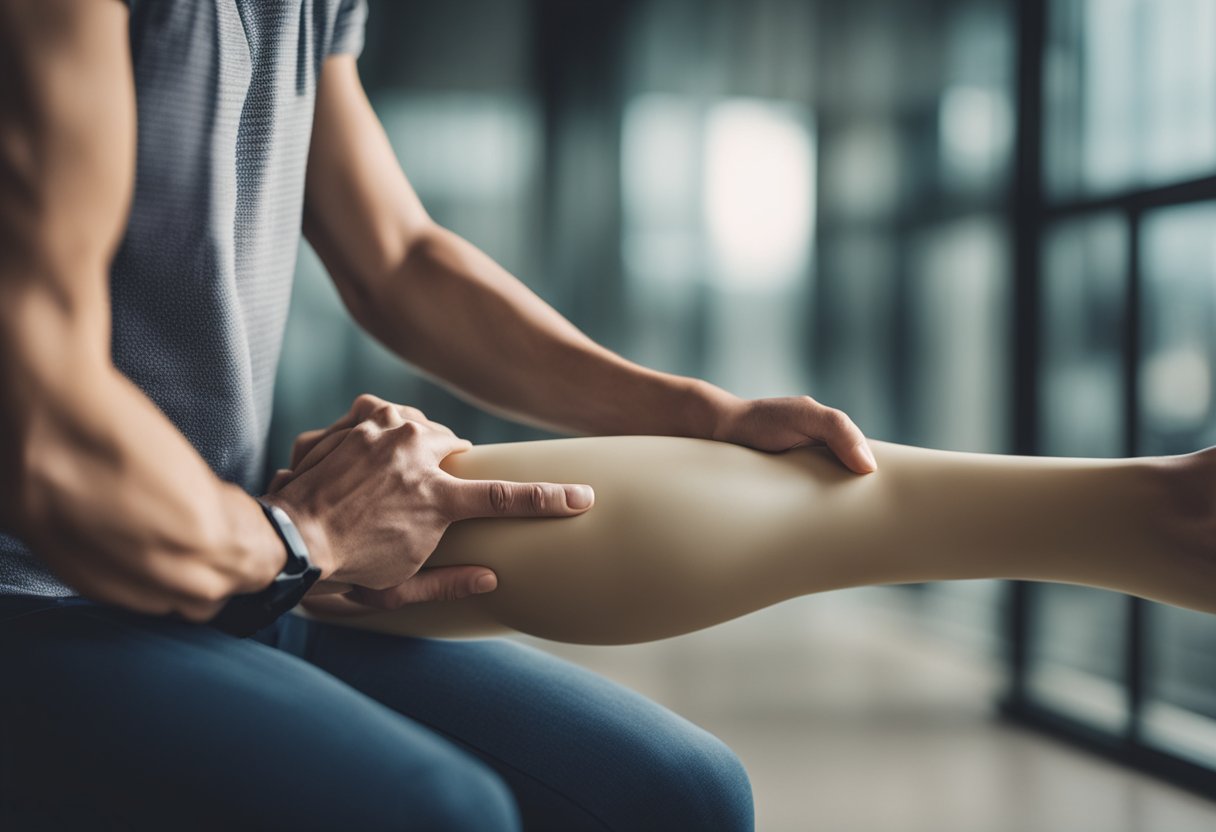
Healthy Knee Bone: Tips for Maintaining Strong and Resilient Joints
As we age, our bones become more prone to damage and injury. One of the most important joints in our body is the knee joint. The knee joint is made up of bones, cartilage, and ligaments that work together to provide stability and mobility. It is essential to take care of our knees to maintain their health and prevent injuries.
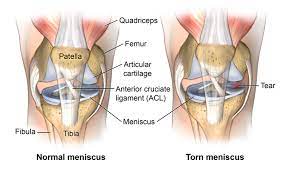
Understanding Knee Anatomy is crucial in maintaining healthy knees. The knee joint is made up of three bones: the femur, tibia, and patella. The femur is the thigh bone, the tibia is the shin bone, and the patella is the kneecap. These bones are connected by ligaments and surrounded by cartilage, which acts as a cushion and helps absorb shock. The muscles around the knee joint also play a crucial role in movement and stability. By understanding the anatomy of the knee, we can take better care of our knees and prevent injuries.
Key Takeaways:
Understanding Knee Anatomy is essential for maintaining healthy knees.
The knee joint is made up of bones, cartilage, and ligaments that work together to provide stability and mobility.
The muscles around the knee joint also play a crucial role in movement and stability.
The knee joint is a complex structure that connects the thigh bone (femur) to the shin bone (tibia) and is responsible for supporting the weight of our body and allowing us to move our legs. To understand how to maintain a healthy knee, it is essential to have a basic understanding of its anatomy.
Bones and Joints
The knee joint consists of three bones: the femur, tibia, and patella (kneecap). The femur and tibia meet at the knee joint and are held together by several ligaments, including the anterior cruciate ligament (ACL) and collateral ligaments. The patella sits in front of the knee joint and is connected to the femur by the patellar tendon.
Muscles and Ligaments
Several muscles surround the knee joint and are responsible for moving the leg. The quadriceps muscles are located at the front of the thigh and are responsible for extending the leg. The hamstrings are located at the back of the thigh and are responsible for flexing the leg. The calf muscles are located at the back of the leg and are responsible for pointing the foot downwards.
In addition to the ligaments that hold the bones together, there are also several ligaments that provide stability to the knee joint. The cruciate ligaments are located inside the knee joint and help to prevent the femur and tibia from sliding back and forth. The collateral ligaments are located on the sides of the knee and help to prevent the knee from moving too far from side to side.
Cartilage and Membranes
Articular cartilage is a smooth, shiny substance that covers the ends of the bones in the knee joint. It helps to reduce friction between the bones and allows them to move smoothly. The synovial membrane is a thin layer of tissue that lines the inside of the knee joint. It produces synovial fluid, which lubricates the joint and reduces friction.
Maintaining a healthy knee requires taking care of all the components that make up the knee joint. By understanding the anatomy of the knee, we can take steps to prevent injuries and keep our knees healthy and pain-free.
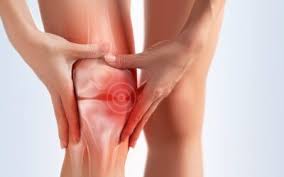
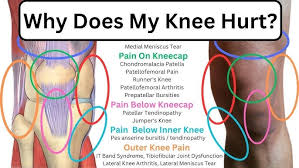
As we age, our knee joints may experience wear and tear, leading to common knee problems. Knee pain is one of the most common knee problems that people experience, which can be caused by a variety of factors. Knee pain can be caused by an injury, such as a fracture, dislocation, or ligament tear, or by an underlying medical condition, such as arthritis or gout.
Osteoarthritis is a common type of arthritis that affects the knee joint, causing joint damage, inflammation, and stiffness. Rheumatoid arthritis is another type of arthritis that can affect the knee joint, leading to joint damage and weakness.
Injuries to the knee, such as a meniscus tear, can also cause knee problems. The meniscus is a piece of cartilage that acts as a cushion between the thigh bone and the shin bone. When the meniscus is torn, it can cause pain, swelling, and stiffness in the knee.
Excess weight can also be a risk factor for knee problems, as it can put extra pressure on the knee joint, leading to pain and disability. Infections can also cause knee problems, leading to swelling, pain, and stiffness in the knee.
Symptoms of knee problems can include pain, swelling, stiffness, weakness, popping, and difficulty walking. It is important to seek medical attention if you are experiencing any of these symptoms, as early intervention can help prevent further damage to the knee joint.
In summary, knee problems can be caused by a variety of factors, including injury, arthritis, excess weight, and infection. Symptoms can include pain, swelling, stiffness, weakness, popping, and difficulty walking. Seeking medical attention early can help prevent further damage to the knee joint.
Prevention and Care of Knee Health
Maintaining healthy knees is crucial for overall mobility and independence. Here are some tips to prevent and care for knee health:
Exercise and Physical Activity
Regular physical activity, including weight-bearing exercises such as walking, running, and cycling, can help keep our knees healthy. However, it is important to start slowly and gradually increase intensity to prevent injury. Swimming and yoga are also great low-impact exercises that can help strengthen the muscles around the knee joint.
Body Weight
Maintaining a healthy body weight is essential for knee health. Excess weight puts extra pressure on our knees, which can lead to wear and tear over time. Eating a balanced diet that includes fruits, vegetables, and whole grains, while avoiding processed foods, can help us maintain a healthy weight.
Good Posture
Good posture is important for knee health as it helps distribute weight evenly across our joints. It is important to stand and sit up straight, keeping our shoulders back and our hips aligned.
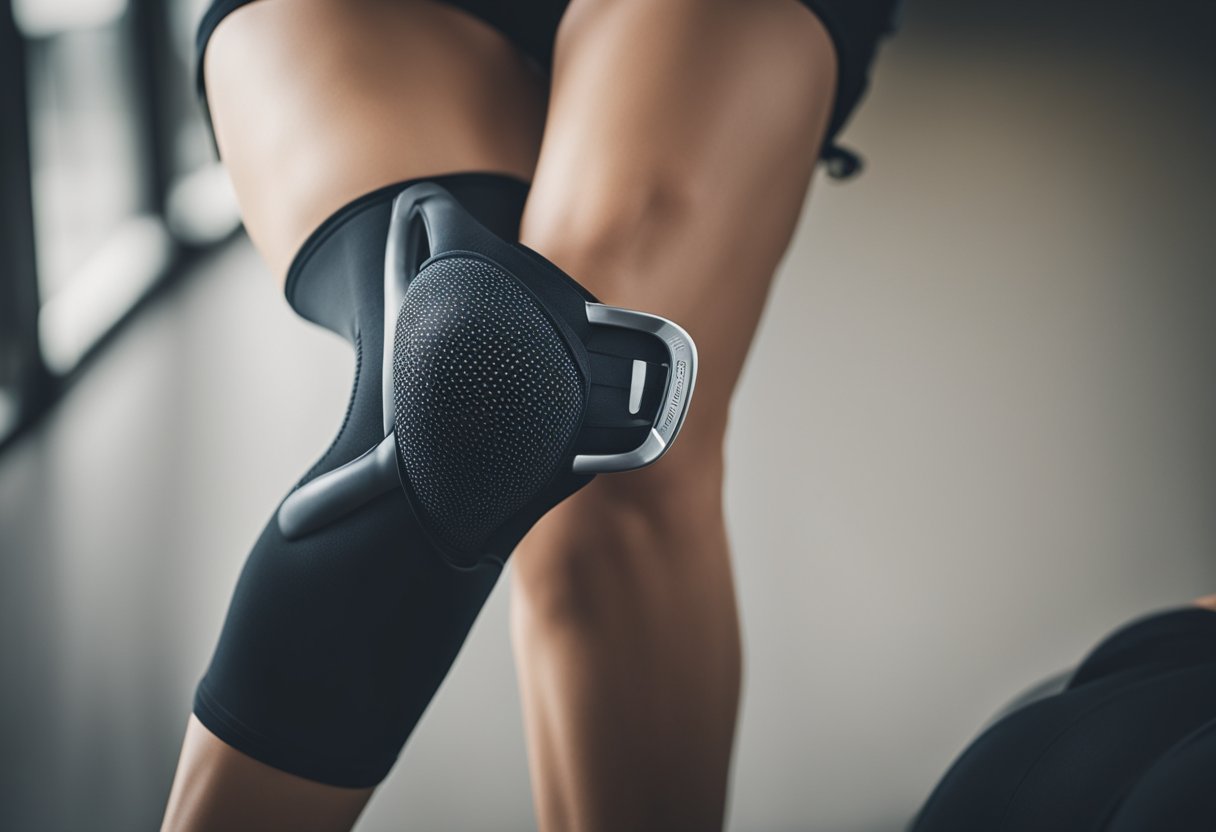
Knee Braces
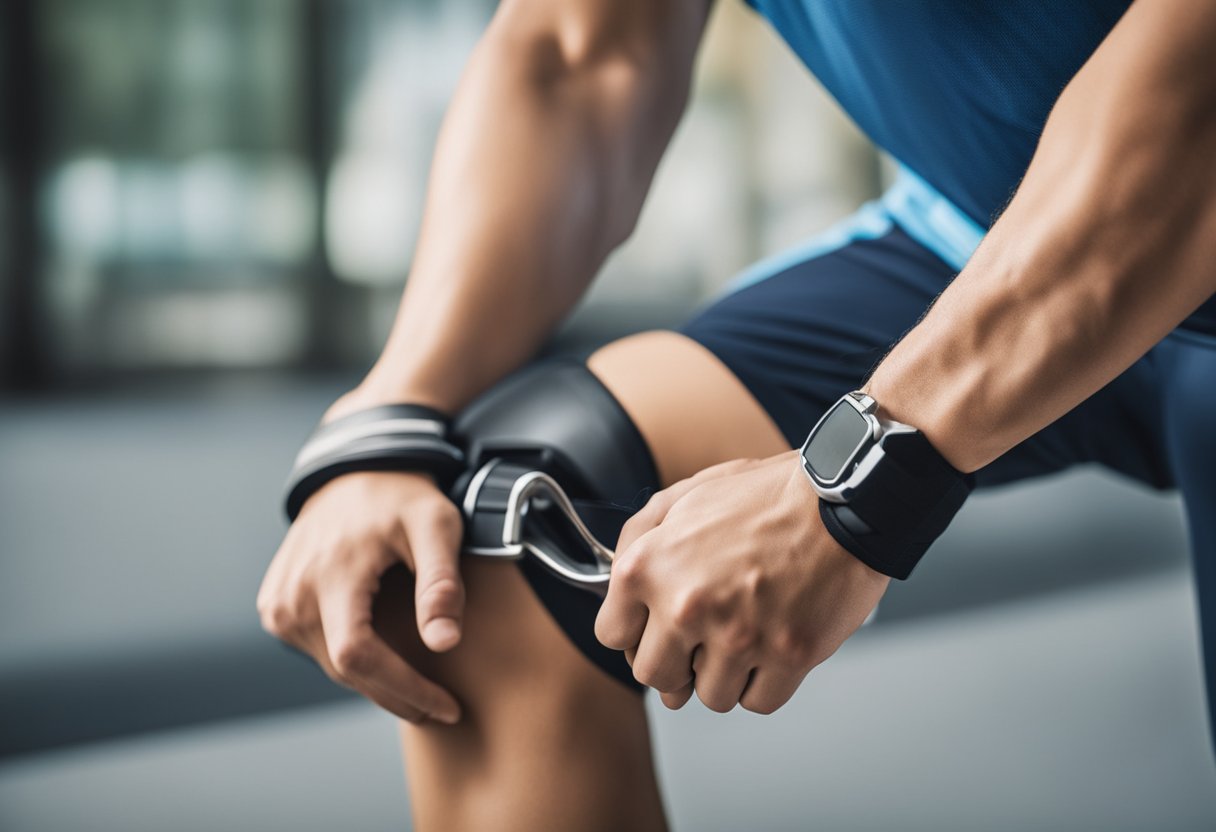
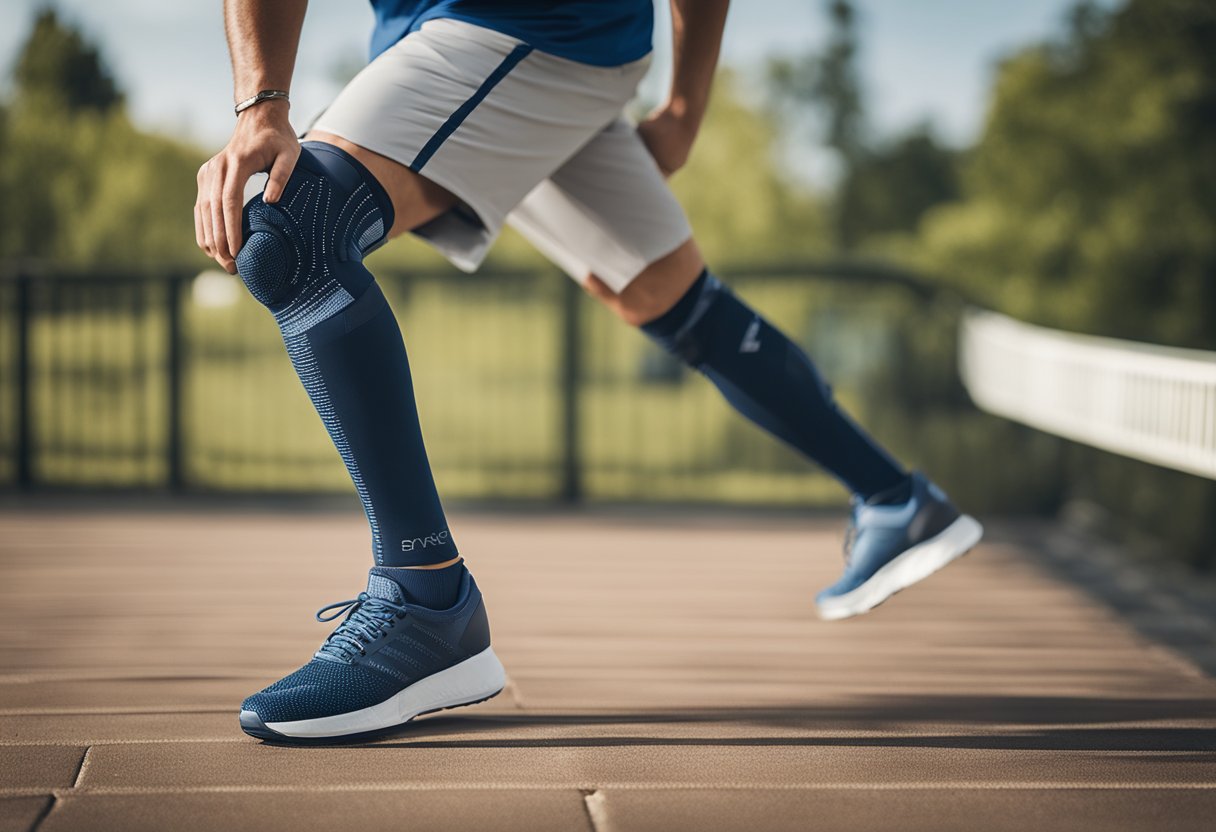
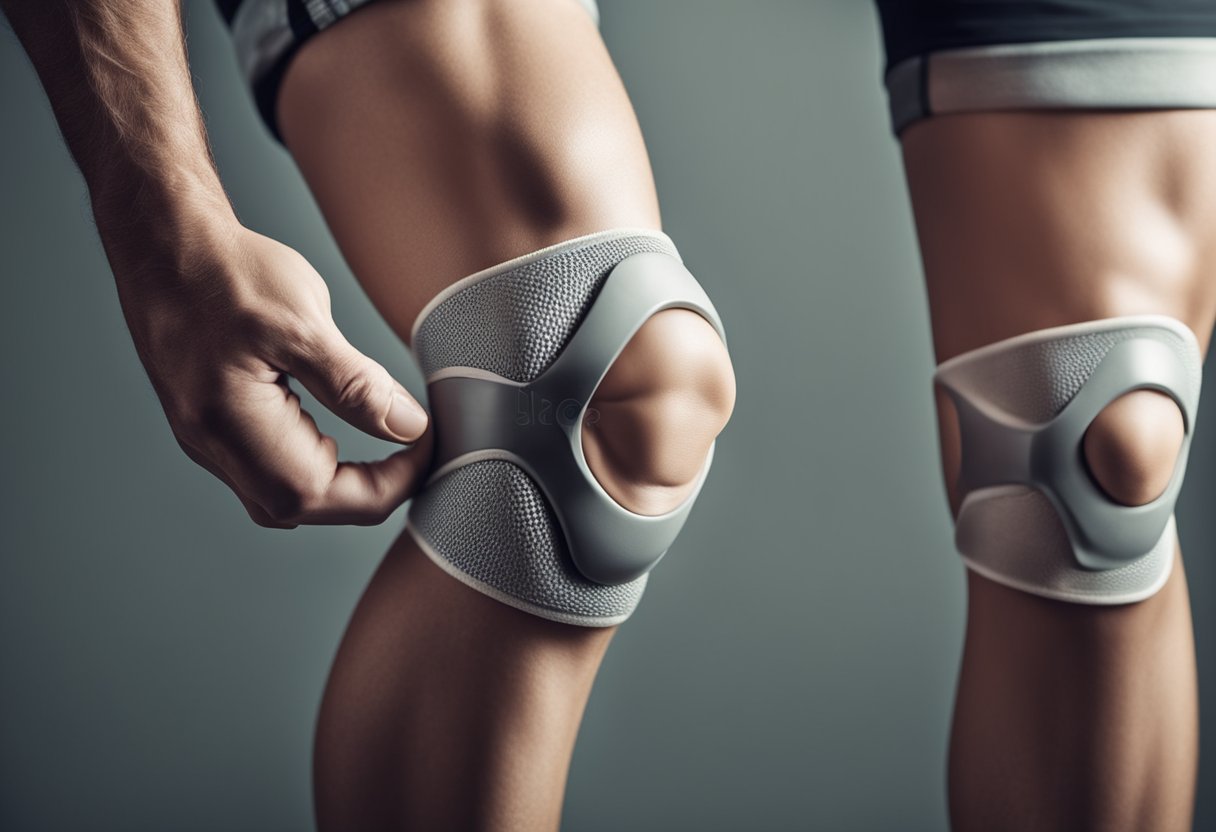
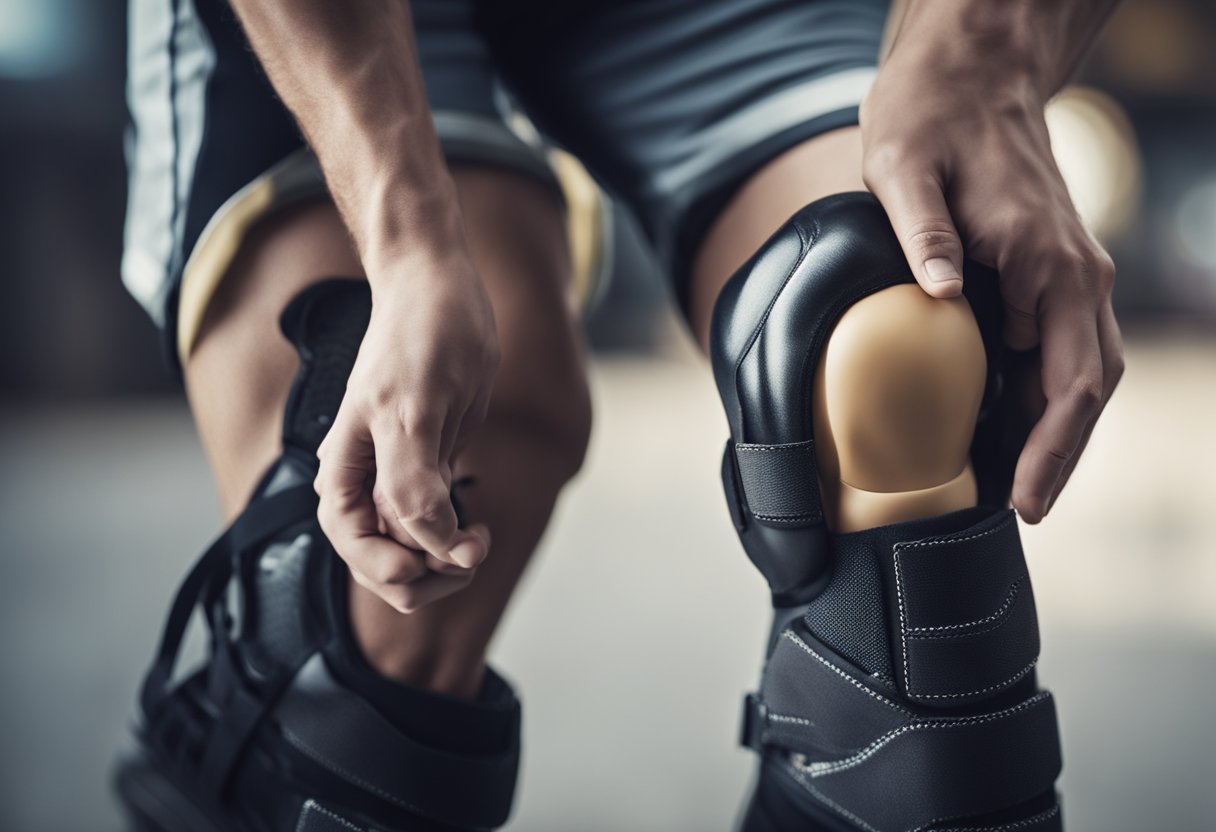
Knee braces can be helpful in preventing knee injuries, especially during sports or other physical activities. They provide support and stability to the knee joint, reducing the risk of strain or sprain.
Care for Lower Leg and Hips
The health of our knees is closely linked to the health of our lower leg and hips. Regular stretching and strengthening exercises can help keep these areas healthy, reducing the risk of knee injury.
When to Seek Medical Attention
If we experience persistent knee pain or swelling, it is important to seek medical attention. This may be a sign of a more serious condition, such as arthritis or a ligament tear.
In summary, maintaining knee health requires a combination of regular exercise, a healthy diet, good posture, and care for the lower leg and hips. By following these tips, we can help prevent knee injuries and maintain our mobility and independence.
Medical Interventions and Treatments
When it comes to knee health, medical interventions and treatments can be helpful in managing pain and preventing further damage. Here are some common interventions and treatments:
Medication: Over-the-counter medications such as ibuprofen and naproxen sodium can help ease knee pain caused by inflammation. Creams containing a numbing agent or capsaicin can also provide relief. Prescription medications, such as corticosteroids, can be used to reduce inflammation and pain.
Physical Therapy: Physical therapy can help improve knee strength and flexibility, which can reduce pain and prevent future injuries. A physical therapist can also teach you exercises to do at home to improve knee health.
Surgery: In some cases, surgery may be necessary to repair a knee injury or damage caused by arthritis. Common knee surgeries include arthroscopy, knee replacement, and osteotomy.
Joint Injections: Injections of corticosteroids or hyaluronic acid can be used to reduce inflammation and pain in the knee joint.
Lifestyle Changes: Maintaining a healthy weight, staying active, and avoiding activities that put excessive strain on the knee joint can help prevent knee pain and damage.
It is important to talk to a doctor if you are experiencing knee pain or stiffness, especially if it is affecting your daily activities. A doctor can diagnose the cause of your knee pain and recommend appropriate treatments.
Nutrition for Healthy Knee Bones
Maintaining healthy knee bones is essential for overall mobility and quality of life. While factors such as age, genetics, and physical activity levels can all play a role in bone health, nutrition is also a critical component. Here are some key dietary factors to consider for promoting healthy knee bones.
Calcium
Calcium is a mineral that is essential for building and maintaining strong bones. It is found in a variety of foods, including dairy products, leafy greens like kale and broccoli, and certain types of fish like salmon, trout, and sardines. However, it can be challenging to get enough calcium from diet alone, especially if you are lactose intolerant or do not consume dairy products. In such cases, calcium supplements may be recommended by a healthcare provider.
Vitamin D
Vitamin D is another important nutrient for bone health, as it helps the body absorb calcium. The best source of vitamin D is sunlight, but it can also be found in fatty fish like salmon and tuna, egg yolks, and fortified foods like milk and cereal.
Omega-3 Fatty Acids
Omega-3 fatty acids are a type of healthy fat that have been shown to support bone health and reduce inflammation. They are found in fatty fish like salmon and tuna, as well as in some nuts and seeds. Including these foods in your diet can help support knee bone health.
Avoid Processed Foods
Processed foods are often high in sodium and other additives that can be detrimental to bone health. Limiting your intake of processed foods and focusing on whole, nutrient-dense foods can help support healthy knee bones.
Connective Tissue
Connective tissue is the building block of bones and joints. Consuming foods rich in collagen, such as bone broth or gelatin, can help support connective tissue health and promote strong, healthy knee bones.
In summary, a diet rich in calcium, vitamin D, omega-3 fatty acids, and whole, nutrient-dense foods can help support healthy knee bones. Additionally, limiting processed foods and incorporating foods rich in collagen can also be beneficial.
02 Tables for Bone Density All Over the Body, the Best Vegetables for the Bone, and Vitamins and Sports
Maintaining healthy bones is essential for overall health and mobility. Bone density is a measure of how much bone mineral is present in a given volume of bone, and it is an important indicator of bone strength and fracture risk. Here are some tables that show the recommended bone density levels for different parts of the body:
Bone Density Levels
T-score
Normal
-1.0 or higher
Low bone mass (osteopenia)
Between -1.0 and -2.5
Osteoporosis
-2.5 or lower
As we can see from the table, a T-score of -1.0 or higher is considered normal bone density. A T-score between -1.0 and -2.5 indicates low bone mass (osteopenia), while a T-score of -2.5 or lower indicates osteoporosis.
In addition to getting enough calcium and vitamin D, eating a diet rich in vegetables can also help promote healthy bones. Here are some of the best vegetables for bone health:
Spinach
Kale
Broccoli
Bok choy
Collard greens
These vegetables are high in calcium, vitamin K, and other nutrients that are important for bone health. Consuming a variety of these vegetables can help ensure that we are getting the nutrients our bones need to stay strong.
In addition to eating a healthy diet, engaging in weight-bearing exercises and sports can also help promote bone health. Weight-bearing activities force our bones to work against gravity, which can help stimulate bone growth and improve bone density. Examples of weight-bearing activities include:
Running
Jumping rope
Dancing
Tennis
Hiking
In conclusion, maintaining healthy bones is crucial for overall health and mobility. By following a healthy diet rich in vegetables and engaging in weight-bearing activities, we can help promote bone health and reduce the risk of fractures.
Frequently Asked Questions
What are the ligaments that support the knee joint?
The knee joint is supported by four main ligaments: the anterior cruciate ligament (ACL), posterior cruciate ligament (PCL), medial collateral ligament (MCL), and lateral collateral ligament (LCL). These ligaments connect the thigh bone (femur) to the shin bone (tibia) and help to stabilize the knee joint.
What is the name of the bone below the knee?
The bone below the knee is called the tibia. It is also known as the shinbone and is the second largest bone in the human body. The tibia plays an important role in supporting the weight of the body and connecting the knee joint to the ankle joint.
What are some ways to take care of your knees after 30?
After the age of 30, it is important to take care of your knees to prevent injuries and maintain their health. Some ways to take care of your knees include maintaining a healthy weight, staying active and engaging in regular exercise, wearing proper footwear, avoiding high-impact activities, and stretching before and after exercise.
Can exercises strengthen bones in a bone-on-bone knee?
While exercises cannot directly strengthen bones in a bone-on-bone knee, they can help to improve the strength and flexibility of the muscles that support the knee joint. This can help to reduce pain and improve mobility.
What is the protruding bone on the knee called?
The protruding bone on the knee is called the patella, or kneecap. It sits in front of the knee joint and helps to protect the joint and improve its mechanical advantage.
What does a healthy kneecap look like?
A healthy kneecap should be smooth and have a consistent thickness. It should also be centered in the groove of the thigh bone and move smoothly when the knee joint is flexed and extended. Any abnormalities or irregularities in the kneecap may indicate an underlying issue that requires medical attention.
Knee Hurt Running? Causes, Treatments, and Prevention
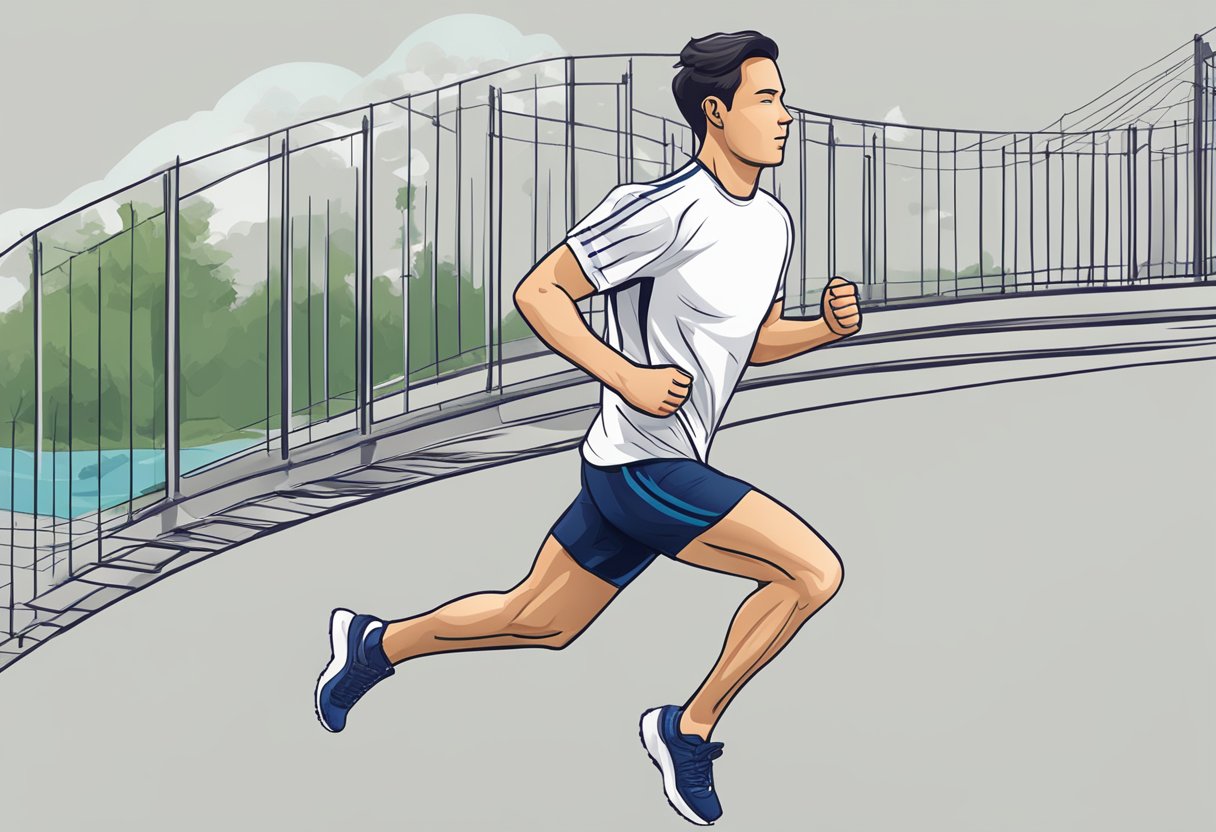
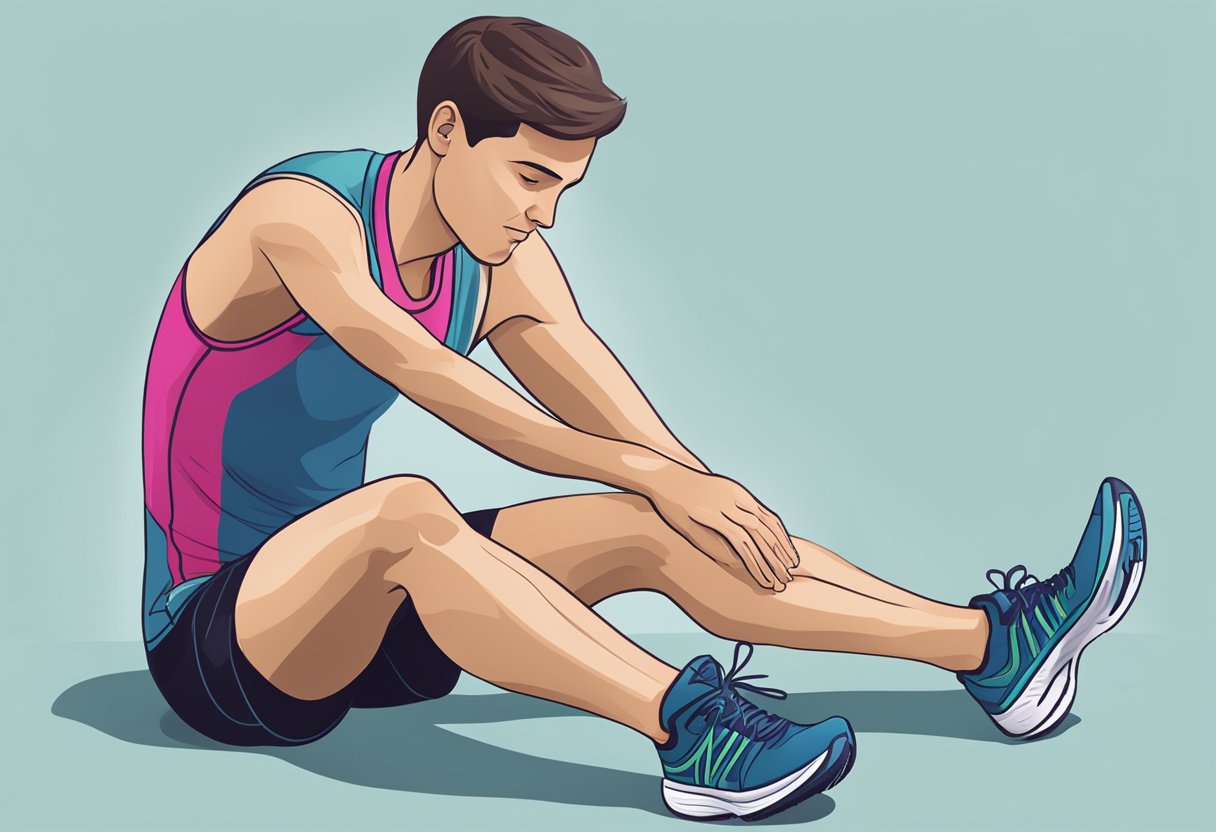
Knee pain is a common issue that many runners experience. It can range from a dull ache to sharp pain and can occur during or after a run. Knee pain can be caused by a variety of factors, including overuse, poor form, and underlying injuries or conditions.
Understanding the cause of knee pain is crucial for effective treatment and management. Depending on the underlying cause, treatment options can range from rest and ice to physical therapy and surgery. Additionally, taking steps to prevent knee pain from occurring in the first place, such as wearing proper footwear and gradually increasing mileage, can be helpful.
Key Takeaways
Knee pain is a common issue among runners that can be caused by a variety of factors.
Understanding the cause of knee pain is important for effective treatment and management.
Taking preventative measures, such as wearing proper footwear and gradually increasing mileage, can help reduce the risk of knee pain from running.
As runners, we know that knee pain can be a frustrating and debilitating issue. It can be difficult to determine the cause of the pain and what steps to take to alleviate it. In this section, we will discuss the causes of knee pain in runners and the symptoms to look out for.
Causes of Knee Pain
There are several causes of knee pain in runners, including overuse injury, trauma, and structural problems. One of the most common causes is runner’s knee, also known as patellofemoral pain syndrome. This condition is caused by irritation of the soft tissues or lining of the knee, worn or torn cartilage, or strained tendons. It is often the result of overuse, weakness in the thigh muscles (quadriceps), tight hamstrings, a tight Achilles tendon or iliotibial (IT) band, poor foot support, or misaligned gait patterns.
Another common cause of knee pain in runners is patellar tendinitis, also known as jumper’s knee. This condition is caused by overuse of the patellar tendon, which connects the kneecap to the shinbone. It is often the result of repetitive jumping or running activities.
Other causes of knee pain in runners can include IT band syndrome, which is caused by friction between the IT band and the thighbone, and meniscus tears, which can be caused by a sudden twisting or turning of the knee.
Symptoms to Look Out For
If you are experiencing knee pain while running, there are several symptoms to look out for. These can include pain in the kneecap, swelling, popping or grinding sensations, weakness, and instability. You may also experience pain when going up or down stairs or when sitting for long periods of time.
If you are experiencing any of these symptoms, it is important to seek a diagnosis from a healthcare provider. They can help determine the cause of the pain and recommend appropriate treatment options, which may include rest, ice, compression, and elevation (RICE), physical therapy, or medication. In some cases, surgery may be necessary to repair the injury.
In conclusion, knee pain can be a frustrating and debilitating issue for runners. It is important to understand the causes of knee pain and the symptoms to look out for in order to seek appropriate treatment and prevent further injury.
Treatment and Management of Knee Pain
If you experience knee pain while running, it’s important to take steps to manage and treat the pain. There are various medical interventions and home remedies that can help alleviate knee pain.
Medical Interventions
If your knee pain is severe, you may need medical intervention. In some cases, surgery may be necessary. However, most knee pain can be treated without surgery. Your doctor may recommend physical therapy to help strengthen your knee and improve flexibility. They may also recommend anti-inflammatory medication, such as ibuprofen or naproxen, to help reduce inflammation and alleviate pain. In some cases, steroid injections may be necessary to relieve pain and inflammation.
Home Remedies
There are several home remedies that can help manage knee pain. Rest and ice can help reduce inflammation and alleviate pain. Elevating your knee and using compression can also help reduce swelling. You can also try wearing a knee brace or using orthotics to help support your knee and reduce pain while running. Swimming is a low-impact exercise that can help strengthen your knee and improve flexibility. Strengthening exercises, such as leg lifts and squats, can also help improve knee strength and reduce pain.
It’s important to consult with a physical therapist or doctor before attempting any home remedies or exercises. They can help you determine the best course of action for managing your knee pain. In some cases, x-rays may be necessary to determine the cause of your knee pain.
In summary, knee pain while running can be managed through a variety of medical interventions and home remedies. Rest, ice, and compression can help reduce inflammation and alleviate pain. Physical therapy and strengthening exercises can help improve knee strength and flexibility. Anti-inflammatory medication and steroid injections may also be necessary to relieve pain and inflammation. Consult with a doctor or physical therapist to determine the best course of action for managing your knee pain.
Preventing Knee Pain from Running
As runners, we know that knee pain can be a common issue that can prevent us from reaching our running goals. However, there are several preventative measures we can take to help reduce the risk of knee pain when running.
Choosing the Right Running Gear
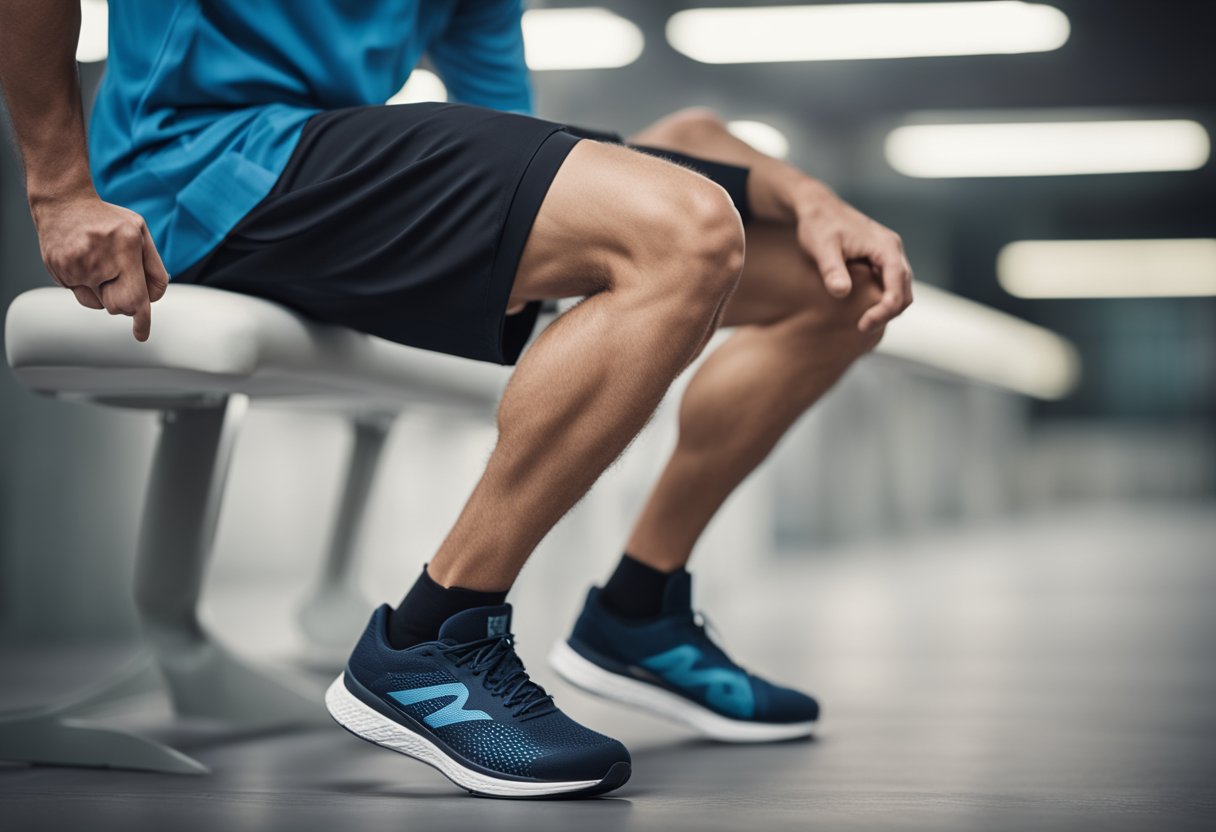
One important factor to consider when preventing knee pain from running is choosing the right running gear. This includes selecting running shoes that provide adequate arch support and cushioning to help absorb shock and reduce the impact on our knees. Additionally, wearing proper running attire can also help prevent knee pain by allowing for proper range of motion and reducing wear and tear on our joints.
Proper Running Techniques
Proper running technique is another key factor in preventing knee pain. This includes maintaining good posture, engaging our core muscles, and avoiding overstriding. It is also important to gradually increase our running mileage and intensity to prevent overuse injuries such as jumper’s knee.
Stretching and flexibility exercises can also help prevent knee pain by improving our range of motion and reducing muscle tightness. Incorporating lunges, squats, and foam rolling into our workout routine can help improve flexibility and reduce the risk of injury.
If knee pain does occur, it is important to take proper measures to prevent further injury. This may include using an elastic bandage for support, elevating the affected area, and taking a break from running until the pain subsides. In some cases, shoe inserts or custom orthotics may be recommended to provide additional support and cushioning.
Maintaining a healthy weight and avoiding activities that put excessive stress on our knees, such as kneeling or bending, can also help prevent knee pain. If knee pain persists or worsens, it may be necessary to seek medical attention and undergo further evaluation, such as an MRI, to determine the underlying cause of the pain.
Overall, by taking preventative measures and practicing proper running techniques, we can help reduce the risk of knee pain and continue to enjoy the many benefits of running.
Frequently Asked Questions
What are some effective stretches for runner’s knee?
Stretching can help relieve tightness and discomfort associated with runner’s knee. Some effective stretches include:
Hamstring stretch: Sit on the floor with your legs straight out in front of you. Reach forward and try to touch your toes. Hold for 15-30 seconds and repeat on the other leg.
Quadriceps stretch: Stand with your feet hip-width apart. Lift your right foot up and grab it with your right hand. Pull your heel towards your buttocks. Hold for 15-30 seconds and repeat on the other leg.
IT band stretch: Cross your right leg over your left leg. Reach your right arm up and over your head. Lean to the left side until you feel a stretch in your right hip. Hold for 15-30 seconds and repeat on the other side.
What are some treatments for patellofemoral pain syndrome?
There are several treatments for patellofemoral pain syndrome, including:
Rest: Take a break from running and other activities that aggravate your knee pain.
Ice: Apply ice to your knee for 15-20 minutes at a time, several times a day.
Compression: Wear a knee brace or wrap to provide support and reduce swelling.
Physical therapy: Work with a physical therapist to strengthen your knee and improve your range of motion.
Medications: Over-the-counter pain relievers like ibuprofen can help reduce pain and inflammation.
How can I prevent knee pain while running?
To prevent knee pain while running, try the following:
Warm up: Take a few minutes to warm up before you start running.
Stretch: Stretch your muscles before and after your run.
Wear proper shoes: Make sure your shoes fit well and provide adequate support.
Gradually increase mileage: Don’t increase your mileage too quickly.
Cross-train: Incorporate other activities like swimming or cycling into your routine to give your knees a break.
What are the symptoms of runner’s knee?
The symptoms of runner’s knee include:
Pain around the kneecap
Pain when bending or squatting
Pain when walking up or down stairs
Swelling around the knee
How long does it take to recover from runner’s knee?
The recovery time for runner’s knee depends on the severity of the injury. Mild cases may only take a few weeks to heal, while more severe cases may take several months.
Is it normal to experience knee pain after exercise but not during?
It is not uncommon to experience knee pain after exercise, especially if you have overworked your muscles. However, if you are experiencing persistent or severe knee pain, it is important to seek medical attention to rule out any underlying injuries or conditions.
Have you been diagnosed with cancer And Do you feel overwhelmed by the number of treatment options available?
Search changes in diet that could potentially be done helpprevention and recurrence of cancer?
Intrigued by how certain compounds, like sulforaphane, might do that not onlyprotect against cancer, but also improve the health of your bones?
You’re in the right place!
Come with me as I sit down Katrina Foe, a board-certified holistic nutritionist and certified metabolic approach to cancer practitioner. Dive into our insightful conversation, where we reveal evidence-based strategies, effective nutritional insights, and ways to emotionally equip yourself for the healing journey ahead.
Episode timeline
0:00 – Episode begins
1:37 – Meet our guest, Katrina Foe
2:48 – Discuss Katrina’s background and her journey in helping people prevent cancer recurrence
4:24 – Emphasizes the importance of identifying the cause of cancer and the emotional challenges patients face
5:51 – Research into the process of diagnosis and decision-making for cancer patients
7:03 – An overview of different treatment options and Katrina’s specific approach
10:11 – Diving into the role of diet and nutrition in cancer prevention
12:38 – Consider the ketogenic diet and specific foods for cancer prevention
14:19 – Understanding sulforaphane – an important compound for bone health by preventing the breakdown of osteoclasts – and other important compounds for cancer prevention
15:16 – Analyzing essential laboratory tests for cancer problems and monitoring
16:59 – Talk about the e-book “The Roadmap to Prevent Cancer Recurrence”.
19:27 – Discovering the common drivers of cancer
20:37 – Review of the 10 areas as leading causes of cancer
26:05 – Talk about matcha tea and its potential benefits
27:20 – Addressing nuanced health recommendations that may not apply to everyone
29:27 – Identifying important topics that still need to be discussed
30:19 – Provide information on where to find Katrina and how to work with her
>> Download the FREE eBook Roadmap to Prevent Cancer Recurrence
>> Follow Katrina on Instagram here
>> Buy Katrina’s international bestseller, Nutritional Pilates, here!
What can you do to support your bone health and this podcast?
1. Press the “Subscribe” button on your respective podcast player (i.e. Apple, Google, Spotify, Stitcher, iHeart Radio and TuneIn). Never miss an episode that can help improve your bone health.
2. Leave a review. The more positive ratings and reviews and the more subscribers we have, the more people can find us and get the answers to the questions they need. Thank you! 🙂
3. Tell a friend about The Bone Coach Podcast or share via text, email or social. Do you know of a Facebook group where people can benefit from this information? Feel free to hit any of the share buttons below.
About Katrina Foe:
Katrina Foe is a certified holistic nutritionist who knows that when we look at health, we need to look at the body as a whole.
After beating her own cancer 100% naturally, and driven by her core belief that the body can heal itself, Katrina became certified in holistic nutrition and trained in functional lab reading.
As a faculty member at Restorative Wellness Solutions, Katrina teaches practitioners how to interpret
functional laboratories and design individualized protocols.
Katrina is also a certified practitioner of the Metabolic Approach to Cancer, trained and trained
guided by Dr. Nasha Winters. Katrina’s approach to cancer addresses the root cause of the disease and allows clients to keep the disease in remission without fear of recurrence.
In her international bestseller Nutritional Pilates, Katrina offers a framework for whole-body health that sheds light on potential barriers to wellness while offering proven strategies to circumvent chronic disease.
Medical disclaimer
The information shared above is for informational purposes only and is not intended as medical or nutritional therapy advice; it does not diagnose, treat or cure any disease or condition; it should not be used as a substitute or substitute for medical advice from physicians and trained medical professionals. If you are under the care of a healthcare professional or are currently taking prescription medications, you should discuss any changes in your diet and lifestyle or possible use of nutritional supplements with your doctor. You should not stop taking prescribed medications without first consulting your doctor.
Looking for a flawless fish dish that anyone can make?
This is it!
Our Easy Baked Colossal Shrimp delivers effortless taste with just a short list of simple, everyday ingredients.
Plus, it’s ready in just 10 minutes, making it perfect for a weeknight dinner or to impress party guests at a special occasion.
Plus, this simple recipe is a nutritional powerhousewith protein, omega-3 fatty acids, selenium, phosphorus, vitamin B12 and vitamin C in every serving.
We’re sure you’ll love our Easy Baked Colossal Shrimp!
SERVES: 2
TOTAL TIME: 10 minutes
Ingredients
227 g raw colossal shrimp
1 tablespoon (15 ml) butter (or ghee or freshly pressed extra virgin olive oil)
1 clove garlic, minced
1 teaspoon (5 ml) lemon zest
1/4 teaspoon (1 ml) sea salt
Directions
1) Preheat oven to 350F. Mix the butter and garlic in an ovenproof baking dish. Place in the oven for 30 seconds, just enough time for the butter to melt. Remove the dish from the oven.
2) Add the shrimp, lemon zest and salt. Toss the shrimp so that they are completely covered and arrange them in a single layer. Cook for 10 minutes until the shrimp are fully cooked. Serve immediately and garnish with fresh herbs as desired.
Recipe created by BoneCoach™ Team Dietitian Amanda Natividad-Li, RD & Chef.
Medical disclaimer
The information shared above is for informational purposes only and is not intended as medical or nutritional therapy advice; it does not diagnose, treat or cure any disease or condition; it should not be used as a substitute or substitute for medical advice from physicians and trained medical professionals. If you are under the care of a healthcare professional or are currently taking prescription medications, you should discuss any changes in your diet and lifestyle or possible use of nutritional supplements with your doctor. You should not stop prescribed medications without first consulting your doctor.
WARSAW, Ind., November 6, 2023 (GLOBE NEWSWIRE) — Orthopediatrics Corp. (“OrthoPediatrics”) (NASDAQ: KIDS), a company solely focused on advancing the field of pediatric orthopedics, today announced that the company has entered into an exclusive distribution agreement with Montreal-based Ora Medical to market Ora’s gait trainer. Medical, The Levity, a device designed for children with mobility problems.
The Levity supports a child with an innovative partial weight bearing mechanism. This allows the child to interact with the world using his arms, unlocking countless possibilities. Thanks to the unique design, each child can receive personalized treatment. The Levity comes with versatile features to meet a wide range of needs: body weight support, harness, speed and direction of the device are adjustable, and the foldable design offers easy transportation. The Levity is suitable for most children between the ages of 3 and 12.
The Levity supports a child at the waist, allowing for a unique hands-free experience that strengthens the muscles most important for optimal walking rehabilitation. This opens up a whole new experience for children and therapists, as the latter can now fully concentrate on patient engagement.
Joe Hauser, president of Trauma and Deformity Correction at OrthoPediatrics, added: “Our new partnership with the team at Ora Medical is an exciting step in our non-surgical business. By partnering with great organizations with world-class technology, we can help more children with orthopedic conditions worldwide. The Levity running trainer will be a great addition to our portfolio of mobility solutions under the Specialty Bracing brand.”
Sarah Lambert, CEO and co-founder of Ora Medical, said: “As we begin to expand beyond Canadian borders, our partnership with OrthoPediatrics is perfectly timed. Their established market presence and expertise will facilitate the distribution of our device, furthering our mission to improve the mobility of children worldwide.”
About OrthoPediatrics Corp.
Founded in 2006, OrthoPediatrics is an orthopedic company focused exclusively on advancing the field of pediatric orthopedics. As such, it has developed the most comprehensive product offering for the pediatric orthopedic market to improve the lives of children with orthopedic conditions. OrthoPediatrics currently markets 53 products serving three of the largest categories within the pediatric orthopedic market. This product offering includes trauma and deformity, scoliosis and sports medicine/other procedures. OrthoPediatrics’ global sales organization focuses exclusively on pediatric orthopedics and distributes its products in the United States and more than 70 countries outside the United States. For more information, please visit www.orthopediatrics.com.
Contact person for investors
Philip Trip Taylor
Gilmartin Group
philip@gilmartinir.com
415-937-5406
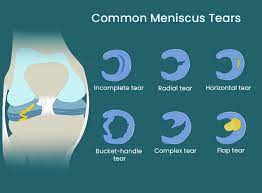
We will be discussing meniscus tears, their function, and why surgery might not be the best option. The meniscus is a fibrocartilaginous structure located between the femur and tibia in the knee joint. There are two menisci in each knee, the medial meniscus, and the lateral meniscus. They function to provide shock absorption, force transmission, and stability to the knee joint.
https://youtu.be/hJ_NPyEJfBI?si=FAzhgmeK2iS6EELK
Meniscus tears can be either traumatic or non-traumatic. Traumatic tears have a distinct mechanism of injury, while non-traumatic tears occur secondary to age-related changes. Meniscus tears are often classified according to location and orientation, such as vertical, longitudinal, radial, horizontal, oblique, or complex. Surgery to repair or remove the meniscus was performed in the past to reduce symptoms of pain and mechanical symptoms, such as clicking, catching, and locking of the knee. However, the current scientific literature does not fully support this theory.
If you suspect you have a meniscus tear, it’s important to see a doctor for an accurate diagnosis and appropriate treatment.
Key Takeaways
Mechanical symptoms are not a reliable indicator of the presence of meniscal tears.
Meniscus tears are common in asymptomatic individuals.
Surgery to remove or repair the meniscus has not been shown to lead to better outcomes compared to other interventions.
Understanding Meniscus Tears
We want to provide you with a comprehensive understanding of meniscus tears. The meniscus is a fibrocartilaginous structure located between the femur and tibia bones in the knee joint. There are two menisci in each knee, the medial meniscus located on the inner portion of the knee and the lateral meniscus located on the outer portion. The menisci function to provide shock absorption, force transmission, and stability to the knee joint.
Meniscus tears are either traumatic or non-traumatic. Traumatic tears occur due to a distinct mechanism of injury, whereas non-traumatic tears occur secondary to age-related changes. Meniscus tears are often classified according to location and orientation, including vertical, longitudinal, radial, horizontal, oblique, or complex tears. Vertical or oblique tears that twist and fold over within the joint are termed bucket handle tears.
In the past, the presence of pain and mechanical symptoms such as clicking, catching, and locking of the knee were thought to be caused by a meniscus tear. However, current scientific literature does not fully support this theory. Researchers have found that mechanical symptoms are equally prevalent in patients with and without a meniscal tear and are common in those with knee problems in general. Therefore, these symptoms have limited utility as an indicator for the presence of meniscal tears or are not useful clues to the diagnosis.
Meniscus tears are common in asymptomatic individuals. One study found that in 230 uninjured knees, 30 percent had meniscal tears. If tears are prevalent in a non-painful population, it brings into question the efficacy of surgery in reducing symptoms. Surgery to remove or repair the meniscus has not been shown to lead to better outcomes compared to other interventions. In fact, a brand new Cochrane review concluded that arthroscopic surgery for degenerative meniscal tears provides little to no clinical benefit for pain function and quality of life compared to placebo surgery.
At this moment, current clinical practice guidelines favor conservative management in those with degenerative meniscus tears. Exercise has been shown to be just as effective in the long term for both populations. We have one study that showed exercise led to similar improvements in pain function and quality of life after 12 months in a younger population with mostly traumatic tears and another study that showed no clinically relevant difference in the function after two years in an older population with degenerative tears.
We want to provide you with a comprehensive rehab program that covers multiple categories aimed at increasing your capacity and tolerance to various stressors within each category. The first category is knee range of motion. Ideally, you should be able to fully straighten your knee and touch your heel to your butt. You should aim to restore extension and flexion that is equal to your uninjured side. We recommend three options for knee extension or straightening and three options for knee flexion or bending.
The second category is hip, knee, and ankle strength. We recommend a four-step split squat progression, which will help increase your tolerance to weight-bearing knee flexion in deeper positions. We also recommend a single-leg knee extension and hamstring sliders to work on quadriceps and hamstring strength.
In conclusion, meniscus tears are a common knee injury that can be managed conservatively through exercise. Surgery has not been shown to provide better outcomes compared to other interventions. Our comprehensive rehab program covers multiple categories aimed at increasing your capacity and tolerance to various stressors. We recommend following this program for non-surgical cases. Always talk to your doctor or physical therapist before starting any exercise program.
Myths About Meniscus Tears
We often hear that meniscus tears are the cause of knee pain and mechanical symptoms such as clicking, catching, and locking of the knee. However, recent scientific literature does not fully support this theory. Here are three things you should know about meniscus tears:
There is not a simple cause and effect relationship between symptoms and tears. Patients with and without a meniscal tear have been found to have the same mechanical symptoms, which are actually common in those with knee problems in general.
Meniscus tears are common in asymptomatic individuals. In one study, 30% of uninjured knees had meniscal tears, which brings into question the efficacy of surgery in reducing symptoms.
Surgery to remove or repair the meniscus has not been shown to lead to better outcomes compared to other interventions. In fact, surgery can even lead to an increased risk of developing radiographic knee osteoarthritis.
Given this information, conservative management is favored for those with degenerative meniscus tears. Exercise has been shown to be just as effective in the long term for both younger patients with traumatic tears and older patients with degenerative tears.
We provide a comprehensive rehab program that covers multiple categories aimed at increasing your capacity and tolerance to various stressors. In the knee range of motion category, we recommend exercises such as seated active quad contractions, propping your heel up on an elevated surface, and banded tke. In the hip, knee, and ankle strength category, we recommend exercises such as the four-step split squat progression and single leg knee extensions for the quadriceps, and standing knee flexion with an ankle weight or hamstring sliders for the hamstrings.
It is important to note that these exercises are intended for non-surgical cases. If you had surgery, you should talk to your doctor or physical therapist before starting any exercise program.
Research on Meniscus Tears
The meniscus is a fibrocartilaginous structure that is located between the femur and tibia in the knee joint. There are two menisci in each knee, the medial and lateral meniscus. They provide shock absorption, force transmission, and stability to the knee joint.
Meniscus tears can be either traumatic or non-traumatic. Traumatic tears occur due to a distinct mechanism of injury, while non-traumatic tears occur secondary to age-related changes. Tears can be classified according to their location and orientation, such as vertical, longitudinal, radial, horizontal, oblique, or complex. Bucket handle tears are vertical or oblique tears that twist and fold over within the joint.
In the past, the presence of pain and mechanical symptoms such as clicking, catching, and locking of the knee were thought to be caused by a meniscus tear. Therefore, surgery to repair or remove the meniscus was performed to reduce symptoms. However, current scientific literature does not fully support this theory.
There is not a simple cause and effect relationship between symptoms and tears. Mechanical symptoms are equally prevalent in patients with and without a meniscal tear, and are actually common in those with knee problems in general. Meniscus tears are also common in asymptomatic individuals, with one study finding that 30 percent of uninjured knees had meniscal tears.
Surgery to remove or repair the meniscus has not been shown to lead to better outcomes compared to other interventions. A popular study compared a partial meniscectomy to a placebo or sham surgery and found that surgery provided no more benefit for knee symptoms or function than placebo surgery. It even led to an increased risk of developing radiographic knee osteoarthritis. A brand new Cochrane review concluded that arthroscopic surgery for degenerative meniscal tears provides little to no clinical benefit for pain, function, and quality of life compared to placebo surgery.
Exercise has been shown to be just as effective in the long term for both younger and older populations with meniscus tears. Clinical practice guidelines favor conservative management in those with degenerative meniscus tears.
We provide a comprehensive rehab program that covers multiple categories aimed at increasing your capacity and tolerance to various stressors. The program includes knee range of motion exercises, hip, knee, and ankle strength exercises, balance and proprioception exercises, and cardiovascular exercise.
Surgical Interventions
We have learned that surgery to remove or repair the meniscus has not been shown to lead to better outcomes compared to other interventions. In fact, a recent Cochrane review concluded that arthroscopic surgery for degenerative meniscal tears provides little to no clinical benefit for pain, function, and quality of life compared to placebo surgery. Therefore, current clinical practice guidelines favor conservative management in those with degenerative meniscus tears.
https://youtu.be/v4lpu0AYxU4?si=L5AVX1pr0upKPySV
Instead, we recommend a comprehensive rehab program that covers multiple categories aimed at increasing your capacity and tolerance to various stressors. We will provide multiple exercise options within each category, ultimately giving you two different workouts to follow. These exercises are intended for non-surgical cases. If you had surgery, you should talk to your doctor or physical therapist before starting, as you may have weight-bearing precautions or other considerations to consider.
The first category is knee range of motion. Ideally, you should be able to fully straighten your knee and touch your heel to your butt. At minimum, you should aim to restore extension and flexion that is equal to your uninjured side. For knee extension or straightening, we recommend seated active quad contractions, propping your heel up on an elevated surface, and banded tke. For knee flexion or bending, we recommend using a stationary bike, heel slides, and quadruped rock backs or tall kneeling rock backs.
The second category is hip, knee, and ankle strength. For quadriceps, we recommend a four-step split squat progression and a single-leg knee extension. For hamstrings, we recommend standing knee flexion with an ankle weight, machines, or hamstring sliders.
By following these exercises, you can increase your tolerance to weight-bearing knee flexion in deeper positions and improve your knee symptoms related to a degenerative meniscus tear.
Non-Surgical Interventions
We understand that meniscus tears can cause pain and other mechanical symptoms in the knee joint. However, surgery may not always be the best option for treating this condition. In fact, current scientific literature does not fully support the idea that surgery to repair or remove the meniscus leads to better outcomes compared to other interventions.
Therefore, we recommend a comprehensive rehab program that includes exercise progressions with sets and reps. This program aims to increase your capacity and tolerance to various stressors within each category. We have categorized the exercises into two main categories:
Category One: Knee Range of Motion
The first category focuses on restoring knee range of motion. Ideally, you should be able to fully straighten your knee and touch your heel to your butt. If not, you should aim to restore extension and flexion that is equal to your uninjured side.
Here are three exercises that can help with knee extension:
Seated Active Quad Contractions: Straighten your leg and squeeze your quad for 10 seconds. Repeat this for 10 repetitions, three times a day. If your motion is improving, you can use a towel or strap to pull up on your foot to intensify the stretch.
Heel Prop: Prop your heel up on an elevated surface for 10 to 15 minutes, three times a day. If you need to enhance the stretch, you can add a weight just above your knee. The goal here is low load, long duration.
Banded TKE: Place a band behind the back of your knee, anchor it to an object, and perform the same quad contractions against resistance.
For knee flexion, here are three exercises that can help:
Stationary Bike: Start with the seat at a higher level, and as your range of motion improves, lower the seat to expose the knee to more flexion.
Heel Slides: Use a slider on carpet or a towel on a hard surface. Start by actively sliding your heel towards your butt for 10 to 15 repetitions. As motion improves, progress by using a towel or strap to pull the knee into more flexion. You should do these often, at least three times a day, every day.
Quadruped Rock Backs or Tall Kneeling Rock Backs: Kneel on a pad or pillow for these exercises. You can even experiment with using a towel behind the knee, which can help patients move into more knee flexion with less discomfort.
Category Two: Hip, Knee, and Ankle Strength
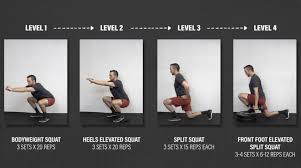
The second category focuses on hip, knee, and ankle strength. We recommend a four-step split squat progression that will help increase your tolerance to weight-bearing knee flexion in deeper positions.
Here are the four levels of the split squat progression:
Body Weight Squat: Perform three sets of 20 repetitions, getting your hips to at least parallel. If you need to, start with hand assistance, such as using a TRX or another object.
Heels Elevated Squat: Elevate your heels two to three inches. This will help keep your torso more upright and allow you to go deeper, moving your knee into more flexion. Perform three sets of 20 repetitions, and again, try to get your hips to at least parallel.
Split Squat: Stand in a split stance and lower down while driving the front knee forward as far as you can. Perform three sets of 15 controlled reps on each leg before progressing.
Front Foot Elevated Split Squat: Elevate your front foot on an object two to four inches high and lower it down, driving the front knee forward. Over time, you can increase depth and add weight.
For the hamstrings, we recommend standing knee flexion with an ankle weight, using machines, or performing hamstring sliders. Start with double-leg eccentric sliders for three to four sets of 10 to 15 reps on each leg. Your goal is to move through the full range of motion with the weight at a challenging intensity, but to start, you can shorten the range of motion or even perform with no weight if needed.
In conclusion, exercise has been shown to be just as effective in the long term for treating meniscus tears compared to surgery. Therefore, we recommend a comprehensive rehab program that includes these exercises to help you recover from this condition.
Exercise as a Treatment Option
We have seen that surgery for meniscus tears may not be the best option, and that exercise can be just as effective in the long term for both younger and older populations. Therefore, we present a comprehensive rehab program that covers multiple categories aimed at increasing your capacity and tolerance to various stressors within each category.
Knee Range of Motion
The first category we will cover is knee range of motion. Ideally, you should be able to fully straighten your knee and touch your heel to your butt. At minimum, you should aim to restore extension and flexion that is equal to your uninjured side.
For knee extension or straightening, we recommend three options. The first is seated active quad contractions, where you straighten your leg and squeeze your quad for 10 seconds. Repeat this for 10 repetitions, three times a day. If your motion is improving, you can use a towel or strap to pull up on your foot in order to intensify the stretch.
Another option is propping your heel up on an elevated surface for 10 to 15 minutes, three times a day. If you need to enhance the stretch, you can add a weight just above your knee. The goal here is low load long duration, so while it may feel slightly uncomfortable, it should not be unbearable.
Finally, once you gain more range of motion, strength, and control, add in a banded tke. Place a band behind the back of your knee, anchor it to an object, and perform the same quad contractions against resistance.
For knee flexion or bending, we recommend three options. You can use a stationary bike and start with the seat at a higher level. As range of motion improves, lower the seat to expose the knee to more flexion. Another option is heel slides. You can use a slider on carpet or a towel on a hard surface. Start by actively sliding your heel towards your butt for 10 to 15 repetitions. As motion improves, progress by using a towel or strap to pull the knee into more flexion. You should do these often, so at least three times a day, every day.
Finally, a more advanced option is quadruped rock backs or tall kneeling rock backs. We recommend kneeling on a pad or pillow for these, and you can even experiment with using a towel behind the knee. Anecdotally, we have found this to help patients move into more knee flexion with less discomfort.
Hip, Knee, and Ankle Strength
The second category we will cover is hip, knee, and ankle strength. Let’s start with a four-step split squat progression, which will help increase your tolerance to weight bearing knee flexion in deeper positions.
Level 1 is a bodyweight squat. Your goal is to perform three sets of 20 repetitions, getting your hips to at least parallel. If you need, start with hand assistance such as using a TRX or another object.
Level 2 is a heels elevated squat. Elevate your heels two to three inches. This will help keep your torso more upright and allow you to go deeper, moving your knee into more flexion. Your goal is three sets of 20 repetitions, and again, try to get your hips to at least parallel.
Level 3 is a split squat. Stand in a split stance and lower down while driving the front knee forward as far as you can. Your goal is three sets of 15 controlled reps on each leg before progressing.
Level 4 is a front foot elevated split squat. Elevate your front foot on an object two to four inches high and lower it down, driving the front knee forward. Over time, you can increase depth and add weight.
For the quadriceps, we recommend a single leg knee extension for three to four sets of 10 to 15 reps on each leg. Your goal is to move through the full range of motion with the weight at a challenging intensity, but to start, you can shorten the range of motion or even perform with no weight if needed.
For the hamstrings, the first option will emphasize knee flexion. You can perform standing knee flexion with an ankle weight, use machines, or an exercise we like to use called hamstring sliders. Start with double leg eccentric sliders before progressing to single leg eccentric sliders.
We hope this comprehensive rehab program will help you increase your capacity and tolerance to various stressors, ultimately leading to better knee function and quality of life.
Rehab Program
We will now discuss a comprehensive rehab program for meniscus tears, which includes exercise progressions with sets and reps. The meniscus is a fibrocartilaginous structure located between the femur and tibia bones in the knee joint. There are two menisci in each knee, the medial meniscus on the inner portion and the lateral meniscus on the outer portion. The menisci provide shock absorption, force transmission, and stability to the knee joint.
Meniscus tears can be either traumatic or non-traumatic. Traumatic tears occur due to a specific injury, while non-traumatic tears occur due to age-related changes. Tears can be classified according to location and orientation, such as vertical, longitudinal, radial, horizontal, oblique, or complex. Vertical or oblique tears that twist and fold over within the joint are termed bucket handle tears.
In the past, pain and mechanical symptoms such as clicking, catching, and locking of the knee were thought to be caused by a meniscus tear. Therefore, surgery to repair or remove the meniscus was performed to reduce symptoms. However, current scientific literature does not fully support this theory.
There is not a simple cause and effect relationship between symptoms and tears. For example, a 2018 study found that mechanical symptoms were equally prevalent in patients with and without a meniscal tear and are actually common in those with knee problems in general. Other research has concluded that these symptoms have limited utility as an indicator for the presence of meniscal tears or are not useful clues to the diagnosis.
Meniscus tears are common in asymptomatic individuals. In one study, researchers found that in 230 uninjured knees, 30 percent had meniscal tears. If tears are prevalent in a non-painful population, it questions the efficacy of surgery in reducing symptoms.
Surgery to remove or repair the meniscus has not been shown to lead to better outcomes compared to other interventions. For example, a popular study compared a partial meniscectomy to a placebo or sham surgery over the course of five years. Surgery provided no more benefit for knee symptoms or function than placebo surgery. It even led to an increased risk of developing radiographic knee osteoarthritis. In fact, a brand new Cochrane review concluded that arthroscopic surgery for degenerative meniscal tears provides little to no clinical benefit for pain, function, and quality of life compared to placebo surgery.
Exercise has been shown to be just as effective in the long term for both populations. One study showed exercise led to similar improvements in pain, function, and quality of life after 12 months in a younger population with mostly traumatic tears. Another study showed no clinically relevant difference in function after two years in an older population with degenerative tears.
Therefore, current clinical practice guidelines favor conservative management in those with degenerative meniscus tears. We will now present a comprehensive rehab program that covers multiple categories aimed at increasing your capacity and tolerance to various stressors within each category. We will provide multiple exercise options, ultimately giving you two different workouts to follow.
Before diving into these exercises, there is one caveat we want to mention. These exercises are intended for non-surgical cases. If you had surgery, you will ultimately follow a similar framework, but before starting, talk to your doctor or physical therapist as you may have weight-bearing precautions or other considerations to consider.
Category One: Knee Range of Motion
Ideally, you should be able to fully straighten your knee and touch your heel to your butt. At a minimum, you should aim to restore extension and flexion that is equal to your uninjured side.
For knee extension or straightening, here are three options:
Seated active quad contractions: Straighten your leg and squeeze your quad for 10 seconds. Repeat this for 10 repetitions, three times a day. If your motion is improving, you can use a towel or strap to pull up on your foot to intensify the stretch.
Propping your heel up on an elevated surface: Elevate your heel on a surface for 10 to 15 minutes, three times a day. If you need to enhance the stretch, you can add a weight just above your knee. The goal here is low load, long duration, so while it may feel slightly uncomfortable, it should not be unbearable.
Banded TKE: Place a band behind the back of your knee, anchor it to an object, and perform the same quad contractions against resistance.
For knee flexion or bending, here are three options:
Stationary bike: Start with the seat at a higher level and lower it as range of motion improves to expose the knee to more flexion.
Heel slides: Use a slider on carpet or a towel on a hard surface. Start by actively sliding your heel towards your butt for 10 to 15 repetitions.
Knee Range of Motion Exercises
We will now discuss knee range of motion exercises that are essential for rehabilitating meniscus tears. The meniscus is a vital structure that provides shock absorption, force transmission, and stability to the knee joint. Meniscus tears can be traumatic or non-traumatic and can be classified based on their location and orientation. The presence of pain and mechanical symptoms such as clicking, catching, and locking of the knee were traditionally thought to be caused by a meniscus tear. However, surgery to repair or remove the meniscus has not been shown to lead to better outcomes compared to other interventions.
Therefore, we recommend a comprehensive rehab program that covers multiple categories aimed at increasing your capacity and tolerance to various stressors. In the first category, we will focus on knee range of motion exercises. Ideally, you should be able to fully straighten your knee and touch your heel to your butt. At minimum, you should aim to restore extension and flexion that is equal to your uninjured side.
For knee extension or straightening, we recommend three options. The first is seated active quad contractions, where you straighten your leg and squeeze your quad for 10 seconds, repeat this for 10 repetitions, three times a day. Another option is propping your heel up on an elevated surface for 10 to 15 minutes, three times a day. If you need to enhance the stretch, you can add a weight just above your knee. Finally, once you gain more range of motion, strength, and control, add in a banded tke. Place a band behind the back of your knee, anchor it to an object, and perform the same quad contractions against resistance.
For knee flexion or bending, we recommend three options. You can use a stationary bike and start with the seat at a higher level. As range of motion improves, lower the seat to expose the knee to more flexion. Another option is heel slides. You can use a slider on carpet or a towel on a hard surface. Start by actively sliding your heel towards your butt for 10 to 15 repetitions. As motion improves, progress by using a towel or strap to pull the knee into more flexion. You should do these often, at least three times a day, every day. Finally, a more advanced option is quadruped rock backs or tall kneeling rock backs. We recommend kneeling on a pad or pillow for these, and you can even experiment with using a towel behind the knee.
These knee range of motion exercises will help increase your knee’s flexibility and strength. It is essential to perform these exercises regularly to help you recover from your injury.
Hip, Knee and Ankle Strength Exercises
We have put together a comprehensive rehab program that covers multiple categories aimed at increasing your capacity and tolerance to various stressors. Within each category, we will provide multiple exercise options ultimately giving you two different workouts to follow.
Before diving into these exercises, we want to mention that these exercises are intended for non-surgical cases. If you had surgery, you will ultimately follow a similar framework but before starting, talk to your doctor or physical therapist as you may have weight-bearing precautions or other considerations to consider.
Category One: Knee Range of Motion
Ideally, you should be able to fully straighten your knee and touch your heel to your butt. At minimum, you should aim to restore extension and flexion that is equal to your uninjured side.
For knee extension or straightening, here are three options:
Seated active quad contractions: Straighten your leg and squeeze your quad for 10 seconds. Repeat this for 10 repetitions, three times a day. If your motion is improving, you can use a towel or strap to pull up on your foot in order to intensify the stretch.
Propping your heel up on an elevated surface for 10 to 15 minutes, three times a day. If you need to enhance the stretch, you can add a weight just above your knee. The goal here is low load, long duration, so while it may feel slightly uncomfortable, it should not be unbearable.
Banded TKE: Place a band behind the back of your knee, anchor to an object, and perform the same quad contractions against resistance.
For knee flexion or bending, here are three options:
Stationary bike: Start with the seat at a higher level. As range of motion improves, lower the seat to expose the knee to more flexion.
Heel slides: Use a slider on carpet or a towel on a hard surface. Start by actively sliding your heel towards your butt for 10 to 15 repetitions. As motion improves, progress by using a towel or strap to pull the knee into more flexion. You should do these often, so at least three times a day every day.
Quadruped rock backs or tall kneeling rock backs: Kneel on a pad or pillow for these and experiment with using a towel behind the knee. Anecdotally, we have found this to help patients move into more knee flexion with less discomfort.
Category Two: Hip, Knee and Ankle Strength
Let’s start with a four-step split squat progression which will help increase your tolerance to weight-bearing knee flexion in deeper positions.
Level 1: Body weight squat – Your goal is to perform 3 sets of 20 repetitions, getting your hips to at least parallel. If you need, start with hand assistance such as using a TRX or another object.
Level 2: Heels elevated squat – Elevate your heels two to three inches. This will help keep your torso more upright and allow you to go deeper, moving your knee into more flexion. Your goal is 3 sets of 20 repetitions, and again try to get your hips to at least parallel.
Level 3: Split squat – Stand in a split stance and lower down while driving the front knee forward as far as you can. Your goal is three sets of 15 controlled reps on each leg before progressing.
Level 4: Front foot elevated split squat – Elevate your front foot on an object two to four inches high and lower it down, driving the front knee forward. Over time, you can increase depth and add weight.
For the hamstrings, the first option will emphasize knee flexion. You can perform standing knee flexion with an ankle weight, use machines, or an exercise we like to use, hamstring sliders. Start with double leg eccentric sliders.
We have put together a comprehensive rehab program that covers multiple categories aimed at increasing your capacity and tolerance to various stressors. In this section, we will focus on knee range of motion and hip, knee, and ankle strength.
Knee Range of Motion
Ideally, you should be able to fully straighten your knee and touch your heel to your butt. In order to restore extension and flexion equal to your uninjured side, we recommend the following exercises:
Seated active quad contractions: straighten your leg and squeeze your quad for 10 seconds. Repeat for 10 repetitions, three times a day. You can use a towel or strap to pull up on your foot in order to intensify the stretch.
Propping your heel up on an elevated surface for 10 to 15 minutes, three times a day. You can add a weight just above your knee to enhance the stretch.
Banded tke: place a band behind the back of your knee and perform the same quad contractions against resistance.
For knee flexion or bending, we recommend the following exercises:
Stationary bike: start with the seat at a higher level and as range of motion improves, lower the seat to expose the knee to more flexion.
Heel slides: actively slide your heel towards your butt for 10 to 15 repetitions. As motion improves, progress by using a towel or strap to pull the knee into more flexion. Do these at least three times a day every day.
Quadruped rock backs or tall kneeling rock backs: kneel on a pad or pillow and use a towel behind the knee. This will help you move into more knee flexion with less discomfort.
Hip, Knee, and Ankle Strength
We recommend the following exercises to increase your tolerance to weight bearing knee flexion in deeper positions:
Four step split squat progression:
Level 1: Body weight squat – perform 3 sets of 20 repetitions getting your hips to at least parallel.
Level 2: Heels elevated squat – elevate your heels two to three inches to allow you to go deeper. Your goal is 3 sets of 20 repetitions and again try to get your hips to at least parallel.
Level 3: Split squat – stand in a split stance and lower down while driving the front knee forward as far as you can. Your goal is three sets of 15 controlled reps on each leg before progressing.
Level 4: Front foot elevated split squat – elevate your front foot on an object two to four inches high and lower it down driving the front knee forward. Over time, you can increase depth and add weight.
Single leg knee extension: perform for three to four sets of 10 to 15 reps on each leg. Your goal is to move through the full range of motion with the weight at a challenging intensity.
Hamstring sliders: start with double leg eccentric sliders and progress to single leg. Your goal is to move through the full range of motion with the weight at a challenging intensity.
By following these exercises, you can increase your capacity and tolerance to various stressors and ultimately improve your overall knee function.
The report provides a snapshot of the current state of hip and knee arthroplasty practices in the United States
ROSEMONT, Ill., Nov. 3, 2023 /PRNewswire/ — The American Joint Replacement Registry (AJRR), the cornerstone of the American Academy of Orthopedic Surgeons (AAOS) Registry Program, has released its 2023 Annual Report on Procedural Trends in Hip and Knee Arthroplasties and patient outcomes today. Marking the 10e anniversary edition of the report, the data represents more than 3.1 million primary and revision hip and knee arthroplasty procedures performed between 2012 and 2022. This is a 23% growth in procedural cases compared to the previous report.
Click here to view the full AJRR annual report.
“This year’s AJRR Annual Report provides a look at the past decade of data through 2022 and provides clinical insights, national trends, and risk-stratified outcome analyzes related to Medicare patients undergoing hip and knee arthroplasty procedures,” said James I. Huddleston, III, MD, FAAOS, AJRR Steering Committee Chairman. “This linkage provides a more complete picture of our patient population and associated comorbidities and outcomes, including longitudinal outcomes of patients receiving care at non-AJRR participating sites. The information in this year’s annual report provides the most comprehensive picture yet of practice patterns and outcomes of hip and knee arthroplasty in the US.”
Harnessing the power of registry data to improve patient care By collecting and reporting U.S. hip and knee arthroplasty data, the report aims to provide valuable information to orthopedic surgeons, hospitals, ambulatory surgical centers (ASCs), private practices, device manufacturers, payers and, most importantly, patients. The analytics can help physicians change practice and improve patient outcomes.
The AJRR is the largest orthopedic registry based on annual number of procedures. Some notable findings in the 2023 Annual Report include:
Patient-reported outcome measures (PROMs) are increasingly used to evaluate the success of a hip or knee arthroplasty procedure. Through continued support of the RegistryInsights® PROM platform and partnerships with third-party vendors, AJRR has experienced substantial growth in PROM capture. By the end of 2022, 496 participating sites had submitted PROMs, which is a 24% increase from the previous year. Collection of PROMs data via de KOOS, JR. The score showed that 86% of patients achieved meaningful improvement after total knee arthroplasty (TKA).
Ambulatory surgical centers (ASCs) continue to play an increasingly important role in the delivery of total joint arthroplasty care in the U.S. There are now 42,228 procedural cases reported by ASCs, an increase of 84% since 2022.
Hospital discharges to home versus a skilled nursing facility are trending upward – Approximately 93% of patients are now discharged home after elective primary total hip arthroplasty (THA), with many fewer patients (8%) being discharged to skilled nursing facilities compared to just a few years ago. The percentage of patients discharged to skilled nursing after primary TKA also continues to decline and now represents less than 6% of all discharges. These data demonstrate surgeons’ continued commitment to safely returning patients to their home environments, as well as their interest in preoperative patient optimization and care coordination.
The use of technology to assist in elective primary total hip arthroplasty has increased significantly – Over the past six years, the use of robotics in TKA has increased more than sixfold and is now reported in over 13% of procedures, while the use of computer navigation has remained relatively stable. According to Dr. Huddleston, the continued collection and analysis of robotic data will ultimately allow surgeons to assess the value proposition of these technologies.
New analyzes offer new perspectives on patient outcomes – Additional analyzes included for the first time in the 2023 AJRR Annual Report, including comparisons of hip and knee survival rates between pre- and post-COVID-19 emergency declarations, revision outcomes after revision THA between dual mobility and standard designs, and survival rates among fracture patients treated with THA versus hemiarthroplasty. These new analyzes provide critical insights into the impact of COVID-19 on patients and shed light on the performance of new technologies and treatment paradigms.
Peer-reviewed publications and presentations based on registry data remain an important focus of AJRR.
“The publication of the 10e edition of the AJRR Annual Report further affirms the commitment of healthcare organizations, physicians and patients to improve the quality of musculoskeletal care,” said James A. Browne, MD, FAAOS, chairman of the AJRR Publications Subcommittee and editor of the AJRR -annual report. “The ever-increasing submission and compilation of data is driving new insights and fueling our desire to improve the value of care for our patients.”
For slides with numbers and data tables shown in the report, please email media@aaos.org.
AAOS Registry Program
The mission of the AAOS Registry Program is to improve orthopedic care by collecting, analyzing and reporting actionable data. The American Joint Replacement Registry (AJRR), the Academy’s hip and knee replacement registry, is the cornerstone of the AAOS Registry Program and the world’s largest national registry of hip and knee joint replacement data based on annual procedural counts, with more than 3 million procedures included in its database. Additional registries include the Fracture & Trauma Registry (FTR), the Musculoskeletal Tumor Registry (MsTR), the Shoulder & Elbow Registry (SER), and the American Spine Registry (ASR), a partnership between the American Association of Neurological Surgeons (AANS ) and the AAOS.
About the AAOS With more than 39,000 members, the American Academy of Orthopedic Surgeons is the world’s largest medical association of musculoskeletal specialists. The AAOS is the trusted leader in promoting musculoskeletal health. It provides the highest quality and most comprehensive training to help orthopedic surgeons and paramedics at all career levels best treat patients in their daily practice. The AAOS is the source for information about bone and joint disorders, treatments and related issues in musculoskeletal health care; and it guides the healthcare discussion on promoting quality.
Follow the AAOS on Facebook, TweetLinkedIn and Instagram.
Knee pain when bending can be a common problem that affects people of all ages. It can be caused by a variety of factors, ranging from an injury or overuse to a chronic condition like arthritis. The pain can range from mild to severe, and it can affect one or both knees.
Understanding the causes and symptoms of knee pain when bending is important for proper diagnosis and treatment. Some common causes of knee pain when bending include meniscus tears, ligament sprains, and patellar tendinitis. Symptoms can include pain, swelling, stiffness, and difficulty moving the knee joint. A thorough evaluation by a healthcare provider is necessary to determine the underlying cause of the knee pain and develop an appropriate treatment plan.
Key Takeaways
Knee pain when bending can be caused by a variety of factors, ranging from an injury or overuse to a chronic condition like arthritis.
Symptoms can include pain, swelling, stiffness, and difficulty moving the knee joint.
A thorough evaluation by a healthcare provider is necessary to determine the underlying cause of the knee pain and develop an appropriate treatment plan.
Knee pain is a common complaint that affects people of all ages. The knee joint is a complex structure that is vulnerable to injury due to its range of motion and the weight that is often distributed through the joint. Knee pain can be caused by a variety of factors, including injury, medical conditions, and overuse.
Injury to the knee joint can cause pain when bending the knee. A ruptured ligament or torn cartilage can result in knee pain that is localized to the affected area. Depending on the severity of the injury, knee pain can range from mild discomfort to severe pain that limits mobility.
Medical conditions such as arthritis, gout, and infections can also cause knee pain. Arthritis is a common cause of knee pain, particularly in older adults. Gout is a type of arthritis that is caused by a buildup of uric acid crystals in the joints. Infections can also cause knee pain, and can be serious if left untreated.
Overuse can also cause knee pain. Repetitive activities such as running or jumping can put a strain on the knee joint, causing pain and discomfort. In some cases, overuse can result in a condition known as patellofemoral pain syndrome, which causes pain in the front of the knee.
If you are experiencing knee pain when bending your leg, it is important to seek medical attention. Your doctor can perform a physical exam and order imaging tests to determine the underlying cause of your knee pain. Treatment options may include rest, ice, compression, and elevation, as well as physical therapy or surgery in some cases.
In summary, knee pain when bending can be caused by a variety of factors, including injury, medical conditions, and overuse. If you are experiencing knee pain, it is important to seek medical attention to determine the underlying cause and receive appropriate treatment.
Causes of Knee Pain
Knee pain can be caused by various factors, including injury, arthritis, overuse, and wear and tear. In this section, we will discuss the most common causes of knee pain.
Injury and Trauma
Knee injuries are a common cause of knee pain, especially in athletes and people who engage in physical activities that involve running, jumping, and twisting. Knee injuries can include ligament sprains or tears, meniscus tears, and fractures. Knee injuries can occur due to a sudden impact, such as a fall or a collision, or due to repetitive stress on the knee joint.
Arthritis Related Knee Pain
Arthritis is another common cause of knee pain, especially in older adults. Osteoarthritis is the most common type of arthritis that affects the knee joint. It occurs when the protective cartilage that cushions the ends of the bones in the knee joint wears down over time. Rheumatoid arthritis is another type of arthritis that can affect the knee joint. It is an autoimmune disorder that causes inflammation in the joint lining, which can lead to pain, swelling, and stiffness.
Overuse and Wear and Tear
Overuse and wear and tear can cause knee pain, especially in people who engage in physical activities that involve repetitive motions, such as running, cycling, and jumping. Overuse can cause inflammation in the knee joint, which can lead to pain and swelling. Wear and tear can cause the cartilage in the knee joint to deteriorate over time, which can lead to pain and stiffness.
In summary, knee pain can be caused by injury, arthritis, overuse, and wear and tear. It can affect people of all ages, but it is more common in older adults and people who are overweight. If you are experiencing knee pain, it is important to seek medical attention to determine the underlying cause and receive appropriate treatment.
Symptoms of Knee Pain
If you experience knee pain when bending your leg, it could be due to a variety of causes. Some common symptoms of knee pain include:
Swelling and Redness
Swelling and redness are common symptoms of knee pain. If you notice that your knee is swollen or feels warm to the touch, it could be a sign of inflammation. Inflammation can be caused by a variety of factors, including injury, overuse, or an underlying medical condition. If you experience swelling or redness in your knee, it’s important to see a doctor to determine the underlying cause.
Stiffness and Reduced Range of Motion
Stiffness and reduced range of motion are also common symptoms of knee pain. If you find that you are unable to fully extend or flex your knee, or if you experience a popping or crunching noise when you move your knee, it could be a sign of a more serious injury. In some cases, stiffness and reduced range of motion can be caused by arthritis, which is a condition that causes inflammation in the joints.
It’s important to note that not all knee pain requires medical attention. In some cases, knee pain can be treated with self-care measures, such as rest, ice, compression, and elevation. However, if your knee pain is severe or persistent, or if you experience fever or other symptoms, it’s important to see a doctor to determine the underlying cause and receive appropriate treatment.
Diagnosis of Knee Pain
When you experience knee pain, it’s important to get a proper diagnosis from a doctor. A physical examination and imaging tests can help determine the underlying cause of your knee pain.
Physical Examination
During a physical examination, a doctor will check your knee for swelling, tenderness, and range of motion. They may also ask you to perform certain movements to assess the stability of your knee joint. This can help them identify any injuries or conditions that may be causing your knee pain.
Imaging Tests
Imaging tests such as X-rays and MRI scans can provide a more detailed view of your knee joint. X-rays can detect bone fractures and degenerative joint disease, while MRI scans can show soft tissue damage such as ligament or cartilage tears. Your doctor may recommend one or both of these tests to help diagnose the underlying cause of your knee pain.
It’s important to note that imaging tests alone may not provide a definitive diagnosis. Your doctor will also take into account your medical history, symptoms, and physical examination results to determine the most appropriate course of treatment.
In summary, if you are experiencing knee pain, it’s important to see a doctor for a proper diagnosis. A physical examination and imaging tests such as X-rays and MRI scans can help determine the underlying cause of your knee pain.
Treatment for Knee Pain
If your knee hurts when you bend it, there are several treatment options available. The treatment plan will depend on the underlying cause of the pain and the severity of the injury. Some of the common treatments for knee pain are:
Medication and Self-Care
For minor knee pain, self-care and over-the-counter medications may be enough to manage the pain. Rest, ice, compression, and elevation (RICE method) can help reduce swelling and pain. You can also take medications such as ibuprofen or other nonsteroidal anti-inflammatory drugs (NSAIDs) to relieve pain and inflammation.
Physical Therapy and Exercises
Physical therapy can help strengthen the muscles around the knee and improve flexibility. Your physical therapist may recommend exercises such as stretching and strengthening exercises to help reduce pain and improve knee function. Strengthening exercises can help prevent knee injuries in the future.
Surgery and Other Procedures
In more severe cases, surgery or other procedures may be necessary to treat knee pain. For example, a meniscus tear or torn ligament may require surgery to repair the damage. Braces or other supportive devices may also be recommended to help stabilize the knee and prevent further injury.
Recovery time will vary depending on the severity of the injury and the type of treatment used. It is important to follow your doctor’s instructions and attend all physical therapy sessions to ensure a full recovery.
In summary, there are several treatment options available for knee pain, including medication, self-care, physical therapy, and surgery. The best treatment plan will depend on the underlying cause of the pain and the severity of the injury. It is important to seek medical attention if you experience persistent or severe knee pain.
Preventing Knee Pain
Preventing knee pain is essential for maintaining an active and healthy lifestyle. Here are some tips to help prevent knee pain:
Form
Proper form is crucial when exercising or performing any physical activity. Poor form can put unnecessary strain on your knee joint, leading to pain and injury. Make sure to use proper form when performing exercises such as squats, lunges, and leg presses. If you are unsure about proper form, consider hiring a personal trainer to help you.
Stability
Strengthening the muscles that support your knee can help prevent injury by increasing overall stability and providing extra cushioning for the joint. Exercises such as leg curls, leg extensions, and calf raises can help strengthen your knee muscles.
Flexibility
Maintaining flexibility in your knee joint can help prevent injury. Incorporate stretching exercises into your daily routine to keep your knee joint flexible. Stretching exercises such as quad stretches, hamstring stretches, and calf stretches can help improve flexibility in your knee joint.
Active Lifestyle
Maintaining an active lifestyle can help prevent knee pain. Regular exercise can help strengthen your knee muscles and improve flexibility in your knee joint. Consider incorporating low-impact exercises such as swimming, cycling, or yoga into your routine.
Athletes and Contact Sports
Athletes and individuals who participate in contact sports are at a higher risk for knee injuries. To prevent knee injuries, make sure to wear proper protective gear such as knee pads and braces. Additionally, make sure to warm up properly before participating in any physical activity.
Weakness
Weakness in your knee muscles can lead to injury and pain. Strengthening exercises such as leg curls, leg extensions, and calf raises can help improve the strength of your knee muscles. If you are experiencing weakness in your knee, consider consulting with a physical therapist to develop a personalized strengthening program.
By following these tips, we can help prevent knee pain and maintain an active and healthy lifestyle.
Complications and Long-Term Effects
When knee pain is left untreated or not managed properly, it can lead to complications and long-term effects. These can include joint damage, medical conditions, and infections.
One of the most common complications of knee pain is joint damage. This can occur when the underlying condition causing the pain is not addressed, leading to wear and tear of the joint over time. Joint damage can also occur as a result of injury, such as a torn ligament or cartilage. If left untreated, joint damage can lead to arthritis and other chronic conditions that can affect mobility and quality of life.
In addition to joint damage, knee pain can also be a symptom of other medical conditions. For example, gout, rheumatoid arthritis, and lupus can all cause knee pain. These conditions require proper diagnosis and treatment to manage the underlying cause of the pain and prevent further complications.
Another potential complication of knee pain is infection. Infections can occur as a result of injury, surgery, or other medical procedures involving the knee. If left untreated, infections can spread and cause serious damage to the joint, requiring more extensive treatment and potentially leading to long-term complications.
It is important to seek medical attention if you are experiencing knee pain, especially if it is severe or persistent. Proper diagnosis and treatment can help prevent complications and long-term effects, and can improve your overall quality of life.
Frequently Asked Questions
Why does my knee pop when I bend it?
Knee popping is a common condition that can occur when you bend your knee. The popping sound is caused by the release of gas bubbles in the synovial fluid that lubricates the joint. This is usually not a cause for concern unless it is accompanied by pain or swelling. In some cases, knee popping can be a sign of an injury or underlying condition, such as a torn meniscus or arthritis.
What causes inner knee pain when bending?
Inner knee pain when bending can be caused by a variety of factors, including overuse, injury, or underlying medical conditions. One common cause is a torn meniscus, which can occur when the knee is twisted or turned suddenly. Other causes of inner knee pain include arthritis, bursitis, and tendonitis.
What are the common causes of knee pain when bending?
Knee pain when bending can be caused by several factors, including injury, overuse, or underlying medical conditions. Common causes of knee pain when bending include patellar tendinitis, arthritis, meniscus tears, and bursitis. In some cases, knee pain when bending can be a sign of a more serious condition, such as a ligament tear or a fracture.
How can I relieve side knee pain when bending?
There are several ways to relieve side knee pain when bending, including rest, ice, compression, and elevation. Over-the-counter pain relievers such as ibuprofen or acetaminophen can also help reduce pain and swelling. Physical therapy and knee braces may also be recommended to help support the knee and reduce pain.
What are the symptoms of a swollen knee that can’t bend?
A swollen knee that can’t bend may be a sign of a serious injury or underlying medical condition. Symptoms of a swollen knee may include pain, stiffness, redness, and warmth around the knee joint. In some cases, the knee may also feel unstable or give way when you try to walk or bend it.
What are some effective treatments for knee pain when bending?
Effective treatments for knee pain when bending depend on the underlying cause of the pain. In some cases, rest, ice, and compression may be enough to relieve pain and swelling. Over-the-counter pain relievers such as ibuprofen or acetaminophen can also help reduce pain and inflammation. Physical therapy, knee braces, and surgery may be recommended for more severe cases of knee pain when bending.
If you’re experiencing knee pain when touched, you’re not alone. Knee pain is a common complaint that affects people of all ages. It can be caused by a variety of factors, including injury, overuse, and medical conditions. In this article, we’ll explore the causes of knee pain when touched and what you can do to alleviate your symptoms.
Understanding Knee Pain The knee joint is a complex structure that is made up of bones, cartilage, ligaments, and tendons. It is designed to provide stability and support to the body while allowing for a range of movements. Knee pain can occur when any of these structures are damaged or inflamed. It can be felt on the inside or outside of the knee, in the front or back of the knee, or in the kneecap itself.
Causes of Knee Pain to Touch Knee pain when touched can be caused by a variety of factors. Some common causes include arthritis, bursitis, tendinitis, and patellofemoral pain syndrome. These conditions can cause inflammation and swelling in the knee joint, which can make it painful to touch. Injuries, such as sprains or strains, can also cause knee pain when touched. In some cases, knee pain when touched may be a sign of a more serious condition, such as a fracture or infection.
Key Takeaways
Knee pain when touched is a common complaint that can be caused by a variety of factors.
Understanding the underlying cause of your knee pain is important for effective treatment.
Treatment options for knee pain when touched may include rest, ice, compression, and elevation, as well as physical therapy and medication.
Understanding Knee Pain
Knee pain is a common problem that can affect anyone at any age. It can be caused by a variety of factors, including injury, overuse, or underlying medical conditions. The knee joint is one of the largest and most complex joints in the body, made up of bones, tendons, muscles, ligaments, and other tissues.
The knee joint plays a crucial role in our mobility, allowing us to walk, run, jump, and kneel. It also helps us bear weight and flex and bend our legs. However, because of its complexity, the knee joint is also vulnerable to injury and pain.
Common causes of knee pain include sprained or strained ligaments, cartilage tears, tendonitis, and arthritis. Long-term knee pain is often due to arthritis, which can be caused by age, past trauma, or heavy use. Signs and symptoms of knee pain may vary, depending on the cause of the problem.
Some common signs and symptoms of knee pain include swelling and stiffness, redness and warmth to the touch, weakness or instability, popping or crunching noises, and the inability to fully straighten the knee. If you experience any of these symptoms, it is important to seek medical attention to determine the cause of your knee pain and receive appropriate treatment.
In some cases, knee pain may be caused by underlying medical conditions, such as gout or rheumatoid arthritis. These conditions can affect the joints and cause inflammation and pain. If you have a history of these conditions or suspect you may have them, it is important to talk to your doctor about your knee pain and any other symptoms you may be experiencing.
In summary, knee pain is a common problem that can be caused by a variety of factors. The knee joint is complex and vulnerable to injury and pain, but with proper diagnosis and treatment, most cases of knee pain can be effectively managed. If you are experiencing knee pain, it is important to seek medical attention to determine the cause of your pain and receive appropriate treatment.
Causes of Knee Pain to Touch
If you are experiencing knee pain when touched, there could be a variety of causes. In this section, we will discuss some of the most common causes of knee pain to touch and their associated symptoms.
Injury Related Causes
Injuries to the knee are a common cause of pain when touched. Trauma to the knee, such as a dislocated kneecap or fracture, can cause severe pain and swelling. Injuries to the ACL or other ligaments can also cause pain when touched. Tendinitis, including patellar tendinitis, is another common injury-related cause of knee pain.
Disease Related Causes
Arthritis is a common cause of knee pain, particularly in older adults. Osteoarthritis and rheumatoid arthritis are two types of arthritis that can cause knee pain. Gout and pseudogout are other diseases that can cause knee pain when touched. Infections can also cause knee pain and tenderness.
Age and Gender Related Causes
As we age, our joints can become more stiff and swollen, leading to knee pain when touched. Women are more likely to experience knee pain than men, particularly during pregnancy or menopause. Certain conditions, such as iliotibial band syndrome or Osgood-Schlatter disease, are more common in younger individuals.
Other Causes
Other causes of knee pain when touched include overuse injuries, such as runner’s knee, and bursitis. In some cases, knee pain may be a symptom of a more serious underlying condition, such as cancer.
Complications
Severe knee pain when touched can lead to difficulty walking or performing daily activities. It can also lead to chronic pain and disability if left untreated.
Risk Factors and Prevention
Risk factors for knee pain when touched include obesity, previous knee injuries, and certain occupations or activities that put stress on the knee joint. Preventive measures include maintaining a healthy weight, wearing proper footwear, and avoiding activities that put undue stress on the knees.
Current Research and Advancements
Research is ongoing in the field of knee pain management, including the development of new surgical techniques and non-invasive treatments. Stem cell therapy and platelet-rich plasma injections are two examples of cutting-edge treatments being explored.
Self-Care and Management
Self-care measures for knee pain when touched include rest, ice, and elevation. Over-the-counter pain relievers, such as ibuprofen or acetaminophen, can also help manage pain. Physical therapy and exercise can help strengthen the knee joint and prevent future injuries.
Medical Diagnosis and Treatment
If knee pain when touched persists or is severe, it is important to seek medical attention. A doctor can perform a physical exam and imaging tests, such as an X-ray or MRI, to determine the underlying cause of the pain. Treatment options may include medications, physical therapy, or surgery, depending on the cause and severity of the pain.
Frequently Asked Questions
What are the causes of knee pain when touched?
Knee pain when touched can be caused by a variety of factors, including injury, overuse, and inflammation. Some common causes of knee pain include torn meniscus, arthritis, patellar tendinitis, and bursitis. If you are experiencing knee pain when touched, it is important to speak with a healthcare provider to determine the underlying cause and develop an appropriate treatment plan.
How can knee cap pain be relieved?
Knee cap pain can be relieved through a variety of methods, including rest, ice, compression, and elevation. Additionally, physical therapy exercises can help strengthen the muscles surrounding the knee and improve joint stability. Over-the-counter pain relievers such as acetaminophen or ibuprofen can also be effective in reducing knee cap pain.
What are some treatments for pain under the kneecap?
Pain under the kneecap, also known as patellofemoral pain syndrome, can be treated through a variety of methods, including rest, ice, compression, and elevation. Physical therapy exercises can also be helpful in strengthening the muscles surrounding the knee and improving joint alignment. In some cases, a knee brace may be recommended to provide additional support.
How can knee pain be reduced while walking?
Knee pain while walking can be reduced through a variety of methods, including wearing supportive shoes, using a walking aid such as a cane or walker, and performing exercises to strengthen the muscles surrounding the knee. Additionally, taking breaks and avoiding high-impact activities can help reduce knee pain while walking.
Why does the outside of the knee become sensitive to touch?
The outside of the knee can become sensitive to touch due to a variety of factors, including injury, inflammation, and overuse. Some common causes of outside knee pain include iliotibial band syndrome, lateral collateral ligament injury, and bursitis. If you are experiencing sensitivity to touch on the outside of your knee, it is important to speak with a healthcare provider to determine the underlying cause and develop an appropriate treatment plan.
Is knee bursitis painful to the touch?
Knee bursitis can be painful to the touch, as it involves inflammation of the bursae, small fluid-filled sacs that cushion the knee joint. Common symptoms of knee bursitis include pain, swelling, and tenderness around the affected area. Treatment for knee bursitis typically involves rest, ice, compression, and elevation, as well as over-the-counter pain relievers. In some cases, a healthcare provider may recommend drainage of the affected bursa.
Knee pain can be a frustrating and debilitating issue for many people. One common symptom is difficulty straightening the knee, which can be caused by a variety of factors. In this article, we will explore the causes of knee pain when straightening the leg, as well as potential treatments and prevention strategies.
Understanding knee pain requires a basic understanding of the anatomy of the knee. The knee joint is a complex structure consisting of bones, cartilage, ligaments, and tendons. When any of these components are damaged or inflamed, it can cause pain and limited mobility. Knee pain can also be caused by overuse, trauma, or degenerative conditions like arthritis.
If you are experiencing knee pain when straightening your leg, it is important to seek medical attention to determine the underlying cause. Depending on the diagnosis, treatment options can range from rest and physical therapy to surgery. Additionally, there are steps you can take to prevent knee injuries and manage symptoms, such as maintaining a healthy weight and avoiding high-impact activities.
Knee pain is a common complaint that can affect people of all ages. It can be caused by a variety of factors, including injuries, medical conditions, and wear and tear. Some of the most common symptoms of knee pain include pain, swelling, tenderness, weakness, stiffness, and tightness.
Redness and warmth in the knee can also be indicative of knee pain, particularly if the pain is accompanied by other symptoms. In some cases, knee pain can also cause popping or instability in the joint, as well as bruising.
If you are experiencing knee pain, it is important to seek medical attention as soon as possible. Your doctor can help you determine the cause of your pain and recommend appropriate treatment options.
Some common causes of knee pain include:
Injuries: Knee injuries can range from minor sprains and strains to more serious ligament or cartilage damage. Common knee injuries include anterior cruciate ligament (ACL) tears, meniscus tears, and patellar tendinitis.
Medical conditions: Medical conditions such as arthritis, gout, and infections can also cause knee pain. These conditions can cause inflammation in the joint, which can lead to pain and discomfort.
Wear and tear: Over time, the cartilage in your knee joint can wear down, leading to pain and discomfort. This condition is known as osteoarthritis and is more common in older adults.
Treatment for knee pain will depend on the underlying cause of your symptoms. In some cases, rest and physical therapy may be enough to alleviate your pain. Other treatment options may include medications, injections, or surgery.
It is important to work closely with your doctor to develop a treatment plan that is right for you. With the right treatment, most people are able to manage their knee pain and get back to their daily activities.
Causes of Knee Pain
There are numerous causes of knee pain. Some of the most common causes include injury, arthritis, bursitis, meniscus tear, dislocation, gout, chondromalacia patella, overuse, trauma, infection, septic arthritis, fracture, overweight, bone spur, acute injury, overuse injury, and medical conditions.
Injuries are a common cause of knee pain. An acute injury, such as a sprain or strain, can cause immediate pain and swelling. Overuse injuries, such as runner’s knee or jumper’s knee, can develop over time due to repetitive stress on the knee joint.
Arthritis is another common cause of knee pain. Osteoarthritis is the most common type of arthritis and occurs when the cartilage in the knee joint wears down over time. Rheumatoid arthritis is an autoimmune disease that can cause inflammation and damage to the knee joint.
Bursitis is a condition that occurs when the bursae, small fluid-filled sacs that cushion the knee joint, become inflamed. This can cause pain and swelling in the knee.
A meniscus tear can occur when the meniscus, a rubbery cartilage that acts as a shock absorber between the shinbone and the thighbone, is torn. This can cause pain and swelling in the knee.
Dislocation is a serious injury that occurs when the bones in the knee joint are forced out of place. This can cause severe pain and swelling, as well as damage to the surrounding ligaments and cartilage.
Gout is a type of arthritis that occurs when uric acid crystals build up in the joints, including the knee joint. This can cause sudden and severe pain and swelling in the knee.
Chondromalacia patella is a condition that occurs when the cartilage on the underside of the kneecap breaks down. This can cause pain and a grinding sensation in the knee.
Overweight individuals are more likely to experience knee pain due to the increased stress on the knee joint. Bone spurs, which are bony growths that can develop on the edges of the knee joint, can also cause knee pain.
Infections, such as septic arthritis, can cause knee pain and swelling. Fractures, or broken bones, can also cause knee pain and require immediate medical attention.
Medical conditions, such as lupus or Lyme disease, can cause knee pain as a symptom. It is important to consult with a healthcare provider to determine the underlying cause of knee pain and develop an appropriate treatment plan.
Anatomy of the Knee
As we know, the knee joint is one of the most complex joints in our body, and it is composed of various parts such as bones, cartilage, muscles, tendons, and ligaments. Let’s take a closer look at each of these parts:
Bones
The knee joint is formed by the femur (thighbone), tibia (shinbone), and patella (kneecap). The femur and tibia are connected by ligaments, and the patella sits in front of the joint, protecting it.
Cartilage
Cartilage is a smooth, rubbery tissue that covers the ends of the bones in the knee joint. It acts as a shock absorber and helps the bones glide smoothly over each other.
Meniscus
The meniscus is a C-shaped piece of cartilage that sits between the femur and tibia. It acts as a cushion and helps to distribute weight evenly across the joint.
Muscles and Tendons
The muscles around the knee joint include the quadriceps muscles, which are located on the front of the thigh, and the hamstrings, which are located on the back of the thigh. Tendons are tough cords of tissue that connect muscles to bones.
Ligaments
Ligaments are strong bands of tissue that connect bones to each other. The knee joint has four main ligaments: the anterior cruciate ligament (ACL), the posterior cruciate ligament (PCL), the medial collateral ligament (MCL), and the lateral collateral ligament (LCL).
Articular Cartilage
Articular cartilage is a thin layer of cartilage that covers the ends of the bones in the knee joint. It helps to reduce friction and allows the bones to move smoothly over each other.
Understanding the anatomy of the knee joint is crucial in identifying the cause of knee pain. In the next section, we will discuss the possible reasons for knee pain that makes it hard to straighten.
Symptoms Indicating Knee Problems
When it comes to knee problems, there are a variety of symptoms that can indicate an issue. Here are some of the most common symptoms to look out for:
Pain: Pain in the knee is often the first sign that something is wrong. This can range from mild discomfort to severe pain that makes it difficult to walk or move.
Swelling: Swelling around the knee can be a sign of inflammation or injury. This can cause the knee to feel stiff and uncomfortable.
Redness: If the knee is red or warm to the touch, this can be a sign of inflammation or infection.
Fever: If you have a fever along with knee pain, this can be a sign of infection. Seek medical attention immediately if you have a fever and knee pain.
Limited movement: If you have difficulty moving your knee, this can be a sign of a problem. This can include a limited range of motion or difficulty straightening your knee.
Weakness or instability: If your knee feels weak or unstable, this can be a sign of a problem with the ligaments or tendons in your knee.
Stiffness: Stiffness in the knee can make it difficult to move around comfortably. This can be caused by a variety of issues, including arthritis.
Popping or clicking: If your knee makes a popping or clicking sound when you move it, this can be a sign of a problem with the joint.
Bruising: If you have bruising around your knee, this can be a sign of an injury or trauma to the area.
Difficulty bearing weight: If you have difficulty putting weight on your knee, this can be a sign of a more serious problem. Seek medical attention if you are unable to bear weight on your knee.
Difficulty with knee extension: If you have difficulty fully extending your knee, this can be a sign of a problem with the joint or surrounding tissues.
If you are experiencing any of these symptoms, it is important to seek medical attention. Your doctor can help determine the underlying cause of your knee problems and recommend an appropriate course of treatment.
Diagnosis of Knee Conditions
When you experience knee pain and have difficulty straightening your leg, it is important to seek medical attention. We recommend scheduling an appointment with your doctor to diagnose the underlying cause of your knee pain.
During your appointment, your doctor will likely perform a physical examination and ask about your symptoms. They may also order imaging tests such as an X-ray or MRI to get a better look at the knee joint and surrounding structures.
X-rays are useful for identifying bone fractures or degenerative changes in the knee joint. MRIs, on the other hand, provide detailed images of soft tissue structures such as ligaments, tendons, and cartilage. Your doctor may order an MRI if they suspect a soft tissue injury or damage to the cartilage in the knee joint.
In some cases, your doctor may also perform an arthroscopy, which is a minimally invasive surgical procedure that allows them to look inside the knee joint and make repairs if necessary.
Overall, the diagnosis of knee conditions requires a thorough evaluation of your symptoms, physical examination, and imaging tests. We recommend seeking medical attention promptly to ensure an accurate diagnosis and appropriate treatment plan.
Treatment Options for Knee Pain
When it comes to treating knee pain, there are several options available. The best course of treatment will depend on the underlying cause and severity of the pain. Here are some of the most common treatment options for knee pain:
Rest, Ice, Compression, and Elevation (RICE)
For mild knee pain, the RICE method can be effective. This involves resting the knee, applying ice to reduce swelling, compressing the knee with a bandage or brace, and elevating the leg to reduce inflammation.
Physical Therapy
Physical therapy can be an effective treatment option for knee pain, especially if the pain is caused by an injury or overuse. Physical therapy can help to strengthen the muscles around the knee, improve flexibility, and reduce pain.
Nonsteroidal Anti-Inflammatory Drugs (NSAIDs)
NSAIDs, such as ibuprofen and naproxen, can help to reduce pain and inflammation in the knee. These medications are available over-the-counter and can be effective for mild to moderate knee pain.
Steroids
For more severe knee pain, a steroid injection may be recommended. Steroids can help to reduce inflammation and pain in the knee. However, these injections are typically only used for short-term pain relief.
Knee Braces
A knee brace can provide support and stability to the knee, which can help to reduce pain and prevent further injury. There are many different types of knee braces available, including those designed for specific conditions, such as osteoarthritis.
Surgery
In some cases, surgery may be necessary to treat knee pain. This is typically only recommended for severe pain or if other treatment options have been ineffective. Surgery may involve repairing damaged cartilage or ligaments, or replacing the entire knee joint.
Overall, there are many different treatment options available for knee pain. If you are experiencing knee pain, it is important to speak with your doctor to determine the best course of treatment for your specific situation.
Preventing Knee Injuries
As active individuals, we understand how frustrating it can be to experience knee pain that limits our ability to participate in sports and activities. Fortunately, there are steps we can take to prevent knee injuries and keep our knees healthy.
One of the most important things we can do is to maintain good flexibility. Stretching before and after exercise can help prevent muscle imbalances and reduce the risk of injury. Incorporating exercises that strengthen the muscles around the knee, such as squats and lunges, can also help prevent knee injuries.
If you participate in sports, it’s important to wear appropriate protective gear, such as knee pads or braces. Additionally, it’s important to use proper technique when performing activities that place stress on the knee, such as jumping or landing.
Swimming is an excellent low-impact exercise that can help improve overall fitness and reduce the risk of knee injuries. Swimming can also help improve flexibility and strengthen the muscles around the knee.
Finally, it’s important to listen to your body and take breaks when necessary. Overuse and repetitive stress can lead to knee injuries, so it’s important to give your body time to rest and recover.
Overall, by incorporating these tips into our daily routine, we can help prevent knee injuries and keep our knees healthy and pain-free.
Frequently Asked Questions
What causes knee pain when straightening leg after sitting?
Knee pain when straightening the leg after sitting can be caused by a variety of factors, including patellar tendinitis, meniscus tears, and arthritis. It can also be caused by muscle imbalances, poor posture, or overuse.
What are the possible treatments for knee pain when straightening leg?
The treatment for knee pain when straightening the leg depends on the underlying cause. Rest, ice, and elevation can help to reduce inflammation and pain. Physical therapy can help to strengthen the muscles around the knee and improve flexibility. In some cases, surgery may be necessary.
How can I alleviate knee pain when straightening leg after sleeping?
Knee pain when straightening the leg after sleeping can be alleviated by stretching before bed and after waking up. Applying heat or ice to the affected area can also help to reduce pain and inflammation. If the pain persists, it is recommended to consult a healthcare professional.
Why do I feel pain when I put pressure on my knee and straighten it?
Pain when putting pressure on the knee and straightening it can be caused by a variety of factors, including ligament sprains, cartilage injuries, and patellar tendinitis. It can also be caused by overuse or poor posture.
What can be done if the inside of my knee hurts when I straighten it?
If the inside of your knee hurts when you straighten it, it may be due to a medial meniscus tear, arthritis, or a ligament injury. It is recommended to consult a healthcare professional for an accurate diagnosis and treatment plan.
How can I improve my knee flexibility and prevent pain when straightening?
To improve knee flexibility and prevent pain when straightening, it is recommended to stretch regularly, especially before and after exercise. Strengthening the muscles around the knee can also help to improve flexibility and prevent injury. Maintaining good posture and avoiding overuse can also help to prevent knee pain.