Knee Hurt Running?
Knee Hurt Running? Causes, Treatments, and Prevention
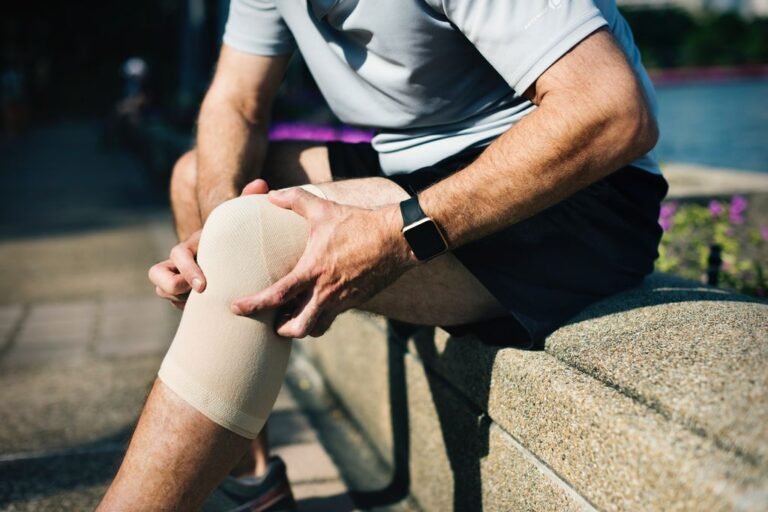
Knee pain is a common issue that many runners experience. It can range from a dull ache to sharp pain and can occur during or after a run. Knee pain can be caused by a variety of factors, including overuse, poor form, and underlying injuries or conditions.
Understanding the cause of knee pain is crucial for effective treatment and management. Depending on the underlying cause, treatment options can range from rest and ice to physical therapy and surgery. Additionally, taking steps to prevent knee pain from occurring in the first place, such as wearing proper footwear and gradually increasing mileage, can be helpful.
Key Takeaways
- Knee pain is a common issue among runners that can be caused by a variety of factors.
- Understanding the cause of knee pain is important for effective treatment and management.
- Taking preventative measures, such as wearing proper footwear and gradually increasing mileage, can help reduce the risk of knee pain from running.
Understanding Knee Pain in Runners
As runners, we know that knee pain can be a frustrating and debilitating issue. It can be difficult to determine the cause of the pain and what steps to take to alleviate it. In this section, we will discuss the causes of knee pain in runners and the symptoms to look out for.
Causes of Knee Pain
There are several causes of knee pain in runners, including overuse injury, trauma, and structural problems. One of the most common causes is runner’s knee, also known as patellofemoral pain syndrome. This condition is caused by irritation of the soft tissues or lining of the knee, worn or torn cartilage, or strained tendons. It is often the result of overuse, weakness in the thigh muscles (quadriceps), tight hamstrings, a tight Achilles tendon or iliotibial (IT) band, poor foot support, or misaligned gait patterns.
Another common cause of knee pain in runners is patellar tendinitis, also known as jumper’s knee. This condition is caused by overuse of the patellar tendon, which connects the kneecap to the shinbone. It is often the result of repetitive jumping or running activities.
Other causes of knee pain in runners can include IT band syndrome, which is caused by friction between the IT band and the thighbone, and meniscus tears, which can be caused by a sudden twisting or turning of the knee.
Symptoms to Look Out For
If you are experiencing knee pain while running, there are several symptoms to look out for. These can include pain in the kneecap, swelling, popping or grinding sensations, weakness, and instability. You may also experience pain when going up or down stairs or when sitting for long periods of time.
If you are experiencing any of these symptoms, it is important to seek a diagnosis from a healthcare provider. They can help determine the cause of the pain and recommend appropriate treatment options, which may include rest, ice, compression, and elevation (RICE), physical therapy, or medication. In some cases, surgery may be necessary to repair the injury.
In conclusion, knee pain can be a frustrating and debilitating issue for runners. It is important to understand the causes of knee pain and the symptoms to look out for in order to seek appropriate treatment and prevent further injury.
Treatment and Management of Knee Pain

If you experience knee pain while running, it’s important to take steps to manage and treat the pain. There are various medical interventions and home remedies that can help alleviate knee pain.
Medical Interventions
If your knee pain is severe, you may need medical intervention. In some cases, surgery may be necessary. However, most knee pain can be treated without surgery. Your doctor may recommend physical therapy to help strengthen your knee and improve flexibility. They may also recommend anti-inflammatory medication, such as ibuprofen or naproxen, to help reduce inflammation and alleviate pain. In some cases, steroid injections may be necessary to relieve pain and inflammation.
Home Remedies
There are several home remedies that can help manage knee pain. Rest and ice can help reduce inflammation and alleviate pain. Elevating your knee and using compression can also help reduce swelling. You can also try wearing a knee brace or using orthotics to help support your knee and reduce pain while running. Swimming is a low-impact exercise that can help strengthen your knee and improve flexibility. Strengthening exercises, such as leg lifts and squats, can also help improve knee strength and reduce pain.
It’s important to consult with a physical therapist or doctor before attempting any home remedies or exercises. They can help you determine the best course of action for managing your knee pain. In some cases, x-rays may be necessary to determine the cause of your knee pain.
In summary, knee pain while running can be managed through a variety of medical interventions and home remedies. Rest, ice, and compression can help reduce inflammation and alleviate pain. Physical therapy and strengthening exercises can help improve knee strength and flexibility. Anti-inflammatory medication and steroid injections may also be necessary to relieve pain and inflammation. Consult with a doctor or physical therapist to determine the best course of action for managing your knee pain.
Preventing Knee Pain from Running
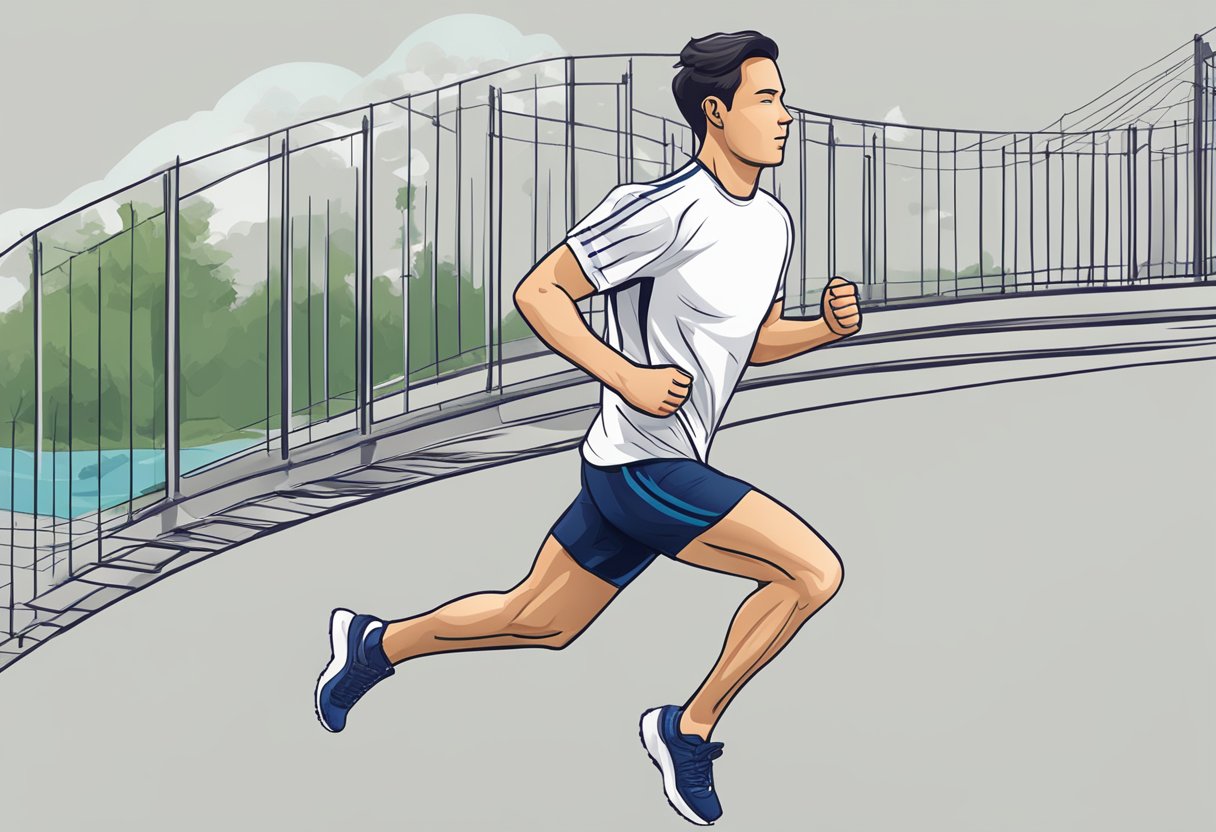
As runners, we know that knee pain can be a common issue that can prevent us from reaching our running goals. However, there are several preventative measures we can take to help reduce the risk of knee pain when running.
Choosing the Right Running Gear
One important factor to consider when preventing knee pain from running is choosing the right running gear. This includes selecting running shoes that provide adequate arch support and cushioning to help absorb shock and reduce the impact on our knees. Additionally, wearing proper running attire can also help prevent knee pain by allowing for proper range of motion and reducing wear and tear on our joints.
Proper Running Techniques
Proper running technique is another key factor in preventing knee pain. This includes maintaining good posture, engaging our core muscles, and avoiding overstriding. It is also important to gradually increase our running mileage and intensity to prevent overuse injuries such as jumper’s knee.
Stretching and flexibility exercises can also help prevent knee pain by improving our range of motion and reducing muscle tightness. Incorporating lunges, squats, and foam rolling into our workout routine can help improve flexibility and reduce the risk of injury.
If knee pain does occur, it is important to take proper measures to prevent further injury. This may include using an elastic bandage for support, elevating the affected area, and taking a break from running until the pain subsides. In some cases, shoe inserts or custom orthotics may be recommended to provide additional support and cushioning.
Maintaining a healthy weight and avoiding activities that put excessive stress on our knees, such as kneeling or bending, can also help prevent knee pain. If knee pain persists or worsens, it may be necessary to seek medical attention and undergo further evaluation, such as an MRI, to determine the underlying cause of the pain.
Overall, by taking preventative measures and practicing proper running techniques, we can help reduce the risk of knee pain and continue to enjoy the many benefits of running.
Frequently Asked Questions
What are some effective stretches for runner’s knee?
Stretching can help relieve tightness and discomfort associated with runner’s knee. Some effective stretches include:
- Hamstring stretch: Sit on the floor with your legs straight out in front of you. Reach forward and try to touch your toes. Hold for 15-30 seconds and repeat on the other leg.
- Quadriceps stretch: Stand with your feet hip-width apart. Lift your right foot up and grab it with your right hand. Pull your heel towards your buttocks. Hold for 15-30 seconds and repeat on the other leg.
- IT band stretch: Cross your right leg over your left leg. Reach your right arm up and over your head. Lean to the left side until you feel a stretch in your right hip. Hold for 15-30 seconds and repeat on the other side.
What are some treatments for patellofemoral pain syndrome?
There are several treatments for patellofemoral pain syndrome, including:
- Rest: Take a break from running and other activities that aggravate your knee pain.
- Ice: Apply ice to your knee for 15-20 minutes at a time, several times a day.
- Compression: Wear a knee brace or wrap to provide support and reduce swelling.
- Physical therapy: Work with a physical therapist to strengthen your knee and improve your range of motion.
- Medications: Over-the-counter pain relievers like ibuprofen can help reduce pain and inflammation.
How can I prevent knee pain while running?
To prevent knee pain while running, try the following:
- Warm up: Take a few minutes to warm up before you start running.
- Stretch: Stretch your muscles before and after your run.
- Wear proper shoes: Make sure your shoes fit well and provide adequate support.
- Gradually increase mileage: Don’t increase your mileage too quickly.
- Cross-train: Incorporate other activities like swimming or cycling into your routine to give your knees a break.
What are the symptoms of runner’s knee?
The symptoms of runner’s knee include:
- Pain around the kneecap
- Pain when bending or squatting
- Pain when walking up or down stairs
- Swelling around the knee
How long does it take to recover from runner’s knee?
The recovery time for runner’s knee depends on the severity of the injury. Mild cases may only take a few weeks to heal, while more severe cases may take several months.
Is it normal to experience knee pain after exercise but not during?
It is not uncommon to experience knee pain after exercise, especially if you have overworked your muscles. However, if you are experiencing persistent or severe knee pain, it is important to seek medical attention to rule out any underlying injuries or conditions.