Understanding the Cause of Knee Pain Going Down Stairs
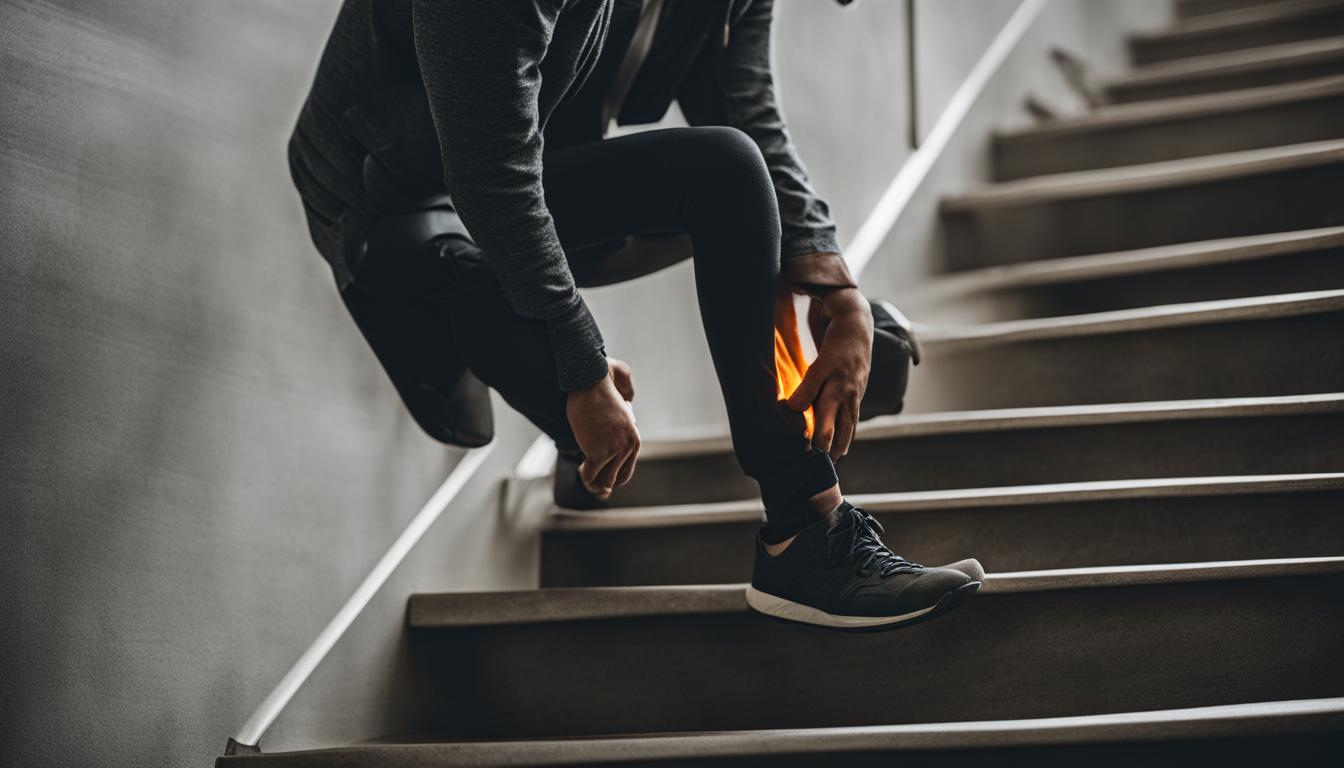
Knee pain when going down stairs can be a debilitating issue that hinders everyday activities. The force exerted on the kneecap while descending stairs is approximately 3.5 times the body weight, placing significant pressure on the knee joint. It’s essential to identify the root cause of this pain to effectively manage and improve mobility.
The most common cause of knee pain when going downstairs is runner’s knee, medically known as patellofemoral pain syndrome. Other potential causes include chondromalacia patella, osteoarthritis, and pes anserine bursitis. By understanding the underlying cause of knee pain when going down stairs, individuals can seek appropriate treatment options and regain their quality of life.
Key Takeaways:
- Descending stairs can exert 3.5 times the body weight on the knee, leading to pain and discomfort.
- Common causes of knee pain when going downstairs include runner’s knee, chondromalacia patella, osteoarthritis, and pes anserine bursitis.
- Strengthening the surrounding knee muscles and using proper stair-climbing techniques can help manage knee pain.
- Seeking professional advice is crucial for developing an effective treatment plan.
- Addressing the cause of knee pain can improve overall mobility and enhance daily activities.
Common Causes of Knee Pain Going Down Stairs
Knee pain when going down stairs can be attributed to various factors. Understanding the common causes of this discomfort is crucial in determining the appropriate treatment and management strategies. The four most prevalent culprits behind knee pain when descending stairs are:
- Runner’s Knee: Also known as patellofemoral pain syndrome, runner’s knee affects the movement of the patella (kneecap). This condition is characterized by pain and grinding sensations.
- Chondromalacia Patella: This condition involves the softening and deterioration of the cartilage beneath the kneecap. It often leads to pain and difficulty when going up or down stairs.
- Osteoarthritis: A degenerative condition that affects the knee joint, osteoarthritis can cause pain and stiffness, especially during weight-bearing activities such as stair climbing.
- Pes Anserine Bursitis: Inflammation of the pes anserine bursa on the inner side of the knee can result in pain and swelling, particularly when going up stairs.
Identifying which of these conditions is the underlying cause of knee pain when descending stairs is essential for effective treatment and pain management. Consultation with a healthcare professional can help determine the most appropriate course of action.
Caring for your knees
| Condition | Symptoms | Treatment |
|---|---|---|
| Runner’s Knee | Pain and grinding sensations in the knee joint | Rest, physical therapy, and strengthening exercises |
| Chondromalacia Patella | Pain and difficulty when going up or down stairs | Physical therapy, pain management, and lifestyle modifications |
| Osteoarthritis | Pain and stiffness, especially during weight-bearing activities | Physical therapy, medication, and lifestyle changes |
| Pes Anserine Bursitis | Pain and swelling on the inner side of the knee, particularly when going up stairs | Rest, ice, physical therapy, and anti-inflammatory medications |
Caring for your knees involves a comprehensive approach, including rest, physical therapy, pain management, and lifestyle modifications. By addressing the underlying causes of knee pain when descending stairs, individuals can find relief and improve their overall quality of life.
Managing Knee Pain on Stairs
When it comes to managing knee pain on stairs, there are several effective strategies that can help alleviate discomfort and improve mobility. By implementing these tips, you can reduce the strain on your knees and make going down stairs a more comfortable experience.
Strengthening the Muscles Surrounding the Knee
One of the key ways to manage knee pain on stairs is by strengthening the muscles that support the knee joint. Specifically, focusing on the quadriceps and hamstrings can provide better stability and support, reducing the pressure on the knees. Incorporate exercises such as squats, lunges, and leg presses into your workout routine to target these muscle groups. Performing these exercises with proper form and technique is crucial to ensure maximum benefit and reduce the risk of injury.
Physical Therapy Exercises and Stretches
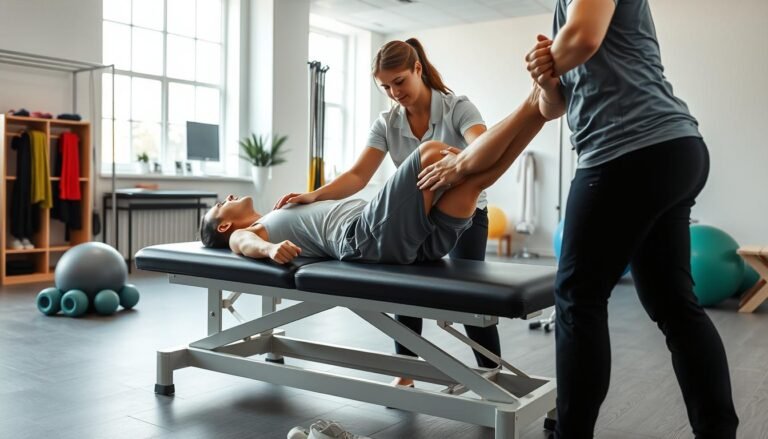
Engaging in physical therapy exercises and stretches can help improve knee function and reduce pain when going down stairs. These exercises are designed to target specific muscles and improve range of motion in the knee joint. Your physical therapist or healthcare professional can prescribe exercises tailored to your specific needs and condition. Regularly incorporating these exercises into your routine can help strengthen the knee and alleviate pain.
Proper Stair-Climbing Techniques
Using proper techniques when climbing stairs can significantly reduce the strain on your knees. Start by leading with your whole foot instead of just the toes, distributing the force more evenly. Engaging the gluteal muscles, which are the muscles in your buttocks, while climbing stairs can also help alleviate pressure on the knee joint. By activating these muscles, you can shift some of the workload away from the knees, providing relief and reducing pain.
Rest, Ice, Compression, and Elevation (RICE) Method
Applying the RICE method can provide temporary relief from knee pain on stairs. Resting the affected knee allows time for healing and reduces further aggravation. Applying ice to the knee for 15-20 minutes at a time, several times a day, can help reduce pain and swelling. Compression using a knee brace or wrap can provide support and alleviate discomfort. Elevating the leg while resting can help reduce swelling and promote blood flow to the area.
Over-the-Counter Pain Medication
If your knee pain on stairs persists, over-the-counter pain medication can help provide temporary relief. Nonsteroidal anti-inflammatory drugs (NSAIDs) such as ibuprofen or naproxen can help reduce pain and inflammation. However, it is essential to consult with a healthcare professional before taking any medication, as they can provide guidance on the appropriate dosage and potential side effects.
To effectively manage knee pain on stairs, it is crucial to consult with a healthcare professional who can provide a comprehensive evaluation and determine the best treatment plan for your specific needs. They can offer personalized advice, prescribe specific exercises, and recommend additional treatments such as physical therapy or orthopedic interventions.
The Impact of Forces on the Knee Cap
When it comes to knee pain, understanding the impact of forces on the knee cap is crucial. Different activities exert varying amounts of force on the knee, which can explain why going downstairs can be particularly painful for some individuals. Let’s take a closer look at how these forces affect the knee joint.
When walking, the force through the knee is typically around 0.5 times body weight. However, when climbing up stairs, this force increases to approximately 2.5 times body weight. The real challenge comes when going downstairs, as the force through the knee cap reaches a staggering 3.5 times body weight. This significant increase in force can create added strain on the knee joint, leading to pain and discomfort.
To put this into perspective, squatting puts the highest amount of force on the knee, with forces reaching 7 to 8 times body weight. It’s clear that when going downstairs, our knees are subjected to a substantial amount of pressure, which can have a significant impact on our comfort and mobility.
Understanding the impact of forces on the knee when going downstairs highlights the importance of addressing knee pain and finding ways to reduce the strain on the knee joint. By implementing appropriate strategies and seeking professional guidance, individuals can alleviate pain, improve mobility, and enjoy daily activities with greater comfort and ease.
Conclusion
Knee pain when going down stairs can be a frustrating and debilitating problem, but by understanding the underlying causes, we can develop effective strategies for managing and alleviating the pain. Whether it’s runner’s knee, chondromalacia patella, osteoarthritis, or pes anserine bursitis, identifying the specific condition is crucial in creating an individualized treatment plan.
One of the key approaches to managing knee pain on stairs is through strengthening the surrounding muscles, particularly the quadriceps and hamstrings. Investing time in targeted exercises and stretches can help provide better support and stability to the knee, reducing pain and discomfort.
Additionally, using proper techniques when climbing stairs is essential. Leading with the whole foot and consciously activating the gluteal muscles can help distribute the weight and alleviate pressure on the knee joint. By adopting these techniques, individuals can reduce the strain on their knees and improve their overall mobility.
However, it is important to remember that each case of knee pain on stairs is unique, and seeking professional advice is crucial. Healthcare professionals can provide a comprehensive evaluation of the condition and recommend specific treatments and interventions that are tailored to the individual’s needs. By addressing the underlying cause of knee pain and implementing appropriate strategies, individuals can find relief and regain their ability to navigate stairs without discomfort.
FAQ
What is the most common cause of knee pain when going down stairs?
The most common cause of knee pain when going down stairs is runner’s knee or patellofemoral pain syndrome.
What are some other common causes of knee pain when descending stairs?
Other common causes of knee pain when going down stairs include chondromalacia patella, osteoarthritis, and pes anserine bursitis.
How can I manage knee pain when going down stairs?
You can manage knee pain when going down stairs by strengthening the muscles around the knee, using proper stair-climbing techniques, and seeking professional advice.
Why does knee pain worsen when going down stairs?
The force through the knee cap when going down stairs is 3.5 times the body weight, which puts significant pressure on the knee joint and can worsen knee pain.
How is the force on the knee different during various activities?
Walking exerts a force of 0.5 times body weight on the knee, climbing up stairs increases it to 2.5 times body weight, and going down stairs reaches 3.5 times body weight, explaining why knee pain can be worse when descending stairs.